
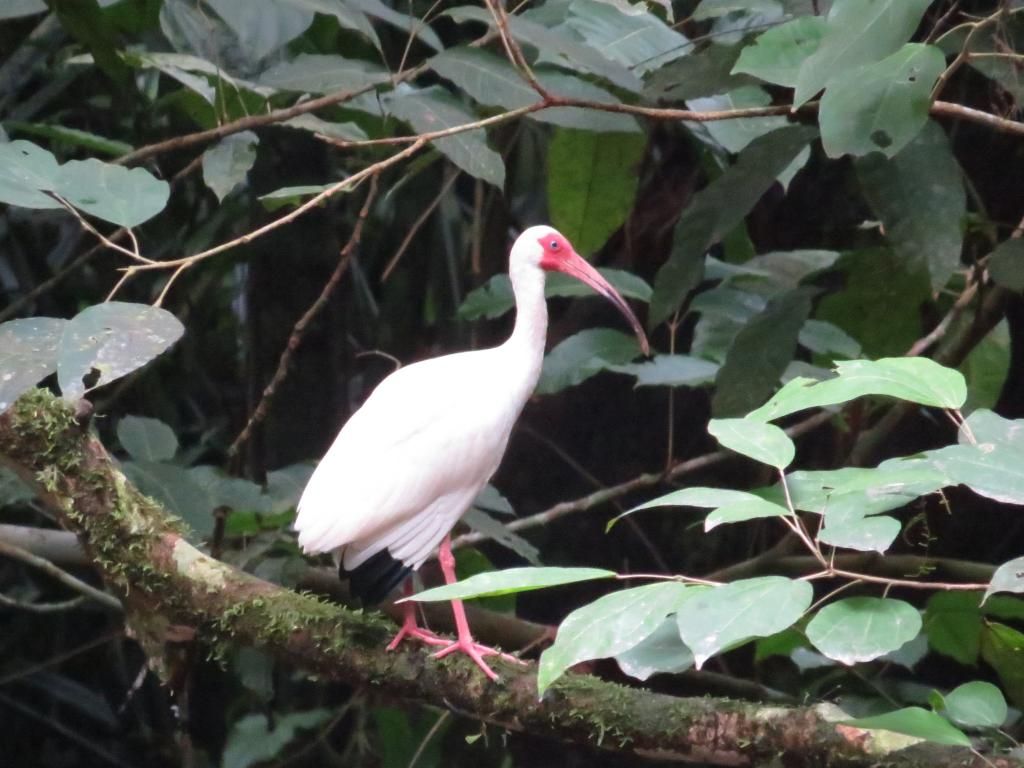
White Ibis on the banks of a river.
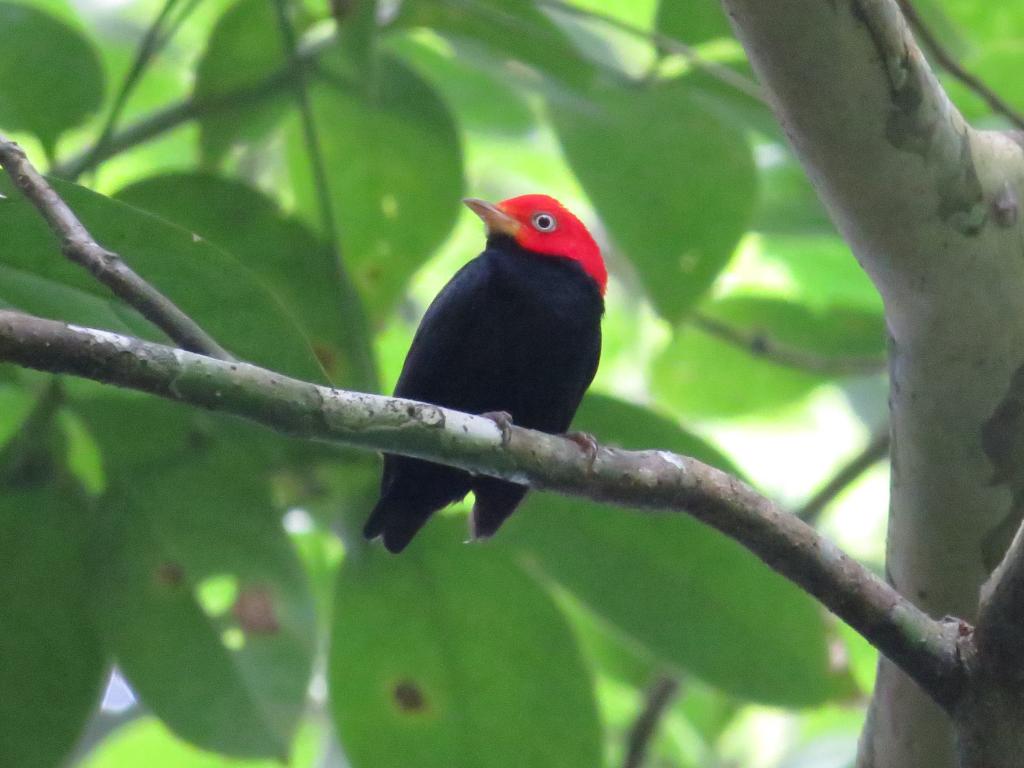
As I hinted in Part 1, Carara National Park is great for experiencing much of Costa Rica’s famous biodiversity. Monkeys, iguanas, poison dart frogs, and insects, together in a rich rainforest replete with all sorts of weird fungi that can look tasty and cute. Upon entering the park, James and I were greeted with the laughing calls of Black-hooded Antshrikes, birds that enjoy the columns of marching insects that commonly go by the name of “army ants.” Plenty of other birds with the word “ant” in their names made themselves known with their songs or movements in the undergrowth: male and female Dot-winged Antwrens, a Dusky Antbird, several Chestnut-backed Antbirds and Black-faced Antthrushes, and even a Streak-chested Antpitta heard from afar.
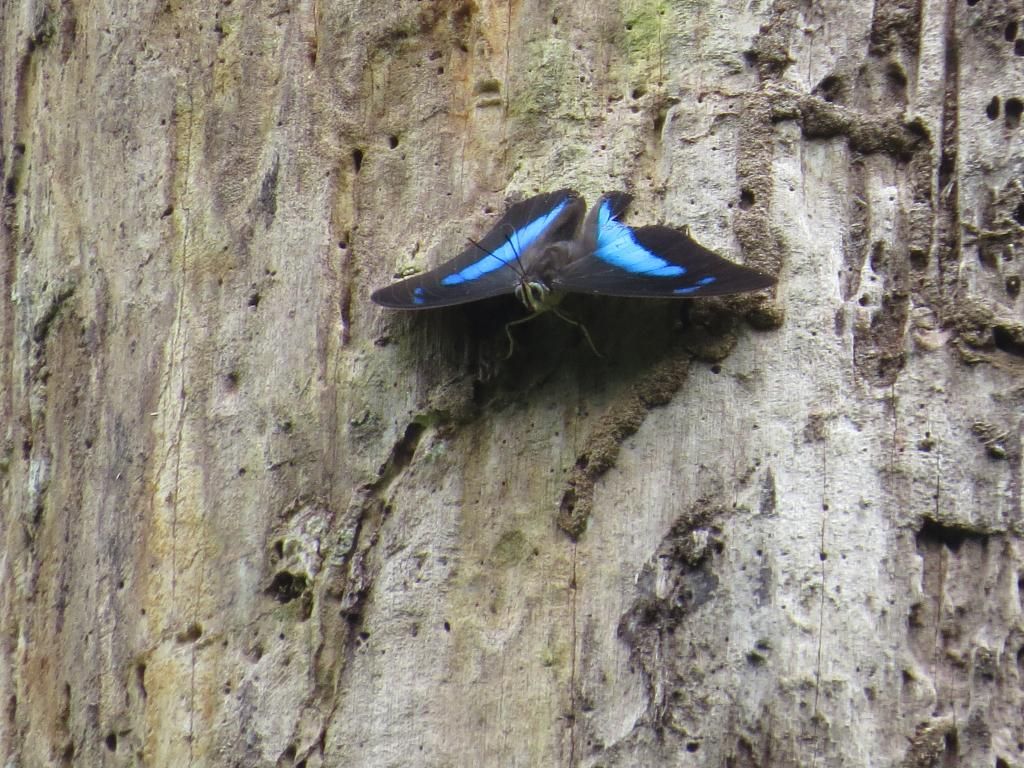
 Apart from birds, we also saw several species of butterfly, including this one with the classic owl-eye pattern on its wings to startle potential predators. We also saw cicadas, but several times they had fallen prey to skillful salliers from silent perches. This female White-whiskered Puffbird, as well as this woodcreeper (Long-tailed, perhaps?), both emerged from their hidden leafy blinds to land somewhere with a juicy, shiny cicada in their beaks. There were several other woodcreepers doing their job–creeping along tree trunks–like a Streaked Woodcreeper with its powerful bill, and in general James and I struggled to Continue reading →




![Box 8. L'avocette de Buffon. Near Nantes, France, [1805 or 1806]. 1 drawing : pastel, graphite, and ink on paper ; 47 x 31 cm. Depicts the Avocet (Recurvirostra avosetta) standing on the ground with no background details. Unsigned. Audubon no. 117.](https://organikos.net/wp-content/uploads/2014/09/aubudon_buffon_605_1.jpg?w=676)




 Organikos