Chile Finds A Better Path To Renewable Energy

Chile4

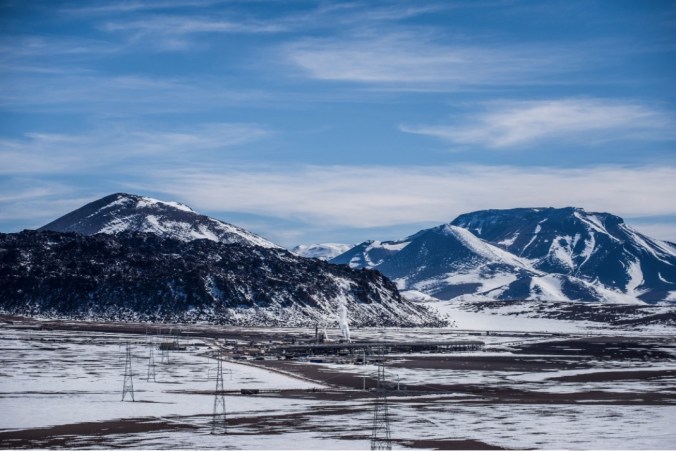
The first geothermal energy plant in South America is in Cerro Pabellón, Chile, 14,760 feet above sea level, surrounded by volcanoes. Credit Meridith Kohut for The New York Times

Chile’s near catastrophe with hydroelectric energy, averted in part thanks to the efforts of friends in the Patagonia Sin Represas campaign, made us wonder whether Chile’s path to a greener future would be straight and narrow. Thanks to the New York Times and Ernesto Londoño we think we have strong evidence helping us with the answer:

Chile’s Energy Transformation Is Powered by Wind, Sun and Volcanoes

CERRO PABELLÓN, Chile — It looks and functions much like an oil drilling rig. As it happens, several of the men in thick blue overalls and white helmets who operate the hulking machine once made a living pumping crude.

Chile2

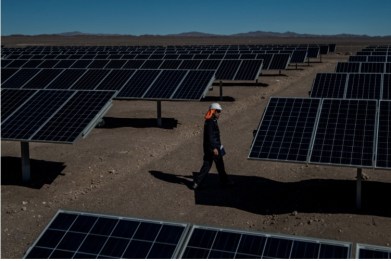
A worker inspecting solar panels in the Atacama Desert in Chile, one of the driest and sunniest places on Earth. The sun is so strong there that workers must wear protective suits and slather on thick layers of sunscreen. Credit Meridith Kohut for The New York Times

With the ability to power roughly 165,000 homes, the new plant is yet another step in Chile’s clean energy transformation. This nation’s rapidly expanding clean energy grid, which includes vast solar fields and wind farms, is one of the most ambitious in a region that is decisively moving beyond fossil fuels.

Chile1

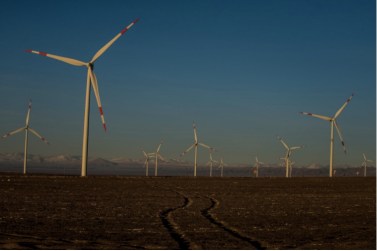
Wind turbines in the Atacama Desert and other turbines along Chile’s 2,653-mile coast contribute to power to national grid. Credit Meridith Kohut for The New York Times

Latin America already has the world’s cleanest electricity, having long relied on dams to generate a large share of its energy needs, according to the World Bank.

But even beyond those big hydropower projects, investment in renewable energy in Latin America has increased 11-fold since 2004, nearly double the global rate, according to a 2016 report by the International Renewable Energy Agency, an intergovernmental organization. Chile, Mexico and Brazil are now among the top 10 renewable energy markets in the world.

Chile3So as Latin America embraces greener energy sources, government officials and industry executives in the region have expressed a sense of confusion, even bewilderment, with the Trump administration’s decision to withdraw from the climate changecommitments contained in the Paris Agreement, declare an end to the “war on coal” and take aim at American environmental regulations. Continue reading
Sunlight and Seaweed

Daniel Poloha/shutterstock.com

Thanks to the Conversation for highlighting the potential of this inspiring technology.

How farming giant seaweed can feed fish and fix the climate

Bren Smith, an ex-industrial trawler man, operates a farm in Long Island Sound, near New Haven, Connecticut. Fish are not the focus of his new enterprise, but rather kelp and high-value shellfish. The seaweed and mussels grow on floating ropes, from which hang baskets filled with scallops and oysters. The technology allows for the production of about 40 tonnes of kelp and a million bivalves per hectare per year. Continue reading

Archeologists On Ice

Burdick-An-Ancient-Lunch-Box-Emerges-from-the-Ice

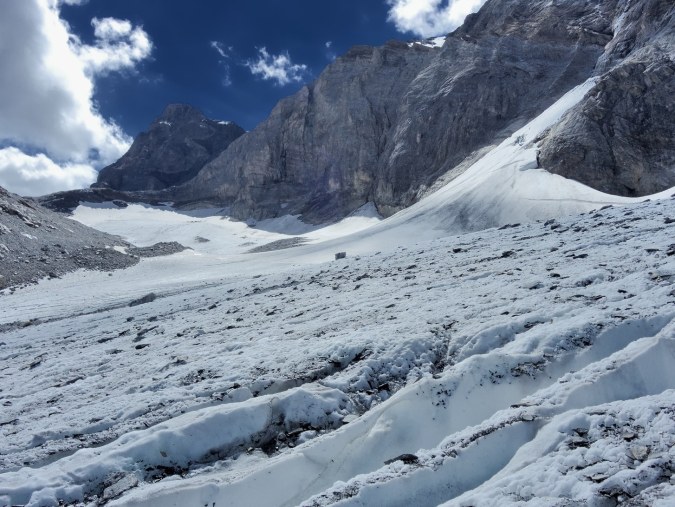
The global glacier meltdown may be bad for those of us who live in the present, but it’s giving archeologists an exciting window into the past. Photograph by Zacharie Grossen / Wikimedia Commons

Thanks to Alan Burdick for illuminating some of the silver linings of the otherwise cloudy prospects of melting glaciers:

An Ancient Lunchbox Emerges from the Ice

In the past century, the glaciers and ice fields of the European Alps have lost half their volume to global warming, and their continued retreat, like that of glaciers everywhere in the world, is accelerating. By 2100, many scientists predict, they will have all but disappeared. The meltdown has already disrupted the region’s sensitive mountain ecosystems and tourist resorts—some local communities have taken to laying protective white blankets over the snow and ice—but it has also opened up new avenues of scientific inquiry. Continue reading

Deforestation Demystified

We know how to reduce deforestation – so where’s the money?

Paying people not to cut down trees works, evidence shows – so can we really afford not to do so? Continue reading

California Leading On Climate

25CALIFORNIA1-master768-v2

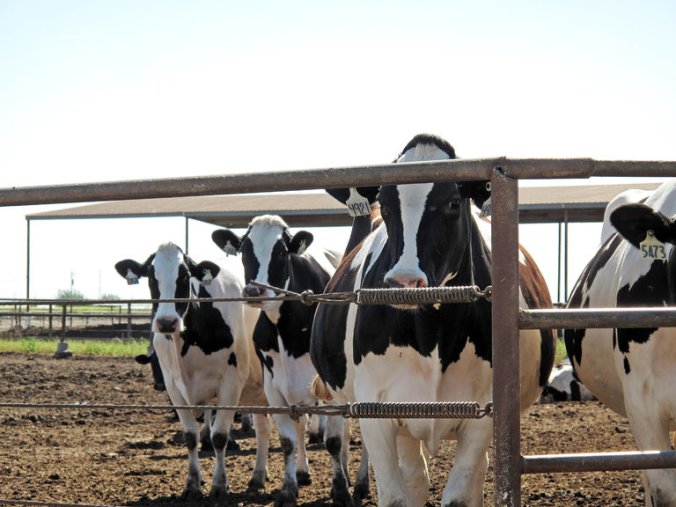
Dairy cows in Fresno County, Calif. Some of the reductions in a state proposal to reduce emissions would come from curbing emissions of methane, a potent greenhouse gas, from manure piles at dairy farms. Credit Scott Smith/Associated Press

We appreciate California’s heroic measures to take responsibility and show leadership where it can on climate change:

Over the past decade, California has passed a sweeping set of climate laws to test a contentious theory: that it’s possible to cut greenhouse gas emissions far beyond what any other state has done and still enjoy robust economic growth.

Now that theory faces its biggest test yet. Last August, the State Legislature set a goal of slashing emissions more than 40 percent below today’s levels by 2030, a far deeper cut than President Barack Obama proposed for the entire United States and deeper than most other countries have contemplated.

So how will California pull this off? Continue reading

Some Climate Solutions Are Simple

20FOREST-master1050.jpg

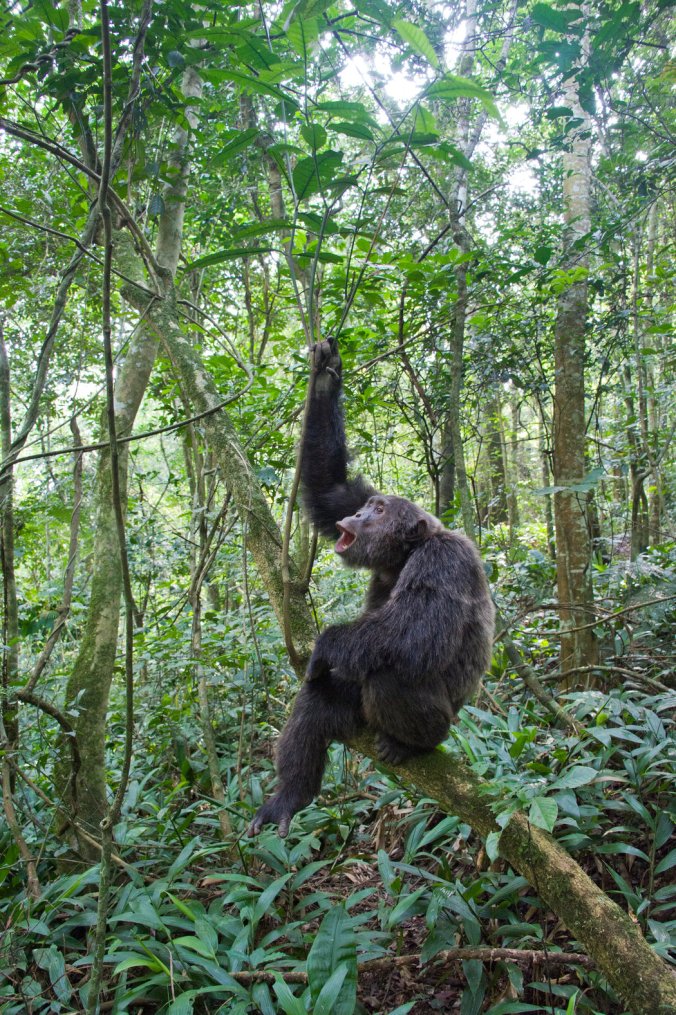
A male chimpanzee hooting in the wild forests of western Uganda. Deforestation in the country is occurring at some of the fastest rates on Earth, shrinking the habitat of this endangered species. Credit Suzi Eszterhas/Minden Pictures

Thanks to the New York Times for this refresher on the basics of climate change and what is needed that we can most easily do to counter its effects:

A Cheap Fix for Climate Change? Pay People Not to Chop Down Trees

By Brad Plumer

The tropical forests in western Uganda, home to a dwindling population of endangered chimpanzees, are disappearing at some of the fastest rates on Earth as local people chop down trees for charcoal and to clear space for subsistence farming.

Now, a team of researchers has shown that there is a surprisingly cheap and easy way to slow the pace of deforestation in Uganda: Just pay landowners small sums not to cut down their trees. Their study, published in the journal Science on Thursday, demonstrated this by conducting something all too rare in environmental policy — a controlled experiment. Continue reading

“Arks of the Apocalypse”

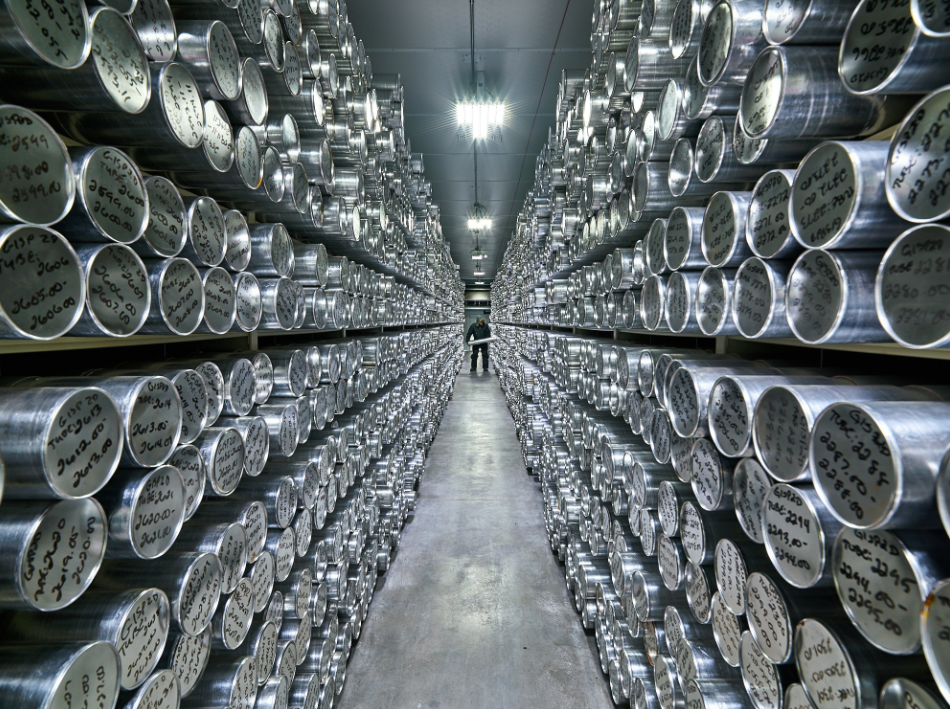
U.S. National Ice Core Laboratory, Lakewood, Colo. photo credit: Spencer Lowell for The New York Times

Thanks again to the New York Times for highlighting the global nature of this scientific “call to arms” to save not only data, but genetic and organic material as a back-up plan for future generations. From the Svalbard Global Seed bank in Norway, to sperm banks for coral, endangered wildlife, and even glacial ice – these archives are meant to provide both a life line to the future and answers about the past.

The fragility of each project is evident as Science itself has come under attack from current public policy, which doesn’t appear to see the irony of their denial in the face of facts about climate change.

It was a freakishly warm evening last October when a maintenance worker first discovered the water — torrents of it, rushing into the entrance tunnel of the Svalbard Global Seed Vault, a storage facility dug some 400 feet into the side of a mountain on a Norwegian island near the North Pole. A storm was dumping rain at a time of year when the temperature was usually well below freezing; because the water had short-circuited the electrical system, the electric pumps on site were useless. This subterranean safe house holds more than 5,000 species of essential food crops, including hundreds of thousands of varieties of wheat and rice. It was supposed to be an impenetrable, modern-day Noah’s ark for plants, a life raft against climate change and catastrophe.

A few Norwegian radio stations and newspapers reported the incident at the time, but it received little international attention until May, when it was becoming clear that President Trump was likely to pull the United States out of the Paris climate agreement. Suddenly the tidings from Svalbard were everywhere, in multiple languages, with headlines like “World’s ‘Doomsday’ Seed Vault Has Been Breached by Climate Change.” It didn’t matter that the flood happened seven months earlier, or that the seeds remained safe and dry. We had just lived through the third consecutive year of the highest global temperatures on record and the lowest levels of Arctic ice; vast swaths of permafrost were melting; scientists had recently announced that some 60 percent of primate species were threatened with extinction. All these facts felt like signposts to an increasingly hopeless future for the planet. And now, here was a minifable suggesting that our attempts to preserve even mere traces of the bounty around us might fall apart, too.

Continue reading

Massive Ice Shelf Larsen C

antarctic-rift-900

NASA Blue Marble imagery

Thanks to the New York Times for a graphic illustrating the scale of change, aka consequences, related to global warming:

An Iceberg the Size of Delaware Just Broke Away From Antarctica

By  and 

A chunk of floating ice that weighs more than a trillion metric tons broke away from the Antarctic Peninsula, producing one of the largest icebergs ever recorded and providing a glimpse of how the Antarctic ice sheet might ultimately start to fall apart. Continue reading

Keeping Species Populations Healthy


lead_960x.jpg

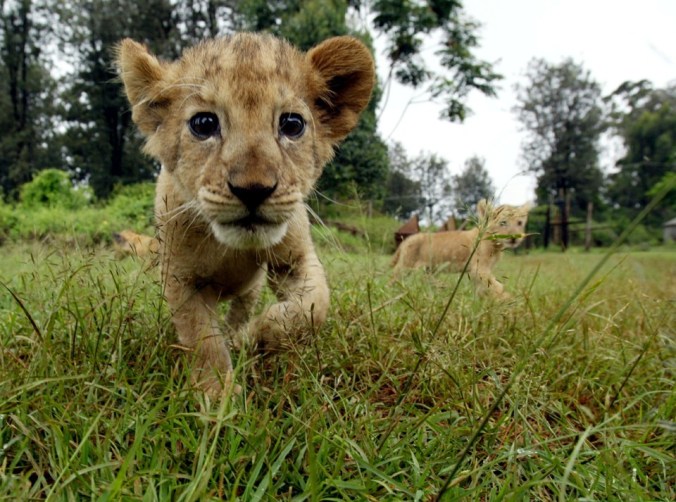
Lion cubs in Kenya. Radu Sigheti / Reuters

At Chan Chich Lodge we are aware that the half million acres of forest surrounding us are essential habitat not just for the specific jaguars, pumas, ocelots, margays and jaguarundis we have the good fortune to see with some frequency. Rather, that scale of acreage is essential for species survival. We are in a large forest corridor that is increasingly rare and unfortunately fragile in other locations throughout the Americas where they still exist. We do what we do with that in mind. Thanks to Ed Yong, at the Atlantic, for this context on extinction:

Imagine if every animal and plant on the planet collapsed into a single population each, says ecologist Gerardo Ceballos. If lions disappeared except from one small corner of Kenya, the prey they keep in check would run amok everywhere else. If sparrows were no more except in one Dutch forest, the seeds that sparrows disperse would stay in place everywhere else. If honeybees became isolated to one American meadow, the flowers that they pollinate would fail to reproduce everywhere else. None of those species would be extinct per se, “but we’d still be in very bad shape,” says Ceballos. Continue reading
Mangrove Mathematics

Mangroves play an essential role in maintaining healthy life on earth, and we’ve been privileged to work in many locations where we’ve seen their impact on biodiversity levels first-hand, including India.

Frequently these ecosystems are under threat of habitat loss, whether for agricultural or land development. Thanks again to Anthropocene for adding up the facts in such clear terms.

Intact mangroves worth twice as much as rice paddies

Conservationists frequently say that ecosystems are worth more when they’re left untouched. But to whom? Local communities who could potentially farm the land might wonder, what’s the real benefit of leaving wild areas intact?

In the Bhitarkanika mangrove in Odisha, India, a group of Indian researchers grappling with this question have arrived at a surprising answer. By leaving the mangrove intact, they say, Bhitarkanika’s surrounding communities can in fact reap almost double the economic benefits they’d get from simply converting the mangrove to crops. Continue reading

Coffee, Ethiopia & Change

processing-of-washed-coffee-south-west-ethiopia---credit---emily-garthwaite-and-union-hand-roasted-coffee-_custom-2fda5cc5dec2fdd97721682ac722920d3b194eb1-s1300-c85.jpg

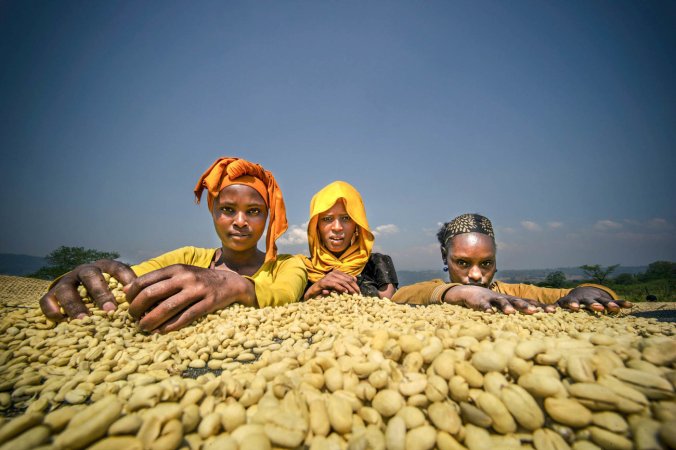
Growing coffee provides income for about 15 percent of Ethiopia’s population and is the country’s top export. Climate change is likely to shrink the land suitable for coffee, thereby also hurting the livelihoods of many people.
Courtesy of Emily Garthwaite

Change is almost never easy. Then there is climate change. Daunting, but we cannot stop considering the implications and the options. The planet may recover in geological time, the underlying logic of those who promote denial of the urgency, but plenty of people are at risk in real time, so no option but to keep focus.

Thanks to the salt, at National Public Radio (USA) for a reminder of coffee‘s relationship with conservation, a reminder of Ethiopia in general, which is always welcome, and especially Ethiopia’s relationship with one of our favorite beverages:

Ethiopia’s Coffee Farmers Are ‘On The Front Lines Of Climate Change’

by Courtney Columbus

Ethiopia gave the world Coffea arabica, the species that produces most of the coffee we drink these days. Today, the country is the largest African producer of Arabica coffee. The crop is the backbone of the country’s economy – some 15 million Ethiopians depend on it for a living. Continue reading

The Sun Over Africa Is Powerful

170626_r30168_rd.jpg

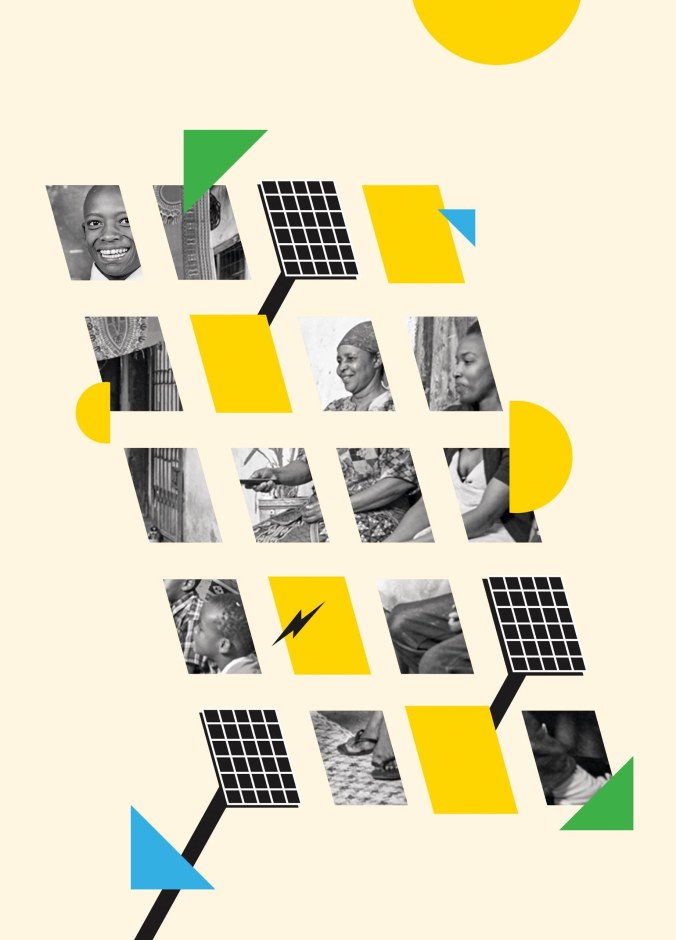
In eighteen months, entrepreneurs brought electricity to hundreds of thousands of people in places that the grid failed to reach. Illustration by Oliver Munday / Photographs courtesy Mathieu Young / Off-Grid Electric

The author has been featured in our pages mainly as an activist, but it is good to see he has returned to the New Yorker as a reporter, writer, and keen observer:

The Race to Solar-Power Africa

American startups are competing to bring electricity to communities that remain off the grid.

By Bill McKibben

The cacao-farming community of Daban, in Ghana, is seven degrees north of the equator, and it’s always hot. In May, I met with several elders there to talk about the electricity that had come to the town a few months earlier, when an American startup installed a solar microgrid nearby. Continue reading

Smith Island’s Odd, Earned Confidence

170522_Smith Island selects-018.jpg

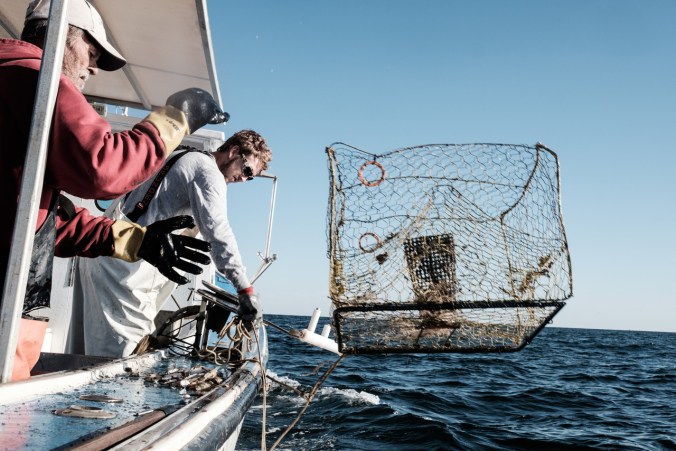
Tyler G. Tyler, right, pulls crab pots at the start of blue crab season. ALL PHOTOS AND VIDEO: ROB KUNZIG

Not worried about the future that climate change has in store for us? Does not sound too cool, or smart. But then, hmmm. Maybe these folks are on to something. Thanks to Atlas Obscura:

Maryland’s Smith Island, Home to a Vanishing Dialect and Rising Sea Levels

Despite climate scientists’ predictions, the laid-back inhabitants aren’t too concerned. Continue reading

Model Mad, Mayors

07pedutoWeb-1496845647065-master315.jpg

Mayor Bill Peduto of Pittsburgh, left, and Mayor Ann Hidalgo, of Paris, are outspoken supporters of the Paris climate accord. Credit Justin Merriman for The New York Times (Peduto); Christophe Ena/Associated Press

She has been featured in these pages due to her creative approach to governance more than once. We are happy to see Ann Hidalgo again, this time providing another example of the “don’t just get angry–do something with creative ferocity” ethos implied in these constant observations of model mad. And we are especially grateful for the joint commentary with Pittsburgh Mayor Bill Peduto, who we hope to see more of:

…Though separated by an ocean and a language, we share a desire to do what is best for our citizens and our planet. That means putting aside parochial politics and embracing the global challenge of fighting climate change. In doing so, we can create a cleaner, healthier, more prosperous world for Parisians, Pittsburghers and everyone else on the planet. Continue reading

Blue Heart of the Planet

The United Nations Ocean Conference is underway to support the implementation of Sustainable Development Goal 14: Conserve and sustainably use the oceans, seas and marine resources for sustainable development.

The importance of collaboration between public and private sectors to brainstorm innovative solutions to environmental issues is becoming increasingly clear, as is the reality that states and local governments will be the stronger voices for climate activism.

The health of the planet and our oceans are interchangeable, and Sylvia Earle has been the spokesperson for that truth for decades.

Take the extra 18+ minutes to listen to her 2009 TED Prize Talk here.


Climate, Agriculture & Disruption

corn-shot_custom-954dc74482bc59c82397d81f4660d015b059809a-s1400-c85

Journalist Chris Clayton writes for an audience filled with climate skeptics: farmers and leaders of agricultural businesses. He’s telling them that a changing climate will disrupt their lives. Courtesy of Chris Clayton

From the salt over at National Public Radio (USA), here is an interview in keeping with the spirit of yesterday’s post on peaches:

…Clayton is a Midwesterner and agricultural policy editor at DTN/The Progressive Farmer. He’s also the author of The Elephant in the Cornfield: The Politics of Agriculture and Climate Change, which describes in detail how farmers and farm lobbyists have dealt — or, more often, refused to deal — with a changing climate.

It has sometimes put Clayton in an awkward spot, as he acknowledged when I reached him this week in his office in Omaha, Neb.

Does it make you nervous, as a reporter at a farm publication, talking about climate change?

All the time. I feel like the guy who has to tell people things they don’t want to hear. But if I simply ignore the topic or ignore the issues, am I doing anybody any favors? Continue reading

I Love Peach

31PEACHES1-superJumbo.jpg

Peaches that bloomed late and thus missed the March freeze at Pearson Farm in Georgia. Production in the state this year might be just a quarter of what it was in 2016. Credit Maura Friedman for The New York Times

I have family in Georgia, and can attest to the state’s obsession described in the first paragraph of the article below. I have visited the state when peach is at its best, and the obsession makes sense to me. Although the article does not mention climate change, per se, considering the news I cannot help filtering this story through that one.

Farmers in the south are part of “the base” that have been led to believe that climate change is a hoax, and that efforts to mitigate it are wasted, even wasteful. Which leads me to wonder whether peach farmers at a moment like this might be on particularly fertile ground–whether they might be inclined to listen to science that can help them understand the season’s tragedy in a new light. For as long as there have been farmers they have been inclined to listen to all kinds of explanations for why things happen the way they do. Maybe climate change has just not been presented by the right messenger with the right message. I love peach enough to want to find out:

The South Faces a Summer With Fewer Peaches

By

ATLANTA — Peaches are such a part of Georgia’s identity that schools, streets and health care plans are named after them. Even the sticker you get when you vote is in the shape of the fruit. South Carolina, one state over, grows more peaches than Georgia. A giant statue of a peach is its most famous roadside attraction. Continue reading

Leadership On Climate Change Is Alive And Well

California Gov. Jerry Brown talks with Sharon Dijksma, Netherlands Minister for the Environment, during the joint Netherlands and California Environmental Protection Agency conference called, “Climate is Big Business,” at the Presidio Wednesday, May 24, 2017, in San Francisco; Photo: Eric Risberg, Associated Press

The news yesterday that the USA is exiting the Paris climate accord was in a font size the New York Times only uses at times of true tragedy–i.e. big news. Editorials accompanying that headline on the front page were proportionately big with invective:

Our Disgraceful Exit

Trump’s Stupid and Reckless Climate Decision

Brooks: Trump Poisons the World

Krugman: Trump Gratuitously Rejects the Paris Accord

All consistent with the implications of the news. There is no discounting the scale of that tragedy, so it is possibly not the right moment to look for silver linings. But that is what we do here, so here goes. In the model mad series we linked to a story about California Governor Jerry Brown, who has been making a stand during decades of public service, and he clearly has no intention of slowing down. The governors of California, New York and Washington on Thursday announced a new “alliance of states dedicated to fighting global warming and urged others to join them”.

“California will resist,” Brown told journalists on a conference call, going on to say that  the administration may well create the exact opposite of what is intended –

an aroused citizenry — and an aroused international community — who will not tolerate this kind of deviant behavior from the highest office in the land.”

Brown and his counterparts, Jay Inslee of Washington and Andrew Cuomo of New York, announced that they would join forces in a United States Climate Alliance, a coalition of states committed to upholding the goals of the Paris agreement.

The three states, combined, represent more than 20 percent of the U.S. population and at least 10 percent of the country’s greenhouse-gas emissions, according to the governors. Continue reading

Gallon Jug’s Bird Friendly Coffee

CoffeeConsvtn.jpg

I am back at Chan Chich, with one goal before I start focusing on my plan to go to graduate school. A recurring theme in my work for La Paz Group, especially at Xandari, has been the intersection of birds and coffee. And now I have some months to think about how this may relate to what I will study in graduate school. One of the programs I am considering applying to is the Masters in Environmental Management at the Yale School of Forestry. Can I link what I have learned while working to what I would study there? If so, maybe I could link that to what I do after grad school.

This other post today reminds me of the value of geeking out from time to time. Most of my attention to coral reef comes from Phil Karp’s posts on this platform and I admit to preferring stories featuring real people and their entrepreneurial approaches to conservation. But science is the other best friend of conservation. Today my attention is turning to coffee, in advance of the arrival this week of an intern coming from Cornell University’s College of Agriculture and Life Sciences.

Just one of the many topics for an intern, with science and research on her side, to help us tackle over the next ten weeks, bird-friendly coffee has been on been on my mind since last year but I have been waiting for the perfect moment to focus. Nothing like the arrival of an intern to focus your mind. And so today in my task-oriented wanderings I came across this website (click the banner above), which I loved immediately for sharing this news on capsules, but the rest of the site is a great resource for present purposes as well:

A short round-up of coffee news.

Leading Legumes To A Better Place


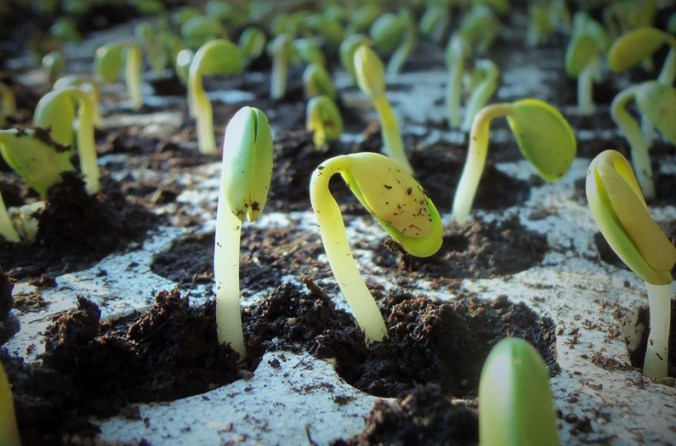
Anthropocene’s Emma Bryce has summarized the science of Building a better soybean:

What will it take to build crops that can withstand future climate changes? A group of plant biologists think they might be on to a solution for soybeans. Using genetic engineering, they’ve created a plant whose yields remain unaffected by high-stress conditions. The key lies in a genetic tweak that makes the plant overexpress a particular enzyme, which is thought to boost the efficiency of their photosynthesis cycle and enhance seed production. Continue reading