Climate Handshake

obamaxi_750

Chinese President Xi Jinping shakes hands with U.S. President Barack Obama at a press conference following their talks at the Great Hall of the People in Beijing, capital of China, Nov. 12, 2014. Photo credit: Xinhua / Liu Weibing

Thanks to EcoWatch, as usual, for keeping us up to date on all things climate change-related:

The two nations will also “take their respective domestic steps in order to join the agreement as early as possible this year” and urge other countries to do the same, “with a view to bringing the Paris agreement into force as early as possible.”

The presidents also indicated that they are planning agreements to limit aviation emissions and the powerful greenhouses gases known as HFCs. Experts and environmental groups are heralding the announcement as a “significant” step, saying that the U.S.-China commitment sends a “strong signal” to other countries. 

Here’s the U.S.-China joint presidential statement on climate change:

1. Over the past three years, climate change has become a pillar of the U.S.-China bilateral relationship. Both countries have taken strong measures at home to build green, low-carbon and climate-resilient economies, helping galvanize global action to combat climate change and culminating in the Paris Agreement reached last December. Continue reading
News We Can Cheer

windwins750.jpg

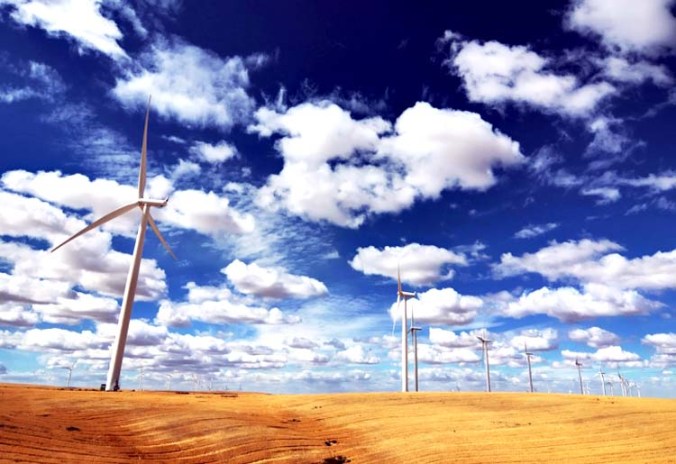
A wind farm in Washington state. Photo credit: Daniel Parks / flickr

Thanks to EcoWatch for this unexpected news:

Renewable Energy Investments Set New Record, Twice That of Coal and Gas

Renewable energy investment totaled a record $286 billion, with China, India, Brazil and other developing countries accounting for $156 billion in 2015. China’s investment alone rose 17 percent from the year prior, representing 36 percent of the global total. Experts expect this surge to continue, while coal remains in decline; China also announced this week that they will be suspending construction of new coal mines in 15 provinces. Continue reading

Winds Across the Plains

High winds have played a significant role in the history of Texas, Oklahoma and the Great Plains. At worst they accentuated the destructive “dust bowl” period, at best they’ve helped to power small homestead farms for several centuries.

As the struggle to step back from carbon based energy continues, it’s happy news that the measures are meeting with more success and fewer obstacles:

The decision also signals that the Obama administration remains committed to encouraging the spread of renewable energy, seen as a major component of reaching national goals on stemming climate change.Multiple companies are hoping to build high-voltage transmission lines to transport renewable energy produced by wind farms and hydroelectric plants to more populous regions of the country. Continue reading

Finding The Silver Lining

winegrapes_custom-24abb0a710e60f262997757c40bf35da573ab4f9-s1400-c85.jpg

A worker cuts a cluster of grapes in the Burgundy region of France during the harvest period. Global warming has made conditions historically associated with great wines more frequent in Bordeaux and Burgundy, a study finds. But things look less bright for California vineyards. Jeff Pachoud/AFP/Getty Images

We admit that we stretch, as frequently as we can, to find alternatives to doom and gloom environmental news.  We submit the following as Exhibit A if a case is to made to prove the point that there is always a silver lining to be found (thanks to National Public Radio, USA):

An Upside To Climate Change? Better French Wine

While climate change threatens coastal cities and generates extreme weather, the effects of global warming could bring good news to some of France’s most esteemed vineyards. Continue reading

Trees Are More Remarkable Than We Thought

17TB-PLANTS-master675

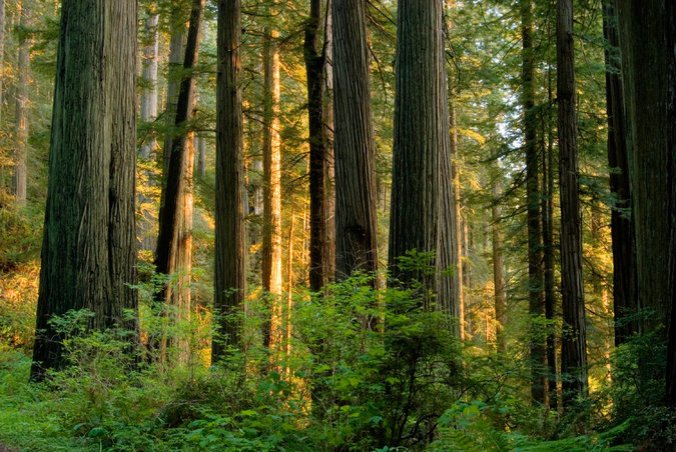
Trees in temperate forests, like these redwoods in Northern California, may adapt to climate change by releasing less carbon dioxide than previously predicted by scientists. Getty Images

And in other “kind of good news”:

Trees Deal With Climate Change Better Than Expected

The bend-don’t-break adaptability of trees extends to handling climate change, according to a new study that says forests may be able to deal with hotter temperatures and contribute less carbon dioxide to the atmosphere than scientists previously thought. Continue reading

This Earth Hour Could Be Epic

Screen Shot 2016-03-18 at 4.01.10 PM

This Earth Hour, join the biggest solar revolution ever – go solar!

This Earth Hour, switch off your lights and switch on the power of the sun. Find out how you can join the biggest solar revolution ever, right here in India, and be a part of the global climate action!

We clicked on the India option first (since so many of our own initiatives are there), which led us to India’s activities related to Earth Hour. Next, Costa Rica. If you visit the website WWF set up to explain and promote Earth Hour, you will get the simple explanation:

As the world stands at a climate crossroads, it is powerful yet humbling to think that our actions today will decide what tomorrow will look like for generations to come. This Earth Hour, ​switch on your social power​ to shine a light on climate action. This is our time to #ChangeClimateChange…our future starts today.

Earth Hour is on Saturday, 19 March 2016 8:30 p.m. local time. Continue reading

Warming Climate & Shrinking Bison

12938647293_8441c5bf5f_k-1260x708

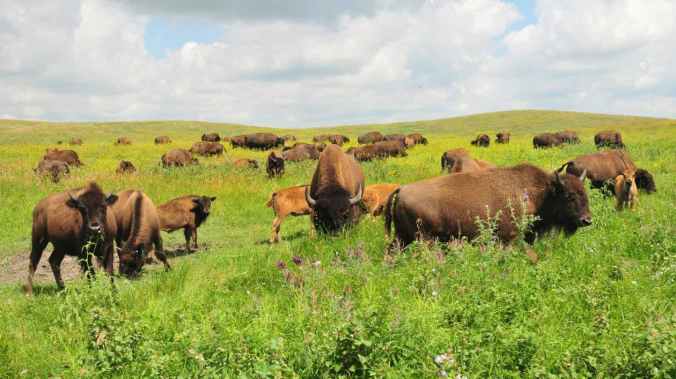
Bison graze on Ordway Prairie, owned and managed by the Nature Conservancy. The site has a USFWS grassland easement protecting it in perpetuity. Photo © USFWS Mountain-Prairie/Flickr

Thanks to science writer Matt Miller, and the Cool Green Science website, we get these stories daily that increase our understanding of the lesser known details of our environment. Are they important? It is a matter of perspective:

Here’s a climate change impact you probably never considered: bison diets.

As the climate warms, bison in North America are likely to shrink, as documented in research published by Joseph Craine and colleagues.

The reason they shrink is because as grasslands warm, grasses and other plants accumulate less protein. Bison are then forced to eat plants that are less nutritious.

This raises a related question: what plants do bison actually eat?

The answer to this question could help conservationists manage for plant species that are higher in protein and preferred by bison – ensuring healthy herds on warming grasslands. Continue reading

Urban Forest


Urban forests play an important role. Not only continuing to act as the Earth’s lungs, but they perform other valuable services – least of all providing the sense of peace and refuge for both humans and wildlife.

Our urban trees in the James River Park System and City of Richmond perform valuable services for us. They anchor the soil on hills and along river and stream edges, which reduces runoff into the river. They provide habitat and food for animals, and moderate the temperatures and rainfall with their canopies. Continue reading

Methane Is Madness, Central New York

25559408356_2c9efc84c5_b

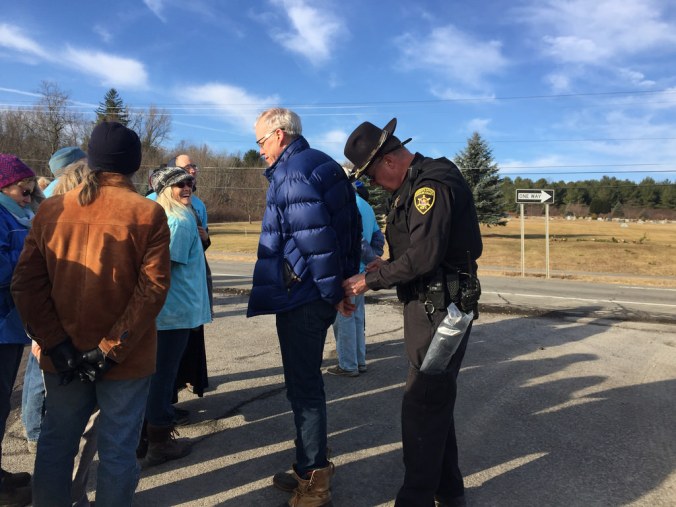
No one contributing to these pages has (yet) taken protest quite this far. We are not surprised to see the man in the blue jacket getting arrested, on principle, but the others listed below–none with as famous a name but all living in a famously protest-inclined part of New York State–make us wonder whether we have what it takes:

Bill McKibben Arrested at Civil Disobedience Action Against Gas Storage at Seneca Lake

Famed author and climate activist joins 56 people from 20 NYS counties to form human blockade at the gates of Crestwood Midstream, demands halt to climate-damaging fracked gas infrastructure, as total number of arrests in sustained campaign hits 537

Watkins Glen, NY – The fight over the fate of the Finger Lakes became national today when best-selling author, environmentalist, and founder of the international climate campaign, 350.org, Bill McKibben joined the opposition. McKibben, 55, was arrested this morning with 56 area residents as part of an ongoing civil disobedience campaign against proposed gas storage in Seneca Lake’s abandoned salt caverns. Continue reading

Climate Denier Roundup

leospeech_750.jpg


You will never have seen Leo’s name in these pages before; our reason for linking to this story is just because the subtitle/byline is so delicious (thanks to EcoWatch):

What Climate Deniers Had to Say About Leo’s Oscars Speech

Climate Denier Roundup | March 1

Millions heard the call for climate action on Sunday night, when Leonardo DiCaprio (finally) accepted the Academy Award for Best Actor for his role in The Revenant.

Continue reading

The Whole Picture

Did you take these for just some stunning water colors? Well, these are hard data on climate change. An artistic expression of an ugly, oft overlooked truth. Jill Pelto, the artist, who graduated in December from the University of Maine with a degree in earth science and studio art, created these paintings based on graphs of data on the environmental effects of climate change.

Continue reading

Double Major

tigerweb_750

Endangered tiger and rainforest habitat decline. Image credit: Jill Pelto

In the years since Raxa Collective has been operational in India, we have welcomed several dozen interns to Kerala from a dozen or more countries around the world, most but not all from university programs that have some attention to sustainable development. The majority of those interns have been graduate students preparing for a career in international business. Most of our interns will not work full time in sustainable development after graduating. But they want this experience to ensure that their work has a kind of “double major” effect so their exposure to sustainability programming is embedded in their more mainstream functional business activities.

Those interns not from university programs are typically taking a sabbatical from their regular work life. They also are typically looking to add the equivalent of a second major to their regular professional life.  Thanks to Clara Chaisson at EcoWatch for this pointer over to an scientist/artist who is doing the same, in her own way:

Scientists are notorious for struggling to communicate the importance of their work in compelling ways. Continue reading

Rising Anxiety

bangladesh

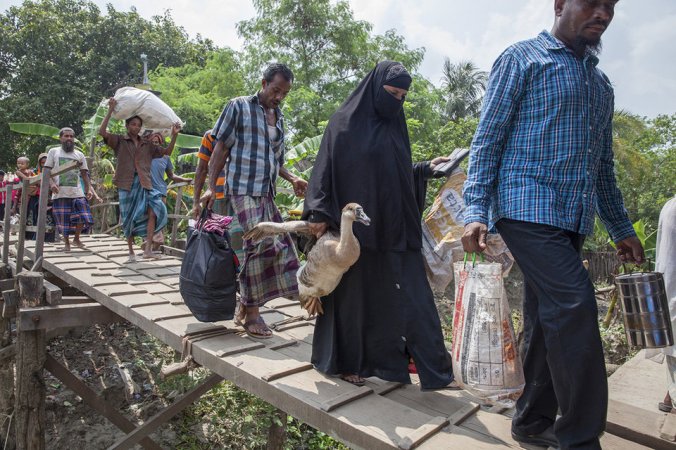
Bangladesh is one of the countries most vulnerable to the effects of climate change with millions expected to be displaced in the next 40 years. PHOTO: Probal Rashid

Developing countries are the most hit by climate change. Its effects—higher temperatures, changes in precipitation patterns, rising sea levels, and more frequent weather-related disasters—pose risks for agriculture, food, and water supplies. At stake are recent gains in the fight against poverty, hunger and disease, and the lives and livelihoods of billions of people in these countries. Bangladesh is one of them, with a rapidly increasing number of ‘climate refugees’.

Continue reading

Entrepreneurship, Ghana and Bamboo Bikes

In the early days of this site I wrote with enthusiasm about High Design bamboo bikes. We can’t overstate the importance of bicycles in both rural and urban environments.

Ghanian Entrepreneur Bernice Dapaah’s work is not only empowering the women who she employs in making bamboo bicycles, but the product should serve as an inspiration to people worldwide,  Continue reading

What Warm Temperatures in the Sub-Arctic Mean

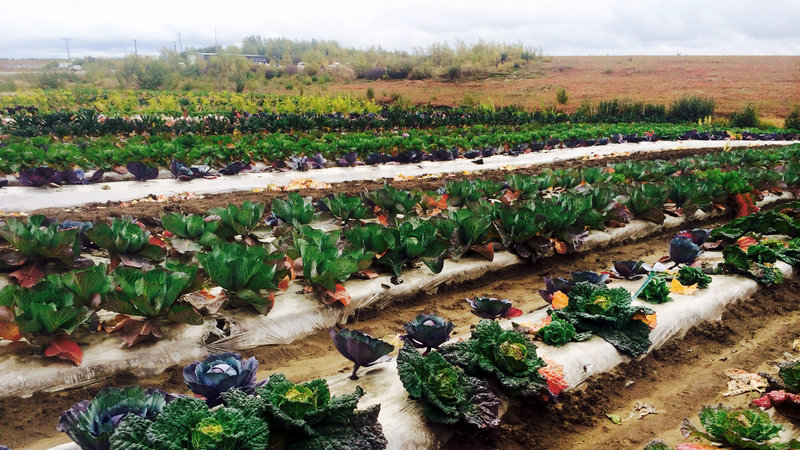
A field near harvest time at Meyers Farm in Bethel, Alaska, can now grow crops like cabbage outside in the ground, due to rising temperatures. PHOTO: Daysha Eaton/KYUK

A field near harvest time at Meyers Farm in Bethel, Alaska, can now grow crops like cabbage outside in the ground, due to rising temperatures. PHOTO: Daysha Eaton/KYUK

Farming in the Arctic? Well, it can be done. The reasons are many. For one, the climate is changing: Arctic temperatures over the past 100 years have increased at almost twice the global average.

On a misty fjord in Greenland, just miles from the planet’s second largest body of ice, Sten Pedersen is growing strawberries. Yellowknife, a Canadian city 320 miles below the Arctic Circle, hosted a farmers market this summer. And a greenhouse in Iqaluit, the capital of the vast Canadian Inuit territory of Nunavut, is producing spinach, kale, peppers and tomatoes. The frozen tundra of the Arctic is experiencing something of an agriculture boom. More

Continue reading

Design Lessons from History

Masdar city in the United Arab Emirates has attempted to combine some of the lessons learned from the past with modern technologies by increasing shaded areas, creating narrow streets and constructing a wind tower.

Masdar city in the United Arab Emirates has attempted to combine some of the lessons learned from the past with modern technologies by increasing shaded areas, creating narrow streets and constructing a wind tower.

Oil heartlands of Abu Dhabi, Dubai, Doha and Iran’s coast will experience higher temperatures and humidity than ever before on Earth if the world fails to cut carbon emissions, according to a recent study. While air-conditioned homes and offices provide respite from the heat, architects are looking to history to find how civilizations battled the hostile conditions.

Historically, the inhabitants of the Gulf were either farmers living near oases in agricultural villages, Bedouins living in tents in the desert, or urban dwellers living in cities. Given the global trend toward urbanisation, it makes sense to take a closer look at how the latter group coped with the heat. Traditional buildings in the gulf’s cities and villages are designed to maximise shading, reduce thermal gain of the sun radiation, regulate building temperature and enhance air circulation. These effects are achieved through a clever combination of building materials, placement and design.

Continue reading

When a Way of Life Melts With the Ice

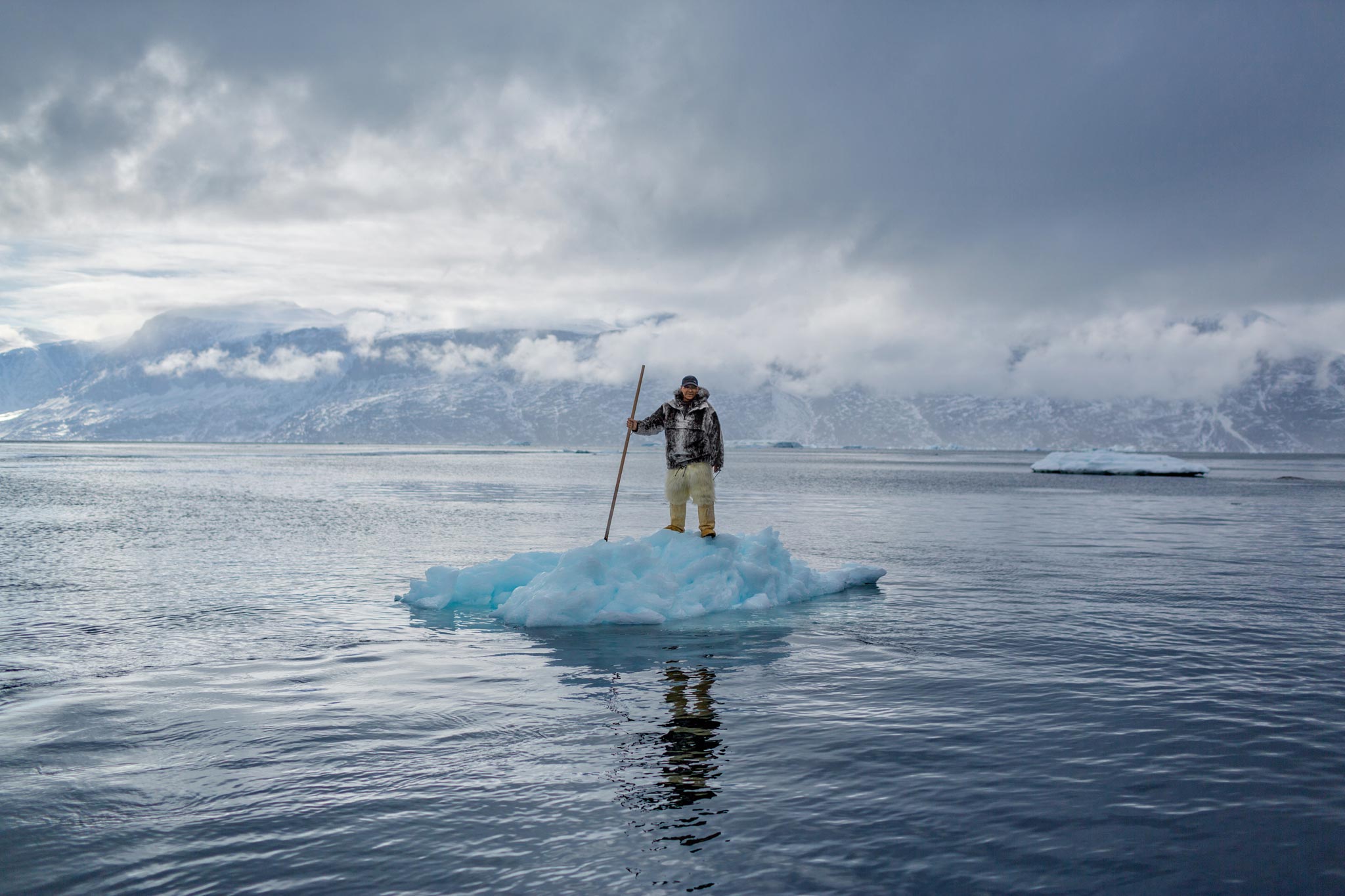
Albert Lukassen’s world is melting around him. When the 64-year-old Inuit man was young, he could hunt by dogsled on the frozen Uummannaq Fjord, on Greenland’s west coast, until June. This photo shows him there in April. PHOTO:  Ciril Jazbec

Albert Lukassen’s world is melting around him. When the 64-year-old Inuit man was young, he could hunt by dogsled on the frozen Uummannaq Fjord, on Greenland’s west coast, until June. This photo shows him there in April. PHOTO: Ciril Jazbec

Climate change – a situation that choices can better, but circumstances see it go from bad to worse. Much talk, much less done. Temperatures rise, glaciers melt, and seas begin to usurp shores. Also, people like the natives of Kiribati and now the Inuit are forced to rethink ways to survive on their lands which once provided for all. And did not threaten their lives. National Geographic reports from the North:

Something else is vanishing here too: a way of life. Young people are fleeing small hunting villages like Niaqornat. Some of the villages struggle to support themselves. And now a culture that has evolved here over many centuries, adapting to the seasonal advance and retreat of sea ice, is facing the prospect that the ice will retreat for good. Can such a culture survive? What will be lost if it can’t?

Continue reading

Wedded to Their Land Despite the Tides

 Kiribati—33 coral islands in an expanse of the central Pacific larger than India—is “among the most vulnerable of the vulnerable” to climate change. PHOTO: Kadir Van Lohuizen

Kiribati—33 coral islands in an expanse of the central Pacific larger than India—is “among the most vulnerable of the vulnerable” to climate change. PHOTO: Kadir Van Lohuizen

They do not think of themselves as “sinking islanders,” rather as descendants of voyagers, inheritors of a proud tradition of endurance and survival.

That’s how National Geographic captures the spirit of the people of Kiribati, a spirit that forgives the seas despite the threats that its warming, rising, acidifying waters pose to their native islands. A people who believe that planting mangroves will stop the encroaching sea in its tracks, a people whose lives are centered on the seas that without it, they maybe forced to question who they are. This is their story then, from “the front line of the climate-change crisis.”

Continue reading

Look At the Germans

Wind turbines surround a coal-fired power plant near Garzweiler in western Germany. Renewables now generate 27 percent of the country’s electricity, up from 9 percent a decade ago. PHOTO: Nat Geo

Wind turbines surround a coal-fired power plant near Garzweiler in western Germany. Renewables now generate 27 percent of the country’s electricity, up from 9 percent a decade ago. PHOTO: Nat Geo

Germany has been one of the few countries that have successfully moved away from nuclear energy. Germany has so far successfully shut down its nine units that had the capacity of generating enough power for at least 20 million homes in Europe. In fact, the contribution of nuclear power in Germany’s electricity generation has now fallen to just 16 percent and renewables are now the preferred source of electricity generation in the country.

Germany is pioneering an epochal transformation it calls the energiewende—an energy revolution that scientists say all nations must one day complete if a climate disaster is to be averted. Last year about 27 percent of its electricity came from renewable sources such as wind and solar power, three times what it got a decade ago and more than twice what the United States gets today. The change accelerated after the 2011 meltdown at Japan’s Fukushima nuclear power plant, which led Chancellor Angela Merkel to declare that Germany would shut all 17 of its own reactors by 2022.

Continue reading

Where Are the Colors?

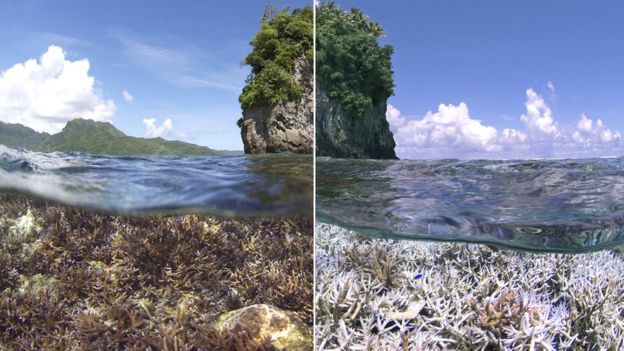
These images, taken in American Samoa, show the devastation caused by coral bleaching between December 2014 and February 2015. PHOTO: BBC

These images, taken in American Samoa, show the devastation caused by coral bleaching between December 2014 and February 2015. PHOTO: BBC

Yet another effect of global warming and changing ecosystems. Corals worldwide are at risk from a major episode of bleaching which turns reefs white.Although reefs represent less than 0,1% of the world’s ocean floor, they help support about a quarter of all marine species. The US National Oceanic and Atmospheric Administration (NOAA) says the livelihoods of 500 million people and income worth over $30bn (£19,6bn) are at stake.

Continue reading