A Statement in Energy Saving

A passive house, a project from Parsons the New School for Design in 2011, is so well insulated that it needs little or no energy for heating and cooling. PHOTO: MATT MCCLAIN FOR THE WASHINGTON POST/ GETTY

A passive house, a project from Parsons the New School for Design in 2011, is so well insulated that it needs little or no energy for heating and cooling. PHOTO: MATT MCCLAIN FOR THE WASHINGTON POST/ GETTY

Energy efficiency is one of the easiest and most cost effective ways to combat climate change, clean the air we breathe, improve the competitiveness of our businesses and reduce energy costs for consumers. And Habitat for Humanity may be onto something with its new range of “passive” homes that aggressively save energy.

The passive standard is buoyed by efforts to fight climate change, because buildings account for 40 percent of total U.S. energy use and 10 percent of its greenhouse gas emissions. In September, New York City’s Mayor Bill de Blasio hailed it as one way to help the Big Apple meet its goal of slashing emissions 80 percent from 2005 levels by 2050

Continue reading

What’s the Tree Population?

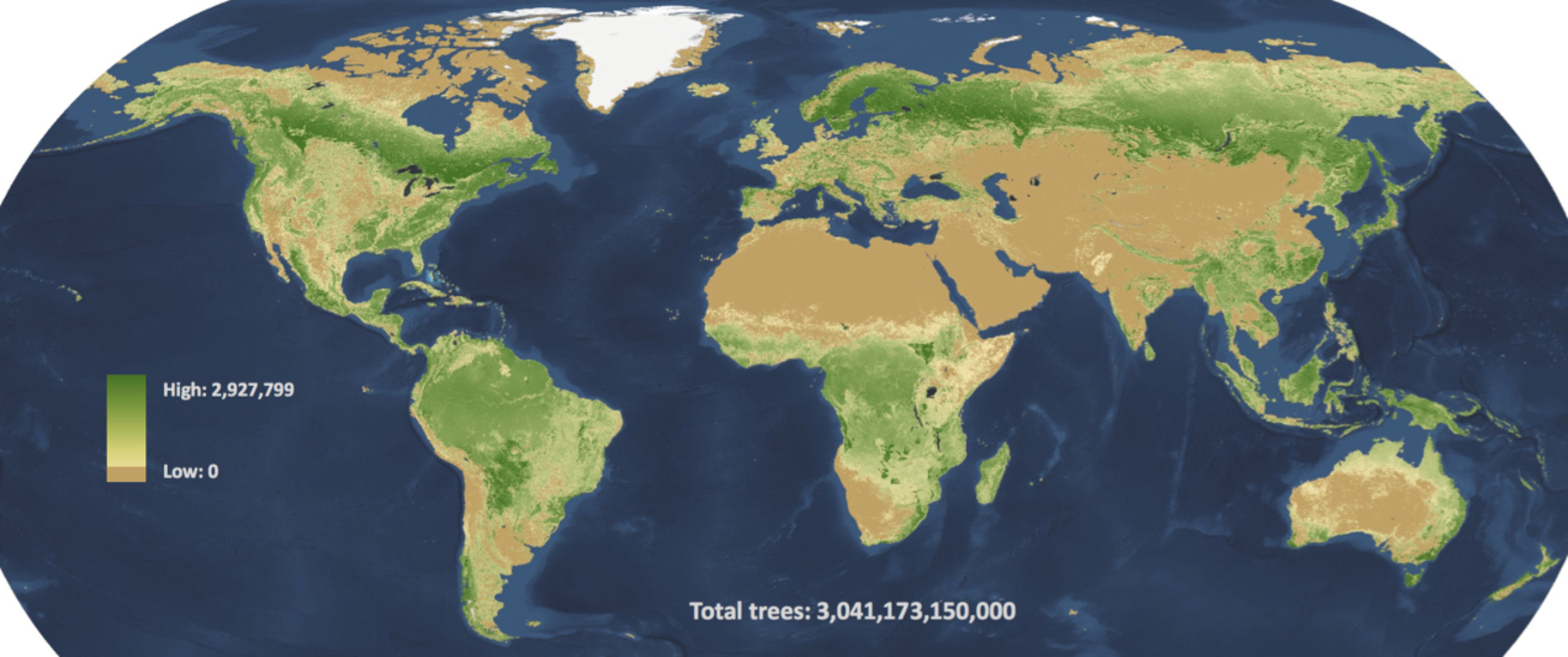
Three trillion trees, mapped to the square kilometre.  Source: Crowther et al / Nature

Three trillion trees, mapped to the square kilometre. Source: Crowther et al / Nature

Three trillion trees live on Earth, but there would be twice as many without humans. Each year more than 15 billion trees are lost worldwide, according to a major new study. Previous estimates for the total number of trees on Earth have been much lower. The new study is important not only because it gives a higher number, but how it was produced. As well as using remote sensing data such as images taken by satellites that can classify land type, the research also integrated 429,775 ground-based assessments of tree density.

Continue reading

Where’s The Snow?

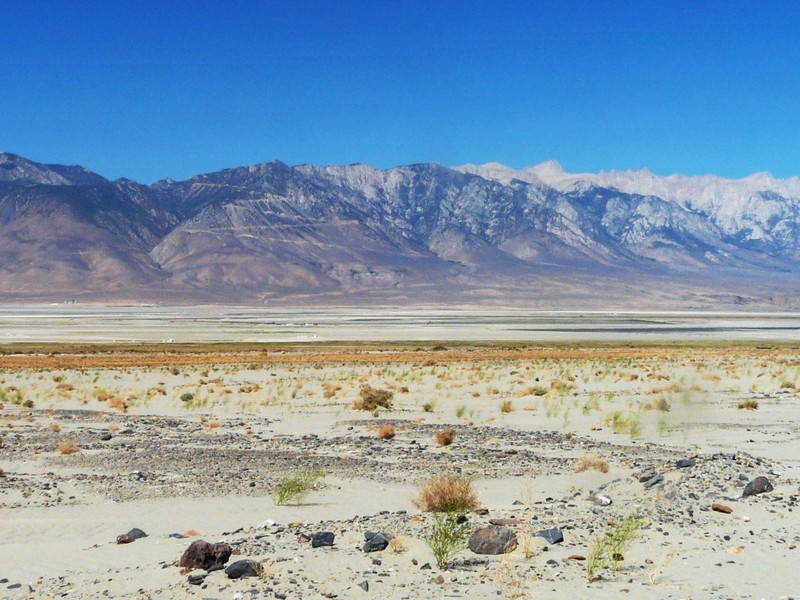
In 500 years, the Sierra's stores of snow have never ben this low. PHOTO: François B. Lanoë/Nature Climate Change

In 500 years, the Sierra’s stores of snow have never ben this low. PHOTO: François B. Lanoë/Nature Climate Change

Yet another ironical evidence of climate change. One in the mountains of Sierra Nevada, which coincidentally mean ‘snowy’ range. A new study has found that the snowpack in the Sierra Nevadas is the lowest it’s been in the past 500 years. Definitely not good news for California which depends on this snowpack for water. A debilitating drought, fierce wildfires, and now a declining snowpack, things sure are not looking good for the city.

Continue reading

A Volcano That Fanned the Arts

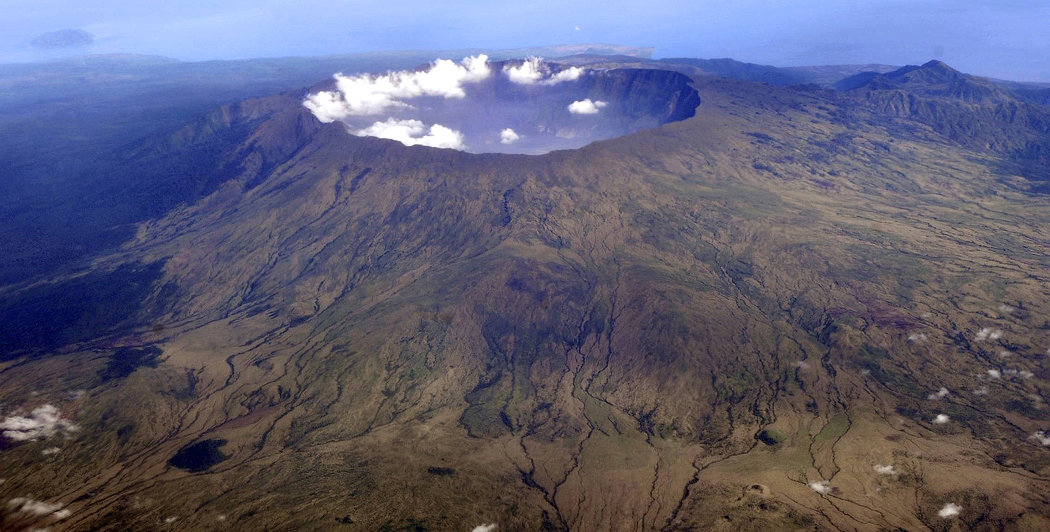
The deep volcanic crater, top, was produced by the eruption of Mount Tambora in Indonesia in April 1815 - the most powerful volcanic blast in recorded history. PHOTO: Iwan Setiyawan/KOMPAS, via Associated Press

The deep volcanic crater, top, was produced by the eruption of Mount Tambora in Indonesia in April 1815 – the most powerful volcanic blast in recorded history. PHOTO: Iwan Setiyawan/KOMPAS, via Associated Press

That the volcanoes have power is plain, cemented truth. You hear of their trail of ravage – ash, rocks, lava, evacuation, barren lands. The volcano vocabulary is dreary, if you may say so. But not the eruption of Mount Tambora. For this be the reason for many a flood, famine, disease, civil unrest and economic decline.

“The year without a summer,” as 1816 came to be known, gave birth not only to paintings of fiery sunsets and tempestuous skies but two genres of gothic fiction. The freakish progeny were Frankenstein and the human vampire, which have loomed large in art and literature ever since.

“The paper trail,” said Dr. Wood, a University of Illinois professor of English, “goes back again and again to Tambora.”

Continue reading

The Disappearing Cajun Culture

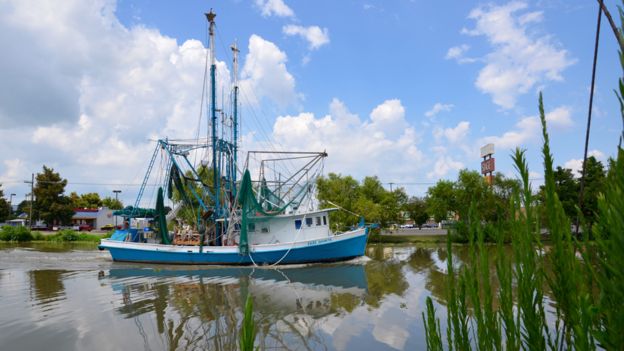
A shrimp boat heading out to fish on Bayou Lafourche. PHOTO: BBC

A shrimp boat heading out to fish on Bayou Lafourche. PHOTO: BBC

Cajuns are mostly descended from French immigrant ancestors. Their name comes from Acadia in Nova Scotia, Canada, where they originally settled – they were expelled by the British in the 18th Century, and many eventually ended up in southern Louisiana. What was once home to several hundred families now only counts a few permanent residents. Where there were cotton fields, there’s now open water. Where a cemetery once stood, a few last remaining tombstones are sliding into the bayou.The people here have survived hurricanes, including Katrina in 2005, and the BP oil spill in 2010. But their resilience is being tested again by a less dramatic, but no less dangerous threat – the long-term erosion of the marshes and wetlands that run all along Louisiana’s coast.

Continue reading

Costa Rica, Punching Above Its Weight, Competitively

“I’m very comfortable with the word ‘revolution,’ ” Figueres said.

“I’m very comfortable with the word ‘revolution,’ ” Figueres said.

Usually “punching above your weight” is a reference to a competition you are not prepared to win. But based on our experience in and observation of Costa Rica it means something entirely different to us. It means something more like: go for it! Give it your best even if the odds are not with you. If not you, then who?

We all have a debt, of one sort or another, to Costa Rica from my perspective if only for this reason. In so many ways it has been inspirational in an against-the-odds sort of way. And who can resist a bit of inspiration?

I shared this article with the La Paz Group teams in India and Costa Rica yesterday, with a note about how it helps understand the challenges related to climate change and what can be done about those challenges—all relevant to the 3 C’s of La Paz Group. Complicated stuff, but clearly important.

I also shared the article for another reason. The woman who features in this article is from Costa Rica, and reading it you can understand a bit better why Costa Rica is so frequently mentioned as an environmentally responsible country. This is important for all of us in La Paz Group because our journey began in Costa Rica, which started our path to Kerala, India and many other places beyond.

To give one small but important example of the long range impact of Costa Rica on La Paz Group, consider the Certification for Sustainable Tourism program developed two decades ago under the visionary leadership of the president of Costa Rica (brother of the subject of the linked article here). Jocelyn is at Xandari Costa Rica specifically to work on getting Xandari to rise up to the highest level from its current status at the second highest level of CST ranking. She has made this the foundation of her career development just after graduating from one of the world’s most prestigious academic institutions. It is impressive that she chose to do so, but equally telling about the lasting impact of Costa Rica’s commitment to sustainable development. Continue reading

China, Watch the Air Pollution

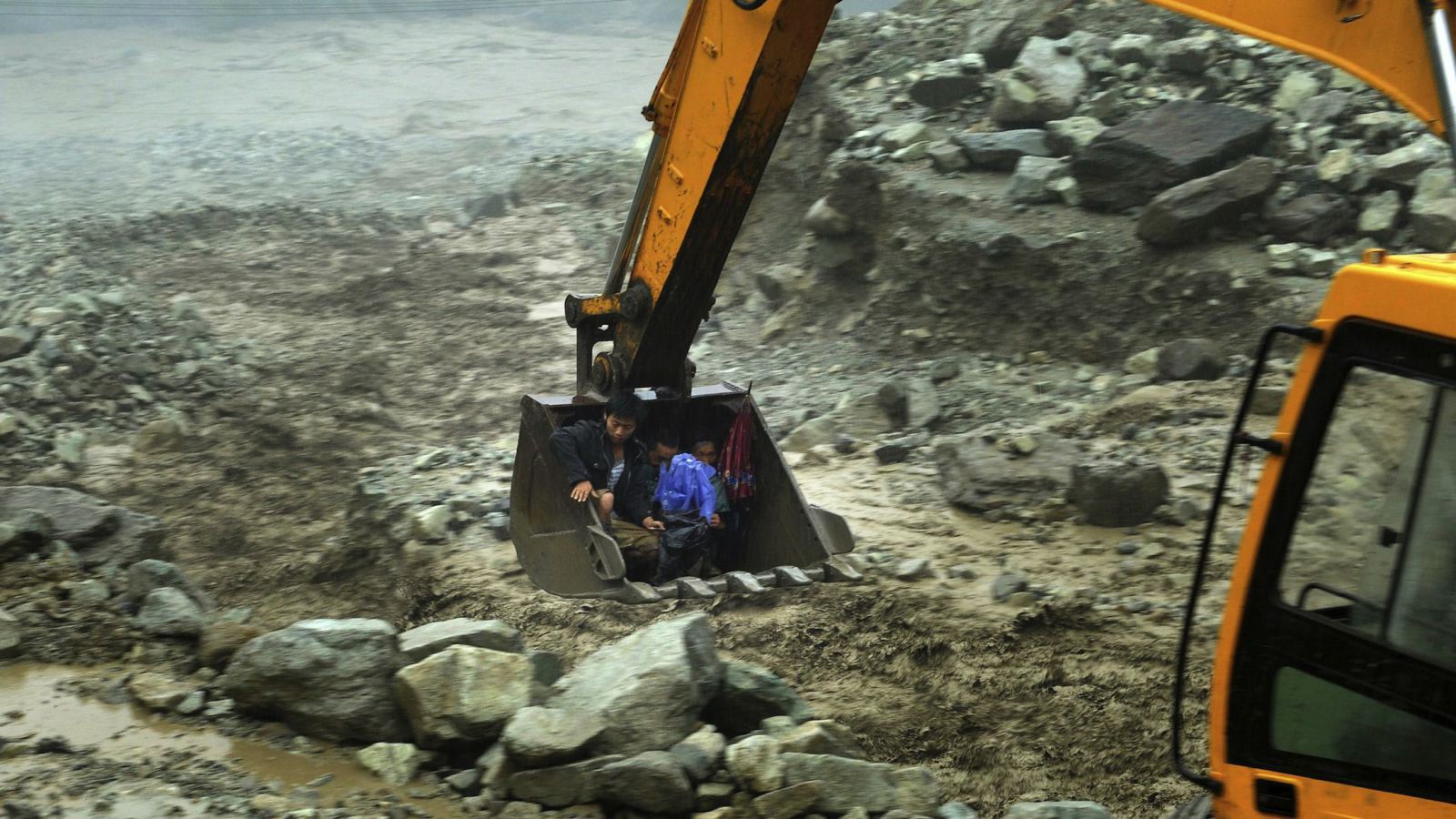
An excavator moves villagers away from a flooded area in Sichuan province in July, 2013. PHOTO: Reuters

An excavator moves villagers away from a flooded area in Sichuan province in July, 2013. PHOTO: Reuters

Soot and air pollution may have caused China’s worst flood in 50 years, according to a recent study. In July 2013, a mountainous region in the Sichuan province was pounded by 94 cm of rain over the course of five days, floods that left 200 dead and 300,000 others displaced.

Continue reading

Guardian Pressure, Gates Commitments, Turning The Dial

Screen Shot 2015-06-28 at 7.55.55 AM

In case you have missed the campaign that the Guardian has been waging, click the image above, which will take you to their partnership site, 350.org, which we have been admirers of too. Brilliant and bold, better than anything the New York Times or any other media outlet has done in activist mode on environmental issues. You may say you want your journalism pure and objective, but on this issue, with the planet in the balance, we say not so.

Is it just coincidence that after campaigning for months now to get Mr. Gates to do something more, this good news arrives today?

Gates to invest $2bn in breakthrough renewable energy projects

Bill Gates plans to double investment in green energy technology and research to combat climate change, but rejects calls to divest from fossil fuels

Bill Gates has announced he will invest $2bn (£1.3bn) in renewable technologies initiatives, but rejected calls to divest from the fossil fuel companies that are burning carbon at a rate that ignores international agreements to limit global warming.

Speaking to the Financial Times, Gates said that he would double his current investments in renewables over the next five years in a bid to “bend the curve” on tackling climate change.

The Bill and Melinda Gates Foundation, lead by Gates and his wife, is the world’s largest charitable foundation. According to the charity’s most recent tax filings in 2013, it currently has $1.4bn invested in fossil fuel companies, including BP, responsible for the Deepwater Horizon oil spill in the Gulf of Mexico.

In March, the Guardian launched a campaign calling on the Gates’ Foundation and the Wellcome Trust to divest from coal, oil and gas companies. More than 223,000 people have since signed up to the campaign.

Continue reading

When Nature is the Weatherman

Its monsoon delayed and weakened by a cyclonic  storm and the El Nino, India is bracing for tough days ahead. PHOTO: Madhyamam

Its monsoon delayed and weakened by a cyclonic storm and the El Nino, India is bracing for tough days ahead. PHOTO: Madhyamam

All through the last weeks of May and the first days of June, most Indians have been looking to the skies. For answers and signs of the monsoon rains. With India being a predominantly agrarian country, the rains decide whether the country grows enough to feed its 1.25 billion people or relies on imports to satiate hunger and demand. And last evening, we saw the first signs of a healthy monsoon, amid fears of the rains being a poor show this year.

Continue reading

Let’s Take a Look at the Ocean

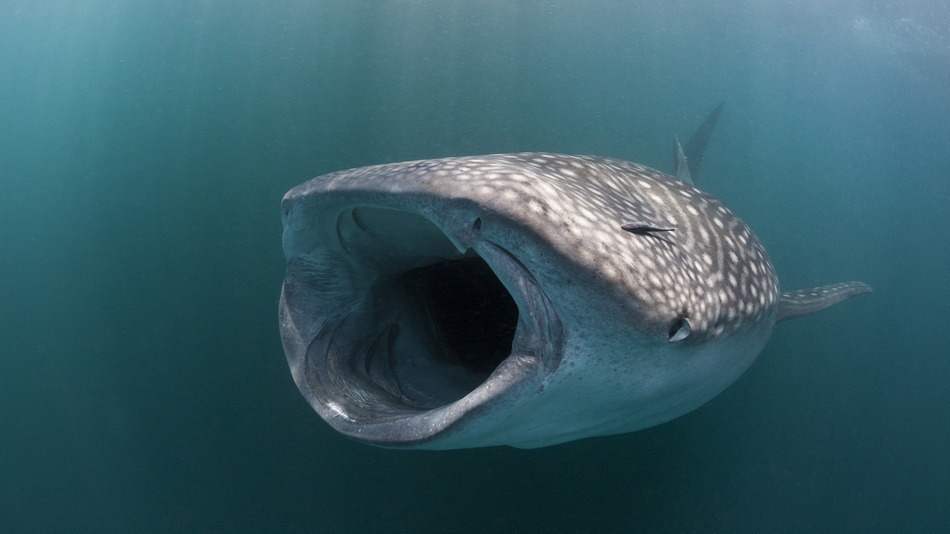
Feeding Whale Shark, in Triton Bay, West Papua, Indonesia. PHOTO: REINHARD DIRSCHERL/CORBIS

Feeding Whale Shark, in Triton Bay, West Papua, Indonesia. PHOTO: REINHARD DIRSCHERL/CORBIS

Be it the flash floods in Texas or a heat wave in India that has killed over 2,000 people to date, the signs of global warming and the consequent extremes are telling on land. The sea has not been spared either –  the acceleration of global sea level change from the end of the 20th century through the last two decades has been significantly swifter than scientists thought. And a closer look at the oceans reveal that by the end of the century, the polar regions may have some of the most abundant sea life on the planet. The tropics, which are currently the crown jewel of marine species richness, may be drained of much of its iconic marine life, opines a recent study published in the journal Nature Climate Change. 

If warming is held at the 2-degree target, the changes that will occur throughout the global ocean “will be relatively benign for the ecosystem.”The tropical regions would see a net loss in biodiversity with average global warming of 2 degrees Celsius, while polar areas could see a 300% increase in biodiversity as species seek out more hospitable areas.

Continue reading

Bees, Plans, Action

honeybee_custom-80bb7e068307e617ad8b91b388850f0445d6b9e0-s1300-c85

The federal government hopes to reverse America’s declining honeybee and monarch butterfly populations. Andy Duback/AP

The bee crisis is not new, but it remains a red hot issue of great importance to all of us (thanks National Public Radio, USA):

Plan Bee: White House Unveils Strategy To Protect Pollinators

BRIAN NAYLOR

There is a buzz in the air in Washington, and it’s about honeybees. Concerned about an alarming decline in honeybee colonies, the Obama administration has released a National Strategy to Promote the Health of Honey Bees and Other Pollinators.

NPR’s Dan Charles says the strategy, despite its rather bureaucratic title, is pretty straightforward: “The government will provide money for more bee habitat and more research into ways to protect bees from disease and pesticides.The Environmental Protection Agency also will re-evaluate a class of insecticides called neonicotinoids … which are commonly used on some of the most widely planted crops in the country.”

As NPR’s Allison Aubrey has reported:

Continue reading

Thank You, Oxford!

thThanks to the Guardian for its ongoing coverage of environmental news, including great attention to Oxford University’s environmental stewardship; also, especially to George Monbiot for his role at the paper as a shaker-upper:

Damian Carrington

But UK’s second biggest university by endowment says it will not bow to campaigners’ demands for full divestment from fossil fuels

The University of Oxford has ruled out future investments in coal and tar sands from its multi-billion pound endowment, but said it would not divest from all fossil fuels as demanded by thousands of students, academics and alumni.

Campaigners welcomed the move as a victory for the fast-growing fossil fuel divestment campaign, as it was the first time the university had made clear its position on the issue.

“Many world leaders have studied under Oxford University’s spires,” said Andrew Taylor, at campaign group People & Planet. “They should be taking notes today. The lesson is: it’s time to phase out coal and axe tar sands.” Continue reading

Eco-Modernist Strategy

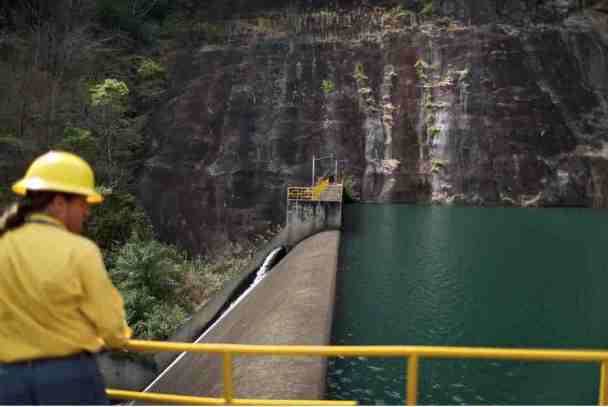
A dam in Guanacaste Province, Costa Rica, drives a hydroelectric plant. Developing nations will require large amounts of new energy to achieve American and European living standards. Credit Joe Raedle/Getty Images

A dam in Guanacaste Province, Costa Rica, drives a hydroelectric plant. Developing nations will require large amounts of new energy to achieve American and European living standards. Credit Joe Raedle/Getty Images

We are in the sustainable development camp through and through, but Mr. Porter’s point is well taken:

A Call to Look Past Sustainable Development

Eduardo Porter

The average citizen of Nepal consumes about 100 kilowatt-hours of electricity in a year. Cambodians make do with 160. Bangladeshis are better off, consuming, on average, 260.

Then there is the fridge in your kitchen. A typical 20-cubic-foot refrigerator — Energy Star-certified, to fit our environmentally conscious times — runs through 300 to 600 kilowatt-hours a year.

Continue reading

So Much Expertise, So Little Time

Kris Snibbe/Harvard Staff Photographer With Charlie Rose as moderator, a panel of experts in science, politics, business, economics, and history shared their views during Monday's Presidential Panel on Climate Change at Sanders Theatre. “The challenge of climate change is profound. The risks it poses are dire. Confronting those dangers is among the paramount tasks of our time,” said President Drew Faust in introducing the discussion.

Kris Snibbe/Harvard Staff Photographer. With Charlie Rose as moderator, a panel of experts in science, politics, business, economics, and history shared their views during Monday’s Presidential Panel on Climate Change at Sanders Theatre. “The challenge of climate change is profound. The risks it poses are dire. Confronting those dangers is among the paramount tasks of our time,” said President Drew Faust in introducing the discussion.

Thanks to the Harvard Gazette, and the panelists who took the stage last week for another in ongoing series of assessments of the urgency of need for action on climate change:

There is hope in global action to fight climate change, in the slow adoption of wind and solar power, in moves by the U.S. government to cut emissions from vehicles and power plants, in the lead taken by some businesses to clean up operations and draw attention to the problem.

But it’s too late to avoid several more degrees of warming by the turn of the next century, too late to completely stave off dramatic melting, and too late to avoid the slow swamping of Pacific island nations, whose thousands of years of history and culture seem certain to be swallowed by rising seas. Continue reading

Foundation Earth, Randy Hayes, Cheaters and Fair Play

LogoTransp2We have not linked to this foundation before, but we have been listening to and reading Randy Hayes on the subject of climate change recently, and think this is a good primer to share about the foundation’s strategy and goals:

Toward A True-Cost Economic Model: Cheater Economics, Fair Play, & Long-Term Survival

Over the next century communities worldwide will experience an unprecedented shift of weather instability. Extreme weather events are ecological spasms often driving economic spasms and regional collapses. Concerned citizens and opinion leaders need to prepare before these eco-spasms proliferate. Far from being prepared, most leaders and power brokers are not mindful of the rethinking that is required. This working paper and appendix offers a brief economic vision, a set of economic principles, and list of problematic trends to help respond to the challenges as we work for a better day. –Randy Hayes

Mountains

Continue reading

The Dumbest Experiment In History, By Far

Screen Shot 2015-04-05 at 7.14.35 AM

It’s official, our blog-crush on this particular conservation-focused entrepreneur. We have not yet heard (click above for a podcast in which “Neil deGrasse Tyson explores the future of humanity with one of the men forging that future: billionaire entrepreneur Elon Musk, CEO of SpaceX and Tesla Motors. Co-hosted by Chuck Nice and guest starring Bill Nye.”) or yet read (continue below to Motherboard‘s interview) anything to make us question that he is the real deal; a living, breathing visionary achiever of heroic proportions:

Elon Musk: Burning Fossil Fuels Is the ‘Dumbest Experiment in History, By Far’

Written by JASON KOEBLER, STAFF WRITER

Elon Musk, founder of Tesla and SpaceX, and chairman of SolarCity, and the guy who dreamt up the hyper loop, says we shouldn’t need an environmentally motivated reason to transition to clean energy. We’re probably going to run out of oil sometime; why find out if we can destroy the world while we do it, if an alternative exists?

“If we don’t find a solution to burning oil for transport, when we then run out of oil, the economy will collapse and society will come to an end,” Musk said this week during a conversation with astrophysicist and Cosmos host Neil deGrasse Tyson. Continue reading

Embracing Student Activism


Students have been rallying for change since the time of Plato with varying degrees of effectiveness. In fact, the act of questioning authority through dialogue is part and parcel to the educational process. It’s heartening when the voices of resistance from multiple communities join forces to activate change.

Congratulations to the students of Syracuse University for rallying SU to remove endowments to direct investments in coal, gas and oil companies.

Syracuse is the biggest university in the world to have committed to remove its endowment from direct investments in coal, oil and gas companies. It aims to make additional investments in clean energy technologies such as solar, biofuels and advanced recycling.

In a statement, the university said it will “not directly invest in publicly traded companies whose primary business is extraction of fossil fuels and will direct its external investment managers to take every step possible to prohibit investments in these public companies as well”. Continue reading

Where Are The Market Forces When We Need Them?

More than half of the world’s forest loss between 1990 and 2010 took place in Brazil and Indonesia. Photograph: Nacho Doce/Reuters

More than half of the world’s forest loss between 1990 and 2010 took place in Brazil and Indonesia. Photograph: Nacho Doce/Reuters

Thanks to the Guardian‘s environment-focused reporting for this sad evidence on the state of affairs:

Subsidies to industries that cause deforestation worth 100 times more than aid to prevent it

Brazil and Indonesia paid over $40bn in subsidies to industries that drive rainforest destruction between 2009 and 2012 – compared to $346m in conservation aid they received to protect forests, according to new research

Brazil and Indonesia spent over 100 times more in subsidies to industries that cause deforestation than they received in international conservation aid to prevent it, according to a report by the Overseas Development Institute (ODI).

The two countries handed out over $40bn (£27bn) in subsidies to the palm oil, timber, soy, beef and biofuels sectors between 2009 and 2012 – 126 times more than the $346m they received to preserve their rainforests from the United Nations’ (UN) REDD+ scheme, mostly from Norway and Germany.

Continue reading

Environmentalism, Puritanism and a Binocular View

To slow global warming, we could blight every landscape with biofuel crops and wind turbines. But what about wildlife today? CREDIT ILLUSTRATION BY OLIVER MUNDAY

Jonathan Franzen, a writer who we have chosen to link to numerous times mainly because he is also clearly a bird guy, has a small masterpiece in this week’s New Yorker. Please, read it:

Last September, as someone who cares more about birds than the next man, I was following the story of the new stadium that the Twin Cities are building for their football Vikings. The stadium’s glass walls were expected to kill thousands of birds every year, and local bird-lovers had asked its sponsors to use a specially patterned glass to reduce collisions; the glass would have raised the stadium’s cost by one tenth of one per cent, and the sponsors had balked. Around the same time, the National Audubon Society issued a press release declaring climate change “the greatest threat” to American birds and warning that “nearly half ” of North America’s bird species were at risk of losing their habitats by 2080. Audubon’s announcement was credulously retransmitted by national and local media, including the Minneapolis Star Tribune, whose blogger on bird-related subjects, Jim Williams, drew the inevitable inference: Why argue about stadium glass when the real threat to birds was climate change? In comparison, Williams said, a few thousand bird deaths would be “nothing.” Continue reading

Don’t Go Away Mad, Just Go Away

koch_sitegraphic-830x467

The Koch brothers are a wondrous phenomenon. You probably knew that. What can you do (?), you might ask. We know the feeling. Well, here is something. A public service announcement from our colleagues at EcoWatch, linking to a petition effort worthy of your consideration:

The Natural History Museum just released an unprecedented letter signed by the world’s top scientists, including several Nobel laureates, calling on science and natural history museums to cut all ties to the fossil fuel industry.

The letter comes on the heels of recent news that Smithsonian-affiliated scientist Willie Soon took $1.25 million from the Koch brothers, Exxon Mobil, American Petroleum Institute and other covert funders to publish junk science denying man-made climate change, and failed to disclose any funding-related conflicts of interest.

In particular, it points a finger at the Smithsonian National Museum of Natural History (D.C.) and the American Museum of Natural History (NY), where David Koch is a member of the board, a major donor and exhibit sponsor.

Oil mogul David Koch sits on the boards of our nation’s largest and most respected natural history museums, while he bankrolls groups that deny climate science.

Sign this petition to the Smithsonian and the American Museum of Natural History: It’s time to get science deniers out of science museums. Kick Koch off the Board! Continue reading