Not Cool, Greenpeace

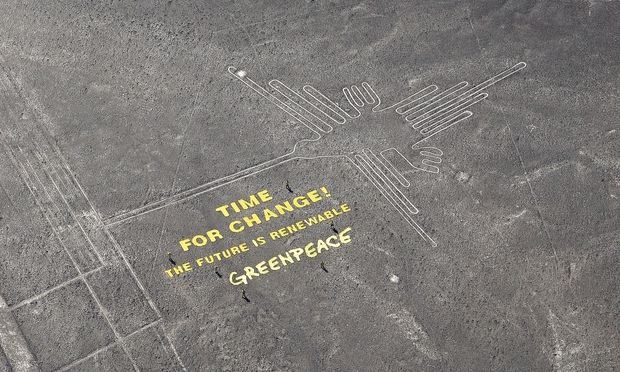
Greenpeace’s ‘time for change’ message next to the hummingbird geoglyph in Nazca. Photograph: Thomas Reinecke/TV News

Greenpeace’s ‘time for change’ message next to the hummingbird geoglyph in Nazca. Photograph: Thomas Reinecke/TV News

Hard to believe, but sometimes otherwise smart people do really dumb things, and sometimes apologies cannot correct the damage:

Greenpeace has apologised to the people of Peru after the government accused the environmentalists of damaging ancient earth markings in the country’s coastal desert by leaving footprints in the ground during a publicity stunt meant to send a message to the UN climate talks delegates in Lima. Continue reading

Reducing The Carbon Footprint Of A Sport

Niels Ackermann for The New York Times

Niels Ackermann for The New York Times

It is not a story told from a conservation perspective, but this New York Times article makes us wonder how many sports might reduce their natural resource consumption as radically as this one does:

PURSUITS

Skiing as It Was Before Chairlifts

Ski mountaineering, Alpine touring or skinning — propelling yourself up the mountain before swooshing back down — is a throwback to the sport’s early days, before chairlifts.

Lima, Climate Change, Key Takeaways

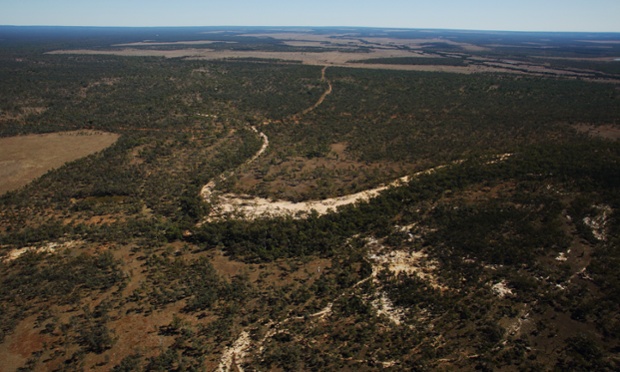
The Galilee basin in central Queensland: ‘it would produce 6% of the carbon necessary to take the planet past a 2C temperature rise, the red line set by the world’s governments’. Photograph: Andrew Quilty/PR

The Galilee basin in central Queensland: ‘it would produce 6% of the carbon necessary to take the planet past a 2C temperature rise, the red line set by the world’s governments’. Photograph: Andrew Quilty/PR

We new that his leaving 350 would not mean any retreat from activism. Proof positive here. Thanks to Bill McKibben and the Guardian for their attention to this week’s meetings in Lima:

The world’s nations are meeting in Lima, near the equator, to pledge and promise about global warming. But the actual worth of those promises can be more accurately gauged in the far north and the far south of the planet, where real decisions in the next months will show whether the climate concern is rhetorical or real.

By now most people know about the northern example: the tar sands of Alberta. Some time in the coming months the new Republican-controlled Congress will demand that Obama approve the construction of the Keystone XL Pipeline. If he vetoes that call and sticks to his principles, it will help keep expansion of the tar sands complex in check. That won’t make up for America’s vast expansion of oil and gas drilling in recent years, but it will send some kind of signal: there is a limit somewhere to how much fossil fuel we plan to extract. Continue reading

Who’s Got Your Back, Long Term?

Stewartjp-mediumThreeByTwo210We read both publications regularly, and find that both cover environmental issues well, as such; but the difference between this New York Times article and the New Yorker post we started the day with speaks for itself. We understand the purpose of the article below meeting current needs, but do we really need our news to be so parochial? Sorry, Times. You will have to work harder for your subscription money.

Steep Slide in Oil Prices Is Blessing for Most

If history is any guide, it’s hard to see falling oil prices as anything but good news for everyone whose fortunes aren’t tied to oil.

Doses Of Truth On Oil Prices, Alternative Energy And Climate Change

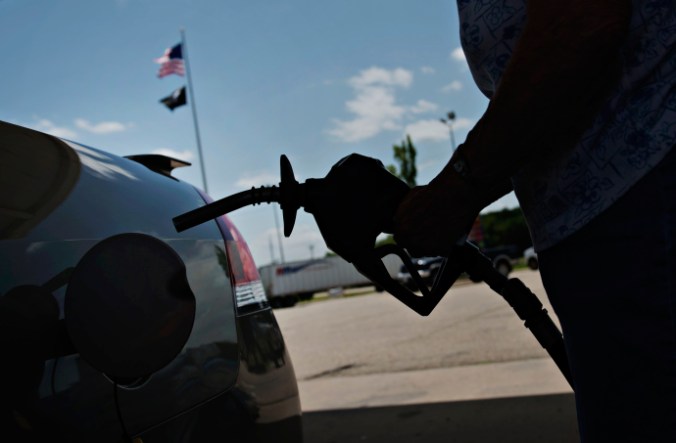
PHOTOGRAPH BY DANIEL ACKER/BLOOMBERG VIA GETTY

PHOTOGRAPH BY DANIEL ACKER/BLOOMBERG VIA GETTY

There is a quarter hour podcast about the Lima climate change talks that is as good as it gets in terms of bringing complex issues to a bearable level of simplicity (spoiler alert: our maven of doom is at her best in terms of realism), and that dose of information pairs well with this dose by Michael Specter, the New Yorker‘s other “tough truths” guy:

Just before the turn of the millennium, I met a man who had recently invested a fortune in wind power. He said he wanted to do all that he could to slow the course of climate change. He was also convinced that, as the world began to run out of oil, alternative sources of energy would offer a unique entrepreneurial opportunity. “Oil prices will fluctuate for a while,” he told me. “But, eventually, they can only move in one direction. Up. Oil is a finite resource and, as supplies dwindle, the costs will have to rise. That will make alternatives like wind power much more attractive.” Continue reading

Keep On Truckin’ 350!

Bill McKibben: ‘I’d rather be causing more trouble more directly, as well as doing some writing’ Photograph: Graeme Robertson

Bill McKibben: ‘I’d rather be causing more trouble more directly, as well as doing some writing’ Photograph: Graeme Robertson

that tag line in the title of this post is directed specifically at the organization, for reasons the article below makes clear, but we extend the sentiment equally to one of our most admired and favorite heroes due to his relentless activism:

Keystone XL opponent Bill McKibben steps down as head of 350.org

‘I’ve had enough years of reviewing budgets’ says US author and climate activist as he steps down from leadership role

The author Bill McKibben, who founded a new generation of environmental activism in the Keystone XL pipeline and divestment campaigns, is stepping down from the daily leadership of his 350.org organisation.

Continue reading

Carbon Footprint Of Beef

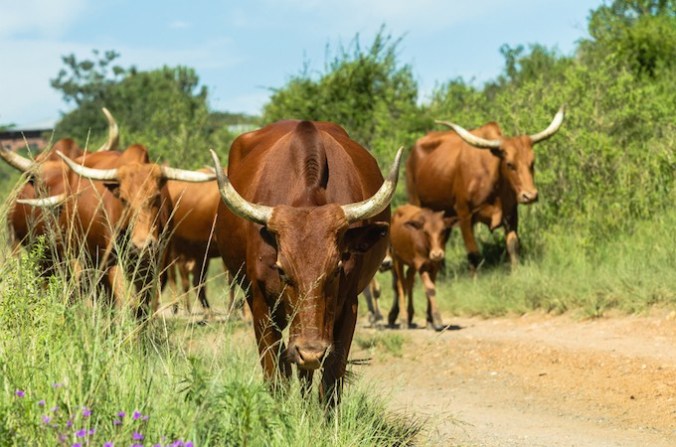
cow-shutterstock_176807426-680x450

One of our most popular posts of all time, Carbon Emissions Series: Vacationers’ Diets, was an eye-opener for many of us 3+ years ago. The 10,000 views of that one post help us understand that readers of this blog care about the food they eat in more ways than one. Thanks to Conservation for this summary:

ACCOUNTING FOR MEAT: THE HIDDEN EMISSIONS IN YOUR STEAK

Each year, the average American chows down on a whopping 120 kilograms of meat. The same is true in New Zealand and Australia. Most Europeans and South Americans dine on slightly more than half that amount of meat each year. Combined that means that as a species, we’re eating some 310 metric tons of meat each year, a 300% increase in fifty years. Meat – which is the primary product of the livestock industry – doesn’t just impact our planet in terms of the quantity of animals slaughtered or the acres of land converted into suitable grazing pastures. It is also a significant contribution to greenhouse gas emissions. Continue reading

15 Years, And Counting

monopoly-man-with-green-wings

Click the image above or the title below to go to the summary, thanks as always to Conservation:

THE LOW-CARBON DEAL THAT’S ALMOST TOO GOOD TO BE TRUE

The economics of slashing carbon emissions look significantly better than they did only a few years ago. Continue reading

Farming, Food & Climate Change

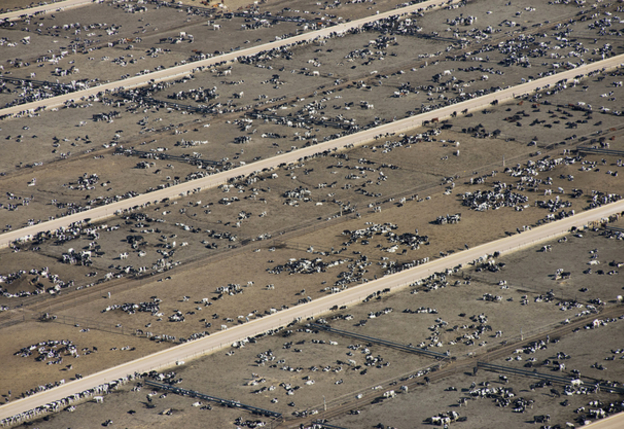
Cattle feedlot, southeastern Colorado. April 2013. 84760. Credit: John Wark

Cattle feedlot, southeastern Colorado. April 2013. 84760. Credit: John Wark

Thanks to Audubon magazine for the interview in their current issue with one of the go-to explainers we most frequently seek out on food sustainability issues:

Food Fight: Reforming the Farm

Celebrated author Michael Pollan talks climate change, and how farming can help stop it.

BY RENE EBERSOLE  Published: November-December 2014

Q: Should we be looking more closely at how the food we eat affects the climate?

A: I think there’s a growing recognition that you can’t really address climate without looking at the food system. Yet exactly how you do that, what that means from a policy point of view, is a lot more complicated than regulating coal-fired power plants.

Agriculture is a large source of global warming emissions. Yet you propose that it can help reverse climate change?

Continue reading

The Other Amazon; Is This Progress?

p029jk53

Difficult to say definitively whether it represents progress or not, but new roads usually give that sensation.  The one exception may be when the road opens up otherwise inaccessible wilderness (thanks to the BBC for this story):

Into the Amazon

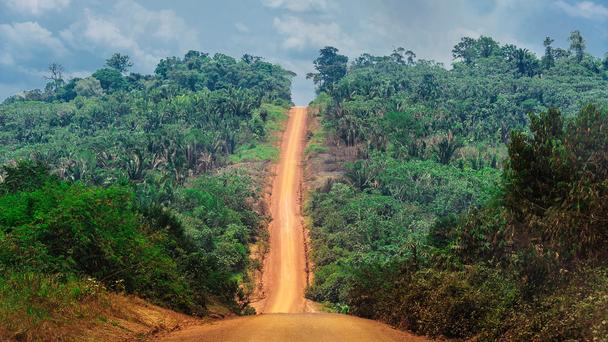
Coursing 2,000km through the heart of the Amazon rainforest, the Trans-Amazonian Highway was one of the region’s first roads, constructed in the 1970s as a crude track hacked through dense foliage – “highway” was a generous description. It was built to connect the Amazon to Brazil’s growing farming and cattle breeding economy, and over the years, virgin forests have given way to cattle ranches, logging stations and gold mines. (Coen Wubbels)

The Worst News Of The Week

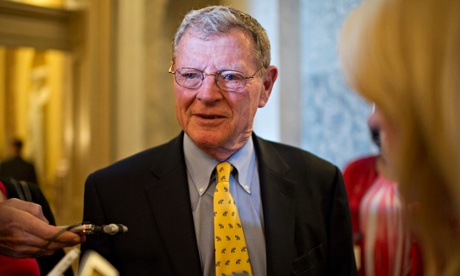
Republican Senator Jim Inhofe is expected to get the Senate top environmental job. Photograph: Tom Williams/Getty Images

Republican Senator Jim Inhofe is expected to get the Senate top environmental job. Photograph: Tom Williams/Getty Images

Read it and weep (thanks to the Guardian):

Climate change denier Jim Inhofe in line for Senate’s top environmental job

Obama faces a fight to protect his climate change agenda after midterm results suggest Senate’s top environmental post will fall to Republican stalwart of climate denial

The Senate’s top environmental job is set to fall to Jim Inhofe, one of the biggest names in US climate denial, but campaigners say Barack Obama will fight to protect his global warming agenda.

Continue reading

Wet Future, Sustainable Cities

city-sponge

Thanks to Conservation for this counterintuitive explanation of the sustainable city of the future, with the water-related effects of climate change taken into account:

THE FUTURE WILL NOT BE DRY

In a world of melting ice caps, storm surges, and tropical cyclones, the most resilient cities aren’t the ones that fight the water back—but the ones that absorb it.

By Fred Pearce

The ramshackle river port of Khulna in southwest Bangladesh is one of the most flood-prone urban areas on Earth. The third-largest city in one of the world’s poorest and most populous nations is at constant risk of inundation. It lies 125 kilometers inland from the shores of the Indian Ocean. And yet a tenth of this city of 2 million people is flooded at least ten times a year on average.

Continue reading

Food Packaging, Counterintuitive Proposition

broccoli

Staying informed about best practices to reduce your carbon and other footprints is one of our objectives on this blog. When we see something we had not known, and which seems worthy of consideration, we pass it along here. Thanks to Professor Tyler, and Conservation, for this one:

And when can packaging actually be good for the environment?

If you’re like me, you probably get a bit annoyed when you discover that an item you bought in the grocery store uses too much packaging. It seems like such a waste of plastic and cardboard. From an environmental perspective, wouldn’t it be better to conserve resources and use less packaging material?

Not necessarily—it depends on the type of food.

Continue reading

A Norwegian Sense Of Obligation

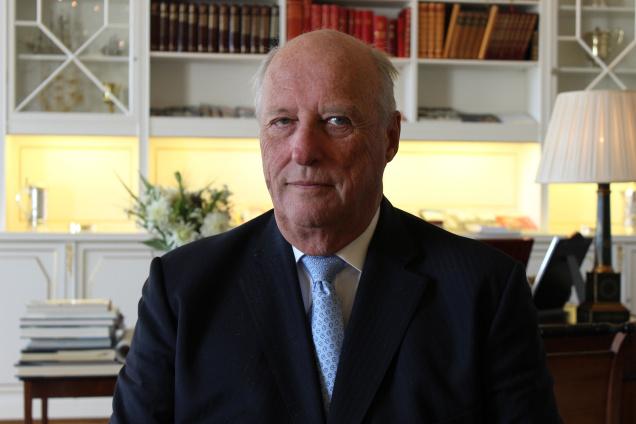
Norwegian King Harald V.  Photo: P. J. George

Norwegian King Harald V. Photo: P. J. George

From today’s Hindu, an interview with the King of Norway. It may be an example of noblesse oblige, but it is an interesting story at a time when some other developed economies have determinedly charged hard right, away from state-sponsored welfare:

‘We had a problem — too much money’

Interview with Norwegian King, Harald V, on the country’s successful welfare model, its oil and gas reserves and the threat of climate change

The Norwegian society is at present debating several issues, including its economy, climate change, immigration and the changing cultural milieu. In all these, the country often looks to its King, Harald V, for a decisive voice… A renowned sailor, he carries out royal duties with aplomb even at the age of 77. He spoke to The Hindu recently in Oslo on the triumphs and concerns of his country. Excerpts: Continue reading

Entrepreneurial Conservation, Macro Version

ILLUSTRATION BY CHRISTOPH NIEMANN

ILLUSTRATION BY CHRISTOPH NIEMANN

In the current issue of the New Yorker, the excellent “explainer in brief” of economic phenomena provides a macro equivalent example of what we have referred to as entrepreneurial conservation. Instead of just a sampling of the text we provide the full story here, per an occasional exception we make for important environment-related stories, but please click through to the source to give proper attribution:

During the recent U.N. Climate Summit, it was hard not to think of the quip, attributed to Charles Dudley Warner, “Everyone complains about the weather, but no one does anything about it.” A parade of global leaders (including Barack Obama) made all the right noises, but there was little action. So it was notable when Norway announced a deal with Liberia: Norway will give Liberia up to a hundred and fifty million dollars in aid, in exchange for which Liberia will work to stop the rapid destruction of its trees.

Continue reading

Sovereign Lepidoptera

This slideshow requires JavaScript.

The seasonal migrations that occur in the animal kingdom annually vary in scale on many levels and cover nearly all classifications and all ecosystems of land, sea and air. Climactic conditions and other environmental changes impact these movements on a regular basis. In the case of the monarch butterfly migrations from North America to Mexico, the fragile balance is especially evident as populations are noticably dropping due to habitat loss, insecticide/herbicide use and extreme weather. (An interesting note in this case is that the migration itself was initially caused by human impacted landscape changes when the great North American forests began to be cleared for agriculture in the 1600s.)

Milkweed is the sole food plant for the monarch caterpillers. Continue reading

Let’s Consider Meat Free Monday

MFM-LogoAs a former Beatle urges, let’s consider a simple mechanism for doing something other than taking to the streets or publishing an op-ed item–both of which we also encourage if your location and clout allow–in advance of the Climate Change conference. Why this particular mechanism? Well, to start with it is easy. Also, the impact could add up if enough of us participated. You probably already know about meat’s carbon footprint, but here is a message from Meat Free Monday to refresh your memory:

Fact1

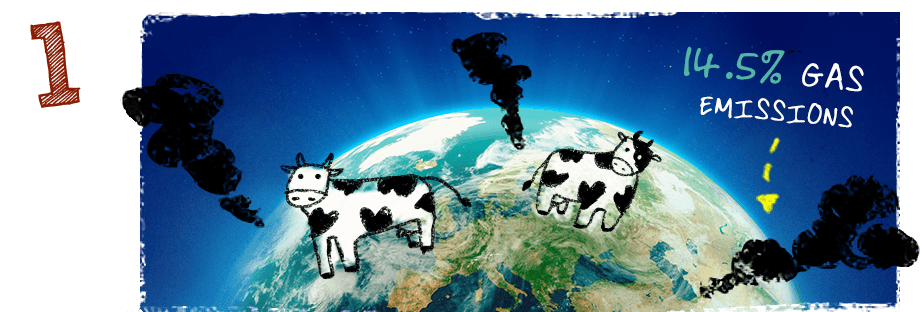
Meat production is responsible for 14.5 per cent of global greenhouse gas emissions, according to the United Nations Food and Agricultural Organization1, with some scientists saying the percentage is higher. Continue reading

If You Happen To Be In New York City

Henrik Egede Lassen/Alpha Film/Arctic Monitoring and Assessment Programme Global warming is already wreaking havoc on human civilization.

Henrik Egede Lassen/Alpha Film/Arctic Monitoring and Assessment Programme
Global warming is already wreaking havoc on human civilization.

The New Yorker interviews a former staff writer, now an activist, about an event today in New York City that looks worthy of attendance if you are in town. We have noted several of this fellow‘s earlier activities, and do not tire of doing more of the same. Click the image above to go to the original invitation in Rolling Stone in May:

On Sunday, tens of thousands of demonstrators are expected to join the People’s Climate March through midtown Manhattan; its Web site describes it as the “largest climate march in history.” In May, Bill McKibben wrote an article in Rolling Stone, “A Call to Arms: An Invitation to Demand Action on Climate Change,” which laid some of the groundwork for this weekend’s events. We spoke about the march with McKibben, one of its lead organizers, and a former New Yorker staff writer.

According to the Los Angeles Times, anywhere between a hundred thousand and four hundred thousand people are expected to come to New York City for the People’s Climate March. Can you tell us about how you, and others, came up with the idea for a large demonstration and how you turned it into what it is now?

Continue reading

Birds Are Barometers, Among Other Things

12348-v1-490x

A recent study projects that the summer range of the Allen’s hummingbird will shrink by 90 percent by 2080. Photo by Loi Nguyen/Audubon Photography Awards

One more story related to the centenary mentioned here, this time with a podcast interview with  to accompany our previous post linking to his editorial in the New York Times:

It’s been 100 years since the last passenger pigeon died. Would we have been able to save the bird today? What is the state of bird conservation in North America? Gary Langham of the National Audubon Society and Ken Rosenberg from the Cornell Lab of Ornithology discuss which species are under threat and how climate change might affect birds in the future.

Thank You, Oxfam International

Photo courtesy of behindthebrands.org

Photo courtesy of behindthebrands.org

The Oxfam International campaign Behind the Brands aims to address how little is known about supply chains of the top 10 largest food and beverage companies. Listening to the NPR Salt Chat provides a good explanation about how pushing for transparency from these big companies is a catalyst for on-the-ground change. The campaign has only been around for a year and a half and they’ve already seen great progress in terms of land rights for local community, government intervention, and women’s rights.

It’s not always easy to connect the dots between the food we consume and the people who grow it, or the impact of growing and processing that food on the health of our planet.

But a campaign called Behind the Brands, led by Oxfam International, an advocacy organization dedicated to fighting poverty, is trying to make the inner workings of the 10 biggest food companies in the world more visible…

We sat down to talk with Chris Jochnick, one of the architects of this campaign and Oxfam America’s director of private sector development. We touched on how social media is giving activists more power, why big food companies respond to pressure, and whether corporate executives are his friends or his enemies.

We also wanted to know: Will the promises that these companies make really translate into concrete changes on, say, cocoa farms in West Africa?

Continue reading