Reanimating Coffee

fuel-gauge-coffee-mugConsidering the coffee farming and roasting operation, not to mention all the coffee served at Chan Chich Lodge; also considering the constant search for new options relevant to ecologically sensitive operations, this catches our attention. Thanks to Anthropocene and Prachi Patel:
A simpler route to biodiesel from used coffee grounds

The world produces almost 10 million tons of waste coffee grounds every year. Researchers have now discovered an efficient way to turn that waste into a green fuel. Their simple one-step process, outlined in the Journal of Environmental Chemical Engineering, would save time and the cost of producing biodiesels from coffee. Continue reading

Democratizing Coffee Consumption

12COFFEE3-master675-v2

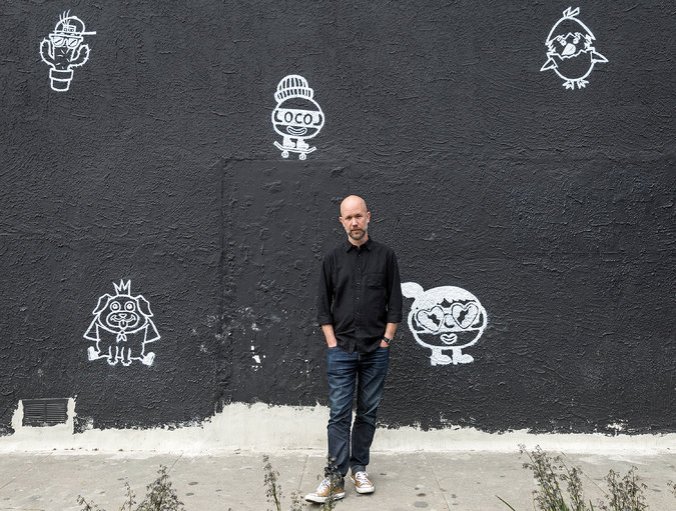
Tony Konecny, the head of coffee operations at Locol, outside the branch in the Watts neighborhood of Los Angeles. CreditEmily Berl for The New York Times

We have no reason to debate the logic of a more reasonably priced cup of quality coffee:

Has Coffee Gotten Too Fancy?

By

LOS ANGELES — The $1 cup of coffee is divisive, as drinks go.

For some, it’s a staple of the American morning: a comforting routine, a good deal. Anything that costs more than $1 is needlessly expensive, a waste of money — the coffee from a deli, diner or doughnut cart is all you need to start the day. For others, the $1 cup is suspiciously cheap. Maybe it tastes bad, or its production does harm to the land and is unfair to laborers. If you have to pay more, then that is probably a reflection of a drink’s true cost. Continue reading

Two Minutes On Advancing Coffee’s Future

coffee

Thanks to Wired for this (click the image above to go to the video) informative brief on the next wave of scientifically improved coffee:

Get Ready for a Coffee Renaissance. Thanks, Genetics!

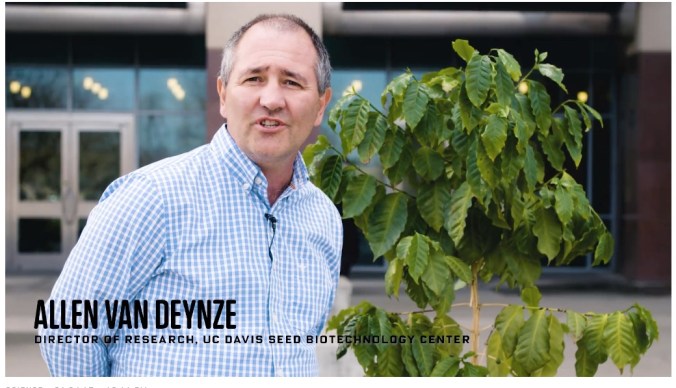
Scientists have sequenced the genome of the coffee plant and made the data public. That means we’re about to see a coffee renaissance.

Coffee, Birds & How They Matter

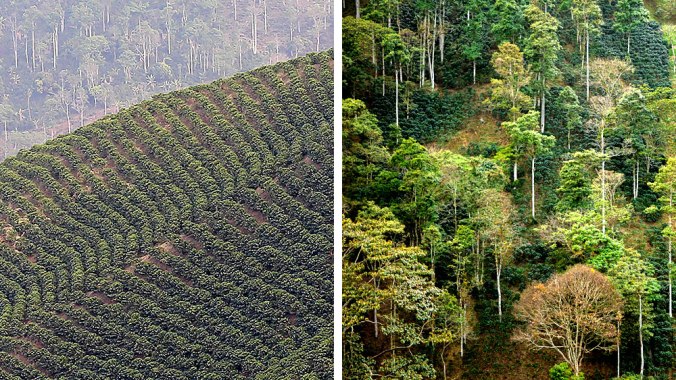
Sun-grown coffee (left) is a monoculture of coffee bushes. Shade-grown coffee (right) offers more habitat for forest species. Photos: Chris Foito/Cornell Lab Multimedia; Guillermo Santos).

Sun-grown coffee (left) is a monoculture of coffee bushes. Shade-grown coffee (right) offers more habitat for forest species. Photos: Chris Foito/Cornell Lab Multimedia; Guillermo Santos).

Our lives in the New World Tropics has allowed a frequent convergence between birds and coffee, even in the most simple terms of enjoying birdsong in our garden over the first morning cup. That very garden of our home in Costa Rica sits in what was historically cafetal (a coffee finca), with large trees shading the coffee that still grows along the little stream that runs along the property line. Blue-crowned motmots (the Central American cousin to the Andean Motmot mentioned below, have been frequent residents.

The coffee plantings at our home are insignificant compared to the 100+ acres of Gallon Jug Estate shade-grown coffee at Chan Chich. Of the nearly 350 bird species recorded in the Chan Chich Reserve’s 30,000 acres, a large percentage are migratory, making their home in the coffee as well as the healthy forest habitats that make up the reserve.

Sustainable agriculture is rarely a “get rich quick scheme”, but taken within the context of the “seventh generation stewardship”, the benefits will continue to outweigh the costs.

In Colombia, Shade-Grown Coffee Sustains Songbirds and People Alike

By Gustave Axelson

Early one morning last January, I drank Colombian coffee the Colombian way—tinto, or straight dark.

I sipped my tinto while sitting on a Spanish colonial veranda at Finca Los Arrayanes, a fourth-generation coffee farm and hotel deep in northwestern Colombia’s Antioquia region. The sun had not yet risen above the high ridges of the northern Andes. In the ambient gray predawn light, the whirring nocturnal forest insects were just beginning to quiet down.

My senses of taste and smell were consumed by the coffee, which was strong and bold in a pure way, the flavor flowing directly from the beans, not a burnt layer of roast. But my eyes were trained on a small wooden platform that held a couple of banana halves. The first bird to visit was an Andean Motmot, one of Colombia’s many Alice in Wonderland–type fantastical birds. It sported a green-and-turquoise coat and black eye mask, and it was huge—longer than my forearm, with a long tail with two circles at the end that swung rhythmically from side to side like the pendulum of a clock.

The motmot flew away and I took another sip of coffee to be sure I didn’t dream it. Another bird soon landed on the platform to pick at the bananas. This one was yellow, though Colombians call it tangara roja, because males of this species are completely red. In its breeding range, birders from the Carolinas to Texas know it as the Summer Tanager.

For more than 5 million years, a rainbow of Neotropical migrant birds (tanagers, warblers, and orioles) has been embarking on epic annual migrations from breeding grounds in North America to the New World tropics. In Colombia, these wintering areas are a lot different now than they were just 50 years ago. From the 1970s to the 1990s, more than 60 percent of Colombian coffee lands were cleared of forest as new varieties of sun-grown coffee were planted. During that same period, populations for many Neotropical migrant species plummeted—a drop many scientists say is related to deforestation of the birds’ wintering areas across Central and South America.

And yet, coffee doesn’t require deforestation. Continue reading

Adaptation, Climate Change, Winery Operations

08wine9-superjumbo

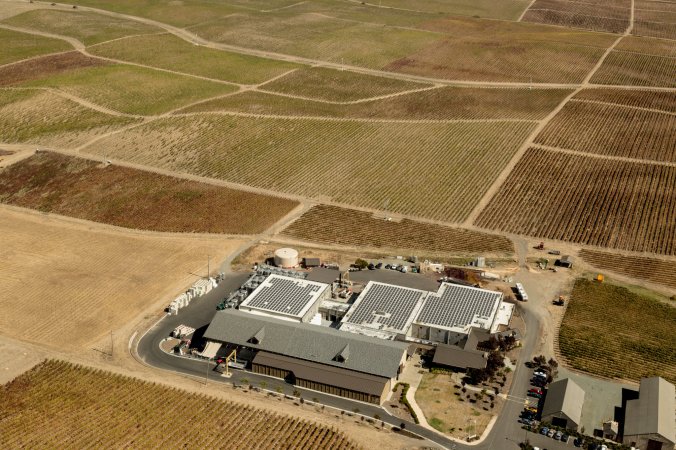
Solar panels dot the buildings at the family’s Carneros Hills Winery. Jason Henry for The New York Times

When a family does its homework on the property that represents its livelihood and our own appreciation for their craft, we take note just as we do when the professor teaches:

Falcons, Drones, Data: A Winery Battles Climate Change

Jackson Family Wines is among California
winemakers employing both high-tech and old-school
techniques to adapt to hotter, drier conditions.

By

08wine2-master675

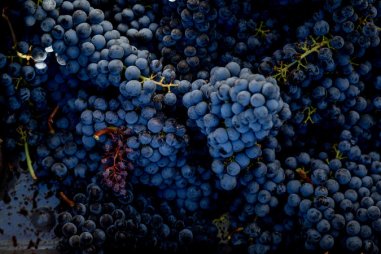
Harvested grapes. Jackson Family Wines is one of the largest family-owned winemakers in the country. Jason Henry for The New York Times

On a misty autumn morning in Sonoma County, Calif., Katie Jackson headed into the vineyards to assess the harvest. It was late in the season, and an army of field workers was rushing to pick the grapes before the first rains, however faint, began falling.

But on this day, Ms. Jackson, the vice president for sustainability and external affairs at Jackson Family Wines, was not just minding the usual haul of cabernet, chardonnay and merlot grapes. She also checked on the sophisticated network of systems she had put in place to help crops adapt to a changing climate.

Continue reading

Coffee Grounds To The Rescue

coffee-grounds-2.jpg

Kevin O’Mara/Flickr.com

Thanks again, after a series of earlier excellent items, Anthropocene:

A caffeine fix for heavy metal cleanup

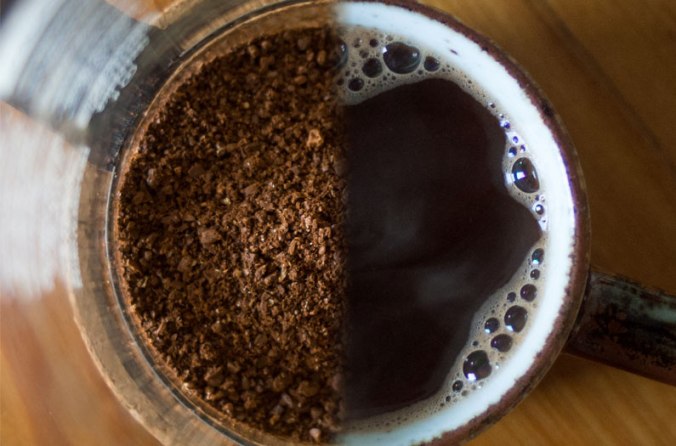
Each year, coffee drinkers across the globe create six million pounds of waste in the form of spent coffee grounds. Some of us chuck it in our compost pile, but most of it becomes just another garbage disposal challenge. Continue reading

Brazil, Climate & Coffee

gettyimages-480677832_wide-1b83ea26628e08d9cd240003d21c9c8653357d0c-s1100-c85

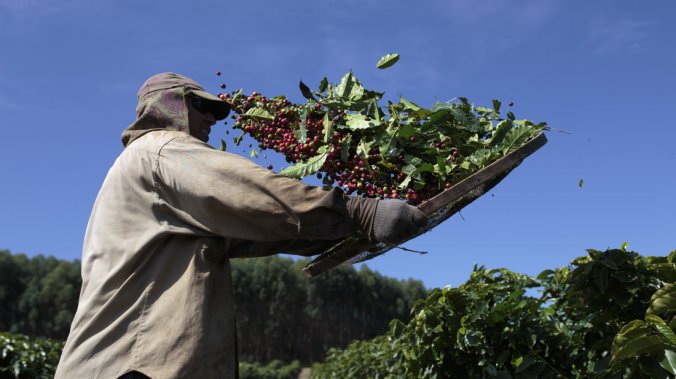
A worker separates coffee cherries during harvest at a plantation in Brazil’s Minas Gerais state. Brazil’s coffee exports fell to 2.6 million bags in June, a 12 percent drop from a year ago, according to a report last week by Cecafe, the country’s coffee export council. Patricia Monteiro/Bloomberg via Getty Images

Brazil is not a frequent focus of posts on this platform, primarily because we have not had a project there since before this platform began. But we almost certainly will before too long. And the country’s history in leadership, and in retreat, with regard to the environmental vanguard, are always of interest to us. Coffee and climate change are constant topics here, so this item at National Public Radio (USA) has our attention, with Brazil’s approach to saving its coffee from the ravages of climate change as a hook we are intrigued by:

Coffee And Climate Change: In Brazil, A Disaster Is Brewing

Coffee lovers, alert! A new report says that the world’s coffee supply may be in danger owing to climate change. In the world’s biggest coffee-producing nation, Brazil, the effects of warming temperatures are already being felt in some communities. Continue reading

Coffee’s Potentially Powerful Afterlife

Researchers are experimenting with using used coffee grounds to filter pollutants out of water. Credit RJ Sangosti/The Denver Post via Getty Images

Researchers are experimenting with using used coffee grounds to filter pollutants out of water. Credit RJ Sangosti/The Denver Post via Getty Images

Coffee lovers that we are, it’s amazing that we almost missed this piece of news…

Each year, coffee manufacturers, restaurants, cafes and home brewers worldwide produce about six billion tons of coffee waste… If not rotting in a dump or fertilizing a garden, the grounds end up in animal feed and biofuels.

But researchers in Italy have found a new home for the stinky old coffee bits — by infusing them into a porous foam that removes heavy metals from polluted water, according to a study published this month in ACS Sustainable Chemistry and Engineering.

“We use a lot of coffee here in Italy,” said Despina Fragouli, the author of the study and a materials scientist at the Istituto Italiano di Tecnologia. She and her team develop new compounds from agricultural waste — like turning cacao husks into a material for preserving and packaging food.

Naturally, they wondered “What about coffee?” Continue reading

Gallon Jug, Conservation The Belizean Way

Screen Shot 2016-07-01 at 8.46.22 AM

Two months ago I had the opportunity to visit Chan Chich Lodge in Belize, something I had wanted to do for decades.  Sometime in the 1990s I first heard of it, from various visionaries in Costa Rica who considered it to be a model on which to base development, both at the property level and for the destination as a whole. Chan Chich was mentioned frequently in conversations, in Costa Rica and throughout Mesoamerica, when the notion of sustainable tourism was first being developed. Continue reading

Coffee Better Understood

A competitor prepares coffee during the El Salvador National Barista Championship at a mall in San Salvador

STR New / Reuters

From the Atlantic, where some of (but not all) our favorite coffee stories have come from in the past, we have this new item to share:

Specialty Coffee’s Resident Scientist

A computational chemist is changing the way coffee makers think about water.

by Sarah Kollmorgen

Wherever he goes, Christopher H. Hendon brings a homemade supply of powdery white chemicals. Made from coral-reef care sets, the little bottles and plastic bags may raise some TSA eyebrows, but they serve a perfectly innocent purpose. The substances comprise his personal water filtration titration kit.

“Who travels with this much white powder?” Hendon says with a laugh. His duffel currently contains several compounds including calcium chloride, magnesium sulfate, and potassium bicarbonate. These mixtures help detect the invisible chemicals present in a glass of water, he explains. Using them, Hendon can determine how hard the water is in any geographical area, based on the minerals it contains. Continue reading

Coffee Capsules Are Terrible For The Environment, Still

17REVALUED1-master675

An engineer measuring a K-Cup prototype at a Keurig Green Mountain lab in Burlington, Mass. Tony Luong for The New York Times

Way back when, early last year, I thought for sure this company was going to respond seriously to the challenge posed by the fun-yet-serious viral campaign highlighting its environmental atrocities. Many people I know and love use these machines or machines like them. These friends are generally serious devotees of the capsule machines due to their convenience.

Every person every time, once they learn about how environmentally irresponsible the capsule machines are (more specifically, the capsules themselves are the problem), seems genuinely horrified (or expresses some emotion akin to the one generated by the viral video). But, how many have given up the K-convenience? Hmmm. The notable quote in the following story implies that because demand for this convenience is growing, there is not much likelihood of abandoning the technology–expect continued tinkering for the time being (sounds like fiddling while Rome burned):

Roasting Xandari Coffee

About a month ago I reported that coffee was going strong here at the resort, and since then we’ve been serving our own Xandari-grown coffee here at the restaurant during breakfast hours nearly every day possible, based on availability of the roasted product. In the video above, you can see Continue reading

Coffee Going Strong at Xandari

When I got back to Xandari last year in June, I posted a couple photos of the Caturra plot, the Borbón plot, and the bagged seedlings. Since then, all the plants have grown quite a bit, and we’ve gotten a strong yield of cherries–and therefore coffee beans–even though the plants were only a year old in the ground. In fact, many of the plants of both varietals are experiencing a second round of flowers despite the dry season: climate change is putting the plants’ phenology out of whack, and so some shrubs even have cherries and flowers growing at the same time, which normally would never happen. The bees are certainly happy though!  Continue reading

National Appropriate Mitigation Action

img_5782_zpsquoflyhp

Ripe and ripening Caturra coffee at Xandari Resort, Costa Rica.

We have a strong connection with coffee here at Raxa Collective, especially given the recent developments in coffee growing at Xandari Resort in Costa Rica over the last year. With the COP21 climate change summit in Paris happening this week and the next, there’s been an announcement by Costa Rica’s Ministry of the Environment (MINAE) that 25,000 more hectares of coffee plantation in the country will be converted to carbon-efficient, National Appropriate Mitigation Action farms, funded in part by the UK and Germany. Lindsay Fendt reports for the Tico Times:

Costa Rica began its coffee NAMA pilot program in 2013 with 800 small producers. The donated money will allow Costa Rica to expand the program to more than 6,000 family-owned farms. By 2023, the country plans to have implemented the NAMA best practices in all of its coffee farms.

The pilot farms reforested unused areas of farmland, reduced their dependence on chemical fertilizers and employed other innovations on a farm-by-farm basis. The strategies already have been proven effective. Coopedota, located in the Los Santos region southeast of San José, became the world’s first carbon neutral coffee producer in 2011 by utilizing many of the NAMA recommendations. Along with improving efficiency, the coffee cooperative burns coffee bean byproducts to produce its own energy. The cooperative’s members say in addition to helping the environment, the changes have saved them more than $200,000 a year in costs.

Continue reading

Mega-Meme Coffee Can Still Surprise

We care about coffee. Not only for 10th latitude reasons (geckos and coffee seem to go together), or 1,200 meter reasons (Xandari is perfectly located). Derek gets at it here, but there is more to say and the recent expedition to Ethiopia provides fodder for the next best post on topic. But that will come in due time.  Mainly, we just love coffee and we happen to work in places where it grows well.

So we watch for useful stories about coffee.Below is an excerpt from midway through a great piece from Atlantic‘s website, the most surprisingly interesting written piece on coffee in a long time, and as you have likely noticed coffee stories are a mega-meme these days:

Like many users of the Internet, I had actually already seen “Kill the K-Cup.” The mysteriously anonymous YouTube video was published this January, and spread widely. It spawned a hashtag #KillTheKCup (at the suggestion of the final frames of the video), which is still alive on multiple social-media platforms. Continue reading

5 things you might not know about the science of coffee

wake-up-and-smell-the-coffeeIf you are like me, you are obsessed with your coffee. I love the taste, the smell, the sound the grinder makes, and of course, how it makes me feel. But have you ever heard of a “coffee nap”?

Scientists work tirelessly to uncover the mysteries of the natural world, from the reasons people binge to the best way to wash hands. Recently it was revealed that they’ve figured out why coffee served in white mugs tastes so bitter. (The contrast between the color of coffee and a white mug makes the joe look and taste bolder.) Coffee served in clear glass mugs tastes sweeter. Continue reading

Gifts That Give Back, Often In More Ways Than One

Each item, including boots from Guatemala, a basket from Rwanda and a soda can cuff from Kenya, are handmade. And when people buy these gifts, the profits go back to the artisans and their community. Courtesy of Teysha; Indego Africa; Serrv

Each item, including boots from Guatemala, a basket from Rwanda and a soda can cuff from Kenya, are handmade. And when people buy these gifts, the profits go back to the artisans and their community. Courtesy of Teysha; Indego Africa; Serrv

Thanks to National Public Radio (USA) for this coverage of artisanal products that use materials that might otherwise be called waste, all of which channel resources to where they are most needed, a topic we never tire of reading about:

After you’ve seized all the deals on Black Friday, Small Business Saturday and Cyber Monday, it’s giveback time.

Today is Giving Tuesday, the day that asks people to donate to a good cause. This online campaign was created three years ago by the 92nd Street Y, a cultural and community center in New York, with the support of a slew of partners, including entrepreneurs, philanthropists and the United Nations. The idea is that you can kick off the holiday season by donating your money or time. At least $32.3 million was donated on Giving Tuesday 2013, according to a survey by the trade publication NonProfit Times.

But if you’re still in an acquisitive mood, there are ways to shop altruistically. There are nonprofits and even companies that sell handmade products whose profits go back to artisans and toward community projects in poorer countries. Continue reading

Around The World Of Coffee In One Hour

Screen Shot 2014-11-18 at 11.47.40 AM

Click the image above, or title below, to go to the video:

Coffee: From Gene to Bean to Global Scene

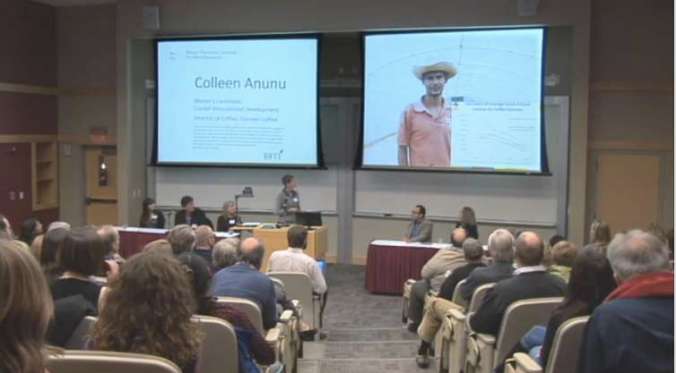
Six researchers from the Boyce Thompson Institute for Plant Research, Cornell University’s Lab of Ornithology, Dyson School of Applied Economics and Management, School of Hotel Administration, and College of Agriculture and Life Sciences investigate the culture of coffee, including: consumer tastes and choices, the social impact of development and production, the ecological impacts of coffee farms, and how the plant’s genome sequence can provide insight into this popular beverage.

Roots and Seeds at Xandari

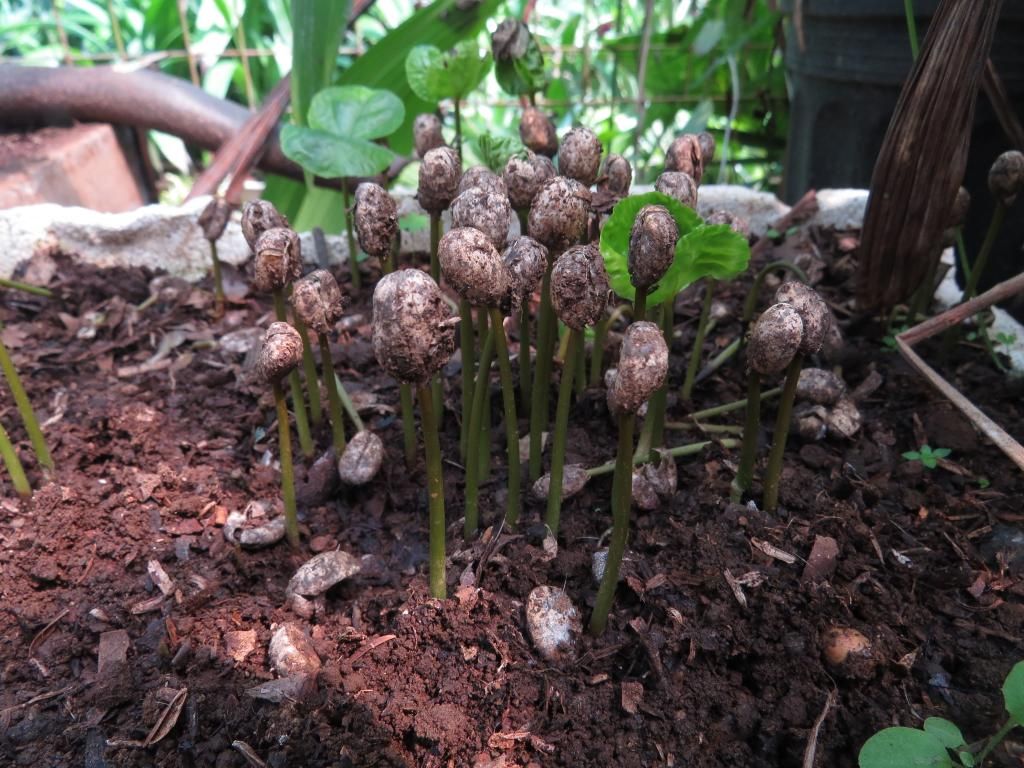
Back in the beginning of July, James and I helped José Luis plant some Bourbon coffee seeds so that they would eventually become seedlings that could be put in bags to grow into saplings. Now, after months of watering and patience, many of the seedlings are finally beginning to emerge. As more and more of them germinate and create their shoots, we’ll be putting them into the bags with soil to wait another year before planting them in the ground at Xandari.

Plenty of other plants have been productive over the last couple months: Continue reading

Doka Coffee In-Depth: o, Una Tarde de Café

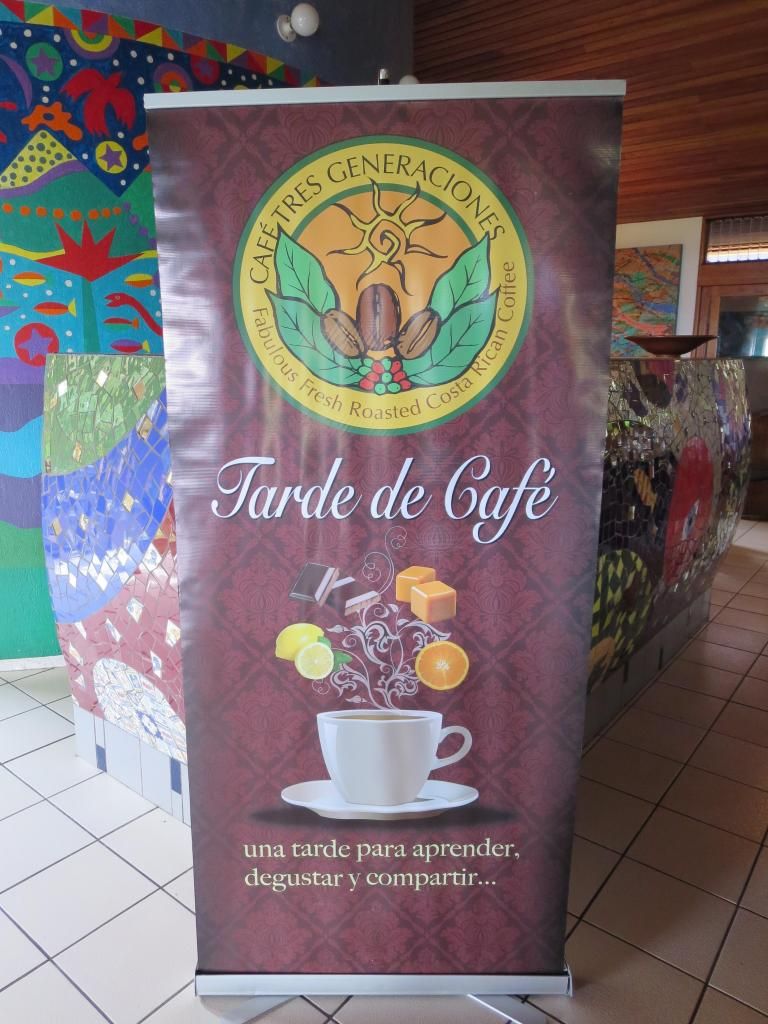
Tarde de Café con Doka Estate (An Afternoon of Coffee with Doka)

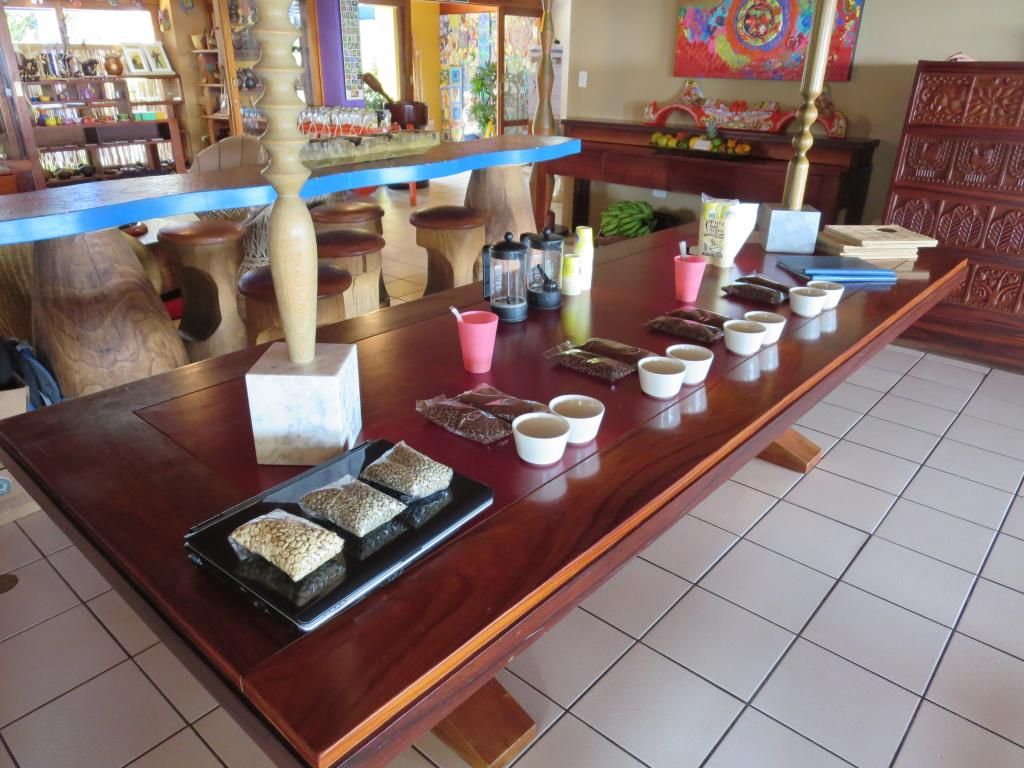
As mentioned in a recent post, Xandari was joined last week by one of Doka Estate’s coffee experts, Natalia Vargas, who gave a presentation on the estate’s process of growing, harvesting, and preparing coffee. The presentation also involved a coffee-tasting session so that we could see… er… taste the fruits of Doka’s hard work. This latter part of the presentation is what I’ll be mostly focusing on in this post. I don’t want to give too much away, in case I spoil the fun of visiting the Doka Estate for yourself when you’re next staying at Xandari, but seeing as it was a very informative and enjoyable a presentation (at least for a coffee lover), and that Xandari should soon be in a position to capitalize on the knowledge in its own coffee endeavors (most recent post here), I thought I’d spill just a few of the beans here, no pun intended.

Coffee table set-up

Natalia first walked us through the actual growing, selection, and harvesting process. All the beans at Doka originate from plants alread Continue reading