Peaberry Coffee

Mostly standard coffee beans (some Peaberry beans may have snuck in!)

A friend from the Doka Estate (on Doka see our most recent post on coffee) visited Xandari yesterday to tell us more about the process of growing and preparing coffee from seedling to cup. We’ll go into what we learned in more detail in another post, but for now I wanted to share something interesting I learned about different types of coffee–specifically about the type of coffee called “Peaberry” (or caracoli). Continue reading

The Fate of Coffee . . . at Xandari!

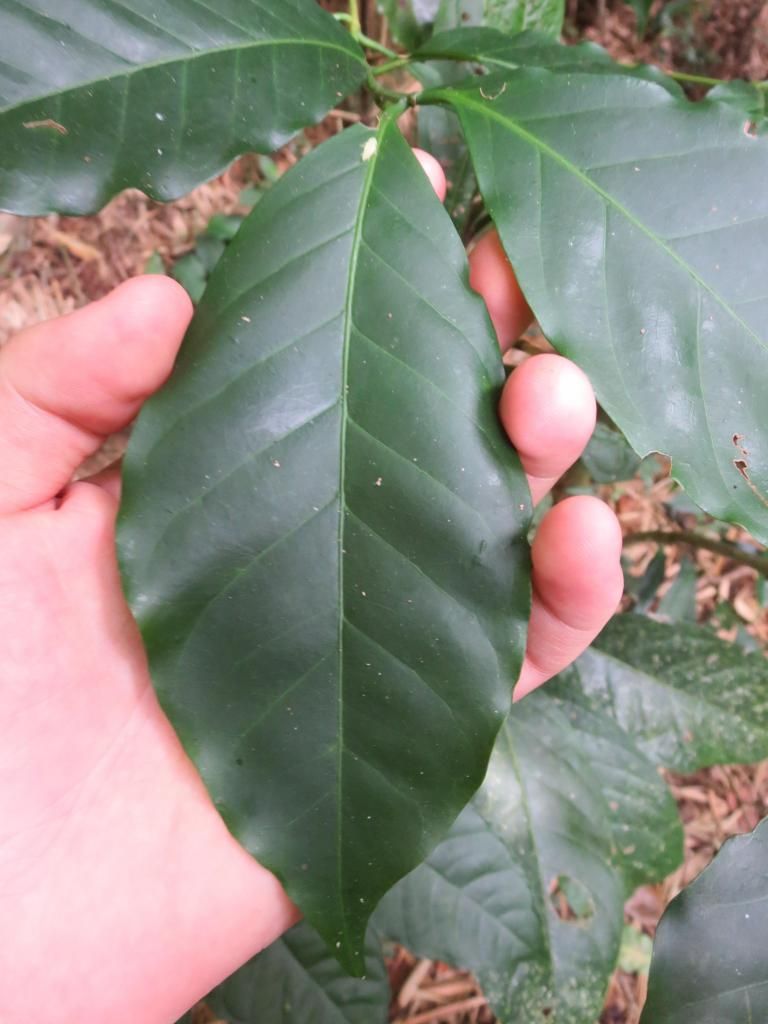
A coffee leaf (Arabica sp.)

If I hadn’t put the ellipses and “Xandari” in the title, this post would have been a lot more mundane, because the fate of (most) coffee beans isn’t particularly interesting from an existential standpoint. Or, on second thought, maybe it is very interesting? Now that I think about it, different answers might betray different philosophical commitments. For example, what would be a better answer to the question of coffee’s fate: “roasting, grinding, and filling someone’s stomach” or “waking somebody up”? The previous answer is a mechanical life-history of matter composing the coffee-bean, while the latter places coffee in a meaningful context of life, where “coffee” isn’t a chemical sequence, but rather a beverage people consume for the flavor and its beneficial effects–“coffee” as most people besides chemists perhaps think of it, that is. Anyways, this post really isn’t about philosophy, even if the title has me (and perhaps you) waxing contemplative over how we make sense of things.

What this post is really about is the fate of wild coffee plants around Xandari Resort. You’ve already seen how Seth and I have been planting coffee in a bid to bring back the bean around Xandari (see Seth’s most recent post here, from which you can bounce all the way back to the first ones) and learned about the history of coffee at Xandari (here). When Xandari first began to be converted from a fertile, shade-grown coffee plantation Continue reading

Throwback Thursday: Galápagos Coffee

Before my recent experience with growing coffee, the last time I had been exposed to the agricultural side of the brew had been almost exactly two years ago, on the island of Santa Cruz in the Galápagos Islands of Ecuador. The plants that I had a hand in starting up there should be reaching the beginning of their prime production this year.

The scale of the farm at Santa Cruz was much greater than that at Xandari so far, and hopefully Roberto and Reyna will get a bumper crop this year and we’ll be hearing about it!

You can read a little about their coffee farm and some of the work I did there Continue reading

Coffee Seedlings

Last week, using Borbón coffee seeds graciously given to us by the Doka estate, we started growing new seedlings to eventually plant in the ground at Xandari. José Luis showed James and me how to prepare a substrate of earth mixed with decomposing leaf litter he had put through a sort of wood-chipper to make a soil that closely mimics the forest floor where coffee often grows wild here.

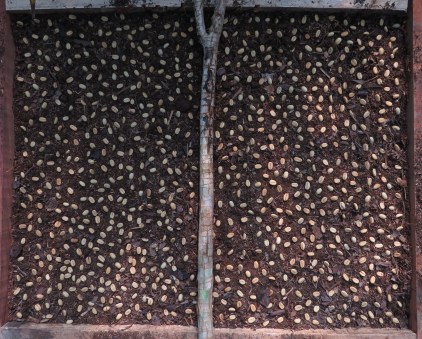
In a wooden box with a corrugated tin floor (so water can drain easily), we made a bed of about an inch of soil. Then we put the two varieties of Borbón on either side of the box. Once the box was full, and we had removed all the rounded seeds that wouldn’t be as healthy as the seeds with a flat face, we added another layer of soil on top and watered the box.

After we had gone, José Luis remembered to add a layer of dead leaves on top of the soil to help keep in the moisture and recreate natural conditions of the forest floor. Later, we went to visit his friend who had sold us the Borbón we planted earlier last month, so that James and I could see what our seedlings would eventually look like as they were transplanted into the black plastic bags we knew so well.
Continue reading

Notes from the garden: The naming of things


Today in the Cardamom County organic garden, I have been learning the names of things.

Once someone has introduced me to a plant, I take note of its shapes and impress it upon my mind with the name. Later there is some joy, when there is a spark of familiarity among what before was a just mass of green flora.

Here, I have often been asked for my “good name”–the local way of saying what at home we’d call our “given” or “proper” name. I think there is something beautiful about being able to call a person or plant by its good name.

Continue reading

Throwback Thursday: Coffee at La Cumplida, Nicaragua

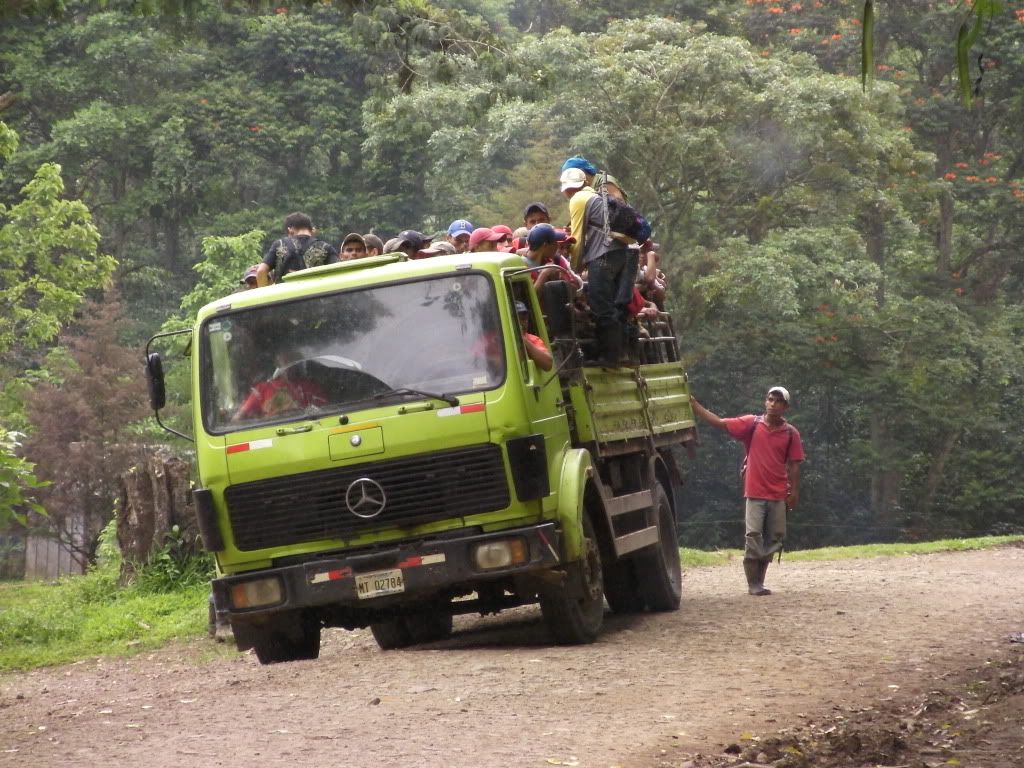
Finca workers heading home at the end of the day

It’s that day of the week again, and I’ve found yet another post from roughly this time several years ago (in this case ~3) that relates to the work I’m doing now. Although I was not performing the physical labor that James and I have helped with at Xandari when I was in Nicaragua during the summer of 2011, I was learning all about the steps that go from the seed to the cup, as they say in the business.

Soon, I hope to experience the Costa Rican side of things, and next week (next Thursday, in fact) I’ll hark back to the Galápagos style of Continue reading

El Café Borbón

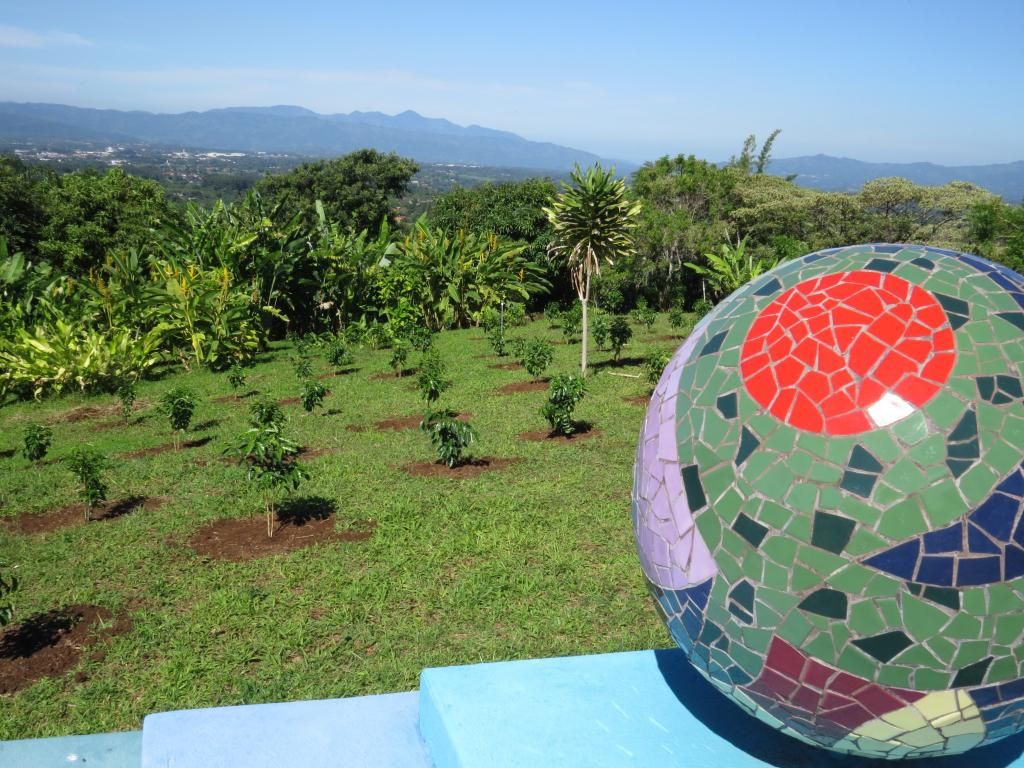
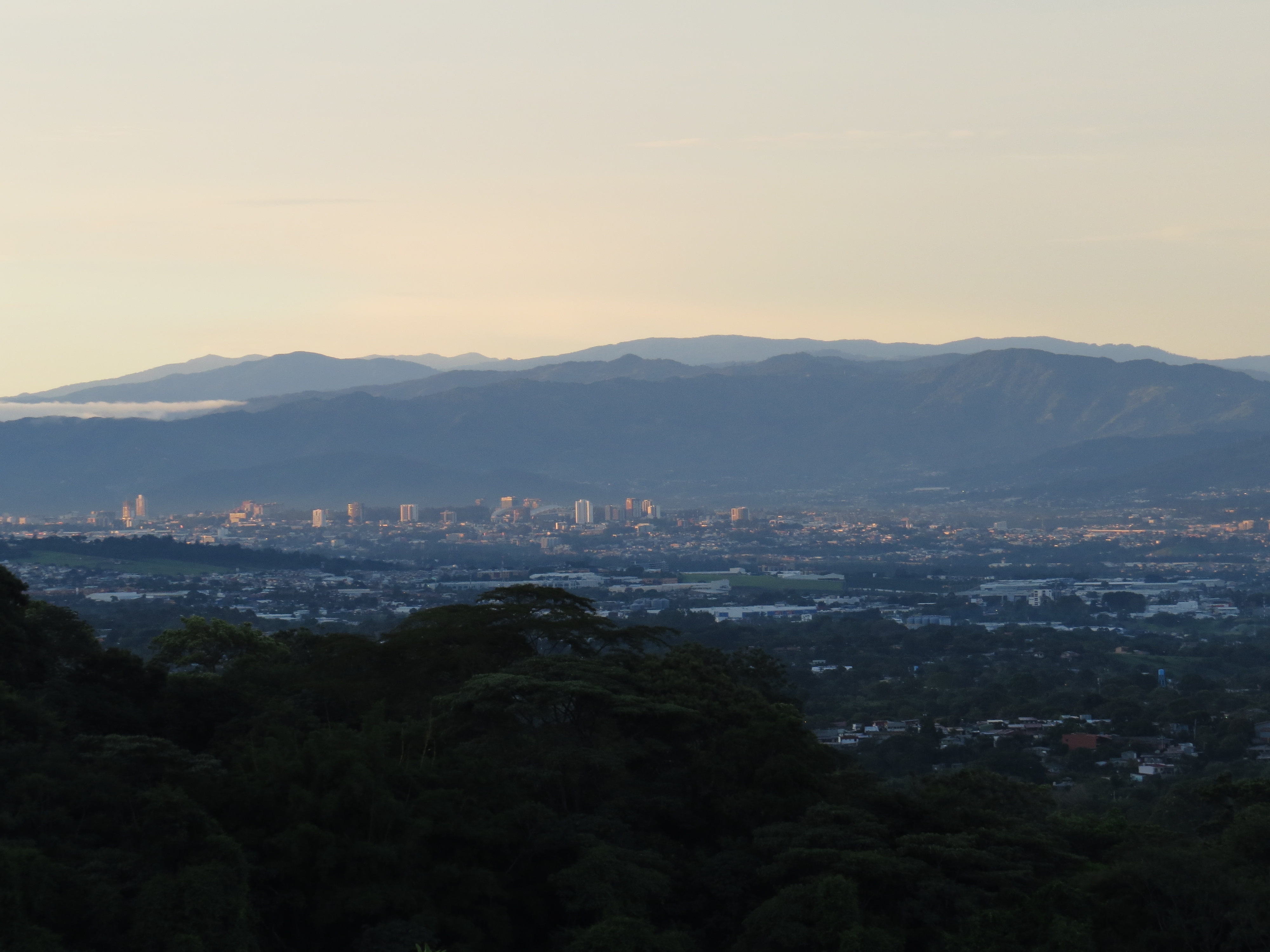
A great morning view of the Central Valley and opposing mountain range from the coffee field

A great morning view of the Central Valley and opposing mountain range from the coffee field

The current batch of Xandari’s mountainside Bourbon coffee is all planted, and James and I have a slideshow of photos we sporadically took to celebrate it! Continue reading

Bourbon Coffee — It’s No Cocktail

The prevailing etymology of the word ‘cocktail’, according to the Oxford English Dictionary, is of equestrian origin: any horse that was not a thorough-bred, or whose tail was cut short because it was serving as a hunter or stage-horse, could be described as a cocktail or a cocktailed horse. Eventually gaining a negative connotation, it probably was used to describe any sort of adulterated alcohol in the form of a mixed drink. Nowadays, we even use it for harmful or otherwise potent amalgams of substances, such as cocktails of drugs or Molotov cocktails.

Most of us, when we hear the phrase “Bourbon coffee,” likely think of Continue reading

Coffee in the Ground at Xandari

Screen Shot 2022-07-22 at 9.49.50 AM

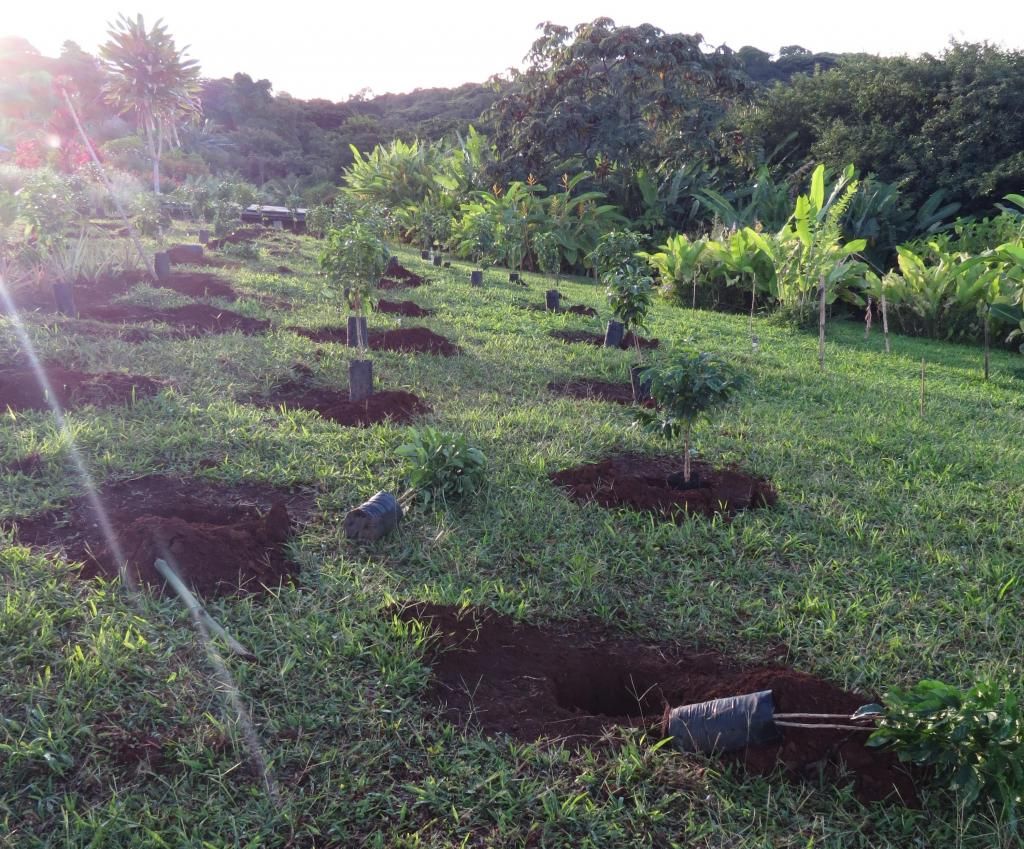
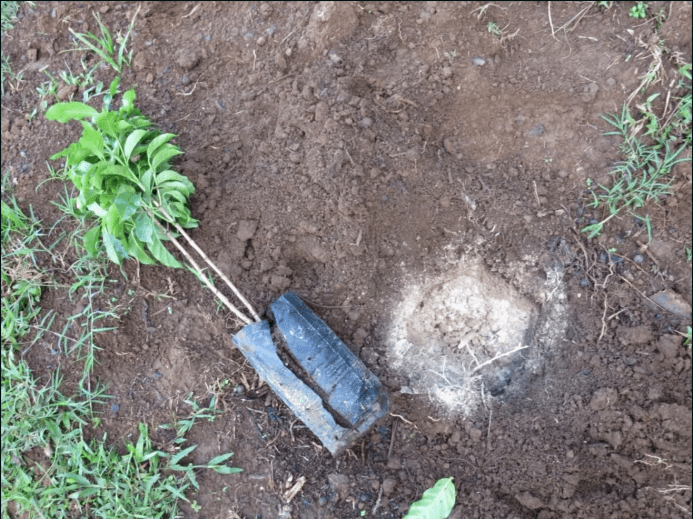
Coffee ready to be planted, next to its hole

On Monday, we began planting coffee and made great headway on getting the shrubs in the ground. Fortunately, José Luis, Xandari’s head gardener, and his team (or should we say “coffee crew” in this case?) had already done significant work in preparing the soil to receive the plants. Continue reading

Coffee in Xandari

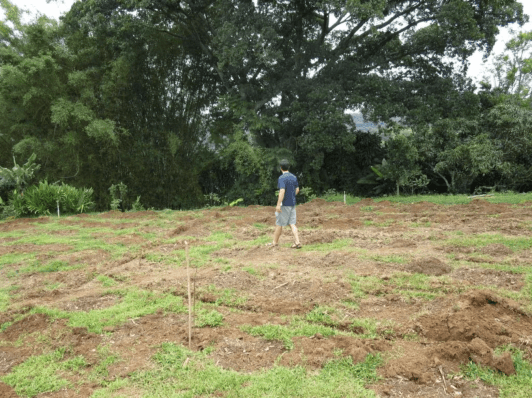
Here at Xandari (Alajuela, Costa Rica) everything is ready for coffee’s big return. The resort’s land was once dedicated to growing and harvesting the finest estate coffee this country offers (you can visit the Doka Estate, to which Xandari’s land once belonged, in one of our guests’ favorite day tours), but for the last 18 years more attention was given to the organic vegetables, orchards and gardens that now dot the verdant grounds. Plans are in motion, however, to bring the crop back to this area long celebrated for the quality of its coffee.

The ground is tilled:

Screen Shot 2022-07-22 at 10.58.04 AM

Continue reading

If You Happen To Be In Amsterdam

Most of our followers know we love coffee. We love how it grows. We love how it tastes. We love the settings where we can drink it. Which makes it all the more unfortunate that we’re in India and not in Amsterdam this weekend to experience Coffee Week NL 2014.

The festival collaboration with the Allegra Foundation makes participation all the more enticing:

50% of all ticket sales to The Amsterdam Coffee Festival will go towards Project Waterfall, the charitable components of NL Coffee Week. Continue reading

Perception, Responsibility And Good Taste

Thanks again to Roberto Kwok and her contributions to the Conservation This Week feature in Conservation Magazine, which recently carried this story:

ECO-LABEL MAKES COFFEE TASTE BETTER

December 5, 2013

Mmm, that environmentally-friendly coffee tastes good. Or does it? According to a study in PLOS ONE, people presented with two cups of coffee are more likely to prefer the taste of the eco-labelled one — even if the brews are in fact identical. Continue reading

Of Birds and Beans Redux

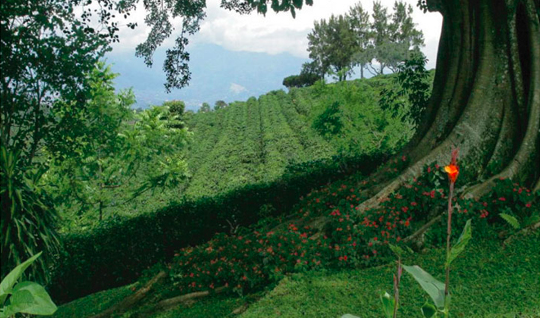
Shade grown coffee plantations in Costa Rica; photo credit: Emilia Ferreira

What first struck me when I read about the Smithsonian Migratory Bird Center this morning was that their bird friendly coffee certification was a great idea. What struck me second was that I’d read about it before on this site, or at least a teaser on the subject. Chalk not having a “part 2” up to a Cornell student’s busy schedule, but it certainly left the door open for me to discover this wonderful initiative on my own.

We’ve discussed the environmental benefits of shade grown coffee on these pages before, and the Cornell Lab of Ornithology is a La Paz Group “touch stone” in many ways. Leave it to them to so clearly make sense of all the sustainable coffee certifiers on the market from a bird’s eye point of view.

Making Sense of Sustainable Coffee Labels
They’re those little rectangular icons lined up on your favorite gourmet coffee bags—a tree, a flower, a frog, a harvester, each trying to tell you something about how the coffee was grown. But what does each one mean, and how do they differ? Here’s a list of common labels and their benefits for birds….

Bird Friendly. Certified by scientists from the Smithsonian Migratory Bird Center, this coffee is organic and meets strict requirements for both the amount of shade and the type of forest in which the coffee is grown. Bird Friendly coffee farms are unique places where forest canopy and working farm merge into a single habitat. By paying a little extra and insisting on Bird Friendly coffee, you can help farmers hold out against economic pressures and continue preserving these valuable lands. The good news is that there’s more Bird Friendly coffee out there than many people realize—we just need to let retailers know we want it…

Organic. As with other organic crops, certified organic coffee is grown without most synthetic pesticides and fertilizers and is fairly sustainable—although there are no criteria for shade cover. Because of coffee’s growth requirements, it’s likely that organic coffee has been grown under some kind of shade. However, many farmers shade their coffee using other crops or nonnative, heavily pruned trees that provide substantially less habitat for birds, and the organic label offers no information about this. Continue reading

What Would You Do For Perfect Coffee?

We appreciate those who make the effort to figure out the best way to make coffee, and especially those who share the art and science freely.  Here, from the Atlantic‘s website (always full of extras too eccentric or esoteric for the print version of the magazine) a bit from the science side:

It was November 23, 2010. We were in Surf City, North Carolina, getting ready to fortify ourselves before another grueling day. As the thin, black liquid oozed into the stained carafe, we stood bleary-eyed. We were roommates, Marine infantry officers, perpetually sleep-deprived from the training, the planning, the preparations for war. Back then coffee was little more than a bitter, caffeine-delivery system. It was just what we needed to stay awake.

We were missing so much. Continue reading

Creativity And Coffee’s Catch

For all you coffee-fueled creatives out there, take note of recent scientific findings about Balzac’s blessed bean:

Honoré de Balzac is said to have consumed the equivalent of fifty cups of coffee a day at his peak. He did not drink coffee, though—he pulverized coffee beans into a fine dust and ingested the dry powder on an empty stomach. He described the approach as “horrible, rather brutal,” to be tried only by men of “excessive vigor.” He documented the effects of the process in his 1839 essay “Traité des Excitants Modernes” (“Treatise on Modern Stimulants”): “Sparks shoot all the way up to the brain” while “ideas quick-march into motion like battalions of a grand army to its legendary fighting ground, and the battle rages.” Continue reading

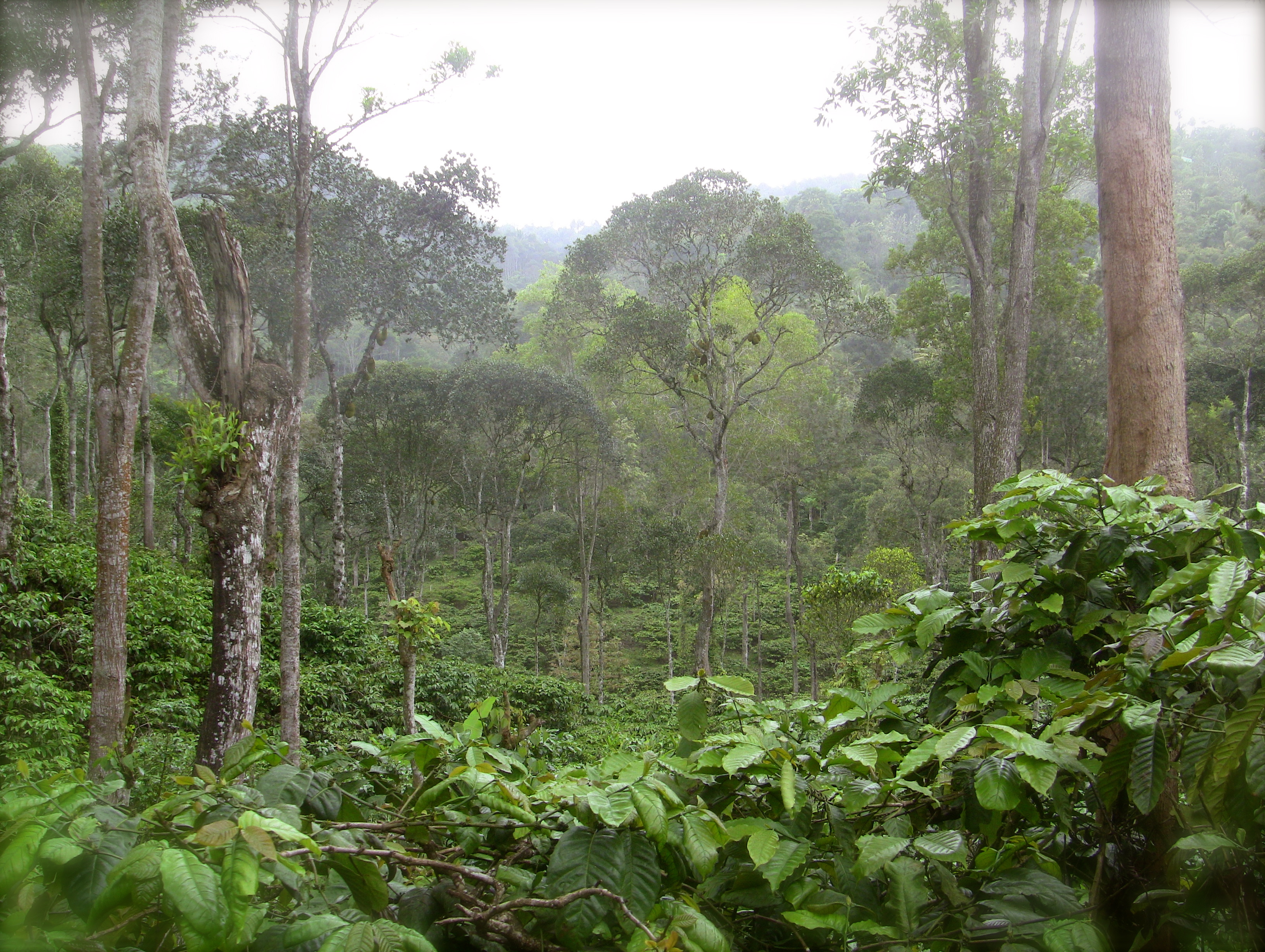
Robusta, Liberian, Arabica: a visit to a coffee plantation in the Western Ghats

Coffee plantation - Spring Valley, Kerala credit Ea Marzarte - Raxa Collective

Coffee plantation – Spring Valley, Kerala

Evan’s research on agroforestry in Ecuador  inspired me to learn more about coffee in India.  No coffee seed sprouted outside Africa or Arabia before the 17th century. Legend has it this all changed when a pilgrim named Baba Budan smuggled fertile coffee beans out of Mecca strapped to his stomach. Returning to his native India, he successfully cultivated the beans near Mysore.Commercial cultivation began in 1840 when the British rule established Arabica coffee plantations throughout the mountains of Southern India. Till today much of the production comes from the Western Ghats. Initially Arabica was widespread, but Continue reading

First Week Of Shade Coffee Research, Ecuador

Typical landscape mosaic of Barrio Nuevo

Typical landscape mosaic of Barrio Nuevo

Isabel and I arrived safe and sound to Barrio Nuevo, Pichincha, Ecuador (0.224063°, -78.559691°) on May 21 to begin our study on a shade coffee agroforestry initiated seven years ago (see my blog for background info). We moved into the home of Juan Guevara, the local coffee promoter, and his family. It’s a simple concrete house with a kitchen and three bedrooms.After settling in, we spent a day with Juan going to the homes of various farmers growing coffee to introduce ourselves.

We spent the next three days conducting surveys with the coffee producers as well as visiting, evaluating, and mapping their coffee plots. As I expected, we quickly learned a lot about the problems with the shade coffee project that was implemented about seven years ago. Continue reading

Save Soil, Perhaps Even Improve It By Drinking Organic Coffee

SaveOurSoil_LOGOThe news we pointed to about coffee-making best practices was mainly about the last step of a long chain–when the coffee is just about to give its olfactory, gustatory and other pleasures upon consumption.  It linked to an earlier post about the artisanal agriculture link in the coffee-making value chain, but here we add one more link on that topic. It has strong recommendations about what else we as consumers might do to assist in coffee-making best practices. It brings to mind topics we have covered in non-coffee posts, such as altruism, which we have considered more than once; and collective action, likewise more than a passing interest.

When we have the opportunity to support a good cause, at minimum we can give it attention here by linking to it, and with great pleasure we do so for our friends at Counter Culture Coffee:

Our soils are in crisis. Conventional, chemical-based farming is destroying soil health, leaving farms with increasingly barren earth. Extraordinary coffee – that which we are dedicated to – needs rich, thriving soil, since healthy soil leads to healthy coffee trees, prosperous farms, and delicious coffee. Continue reading

Best Practices, Coffee Edition

Coffee

Click the image to the left to go to the video, if you are the coffee-loving type.  The follow up to this earlier story is here:

It’s not hard to brew a great cup of coffee—at least, it shouldn’t be. There are only two ingredients: coffee and water. And there are only two firm rules: these ingredients must be combined and then, sometime later, separated. (In fact, this second rule is somewhat less firm: when professionals are evaluating coffee, they typically let the grounds settle at the bottom of the cup, and use a rounded spoon to scoop small mouthfuls from near the surface.) Continue reading

Coffee Maker Verification

This slideshow requires JavaScript.

No promotion, per se.  We like the message, and we are curious, if you have had experience with this machine, whether you can verify for us the claims of the company:

By using hand-powered pressure coffee making becomes a more involving pleasure. As you become more experienced you can fine-tune how you use the ROK espresso maker to produce espressos to your personal taste.  Continue reading