Cleaning Up Productivity

kyle-ellefson-Y6T1a4gU4ss-unsplash2500.jpg

Harvard scientists and landscapers are testing a new fertilizer that could reduce pollution in water supplies. Unsplash

Thanks to Caitlin McDermott-Murphy for this story about cleaning up our growing systems:

Ending ‘dead zones’

How a biofriendly fertilizer could offer a greener way to grow plants

Every year, a “dead zone” the size of Massachusetts sprawls across the Gulf of Mexico. The Mississippi River, which travels through the nation’s farm belt, sweeps excess fertilizer and dumps the chemicals into the Gulf, where they feed rampant algae, deplete oxygen, and kill marine life.

Across the U.S., smaller versions of similar dead zones infect lakes, ponds, and rivers. In years with higher rainfall — like 2018 — Massachusetts’ Charles River collects enough pollutants from surrounding city streets, parking lots, and landscaped campuses to cause the water quality to drop. Unchecked algae growth, often the result of excess fertilizer, can damage marine, human, and even pet health: This year, several dogs died after swimming in water choked with toxic blue-green algae. Continue reading

A Thoughtful Discussion On The Green New Deal

20-green-new-deal.w700.h700.2x

Photo: Michael Reynolds/EPA-EFE/Shutterstock

Thanks to Sarah Jones for The Future Is Ours for the Taking, an updated primer on the big policy bundle proposed to make the USA economy greener, healthier and more prosperous than ever:

In New York City and around the world, millions of people took to the streets on Friday morning. A single demand unified them: Leaders must act, and act now, to stop climate change from getting any worse. “I want you to unite behind science. And then I want you to take real action. Thank you,” Greta Thunberg, the teen climate-change activist from Sweden, told Congress on Wednesday.

And a growing number of climate-change activists have coalesced around an answer to this imperative, a Green New Deal. The proposal, which would transition the U.S. economy to clean energy and create millions of new jobs, has become a rallying cry for organizations like the Sunrise Movement and left-wing Democrats like Representative Alexandria Ocasio-Cortez. Although Ocasio-Cortez helped popularize the Green New Deal, and so has her fellow congressional democratic socialist, Senator Bernie Sanders of Vermont, the basic concept is at least 12 years old. Not long after New York Times columnist Thomas Friedman called for a “Green New Deal” in 2007, a group of British academics and activists began drafting a substantive proposal that was published in July 2008.

20-ann-pettifor.w700.h467.2x.jpg

Photo: Simone Padovani/Awakening/Getty Images

Why do you think it has taken this long for the Green New Deal to catch fire in the public imagination?

For several reasons. Really, it takes an American, doesn’t it? I mean, when the Americans decide something is important, then it suddenly becomes important, and that’s fantastic. But I think what happened back in 2008 was that we were going through this grim financial crisis and London was at the heart of it already thanks to the City of London. We were writing [the British Green New Deal] after the date that I called Detonation Day — on the ninth of August 2007, when interbank lending froze and the system blew up. Continue reading

Are Strikes Going To Get Us To A Solution?

190930_r35037web

Illustration by João Fazenda

During last week my attention has been commanded more than at any other time by the increased attention to the perils of climate change and the clamor for action. I do not tire of reading on this subject, in the hope that one day I will read something that will give some hope of progress. Thanks to Elizabeth Kolbert for weighing in on the debate over whether we should admit defeat, or instead insist on finding another way out of the pending doom, in the manner prescribed by a former Vice President of the USA (a country now officially leading a race to the bottom on this issue):

Summits, Strikes, and Climate Change

There are positive signs that the politics of climate change are changing in America. And giving up isn’t really an option.

Late last month, Greta Thunberg, the sixteen-year-old climate activist from Sweden, arrived in New York. Thunberg, who is sometimes compared to Joan of Arc and sometimes to Pippi Longstocking, doesn’t fly—the emissions from aviation are too high—so she’d spent two weeks sailing across the Atlantic in a racing boat. When she reached New York Harbor, she told Trevor Noah, on “The Daily Show,” the first thing she noticed was “Suddenly, it smells.”

Thunberg doesn’t adhere to social niceties. (She’s spoken openly about having Asperger’s syndrome.) She began her crusade last year, sitting outside the Swedish parliament building, in Stockholm, handing out flyers that read “I am doing this because you adults are shitting on my future.” It’s a trait particularly well suited to the cause she’s taken up: on no other issue is the gap between what’s politically acceptable and what’s scientifically necessary wider than it is on climate change. In an address to the French parliament, in July, Thunberg put it this way: “Maybe you are simply not mature enough to tell it like it is, because even that burden you leave to us children. We become the bad guys who have to tell people these uncomfortable things, because no one else wants to, or dares to.” Continue reading

A Few Sane Words From Al Gore

There are some excellent graphics in this op-ed, but the words are better, and a fitting third entry of the last week on this topic:

Al Gore: The Climate Crisis Is the Battle of Our Time, and We Can Win

We have the tools. Now we are building the political power.

Things take longer to happen than you think they will, but then they happen much faster than you thought they could.

The destructive impacts of the climate crisis are now following the trajectory of that economics maxim as horrors long predicted by scientists are becoming realities.

More destructive Category 5 hurricanes are developing, monster fires ignite and burn on every continent but Antarctica, ice is melting in large amounts there and in Greenland, and accelerating sea-level rise now threatens low-lying cities and island nations.

Tropical diseases are spreading to higher latitudes. Cities face drinking-water shortages. The ocean is becoming warmer and more acidic, destroying coral reefs and endangering fish populations that provide vital protein consumed by about a billion people…

Libraries As Architectural Gems

merlin_160635033_dcbb54ea-d450-4d75-b097-f8896ca277ee-superJumbo.jpg

Winnie Au for The New York Times

We occasionally hail architecture, and frequently hail libraries as essential to our shared humanity, and when we get the chance to hail both at the same time, the world seems in good order:

Why Can’t New York City Build More Gems Like This Queens Library?

The Hunters Point Community Library is one of the finest public buildings New York has produced this century. But it cost more than $40 million, took a decade and almost died.

merlin_160635120_4fd39dfa-a3bd-40a6-bad9-ffa64e5cd502-superJumbo.jpg

The canyon-like lobby entrance of Hunters Point Community Library. Winnie Au for The New York Times

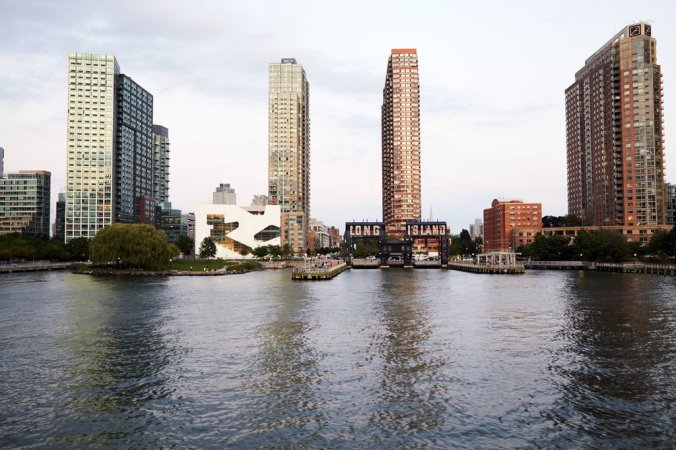
Against a phalanx of mostly dreary new apartment towers, the soon-to-open Hunters Point Community Library by Steven Holl Architects is a diva parading along the East River in Queens, south of the famous Pepsi sign. With its sculptured geometry — a playful advertisement for itself — it’s even a little like the Pepsi sign.

Compact, at 22,000 square feet and 82 feet high, the library is among the finest and most uplifting public buildings New York has produced so far this century.

merlin_160635054_78b92219-8a07-43e8-980e-5ddde3eca8e6-jumbo.jpg

Winnie Au for The New York Times

It also cost something north of $40 million and took forever to complete. So it raises the question: Why can’t New York build more things like this, faster and cheaper?

merlin_160635087_be5c3790-f4e6-4775-896c-faed62eae8bb-jumbo.jpg

The library is full of nooks and corners, illuminated by big windows with sculptured walls covered in bamboo.Credit Winnie Au for The New York Times

Opening Sept. 24, Hunters Point is surely what Queens Library officials and the borough’s former president, Helen M. Marshall, had in mind when the project was proposed more than 15 years ago: a crown jewel among Queens branches, at a singular, symbolic spot facing the United Nations and Louis Kahn’s exalted Four Freedoms Park across the water. Continue reading

A Different Kind Of Getting Clear

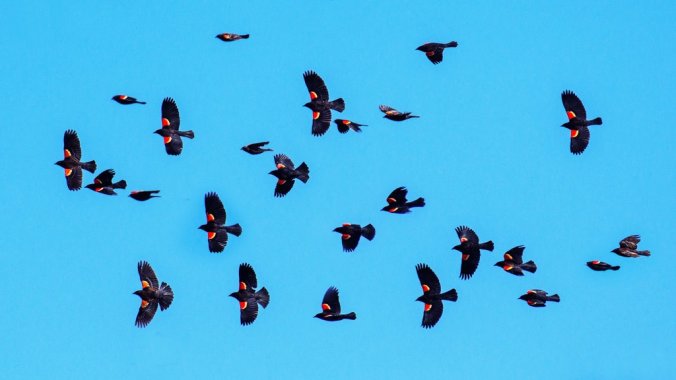
A flock of red-winged blackbirds over Long Island, N.Y.CreditCreditVicki Jauron, Babylon and Beyond Photography/Moment, via Getty Images

Thanks to the authors of this op-ed for a bit of clear thinking:

The Crisis for Birds Is a Crisis for Us All

The mass disappearance of North American birds is a dire warning about the planet’s well-being.

By John W. Fitzpatrick and 

Dr. Fitzpatrick is the director of the Cornell Lab of Ornithology. Dr. Marra is the director of the Georgetown Environment Initiative.

19Fitzpatrick2-jumbo.jpg

Steve Maslowski/Science Source, via Getty Images Plus

Nearly one-third of the wild birds in the United States and Canada have vanished since 1970, a staggering loss that suggests the very fabric of North America’s ecosystem is unraveling.

The disappearance of 2.9 billion birds over the past nearly 50 years was reported today in the journal Science, a result of a comprehensive study by a team of scientists from seven research institutions in the United States and Canada.

As ornithologists and the directors of two major research institutes that directed this study, even we were shocked by the results. We knew of well-documented losses among shorebirds and songbirds. But the magnitude of losses among 300 bird species was much larger than we had expected and alarmingly widespread across the continent. Continue reading

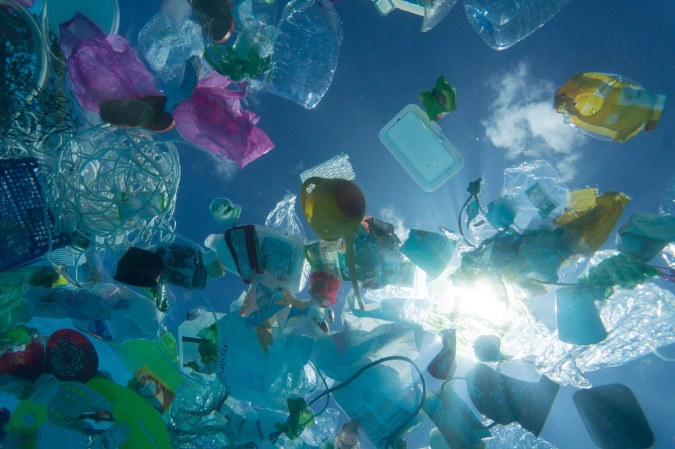
Dark Plastic

Kormann--Plastics

It is likely that marine debris kills hundreds of thousands of sea birds, turtles, and marine mammals each year. Photograph by Paulo Oliveira / Alamy

It is a 10-15 minute read with a two hour hangover of depression. But a must-read. Thanks to Carolyn Kormann for getting us very clear on the problem of plastic in our oceans:

Imagination At Scale Is Our Only Recourse

190923_r34982

A journalist and novelist for more than fifteen years, in 2012 Ledgard began to refashion himself as both an evangelist of radical thinking and a prophet of specific doom. Photograph by Rafal Milach / Magnum for The New Yorker

Jonathan Franzen’s relatively short, but powerful essay got my thoughts well-prepared to digest this profile of Jonathan Ledgard. The implication of Franzen’s essay struck me more clearly when Ledgard–having quit his career in journalism in favor of deeper exploration for answers to the most intractable challenges–was quoted saying “Imagination at scale is our only recourse.” Neither the essay nor the profile is comforting; but by embracing uncomfortable conclusions maybe possibilities open up:

…“You have to acknowledge that the probability of success is vanishingly small,” he said. “But if just one of these ideas came off in the next twenty years, in some form, and in a really significant way—and it improved the lives of poor people, or helped save other life-forms from extinction—then that would be really worth your time.” He added, “My main point is to move the conversation in a more imaginative direction.”…

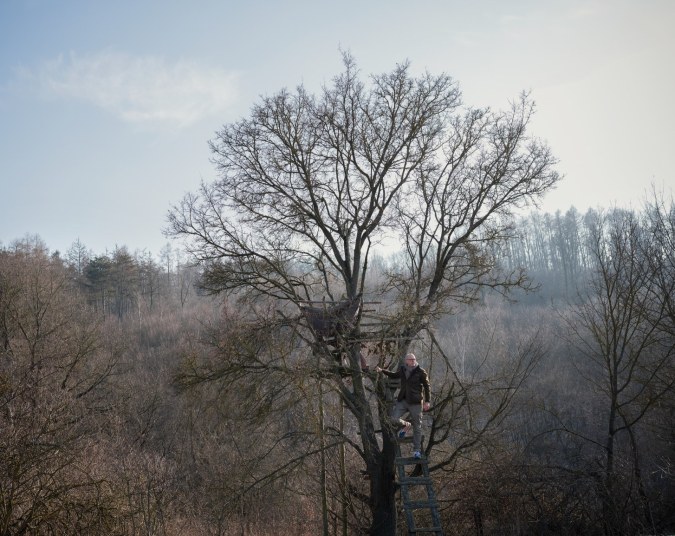
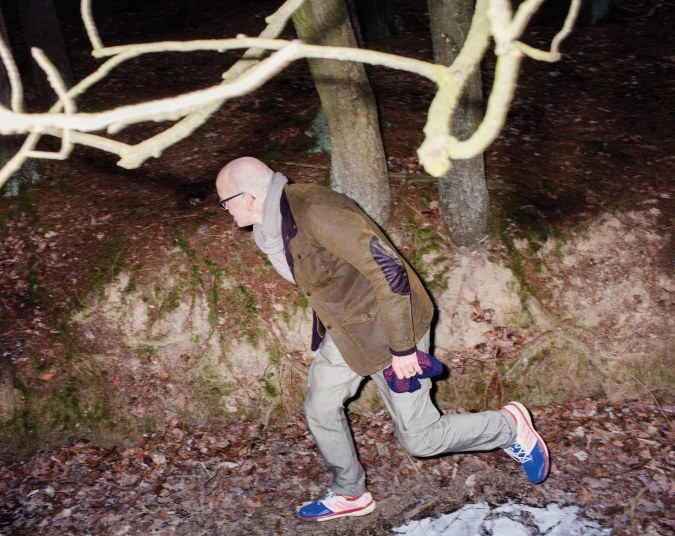
We had heard of the drone-delivered medical services thanks to Seth’s work in Rwanda, but frankly I was not convinced back in May that it was yet in the realm of possibility. Now I am. To see the man behind it in a photo like this, which at first glance might make you think he is a bit off his rocker, is refreshing.

190923_r34999

Outside a Czech village, Ledgard searched for wild boar, which he is studying for an immersive art exhibit. Photograph by Rafal Milach / Magnum for The New Yorker

Maybe that is what it takes to say something so clear:

“There’s a significant minority—or maybe a majority—of human beings who are biophiliac. They like living things. And that hasn’t been priced correctly.”

If You Must Bet, Bet On This

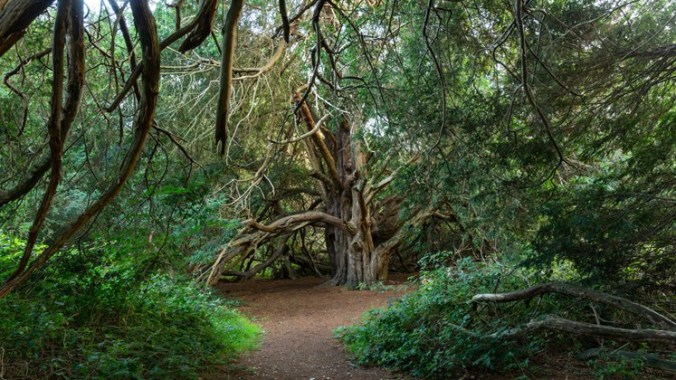
great-yew-kingley-vale-edward-parker.jpg

Woodland Trust has not been mentioned in these pages before, surprisingly. Its origins and its mission make us feel at home:

Stand up for trees

We want to see a UK rich in native woods and trees, for people and wildlife.

But we can’t achieve our vision without you.

And its accomplishments are awesome:

43,069,424
trees planted,
1089 woods saved,
34,075 hectares of ancient
woodland under
restoration.

And now it is possible to place a bet on their behalf in a fun contest:

Now is your chance to vote for your favourite trees in England, Scotland, Wales and Northern Ireland as we reveal the shortlists in our Tree of the Year contest. Continue reading

Craft, Creativity & Visual Pleasure

09tmag-orkneys-slide-A407-superJumbo.jpg

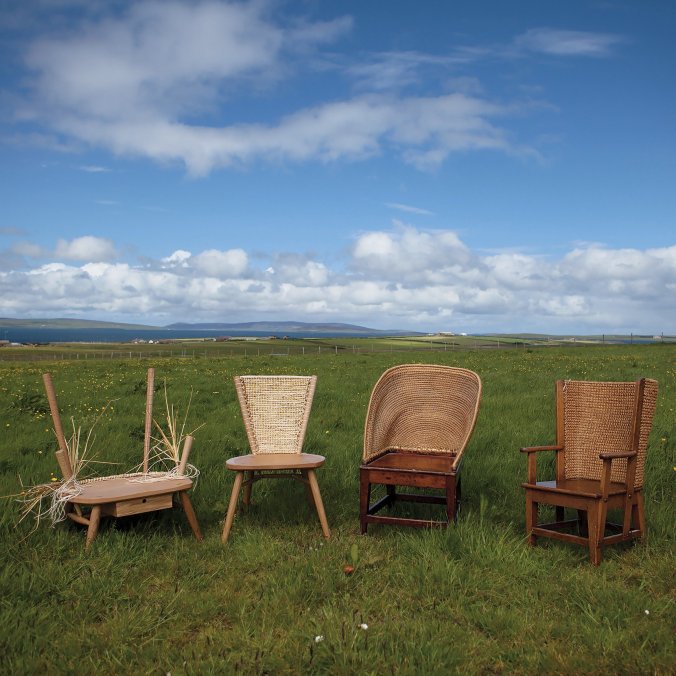
Iterations, from left, of the New Craftmen’s Brodgar chair (an unfinished lounge chair and a dining chair) next to traditional chairs on Mainland, Orkney. Sophie Gerrard

Deborah Needleman offers a short and sweet journey to a place, and with people, who I can relate to as we proceed to stock and open the Authentica shops in Costa Rica:

The Windswept Scottish Islands Producing Beautiful Artisanal Goods

One London gallery is determined to continue the tradition embraced for centuries by the Orkney chain.

09tmag-orkneys-slide-UOQV-superJumbo.jpg

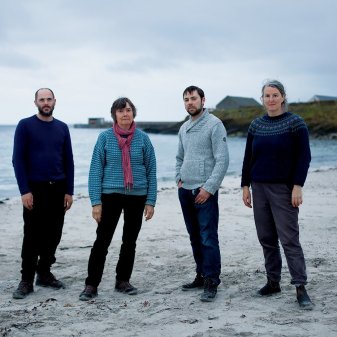
The New Craftsmen artists during their Orkney residency, Gareth Neal (far left), O’Sullivan (far right) and Butcher (second from left) with the local Orkney furniture maker Kevin Gauld (second from right). Sophie Gerrard

LAST MAY, THREE England-based craftspeople — the basket makers Mary Butcher and Annemarie O’Sullivan and the furniture maker and designer Gareth Neal — were sent by their London gallery, the New Craftsmen, for a weeklong residency in Orkney, a chain of about 70 small islands off the northern coast of Scotland. They explored Mainland, Orkney’s largest island, as well as North Ronaldsay, a three-and-a-half mile spit of land (population approximately 50) rich in farmland, marram grass, seaweed-eating sheep and Neolithic ruins. They also met with the Orcadian furniture maker Kevin Gauld and the sculptor Frances Pelly, both of whose work is deeply bound up with the islands’ history and landscape.

09tmag-orkneys-slide-JXXZ-jumbo.jpg

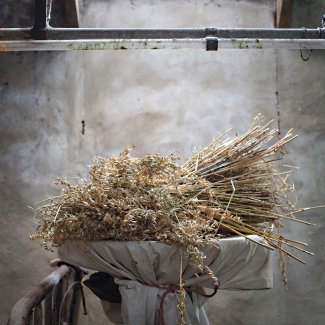
Gathered Orkney straw ready to be woven in Gauld’s workshop. Sophie Gerrard

The New Craftsmen’s co-founder and creative director, Catherine Lock — who travels across Britain in search of potters, textile designers and other artisans to highlight at her Mayfair showroom — has long been inspired by Orkney’s culture, and commissioned the first piece she sold at the gallery, a collaboration between Gauld and Neal, on the archipelago seven years ago. Since then, the pair’s beautifully austere straw Brodgar chair has been a consistent best seller, with more demand than Gauld can answer.

09tmag-orkneys-slide-WJT0-jumbo.jpgBefore craft was called craft, when it was just the stuff people made from what was around in order to get by, objects were indivisible from their provenance. And in a place as remote as the Orkney Islands, that connection is still strong — but the link to the outside marketplace less so. Lock invited these three makers to “see how they might channel the spirit of this place through objects.” The goal of the project is the creation of new work — both collaborations and individual pieces — that express the spirit and traditions of Orkney, exposing it to a larger global audience while preserving and reinvigorating the distinctive skills found there.

09tmag-orkneys-slide-LURZ-superJumbo.jpg

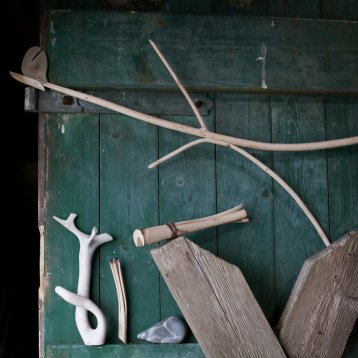
Local seaweed gathered and bundled by the basket weavers Annemarie O’Sullivan and Mary Butcher. Sophie Gerrard

One can understand a place by what its people make. Because trees are scarce here, Orcadians historically had to rely on driftwood and shipwrecks for timber; you can still find stone houses with roofs made of upturned old boats. The islands are flush with heather, peat, seaweed and sandstone, but locals have a special relationship with straw, which they have long used for everything from roofing and bedding to shelving, rainwear and furniture. Continue reading

Camera Trap Treasure

triplets-1260x708.jpg

A black bear mother with three cubs. Photo © TNC

Camera traps have proven valuable in the work we have been doing in Belize, India and elsewhere in the wilderness areas of the developing world. But equally important are the photos captured in areas closer to urban settlements. Thanks to The Nature Conservancy’s publication of these photos with the article below:

As a Nature Conservancy forester in Pennsylvania, Mike Eckley spends a lot of time assessing the health of woodlands. That means he spends as much time thinking about white-tailed deer as he does trees.

Many conservation biologists consider over-abundant deer to be an even bigger threat to eastern forests than climate change. Deer can fundamentally change the forest ecosystem, threatening everything from rare wildflowers to migratory songbirds. These deer also can cause deadly vehicle collisions, increase risk of Lyme disease, and cause significant agricultural and property damage.

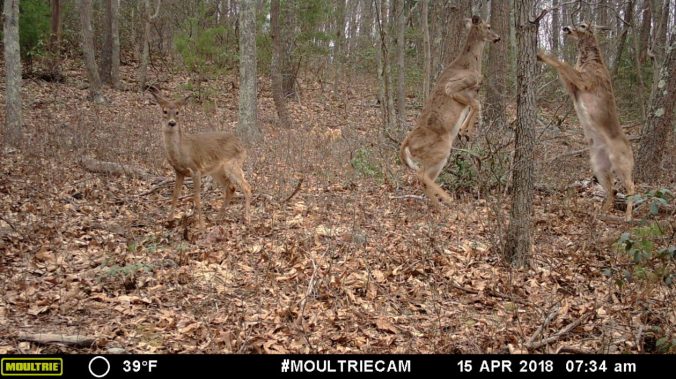
MOULTRIE DIGITAL GAME CAMERA

Two white-tailed deer boxing. Photo © TNC

Eckley educates hunting clubs and landowners on deer management issues, and recently co-edited a book on the topic. He also works to make sure the deer herd is healthy on Conservancy projects like the West Branch Forest Preserve, a 3,000-acre preserve in north central Pennsylvania. Continue reading

Authentica & Organikos & Responsible Coffee Consumption

This last week we have been busy opening two Authentica shops (at long last). Both shops sell Organikos coffee. So today, another day on the run, I will suggest a very brief reminder on how and why the way you consume coffee matters. Lots more to say on that, and we will, but this is about as succinct a summary as you will find.

Trees Breathe in Brooklyn

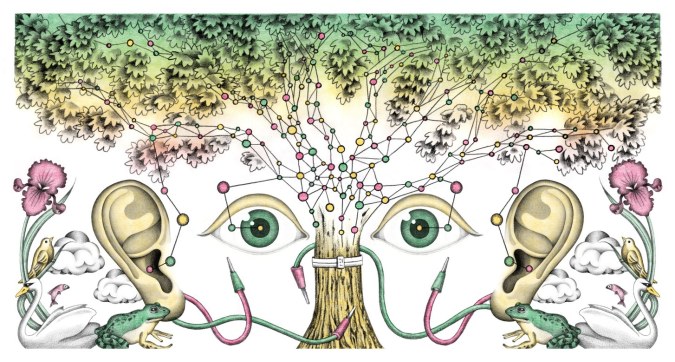
Using new technology, researchers can watch as trees grow, shrink, drink, and breathe. Illustration by Christelle Enault

When we start reading about using transducers to create precision dendrometers to see how a tree grows in Brooklyn, we know we are out of our league. But surprisingly readable, this story tells why it is important to be able to measure tree growth in real time:

A Day in the Life of a Tree

One morning earlier this summer, the sun rose over Brooklyn’s Prospect Park Lake. It was 5:28 a.m., and a black-crowned night heron hunched into its pale-gray wings. Three minutes later, the trunk of a nearby London plane tree expanded, growing in circumference by five-eighths of a millimetre. Not long afterward, a fish splashed in the lake, and the tree shrunk by a quarter of a millimetre. Two bullfrogs erupted in baritone harmony; the tree expanded. The Earth turned imperceptibly, the sky took on a violet hue, and a soft rain fell. Then the rain stopped, and the sun emerged to touch the uppermost canopy of the tree. Its trunk contracted by a millimetre. Then it rested, neither expanding or contracting, content, it seemed, to be an amphitheater for the birds.

“I wonder about the trees,” Robert Frost wrote. Monumental in size, alive but inert, they inhabit a different temporality than ours. Some species’ life spans can be measured in human generations. We wake to find that a tree’s leaves have turned, or register, come spring, its sturdier trunk. But such changes are always perceived after the fact. We’ll never see them unfold, with our own eyes, in human time.

To understand how trees transform, dendrochronologists, researchers who study change in trees, have developed a few techniques. They cut trees down to analyze their rings, which have been created by the seasonal formation of new cells, but this terminal strategy can provide only a static overview of the past. They “core” living trees, using bores to extract trunk tissue; this technique, however, can stress trees and sometimes, though rarely, wound them fatally. They measure tree girth with calipers and tape—a less invasive means of studying growth that is also frustratingly intermittent.

Once we had read to this point the following paragraph led to an image search. What does this thing look like? The story did not show it, only described it, so our image search led here:

DendroCollection_2014-1024x237

Figure M1 Collection of point dendrometers (natkon.ch). The carbon frames are either T-shaped (for large stems) or O-shaped (for small stems or branches) and are anchored in the stem with stainless steel rods. Up to three sensors are attached to the different type of frames in order to measure different expositions at the stem or to measure stem radius fluctuations over bark and on the xylem separately.

And those images helped the following make a bit more sense:

In the early two-thousands, a new technique emerged that changed the field. It relies on low-cost transducers: equipped with a tiny spring, a transducer—which converts, or “transduces,” physical motion into an electrical signal—can rest on the bark of a tree, sensing and logging tiny changes in pressure. Instruments that use this approach, known as precision dendrometers, allow scientists to do something entirely new: watch how trees change and respond to their environments on an instantaneous scale.

This spring, I walked along the eastern edge of Prospect Park Lake with Jeremy Hise, the founder of Hise Scientific Instrumentation, a company that sells affordable precision dendrometers to scientists, students, and members of what Hise called the “D.I.Y. makerspace.” Bearded and affable in jeans and a blue sweatshirt, Hise explained that his dendrometers could now deliver their measurements wirelessly to a cloud-based platform called the EcoSensor Network. Users of the network can monitor a tree’s growth, generate graphs, and correlate them with meteorological data. Together with Kevin Griffin, a professor of earth and environmental sciences at Columbia University, Hise is planning to build the largest network of dendrometers in the world, generating millions of data points each year. “We’re looking to be the Weather Underground of trees,” Hise said.

Continue reading

Altruism, 2019

WI090119_MG_Zeynep_01.jpg

KEITH NEGLEY

Zeynep Tufekci, a professor at the University of North Carolina at Chapel Hill, has not made her way into these pages before because her focus on the digital world does not frequently overlap with our themes. But ALTRUISM STILL FUELS THE WEB. BUSINESSES LOVE TO EXPLOIT IT maps on to one of our earliest themes, which had a great run but has been neglected more recently. The article she has published in Wired (also not frequently cited here, for the same reason) is a good corrective:

HERE’S A THOUGHT experiment: Imagine for a moment that a hardheaded social scientist from, say, 1974 is plucked out of time and dropped here, in the midst of the internet age. What, more than anything else, would blow their mind?

I’m not just asking what they’d be most dazzled by. I’m asking what would shake their sense of how the world works. What would they least have seen coming? Continue reading

Urban Avian Satisficing

web_kma9100.jpg

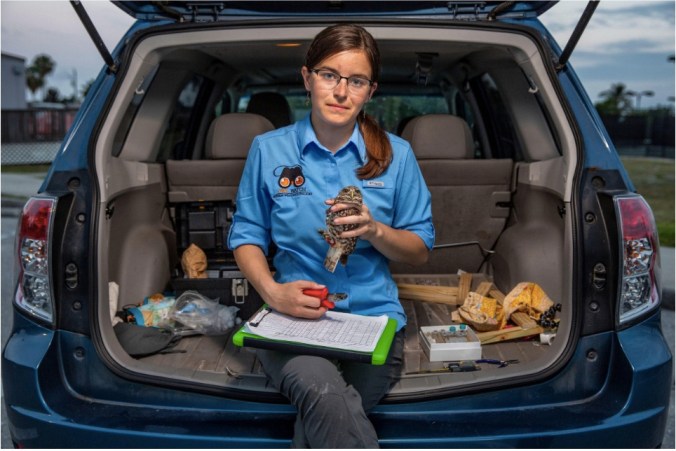
These owls have adoring human neighbors. Their burrow is dug on the lawn of a couple who, along with their grandson, delight in seeing the birds nest year after year on the property; they even intentionally leave one of their cars parked outside the garage, to offer the tiny owls shade. This year the owl pair had six chicks, five of which survived to fledge. Photo: Karine Aigner

Thanks to Audubon’s great team for this story of urban adaptation:

Burrowing Owls Are the Family Next Door in this Florida Boom Town

Locals and researchers are working to keep Marco Island hospitable to the birds, which are declining across the state, as development devours the vacant lots where they make their homes.

web_kma9100q

Biologist Allison Smith’s car serves as a mobile workspace for monitoring owls on Marco. She temporarily transfers birds she captures to the back, where she weighs, measures, and bands them before returning them to their burrows. Photo: Karine Aigner

Fate would not smile kindly on the six feathered inches of furious resignation splayed belly up in the left hand of Allison Smith. Wings slightly spread, the young Florida Burrowing Owl’s penny-wide green eyes remained unblinking at the indignity of such a position. Intent on banding and measuring the chick before taking a blood sample from an under-wing vein, Smith couldn’t foresee its future.

Neither could volunteer Jean Hall. She was helping Smith, a graduate student in wildlife ecology at the University of Florida, band several offspring from the same family as part of Owl Watch, a community-scientist research collaboration funded by Audubon of the Western Everglades.

The Gulf Coast barrier island of Marco, a 7,700-acre dry-land dollop of one-time mangroves lying in turquoise and azure waters south of Naples, is now thick with houses, condominiums, strip malls, resort hotels, marinas, and golf courses, along with 18,000 year-round residents. The population swells to some 40,000 each winter. Continue reading

Python Prey


4608 (1)

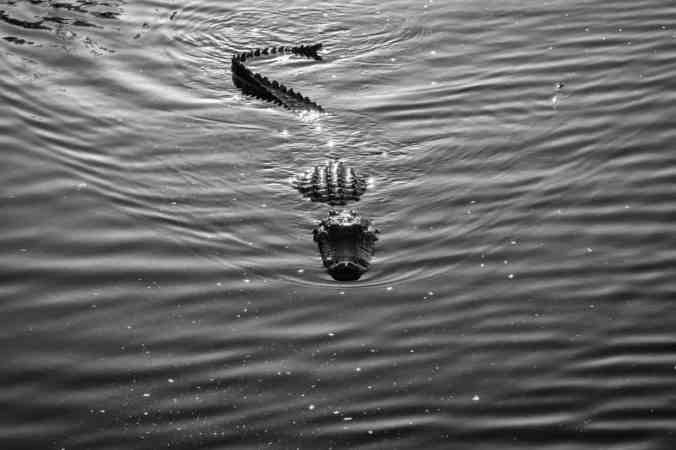
An American alligator in its natural habitat in the Florida Everglades. Burmese pythons have been know to prey on alligators in the area. Photograph: Charles Ommanney/Getty Images

Thanks to the Guardian’s Lance Richardson for updating us on the Everglades python saga we have been reading about for some years now, thanks to this story:

Python wars: the snake epidemic eating away at Florida

There are tens of thousands of pythons in the Florida wild, attacking animals and damaging ecosystems – and the quest to stop them has become a collective crusade

3072

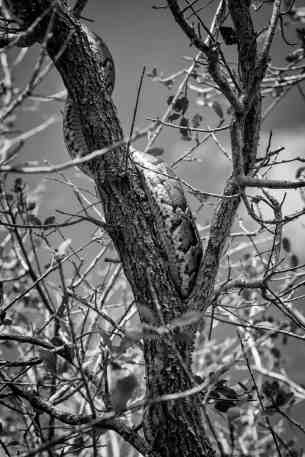
A python in a tree. Photograph: Charles Ommanney/Getty Images

On a Thursday afternoon in St Petersburg, Florida, Beth Koehler crouches over a cairn terrier named Ginger, trimming intently as fur collects around her feet. On Koehler’s arm is a scratch – red, jagged and freshly acquired, though not in the way one might expect of a dog groomer.

“There was no way I could pin the head,” Koehler says, referring to the snake that was partly responsible. She had grabbed hold however she could, which made it “pissed”: “It decided to coil up and just throw itself at me.” Startled, Koehler had fallen backwards, cutting herself on a vine – an injury far preferable to the bite of a Burmese python.

“I have never been bit,” she proudly adds. “Peggy’s been bit once, but really, we’re very careful.”

Three days a week, Koehler runs Hair of the Dog with her partner of 31 years, Peggy van Gorder. The other four days the couple are usually out chasing pythons as members of Patric: the Python Action Team – Removing Invasive Constrictors, which is managed by the Florida fish and wildlife conservation commission (FWC). Continue reading

Saving Sea Snakes

00SCI-SEASNAKES5-jumbo.jpg

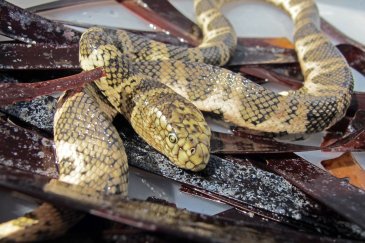
An olive sea snake, Aipysurus laevis, is returned to its home in Shark Bay, western Australia. Blanche D’Anastasi

Devi Lockwood, who we first linked out to years ago, and only once, has finally reappeared with an awesome story. We look forward to seeing more like this:

She Studies Sea Snakes by the Seafloor

Sea snakes are the most diverse group of marine reptiles in the world, but they are poorly understood and threatened by development. Blanche D’Anastasi is among the scientists working to save them.

SeaSnakesSix to eight million years ago, a snake related to swamp snakes or tiger snakes slithered into the sea. Over evolutionary time, descendants of that snake developed flattened paddle tails, an ability to breathe through the skin and a valve to stop water from entering the lungs. Today these creatures live their entire lives in the water. Clad in spots, triangles and stripes, they undulate across coral reefs or meadows of sea grass.

00SCI-SEASNAKES4-jumbo.jpg

An olive-headed sea snake caught by Ms. D’Anastasi. Blanche D’Anastasi

There are some 70 species of sea snakes in the world; they live in the Indian and Pacific oceans, in water less than 600 feet deep. Half of all species can be found in Australia, and they are particularly visible during their mating period, in July and August.

But sea snake populations have been declining rapidly for the last 20 years worldwide, as a result of climate change, pollution, fishing, habitat loss, mining exploration and disease. Although sea snakes are the most diverse group of marine reptiles — they outnumber sea turtle species by 10 to one — less is known about their ecology than that of any other group of reptiles.

This is because the research is difficult. If you want to find a sea snake, you have to go out searching for one.

00SCI-SEASNAKES2-jumbo.jpg

Tara Fullston

Blanche D’Anastasi, a sea snake researcher at James Cook University in Queensland, Australia, travels to remote regions like Exmouth Gulf, on the country’s northwest coast, to find sea snakes in the wild. Sometimes she scuba dives or snorkels, but the most efficient technique is to be towed behind a boat while wearing a snorkel. When she spots a snake, Ms. D’Anastasi dives down to catch it in a bag. Continue reading

Therapeutic Noise

a1_4025_2_sedge-wren_ben_cvengros_kk.jpg

Sedge Wren. Photo: Ben Cvengros/Audubon Photography Awards

Thanks to Audubon for pointing us in this direction:

Around the World, the Soothing Sounds of Birdsong Are Used as Therapy

The natural tunes decrease stress while possibly invigorating the mind.

This audio story is brought to you by BirdNote, a partner of The National Audubon Society. BirdNote episodes air daily on public radio stations nationwide.

Transcript:

This is BirdNote.

In a children’s hospital in Liverpool, England, the sweet sounds of birdsong carry along the hallways. It’s a recording of the dawn chorus from a nearby park, and the intent is to calm the anxious young patients…

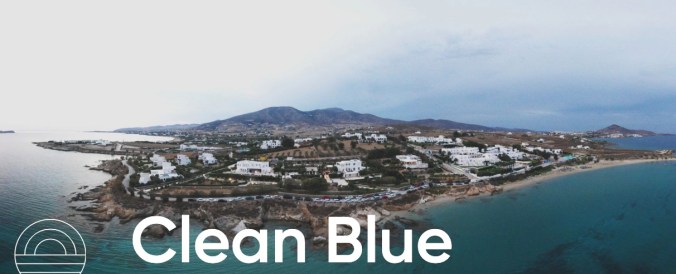
Clean Blue Paros

CleaanParos

One of the places where La Paz Group has visited but not carried out any work (yet), this website/initiative is likely worth a few minutes of your time:

Clean Blue Paros will support this Greek island in becoming the first plastic-waste free Mediterranean island and a global leader in the fight against plastics in our seas. Continue reading

Mayors Mitigating Climate Change Impacts

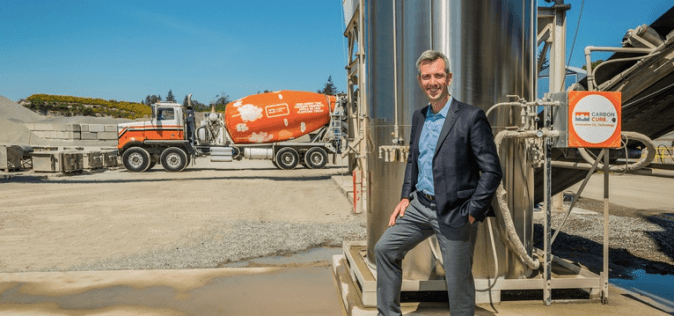
(Credit: CarbonCure )

Interesting technology innovation for addressing climate change. We’re glad to hear that local level leaders have this on their radar.

How ‘green’ concrete can help cities fight climate change

The built environment produces over 40% of global CO2 emissions. U.S. mayors are taking the lead to cut emissions with CO2 mineralized concrete.

As cities look to cut carbon emissions in their construction sector, the use of low-carbon concrete over other alternatives could help them do just that.

“Green” or carbon dioxide (CO2) mineralized concrete has received support from the U.S. Conference of Mayors (USCM) and private companies for its use in public projects as part of the national response to climate change. A resolution passed at this year’s USCM annual meeting in Honolulu urged its members to use the concrete over less environmentally-friendly alternatives.

Low-carbon concrete involves injecting recycled CO2 from industrial emitters like fertilizer and power plants into concrete. The CO2 then chemically converts into a mineral and gets embedded in the concrete, making it stronger and helping concrete producers use less cement for roads and buildings.

The built environment is responsible for over 40% of the world’s CO2 emissions and global building stock is expected to double by 2060. Concrete is the most widely used construction material in the world due to its affordable and durable nature. And its key ingredient, cement, contributes to up to 7% of the world’s CO2 emissions. Companies like CarbonCure are helping lead that charge with CO2 mineralized concrete.

“The cliche really stands that cities are the laboratory of innovation,” CarbonCure CEO Robert Niven told Smart Cities Dive. “And cities are really committed to taking a leap on solving this climate change issue.”

Continue reading