As the clock struck 12, the Meadowlands Marsh Hawks set out into the New Jersey night. But could they tally enough birds to beat their rivals?
The Meadowlands Marsh Hawks look for their next target. Photograph: Victoria Bekiempis
A white SUV ground to a stop near a sliver of New Jersey marshland, tires snarling against the gravel and sand access road. Three men – Christopher Takacs, David Bernstein, and Michael Wolfe – bounded out. Brine lingered in the moist air as they rushed forward on foot, traveling below an overpass. Reeds lined the lane, which was somewhere along the Hackensack River. Midges and ticks lurked in the dark as the trio waited for midnight. Takacs’ phone alarm chirped. It was finally midnight. As if on cue, something trilled in the near distance.
“There’s a shorebird calling!” one of the men said.
There’s something calming about this piece of animation by Sebastian Ramn that addressed climate change as nature’s SOS, reaching out to creative communities and NGOs who may be in search of ways to get involved in any way possible.
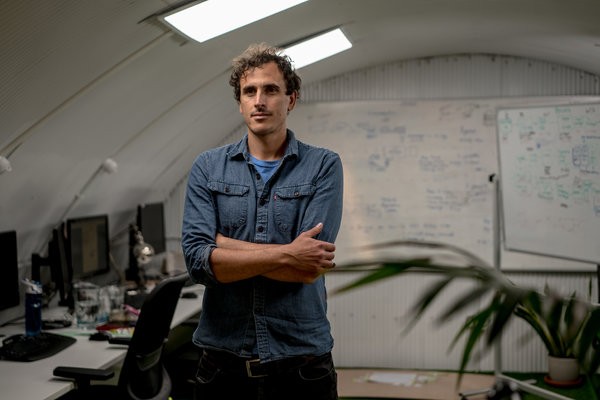
Keiran Whitaker, the chief executive of Entocycle, which takes so-called pre-consumer local food waste and feeds it to fly larvae, which eats the waste and converts it to protein. Andrew Testa for The New York Times
We believe in waste reduction as a key component of individual and community responsibility for securing the future. Our thanks to Tatiana Schlossberg for this:
If there’s one vital, but underappreciated, subject in the conversation about climate change, it’s waste: how to define it, how to create less of it, how to deal with it without adding more pollution to the planet or the atmosphere.
But experts say these aren’t necessarily the biggest problems. Reducing the damage from waste might require expanding the traditional definition of waste — not just as old-fashioned garbage, but as a result of wild inefficiency in all kinds of systems, which often results in emissions of greenhouse gases, among other problems.
“The problem with climate change is that it’s a timed test,” the writer Bill McKibben says. “If you don’t solve it fast, then you don’t solve it.” Photograph by S. E. Arndt / Picture Press / Redux
I have been reading the reviews, and interviews with the authors of this and two other important recent books covering similar territory. I have stopped worrying about overkill, because this is overkill territory. You cannot get too much perspective on this; the worry is too little, too late:
While the political tide could be turning on climate change, both writers worry that it is too late.
After years of languishing far down the list of voters’ priorities—for Democrats and even more so for Republicans—the desire for action on climate change has brought this issue to the top of many voters’ concerns, according to a CNN poll. Now Presidential candidates are competing to establish themselves as leaders on the issue, while children are making headlines for striking from school.
Bill McKibben, whose book “The End of Nature” brought the idea of global warming to public consciousness thirty years ago, tells David Remnick that the accumulation of weather catastrophes—droughts, wildfires, floods—may have finally made an impact. McKibben joined Elizabeth Kolbert in a conversation about the U.N.’s new report on species extinction. It finds that a million species could become extinct within a few decades, and that human life itself may be imperilled. While the political tide could be turning, both worry that it is too late. Continue reading →
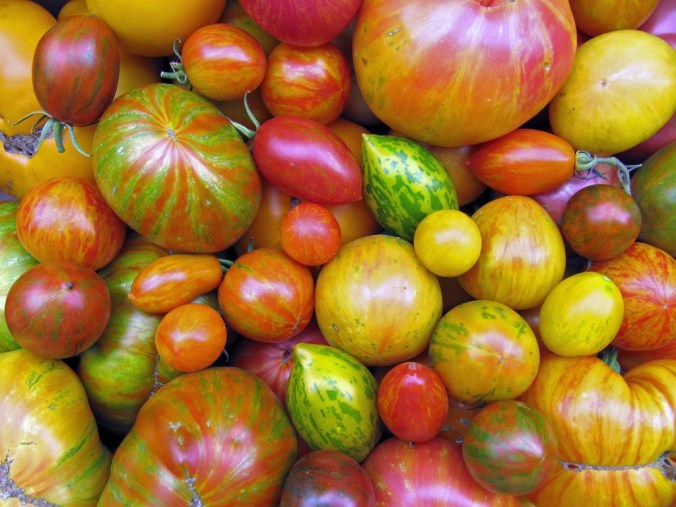
Mr. Gates sells about 60 of his own open-pollinated varieties, many with especially bright colors and unusual shapes, and shares growing tips online. Credit Wild Boar Farms
From our perspective, many agricultural “developments” deserve quotations. The Agricultural Industrial Complex of Monsanto and their ilk more frequently serve to further their own economic gain rather than preserve species or better the health and livelihoods of the farmer or consumer.
Preserving the genetics of fruit and vegetable species down to their paleo-botanical ancestry is an entirely different story, and may be our best chance to overcome the obstacles of harsher and harsher weather conditions.
Like other small farmers and researchers, Brad Gates is trying to ensure a future for the tomato by breeding hardier varieties and persuading more Americans to grow their own.
NAPA, Calif. — In a borrowed van, Brad Gates of Wild Boar Farms sped south on Interstate 680 with hundreds of fuzzy tomato seedlings bumping around in the back, their trembling leaves, warmed by the sun, filling the cab with the smell of summer. It was one of a half-dozen deliveries on his to-do list.
Born and raised in Northern California, Mr. Gates has been organically farming tomatoes in the region for 25 years, working on small leased plots and introducing new varieties with cult followings, like the dark, meaty Black Beauty and the striped, rosy-pink Dragon’s Eye.
For most of that time, he sold his tomatoes to top restaurants, including Chez Panisse in Berkeley. But a few years ago he completely rethought his work. Galvanized by climate change, he joined a growing number of farmers who are trying to find a future for their threatened crops — in his case, the queen of the farmers’ market.
As Mr. Gates bred tomatoes, he noticed that many of his orange and yellow varieties were unusually heat-tolerant. Credit Wild Boar Farms
Mr. Gates now grows thousands of tomato plants each year, selling the young ones to local shops and the seeds all over the country through his website and catalogs, encouraging people to grow their own at home. He believes that the tomato’s survival and continued deliciousness depend on the plant’s diversity, and he considers breeding hardy, cold-tolerant and heat-tolerant varieties an essential part of his work — not just to provide food, but also to expand the number of places where the plant can flourish. Continue reading →
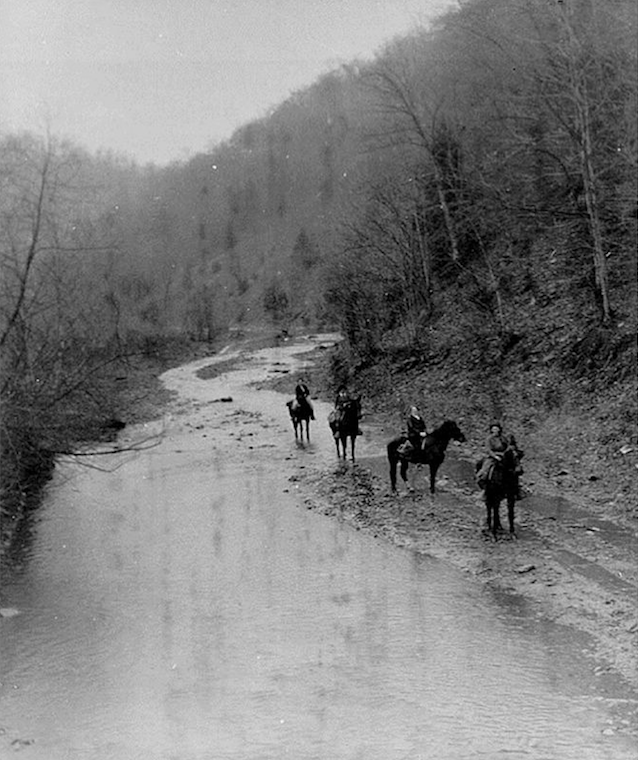
A Pack Horse Librarian returning over the mountain side for a new supply of books (Part of Goodman-Paxton Photographic Collection, Kentucky Digital Library)
We’ve long held the belief that librarians are among the real life Super Heroes of society. The history of the Pack Horse Librarians may be new to us, but without doubt, they deserve a pinnacle spot in the pantheon.
During the Great Depression, a New Deal program brought books to Kentuckians living in remote areas
Pack Horse Librarians start down Greasy Creek to remote homes of mountaineers anxious for books. (Part of Goodman-Paxton Photographic Collection, Kentucky Digital Library)
Their horses splashed through iced-over creeks. Librarians rode up into the Kentucky mountains, their saddlebags stuffed with books, doling out reading material to isolated rural people. The Great Depression had plunged the nation into poverty, and Kentucky—a poor state made even poorer by a paralyzed national economy—was among the hardest hit.
The Pack Horse Library initiative, which sent librarians deep into Appalachia, was one of the New Deal’s most unique plans. The project, as implemented by the Works Progress Administration (WPA), distributed reading material to the people who lived in the craggy, 10,000-square-mile portion of eastern Kentucky. The state already trailed its neighbors in electricity and highways. And during the Depression, food, education and economic opportunity were even scarcer for Appalachians.
They also lacked books: In 1930, up to 31 percent of people in eastern Kentucky couldn’t read. Residents wanted to learn, notes historian Donald C. Boyd. Coal and railroads, poised to industrialize eastern Kentucky, loomed large in the minds of many Appalachians who were ready to take part in the hoped prosperity that would bring. “Workers viewed the sudden economic changes as a threat to their survival and literacy as a means of escape from a vicious economic trap,” writes Boyd.
This presented a challenge: In 1935, Kentucky only circulated one book per capita compared to the American Library Association standard of five to ten, writes historian Jeanne Cannella Schmitzer,. It was “a distressing picture of library conditions and needs in Kentucky,” wrote Lena Nofcier, who chaired library services for the Kentucky Congress of Parents and Teachers at the time. Continue reading →
When we first became aware of Global Big Day it was just a week in advance of the first such event, and we scrambled to have the properties we managed in India do their part. A total of 253 countries participated that first year and at first glance it would seem dispiriting to realize that many fewer countries have participated since then: in 2016 the count dropped to 159; then in 2017 there were 163; last year there were 171; and this year 168 (recorded so far).
However, by other metrics spirits are easily lifted. I have focused only on one such metric, which is how many checklists were completed. This year’s totals are not in yet, but if you tally each prior year, the number of participants in this event has increased dramatically year on year. Last year there were nearly 30,000 more checklists than there were in 2015. Of course having more countries participate would be better. But having more people participating in all those other countries is a very good sign indeed.
For decades female birders have been the silent majority. Now they’re starting their own movements to transform a privileged culture.
On the surface, birding might seem like neutral ground—an activity that any curious, nature-loving person can enjoy, regardless of age or gender. Go on a hike with your local ornithological club and at least half the attendees will be women. Circle the marsh with your binoculars and you’ll probably see a woman doing the same.
But female birders don’t always feel comfortable in the field, even with the rising awareness around #MeToo. Many of us keep on despite frequent put-downs and hostility, enduring dismissive comments about our knowledge and in the worst cases, sexual harassment. I’ve had men touch my hips to correct my perfectly fine birding stance. A ranger at a national wildlife refuge winked and told me about his “big, loaded gun.” My friends have been propositioned in parks and stalked by drivers along country roads. Not even a 16-year-old can bird in peace without commenters attacking her abilities and life list.
Like most matters of importance, women have been integral to birding from the get-go. Female ornithologists drew attention to avifauna in the late 1800s, and suffragists helped the movement take off in the early 1900s. Today, 42 percent of U.S. birders identify as women. Personally, female birders have run my world ever since I picked up a field guide in college. My ornithology professor was a woman. My boss at Audubon is a woman, as are most of my colleagues throughout the office. My birding circle is mainly members of the Feminist Bird Club.
And yet men have the loudest voices and the most power in the industry. The closer you get to the top of the birding, conservation, and academic ranks, the more the gender balance tips. At Audubon, for instance, the executive staff is 75 percent male, and the organization has never had a female president in its 114 years. This pattern persists industry wide. Men hold the highest positions at the American Birding Association, the Cornell Lab of Ornithology, and the American Bird Conservancy. They dominate bookshelves, festivals, competitions, and gear and travel ads. They build their reputations and livelihoods around the practice and reap the greatest profits…
And the feature immediately after continues the theme with the first of five substories:
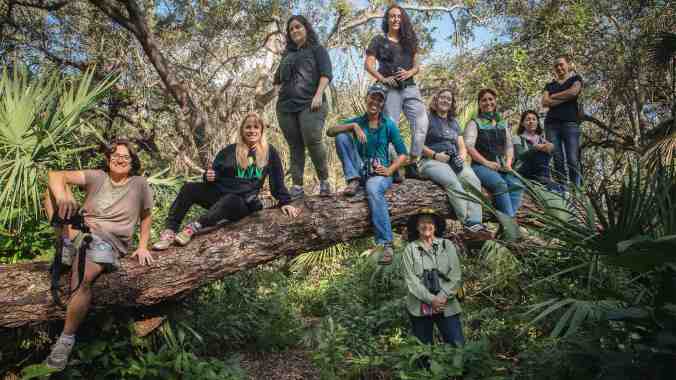
The Phoebes, a female-centric birding group formed by members of the Tropical Audubon Society. Photo: Jayme Gershen
Birding for Solidarity: The Phoebes
Eight women decided they had enough of the sport’s competitiveness, so they created a community to lift their sisters up. Continue reading →
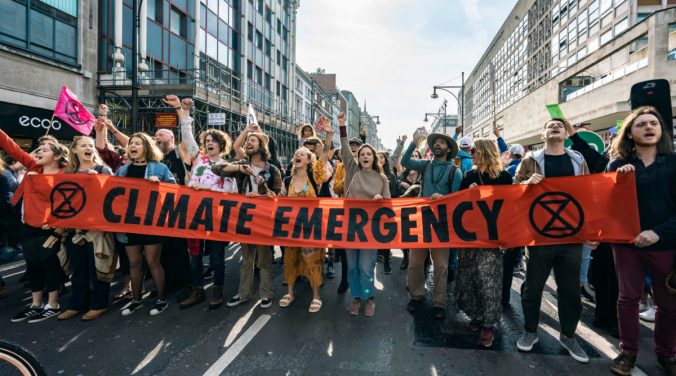
Climate activists block traffic in London’s Oxford Circus on April 19, part of a string of protests organized by Extinction Rebellion. COURTESY OF VLADIMIR MOROZOV/AKX MEDIA
The world has done little to tackle global warming since Bill McKibben’s landmark book on the subject was published in 1989. In ane360 interview, McKibben talks about the critical time lost and what can be done now to avoid the worst impacts of climate change.
Three decades ago, Bill McKibben published The End of Nature, the first book on climate change aimed at a general audience. McKibben went on to found the international environmental group 350.org, help launch the fossil fuel divestment movement, and write a dozen more non-fiction books, as well as a novel. In 2014, McKibben received the Right Livelihood Award, sometimes referred to as the “alternative Nobel,” for mobilizing popular support for “strong action to counter the threat of global climate change.”
McKibben’s latest book, Falter: Has the Human Game Begun to Play Itself Out?, was published this month and debuted last week on the New York Times bestseller list. In an interview with Yale Environment 360 , McKibben talks about why the critical time for action on climate was missed, where he still finds hope, and what the world will look like three decades from now.
“Thirty or 50 years out, the world’s going to run on sun and wind, because they’re free,” McKibben says. “The question is… what kind of world will it be?”
Yale Environment 360: It’s almost exactly 30 years since you published The End of Nature. One way to read that book is as a warning. How you would characterize Falter? Is it also a warning, or are we beyond that?
Bill McKibben: Look, 30 years ago this was all still prospective. You couldn’t really take a picture of climate change yet. Now, having wasted 30 years, we’re at the point where it’s a dominant fact of everyday life for hundreds of millions of people and promising to be the overwhelming fact of our time in the years ahead. It’s too late, obviously, to stop climate change. I hope that the book gets across that it may not be too late to keep it from getting absolutely out of control. It’s not a warning. It’s some combination of a report and a chronicle and a plea, I think. Continue reading →
Elephant conservation has taken many forms over the years. When writing about the recent Real Elephant Collectivecollaboration exhibit that took place in Cochin a few months ago, I realized that art installations using elephants as symbols for big picture conservation have existed for some time.
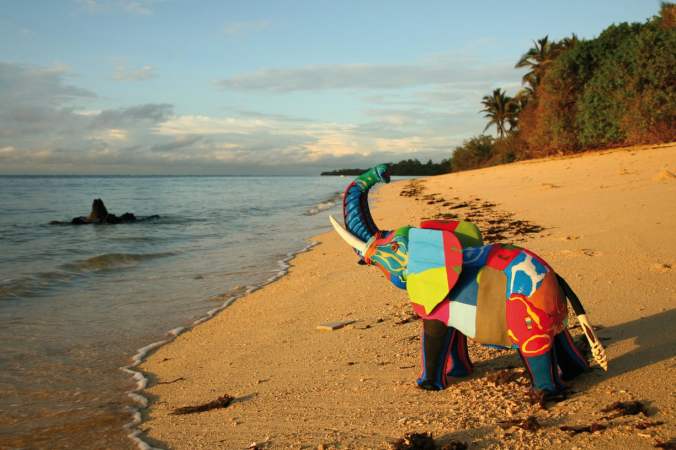
Ocean Sole turns reclaimed flip-flops into colourful, hand-made animal toys and sculptures. Tonnes of flip-flops wash up on the east African coast every year. Photograph: Courtesy of Ocean Sole/Plastic Soup
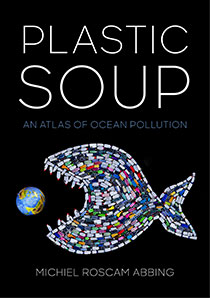
Plastics have transformed every aspect of our lives. Yet the very properties that make them attractive—they are cheap to make, light, and durable—spell disaster when trash makes its way into the environment. Plastic Soup: An Atlas of Ocean Pollution is a beautifully-illustrated survey of the plastics clogging our seas, their impacts on wildlife and people around the world, and inspirational initiatives designed to tackle the problem.
Peter Smith made this floating work, World of Litter, in 2012. Photograph: Courtesy of Jos van Zetten/Plastic Soup
In Plastic Soup, Michiel Roscam Abbing of the Plastic Soup Foundation reveals the scope of the issue: plastic trash now lurks on every corner of the planet. With striking photography and graphics, Plastic Soup brings this challenge to brilliant life for readers. Yet it also sends a message of hope; although the scale of the problem is massive, so is the dedication of activists working to check it. Plastic Soup highlights a diverse array of projects to curb plastic waste and raise awareness, from plastic-free grocery stores to innovative laws and art installations.
According to some estimates, if we continue on our current path, the oceans will contain more plastic than fish by the year 2050. Created to inform and inspire readers, Plastic Soup is a critical tool in the fight to reverse this trend.
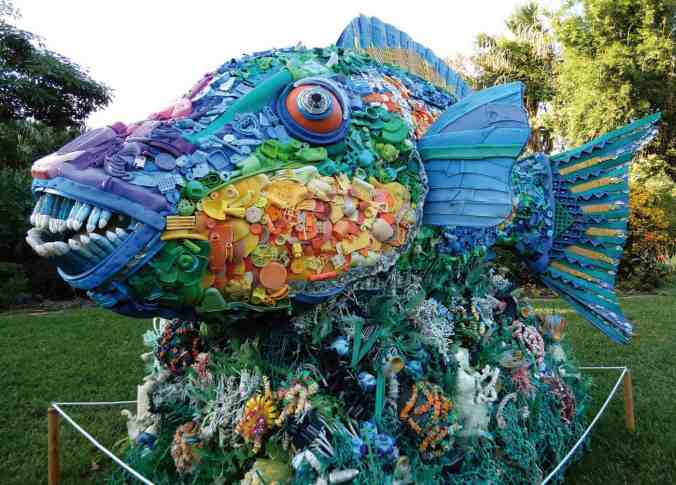
Washed Ashore makes larger-than-life sculptures of marine animals, like this parrotfish, to make people aware of plastic pollution. Photograph: WashedAshore.org/Plastic Soup
SCITUATE, R. I. — Foresters began noticing the patches of dying pines and denuded oaks, and grew concerned. Warmer winters and drier summers had sent invasive insects and diseases marching northward, killing the trees.
If the dieback continued, some woodlands could become shrub land.
Most trees can migrate only as fast as their seeds disperse — and if current warming trends hold, the climate this century will change 10 times faster than many tree species can move, according to one estimate. Rhode Island is already seeing more heat and drought, shifting precipitation and the intensification of plagues such as the red pine scale, a nearly invisible insect carried by wind that can kill a tree in just a few years.
The dark synergy of extreme weather and emboldened pests could imperil vast stretches of woodland.
So foresters in Rhode Island and elsewhere have launched ambitious experiments to test how people can help forests adapt, something that might take decades to occur naturally. One controversial idea, known as assisted migration, involves deliberately moving trees northward. But trees can live centuries, and environments are changing so fast in some places that species planted today may be ill-suited to conditions in 50 years, let alone 100. No one knows the best way to make forests more resilient to climatic upheaval.
These great uncertainties can prompt “analysis paralysis,” said Maria Janowiak, deputy director of the Forest Service’s Northern Institute of Applied Climate Science, or N.I.A.C.S. But, she added, “We can’t keep waiting until we know everything.” Continue reading →
Coinciding with Earth Day the NYTimes Environment team recently initiated the Climate FWD newsletter, emailing readers weekly with stories and insights about climate change.
Studies are clear that reducing plastic use and production is multiple steps better than recycling, yet considering the ubiquity of the material, the latter has it’s place.
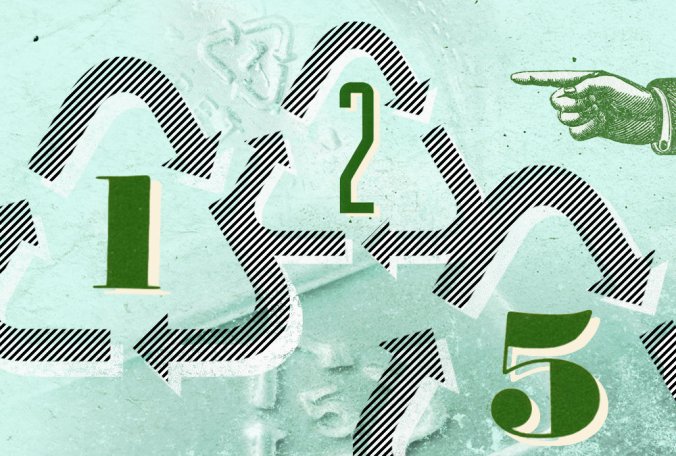
Ever notice those recycling symbols, the triangles with the numbers inside, on plastic packaging and containers? I always assumed they meant the plastic was recyclable. But that’s not necessarily the case.
Those numbers are resin identification codes, and they tell what kind of plastic the item is made from. And not all plastic is created equal.
Identifying what types of plastics are recyclable can be challenging because plastics do not always carry a resin code and because not all recycling programs are equal, either. Generally speaking, though, some categories of plastic are more widely recyclable in the United States.
“We always encourage people to focus on Nos. 1, 2 and 5 because we have great markets for them in the U.S.,” said Brent Bell, vice president of recycling at Waste Management, a major garbage collection and recycling company.
Water and soda bottles, milk jugs, laundry detergent bottles, yogurt cups and butter tubs are mostly made of these plastics. You could lend a helping hand by rinsing these kinds of containers and removing labels.
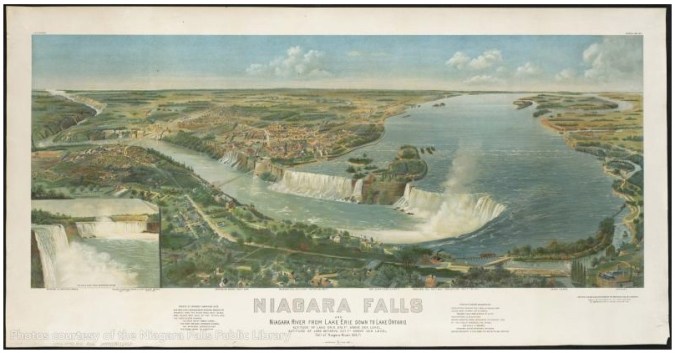
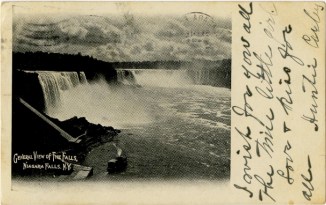
Before moving to Costa Rica in the mid-1990s I was working for a few years at a desk with images like the one above taped to the walls around the desk, and postcards from the previous century, like the one to the right, scattered about for inspiration.
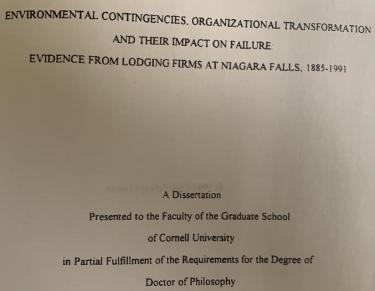
On the desk were drafts of a dissertation whose summary, on page 131, states: “…the results of the first hypothesis suggest that lodging firms in a tourism destination, such as Niagara Falls, should be directly involved with the strengthening and support of the institutional environment in which they operate.”
In other words, if you benefit from nature for your livelihood one of your best investments will be in building and strengthening institutions that protect nature. It may now sound like stating the obvious, but Nobel laureate economists made claims to the contrary that were treated as gospel truth twenty five years ago.
So 132 pages, not including bibliography, were used to make the point. Ever since, members of our team have wondered whether it could be summed up more simply. Meeting recently with graphic designers to discuss how to communicate more effectively about Organikos, we think now maybe the answer is yes.
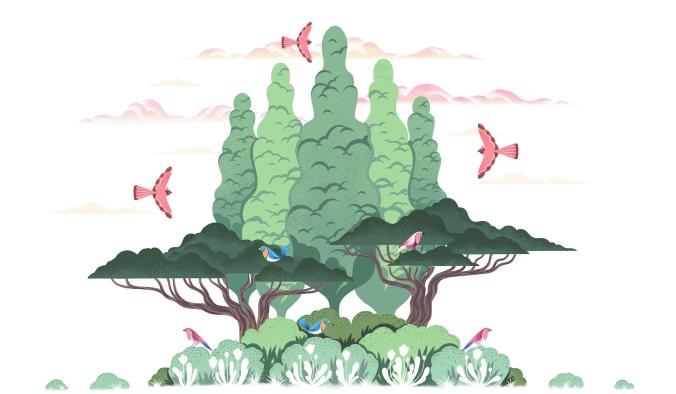
When we saw this hand and tree side by side in that meeting, we had a reaction that was related to what the graphic designer intended, but not exactly.
Whatever his precise intent was, someone’s mouth opened and blurted out: Yes! Nature is in our hands. And so we have come upon a way to say a little more simply what Organikos means in addition to what Organikos does.
We applaud Pennsylvania lawmakers for choosing to highlight a creature whose presence in waterways indicates healthy ecosystems. Thanks to NPR for the story.
Pennsylvania’s soon-to-be official amphibian has more than its fair share of nicknames: snot otter, mud devil, Allegheny alligator, devil dog, lasagna lizard.
In short, it’s not exactly a looker.
But the Eastern hellbender salamander was the overwhelming choice of lawmakers for amphibian representation in the state. On Tuesday, the state’s House of Representatives voted 191-6 on a bill that would name the aquatic creature its state amphibian. The Senate passed the bill in February.
The hellbender is a nocturnal salamander that can grow more than 2 feet long. The mud-colored creature, covered in a layer of mucus, breathes primarily through loose flaps of thick, wrinkled skin that look a little bit like lasagna noodles.
The hellbender is also a canary for environmental degradation. Continue reading →
Trees create habitat and store CO2 for decades to come. Just be sure to pick carefully.
One of the best ways to combat climate change is to fill your garden with as many trees, shrubs, and other plants as possible. Whether a tiny orchid or towering oak, all plants have the amazing ability to remove carbon dioxide from the atmosphere during photosynthesis and store it in their wood, shoots, and roots.
Because they’re the giants of the plant kingdom, trees are also powerhouses of carbon storage. In one year, a mature tree can absorb 48 pounds of CO2—about the amount emitted by driving 150 miles in a hybrid plug-in car. Collectively, according to the U.S. Forest Service, trees offset 10 to 20 percent of U.S. emissions from burning fossil fuels each year. The carbon benefits really begin to add up when you consider that trees fight global warming in other ways. For example, carefully placed trees can reduce the energy required to heat and cool a home by 25 percent (see tips here on how to place trees). Because they cool the air by casting shade and releasing water vapor when they breathe, trees also alleviate one of the most underestimated health threats of climate change—heat waves. Continue reading →
Investors are finally paying attention to climate change — though not in the way you might hope.
By JESSE BARRON
The New York Times Magazine is on to something. More than most magazines, it is offering stark, long form accounts of the stakes being wagered against our planet.
By 1979, we knew nearly everything we understand today about climate change—including how to stop it. Over the next decade, a handful of scientists, politicians, and strategists, led by two unlikely heroes, risked their careers in a desperate, escalating campaign to convince the world to act before it was too late. Losing Earth is their story, and ours. Continue reading →
In 2015, the Adorers of the Blood of Christ, a congregation of nuns, learned that an energy company planned to build a pipeline on their land. So they started a resistance movement. Photograph by Dave Parry
Thanks to Eliza Griswold, who writes about religion (which does not feature often in our pages) and occasionally finds an overlap with environmental causes:
On a crisp October morning in 2017, Sister Sara Dwyer, a sixty-eight-year-old nun wearing a red T-shirt that read “you will not spoil our land,” led three elderly nuns and seventy other protesters onto an industrial work site in Lancaster County, Pennsylvania. Many carried red banners stencilled with wheat sheaves. They were there to protest Williams, an Oklahoma-based pipeline company that was trying to build the Atlantic Sunrise Pipeline, a two-hundred-mile natural gas pipeline that would carry shale gas from fields in northeastern Pennsylvania to the coast, where the fuel could be shipped abroad. The company was trying to lay the line under a cornfield belonging to the nuns, and the sisters had decided to fight back, hoping that they might draw attention to the issue of climate change. “Just being in resistance is not the goal,” Dwyer told me. “The goal is spiritual conversion.” As the protesters entered the work site, Malinda Clatterbuck, who had helped plan the event with the sisters, reminded the participants, “This is a nonviolent protest in all ways. We’re not going to yell or speak to the workers.” She walked around asking each person to nod in agreement. “If you’re angry today, go home and come back to an action once you’re in a better place,” she said. Continue reading →
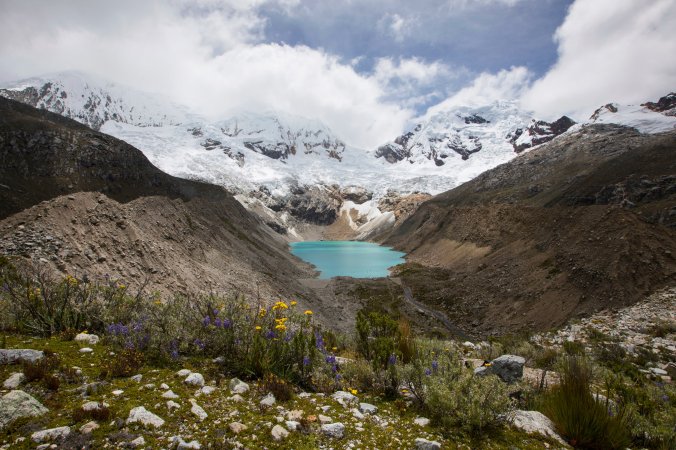
Lake Palcacocha in the Peruvian Andes. Felipe Fittipaldi for The New York Times
Brooke Jarvis, whose mastery of the complex environmental story we have pointed to a couple times already, shares the story below about a novel legal approach to fighting climate change. It is long, detailed and even more complex than the other stories we have seen by her. But if her subject prevails, the result may be even more profound as well. These two photos alone should draw you in. Thanks to the New York Times Magazine:
The city of Huaraz in the Peruvian Andes. Felipe Fittipaldi for The New York Times
In the mountains far above the red-brick city, behind a locked gate, there is a great, green valley. Its high stone walls are streaked by waterfalls; its floor dotted with flowers and grazed by horses and cows. Six boulder-strewn miles beyond the gate, the valley ends abruptly at an enormous wall of rock and ice. Beneath it lies a stretch of calm, bright water in milky turquoise — Lake Palcacocha. Though few of its residents have ever seen this lake, the city below lives in fear of it. Continue reading →
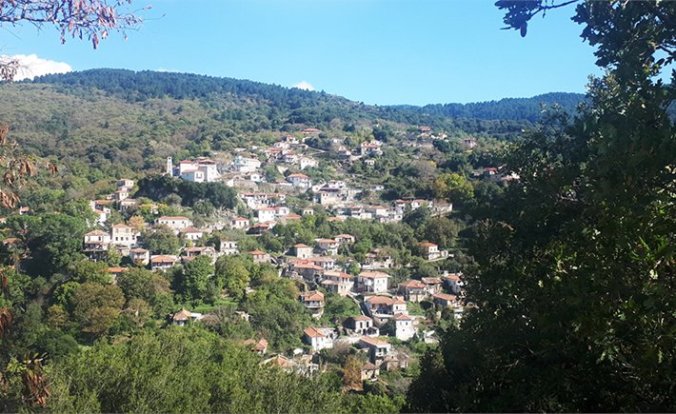
I have shared the photo above on this platform once before. I wrote a series of reflections on the village where that photo was taken, and today I share a riff on all that. That photo was enlarged to take up an entire wall of our office in India, as a reminder to me each day of the purpose behind what I was doing. Our company’s mission includes education. It is mostly about conservation. That building, which I photographed 10+ years ago, after it had recently been abandoned, has been a reminder for me that one of these days I am determined to share whatever I can from our work in that village.
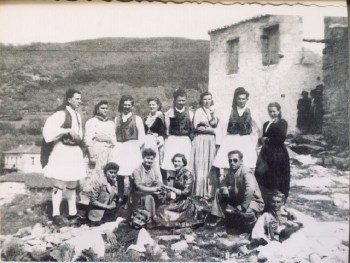
This photo was taken of Bangor Vamvakou immigrants in 1949 as they returned to their village. Top left is Nikos Niarchos, a relative of the Greek shipping tycoon. From Top Left, the others are: Vasso Anglesi; George Limberogiannis; Eleni Markos; Panayiotis Servetis; Vasso Kokini; Katsilis Demetrios and Anna Leakou. Middle Row, from Left: Pota Anglesi; Angeliki Skoufi; Eleni Hatzi and Panos Dialialis. At bottom, Left to Right, are Yiannis Limberogiannis and Harris Belbekis.
Thanks to an online publication I follow for news from Greece I found this story that helps explain why I thought of the photo above just now. It gives me both hope and tangible ideas of what might be done. It starts with a group of immigrants in Bangor, Maine whose life trajectory was like that of so many others from the Lakonia region of Greece, including my mother. And the story leads back to a foundation that has been referenced once before in our pages, but this time the foundation’s work hits closer to home:
The saying goes that it takes a village to raise a young person. But sometimes it takes young people to raise up a village, and this is exactly what’s happening in the Laconian village of Vamvakou.
Vamvakou is a short drive from Vourthonia, my mother’s village. So this video below strikes a chord.
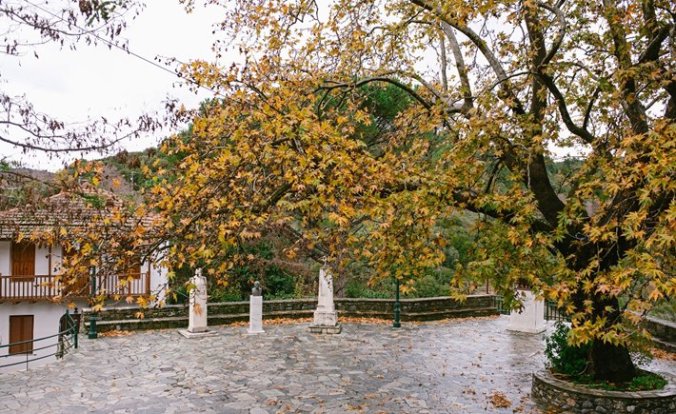
Some of the images from Mamvakou could as easily have been taken in Vourthonia.
Can a once-thriving mountain village, today home to only nine inhabitants, come to life again?
Can it fill with visitors, permanent inhabitants, and model businesses while retaining its traditional character? This is the wager laid by a group of five young people who want to revitalize the village of Vamvakou, 900 meters up the slopes of Mount Parnon in the southeastern Peloponnese.
Source: SNF
To realize this ambitious project, the five friends, Haris Vasilakos, Anargyros Verdilos, Eleni Mami, Tasos Markos, and Panagiotis Soulimiotis established the “Vamvakou Revival” Social Cooperative Enterprise and decided to move to the village. Continue reading →





 When we first became aware of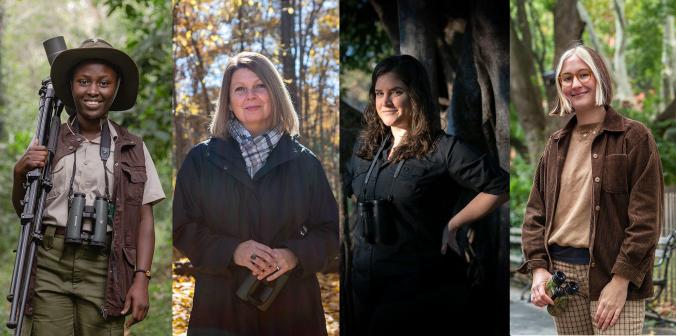



 Before moving to Costa Rica in the mid-1990s
 On the desk were drafts of a dissertation whose summary, on page 131, states: “…the results of the first hypothesis suggest that lodging firms in a tourism destination, such as Niagara Falls, should be directly involved with the strengthening and support of the institutional environment in which they operate.”
 When we saw this hand and tree side by side in that meeting,






 Organikos