Dakota Divesting

980x-13

©Lori Panico

We are glad to see market forces at work in this matter:

Another Major Norwegian Investor Divests From Dakota Access Pipeline

Stefanie Spear

Odin Fund Management, one of Norway’s leading fund managers, announced Thursday that it sold $23.8 million (243 million NOK) worth of shares invested in the companies behind the Dakota Access Pipeline. Continue reading

Lessons From Ningaloo Reef

WOPA100627_D105

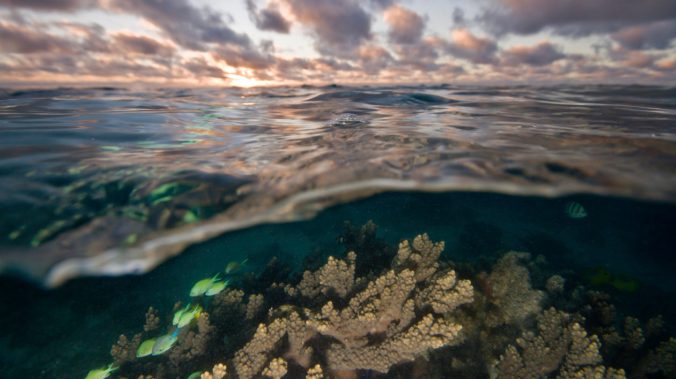
Acropora coral and blue green chomis on Ningaloo Reef in Western Australia. Photo © Steve Lindfield

Thanks to James Fitzsimons and The Nature Conservancy’s Australia program for this one:

Big, Bold & Blue: Lessons from Australia’s Marine Protected Areas

BY JUSTINE E. HAUSHEER

Australia has one the largest systems of marine protected areas in the world, from the coral-covered Great Barrier Reef to the sub-Antarctic Macquarie Island. Now, a new book details the lessons learned by Australian scientists, policymakers, and communities during more than 130 years of marine conservation.

The book — Big, Bold & Blue: Lessons from Australia’s Marine Protected Areas — gathers lessons learned from academia, government, NGOs, indigenous communities, and the fishing sector. Continue reading

Food Waste Approaching Zero (Goals Are Powerful)

dsc_0080-90-beea8781c209d5611d13eacd9f03985d6f1a805d-s1100-c85

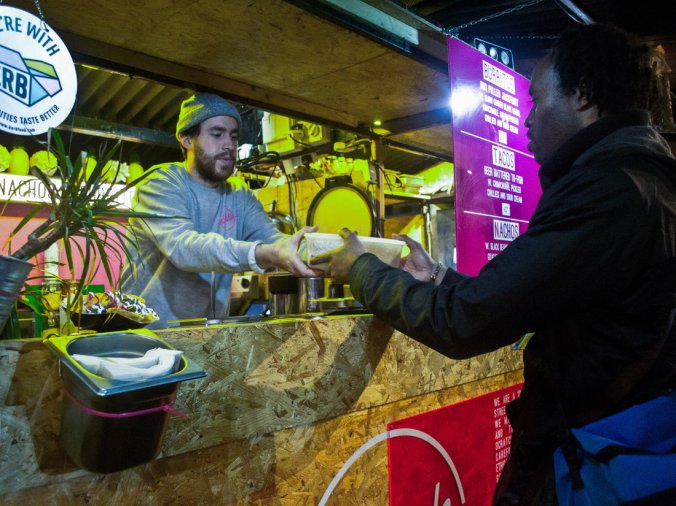
Junior Herbert, a volunteer with Olio, collects leftovers from vendors at London’s Camden Market. London has become a hub for apps and small-scale businesses that let restaurants and food vendors share leftovers with the public for free, and otherwise reduce the amount of edibles they toss. Maanvi Singh for NPR

Green entrepreneurship is alive and well in London (thanks to National Public Radio, USA, and its program the salt for this story):

Eat It, Don’t Leave It: How London Became A Leader In Anti-Food Waste

MAANVI SINGH

It’s around 6 o’clock on a Sunday evening, and Anne-Charlotte Mornington is running around the food market in London’s super-hip Camden neighborhood with a rolling suitcase and a giant tarp bag filled with empty tupperware boxes. She’s going around from stall to stall, asking for leftovers.

Mornington works for the food-sharing app Olio. “If ever you have anything that you can’t sell tomorrow but it’s still edible,” she explains to the vendors, “I’ll take it and make sure that it’s eaten.” Continue reading

Empowered Tribal Communities Innovate

16tribal4-master675

Bolin Bay in the Great Bear rain forest near Klemtu, on the central coast of British Columbia. CreditRuth Fremson/The New York Times

There is an excellent article about old treaties and new alliances empowering indigenous people in North America, which this excerpt captures well:

…In Idaho last summer, tribal representatives from 19 states met for what organizers said was the biggest Native American workshop on climate change, and they concluded that global environmental changes transcended national boundaries.

“This is how land resource decisions are going to be made in the future — through co-management with people who have been on the land forever,” said Hadley Archer, the executive director of the Nature Conservancy Canada, which helped put together the Great Bear forest agreement. To that end, the University of Victoria law school in British Columbia will begin enrolling students next year in a degree program that will combine the traditional study of court precedents and legislation with the study of tribal law. Continue reading

If You Happen To Be In Tokyo


© SPL Lascaux international exhibition

© SPL Lascaux international exhibition

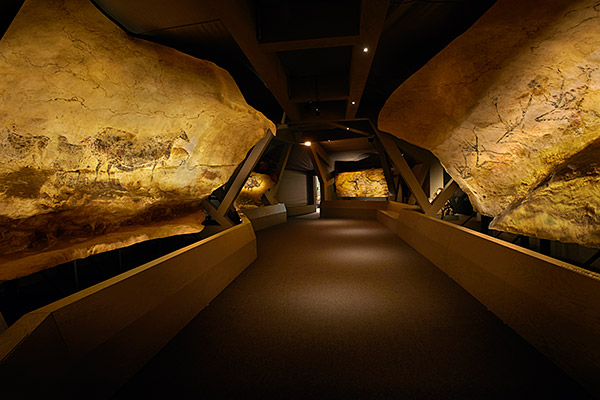
It’s the rare few who will have the opportunity to enter the original Lascaux Cave, but thanks to the foresight of the French government and the hard work of dedicated scientists and artists, an exact replica was opened in 1983 that gave visitors a chance to experience the amazing archaeological site. Nearly 20 years later additional replicas have begun to tour the world.

A few days ago we posted about Judith Thurman’s receiving a Medal of Chevalier in part for her inspiring writings about the Chauvet cave. It was a happy coincidence that the traveling exhibit had just opened in Toyko’s National Museum of Nature and Science.

The National Museum of Nature and Science, the Mainichi Newspapers, and Tokyo Broadcasting System Television, Inc. will hold a special exhibition, “Lascaux: The Cave Paintings of the Ice Age”, from Tuesday, Nov. 1, 2016 to Friday, Feb. 19, 2017. About 20,000 years ago, dynamic pictures of animals were painted on the walls of caves found in southwestern France, the Lascaux Caves. Continue reading

Navajo Foodways In Time Of Protest

navajo-chef-2_wide-9ed5518ac8f6bac84dca24f36fabe574d853eed5-s1100-c85

Thank you Maria and National Public Radio (USA):

A Navajo Chef Gives A Glimpse Inside The Makeshift Kitchens At Standing Rock

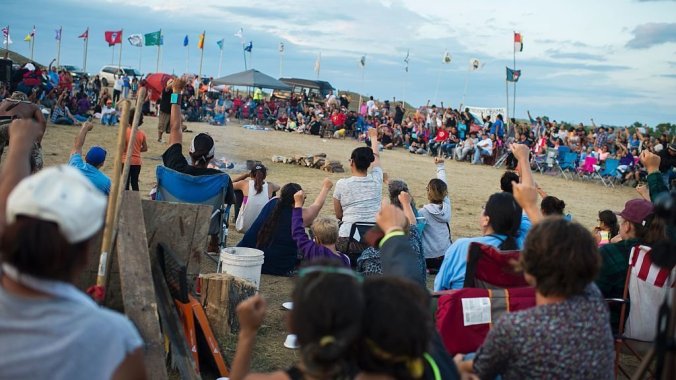
At the Standing Rock Indian Reservation, as a Sioux tribe fights the construction of the Dakota Access Pipeline, the months-long standoff has raised a question: How do you feed the encamped masses? Continue reading

Deforestation & Big Food

gettyimages-452167592_wide-221276b6658805805386b947e8af444bdba8424e-s1100-c85.jpg

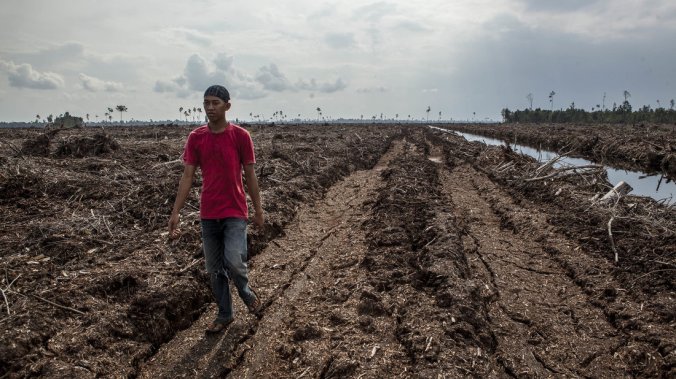
This peat soil in Sumatra, Indonesia, was formerly a forest. Clearing and draining such land releases huge amounts of greenhouse gases. Ulet Ifansasti/Getty Images

The solutions are never easy with regard to climate change; for every bit of good news there is a dose of bad news in the form of realism:

Crowdrise

Norton.jpg

Today’s New York Times has an article that brings Ed Norton’s Crowdrise to our attention, both article (click headline below) and website (click image above) worth a look:

Charity That Begins With Spaghetti Sauce

By

06celebritygiv-norton-blog427Edward Norton recognized Paul Newman the philanthropist before discovering Paul Newman the actor. As a teenager, he watched his mother buy Newman’s Own products at the grocery store and was impressed that all profits went to charity.


“I thought — why would you buy any other spaghetti sauce if you can buy one where all of the net profits go to a kid’s cancer camp?” said Mr. Norton, who starred Continue reading

Better Coverage Of Standing Rock

gettyimages-600956964_wide-d6580ce32963e1f82fcc9439c89f9a578584c963-s1100-c85.jpg

Robyn Beck /AFP/Getty Images

An important story deserves full coverage, for as long as it requires:

More Than 1 Million ‘Check In’ On Facebook To Support The Standing Rock Sioux

It’s a show of support for the tribe that has been rallying against construction of the Dakota Access Pipeline, which the tribe says could contaminate drinking water and harm sacred lands

By Merrit Kennedy

More than 1 million people have “checked in” on Facebook to the Standing Rock Indian Reservation page, in a show of support for the tribe that has been rallying against construction of the Dakota Access Pipeline. Continue reading

Lessons In Urban Water Conservation From Down Under

01fixes1web-master768.jpg

Residents of Melbourne, Australia, reduced their water consumption during the long drought and effectively saved the city from running dry. Credit Carla Gottgens/Bloomberg

Thanks to the New York Times for this tutorial, provided at city scale, on more sensible management of natural resources:

Australia’s Lesson for a Thirsty California

Sylvia Rowley

MELBOURNE, Australia — On his first visit to Melbourne in 2009, Stanley Grant, a drought expert and professor of civil and environmental engineering at the University of California, Irvine, had a question for his taxi driver.

“How’s the drought?” he asked.

“It’s about 28 percent,” came the reply.

Grant was puzzled. But shortly afterward, they drove past an electronic road sign announcing that the city’s reservoirs were indeed at just 28 percent of capacity. Continue reading

Dakota Access & Fairness

4500

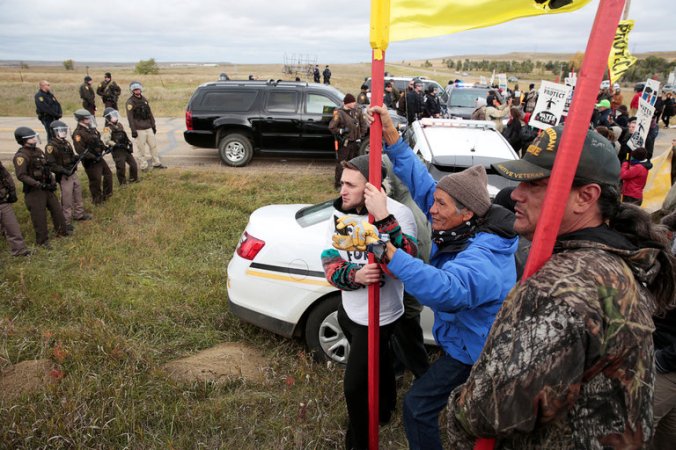
Chief Arvol Looking Horse, spiritual leader of the Sioux nation, leads his people to peacefully pray near a law enforcement barricade just outside of a Dakota Access pipeline construction site. Photograph: Stringer/Reuters

It looks hypocritical from our vantage point:

Dakota Access pipeline protesters see bias after Oregon militia verdict

Activists at the Malheur wildlife refuge were carrying guns – but ‘if native people were armed, we would be killed,’ says an activist at Standing Rock

in Cannon Ball, North Dakota

Johanna Holy Elk Face couldn’t help but chuckle. The 63-year-old Native American was one of hundreds of activists gathered to block construction of the Dakota Access pipeline on Thursday, when police with tanks and riot gear surrounded them and began making mass arrests. Continue reading

World’s Largest Marine Reserve, Another Accomplishment Of 2016

ap_16302025591684_custom-392a50abd26d8fdc885b7c2a23b34b542c8d806c-s1100-c85

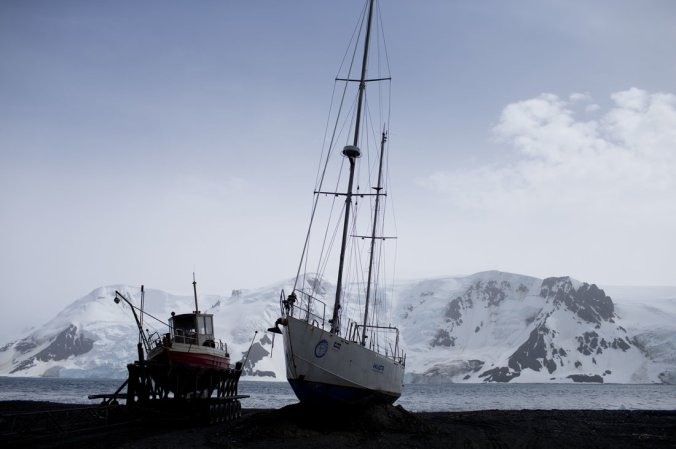
Boats sit on the beach at Bahia Almirantazgo in Antarctica. An agreement was reached on Friday to create the world’s largest marine protected area in the ocean next to the frozen continent. Natacha Pisarenko/AP

In an otherwise dismal year for the environment, we have tried to keep track of the few actions taken that are noteworthy for their scale and ambition. This week, and this month, are ending on a high note in that regard:

Nations Agree To Establish World’s Largest Marine Reserve In Antarctica

MERRIT KENNEDY

After years of negotiations, nations have reached an agreement to establish the world’s largest marine sanctuary in Antarctica’s Ross Sea.

Twenty-four countries and the European Union reached the unanimous deal at an international meeting of the Commission for the Conservation of Antarctic Marine Living Resources in Hobart, Australia on Friday. Continue reading

Dakota, Keystone & Resistance

29mckibbenWeb-master768.jpg

Dakota Access Pipeline protesters facing police officers in North Dakota this month. Credit Terray Sylvester/Reuters

As usual, Mr. McKibben is on the correct side of the debate and urges the rest of us to join that side and resist in solidarity:

Why Dakota Is the New Keystone

By

MIDDLEBURY, Vt. — The Native Americans who have spent the last months in peaceful protest against an oil pipeline along the banks of the Missouri are standing up for tribal rights. They’re also standing up for clean water, environmental justice and a working climate. And it’s time that everyone else joined in.

The shocking images of the National Guard destroying tepees and sweat lodges and arresting elders this week remind us that the battle over the Dakota Access Pipeline is part of the longest-running drama in American history — the United States Army versus Native Americans. In the past, it’s almost always ended horribly, and nothing we can do now will erase a history of massacres, stolen land and broken treaties. But this time, it can end differently. Continue reading

Farms, Interns, Valuable Life Experience

farmintern

We have a long, productive and gratifying history with internships, and so we take note when the Thanks to the Atlantic’s website for this:

The Benefits of Interning on a Farm

Video by The Perennial Plate

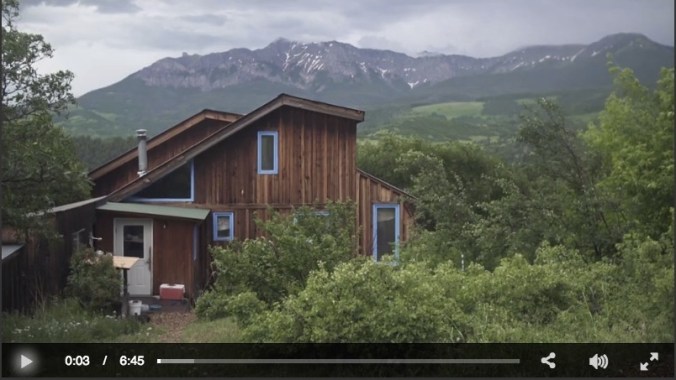
High in the mountains of Telluride, Colorado, Tomten Farms offers the opportunity to learn agriculture through an internship program. Continue reading

Fiber Fashion

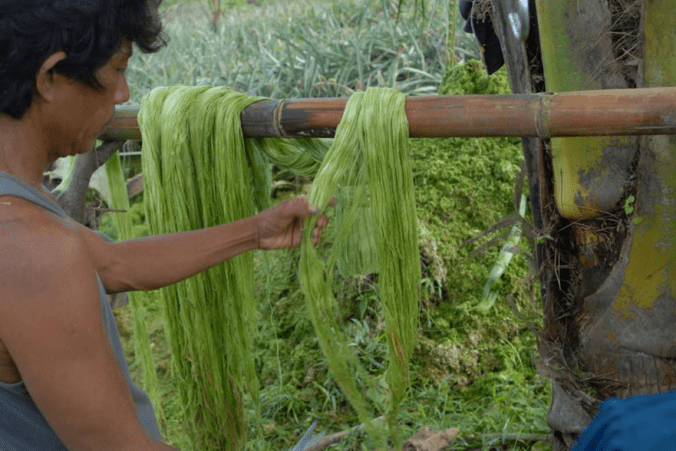
PiñatexTM production will bring new income opportunities for pineapple harvest farmers in developing countries, with the initial development stage taking place in the Philippines

We’re not insensitive to the frequent commentary on both news and social media by animal rights activists against viewing animals as commodities. With those feelings in mind, this discovery of Ananas Anam, a not for profit organization that is developing leather-like textiles using natural fibers that are the by-product of the pineapple harvest, is an exciting one.

I’ll definitely be on the look out for Pinatex products and hope our readers will as well!

ananas- anam – new materials for a new world

OUR SOCIAL IMPACT

Ananas Anam supports pineapple-farming communities in the Philippines. We are developing a new industry that will enhance the social network in rural areas as farmers will be able to sell fibres as a commercial and viable proposition.

Furthermore, the farming communities will benefit from the potential output of natural fertilizer/biogas which is the by-product of fibre extraction.

Other pineapple-growing developing countries will join the Philippines in the production of Piñatex, which will support local economies and strengthen their exports. Continue reading

Coffee Grounds To The Rescue

coffee-grounds-2.jpg

Kevin O’Mara/Flickr.com

Thanks again, after a series of earlier excellent items, Anthropocene:

A caffeine fix for heavy metal cleanup

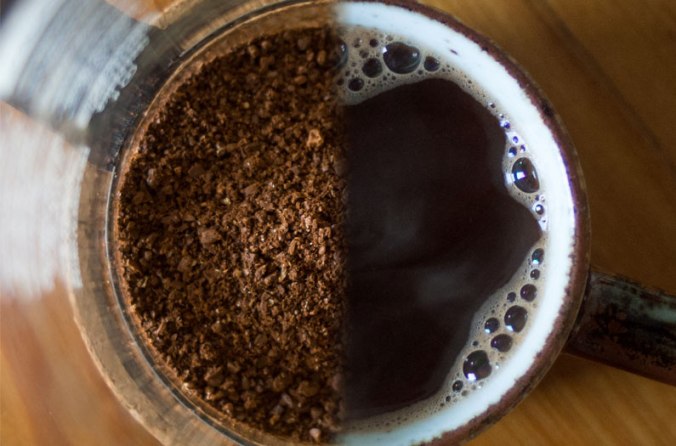
Each year, coffee drinkers across the globe create six million pounds of waste in the form of spent coffee grounds. Some of us chuck it in our compost pile, but most of it becomes just another garbage disposal challenge. Continue reading

Bass, Harbinger Of Hope

16nature-master768

Its numbers fluctuate, but the striped bass is far more common than it was just a few decades ago. Credit Getty Images

Thanks to Mr. Taft and the New York Times for this note of reversed fortunes for the fish, and for the anglers who champion them most vocally:

Striped Bass of the Hudson

By

With the jutting jaw of a mob kingpin and the pinstripes of a Wall Street executive, striped bass swim through the brackish waters of New York Harbor like old-school New Yorkers — as if they own the place. Continue reading

Bravo, Trip Advisor!

PHOTOGRAPH BY NORBERT WU, MINDEN PICTURES

In a world where economics often focus on the concept that “the customer is always right” it’s heartening to see even large companies re-evaluate policy, and make make changes in the face of facts.

Our work in India has often placed us face to face with the common practices of human-animal interaction written about below, and we don’t promote the  “elephant rides” that are often on travelers’ agenda. Change occurs along  with a shift in understanding, and our goal has always been to craft travel experiences that are both authentic and educational.

So “Bravo!” and a hearty welcome to any company willing to join us in achieving that goal!

TripAdvisor Halts Ticket Sales to Cruel Wildlife Attractions

By

TripAdvisor, the popular travel review website, and its ticket sales company, Viator, said Tuesday they no longer will sell tickets to hundreds of tourist attractions that are widely accepted as cruel to wild animals, reversing a policy under which the companies had resisted considering the welfare of animals when promoting trips.

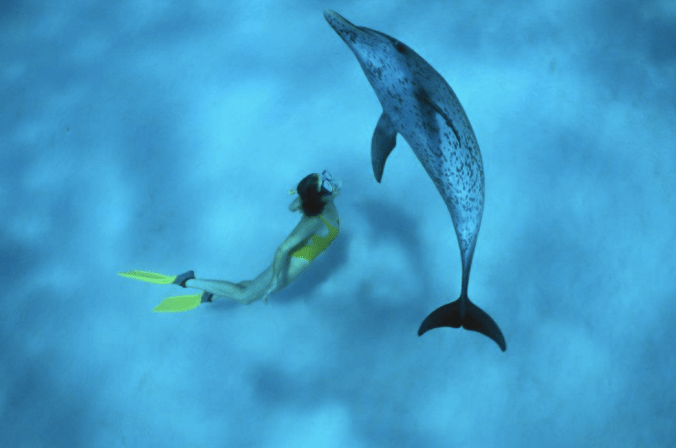
The move to stop selling tickets to elephant rides, swim-with-dolphin experiences, and attractions that allow visitors to pet tigers and other exotic animals comes after a one-and-a-half-year protest campaign by the London-based animal welfare group World Animal Protection and reporting by National Geographic’s Wildlife Watch, which drew attention to TripAdvisor’s continued promotion of such attractions at a time when dozens of other tour and travel companies were moving away from them.

Such attractions have been shown to cause animals psychological and physical trauma that can shorten their lives. They also result in more animals being taken from the wild for tourism.

Continue reading

Nudging In The UK

3500

Electric cars using the bus lane (left) during morning rush hour in Oslo, Norway. Photograph: Pierre-Henry Deshayes/AFP/Getty Images

Like the little victories in wilderness conservation, which may be too little to late or maybe a bright spot on a bleak horizon, the small moves in the right direction on other environmental fronts seem promising, and therefore worthy of note. We salute Mayor Khan for his efforts to get Londoners to do their part, according to this story below. It reminds me of Richard Thaler‘s explanation of the power of nudging things along in the right direction, and wishing these nudge stories were more commonplace in the eight years since we started hearing about them:

Electric vehicles could go first at traffic lights under UK clean air zone plans

Government proposals to tackle air pollution in five UK cities could see electric vehicle drivers using bus lanes and getting priority at traffic lights

Drivers of electric vehicles could be allowed to use bus lanes in five UK cities and even go first at traffic lights, to tackle illegal levels of air pollution, the government has suggested. Continue reading

Paris Gardens

980x-6

By the year 2020, the City of Paris wants to add 100 hectares of vertical gardens and roofs, with a third dedicated to urban agriculture.The Vertical Gardens by Patric Blanc / Flickr

Greening La Ville Lumière is as good a new objective as we can think of for a city that already has alot going for it (thanks to EcoWatch for the story):

Paris Becomes One of the Most Garden-Friendly Cities in the World

Earlier this summer, Paris quietly passed a new law encouraging residents to help green the City of Light by planting their own urban gardens. Continue reading