False Starts, Heroic Conclusions

ESSAY: A Different River Every Time
What is ‘smart’ and how does it fit our consciousness? Is there just one way to it? Are smarter people happier, richer? The answers may not always be that obvious. by SANDIPAN DEB

…Which, of course, brings us to that common capitalist question: “If you’re so smart, why aren’t you rich?” There is something abhorrent about this query. Of course, Mukesh Ambani is super-smart, but so was Jagadish Chandra Bose, who invented wireless communication at least a couple of years before Guglielmo Marconi, who received the Nobel prize for the breakthrough (It is now established that Marconi met Bose in London when the Indian scientist was demonstrating his wireless devices there, and changed his research methods after that meeting). Bose also invented microwave transmission and the whole field of solid state physics, which forms the basis of micro-electronics. Bose’s contributions are all around us today, from almost every electronic device we have at home to the most powerful radio telescopes in the world. But he steadfastly refused to patent any of his inventions, or to license them to any specific company. Some 70 years after Bose’s death, the global apex body, Institute of Electrical and Electronics Engineers, officially acknowledged Bose to be the father of wireless communication.

This is an excerpt whose catchy question pervades an essay worth reading in full. Intelligence, specifically smart Indian people, is the subject of a whole special issue of Outlook magazine. We have pondered amazing people from India on occasion in the past, and if the brief tale above intrigues you then see this post about Tesla versus Edison, but for now Continue reading

Transformative Innovation, Collaboration And The Growth Of Community

Click the image to the left for an interview with Tim Westergren about his experience prior to and as founder of Pandora. The path to that founding is colorful and unlike other startup stories. Launching a business that threatens the status quo is a classic tale, retold often.Travis Kalanick tells his own variation on a founder’s story about an industry’s reaction to disruptive technology; it is worth listening to both interviews back to back.

Michael Philips has a very insightful blog post covering Pandora’s recent moves in a brutal chess game–incumbents are under no obligation to sit back and watch an upstart deliver creative destruction on a silver platter, but the defensive moves to protect entrenched interests from the power of innovation obviously do not always serve the best interests of society. Philips gives attention to Kalanick’s Uber travails at the same time:

This week, the Internet-radio service Pandora planted itself in South Dakotan soil. It bought an FM radio station in Rapid City. The station, KXMZ-FM (Hits 102.7, “Today’s hits without the rap”), serves the two hundred and fifty-fifth largest radio market in America. Its Facebook page highlights a local Good Samaritan who bought new tires for a stranger’s beat-up pickup truck. But Pandora’s purchase is not a bid for heartland radio; it is the company’s latest gambit in the war between artists, publishers, broadcasters, and technology companies over who will profit from popular music. Continue reading

Food, Waste, Change

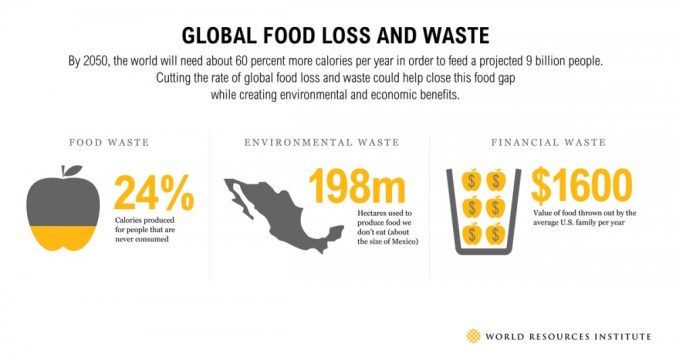
While we are on the subject of looking at food differently, as well as depending on others for new perspective, we can wrap all that around last week’s emphasis on food waste.  We will not let that topic go until we see the dial turning. We will keep a spotlight on the need for change, and share whatever we find from our good neighbors on this topic. WRI shares a thorough examination that is worth a click and read:

The Food and Agriculture Organization of the United Nations (FAO) estimates that 32 percent of all food produced in the world was lost or wasted in 2009. This estimate is based on weight. When converted into calories, global food loss and waste amounts to approximately 24 percent of all food produced. Essentially, one out of every four food calories intended for people is not ultimately consumed by them. Continue reading

Photogenic Food

foodlens7

We mentioned recently that we are crowd-sourcing a new way of looking at decor for Cardamom County. National Public Radio (one of the great investments made by the tax-payers of the USA, in collaboration with loyal listeners who donate funds to their local stations) has a food-focused blog that has introduced us to a photographer of Indian heritage who grew up in the USA and has traveled around the world doing what photographers do: seeing the world through the lens, differently than we might otherwise see it. Here he is concerned, curious and creative in his exploration of what is in the food we eat:

These intriguingly abstract images are part of a photo series called Naturally Modified — the brainchild of photographer Ajay Malghan. To create them, he shines colored lights through thin slices of fruits and vegetables onto light-sensitive paper. So what you end up seeing isn’t a picture of the food itself, but an ethereal image of its shadow. Continue reading

The Wild5Five collection : drawing from Nature

via kerala‘s Wild 5 Five collection was designed to raise awareness about the fauna of the Periyar forest by setting forth 5 wildlife ambassadors. To decide which 5, the team of designers at Thought Factory carried out thorough research on the fauna of the Periyar Tiger Reserve in online journals and books, blogs and libraries. Continue reading

WED 2013: Food for Thought

WED 2013 - Raxa Collective

On June 5, we’ll celebrate World Environment Day. This year UNEP focuses on the theme Food waste/Food Loss. At Raxa Collective we’ll be carrying out actions and sharing experience and ideas. Come and join us with your ideas and tips to preserve foods, preserve resources and preserve our planet.

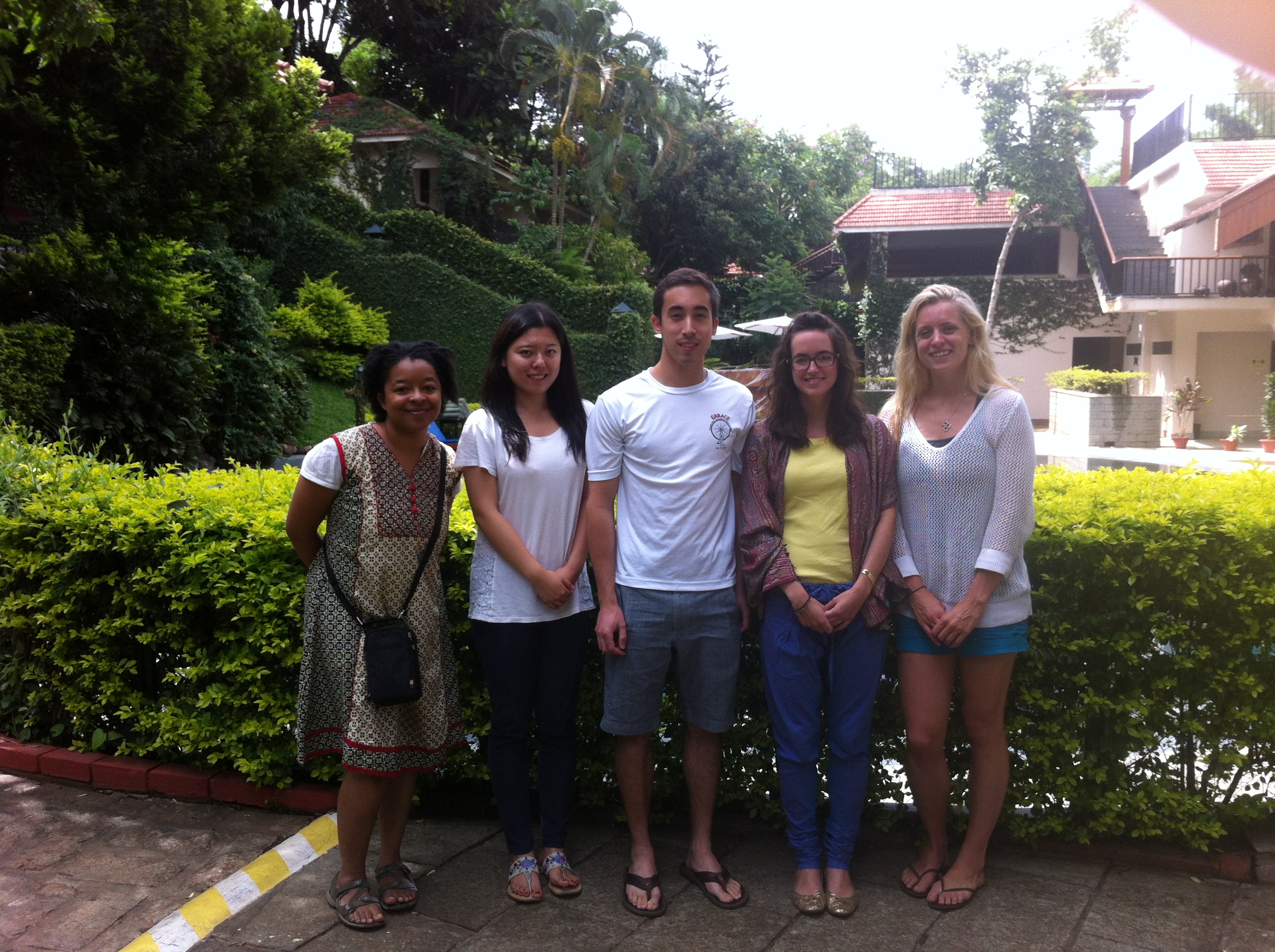
From left: Allegra Marzarte, Lu Li, Martin Bawden,  Raphaëlle De Gagné, Ashley Ostridge

From left: Allegra Marzarte, Lu Li, Martin Bawden, Raphaëlle De Gagné, Ashley Ostridge

Tomorrow is World Environment Day. A United Nations Environmental Programme initiative, WED is annually celebrated on June 5th in an effort to increase environmental awareness and positive environmental action. This year the theme is food wastage, with the motto: Think, Eat, Save. A recent report by the UNEP  concluded that every year, roughly one third of the food produced in the world for human consumption — approximately 1.3 billion tonnes — never makes it to from farm to table.

While one may imagine that most food wasted is a result of the actions of individuals in developed countries, this is not the case. Many developing countries, including India, also have an enormous food waste crisis. Specifically, while India is 2nd in the world in food production, as much as 20 to 40 percent of the food grown spoils before reaching consumers.

Here at Raxa Collective we have several initiatives to both alleviate food wastage and help both the local community and the environment. Continue reading

WED 2013 : Learning To Finish That Meal…

WED 2013 - Raxa Collective

On June 5, we’ll celebrate World Environment Day. This year UNEP focuses on Food waste/Food Loss. At Raxa Collective we’ll be carrying out actions and sharing experience and ideas. Come and join us with your tips to preserve foods, preserve resources and preserve our planet.

As a child, I was always told to finish eating my meals because there were starving children in poor and faraway lands that would gladly trade places with me.  I could not exactly picture what that meant, and the rebelious part of me always wanted to stick a postage stamp on my plate and send it to these children.  No one who grew up with such abundance, I think, could trade the fresh memory of a full meal for a clear picture of hunger.

Being from Texas (and proud of it, so don’t mess with that), with its long “bigger and better” history and wonderful mythology of abundance and its can-do certainty, I did not “get it”.  Now, the hazy memories of those dinners and parental wisdom are coming into perspective with my ability to follow and understand news from around the world.

Continue reading

Ueli Steck, Collaboration And Culture


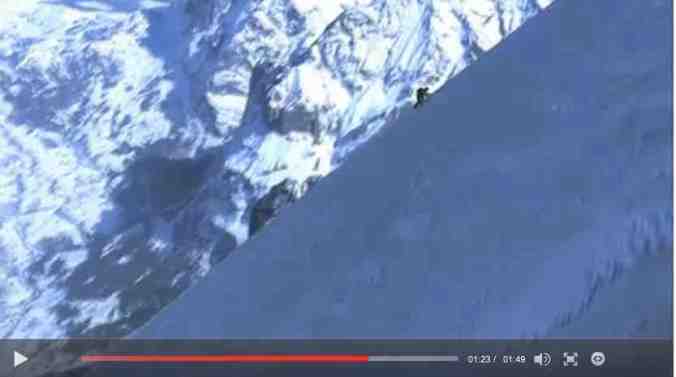
The article is worth the time, and the subscription, for reasons we pointed to herehere and here.  Click above to go to this brief video for another enticement to read it and you will also see this additional wording from the author:

Many Americans got their first glimpse of Ueli Steck in the 2010 short film “The Swiss Machine,” which depicts Steck speed-climbing the North Face of the Eiger, as well as the Nose on El Capitan, in Yosemite. This short video consists of excerpts from that film. I approached Steck almost a year ago, in the hope he’d allow me to write a Profile of him, but he was hard to pin down. Continue reading

On Language, Travel And Imagination

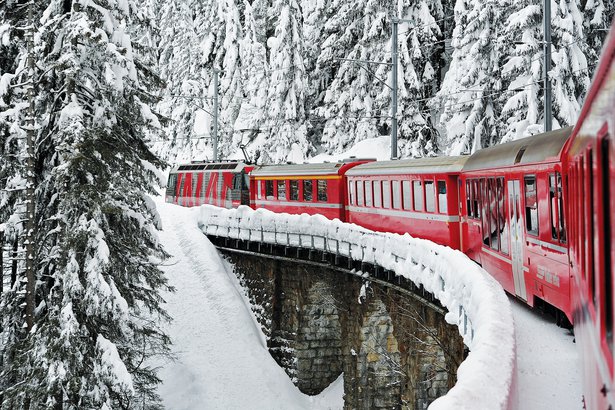
The snow-covered mountains and punctual trains of Montreux, Switzerland, summon childhood train sets, and the daydreams that accompanied them. (Harold Cunningham/Getty)

The snow-covered mountains and punctual trains of Montreux, Switzerland, summon childhood train sets, and the daydreams that accompanied them. (Harold Cunningham/Getty)

If we failed to get you reading him here, shame on us. If you choose to ignore this short piece of his, well, you have only yourself to answer to. He has had a running series of blog posts on the Atlantic‘s website dealing with the frustrations and wonders of language acquisition as an adult, a phenomenon several of us at Raxa Collective can relate to perfectly well.  He captures some of the many benefits of the process and the outcome, especially the collaborative part, in short order here:

When I was about 6 years old, I started collecting model trains with my father. We would assemble the track in the attic, put a foam mountain with a tunnel over the top, and, through the magic of a transformer, watch the trains make their rounds. My dad took me to train shows, and for my birthdays back then, I always got train sets or trestles. I had books on model trains, and books on actual trains. Both kinds showed pictures of big mountains parted by trains, small towns bisected by trains, and trains adorning white Christmas-scapes. Continue reading

Creative Collaboration For Laughs And More

Carl Reiner and Brooks teamed up as a comedy duo in 1960, creating such now-legendary skits as "The 2,000-Year-Old Man." "Carl's still my best friend in the world," says Brooks.

Carl Reiner and Brooks teamed up as a comedy duo in 1960, creating such now-legendary skits as “The 2,000-Year-Old Man.” “Carl’s still my best friend in the world,” says Brooks.

You do not have to be a fan of his many genres of creativity to appreciate the fact that this man knows how to thank the people who have helped him be funny and successful.  The most famous of those collaborations is with his best friend of 60+ years, but in this Fresh Air interview he demonstrates the grace of gratitude for this and many other collaborations:

On Hitchcock and ‘High Anxiety’

“I wrote a letter saying, basically, ‘Dear Mr. Hitchcock, I do genre parodies and in my estimation you are a genre. I don’t mean that you’re overweight. I mean that you’ve done every style and type of movie, and that you’re just amazing, and I would like to do a movie dedicated to you based on your style and your work.’ And … he called me and he said, ‘I loved Blazing Saddles. I think you’re a very talented guy, and come to my office.’ Continue reading

If You Happen To Be In Sydney


This slideshow requires JavaScript.

Down under, where there is no aurora borealis, the do-it-yourself creatives have taken matters into their own hands, using vivid colors to attract your attention–and thrown a big party to boot (May 24 – June 10 according to this press release):

…“Vivid Sydney is where technology, commerce and art intersect—delivering real business outcomes. With 37 per cent of Australia’s creative industries located in NSW, supporting creative industries through events like Vivid Sydney is key to the NSW Government’s strategy to grow the NSW economy,” Mr Stoner said. Continue reading

Save Soil, Perhaps Even Improve It By Drinking Organic Coffee

SaveOurSoil_LOGOThe news we pointed to about coffee-making best practices was mainly about the last step of a long chain–when the coffee is just about to give its olfactory, gustatory and other pleasures upon consumption.  It linked to an earlier post about the artisanal agriculture link in the coffee-making value chain, but here we add one more link on that topic. It has strong recommendations about what else we as consumers might do to assist in coffee-making best practices. It brings to mind topics we have covered in non-coffee posts, such as altruism, which we have considered more than once; and collective action, likewise more than a passing interest.

When we have the opportunity to support a good cause, at minimum we can give it attention here by linking to it, and with great pleasure we do so for our friends at Counter Culture Coffee:

Our soils are in crisis. Conventional, chemical-based farming is destroying soil health, leaving farms with increasingly barren earth. Extraordinary coffee – that which we are dedicated to – needs rich, thriving soil, since healthy soil leads to healthy coffee trees, prosperous farms, and delicious coffee. Continue reading

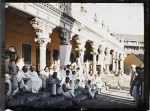
“Shipwrecked pictures” from the Albert Khan museum : can our community help identify these photographs ?

Back in 1912, french millionaire Albert Kahn hired Stéphane Passet to be a photographer for the monumental project Archives of the planet, an iconographic memory of societies, environments and lifestyles around the world. From 1909 to 1931, Albert Kahn  commissioned photographers and film cameramen to record life in over 50 countries. The Archives of the planet were a collection of 180,000 metres of b/w film and more than 72,000 autochrome plates, most of which are held at Museum Albert Kahn in Boulogne, close to Paris.

Autochrome was the first industrial process for true colour photography. When the Lumière brothers launched it commercially in June 1907, it was a photograhic revolution – black and white came to life in colour. Autochromes consist of fine layers of microscopic grains of potato starch – dyed either red-orange, green or violet blue – combined with black carbon particles, spread over a glass plate where it is combined with a black and white photographic emulsion. All colours can be reproduced from three primary colours. Some of the autochrome pictures available today are however unidentified, some happen to be of Bombay. Who among you in the Raxa Collective community can help locate these sites?

Continue reading

Dispatch From Everest

This slideshow requires JavaScript.

India Ink has a story about a group of young Indians collaborating in the upper reaches of the region’s mountains, at a time when many are celebrating the six decades-old historic accomplishment in the same region:

KHUMBU GLACIER —It was nearly 60 years ago this month that Tenzing Norgay, the Sherpa guide, and Sir Edmund Hillary from New Zealand scaled the highest peak in the world, Mount Everest. Continue reading

Barefoot College

This slideshow requires JavaScript.

This organization and its founder came to our attention recently in a by-now familiar manner: our go-to podcast for interesting and inspiring stories of entrepreneurs, From Scratch, featuring Bunker Roy. Read about Barefoot College here and then click through their site to see more about their accomplishments:

In the late 60’s, a very small group of determined individuals in India, coming out of a sound educational system, felt it necessary to look for alternative ways of living, thinking and looking for rural solutions. Continue reading

Community, Collaboration, Career

If you spend five minutes listening to Gerald Chertavian in the video above, and it resonates in any manner, then you should learn more about the organization he formed.  It came to our attention, as many other great stories have recently, thanks to From Scratch, Jessica Harris’s radio show and podcast repository. Continue reading

Biophilia in Action

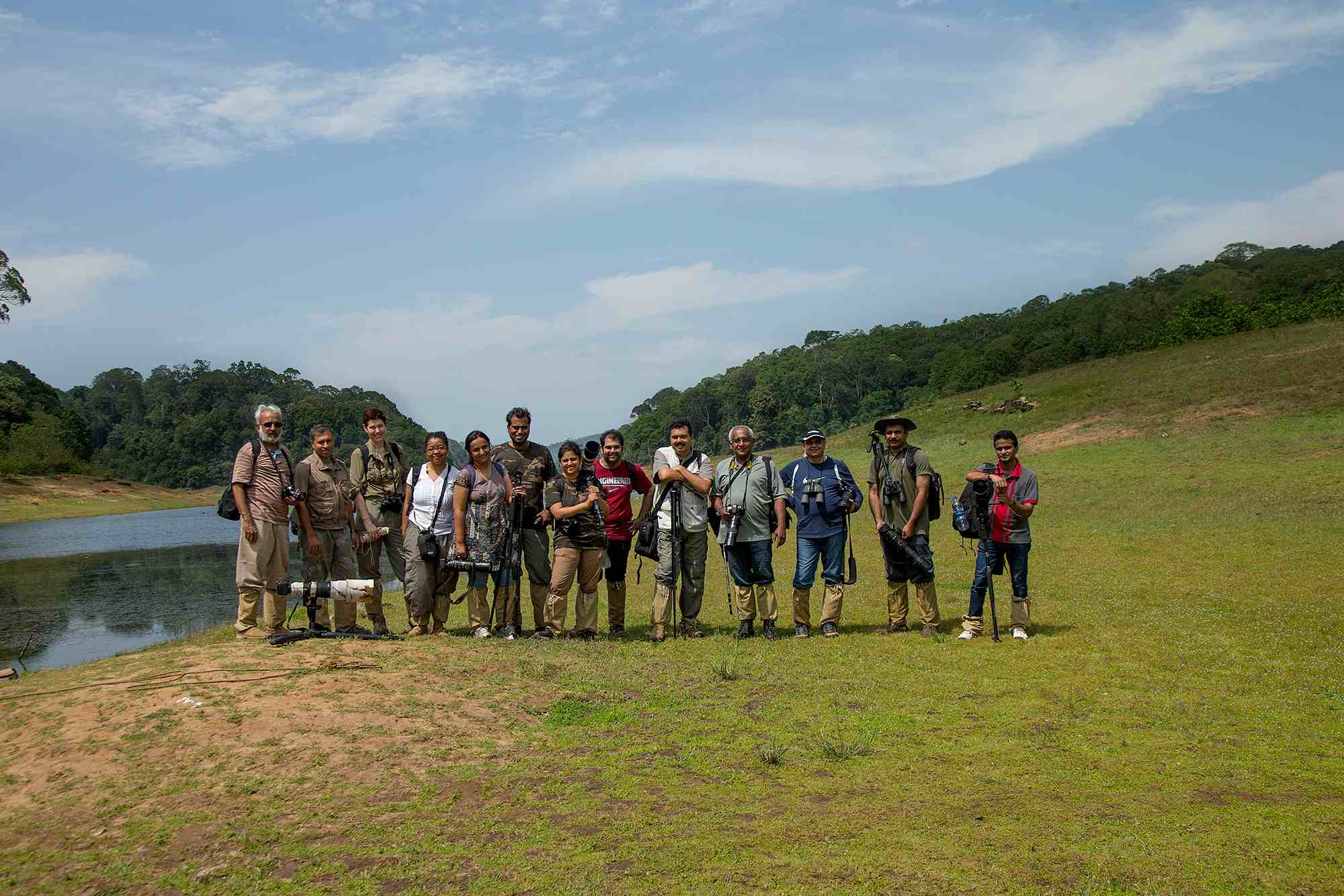
Master Wildlife Photography class in Periyar Tiger Reserve

Master Wildlife Photography class in Periyar Tiger Reserve

We’ve referred to the concept of Biophilia on these pages beforedefined by the Oxford English Dictionary as “A love of or empathy with the natural world, esp. when seen as a human instinct”—in other words, it’s an innate human desire to seek out nature.

This concept was played out last weekend when a group of photographers gathered at Cardamom County at the edge of the Periyar Tiger Reserve to attend a Master Class with Sudhir Shivaram, a renowned wildlife photographer in India. The fact that the majority of the participants have “day jobs” in the worlds of IT, engineering and medicine make the word Biophilia all the more relevant. Continue reading

Out On A Limb

Dr. “Canopy Meg” Lowman, uses the canopy walkway to study leaf growth and defoliation in the forest canopy

Dr. “Canopy Meg” Lowman, uses the canopy walkway to study leaf growth and defoliation in the forest canopy

Nicknamed the “Real-Life Lorax” by National Geographic and “Einstein of the Treetops” by the Wall Street Journal, Meg Lowman pioneered the science of canopy ecology. She is currently the Director of the Nature Research Center at the North Carolina Museum of Natural Science, and research professor at NCSU. For over 30 years, “Canopymeg” has solved mysteries of insect pests and ecosystem health in the highest layer of the world’s forests, designing the tools of the trade- hot-air balloons and walkways for treetop exploration- as she went. Her personal mantra is “no child left indoors.” Continue reading

What do a Super Bowl Hero and a Forest Biologist Have in Common?

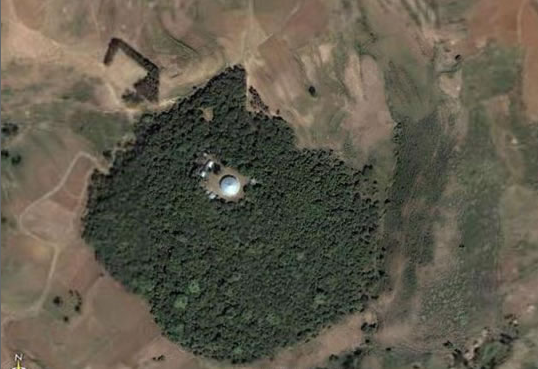
Debresena church forest- South Gondar, Ethiopia (Picture from Google earth)

Debresena church forest- South Gondar, Ethiopia (Picture from Google earth)


“I can try to explain it to you, but unless you see it for yourself, you really can’t gasp the situation. They’re going through one of the worst droughts ever, it’s barely rained in three years. There is no water to grow vegetation, no water to drink. Everything is like desert. For people in the United States, it’s hard to wrap your mind around that.”   

Anquan Boldin, Football star for Baltimore Ravens, winner of the 2013 SuperBowl

As a nerdy scientist, I was never a SuperBowl fan. This year when Anquan Boldin, who shares my passion for building stone walls in Ethiopia, made the first touchdown of the winning Baltimore Ravens, I became one. Continue reading

In the mood for flowers : floral arrangement Raxa Collective-style

This slideshow requires JavaScript.

To make a beautiful “uruli”, a traditional Kerala bowl filled with water and flowers, you need a keen eye. Picking the right flowers, drying them if it rained, placing them artfully, it  is a craft. Continue reading