Stuff, Change, And Examining Broke

View the video by clicking the image above, again brought to you on Cornell University’s website:

The United States isn’t broke; we’re the richest country on the planet and a country in which the richest among us are doing exceptionally well. But the truth is, our economy is broken, producing more pollution, greenhouse gasses and garbage than any other country. Continue reading

WED 2013: Food for Thought

WED 2013 - Raxa Collective

On June 5, we’ll celebrate World Environment Day. This year UNEP focuses on the theme Food waste/Food Loss. At Raxa Collective we’ll be carrying out actions and sharing experience and ideas. Come and join us with your ideas and tips to preserve foods, preserve resources and preserve our planet.
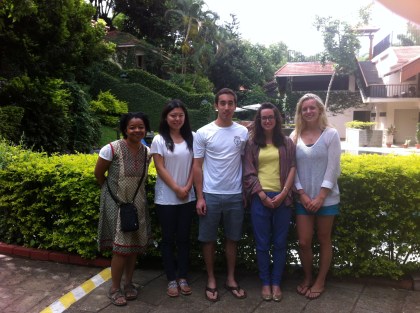
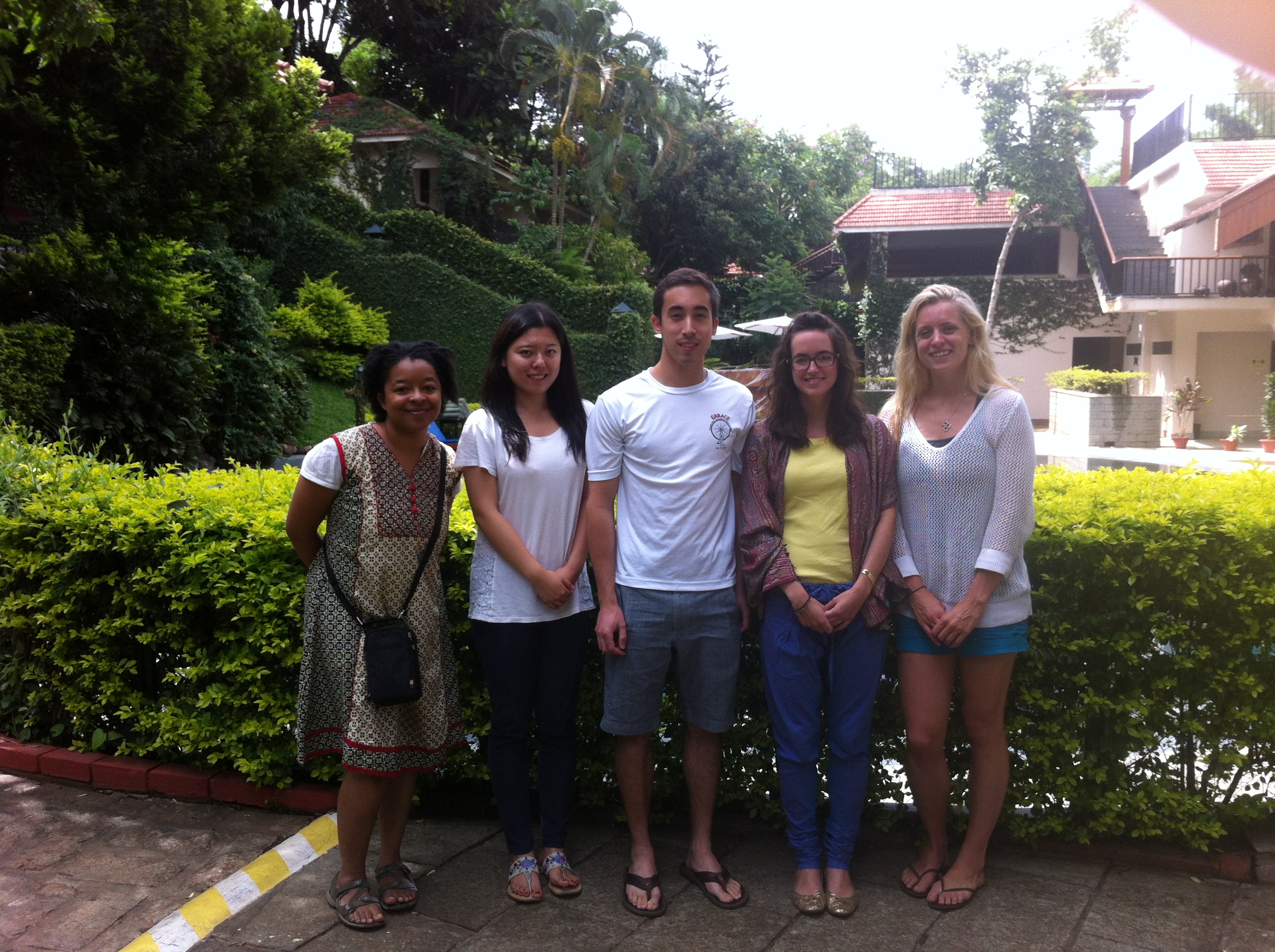
From left: Allegra Marzarte, Lu Li, Martin Bawden,  Raphaëlle De Gagné, Ashley Ostridge

From left: Allegra Marzarte, Lu Li, Martin Bawden, Raphaëlle De Gagné, Ashley Ostridge

Tomorrow is World Environment Day. A United Nations Environmental Programme initiative, WED is annually celebrated on June 5th in an effort to increase environmental awareness and positive environmental action. This year the theme is food wastage, with the motto: Think, Eat, Save. A recent report by the UNEP  concluded that every year, roughly one third of the food produced in the world for human consumption — approximately 1.3 billion tonnes — never makes it to from farm to table.

While one may imagine that most food wasted is a result of the actions of individuals in developed countries, this is not the case. Many developing countries, including India, also have an enormous food waste crisis. Specifically, while India is 2nd in the world in food production, as much as 20 to 40 percent of the food grown spoils before reaching consumers.

Here at Raxa Collective we have several initiatives to both alleviate food wastage and help both the local community and the environment. Continue reading

WED 2013 : Learning To Finish That Meal…

WED 2013 - Raxa Collective

On June 5, we’ll celebrate World Environment Day. This year UNEP focuses on Food waste/Food Loss. At Raxa Collective we’ll be carrying out actions and sharing experience and ideas. Come and join us with your tips to preserve foods, preserve resources and preserve our planet.

As a child, I was always told to finish eating my meals because there were starving children in poor and faraway lands that would gladly trade places with me.  I could not exactly picture what that meant, and the rebelious part of me always wanted to stick a postage stamp on my plate and send it to these children.  No one who grew up with such abundance, I think, could trade the fresh memory of a full meal for a clear picture of hunger.

Being from Texas (and proud of it, so don’t mess with that), with its long “bigger and better” history and wonderful mythology of abundance and its can-do certainty, I did not “get it”.  Now, the hazy memories of those dinners and parental wisdom are coming into perspective with my ability to follow and understand news from around the world.

Continue reading

Save Soil, Perhaps Even Improve It By Drinking Organic Coffee

SaveOurSoil_LOGOThe news we pointed to about coffee-making best practices was mainly about the last step of a long chain–when the coffee is just about to give its olfactory, gustatory and other pleasures upon consumption.  It linked to an earlier post about the artisanal agriculture link in the coffee-making value chain, but here we add one more link on that topic. It has strong recommendations about what else we as consumers might do to assist in coffee-making best practices. It brings to mind topics we have covered in non-coffee posts, such as altruism, which we have considered more than once; and collective action, likewise more than a passing interest.

When we have the opportunity to support a good cause, at minimum we can give it attention here by linking to it, and with great pleasure we do so for our friends at Counter Culture Coffee:

Our soils are in crisis. Conventional, chemical-based farming is destroying soil health, leaving farms with increasingly barren earth. Extraordinary coffee – that which we are dedicated to – needs rich, thriving soil, since healthy soil leads to healthy coffee trees, prosperous farms, and delicious coffee. Continue reading

Community, Collaboration, Career

If you spend five minutes listening to Gerald Chertavian in the video above, and it resonates in any manner, then you should learn more about the organization he formed.  It came to our attention, as many other great stories have recently, thanks to From Scratch, Jessica Harris’s radio show and podcast repository. Continue reading

For Bees, Europe Does The Right Thing

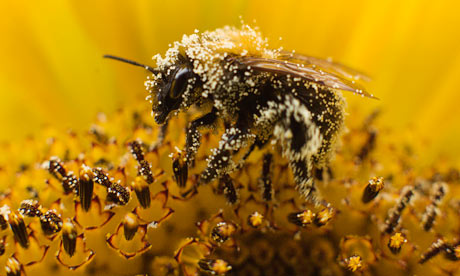
A bee collects pollen from a sunflower in Utrecht, the Netherlands. EU states have voted in favour of a proposal to restrict the use of pesticides linked to serious harm in bees. Photograph: Michael Kooren/Reuters

A bee collects pollen from a sunflower in Utrecht, the Netherlands. EU states have voted in favour of a proposal to restrict the use of pesticides linked to serious harm in bees. Photograph: Michael Kooren/Reuters

At a time when news out of Europe often points to political dysfunction, on at least one front we can point to some good news for these creatures who need help perhaps more than ever, and deserve it; they are finally getting it in at least one part of the world:

Europe will enforce the world’s first continent-wide ban on widely used insecticides alleged to cause serious harm to bees, after a European commission vote on Monday.

The suspension is a landmark victory for millions of environmental campaigners, backed by the European Food Safety Authority (EFSA), concerned about a dramatic decline in the bee population. The vote also represents a serious setback for the chemical producers who make billions each year from the products and also UK ministers, who voted against the ban. Both had argued the ban would harm food production. Continue reading

2013 Goldman Award Winner

2013_azzamalwash_profile

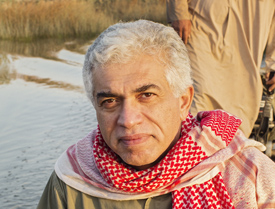
Recently brought to our attention due to a short documentary, today’s news puts new wind in his sails with the award of this much-deserved prize (click the image to the right to go to the website):

Giving up a comfortable living and family life in California, Azzam Alwash returned to war-torn Iraq to lead local communities in restoring the once-lush marshes that were turned to dust bowls during Saddam Hussein’s rule.

The Mesopotamian marshlands in southern Iraq are known by many as the birthplace of civilization. Situated between the Tigris and Euphrates rivers, the area was once an oasis of aquatic wildlife filled with lush reed beds, water buffalo, lions, foxes and otters. It was also one of the world’s most important migratory flyways for birds.

In the mid-1990s, Saddam Hussein burned, drained and poisoned the area in retaliation of Shiite Arabs, who had staged uprisings following the Kuwait invasion and fled to the marshes for refuge. The wetlands once known as the Garden of Eden turned to dust bowls, driving out the descendants of ancient Sumerians who had inhabited the area for thousands of years. Continue reading

Earth Day In Historical Context

Earth Day began as a minimally organized teach-in.

Earth Day began as a minimally organized teach-in.

Those who do not know their environmental history may or may not be doomed, but they are missing something. Knowing the history is a pleasure in itself, as this article in the current issue of the New Yorker demonstrates.  Know this:

…Earth Day’s success was partly a matter of timing: it took place at the moment when years of slowly building environmental awareness were coming to a head, and when the energy of the sixties was ready to be directed somewhere besides the Vietnam War and the civil-rights movement. A coterie of celebrated environmental prophets—Rachel Carson, David Brower, Barry Commoner, Paul Ehrlich—had already established themselves, and Rome reminds us of  Continue reading

University-Based Groups Worth Noting

syn-mosaic

An occasional feature, beginning here, will point to university-based groups–informal organizations, living arrangements, secret societies, etc.– we can relate to:

Co-operative societies bring forth the best capacities, the best influences of the individual for the benefit of the whole, while the good influences of the many aid the individual.

Leland Stanford
October 1, 1891
Stanford University Opening Ceremonies

Ecology’s Social Enterprise

ESA


This organization (click the banner above to go to the site), new to us but working its way to a centennial birthday (click the banner below to go to that section on the website)–

ESA History


A meeting was held at Columbus, Ohio, on December 28th, 1915, at which it was decided to organize the Ecological Society of America….The interests and activities of this society will be of the broadest character, embracing every phase of the relation of organisms to their environmental condition…–The Geographical Review 1916–

About the Ecological Society of America

1914: The beginning…

–is as modern and practical as one could want, including this section on its website titled Explore Ecology As A Career with a wealth of links and related resources:

Ecology As A Career

What Do Ecologists Do? Continue reading

Echoes Of Net Impact 2010

AlexCountsAlex Counts spoke at the Net Impact Conference in 2010, which took place at Cornell University during the spring semester, while I was teaching a course there. I had the good fortune of being recommended to listen to his talk.  Today I had the good fortune of encountering him again, on this podcast series that I have so far been batting 1,000 with:

Microfinance lending, the practice of making small loans to individuals who would otherwise not qualify for traditional loans, has been a proven method of nurturing entrepreneurship in developing countries. As a college student, Alex read about the work of Noble Prize winning Dr. Muhammad Yunus and his efforts in microfinance. Continue reading

Sharks As Charismatic Megafauna

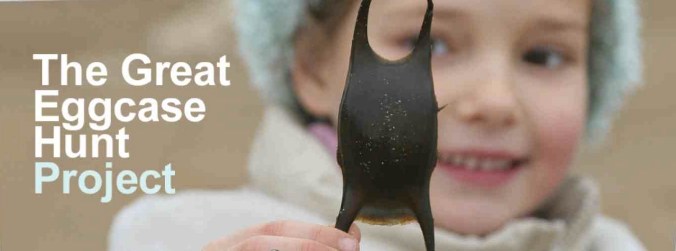
If you are like most people, the words shark and trust do not normally work well together in the same sentence. Sharks are predators, and predators predate. So unless you are a professional you should not take anything for granted when in their waters. But the two words work together well in a sentence about this organization, and the project they have launched to help sharks is intriguing. Entrepreneurial, even.  Click the image above to read more about this initiative:

With over 600 species of skate and ray worldwide, at least 16 species have been regularly recorded in UK coastal waters; most of these species reproduce by laying tough leathery eggcases on the seabed. Of more than 30 species of British sharks, only two species lay eggcases that are commonly found on our beaches; the Smallspotted Catshark and the Nursehound. Continue reading

Happy Birthday, Douglas Adams

One year ago today I posted this to make sure that anyone who loves this author would be aware that there are still opportunities to celebrate his life in tangible, meaningful ways that he would have appreciated.  I encourage anyone and everyone to continue to do so because the conservation needs have grown rather than diminished.  You might also enjoy his final public appearance above, which will give you 90 minutes of intense amusement and learning.   Continue reading

For Wales?

The Oxapampa-Ashaninka-Yanesha UNESCO biosphere reserve in central Peru. The Welsh funds will help the Ashaninka preserve their forests. Photograph: Nicholas Gill/Alamy

“For Wales? Why Richard, it profit a man nothing to give his soul for the whole world. . . but for Wales!” ― Robert Bolt, A Man for All Seasons

When Richard Rich betrayed, he did so for rewards related to Wales. Thomas More, in top shelf literary insult, takes him to task for it by emphasizing the pathos of having betrayed for profits as meager as Wales.

If you have been to Wales, you know it has nothing to be ashamed of in terms of physical beauty.  And as for cultural beauty, Dylan Thomas or Richard Burton could tell Robert Bolt or Thomas More for that matter a thing or two about Wales.  But now, Wales shows a creative streak in this contribution to conservation, perhaps a deeper greatness than other classics in its history. Continue reading

If You Happen To Be In Bangkok

Associated Press. Stuart Chapman, a regional representative of the World Wildlife Fund, presented a petition for a blanket ban on the ivory trade to Thailand’s prime minister, Yingluck Shinawatra, on Wednesday.

You might want to lend your signature to the petition mentioned below, for which we thank WWF:

As my colleague Erik Olsen just noted here, many threatened species will be competing for attention when officials from 177 countries open a conference on the trade in endangered species on Sunday in Bangkok. Continue reading

Camera Traps, Unite

This slideshow requires JavaScript.

Sharing technology, data, knowhow.  Pooling resources in the common interest across regions of the tropical world for the sake of biodiversity conservation.  Take a look at what TEAM is doing. A six minute video appears on the Guardian‘s website, providing much-appreciated coverage:

One million images of wildlife in 16 tropical forests around the world have been captured by the Tropical Ecology Assessment and Monitoring (TEAM) Network. Since it began its work in 2008 to monitor changes in wildlife, vegetation and climate, cameras in the the Americas, Africa and Asia have photographed more than 370 different species including elephants, gorillas, chimpanzees, large cats, honey badgers, tapirs and tropical birds Continue reading

Recommissioning, Stronger Attention To Our Oceans

This slideshow requires JavaScript.

Folks we respect and admire, not retiring nor shrinking from the challenges, but rethinking what’s next, state their case here on opening day:

‘Outstanding opportunity for change’ – Global Ocean Commission launches

The Global Ocean Commission, an independent body of international leaders, launches today (12th February) with the aim of reversing degradation of the ocean and restoring it to full health and productivity.

Chaired by former Costa Rican President José María Figueres, South African cabinet minister Trevor Manuel and former UK Foreign Secretary David Miliband MP, the Commission brings together senior political figures including former Heads of State, Foreign Ministers and Finance Ministers from around the world, alongside business leaders and development specialists. Continue reading

Entrepreneurial Conservation In The Cabinet

idy0zePVhYWU

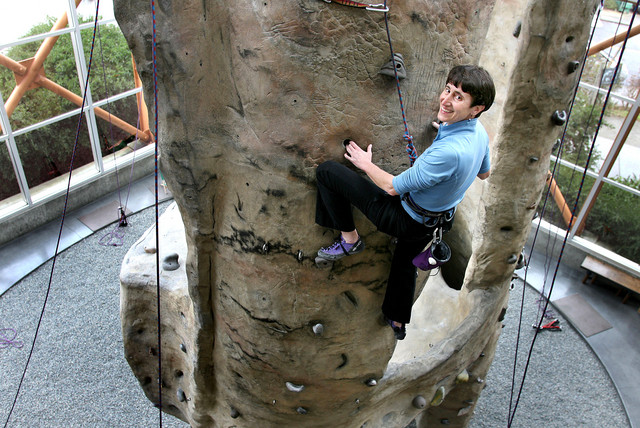
Recreational Equipment, Inc. (REI) CEO Sally Jewell climbs the 65-foot rock climbing pinnacle at REI’s Seattle flagship store. Photographer: Scott Cohen/AP Photo

We stay out of politics, for the most part, but point to interesting events when we notice them. This news qualifies, because it seems the leader of one big country has captured the spirit of entrepreneurial conservation in a rather visible way, choosing a business leader to run the largest conservation component of the federal government. Oddly, she appeals to both environmentalists and industrialists, but that is the point. This choice is outside the box, and seems to tap into some of our favorite “c” words. As the article below notes, this business person has led some important collective action initiatives, building a community to ensure that this political leader gives conservation the attention it deserves. We laud both of them for cooperating in such a creative manner:

President Barack Obama said he has selected Sally Jewell, chief executive officer of Recreational Equipment Inc., to be secretary of the U.S. Interior Department in his second-term Cabinet.

Jewell’s background as an engineer and experience in the banking, energy and retail industries give her the skills needed to run a department that oversees 500 million acres of public land, Obama said as he introduced her at the White House. Continue reading

Oil, Rainforest, Communities

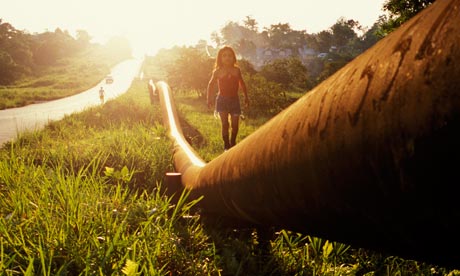
Pipe dreams: the 500km pipeline that transports oil from Lago Agrio to the port of Esmeraldas, on the Pacific Coast. The oil discovery destroyed the area. Photograph: Remi Benali/Corbis

Can there be happy endings related to oil discovery in remote, ecologically and culturally sensitive areas? Note likely.  But this story is worth a read:

American biologist Kelly Swing thwacks a bush with his butterfly net and a dozen or so bugs and insects drop in. One is a harvester, or daddy-long-legs, another a jumping spider which leaps on to a leaf where two beetles are mating. Continue reading

Sparking Activism

We have linked to 350, its various activities and sister concerns plenty of times before, but this three minute thought bubble is another good link to get the point: we all must do our part.  We link to organizations and actions instead of his name because we recognize the temptation to idolize Bill McKibben for his activism; if we do that without taking action, what is the point?