Heart Throb

There’s something about drums. Like dance, they have an almost primordial capacity to rouse even the most complacent person to action.  The sound connects with the heartbeat and makes it impossible to stand still. Personally I can’t decide whether I prefer West African Djembes, Indian Tablas or Japanese Taiko. Percussion seems to be by nature a communal activity, and the bottom line is that I love the way the sound makes me long to participate.  Continue reading

Rice

I recently read the fascinating story of Inakadate, a small village in northern Japan struggling against a global economic downturn.  The rural community with a population of fewer than 10,000 people had none of the charismatic landscapes that typically drive tourism. Twenty years ago a clerk in the Town Hall was asked to figure out how to bring that very thing to the bucolic village surrounded by rice paddies and apple orchards.

The story goes that Mr. Koichi Hanada saw school children planting purple and bright green rice as a class project when it occurred to him that the varied hues could be used like a natural artist’s palette. Continue reading

Aranmula Kannadi – An Ancient Indian Metal Mirror

Aranmula, an ancient village in the district of Pathanamthitta on the banks of the famous Pamba River, has a special history of Kerala’s traditional arts. For centuries Indians have been experts in Metallurgy; Delhi’s ancient Mayuran Iron Pillar, and forged Damascus steel are part of an artisanal culture in South India that stretches back more than 2000 years. The Aranmula Kannadi (metal mirror) technology is part of this history.

Continue reading

“I Will!”

What began as a WWF Australia project to focus public attention on climate change has turned into an international movement that has become the largest voluntary action ever witnessed, reaching 1.3 billion people across the globe.

In the best possible way the movement has gone viral, expanding exponentially, bringing people together in a celebratory atmosphere that represents the power of social media and a good idea. Continue reading

Cherry Blossoms in Spring

Cherry Blossoms in Macon

One-hundred years ago, the First Lady of the United States of America, Helen Taft,
and the Japanese ambassador’s wife, Viscountess Chinda, planted two Japanese cherry trees in Washington, D.C. The annual commemoration of this act of good will would come to be known as the “National Cherry Blossom Festival.” In this festival, droves of Americans flock to see the riotously beautiful pink and white blossoms of the Yoshino and Kwanzan cherry trees. Officially, the National Cherry Blossom Festival in Washington, D.C. serves to reaffirm the commitment to enduring friendship between United States and Japan: Continue reading

Machad Mamankam – Unique and Traditional Temple Festival

In Kerala, almost every village has its own temple with an annual festival. So there is always a local festival happening somewhere or the other, each with its own flavor and color. The 800 year old Mamankam festival is celebrated annually at the Machad Thiruvanikav temple near Trichur, the cultural capital of Kerala. Continue reading

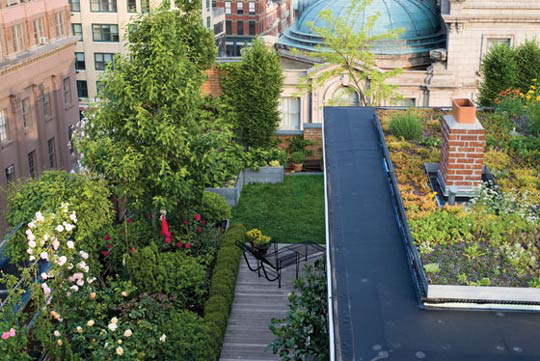
Green Lifestyle Everywhere You Go in a Concrete Jungle

This will be my first post that I’m writing for Raxa Collective. To be honest, I was waiting for a great idea to jump out at me that will brilliantly catch everyone’s attention. But, now that I think about it, blogs are more about sharing a stream of mind in our daily life, so here I am.

As I’m spending my spring break in NYC, I’ve been observing a range of eco-lifestyles all around me, even in this urban area. You may think that New Yorkers care less about the environment because they live in a “concrete jungle”, but it’s proved to be wrong. In NYC, there are so many organic stores, restaurants that serve organically and locally grown vegetables and fruits, farmers markets, etc. – the list goes on and on. Seriously, there are even farming and gardening classes and programs for both children and adults! Continue reading

Happy 150th, Oswego

For a school not widely known outside its region and professional focus, it is interesting to note a bit about the man who founded a school in upstate New York in the 19th Century that has recently been quietly celebrated for things that we care deeply about on this site:

The Carnegie Foundation awarded Oswego State a prestigious Community Engagement Classification in January 2011… Then in May 2011, Oswego was named to the U.S. President’s Higher Education Community Service Honor Roll “with Distinction,” an equally distinguished recognition for the college’s commitment to volunteerism, service learning and civic engagement.

Continue reading

Foraging for Plenty

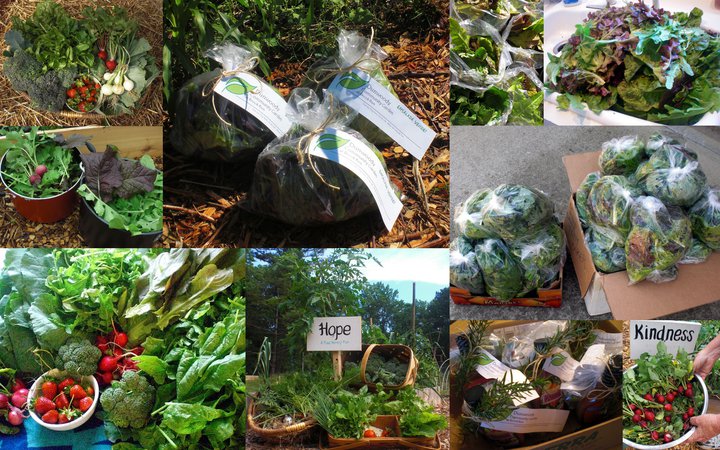
When I lived in either tropical or Mediterranean environments it was never surprising (but always exciting) to see trees and bushes laden with fruit in their season; mangoes, citrus, and papaya in Costa Rica, or figs, pomegranates and lemons on a Croatian island.  But when we temporarily relocated to Atlanta I was happy to discover similar levels of abundance in both urban and suburban environments.  In some cases there were trees that looked like they had outlived what some in the neighborhood are wont to call “the war of northern aggression”, such as the pear trees owned by the Dunwoody Preservation Trust, while in others it was a fresh commitment to collective action like the Dunwoody Community Garden where food pantry harvesters pick, wash and bag lbs of produce from donation plots to distribute to a local food bank. (Current estimates for these initiatives are over 1,500 lbs of produce plus 567 lbs of pears to be exact!)
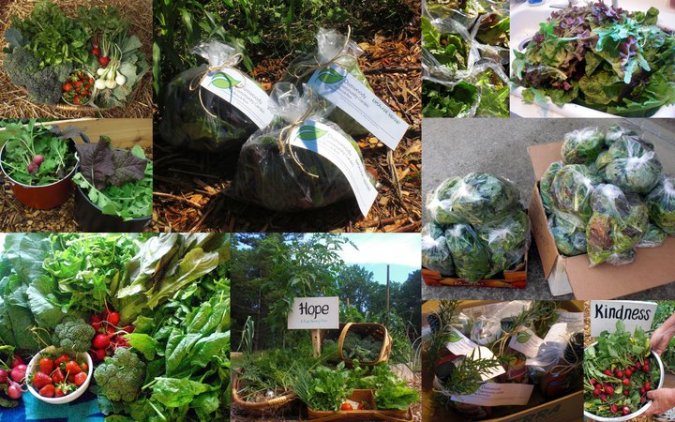
In a time of disparity between the amounts of fresh food produced in the world and the number of people who go without it, I am happy to participate in and proselytize about programs that help alleviate this  imbalance. In the United States Community gardens are springing up around the country on both public and private land, in likely places such as empty lots, school yards and church yards, as well as surprise locations like urban rooftops.  And while those gardens are used by individuals to allow food security for their families, a large portion of them also plant with surplus in mind in order to donate to local food banks.  Continue reading