Sand Piracy Is A Thing. A Bad Thing.

9780399576423_custom-3813965e7ebb84b1f0032ce9298d929eceebe117-s500-c85.jpgBuilding hotels in Kerala, India from 2010 to 2017 we came to know about sand pirates from a very close up perspective. When their boats were speeding past the houseboats we operated, we detected the carefree sense with which they carried out their mission. Perhaps they did not know the damage they were doing? Not likely. The law was chasing them, and they knew that for sure. Thanks to Genevieve Valentine for this review titled A Day At The Beach Won’t Be The Same After ‘The World In A Grain’ about this book to the left:

The first time you see ‘sand piracy,’ it might sound surreal — a misguided Pixar villain whose lackeys race down the beach with empty buckets and sinister intent, doomed to fail in the face of a resource that spans the whole ocean.

Then you find out about someone stealing 1,300 feet of sand from a beach in Jamaica, or the many sand miners whose dredgers suck sand from the ocean floor by the ton and, suddenly, it doesn’t sound as funny — or as impossible — as it did before. Continue reading
World Elephant Day

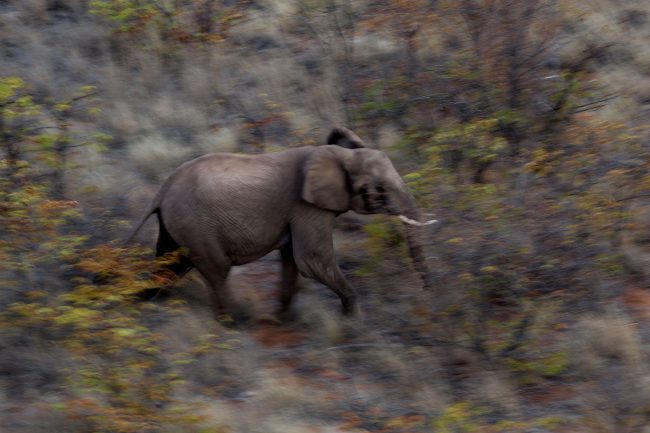
23 July 2018. Elephant Relocation from Venetia Limpopo Nature Reserve (South Africa) to Zinave Reserve (Mozambique). Picture: JAMES OATWAY

Our fascination with elephants is evident throughout the history of this site, and are heartened by actions taken toward increased conservation of these magnificent animals. Relocating large African mammals to new protected areas due to either habitat loss or overpopulation has successfully been done before, but the challenges continue.

Giants on the Move

Written by Patricia Sims, Co-Founder, World Elephant Day

Each year for World Elephant Day we put a lot of our elephant conservation attention toward the ivory poaching crisis threatening African elephants, and the tourism and captivity issues that the endangered Asian elephants face. Yet the larger conservation challenge of habitat loss for both African and Asian elephants is looming. Our increasing encroachment on elephant habitat throughout Africa and Asia is putting elephants at greater risk, resulting in human-elephant conflict issues, and the demise of elephant populations and the ecosystems that they, as a keystone species, maintain.

So what are the solutions? Can moving elephants – from one location where there isn’t enough space for them – to another location where there aren’t enough elephants, help solve this issue? At the heart of this critical elephant conservation conundrum is a partnership between the De Beers Group – the world’s leading diamond company – and Peace Parks Foundation, a leading not-for-profit organization focused on the preservation of large cross-border ecosystems. They have just completed the first phase of the largest and longest translocation of elephants ever recorded in South Africa. This translocation project is called “Moving Giants.

Continue reading

Spying On Whales, For Our Sake As Well As Theirs


Brannen-Reckoning-with-the-Almost-Satanic-Prospect-of-Twentieth-Century-Whaling

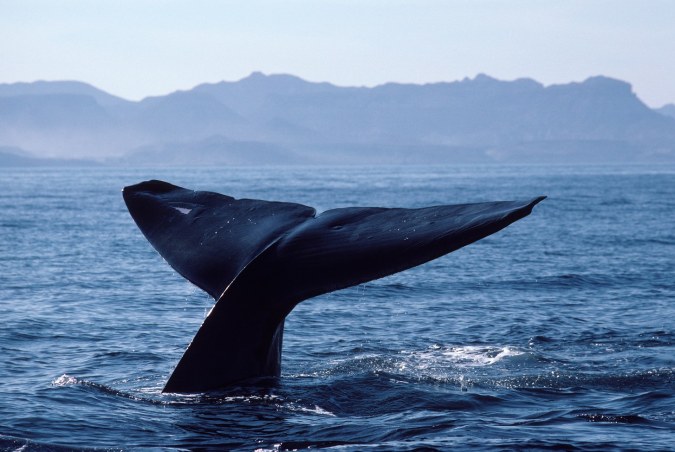
Whales are a powerful oceanographic force in their own right, one that begets even more life; many ecosystems are still straining to equilibrate from the effects of twentieth-century whaling. Photograph by Francois Gohier / VWPics / Redux

x400.jpgIt may be too late, but this is too important to pretend it does not matter. It is not too late to learn from our mistakes. Peter Brannen, a science journalist and the author of “The Ends of the World: Volcanic Apocalypses, Lethal Oceans, and Our Quest to Understand Earth’s Past Mass Extinctions” gets our thanks for this review in the New Yorker, titled We May Never Understand the Ocean-Wide Damage Done by Industrial Whaling:

A few months ago I learned that, as recently as 1972, General Motors was using sperm-whale oil in transmission fluid in its cars. I’m not sure why I was surprised to learn this. It took nearly another decade for much of the world to agree to ban commercial whaling, in 1982. (A handful of countries still ignore the ban.) But the detail about G.M. still struck me as anachronistic. The global pursuit of whales inescapably connotes the romance of nineteenth-century New Bedford and Nantucket: delicately embossed scrimshaw, Melville, oil paintings of stately twilit schooners setting out on the main. Not puke-green Chevy El Caminos. Continue reading

Big Cat News From India

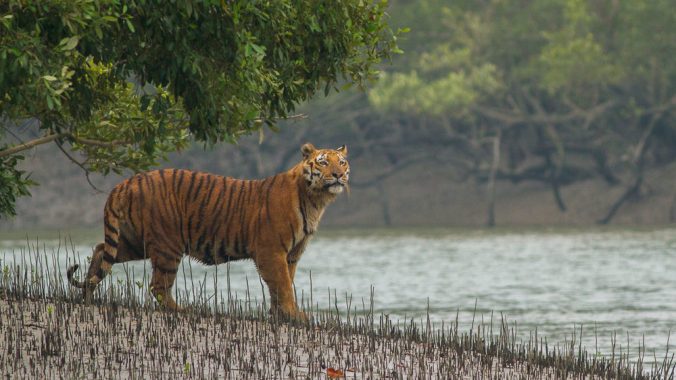
Sundarban_Tiger_SoumyajitNandy_Wikimedia_web.jpg

A tiger in the Sundarbans National Park, a protected tiger reserve, in the Indian state of West Bengal. SOUMYAJIT NANDY / WIKIMEDIA COMMONS

Richard Conniff, one of the science writers we most depend on for useful conservation news, shares this interview with one of our heroes from India’s big cat conservation network:

Big Cat Comeback: How India Is Restoring Its Tiger Population

Dr.-Ullas-Karanth_WCS_web.jpg

Ullas Karanth

Ullas Karanth has spent a half-century working to protect India’s endangered tigers. In an interview with Yale e360, he argues that with smart planning and the cooperation of its rural residents, the country could support five times the number of tigers it has now.

Ullas Karanth, a senior scientist with the Wildlife Conservation Society, is one of the world’s premier tiger experts and a leader in the effort to restore India’s depleted tiger populations. Raised in the South India state of Karnataka, he has spent much of his professional life studying and working to bring back tigers there, starting in Nagarahole National Park in the foothills of the Western Ghats, and then across a 10,000-square-mile region of that mountain range.

Karanth’s emphasis on scientific methods has frequently brought him into conflict with India’s forest bureaucracy, particularly over its insistence on estimating tiger populations based on footprint counts. Karanth instead pioneered the use of camera traps for population estimates based on identification of individual tigers. That method belatedly became the national standard after a 2004 scandal, when Sariska Tiger Reserve, officially estimated to have 26 tigers, turned out to have none. Continue reading

Virtual Immersion In Wilderness Via Live Feeds

Thanks to Rachel Riederer for this:

Bear Cam’s Captivating, Unedited Zen

Riederer-Bear-Cam.jpg

It’s innately satisfying to see a bear grab ahold of a salmon with its mouth and trundle off into the shallows with the fish still flapping in its jaws. Photograph by Jennifer Leigh Warner / Barcroft / Getty

One recent afternoon, I found myself spellbound by the brown bears of Alaska’s Katmai National Park, and spent longer than I care to admit watching them fishing and feasting on the sockeye salmon of Brooks Falls. Several bears stood in the water, facing the falls. They didn’t interact with each other much—at least not in a way that was legible to me—but quietly went about the business of fattening up for winter. I watched these Internet stars through a live stream popularly known as the bear cam, which provides a counterpoint to the hyper-produced prestige nature documentaries that use music, high-definition videography, and delicately placed cameras to turn wildlife activities into dramatic cinema. If “Planet Earth” is a Michael Bay production, the bear cam is not even a home movie—it’s CCTV. Continue reading

Read About This Place, These People, Their Food

660708410.jpg

Thanks to Blake and Jen for all their awesome work. Also thanks to Sara Ventiera (a new food and travel writer for us to follow!) and her colleagues at National Public Radio (USA) for keeping us connected to such heroics:

Meet The Restaurateurs Fighting To Save The Grand Staircase-Escalante Monument

restaurant_custom-85b7446a9674f688f4281aff18efef2ba28904ee-s1400-c85.jpg

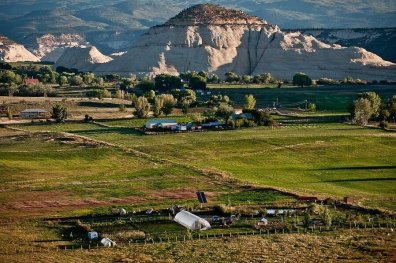
Hell’s Backbone Grill is located in Boulder, Utah, about 250 miles south of Salt Lake City. The restaurant’s owners are fighting Trump’s plans to slash the size of nearby Grand Staircase-Escalante National Monument by more than half. Ace Kvale

Standing between peach and cherry trees on her 6.5-acre Utah farm, Blake Spalding points to the Kaiparowits Plateau. The looming bluff is dotted with thousand-year-old pinyon pine and juniper trees.

“That is one of the areas they’re hoping to mine,” she tells a group of visiting chefs from Salt Lake City. “It’s full of dinosaur fossils and more than 650 documented species of wild bees.”

hells-542a80853d1900a1e76f2d1b4944854d744f9e94-s1400-c85.jpg

The remote and sustainable restaurant has become a destination for travelers seeking a taste of its terroir-driven fare. Ace Kvale

Nearly 20 years ago, Spalding and her business partner, Jen Castle, founded Hell’s Backbone Grill in Boulder, Utah, on the edge of the then-newly designated Grand Staircase-Escalante National Monument, about 250 miles south of Salt Lake City. The remote and sustainable restaurant has become a destination for culinary travelers seeking a taste of its terroir-driven fare. It’s an amalgam of Mormon pioneer, Western range cowboy and traditional Southwest flavors, like juniper lamb posole or grilled pork chops with Boulder crabapple barbecue sauce. Continue reading

Kittens Born At Alladale Wilderness Reserve

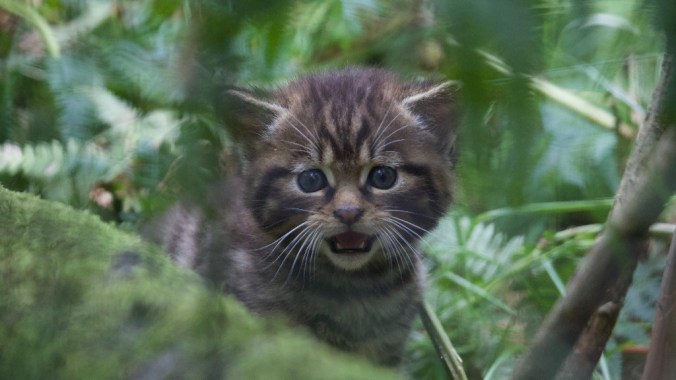
Kitten

Photographs © Innes MacNeill

Thanks to our friends at Alladale for sharing this with us yesterday. (to not disturb the kittens at this time, these photos by Innes MacNeill are from an earlier litter and further content will follow will about the new ones, so we recommend you subscribe here to their newsletter):

We have some wonderful news to share with you.

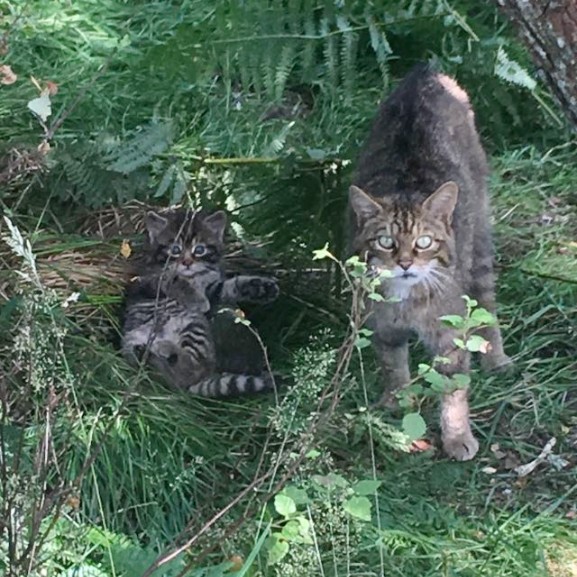
b29fcac2-a483-4917-b500-2d9b2f9167ef.jpeg

Photographs © Innes MacNeill

Conservation efforts for the critically endangered Scottish wildcat have had another boost as Alladale Wilderness Reserve welcomes the arrival of two kittens. These kittens, who are part of the captive breeding programme and whose parents were given the go-ahead for breeding following genetic testing by the Royal Zoological Society of Scotland (RZSS), have the potential to play a key role in the long-term conservation of this near-extinct native species.

Working together with RZSS, Scottish Wildcat Action and other wildlife conservation organisations across Scotland, Alladale Wilderness Reserve and The European Nature Trust (TENT) are supporting the development of effective, long term plans focused on wildcat recovery through reintroductions. This work follows other successful models of endangered cat conservation, like that of the Iberian lynx in Spain and Portugal whose population has been saved in recent years following numerous reintroductions. Continue reading

I’d Like To Spend Some Time In Mozambique

merlin_140018319_94bfdc4a-189d-4677-b377-eb8b81f1a037-jumbo.jpg

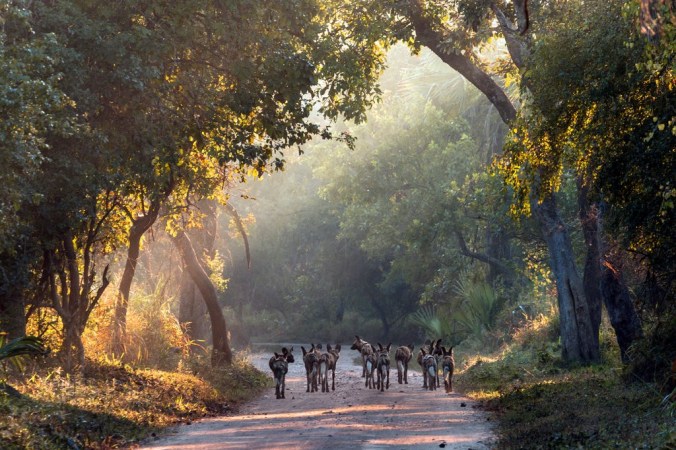
Wild dogs, apex predators missing from Gorongosa National Park for decades, have been reintroduced and are slowly making a comeback, part of an ongoing experiment in reviving the park ecosystem after years of devastating war. Credit Brett Kuxhausen/Gorongosa Media, via Associated Press

Thanks to one of our favorite science writers, the ever-optimistic Natalie Angier, for this note of hope:

In Mozambique, a Living Laboratory for Nature’s Renewal

At Gorongosa National Park, scarred by civil war, scientists are answering fundamental questions about ecology and evolution, and how wildlife recovers from devastation.

merlin_141449499_47b588fd-25e2-4c3c-81b1-1071419e6d19-jumbo.jpg

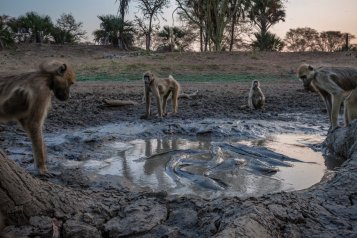
Baboons and sharptooth catfish in the Mussicadzi River in the park during the dry season. The baboons in Gorongosa are brazen and plentiful, as there aren’t many leopards to keep them in check. Credit Piotr Naskrecki & Jen Guyton/NPL/Minden Pictures

GORONGOSA NATIONAL PARK, MOZAMBIQUE — The 14 African wild dogs were ravenous, dashing back and forth along the fence of their open-air enclosure, or boma, bouncing madly on their pogo-stick legs, tweet-yipping their distinctive wild-dog calls, and wagging their bushy, white-tipped tails like contestants on a game show desperate to be seen.

Since arriving at the park three months earlier, as they acclimated to their new setting and forged the sort of immiscible bonds that make Lycaon pictus one of the most social mammals in the world, the dogs had grown accustomed to a daily delivery of a freshly killed antelope to feast on. Continue reading

Vegetarianism For Footprint Reduction

3000 (2).jpg

Replacing 50% of meat consumption with a vegetarian diet would push back the overshoot date by five days. Photograph: Scott Olson/Getty

Our vegetarian diet ambitions are strengthening for all kinds of reasons. Footprint reduction among them. Thanks to our colleague Mathis Wackernagel for his regular reminders of the anything but regular footprint growth humanity imposes on the planet each year:

Earth’s resources consumed in ever greater destructive volumes

Study says the date by which we consume a year’s worth of resources is arriving faster

Humanity is devouring our planet’s resources in increasingly destructive volumes, according to a new study that reveals we have consumed a year’s worth of carbon, food, water, fibre, land and timber in a record 212 days.

As a result, the Earth Overshoot Day – which marks the point at which consumption exceeds the capacity of nature to regenerate – has moved forward two days to 1 August, the earliest date ever recorded.

Earth Overshoot Day falls on 1 August this year – marking the point at which consumption exceeds the capacity of nature to regenerate

OverShot.jpg

Guardian graphic. Source: Overshootday.org

To maintain our current appetite for resources, we would need the equivalent of 1.7 Earths, according to Global Footprint Network, an international research organisation that makes an annual assessment of how far humankind is falling into ecological debt. Continue reading

Peacock Spiders!

Spider1.jpg

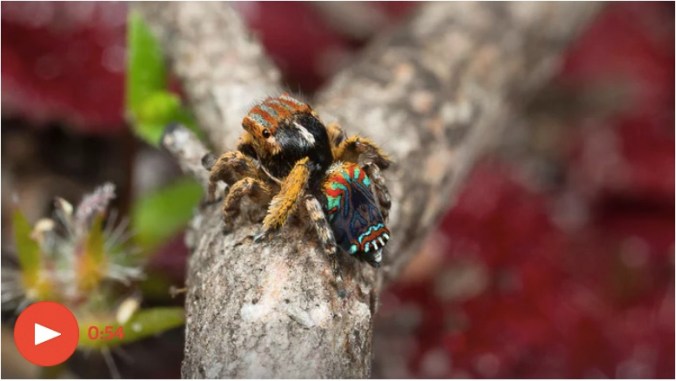
New peacock spider species filmed in Western Australia – video

Thanks to the Guardian for this reminder that nature is generous, bestowing vibrant colors in the most unexpected places:

Biologist Jürgen Otto and colleagues have named two species of the extraordinarily colourful dancing spiders

Spider2.jpgIt is only a few millimetres in size, performs a dance as part of a courtship ritual and has striking coloured markings on its back that “look like a pharaoh’s headdress”.

But when biologist Jürgen Otto first spotted the peacock spider species he has named Maratus unicup, he didn’t immediately recognise how special it was.

Join The Butterfly Count

3500 (6).jpg

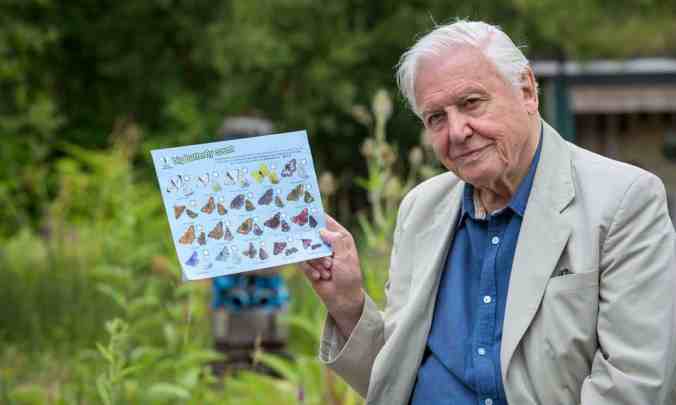
Sir David Attenborough launching the Big Butterfly Count in July 2017. Photograph: Butterfly Conservation/PA

Thanks to the Guardian for bringing this to our attention:

Sir David Attenborough urges British public to join butterfly count

Veteran broadcaster encourages people to take part in Big Butterfly Count and highlights mental health benefits of wildlife

Watching nature provides “precious breathing space” from the stress of modern life, Sir David Attenborough has said, as he urges people to take part in the world’s biggest butterfly count.

While the UK’s butterflies are basking in the best summer conditions in more than a decade, if the hot weather becomes a drought it could be catastrophic for the insects as plants wither and caterpillars starve.

The public are being encouraged to take part in the Big Butterfly Count over the next three weeks to help experts see how butterflies are faring and to enjoy the mental health benefits of watching wildlife. Continue reading

Plastic Straws Going, Going, Gone

gettyimages-497396938-c0057d75cb37fad8b412cd6413d77744e2063de2-s1100-c15.jpg

Marriott International became the latest company to announce it will stop using plastic straws, saying it would remove them from its more than 6,500 properties by next July. Justin Sullivan/Getty Images

We did not foresee the straw revolution gaining such momentum so quickly. But we are certainly happy to see it going mainstream, going global, going company-wide:

The days of plastic straws are drawing shorter.

Marriott International on Wednesday became the latest big company to announce it will stop using plastic straws, saying it would remove them from its more than 6,500 properties by next July. The giant hotel chain said it will stop offering plastic stirrers, too.

It said the environmentally friendly move could eliminate the use of more than 1 billion plastic straws and about 250 million stirrers per year. Marriott said its hotels will “offer alternative straws upon request.” Continue reading

Rewilding Croatia’s Velebit Mountains

0A2A4816-1.jpg

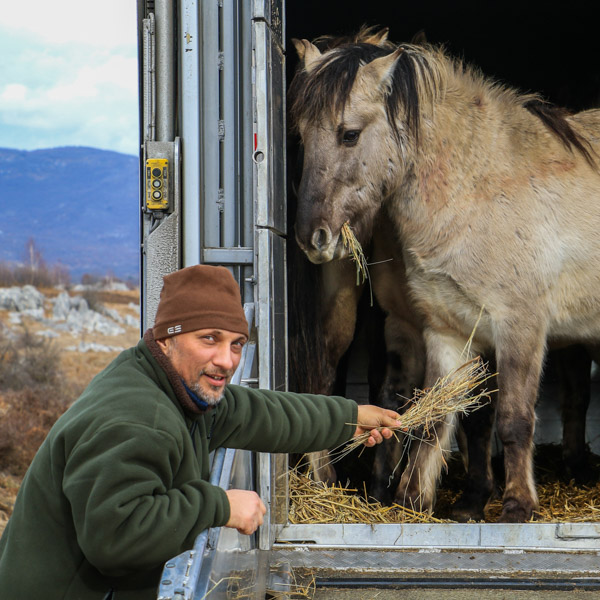
Davor Krmpotić
Team leader of Velebit Mountains

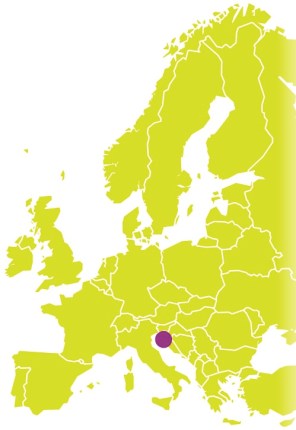
VelebitMap.jpgCroatia, playing in its first World Cup final today, makes this rewilding story from the Velebit Mountains, and interview with its team leader, timely:

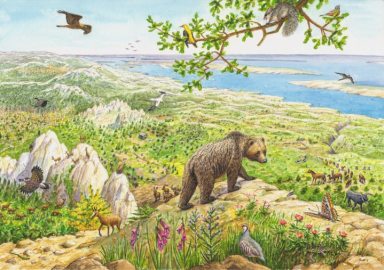
This dramatic mountain chain, right on the Adriatic coast in Croatia, is one of the wildest areas of the whole Mediterranean. A region where wild nature is really coming back.

Velebit is one of the most important natural areas in the Balkans and situated on the Adriatic coast of Croatia. It hosts two national parks, a biosphere reserve and several wonderful old-growth forests, deep canyons, ancient open lands and exciting wildlife like Balkan chamois, red deer, brown bear, wolf and lynx…

Velebit hosts a diversity of habitats

Velebit.jpgHow would you characterise your rewilding area?
Velebit is one of the most important natural areas in the Balkans. The area hosts an extraordinary diversity of different habitats, from barren Mediterranean landscapes at sea level, via vast beech forest of central European type, to almost boreal systems and alpine grasslands at higher altitudes. Outside protected areas in the south and east there are several other very interesting areas also with great rewilding potential, mainly consisting of abandoned farm and grazing lands. Apart from its fantastic wildlife, Velebit is also a climber’s paradise, home to spectacular caves and breathtaking sceneries. Continue reading

Rewild The Uplands?

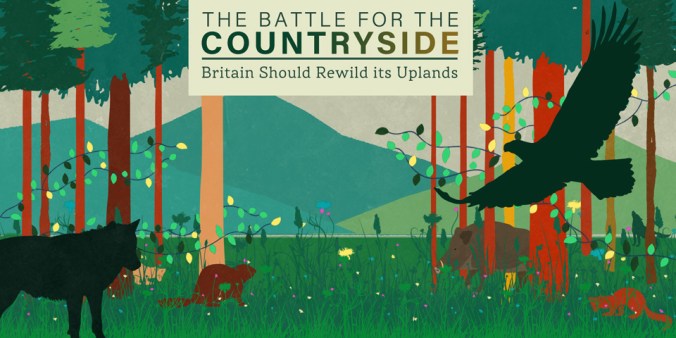
Poster_battle

Int2.jpgIntelligence Squared has an app that allows you to listen to their debates and lectures at your own convenience, on your phone or wherever, whenever you choose. If, like us, you have found the rewilding debate interesting, this is one you will want to listen to:

THE BATTLE FOR THE COUNTRYSIDE: BRITAIN SHOULD REWILD ITS UPLANDS

Imagine if swathes of the British countryside were allowed to be wild once again, if trees and rare plants could flourish and beavers, boars and white-tailed eagles could retake their place in the ecosystem. That’s the goal of the growing numbers of nature-lovers who support the idea of rewilding Britain’s uplands. We tend to think of these uplands as ‘wild’ and ‘natural’. But in fact, as the rewilders point out, they are entirely man-made, the result of clearances by man to make way for millions of sheep whose grazing over the last 200 years has rendered the land bare. Continue reading
Valorizing Places And Things We Love

One decade ago I made the journey to Rapa Nui while on an extended project in southern Chile. It was another bit of fortune that came with the occupation I accidentally found myself in. The video above, excerpted by the Atlantic from Max Lowe’s film, hints at the value tourism can infuse, as well as the perils it can represent, with regard to cultural heritage. We have long used the archaic word “valorization” to explain what we do as a company and the Celine Cousteau Film Fellowship seems to believe the same, in supporting Max’s film:

Tourism to a Dying Ancient Culture

“The modern world has come for our little island,” says Heu Rapu Haoa in Max Lowe’s short documentary, Amo. Heu is one of the 800 remaining speakers of his native tongue. His home, Rapa Nui, known widely as Easter Island, is one of the most remote inhabited islands in the world. Continue reading

Norway’s Plastic Innovation

4928

Infinitum recycling plant in Fetsund, Norway. Worker Michael Gebrehiwet is sweeping up paper from the bottles. Photo: Elin Høyland Photograph: Elin Høyland for the Guardian

Thanks to Matthew Taylor and colleagues at the Guardian for this news:

Can Norway help us solve the plastic crisis, one bottle at a time?

A bottle deposit hub on the outskirts of Oslo has had a stream of high-level international visitors. Can its success be replicated worldwide?

4436

Infinitum runs Norway’s deposit return scheme for plastic bottles and cans. Photograph: Elin Høyland for the Guardian

Tens of thousands of brightly coloured plastic drinks bottles tumble from the back of a truck on to a conveyor belt before disappearing slowly inside a warehouse on the outskirts of Oslo.

As a workman picks up a few Coke bottles that have escaped, Kjell Olav Maldum looks on. “It is a system that works,” he says as another truck rumbles past. “It could be used in the UK, I think lots of countries could learn from it.” Continue reading

A Mom’s Pride & Joy, Heirloom Berries

merlin_140240622_a8a6b30d-1d4d-4890-b8c9-00264de87c4e-jumbo.jpg

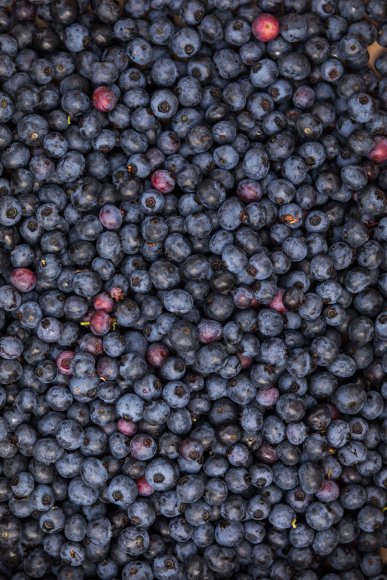
Heirloom berries growing outside the White home. Credit John Taggart for The New York Times

Pondering the future of a heritage dairy in Costa Rica is our 2018 summer pastime. The future of a heritage berry is a welcome distraction. With more moms like Jeanne Lindsay and more sons like Richard Stevens Jr. we can trust that the uniquely North American flavor produced on this farm is in good hands. Thanks to Rachel Wharton:

Rise Products Reduce Waste


merlin_136683216_717972aa-9b50-4c20-a0e1-7823ac25f3e8-jumbo.jpg

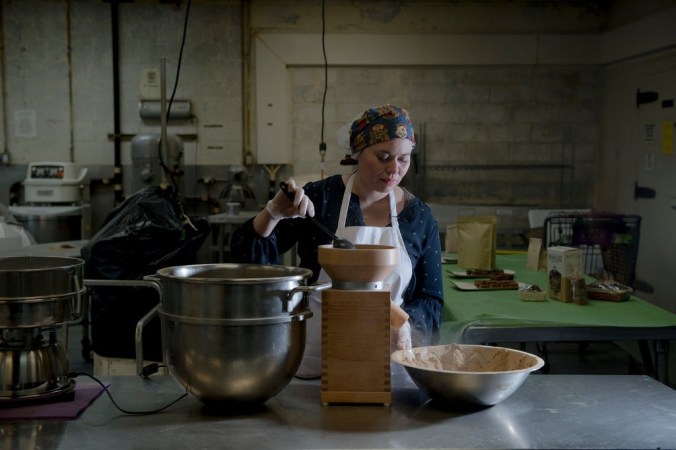
Bertha Jimenez milling flour at Rise Products’ temporary kitchen in Long Island City, Queens.
Ms. Jimenez, an Ecuadorean immigrant with a doctorate in engineering, helped develop a method for making flour from the grain left over after brewing beer. 
George Etheredge for The New York Times

Thanks to Larissa Zimberoff for this:

From Brewery to Bakery: A Flour That Fights Waste

merlin_136683021_001d3c91-70a2-4942-bbef-c40181c31510-jumbo.jpg

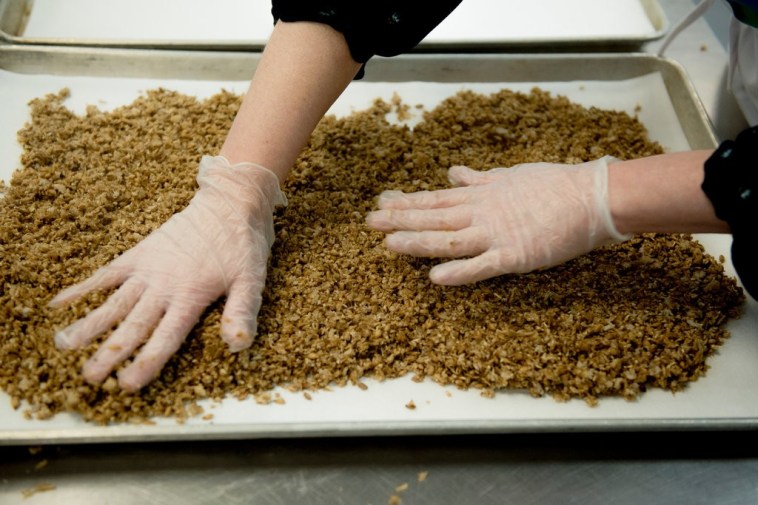
In a temporary commercial kitchen in Long Island City, Queens, Rise Products dries spent beer grains in an oven before they are ground, milled and sifted into a fine flour. George Etheredge for The New York Times

For some people, beer is the perfect end to a workday. For Bertha Jimenez, it’s the start of a new way to eliminate food waste.

Breweries throw out millions of pounds of used grain every day that could have other uses. While some is repurposed as animal feed, compostable products or heating fuel, little has been exploited for its value as food.

20flour-new2-jumbo.jpg

Because of the growing interest in reducing waste, many chefs and bakers are already eager to work with the flour. George Etheredge for The New York Times

But Ms. Jimenez, 35, has created a small start-up, Rise Products, that converts the grain into a flour that is finding its way into sustainable bakeries and kitchens in New York and as far away as Italy.

The potential for recycling beer waste first came into the cross hairs of Ms. Jimenez, an immigrant from Ecuador, while she was working toward her doctorate in 2015 at the Tandon School of Engineering at New York University. Intent on finding ways to reduce industrial waste, she started a side project with like-minded friends — most of them also immigrants — and craft beer provided an easy target: Everyone loved it, but it had issues.

Ms. Jimenez lives in Brooklyn, which at last count had 20 craft breweries that are tossing out grain. Ms. Jimenez and Ashwin Gopi, a classmate and a founder of Rise, began asking around for samples so they could figure out how best to reuse them. Continue reading

Insects, Underappreciated Often-Charismatic Fauna

4177.jpg

This article by Robin McKie, Observer science editor, will have you thinking differently about what are often called the pests of summer:

Where have all our insects gone?

There is a crisis in the countryside – and a massive decline in insect numbers could have significant consequences for the environment

4928 (1).jpg

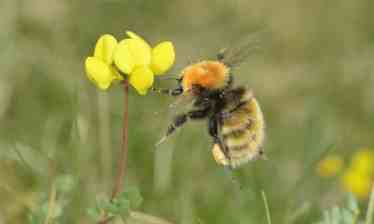
A great yellow bumblebee. Its numbers have declined steeply in recent years. Photograph: Alamy

When Simon Leather was a student in the 1970s, he took a summer job as a postman and delivered mail to the villages of Kirk Hammerton and Green Hammerton in North Yorkshire. He recalls his early morning walks through its lanes, past the porches of houses on his round. At virtually every home, he saw the same picture: windows plastered with tiger moths that had been attracted by lights the previous night and were still clinging to the glass. “It was quite a sight,” says Leather, who is now a professor of entomology at Harper Adams University in Shropshire. Continue reading
Decades Of Awareness, But Not Enough Action

Kolbert-HansenAnniversary

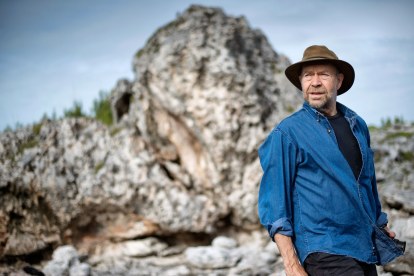
Thirty years ago, James Hansen, a scientist at nasa, issued a warning about the dangers of climate change. The predictions he and other scientists made at the time have proved spectacularly accurate. Photograph by Charles Ommanney / The Washington Post / Getty

I have always been appropriately alarmed by Elizabeth Kolbert’s articles and her comment pieces in the New Yorker. This brief comment below is alarming enough, but with a twist. Science has done its job, but we as citizens, business people, civic leaders have not acted with sufficient urgency considering the clear scientific evidence.

IMG_7014It may be true that scientists have not been the most compelling communicators, but that is no excuse for our inaction. As someone who left a scientific career developing a theoretical framework for entrepreneurial conservation in favor of opportunities to apply those ideas in the real world, I am in the same boat as a climate scientist. I look around today, after decades of best effort and I conclude that we have not accomplished enough in our practice. In our efforts to offer alternatives to messier forms of tourism, we have not accomplished enough. That is discouraging. But discouragement is not an option. We must find a better way to communicate that generates the required action for a less messy planet:

Listening to James Hansen on Climate Change, Thirty Years Ago and Now

On June 23, 1988—a blisteringly hot day in Washington, D.C.—James Hansen told a Senate committee that “the greenhouse effect has been detected and is changing our climate now.” At the time, Hansen was the head of nasa’s Goddard Institute for Space Studies, and though his testimony was certainly not the first official warning about the “greenhouse effect”—a report to President Lyndon Johnson, in 1965, predicted “measurable and perhaps marked changes in climate” in the decades to follow—it was the first to receive national news coverage. The Times ran the story at the top of the front page, with a graph showing a long-term rise in average global temperatures. Continue reading