Unlikely Underdog Progress

05TB-TORTOISE1-master768

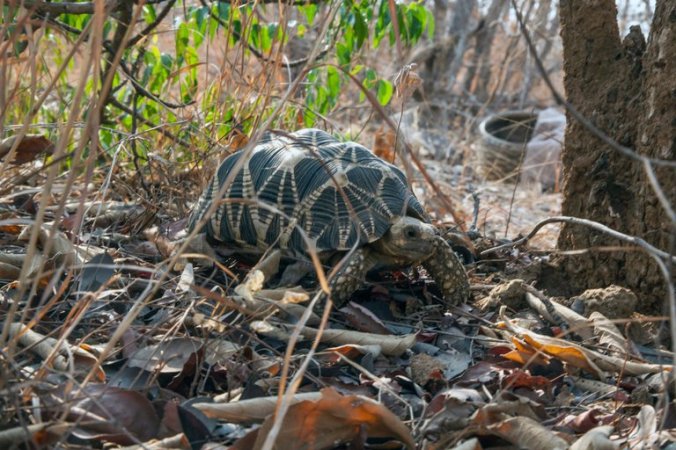
The Burmese star tortoise was declared functionally extinct in the early 2000s, but conservation efforts have helped the species make a comeback. Credit Eleanor Briggs

Thanks to Steph Yin for news out of Burma, of all places:

Slow and Steady, a Tortoise Is Winning Its Race With Extinction

The Burmese star tortoise was almost history.

By the early 2000s, the natives of central Myanmar’s deserts had dwindled to such low counts in the wild that ecologists declared them functionally extinct. Continue reading

Falling Foliage

forest-development_605

Photo by David Foster

 There have been net gains in forest cover in North America in the last century, including in the northeast, but some of the gains have given way to recent rapid loss:

New England is losing 65 acres of forest a day

Harvard report pushes for renewed focus on conservation Continue reading

Creative Solutions to Save a Universal Favorite

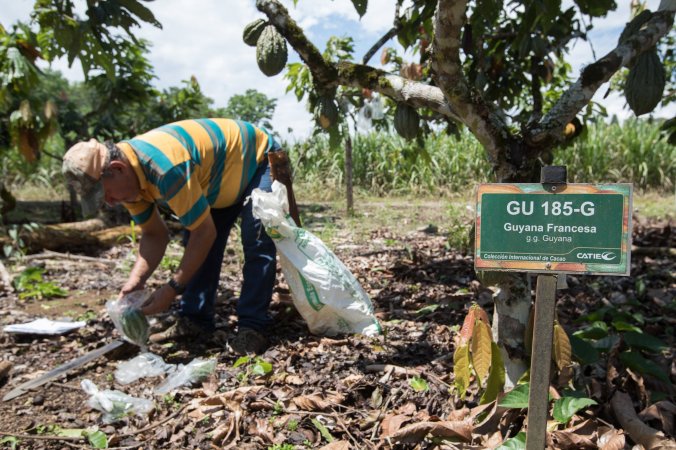
At the International Cacao Collection in Turrialba, Costa Rica, José Antonio Alfaro examined pods — which hold the seeds that make chocolate — treated to resist a devastating fungus. Only a few cacao varieties are widely cultivated, making them susceptible to outbreaks. Credit Mónica Quesada Cordero for The New York Times

As we transitioned from life in India back home to Central America this year, patrimonial foods, and the ecological considerations of food sourcing has been a primary interest. Our pages have featured stories about monoculture agriculture endangering a well loved crop: bananas and coffee have cycled through similar situations. Below is an example of experiments with hybridization probably saving a species.

A Battle to Save the World’s Favorite Treat: Chocolate

TURRIALBA, Costa Rica — The trees of the International Cacao Collection grow here in an astonishing diversity of forms, bearing skinny cacao pods with scorpion-stinger protrusions, spherical green pods that could be mistaken for tomatillos, oblong pods with bumpy skin resembling that of the horned lizard — all in colors ranging from deep purple to bright yellow.

Within each of these pods are seeds that yield something beloved by billions: chocolate.

But despite this diversity, few cacao varieties are widely cultivated, and that’s a problem: Like many other crops, cacao is under constant threat from diseases and environmental challenges exacerbated by our tendency to grow only a few varieties with similar or identical genetic traits and defects.

“Most varieties produced worldwide belong to a narrow set of clones selected in the forties,” said Wilbert Phillips-Mora, who oversees this collection of 1,235 types of cacao trees and heads the Cacao Genetic Improvement Program at C.A.T.I.E. (an acronym in Spanish for the Tropical Agricultural Research and Higher Education Center).

A narrow gene pool means that most commonly cultivated varieties of cacao are susceptible to the same diseases, and these blights can spread quickly.

Cacao production brought relative prosperity to the Caribbean coast of Costa Rica until the late 1970s, when farmers began to notice that pods on their trees were developing a fuzzy white fungal coating and eventually mummifying.

The fungus — Moniliophthora roreri, also called monilia or frosty pod rot — soon spread around the country, and by 1983 Costa Rican exports of dry cacao beans had declined by 96 percent. The industry here has never recovered.

Continue reading

Bison Awareness In Europe

21xp-bison-master768

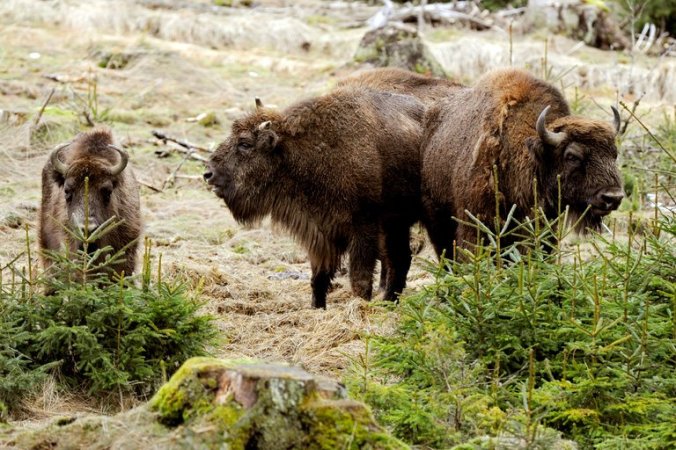
European bison near the town of Bad Berleburg, Germany, in 2013. Credit Marius Becker/Picture Alliance, via Associated Press

Bison in Europe have not been on our agenda for a while, though rewilding in Europe remains a topic we monitor and share here with regularity. Progress seemed more the rule than the exception; so this recent story from Germany takes us by complete surprise:

Last week, a rare wild bison was spotted wandering alone near the town of Lebus in eastern Germany. A local official, alarmed that the animal could be dangerous, ordered hunters to shoot it and one of them did, using a rifle to kill an animal that had not freely roamed Germany for several hundred years, conservationists say.

The killing of the mature male European bison on Sept. 14, which was first reported by local news outlets, set off an outcry among conservationists, who have worked to protect the species and increase its population. The World Wide Fund for Nature in Germany has begun a lawsuit against the local official who gave the order, Heiko Friedemann, setting off a state investigation before it goes to court. Continue reading

Coral Larvae To The Rescue, Thanks To Marine Biologists

00REEFS6b-superJumbo.jpg

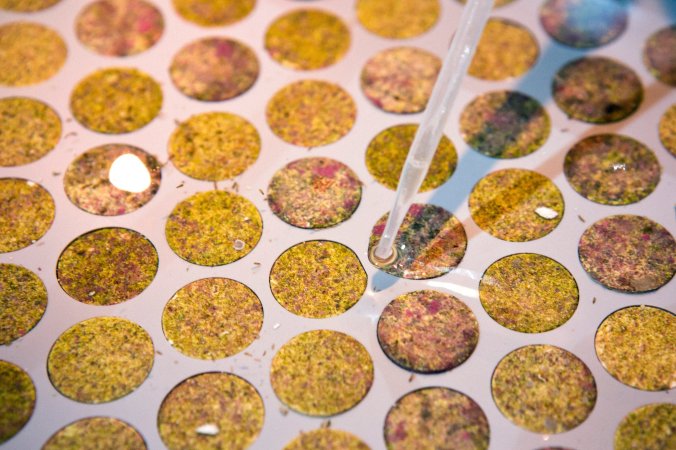
A researcher used a pipette to release coral larvae into trays to encourage settlement and growth. Credit David Maurice Smith for The New York Times

This feature story suggests that even as we stress nature on a global scale, there are creative scientists working on fixes for particular challenges:

Building a Better Coral Reef

As reefs die off, researchers want to breed the world’s hardiest corals in labs and return them to the sea to multiply. The effort raises scientific and ethical questions. Continue reading

The Conservation Model Of Martha’s Vineyard

YUP FOSTER MV COVER.jpg

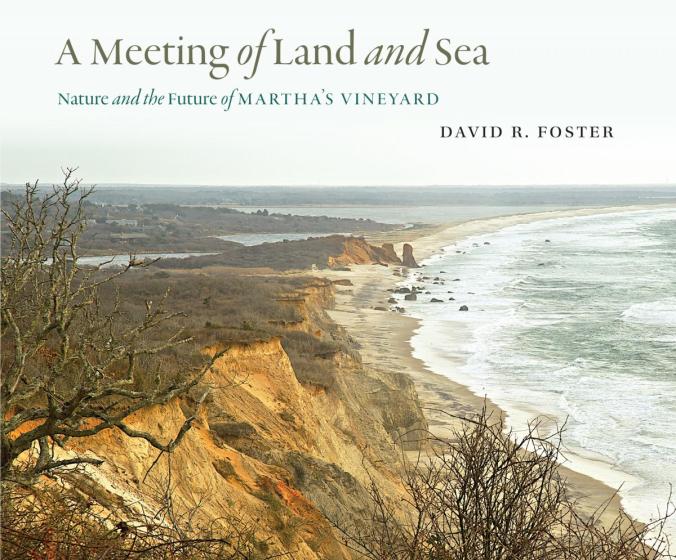
Whether or not you have been to Martha’s Vineyard, if you have been through our pages at all you will understand how this excerpt from the above book captures our attention and why we are interesting in tracking it down for a closer look:

The Vineyard landscape is distinct in many ways — most notably in land values, pace of development toward full build-out, the assemblages of plants and animals, and past success in land protection — but it typifies many qualities of Massachusetts and the greater New England region, including their conservation challenges. They share the history of agricultural and woodlot land use, the ongoing growth of their forests, the tension among farmed, open, and wooded lands, the relentless sprawl of development, the fragmentation of the land by many small, private landownerships, and the looming threats from climate change, sea level rise, insect outbreaks, and other stresses. Nevertheless, the Vineyard has put itself into a particularly strong position to address the looming challenges due to its expansive breadth of conserved lands, its forward-looking and Island-wide planning efforts and knowledge base about the landscape, and the capacity for ongoing land protection and stewardship. Continue reading

Collaboration in Lake Tana

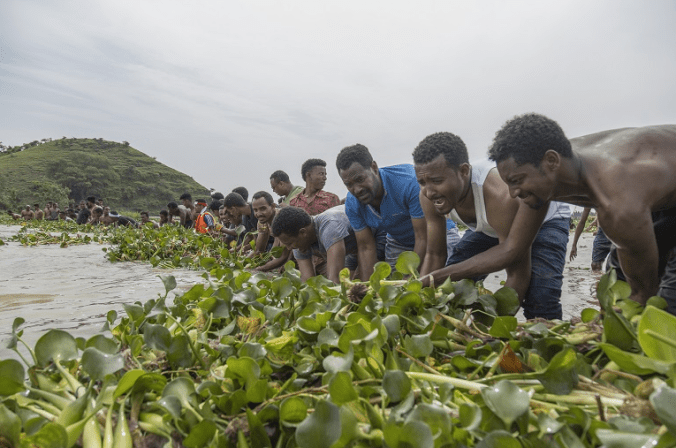
People come up with different strategies to remove as many weeds as they can. One of those is to stand in line and push segments of weeds together. Maheder Haileselassie Tadese/Mongabay

This isn’t the first time the subject of water hyacinth has shown up on this site – it would be impossible to spend seven years in Kerala without coming into contact with the invasive weed.

Innovative solutions abound to harvest the fast growing plant for the labor intensive creation of consumer goods, or creative farming techniques, but in cases such as Ethiopia’s Lake Tana, communities unite to attempt manual eradication.

Community pulls water-thirsty invasive weeds from Ethiopia’s Lake Tana

Last week thousands of people in northwest Ethiopia marched to Abay River and Lake Tana as part of the “Save Lake Tana” movement to remove invasive water hyacinth by hand. The free-floating, water-thirsty perennial can grow up to three feet tall and is swallowing the northeast shores of Lake Tana, impacting both aquatic habitat health and local fishermen.

Lake Tana is the source of the Blue Nile and the largest lake in Ethiopia. The lake is frequently used for transport, tourism, hydroelectric power generation, ecological conservation and fishery operations. It is home to 28 fish species, out of which 16 are endemic.

A team of university researchers discovered in 2012 that 20,000 hectares of the lake’s body was covered by invasive water hyacinth (Eichhornia Crassipes). Since then, it’s gone to a peak infestation of 40,000 hectares. At first, the hyacinth was mainly found in an area with three tributaries to Lake Tana. Continue reading

Cultural Conservation In A North American Indigenous Community

09culturecamp6-master675

Yurok dance feather regalia in cedar boxes, at Dave Severns’s camp on the Yurok Indian reservation. Credit Talia Herman for The New York Times

As important as cultural conservation is to us it gets half as much attention in these pages as nature conservation (a matter of life and death), so we are more than happy to share stories like this one (thanks to Patricia Leigh Brown) when they land on our desk:

09culturecamp5-blog427

Dance feather regalia dry in the sand, made by Dave Severns, whose culture camp teaches young men a nearly forgotten art form. Credit Talia Herman for The New York Times

KLAMATH, Calif. — The gathering known simply as “Uncle Dave’s camp” begins at daybreak on the pebbled banks of the Klamath River, the age-old spruce and redwoods on the bluffs shrouded in mist.

Here on the Yurok Indian Reservation near the Oregon border, so remote that certain areas have yet to receive electricity, young male campers sit on cedar logs while keeping tabs on a river rock heated in a fire. The rock, hand-hollowed and chiseled with basketry patterns, contains a molten glue made from the dried air bladders of sturgeons. The syrupy concoction is a crucial ingredient for making feathered headdresses, hide quivers, obsidian-blade sticks and other forms of ceremonial dance ornaments, or regalia, that are at once works of art and living conduits to the spirit world. Continue reading

Model Mad, National Monument Protection Coalition

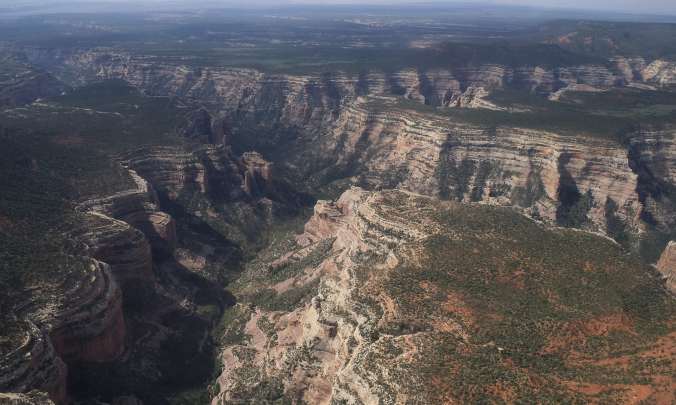
Arch Canyon, within Bears Ears national monument in Utah. Bears Ears is under threat from the Trump administration. Photograph: Francisco Kjolseth/AP

More examples of corporate social responsibility and activist collaboration taking the higher ground position over flawed public policy.

Native Americans and environmental advocates get help from outdoor retailers as they battle proposal to change monuments’ boundaries

Environmental activists, Native American groups and a coalition of outdoor retailers have vowed to redouble their efforts to protect public lands, after the US interior secretary, Ryan Zinke, recommended on Thursday that Donald Trump change the boundaries of a “handful” of national monuments.

“Secretary Zinke’s recommendation is an insult to tribes,” said Carleton Bowekaty, co-chairman of the Inter-Tribal Coalition, which asked Barack Obama to create the Bears Ears monument in Utah in 2015, citing increasing thefts and vandalism at more than 100,000 native cultural sites in the area.

Millions of petitioners have joined an urgently assembled advocacy effort to dissuade the Trump administration from moving against the monuments. On Friday, the outdoor retailer Patagonia, which spearheaded the industry initiative, said the group would continue its efforts. Continue reading

Paraguay’s Chaco Region

1-f_LUdJ744pFNFjVrM-NZXg

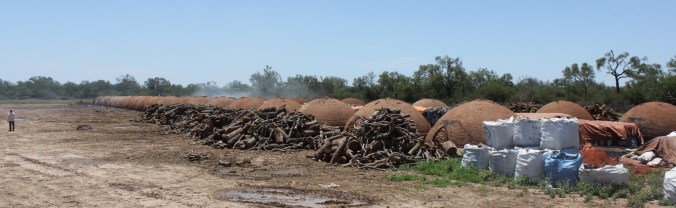
Bricapar charcoal facility at Teniente Ochoa ©Earthsight

The picture above, and the picture below, will suffice if you do not have the half hour required to read the details. Earthsight is a non-profit organization that uses in-depth investigations to expose environmental and social crime, injustice and the links to global consumption. One such investigation provides these images, and it is worth a read, especially if you are in Europe and you use charcoal for barbecue. Thanks to the folks in the Guardian’s Environment team for bringing the report and its consequences to our attention.

1-p3wv9-kVWxSHsitTi2BTEw

Figure 1: Jaguar photographed in the Gran Chaco forest ©Hugo Santa Cruz & Fundación Yaguareté

Choice Cuts

How European & US BBQs are fuelled by a hidden deforestation crisis in South America

Summary

On a vast, hot plateau in Paraguay, in the centre of South America, lies a little-known environmental crisis, and a dirty secret that can be traced to the supermarkets of Europe.

The dry tropical forests of the Chaco are being destroyed faster than any other forests on earth. The trees felled as a result of the advance of industrial agriculture into pristine wilderness are being turned into charcoal to feed demand in Europe.

Described by David Attenborough as “one of the last great wilderness areas in the world”,[1] the Chaco is home to a plethora of precious wildlife and one of the world’s last tribes living in voluntary isolation, the Ayoreo. Continue reading

Taste & Experience

organikos 100% (png)14 years ago, the word organikos crept into my vocabulary. My family’s company had recently been transformed from an advisory service to a management company. They were one year into the process of establishing protocols for “hospitality with sense and sensibility” and some generalizable principles for entrepreneurial conservation.

In the summer of 2003, having focused for the previous four years on rainforest conservation in the Osa Peninsula of Costa Rica, leveraging the economics of lodging and guided nature immersions, my family moved to France, to live in the 14th arrondissement of Paris. My brother and I would learn a new language and my parents would plan out a new business for when we returned to Costa Rica. They used organikos as a codeword for that future initiative. The initiative would provide the tastes–from beverages, spices, foods–associated with the places they had been working in recent years; it would provide those tastes as pre-experience of those places. Most obvious was coffee from Costa Rica.

HLMQualCertLOGO_ColoredCherriesThere were small experiments over the years since then, starting with a single estate coffee from Costa Rica’s Tarrazu region; then wine from the Croatian island of Hvar; then monsooned coffee from the Malabar coast of India.

Now my parents are planning their move back from India to our home in Costa Rica. And I am planning to spend the next couple years in graduate school. We are talking about Organikos again, and it looks like the time is right to formally launch it as a business. I will tell you about that as the idea develops. First, how about some Tarrazu single estate coffee? Hacienda La Minita was a pioneer in single estate coffee, an early inspiration for us in terms of tasting the place, and it continues to be one of our favorites. We can get it to you. And if you want to visit the estate, or get to know any other place in Costa Rica, we can help with that as well.
Taste The Place: Navajo Greenthread

tea1_vert-b01a1f88eb6ec914884123022d3526d05ef1a121-s400-c85

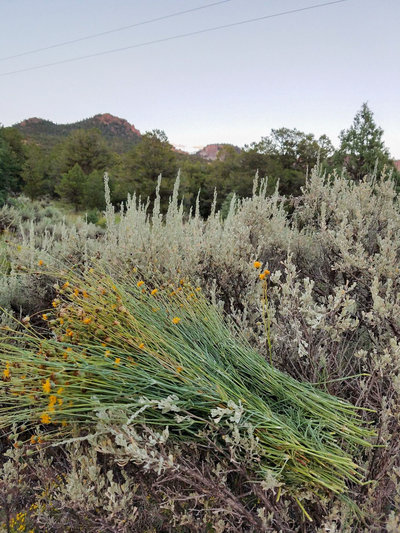
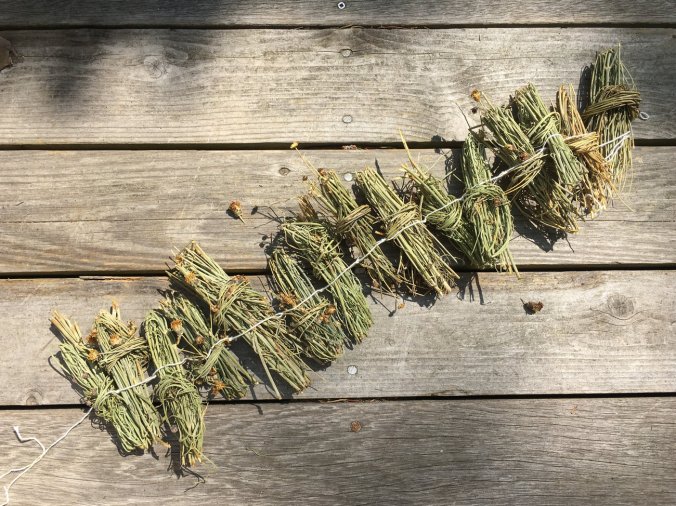
Greenthread (Thelesperma) is a wild plant that thrives in the mid-summer heat of the American Southwest. This bunch is freshly cut, and waiting for rinsing and drying to make Navajo tea. Courtesy of Deborah Tsosie

Give yourself a few minutes for this story about the link between seasonal produce and cultural patrimony:

In the dusty red earth of eastern Arizona’s portion of the Navajo Nation, the main road stretches out beneath the massive white-cloud sky and rubs against barren, chalky mesas; sometimes it skirts the deep, dry crack of a canyon stubbled with sagebrush. Small fields of corn occasionally sprout up beside the road, the short stalks still far from ripe.

But away from the road, tucked beside lakebeds or the foot of a hillside, a mid-summer visitor will find bright yellow flowers beginning to open. They are the crowning blooms of a thin plant that can grow up to two feet tall and which thrives in the heat of this arid region. Called greenthread (Thelesperma), it is used to make Navajo “tea.”

garland2_custom-1d9e1c90351b0643bdc75c5165546a671754eec4-s1300-c85

A garland of greenthread. The dried bundles are brewed with sugar or honey. Courtesy of Ada Cowan

Continue reading

Habitat Conservation via Travel Choices

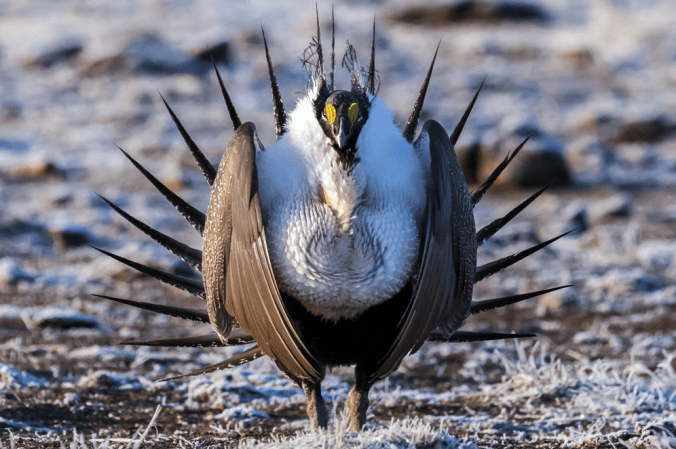
The greater sage grouse is a favorite among birders. Credit Rick McEwan


As protected areas and wildlife come under threat through lessening of restrictions on invasive oil and gas exploration, the importance of proving the economic value of conservation tourism become more and more evident.

Birders and Naturalists Ponder the Fate of the Greater Sage Grouse

Evan Obercian says it is the highlight of his Colorado birding tours every spring, even though he has to wake his clients up before 5 a.m. to be in the sagebrush flats before the sun comes up. And there they wait in Mr. Obercian’s van, listening to strange whoops and popping sounds that float magically from the predawn darkness.

The first rays of a new day’s sun reveal what is making the noise: large brown birds more than twice the size of a barnyard chicken, strutting and shaking while thrusting bulbous yellow air sacs out of their chests, and fanning a fantastic spread of pointy tail feathers. The bird is the greater sage grouse, and the sight is their spring mating ritual on their dancing grounds, called leks.

“It’s profoundly moving for me, and my clients,” said Mr. Obercian, “watching this ancient nuptial dance that’s been performed since way before there were any people on this land. It’s something way beyond just checking another bird off a list.”

The van acts like a blind, so the sage grouse do not notice that people are nearby, watching. Sometimes the grouse will dance right up to the tires. Birders are under strict orders not to get out, because as Mr. Obercian says, sage grouse “are very sensitive.” Continue reading

Forest Pathways For Species Survival

22CORRIDORS2-master675

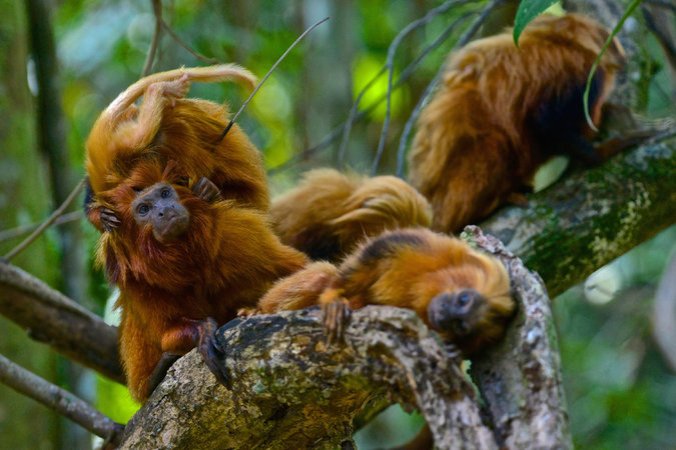
The golden lion tamarin has been observed passing through some of these corridors, an encouraging early sign for researchers. Credit Kike Calvo, via Associated Press

Thanks to Brad Plumer and the commitment of the New York Times to continue covering the complex topic of climate change in interesting, and sometimes hopeful ways:

Stitching Together Forests Can Help Save Species, Study Finds

In the 1980s, an ecologist named Thomas Lovejoy conducted an unusual experiment in Brazil’s Amazon rain forest. As loggers moved in with chain saws to clear trees for cattle pasture north of Manaus, he asked them to leave untouched several small “islands” of forest to see how the animals within them fared.

The results were unsettling. Continue reading

Weather Waves and Habitat Changes

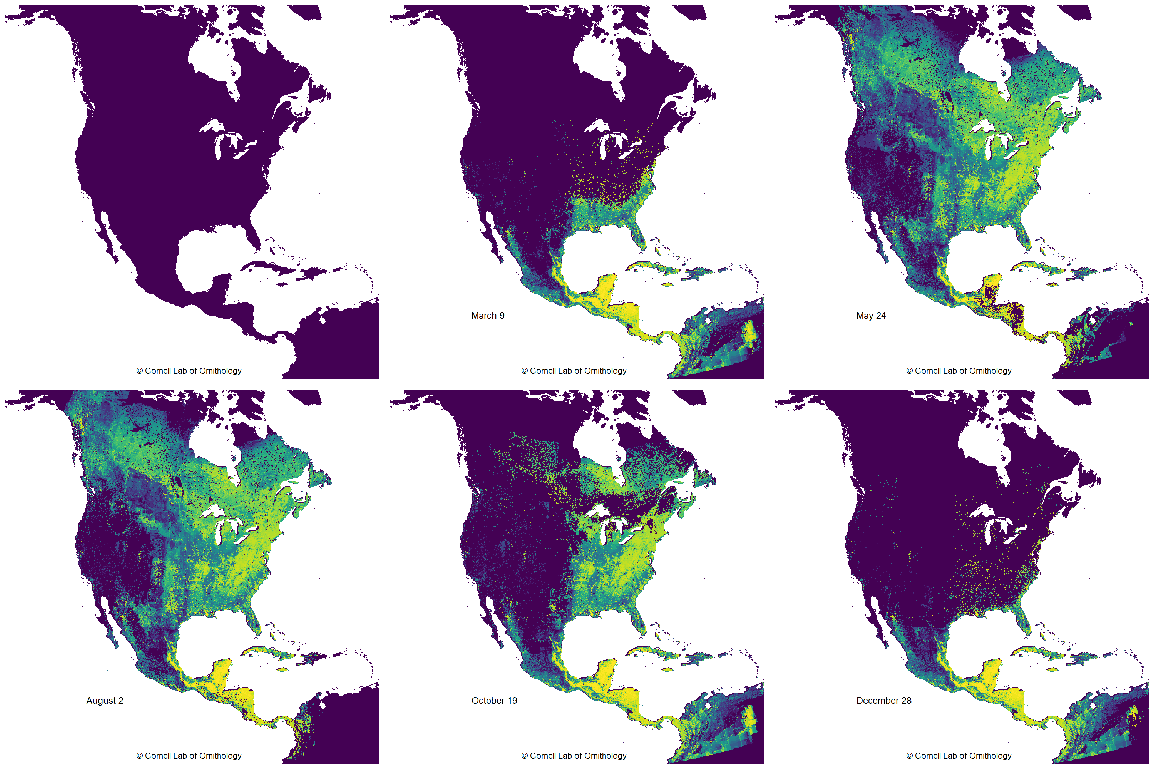
This animation shows where the 21 species in the study occur during each week of the year. Brighter colors (yellows) indicate more species are present than darker areas (blues and purples); overall, the species spend more time in Central American wintering grounds than on their northern breeding grounds. Map and animation by Frank La Sorte.

Once again eBird data and the Cornell Lab of Ornithology studies highlight the importance of forest conservation for species survival, as seen in Climate Change Or Habitat Loss? Study Weighs Future Priorities For Conserving Forest Migrants:

Birds are among the first to let us know when the environment is out of whack. But predicting what might happen to bird populations is tricky. Studies often focus on a single issue or location: breeding grounds or wintering grounds, changes in climate, loss of habitat. But in the real world, nothing occurs in isolation. A new study just published in the journal Global Change Biology pulls the pieces together. Continue reading

Ubiquitous and Sublime

photo credits: Richard Kostecke

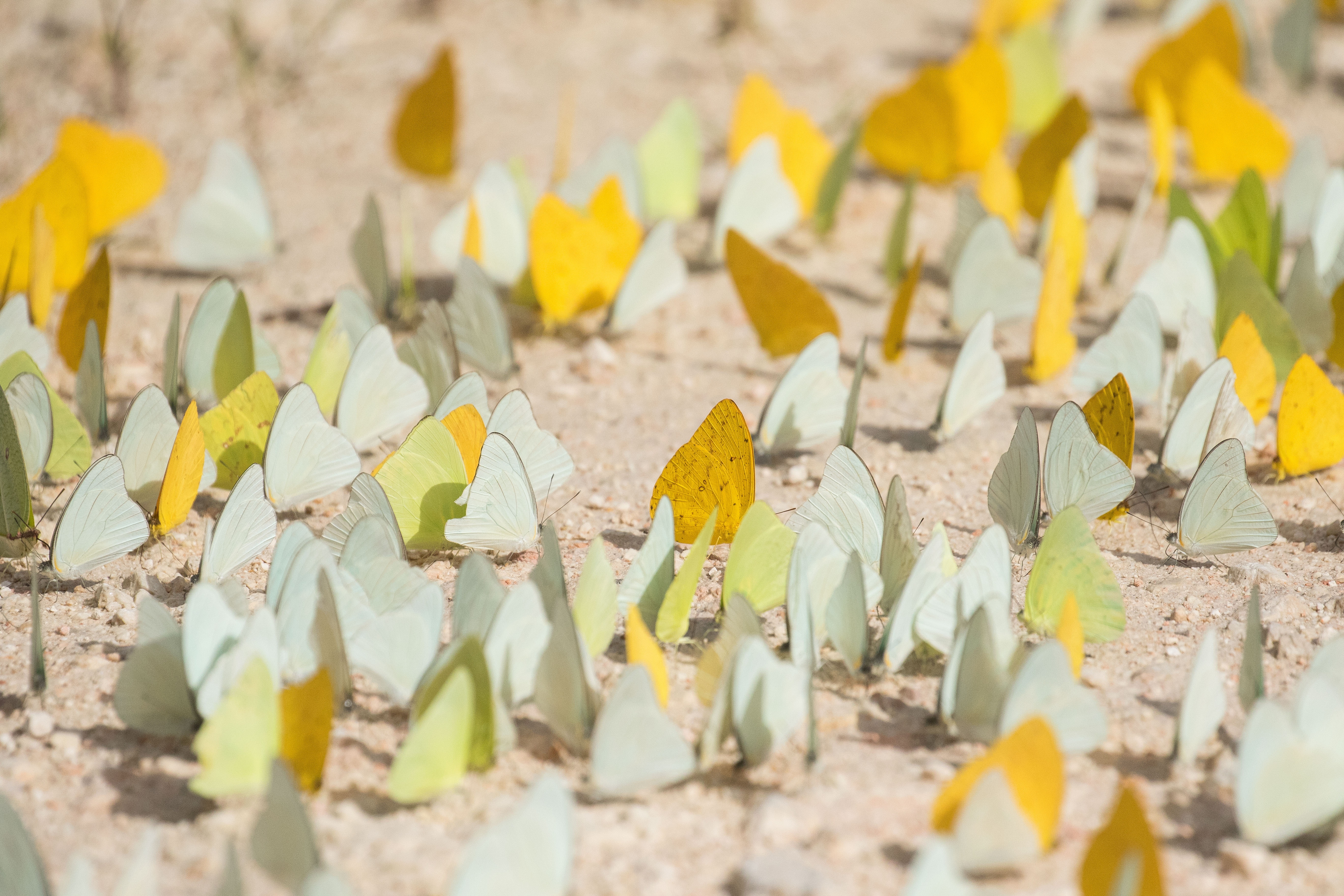
The sources we frequent for stories of interest appears to proclaim it butterfly season. So it’s incredibly timely that contributor Richard Kostecke should have sent us  these beautiful photos of Sulfurs and Whites “puddling” along the road to Chan Chich Lodge. Continue reading

Scotland, Land Of Butterfly Resurgence

5151

For a second day in a row, a butterfly story catches our attention. Small stories of unexpected good fortune are always welcome:

Rare butterfly spotted in Scotland for the first time since 1884

Elusive and endangered white-letter hairstreak discovered in a field in the Scottish borders could become the 34th species to live and breed in the country Continue reading

A Highway For Monarchs

Monarch-migration-map

Interstate 35, which stretches from Minnesota to Mexico, lies in the heart of the monarchs’ migration route.

Thanks to Janet Marinelli and the team at YaleEnvironment360:

Can the Monarch Highway Help Save a Butterfly Under Siege?

The population of North American monarch butterflies has plummeted from 1 billion to 33 million in just two decades. Now, a project is underway to revive the monarch by making an interstate highway the backbone of efforts to restore its dwindling habitat. Continue reading

Conservationists And Public Servants Collaborate In South Texas

14butterfly4-master675

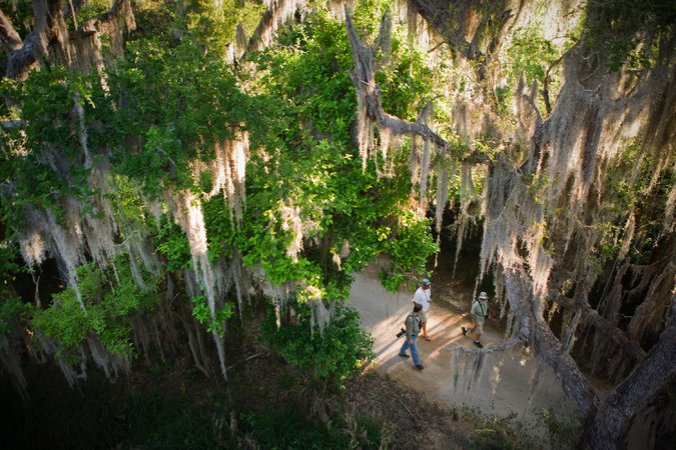
Birders walking under trees draped in Spanish moss in the Santa Ana National Wildlife Refuge near Alamo, Tex. The border wall would traverse the refuge. Credit Michael Stravato for The New York Times

Thanks to Michael Hardy and the New York Times for this coverage of an unwanted, disruptive intruder:

MISSION, Tex. — Last month, Marianna Wright, the executive director of the privately owned National Butterfly Center here, discovered survey stakes on the property marking out a 150-foot-wide swath of land.

Ms. Wright later encountered a work crew cutting down trees and brush along a road through the center. The workers said they had been hired by United States Customs and Border Protection to clear the land.

“You mean my land?” Ms. Wright asked, before kicking them out. Continue reading

Sunlight and Seaweed

Daniel Poloha/shutterstock.com

Thanks to the Conversation for highlighting the potential of this inspiring technology.

How farming giant seaweed can feed fish and fix the climate

Bren Smith, an ex-industrial trawler man, operates a farm in Long Island Sound, near New Haven, Connecticut. Fish are not the focus of his new enterprise, but rather kelp and high-value shellfish. The seaweed and mussels grow on floating ropes, from which hang baskets filled with scallops and oysters. The technology allows for the production of about 40 tonnes of kelp and a million bivalves per hectare per year. Continue reading