America’s Best Idea Just Got Better

In our current political climate we continue to applaud those who stand up for science, nature and culture. It’s been particularly heartening to watch the steward’s of our national parks create a virtual protective shield around the vision they’re charged to protect.

My personal standing ovation goes to the partially anonymous park ranger who spends his spare time creating downloadable maps of all our country’s national parks, by state, from A to Z. (F, Q, U and X seem to be the only letters missing…) In addition to maps, site visitors find all sorts of experiential tips to prepare for safe exploration.

Glacier Maps

If you’re looking for a Glacier map, you’ve come to the right place; currently I’ve collected 28 free Glacier National Park maps to view and download. (PDF files and external links will open in a new window.) Here you’ll find a bunch of trail maps, along with other maps such as campgrounds and the shuttle bus. You can also browse the best-selling Glacier maps and guidebooks on Amazon. Continue reading
Model Mad, Jane

4256.jpg

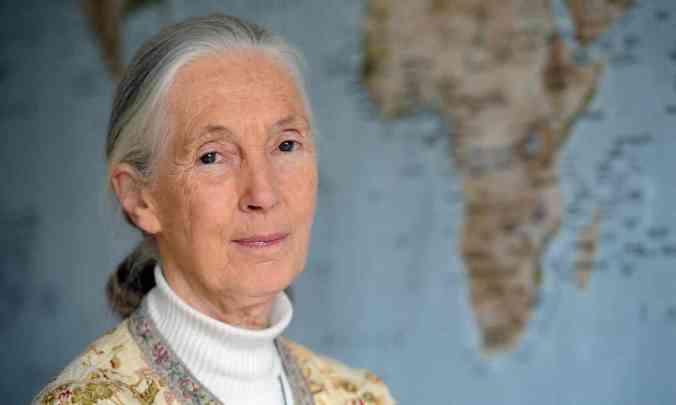
British scientist Jane Goodall: ‘ I have seen the result of climate change and we know, science has shown, that global temperatures are warming.’ Photograph: Bertrand Guay/AFP/Getty Images

Seed Vault Deposit

We have shared a couple times in the past about the seed vault, but just now it has come to our attention again in this press release from last month, provided by The Crop Trust, which reminds us of the meta-agriculturalist Cary Fowler, whose 2009 Ted talk is worth another quarter hour after a quarter hour on the short film above:

MAJOR DEPOSIT TO WORLD’S LARGEST SEED COLLECTION IN THE ARCTIC OVERSEEN BY THE CROP TRUST | GOPRO SUPPORTS CROP TRUST WITH NEW VIDEO AND PLEDGE DRIVE

SVALBARD, NORWAY – 22 February 2017A major seed deposit critical to ensuring global food security was made to the Svalbard Global Seed Vault in the Arctic Circle today. Continue reading

Seeing Sequoias Surprises

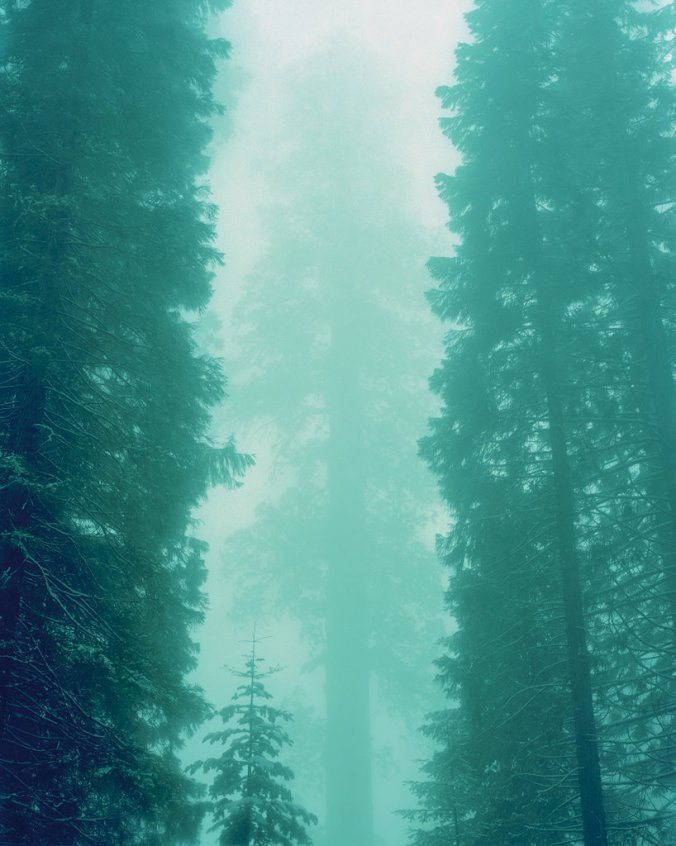
26mag-26sequoias-t_CA0-jumbo.jpg

Titans in the fog in Sequoia National Park, California. CreditDavid Benjamin Sherry for The New York Times

A Decade Since The Last Flight Of The Scarlet Macaw

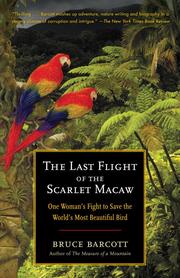
The+Last+Flight+of+the+Scarlet+Macaw.jpgWhen a book like this comes recommended, book reviews from a decade earlier are as fresh and relevant as ever:

…When McPhee wrote “Encounters With the Archdruid,” the American conservation movement was a religious and mystical force. It may still be so today, but the movement now employs nearly as many big-city lawyers and consultants as any corporation hoping to develop a mine, oil field or… dam. They’re out in force in Bruce Barcott’s new book, “The Last Flight of the Scarlet Macaw: One Woman’s Fight to Save the World’s Most Beautiful Bird,” the story of a bitter fight against a dam in western Belize. No, it doesn’t sound thrilling (which is doubtless why the publisher kept the word “dam” out of the title), but Barcott, a contributing editor at Outside magazine and the author of “The Measure of a Mountain: Beauty and Terror on Mount Rainier,” makes it so, mashing up adventure travel, biography and nature writing in a steamy climate of corruption and intrigue…

It is not the first time this book has been recommended to me, but yesterday a fellow hotelier in Belize mentioned it when describing his getting to know someone central to the book’s story, and this  reminded me that I still had not touched the book. It is, I am told, a must read.  Bruce Barcott provided an excerpt of his book back when it first came out, so I have just started.

Let Sleeping Bears Lie

25tb-hibernation-top-superJumbo.jpg

A black bear, which has been sedated, and her cub in a den in Massachusetts. Credit Mark Wilson/The Boston Globe, via Getty Images

Thanks to the science writer Steph Yin for this one:

Waking From Hibernation, the Hard Work of Spring Begins

For animals that hibernate, making it to spring is no small feat. Torpor — the state of reduced bodily activity that occurs during hibernation — is not restful. By the time they emerge, hibernating animals are often sleep-deprived: Continue reading

Why We Use eBird, A How-To Primer Explaining Our Motivations

Chan-Chich-Lodge-logoThis article published by Audubon (click their banner below to go there) continues to provide fresh illumination on the basics of eBird; also on why we have made eBird central to our birding activities for guests in recent years, and why Chan Chich Lodge is collaborating with the Lab of Ornithology this Global Big Day event .

AudubonLogo

Since its launch in 2002, eBird has revolutionized the way birders worldwide report and share their observations. A joint project by the Cornell Lab of Ornithology and Audubon, eBird is a free online program that allows birders to track their sightings, while other birders watch and search in real-time. Articles have been written about eBird with mind-bending titles like, “eBird Changed My Life” and “The Agony and Ecstasy of Surrendering to eBird.” In a front-page science headline in 2013, The New York Times called it “Crowdsourcing, for the Birds,” and concluded that eBird is “a revelation for scientists” and gives birders “a new sense of purpose.” Continue reading

Salmon On Northeastern USA Rivers

shadinhopper-1260x708

American shad in fishlift in Holyoke Dam on Connecticut River in Holyoke, MA. Courtesy of Connecticut Department of Energy and Environmental Protection

Of all North America’s Atlantic salmon rivers none compared in size or productivity with the 407-mile-long Connecticut River that drains Vermont, New Hampshire, Massachusetts and Connecticut. But early in the 19th century all strains of salmon uniquely adapted to this sprawling system (at least 25) had been rendered extinct by dams. Continue reading

Please Support Sierra Club On This Initiative

rtaImage

Photo credit: B. Bartel/USFWS

We know that most of our readers on this platform, and most guests we serve at the various properties we have developed and managed over the years, care deeply about primary forests and the ecosystems they support. Here is a chance to vocalize together with one of the influential organizers of vocalization:

Help Protect Tongass National Forest: Stop the Clearcutting

They’re about to start their chainsaws. Timber companies are trying to clearcut one of the most primeval wild places — and this is our last chance to stop them.

Alaska’s Tongass National Forest is nothing short of magical: it contains centuries-old trees and one-of-a-kind wilderness, home to animals like Alexander Archipelago wolves and bald eagles. Your voice is needed to pressure Congress to bring an end to old growth logging and save the Tongass for our children and grandchildren.

Take action today to save the Tongass National Forest.

Responsible Fish-Sourcing, 2.x

image1-25-_custom-3db4ae8eae0b5e55705a0a56736bb1277bb1d1e3-s1400-c85

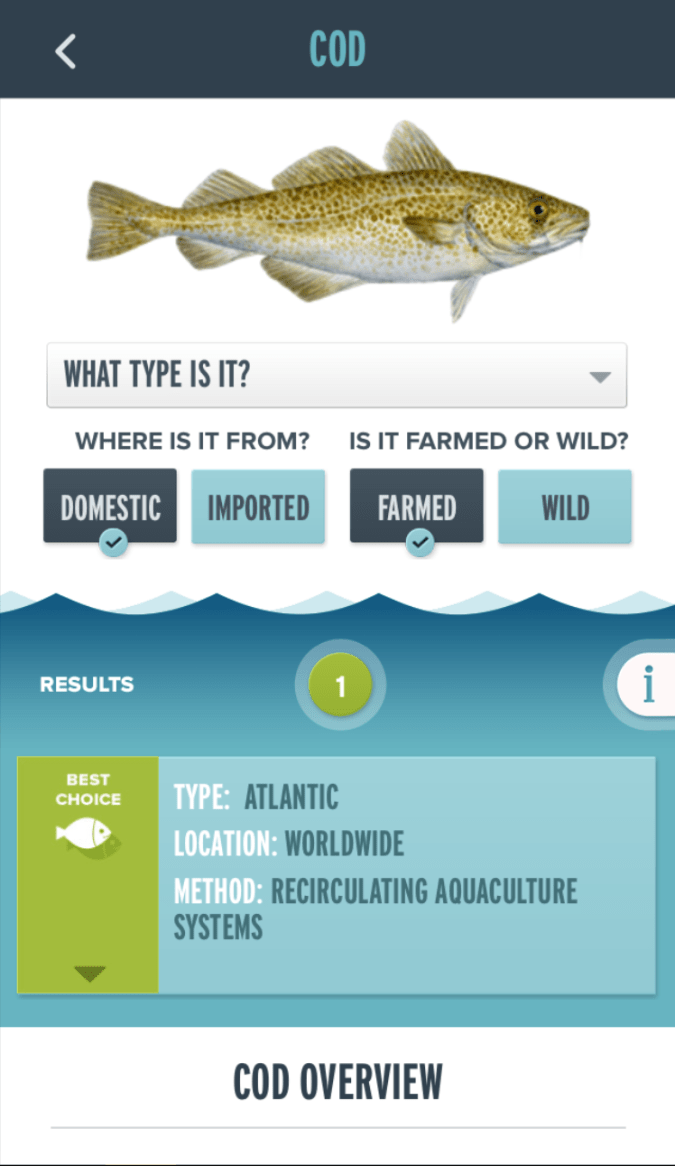
Monterey Bay Aquarium Seafood Watch App best choice recommendations for cod. Screenshot by NPR

Rules change. Guides get updated. Staying on top of this topic requires effort. But it is worth it. Thanks to the folks at the salt for an acknowledgement that choosing fish in a responsible manner is no easy task, even for those regularly paying attention:

This month, I ventured to ask the man behind the counter at a Whole Foods Market what kind of shrimp he was selling. “I don’t know,” he replied. “I think they’re just normal shrimp.” I glanced at the sustainable seafood guide on my phone. There were 80 entries for shrimp, none of them listed “normal.”

What about the cod? Was it Atlantic or Pacific? Atlantic. How was it caught? I asked. “I’m not sure,” he said, looking doubtfully at a creamy fish slab. “With nets, I think. Not with harpoons.” Continue reading

Massive Scale of Discovery In Remaining Forests Inspires, Raising The Stakes For Conservation

Douglas Adams @ 65

It has been four years since we last noted his birthday and the most recent public event we can find now is this video is from two years ago.  65 is a suitable birthday to merit coming back to a favored writer and thinker with a small celebration. Neil Gaiman, starting at about nine minutes in to this video, pays fitting tribute to his friend, and ours, and what may have been his most important work.

Borneo Bridge Not Needed, Thank You

6060

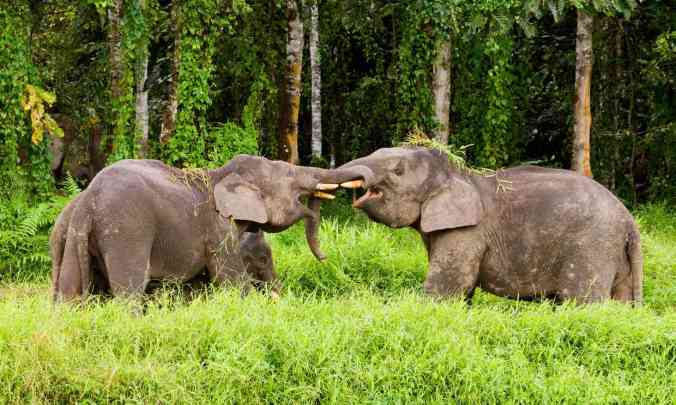
Pygmy elephant males play-fighting near the Kinabatangan river in Borneo. Photograph: Alamy

What he said:

David Attenborough attacks plan for Borneo bridge that threatens orangutans

Endangered pygmy elephants and orangutans threatened by scheme for Kinabatangan Wildlife Sanctuary

David Attenborough and Steve Backshall have joined conservationists and charities asking officials in Borneo to reconsider a bridge that threatens one of the last sanctuaries of the rare pygmy elephant.

Continue reading

Patagonia’s Defense Of Bears Ears

PatagAd.jpg

This banner was displayed during the last 12 hours across more than one of the news websites we monitor daily, perhaps showing up on our browsers because of our featuring a reference to Patagonia’s activism here. We had also recently noted their action on Bears Ears. Regardless of why this banner ad reached us, we are happy to extend its reach. Click above if you are in a position to explore and take action on this particular campaign.

Chan Chich Wildlife

CCLBoard.jpg

A couple weeks back, there were a string of remarkable sightings, recorded by guests in a series of photos and then listed on the board by the Chan Chich Lodge reception area. That was a good preview for what happened yesterday, when guests arriving to the Lodge encountered a mature jaguar crossing the road. Continue reading

Demanding Action From Those Accountable

3110

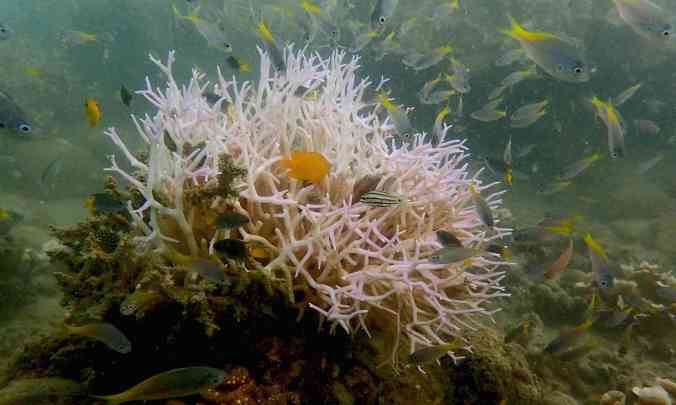
Newly bleached coral on the Great Barrier Reef near Palm Island in February. Photograph: Australian Marine Conservation Society

We could not have said it better:

As the Great Barrier Reef faces the return of coral bleaching, why are Mantra, Accor and Marriott still silent on Adani? Continue reading

Thank You National Public Radio (USA)

gettyimages-461032685-d9e390da618284547ffcceb14e2c93177fe08e0a-s1400-c85.jpg

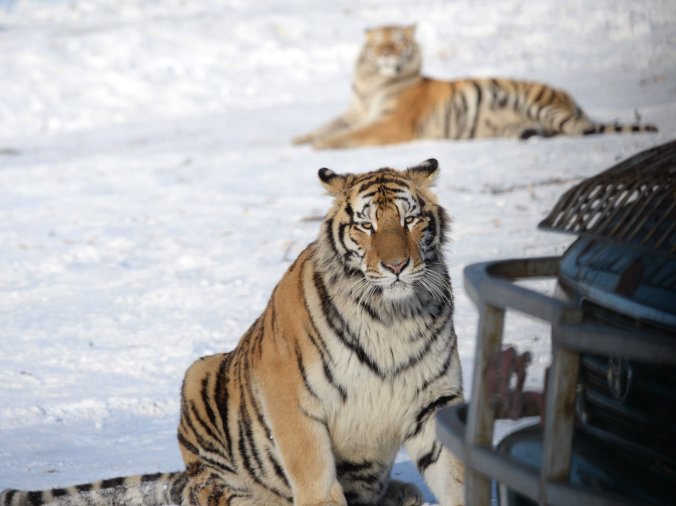
In this 2014 photo, two Siberian tigers rest beside a gamekeeper’s vehicle at the Harbin Siberian Tiger Park in China’s Heilongjiang province. Goh Chai Hin/AFP/Getty Images

We watched this video, from a link on social media that sometimes offers excellent, informative material related to the animal kingdom, wilderness, and conservation; but this turned our stomach so we are happy that NPR gives it exactly the kind of attention it deserves:

The Problem With That Video Of Tigers Squaring Off With A Drone

By Colin Dwyer

The video of about a dozen hefty Siberian tigers chasing and batting a flying drone from the sky seemed a lighthearted reprieve from the more serious news of the day. But since sharing the footage, we’ve become aware that it may conceal a darker story. Continue reading

Oh Amazon, Where Art Thou?

time-lapse-tablet.jpg

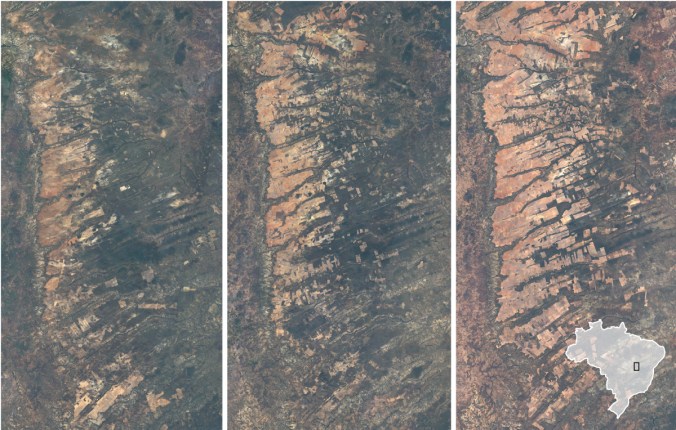
By The New York Times

It is a heavy read, but now is not the time to shrink away from the tough news. Something can be done, and something must be done. Soon. Thanks to the New York Times for the reporting on this topic:

Amazon Deforestation, Once Tamed, Comes Roaring Back

A decade after the “Save the Rainforest” movement captured the world’s imagination, Cargill and other food giants are pushing deeper into the wilderness. Continue reading

Forest Attrition Distance

24tb-forests-master768.jpg

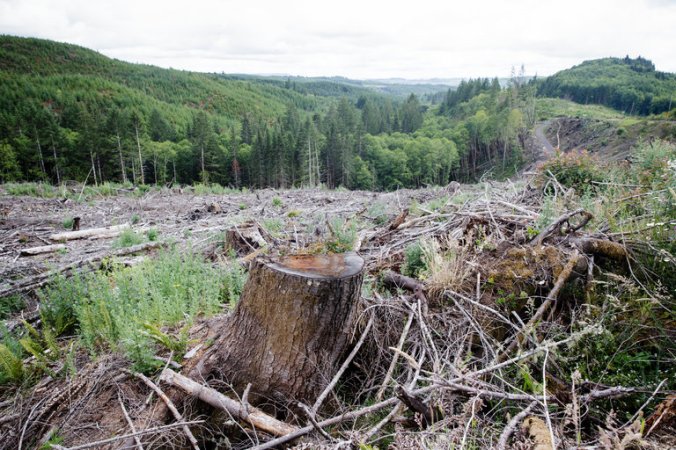
A forest in Oregon along Highway 30, part of which has been clear-cut. Researchers say the average distance to the nearest forest from any point in the continental United States widened in the 1990s. Credit Leah Nash for The New York Times

Thanks to the Science section of the New York Times, for the description of the research as well as for the name of the measurement:

How Far to the Next Forest? A New Way to Measure Deforestation

The Future Of News

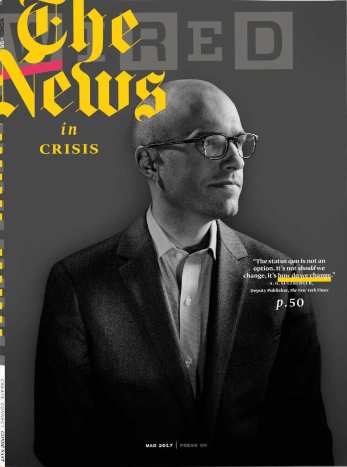
2503_cover_beigeThe purpose of this, where I am typing this just now, is to share information. Sometimes that information comes in the form of a personal story, which is highly subjective but informative about the challenges, the innovations, and accomplishments related to conservation and the wellbeing of communities around the world. We depend on the New York Times for this kind of information every day, and more days than not we link out to stories they publish related to the environment, community, or other topics of interest on this platform; so this story matters to us:

ARTHUR GREGG SULZBERGER doesn’t remember the first time he visited the family business. He was young, he says, no older than 6, when he shuffled through the brass-plated revolving doors of the old concrete hulk on 43rd Street and boarded the elevator up to his father’s and grandfather’s offices. He often visited for a few minutes before taking a trip to the newsroom on the third floor, all typewriters and moldering stacks of paper, and then he’d sometimes go down to the subbasement to take in the oily scents and clanking sounds of the printing press. Continue reading