An NBA Star and a Campaign to Protect Sharks

Yao Ming has teamed up with the conservation nonprofit WildAid to spread the word that shark fin soup bears bad news. PHOTO: Toshifumi Kitamura/AFP/Getty

Yao Ming has teamed up with the conservation nonprofit WildAid to spread the word that shark fin soup bears bad news. PHOTO: Toshifumi Kitamura/AFP/Getty

Yao Ming may now be a retired professional basketball player but him making it to the  All-NBA Team five times is not a forgotten feat. That and the fact that at the time of his final season, he was the tallest active player in the NBA, at 2.29 m (7 ft 6 in). Ming, who was born in Shanghai, China, started playing for the Shanghai Sharks as a teenager. Now, miles away from the court, his life is still closely linked to the sharks – the animal kind. Ming is a strong advocate on protecting sharks and is pushing for a ban on shark fin soup, a delicacy that significantly contributes to the estimate of 1 in 4 sharks now being endangered.

The number of sharks in our seas has been steadily decreasing for decades. About 100 million sharks a year are killed — 73% of those are targeted for their fins, which are usually cut off before the shark is left to die.
Continue reading

The Greenest Island in the World?

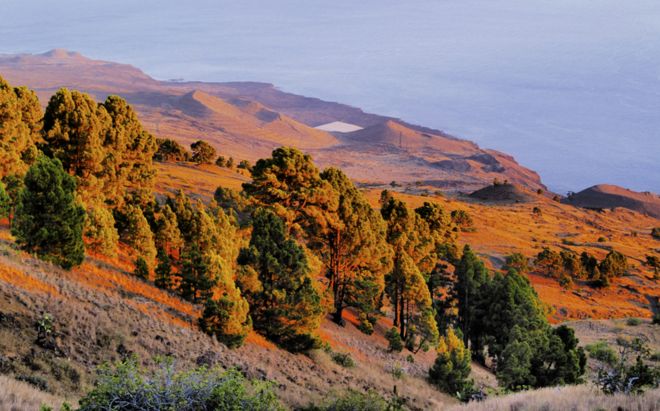
The smallest and most isolated of the Canary Islands, El Hierro, has a way of combining hydro and wind power that may allow it, one day, to get all its energy from renewable sources. PHOTO: BBC

The smallest and most isolated of the Canary Islands, El Hierro, has a way of combining hydro and wind power that may allow it, one day, to get all its energy from renewable sources. PHOTO: BBC

The question is not about who has the densest forests or flora resources showing up high estimates in green. It is one of keeping up a sustained model of efficient use of alternative and natural sources of energy. And on that front, El Hierro seems like it’s well on its way to self-sufficiency on the energy front.

For more than 30 years, El Hierro has been dreaming of becoming self-sufficient. And this year it took a big step forward. At the end of June its new hydro-wind facility, Gorona del Viento, came fully on stream and in July and August it provided roughly half of the island’s energy needs.That means the island’s 10,000 inhabitants are suddenly less reliant on supplies of diesel arriving over unpredictable seas from Tenerife, 200km away. In July, Gorona del Viento saved 300 tonnes of fossil fuels, but that is predicted to rise to 500 tonnes per month before long – the equivalent of saving 40,000 barrels of oil and 19,000 tonnes of emitted CO2 per year.

Continue reading

A Bird Prized for its Ivory

The illegal trade in elephant tusks is well reported, but there's a type of "ivory" that's even more valuable. It comes from the helmeted hornbill - a bird that lives in the rainforests of East Asia and is now under threat. PHOTO: Science Photo Library

The illegal trade in elephant tusks is well reported, but there’s a type of “ivory” that’s even more valuable. It comes from the helmeted hornbill – a bird that lives in the rainforests of East Asia and is now under threat. PHOTO: Science Photo Library

Throughout history, the human desire for ivory—used in products from jewelry to piano keys to priceless religious art objects—has far outmatched efforts to stop the killing of elephants for their tusks. A smaller, feathered species, too, feels threatened thanks to the ‘prized’ casque it wears on its head: the Helmeted Hornbill.

Helmeted hornbills live in Malaysia and Indonesia. On the islands of Sumatra and Borneo their maniacal calls and hoots resonate through the rainforest. They have a reputation for being secretive and wary, though, and you’re more likely to hear them than see them.They have good reason to be shy – thousands are killed each year for their casques, shot by hunters who sell the heads to China. Between 2012 and 2014, 1,111 were confiscated from smugglers in Indonesia’s West Kalimantan province alone. Hornbill researcher, Yokyok Hadiprakarsa, estimates that about 6,000 of the birds are killed each year in East Asia.The casque, for which hunters are willing to risk arrest and imprisonment, is sometimes referred to as “ivory”. It’s a beautiful material to carve, smooth and silky to the touch, with a golden-yellow hue, coloured by secretions from the preen gland – most birds use their heads to rub protective oils from this gland over their feathers, legs and feet.

Continue reading

The Game of Demolishing History

The entrance to the main building of Japan's iconic Hotel Okura in Tokyo. An outcry from architectural preservationists couldn't stop the demolition to make way for a high-rise tower. PHOTO: Yoshikazu Tsuno/AFP/Getty Images

The entrance to the main building of Japan’s iconic Hotel Okura in Tokyo. An outcry from architectural preservationists couldn’t stop the demolition to make way for a high-rise tower. PHOTO: Yoshikazu Tsuno/AFP/Getty Images

What’s the prize you pay to host the most prestigious event in sporting history? If your answer is breakneck development that is low on sustainability, spares not a thought on protecting what’s natural/native to the land – then you score points in Tokyo. Workers have started tearing down a Japanese landmark — the Hotel Okura. The Okura is a treasure of 1960s modernist design and has hosted every American president since Richard Nixon, Hollywood royalty and actual royalty.

Continue reading

As Wild As It Gets

Greg Carr says Gorongosa is a “human development and conservation project". PHOTO: BBC

Greg Carr says Gorongosa is a “human development and conservation project”. PHOTO: BBC

What does it take to restore a wildlife hotspot? To put some animals back in, develop and sustain the environment so more animals return, and hold up the model as a means to uplift communities, and thereby the nation? The answer is Gorongosa National Park – a Mozambican safari paradise.

In 1962, six-year-old Vasco Galante was treated to his first cinema trip – to see Charlton Heston in the Hollywood epic, The Ten Commandments. But despite the blockbuster’s eye-popping sequences, the images that most impressed young Vasco came from a short advert shown before the film, which showcased the elephants, lions and buffalo in the verdant floodplains of Gorongosa National Park – a Mozambican safari paradise once marketed as “the place where Noah left his Ark”.

As he left the Lisbon picture house, young Vasco vowed to visit the park one day, and more than 40 years later, he finally got the chance. But the park he encountered was a far cry from the Gorongosa of ’60s showreels that once attracted the likes of John Wayne, Joan Crawford and Gregory Peck. A brutal 15-year civil war in the aftermath of Mozambique’s independence from Portugal in 1975 had devastated much of the province, and Gorongosa, one of its key battle grounds, was almost destroyed.

Continue reading

Giving Food a Longer Life

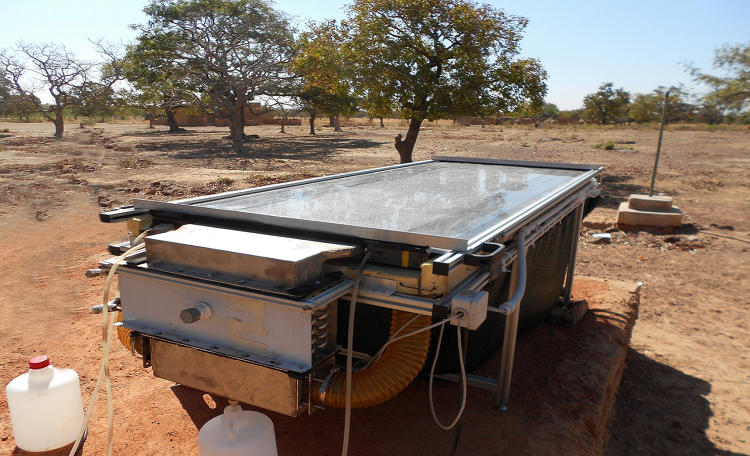
The FoodWa, which comes in two sizes, and is like a big ventilated box. The smaller "Batch" version can handle about 11 pounds at a time. PHOTO: CoExist

The FoodWa, which comes in two sizes, and is like a big ventilated box. The smaller “Batch” version can handle about 11 pounds at a time. PHOTO: CoExist

Each year, the world loses or squanders a third of the food it produces. This means that somewhere between planting seeds in fields and providing nourishment to the world’s 7 billion people, approximately 1.3 billion tonnes of food with a value of more than US$1 trillion is lost or wasted. These numbers are simply untenable in a world where, according to Food and Agriculture Organization, some 870 million people do not have enough to eat. In fact, according to the FAO-commissioned study that tallied these numbers, if just one-fourth of lost or wasted food were saved, it could end global hunger.

And drying food, to prevent it from rotting during storage, maybe a solution. A clean, green solution especially with the FoodWa system that uses solar energy to dry foods.

Continue reading

Where World Heritage Sites Meet

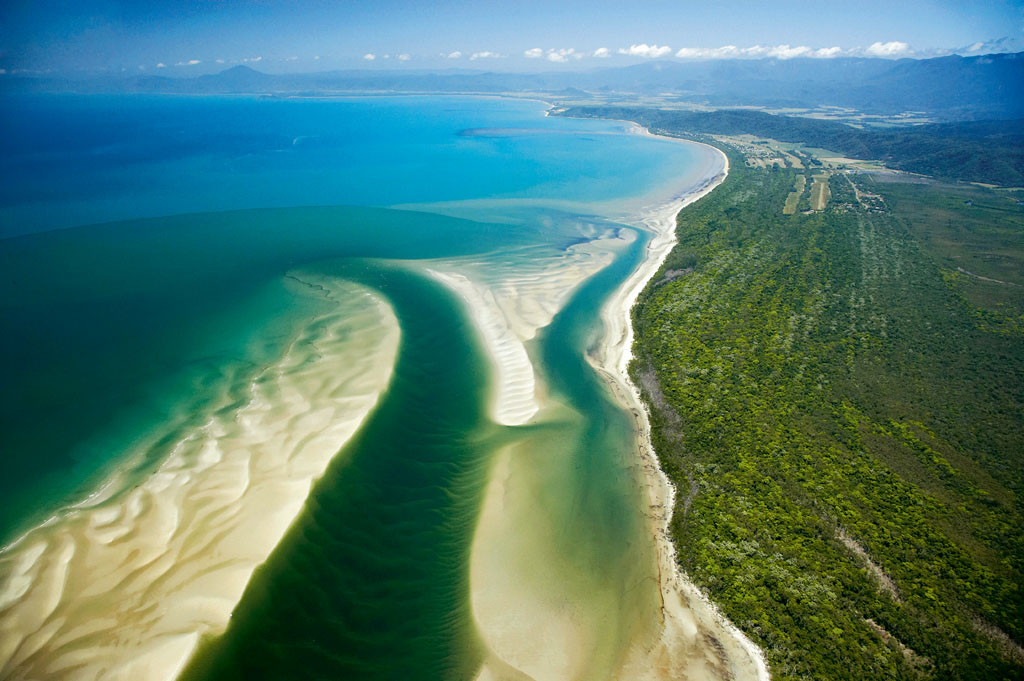
A variety of birds, frogs, and crocodiles can be spotted while cruising the mangrove-lined Daintree River. Photo: David Wall/Dinodia

A variety of birds, frogs, and crocodiles can be spotted while cruising the mangrove-lined Daintree River. Photo: David Wall/Dinodia

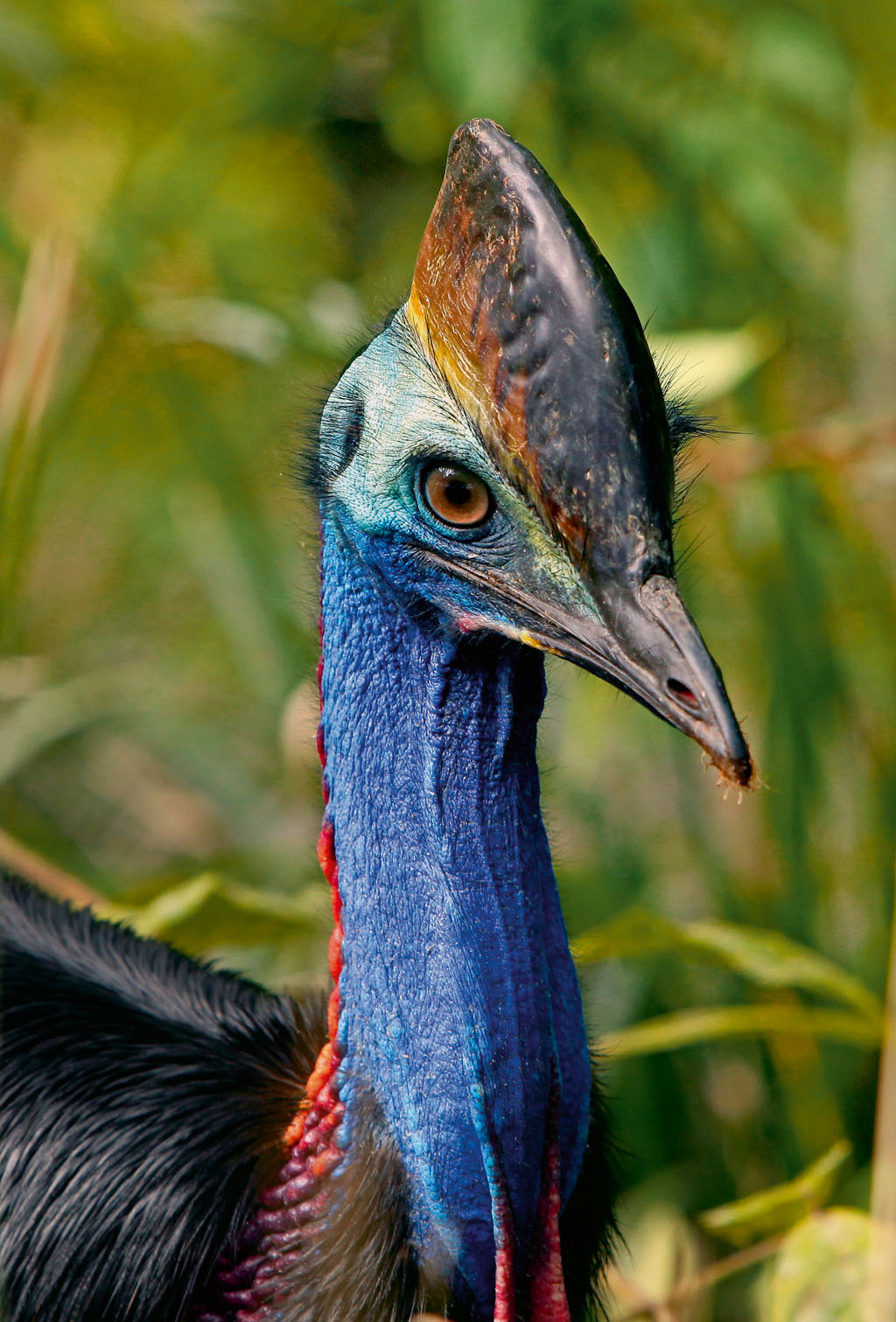
Unique to Australia, the flightless cassowary bird lives a solitary existence for most of its life. It is integral to the survival of many of the plants of this rainforest. Photo: CCOPhotostockBS/Dinodia

Unique to Australia, the flightless cassowary bird lives a solitary existence for most of its life. It is integral to the survival of many of the plants of this rainforest. Photo: CCOPhotostockBS/Dinodia

The list of the World Heritage Sites, as recognized by UNESCO, is a goldmine of history, natural and cultural patrimony. It tells of places and cultures that warrant a second look, an effort to better understand them. And of all the geography the list covers, there’s only one place where two Heritage Sites meet: the Daintree Rainforest and the Great Barrier Reef.

Continue reading

Where Are the Colors?

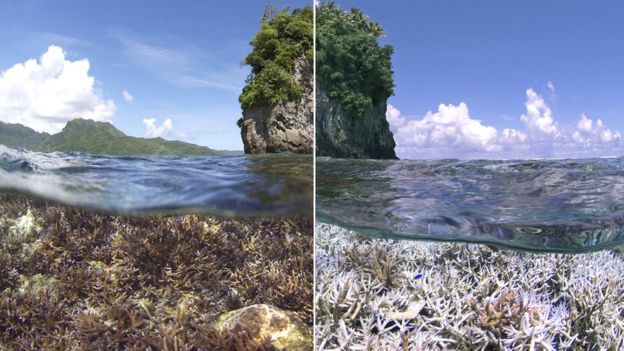
These images, taken in American Samoa, show the devastation caused by coral bleaching between December 2014 and February 2015. PHOTO: BBC

These images, taken in American Samoa, show the devastation caused by coral bleaching between December 2014 and February 2015. PHOTO: BBC

Yet another effect of global warming and changing ecosystems. Corals worldwide are at risk from a major episode of bleaching which turns reefs white.Although reefs represent less than 0,1% of the world’s ocean floor, they help support about a quarter of all marine species. The US National Oceanic and Atmospheric Administration (NOAA) says the livelihoods of 500 million people and income worth over $30bn (£19,6bn) are at stake.

Continue reading

Making Silk Non-violent

Kusuma Rajaiah displaying a sari made from 'Ahimsa Silk'. Photo: Balachander Goud

Kusuma Rajaiah displaying a sari made from ‘Ahimsa Silk’. Photo: Balachander Goud

Do you know how many silkworms are normally killed to make a five yard silk sari? Kusuma Rajaiah, a 55-year old government officer from India’s Andhra Pradesh state, does: “Around 50,000.” Rajaiah estimates that around 15 silkworms are normally sacrificed to produce a gram of silk yarn. For years, he’s been battling against what he describes as the “cruel killing of millions of innocent worms.” And has come up with an alternative. He realized the lure of silk was too strong to persuade people to give it up altogether so he came up with a technique that spares the life of the silkworm.

Ahimsa silk derives its idea and the brand name from Mahatma Gandhi, who was also critical of the conventional method of silk production. In fact, he had written to the Silk Board of India to explore ways of producing silk without hurting any living being. For Rajaiah, it’s a matter of pride to have fulfilled that wish; a pride shared by those who use the fabric.

Continue reading

Chile Looks Beneath the Waters

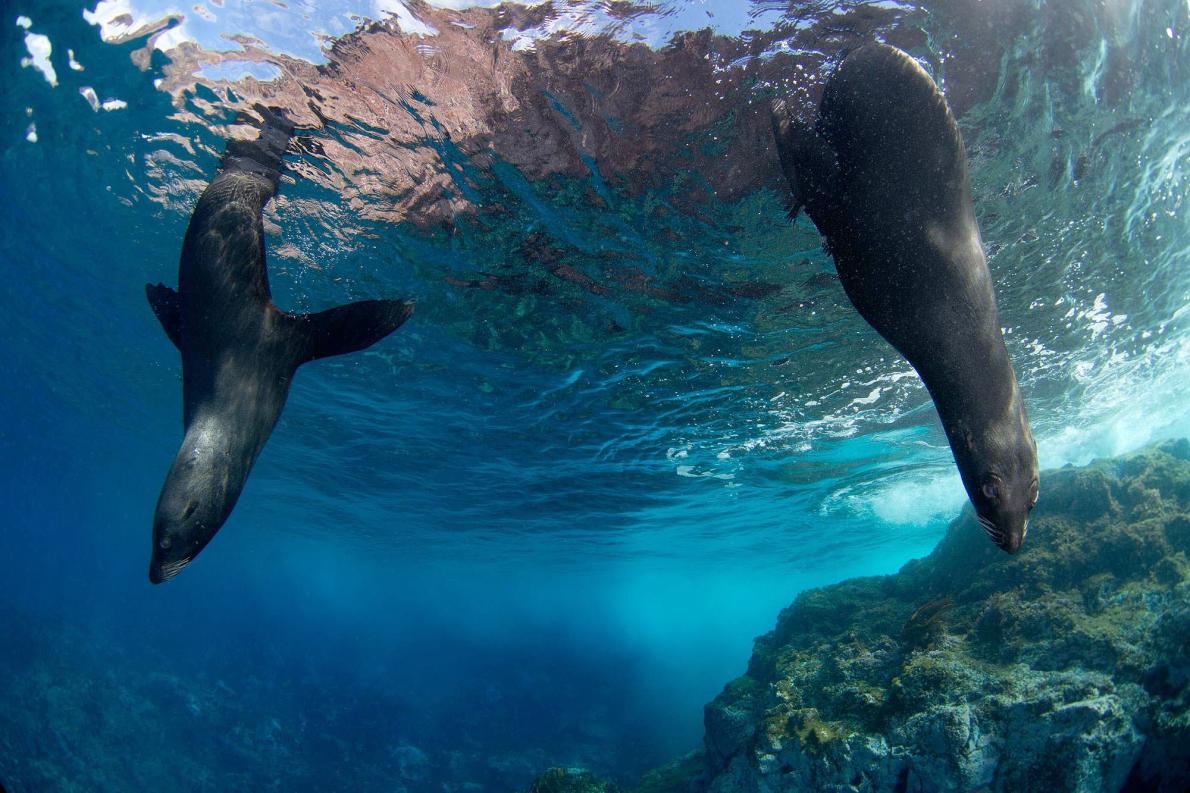
Two Juan Fernandez fur seals (Arctocephalus philippii) slide through the water off the Desventuradas Islands about 559 miles (900 kilometers) west of Chile. Divers snapped this picture during a 2013 expedition to an area that is now the largest no-take marine reserve in the Americas. PHOTO:  ENRIC SALA

Two Juan Fernandez fur seals slide through the water off the Desventuradas Islands. Divers snapped them during a 2013 expedition to an area that is now the largest no-take marine reserve in the Americas. PHOTO: ENRIC SALA

Here’s another win for those who vouch for the ecosystem wealth that lie beneath the waters. The Chilean government on Monday announced that it has created the largest marine reserve in the Americas by protecting an area hundreds of miles off its coast roughly the size of Italy.

The new area, called the Nazca-Desventuradas Marine Park, constitutes about eight percent of the ocean areas worldwide that have been declared off-limits to fishing and governed by no-take protections, says Russell Moffitt, a conservation analyst with the Marine Conservation Institute in Seattle, Washington. (Read about the world’s largest marine reserve in the Pacific Ocean.)

Continue reading

Leaving the Map Behind

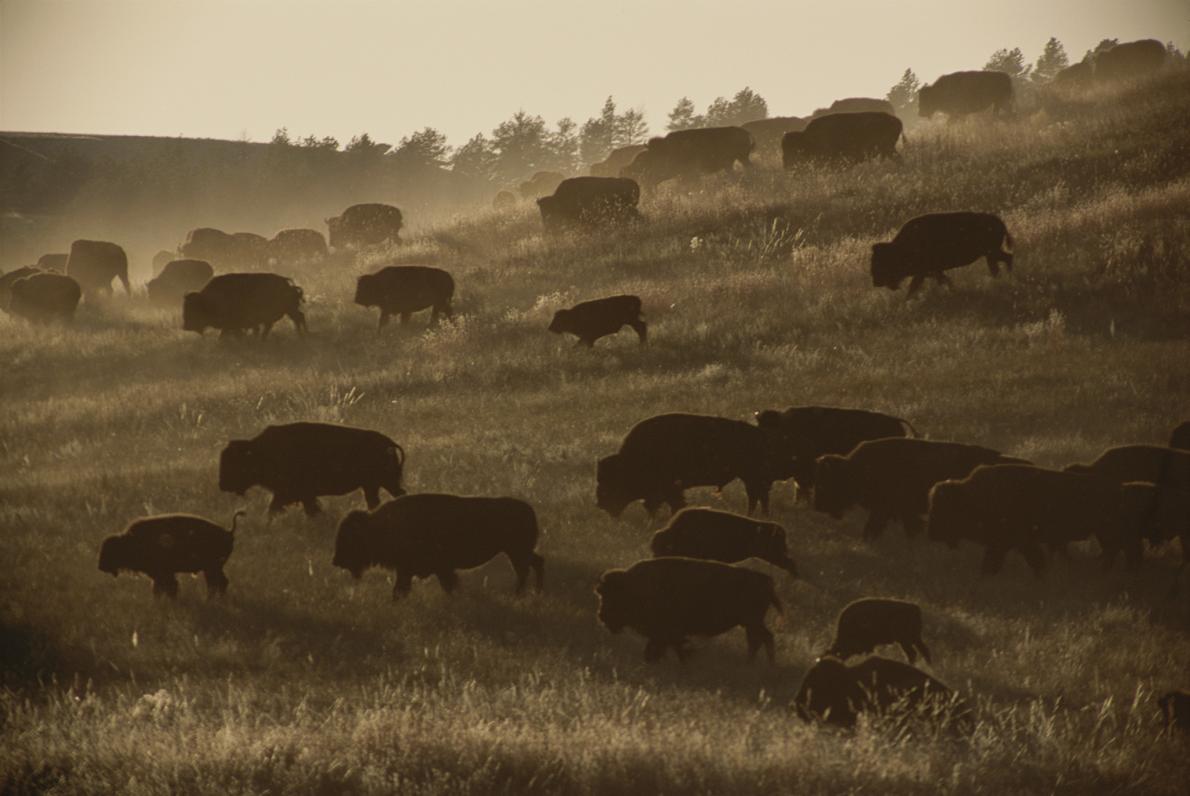
Bison, like these at Custer State Park, in South Dakota, were central to the Plains Indians. But when the U.S. National Parks Service tried to reintroduce them to Lakota lands, it tore the community apart.  PHOTO: SARAH LEEN, NATIONAL GEOGRAPHIC CREATIVE

Bison, like these at Custer State Park, in South Dakota, were central to the Plains Indians. But when the U.S. National Parks Service tried to reintroduce them to Lakota lands, it tore the community apart. PHOTO: SARAH LEEN, NATIONAL GEOGRAPHIC CREATIVE

Rewilding is the idea that, having extirpated many species, by returning large animals and birds like the California condor to the landscape, we can restore key ecosystem functions. The most famous example is probably the reintroduction of grey wolves to the northern Rockies and the Mexican grey wolf to the desert Southwest in the mid-late’90s. There’s a phenomenon called trophic cascade, which means that a large predator like a wolf has a regulatory effect on the entire food chain. In Yellowstone, the return of wolves has meant that the elk can’t be fat and lazy and start to browse in a different fashion, which in turn allows aspen and beavers to come back.
If 20th-century conservation was about drawing lines on a map and saying, this is a park or preserve, 21st-century conservation is about filling in those lines, bringing back animals that have been extirpated.

Rewilding, the need and benefits of having places that are off the map, modern day cave woman Lynx Vildern make for some pages of Satellites In The High Country: Searching For The Wild In The Age Of Man, by Jason Mark, cofounder of the largest urban farm in San Francisco.

Continue reading

The Man of Mangrove Forests

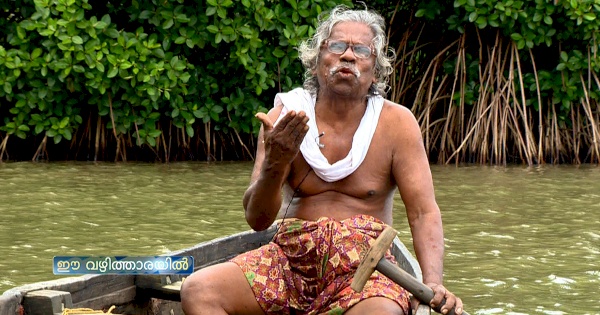
Pokkudan’s pursuit of mangrove conservation started back in the 80s when he started collecting mangrove seeds and planting them in the marshy lands of in Pazhayangadi. PHOTO: Mathrubhumi

Pokkudan’s pursuit of mangrove conservation started back in the 80s when he started collecting mangrove seeds and planting them in the marshy lands of in Pazhayangadi. PHOTO: Mathrubhumi

Kallen Pokkudan, also known as Kandal (mangrove in vernacular) Pokkudan, an Indian environmental activist and writer from Kerala, devoted his life to mangrove forests and planted more than a hundred thousand mangroves over three decades across Kerala.These trees of the tropics offer a lifeline to areas under the threat of natural disasters, prevent soil erosion, form a breeding ground for marine animals, purify water, and sustain coastal livelihoods. Pokkudan’s pursuit of mangrove conservation started back in the 80s when he started collecting mangrove seeds and planting them in the marshy lands of in Pazhayangadi. His work to expand mangrove cover along the Indian coastline has earned him a UNESCO special mention.

As the noon breeze blows Pokkudan’s silver wisps into his eyes shaded by thick glasses, the octogenarian talks with an unvarnished matter-of-factness about the revolution he started in 1989. At a time when most people were ignorant of the many scientific and envi¬ronmental uses of mangroves, Pokkudan—until then a political thinker—saw them as wind-cheaters that, to a great extent, prevented schoolchildren from losing their umbrellas to strong winds blowing from the Ezhimala area. “I started planting mangrove saplings to shield school-going children from the wind,” says Pokkudan humbly. “I also believed they would prevent the sea from eroding the ground and, above all, I wanted to see the beautiful trees growing.”

Continue reading

365 Days in the Wilderness

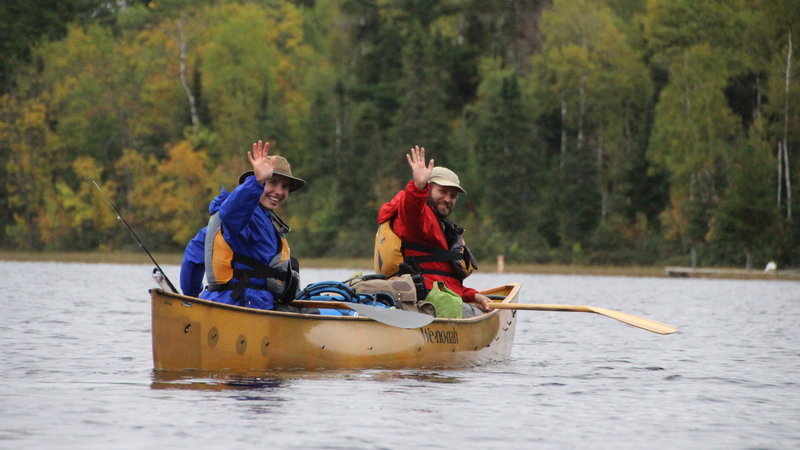
Amy and Dave Freeman paddle into the Boundary Waters, starting their 365 days in the wilderness to raise awareness of mining plans in the region.PHOTO: Alex Chocholousek

Amy and Dave Freeman paddle into the Boundary Waters, starting their 365 days in the wilderness to raise awareness of mining plans in the region.PHOTO: Alex Chocholousek

The Boundary Waters Canoe Area Wilderness is located in the northern third of the Superior National Forest in northeastern Minnesota. Over 1 million acres in size, it extends nearly 150 miles along the International Boundary adjacent to Canada’s Quetico Provincial Park and is bordered on the west by Voyageurs National Park. The BWCAW contains over 1200 miles of canoe routes, 12 hiking trails and over 2000 designated campsites. Wilderness offers freedom to those who wish to pursue an experience of expansive solitude, challenge and personal integration with nature.

And now some, or all of it, may be lost to sulphide mining.

Continue reading

Helping Salmon Get By

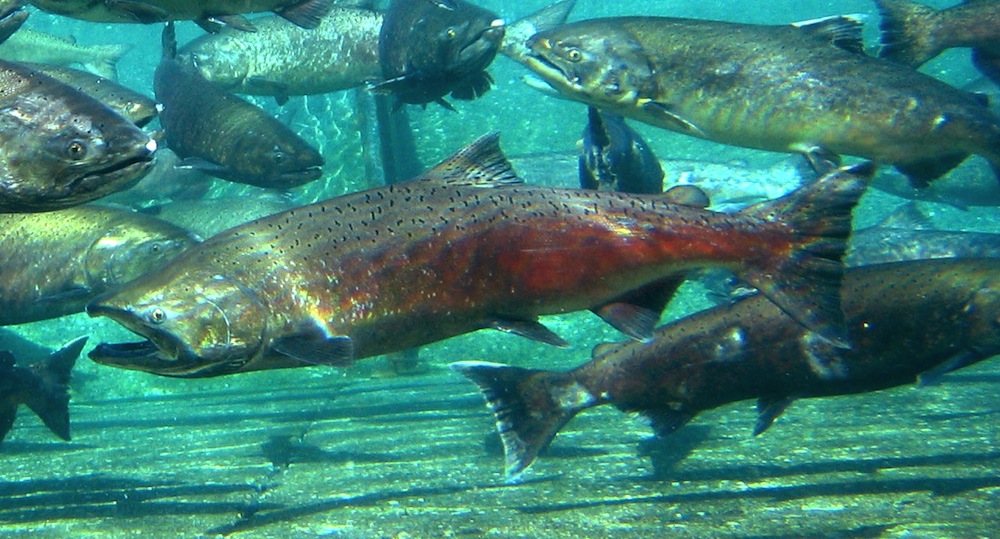
Drought and man-made obstacles lead fishery to boost releases of Chinook into Sacramento River, in hopes that a few thousand return to spawn.  PHOTO: Livescience

Drought and man-made obstacles lead fishery to boost releases of Chinook into Sacramento River, in hopes that a few thousand return to spawn. PHOTO: Livescience

To boost the dwindling population of natural chinook salmon in California, hundreds of thousands of fish are spawned and released by federal and state agencies every year. This year, 600,000 salmon were released earlier than normal because of a historic drought in California.

The California drought, the state’s worst on record, has taken a terrible toll on those already-diminished winter Chinook salmon runs. It’s not just that there isn’t enough water; there’s not enough cold water, especially after competing interests such as urban areas and big agriculture—each equipped with more political muscle than wild salmon advocates have—take their share. In 2014, the returning winter Chinook numbers were the worst that fishery officials had ever seen. In a normal year, about 25 percent of the eggs produce baby salmon healthy enough to migrate; last year, with only 5 percent surviving their infancy in the unusually warm water, nearly the whole winter run was wiped out.

Continue reading

A Statement in Energy Saving

A passive house, a project from Parsons the New School for Design in 2011, is so well insulated that it needs little or no energy for heating and cooling. PHOTO: MATT MCCLAIN FOR THE WASHINGTON POST/ GETTY

A passive house, a project from Parsons the New School for Design in 2011, is so well insulated that it needs little or no energy for heating and cooling. PHOTO: MATT MCCLAIN FOR THE WASHINGTON POST/ GETTY

Energy efficiency is one of the easiest and most cost effective ways to combat climate change, clean the air we breathe, improve the competitiveness of our businesses and reduce energy costs for consumers. And Habitat for Humanity may be onto something with its new range of “passive” homes that aggressively save energy.

The passive standard is buoyed by efforts to fight climate change, because buildings account for 40 percent of total U.S. energy use and 10 percent of its greenhouse gas emissions. In September, New York City’s Mayor Bill de Blasio hailed it as one way to help the Big Apple meet its goal of slashing emissions 80 percent from 2005 levels by 2050

Continue reading

Extinction By Accident

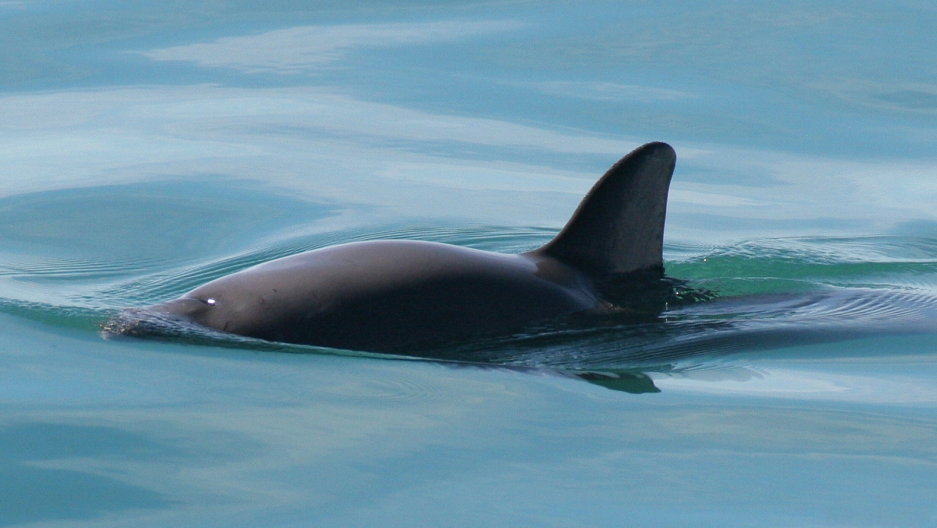
Vaquitas are considered the smallest and most endangered cetacean in the world. Credit: Paula Olson/Wiki Commons

Vaquitas are considered the smallest and most endangered cetacean in the world. Credit: Paula Olson/Wiki Commons

The world’s most endangered marine mammal is a small porpoise called the vaquita — Spanish for little cow. The vaquita has been under threat for years, but now the poaching of a rare fish may be driving the tiny Mexican porpoise to extinction.Scientists estimate that fewer than 100 vaquita porpoise exist today, all of them in the upper Gulf of California. Vaquitas are small porpoises with big eyes and a permanent grin. None have ever survived in captivity. Poachers are killing the vaquita, but they are actually targeting another endangered fish, the totoaba.

Continue reading

US Dept. of Interior’s Greater Sage-grouse Conservation Plan

This July we shared the first news we had of the proposed western wildlife conservation plan as it related to the sagebrush habitat, and yesterday Sally Jewell, the Secretary of the Interior, announced that the US Fish and Wildlife Service has determined that the charismatic bird species will not be placed on the endangered species list due to the collaborative efforts in place to protect “the great empty.”

Here’s what John Fitzpatrick, director of the Cornell Lab of Ornithology, had to say on the matter:

This decision by USFWS is an important milestone in the history of the Endangered Species Act. It shows how the Act can be effective, not only when it calls for emergency regulations to save a species, but also as an incentive for governments, conservation groups, and private landowners to collaborate towards conserving a species before its populations become critically endangered. To all of those in the West who are working together, amidst so much controversy, to preempt a listing through proactive conservation, we say, ‘Great progress so far–please stay the course.’

Continue reading

What Does the World Heritage Tag Mean?

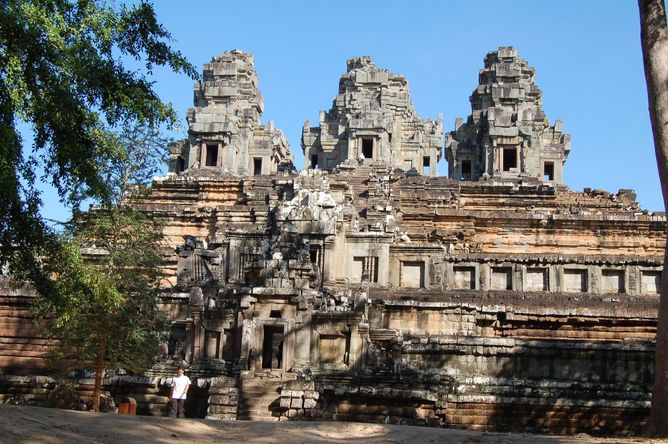
Ta Keo temple in Angkor, Cambodia. Source : China, Singapore, CC BY-SA

Ta Keo temple in Angkor, Cambodia. Source : China, Singapore, CC BY-SA

The idea of creating an international movement for protecting heritage emerged after World War I. The 1972 Convention concerning the Protection of the World Cultural and Natural Heritage developed from the merging of two separate movements: the first focusing on the preservation of cultural sites, and the other dealing with the conservation of nature. But what comes with the World Heritage tag?

Continue reading

Where Have the Rhinos Gone?

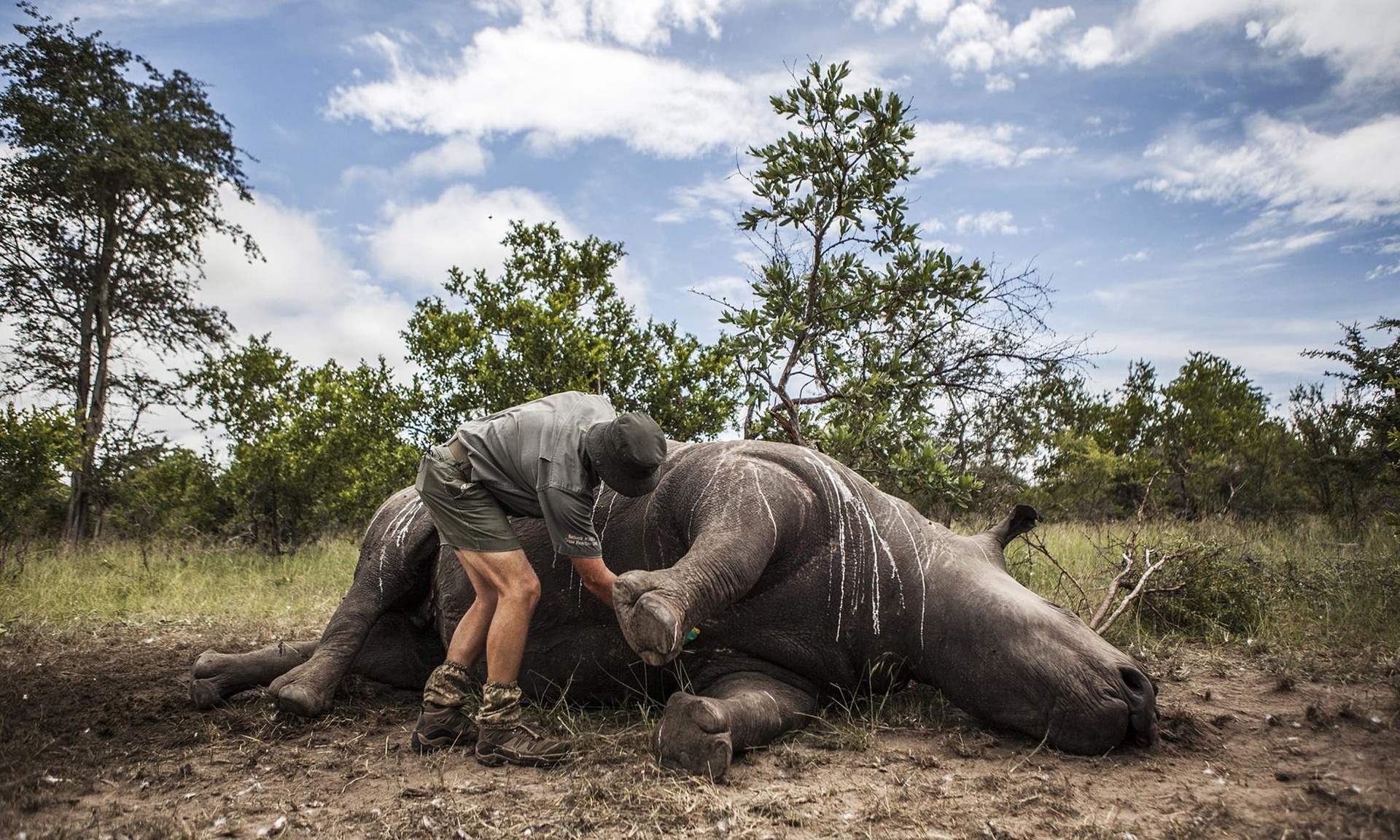
 An investigator prepares the carcass of a rhino killed for its horn for postmortem in the Kruger national park. PHOTO: Salym Fayad/EPA

An investigator prepares the carcass of a rhino killed for its horn for postmortem in the Kruger national park. PHOTO: Salym Fayad/EPA

Today is World Rhino Day. It celebrates all five species of rhino: Black, white, greater one-horned, Sumatran and Javan rhinos and was first announced by WWF-South Africa in 2010. South Africa is home to over 70 percent of African rhinos, the endangered species whose number dropped sharply to under 20,000 due to rampant poaching. Poaching has become the leading threat to the rhinos’ survival, with official statistics indicating 1,215 rhinos were killed for their horns in South Africa in 2014.

Continue reading

What’s the Tree Population?

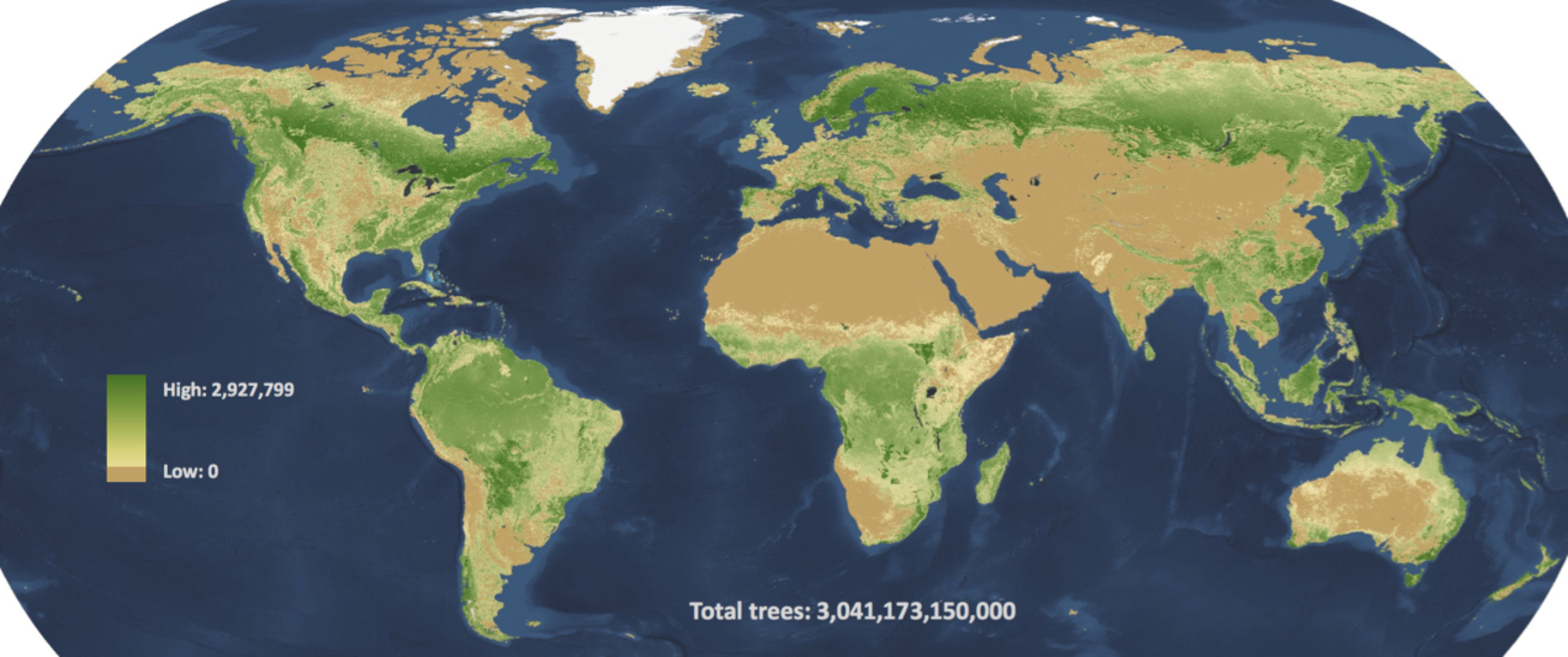
Three trillion trees, mapped to the square kilometre.  Source: Crowther et al / Nature

Three trillion trees, mapped to the square kilometre. Source: Crowther et al / Nature

Three trillion trees live on Earth, but there would be twice as many without humans. Each year more than 15 billion trees are lost worldwide, according to a major new study. Previous estimates for the total number of trees on Earth have been much lower. The new study is important not only because it gives a higher number, but how it was produced. As well as using remote sensing data such as images taken by satellites that can classify land type, the research also integrated 429,775 ground-based assessments of tree density.

Continue reading