The BIG Backwater Conservation Story

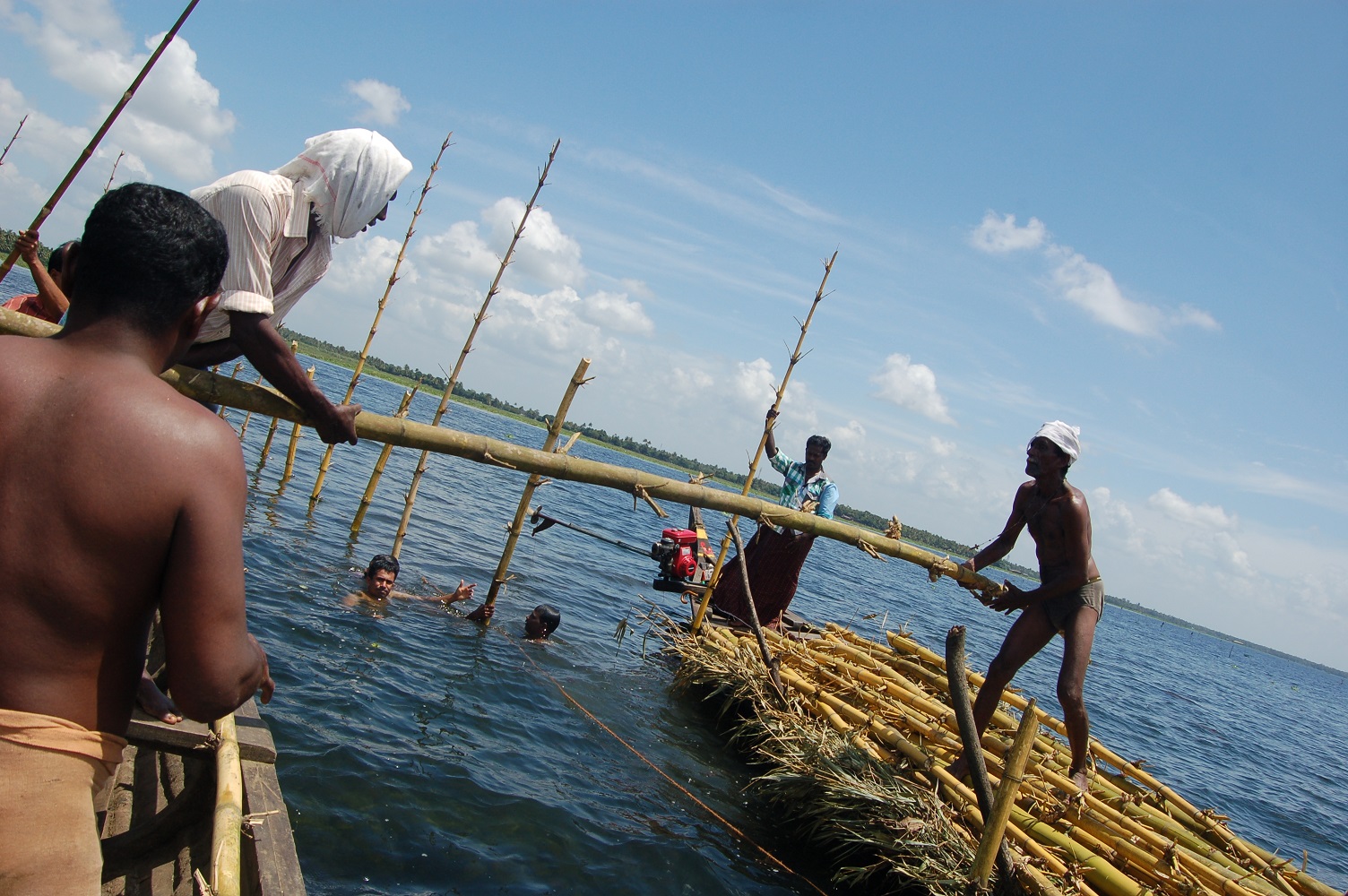
A fish sanctuary in the making on Lake Vembanad, Kerala, India. PHOTO: Scroll

A fish sanctuary in the making on Lake Vembanad, Kerala, India. PHOTO: Scroll

We love the backwaters. Period. Every single time one of our Xandari Riverscapes houseboats puts out into these deep waters, our hearts swell with pride. Responsible showcasing the charm, the timelessness of these waters and its people brings us much joy. And when we come across conservation efforts to maintain the quintessence and soul of this stretch of paradise, we can’t help but let you know.

Spread over 36,000 hectares and three districts in Kerala, this is the kind of landscape that gives conservation ecologists a blinding headache – a resource-rich, highly-productive area that is pulled apart in several directions (waste-dumping, tourism, livelihoods, water security) and depended upon by conflicting communities who have no other alternatives. Lakes have been straddling this intersection all across India – from Chilika in Odisha, to the Bengaluru urban lakes, to Loktak in Manipur, to Vembanad.

Such heavy-use landscapes outside protected areas, however, also might hold answers to the future of conservation. Whether it is a large lake system, or forest fragments that serve as the refuge of a few species or a corridor for wild animals, or a forest fringe, or large agricultural swathes that also host biodiversity, a section of conservationists believes that the future lies in teamwork between nature and mankind.
Continue reading

What Does It Take to Plant a Forest?

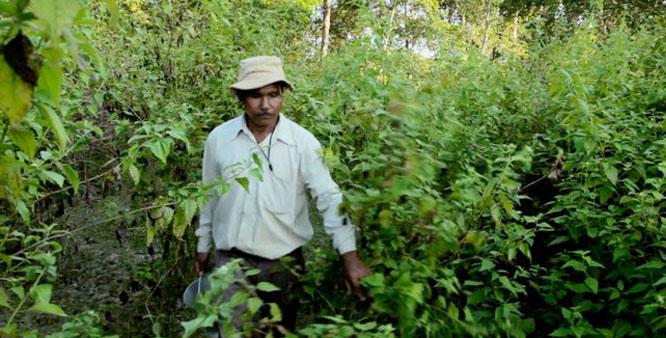
Indian man, Jadav "Molai" Payeng, has single-handedly planted a 1,360 acre forest In Assam. PHOTO: Jagran

Indian man, Jadav “Molai” Payeng, has single-handedly planted a 1,360 acre forest In Assam. PHOTO: Jagran

For many people the sight of a dead snake would be an unpleasant but not tragic image, but for Indian activist Jadav “Molai” Payeng it was a call to action that inspired him to create an entire forest. When Payeng was just a teenager in 1979 he came across a bed of dead snakes on the sun-baked shores of the Brahmaputra river. The limbless beasts had been stranded on the barren banks and perished in the unmitigated heat due to the lack of shade or tree cover. Payeng wept over the corpses but resolved to turn his sadness into action.

Continue reading

The Sound of the Forest

A few years ago the Ministry of Environment included the Sagano Bamboo Forest on its list of "100 Soundscapes of Japan" -- a selection of everyday noises intended to encourage locals to stop and enjoy nature's music. PHOTO: CNN

A few years ago the Ministry of Environment included the Sagano Bamboo Forest on its list of “100 Soundscapes of Japan” — a selection of everyday noises intended to encourage locals to stop and enjoy nature’s music. PHOTO: CNN

What does it take for a government to officially recognize a natural soundscape? The bamboo forests of Kyoto. Growing tall on the edges of Kyoto, the Sagano Bamboo Forest is a once tranquil nature spot that is now a series of tourist-packed pathways, but if one can escape the sounds of camera shutters and boorish visitors, they can hear the rustling, creaking, and swaying of one of Japan’s governmentally recognized soundscapes.

Continue reading

15,000 Seats and a Slice of History

At its height, the Brookdale could seat up to 15,000 people a day. No other restaurant on Earth could do that. PHOTO: Medium

At its height, the Brookdale could seat up to 15,000 people a day. No other restaurant on Earth could do that. PHOTO: Medium

It has the distinction of having been the world’s largest restaurant. A crown jewel in the cafeteria culture. A place at the centre of a community; a place where everybody could meet, a place that fueled artistic passions. Where everyone from Jack Kerouac to Ray Bradbury ate. A place steeped in revolution, built on the goodness of people. This is the story of Clifton’s Brookdale Cafeteria, Los Angeles.

Continue reading

In the Name of the ‘Salvation’ Fish

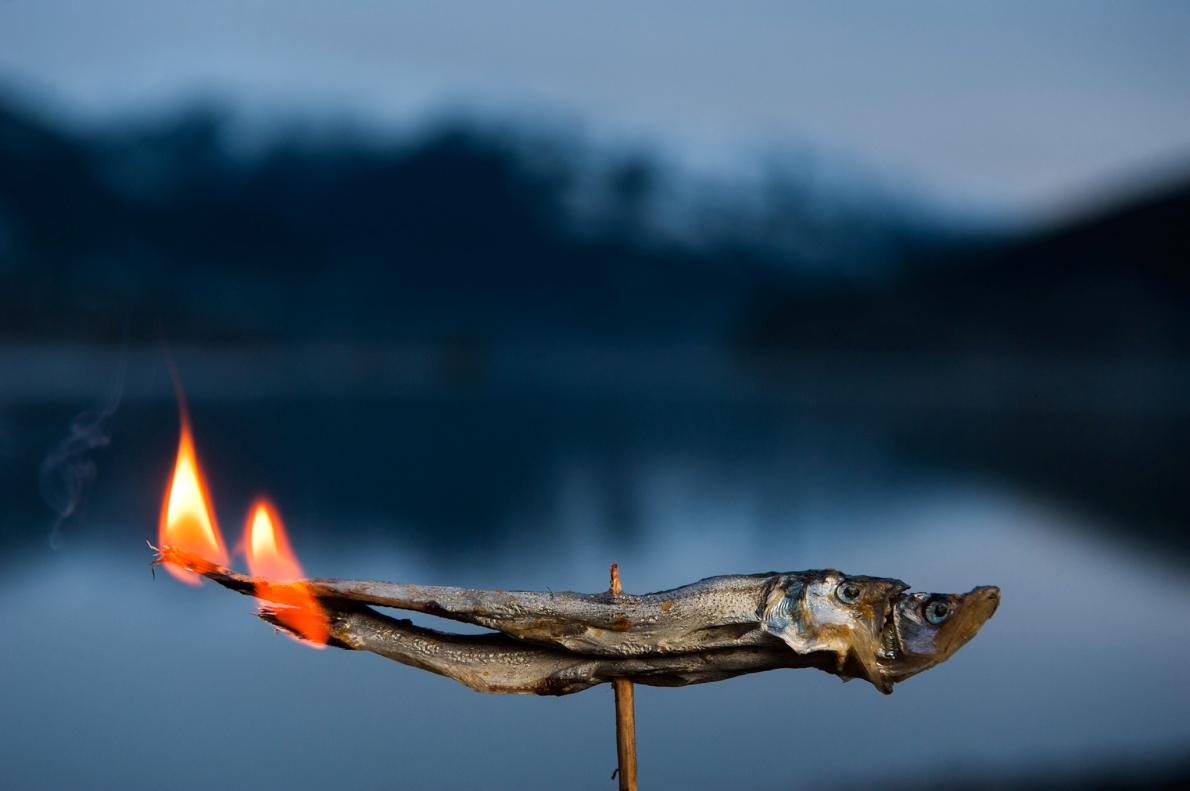
Also known as candlefish, eulachon (Thaleichthys pacificus) are so oily that they can ignite when dried. Traditionally, eulachon were used at times as lights by Nisga'a people.  PHOTO:  PAUL COLANGELO

Also known as candlefish, eulachon (Thaleichthys pacificus) are so oily that they can ignite when dried. Traditionally, eulachon were used at times as lights by Nisga’a people. PHOTO: PAUL COLANGELO

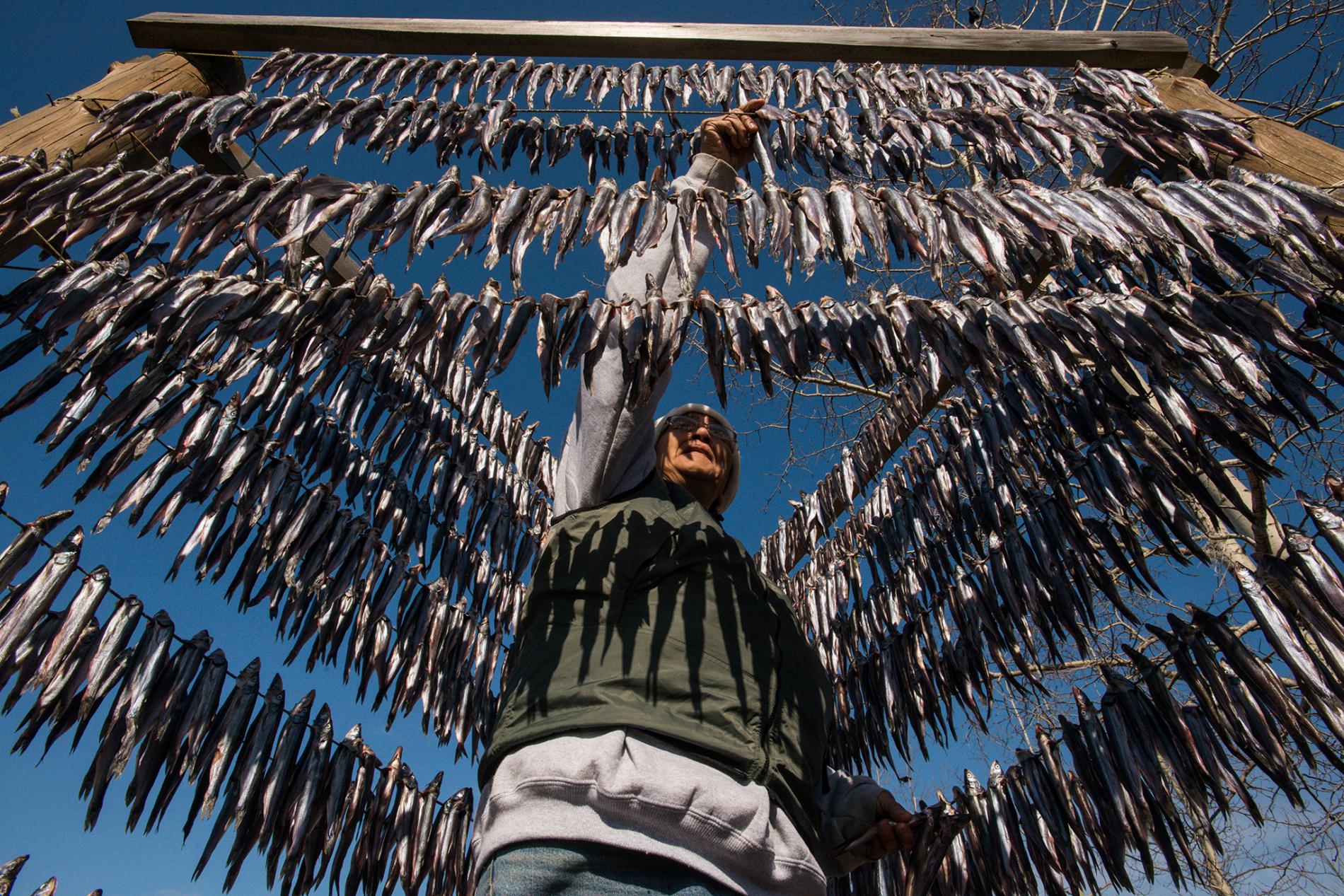
A Nisga'a woman hangs eulachon on a ganee'e, or air-drying rack. PHOTO: PAUL COLANGELO

A Nisga’a woman hangs eulachon on a ganee’e, or air-drying rack. PHOTO: PAUL COLANGELO

Often referred to as “salvation fish” for safeguarding native people from starvation, the eulachon is now in need of a lifeline itself—as its habitat and population are in danger. National Geographic reports on the fish’s historical and cultural significance and the the many changes in the ocean that have led to the decline of the eulachon’s numbers:

The fish are also known as halimotkw, often translated as “savior fish” or “salvation fish.” Eulachon return to the rivers here to spawn at the end of the North Pacific winter, when historically food supplies would be running low. In lean years the eulachon’s arrival meant the difference between life and death for people up and down the coast.

Today, the fish that used to safeguard native people from starvation is itself in need of a lifeline.

Continue reading

The Good Race Against Food Waste

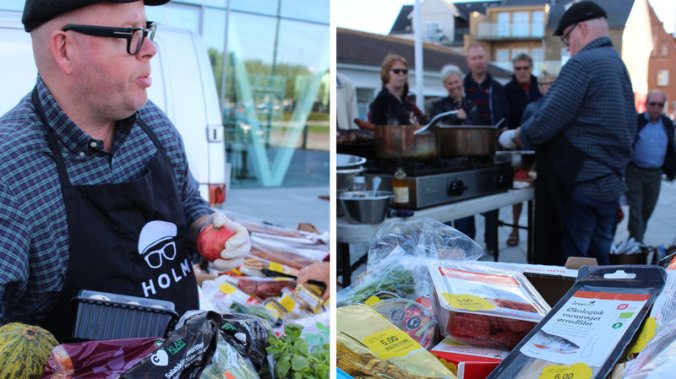
Claus Holm, a Danish celebrity chef, demonstrates at a festival on the Danish island of Fyn how expired products lurking at the back of the fridge can still be delicious. PHOTO: Sidsel Overgaard for NPR

Claus Holm, a Danish celebrity chef, demonstrates at a festival on the Danish island of Fyn how expired products lurking at the back of the fridge can still be delicious. PHOTO: Sidsel Overgaard for NPR

By 2050, the world will need 60 per cent more calories per year to feed a projected population of 9 billion. Cutting the rate of global food loss and waste could help bridge this food gap while creating environmental and economic benefits. And the people of Denmark are already well ahead in the race to cut food waste. While the Stop Wasting Food movement is the national embodiment of a collective consciousness, the need to cut back on waste has seeped through the consumer chain, as NPR finds.  Continue reading

In The Line of Fire

A firefighter monitors the flames in Cualedro. PHOTO: Pedro Armestre

A firefighter monitors the flames in Cualedro. PHOTO: Pedro Armestre

The Mediterranean climate, particularly the prolonged dry and hot summer season, is naturally favourable to wildfires. Their frequency and impact have increased over the last few decades in southern European countries, mainly due to land-use and socio-economic changes. Many traditional rural activities (e.g. firewood collection and livestock grazing systems) have been partly or totally abandoned in favour of alternatives (e.g. fossil fuels and factory farming). These changes have led to more homogeneous landscapes and the accumulation of dry matter in forests and rangelands, resulting in a greatly increased fire hazard.

Continue reading

A Fitting Anniversary Surprise

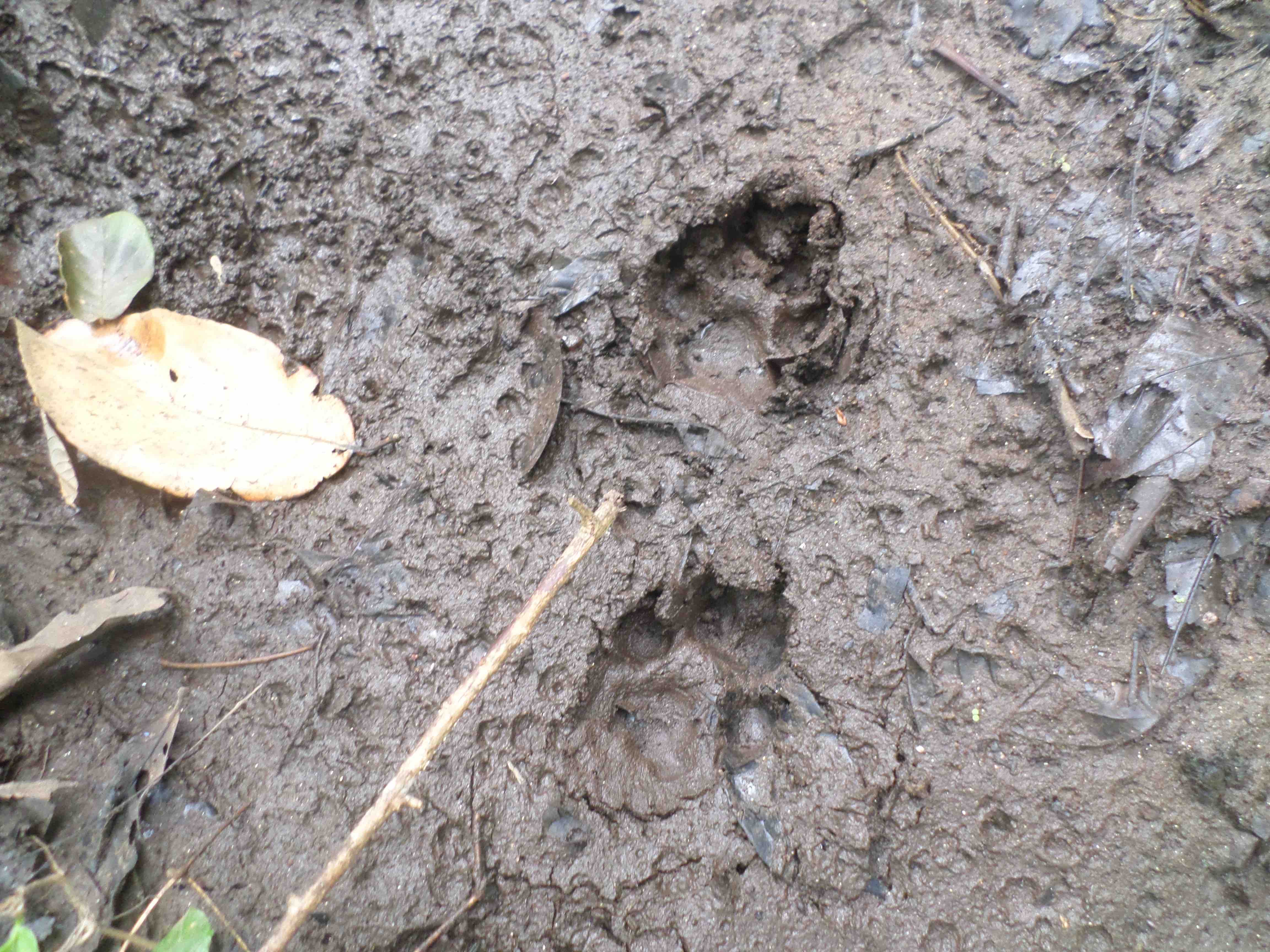
Leopard Paw Prints, Periyar Tiger Reserve

Leopard Paw Prints, Periyar Tiger Reserve

Five years ago last week several of us moved to Kerala, India. Sometime in the first year one of us took a photo of a huge tiger paw print while trekking through the Periyar Tiger Reserve. Two of us had the briefest of brief sightings of a tiger, back then as well, with the tiger leaping across the trail we were on, doing its best to avoid us and move on…

Now, exactly five years in, we had what anyone would describe as the ideal nature encounter.  Continue reading

The Decision is To Bee

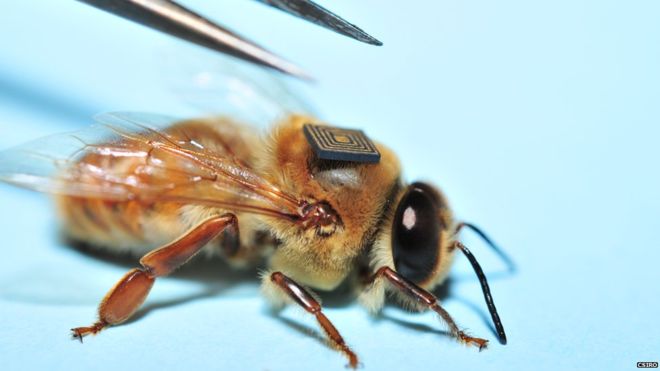
Researchers are using micro sensors to learn about the problems bees face. PHOTO: BBC

Researchers are using micro sensors to learn about the problems bees face. PHOTO: BBC

Around here, we understand the importance of bees. That explains the numerous posts on these winged creatures. If you must know right away, bees are guardians of the food chain and keepers of biodiversity, thanks to their super power of pollination. Precisely why it’s a cause for worry when we hear of their numbers dwindling. Now, an international group of scientists, beekeepers, farmers and technology companies is using cutting-edge technology to help find out why honey bee populations around the world are crashing.

Continue reading

Solar Comes Home!

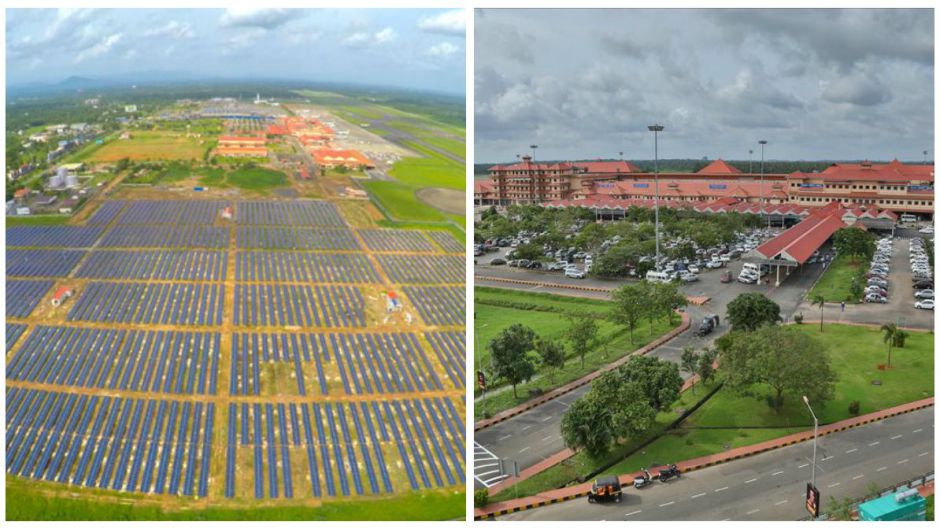
Kerala, India, has the world’s first solar-powered airport. PHOTO:  CIAL

Kerala, India, has the world’s first solar-powered airport. PHOTO: CIAL

For five years now, RAXA Collective has called the state of Kerala, India, its home. Over the years, the ‘three magic words’ – community, collaboration, conservation – have guided our work here. And every story in these three spaces has us glad for finding another believer. Now we’ve found a believer who puts his thoughts into action in the Cochin International Airport. Welcome to our land and the world’s first solar-powered, power-neutral airport.

Continue reading

Costa Rica, Punching Above Its Weight, Competitively

“I’m very comfortable with the word ‘revolution,’ ” Figueres said.

“I’m very comfortable with the word ‘revolution,’ ” Figueres said.

Usually “punching above your weight” is a reference to a competition you are not prepared to win. But based on our experience in and observation of Costa Rica it means something entirely different to us. It means something more like: go for it! Give it your best even if the odds are not with you. If not you, then who?

We all have a debt, of one sort or another, to Costa Rica from my perspective if only for this reason. In so many ways it has been inspirational in an against-the-odds sort of way. And who can resist a bit of inspiration?

I shared this article with the La Paz Group teams in India and Costa Rica yesterday, with a note about how it helps understand the challenges related to climate change and what can be done about those challenges—all relevant to the 3 C’s of La Paz Group. Complicated stuff, but clearly important.

I also shared the article for another reason. The woman who features in this article is from Costa Rica, and reading it you can understand a bit better why Costa Rica is so frequently mentioned as an environmentally responsible country. This is important for all of us in La Paz Group because our journey began in Costa Rica, which started our path to Kerala, India and many other places beyond.

To give one small but important example of the long range impact of Costa Rica on La Paz Group, consider the Certification for Sustainable Tourism program developed two decades ago under the visionary leadership of the president of Costa Rica (brother of the subject of the linked article here). Jocelyn is at Xandari Costa Rica specifically to work on getting Xandari to rise up to the highest level from its current status at the second highest level of CST ranking. She has made this the foundation of her career development just after graduating from one of the world’s most prestigious academic institutions. It is impressive that she chose to do so, but equally telling about the lasting impact of Costa Rica’s commitment to sustainable development. Continue reading

When It Takes Plastic Balls to Fight Drought

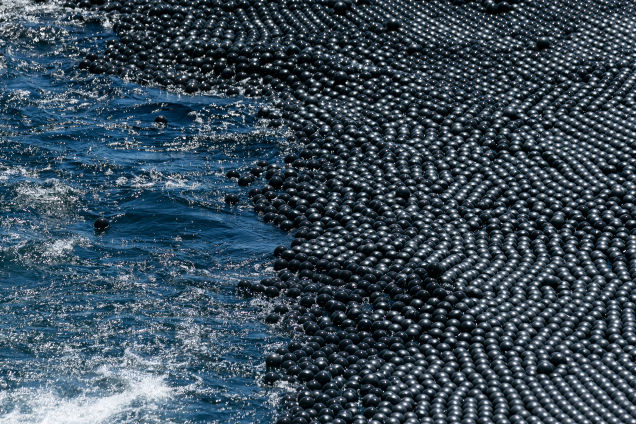
A small portion of the 90 million black plastic balls added to the Los Angeles Reservoir on August 12, 2015. Image credit: AP/Damian Dovarganes

A small portion of the 90 million black plastic balls added to the Los Angeles Reservoir on August 12, 2015.  Image credit: AP/Damian Dovarganes

In a drought, every drop of water is precious, including those lost to evaporation in the hot summer. But in a massive open reservoir, how do you prevent that from happening? Facing a long-term water crisis, officials concerned with preserving a reservoir in Los Angeles hatched a plan: They would combat four years of drought with 96 million plastic balls. On Monday, the 175-acre Los Angeles Reservoir saw the final installment of the project: 20,000 small black orbs that would float atop the water.

Continue reading

Conservation, Scotland Style

Monitors and a fisherman check lobster traps. Credit Andrew Testa for The New York Times

Monitors and a fisherman check lobster traps. Credit Andrew Testa for The New York Times

We like his simplicity, his tenacity, his practicality; most of all we appreciate the outcome:

Scotsman’s Mission Ends in a Fishing Bay Restored

HOWARD WOOD, round-faced and jolly, was happily counting the lobsters being pulled, measured and tagged out of the coastal waters he has worked for years to protect. One weighed close to four pounds, its huge right claw dwarfing its left, which was growing back after what must have been quite a battle. Continue reading

What Can We Do For the Gentle Giant?

A herd of elephants by the river at Periyar Tiger Reserve, Thekkady, India. PHOTO: Rosanna Abrachan

A herd of elephants by the river at Periyar Tiger Reserve, Thekkady, India. PHOTO: Rosanna Abrachan

Predation of elephants has increased in recent years, with as many as 100,000 African elephants being killed between 2010 and 2012, according to an elephant researcher at Colorado State University. Nearly 60 percent of Tanzania’s elephant population has been wiped out in the past six years, the report indicated. Increased demand in Asia, where a single tusk can fetch up to $200,000, has fueled the increase in poaching. August 12 marked the fourth annual World Elephant Day, a day to “bring attention to the urgent plight of Asian and African elephants,” according to a Web site about the annual event. There may be fewer than 400,000 African and fewer than 40,000 Asian elephants remaining in the wild, the Website says.

Continue reading

The Showerhead That’s Ruling the Internet

This shower head Is blowing up on Kickstarter thanks in part to Apple's Tim Cook and Alphabet's Eric Schmidt. PHOTO: Nebia

This shower head Is blowing up on Kickstarter thanks in part to Apple’s Tim Cook and Alphabet’s Eric Schmidt. PHOTO: Nebia

What does it take to have the World Wide Web interested in you? And interested is putting it lightly, when we are talking a Kickstarter project that crossed its goal of $100,000 and how, in less than 8 hours. Not to forget having Tim Cook of Apple and Eric Schmidt of Alphabet back you.Well, it takes a showerhead. An extraordinary one at that. One that promises to reduce wastage of water in the shower by 70%, is iconic in design, and has its heart set on revolutionizing the use of water in developing markets. Nebia is here.

Continue reading

On the Tail of the Tiger

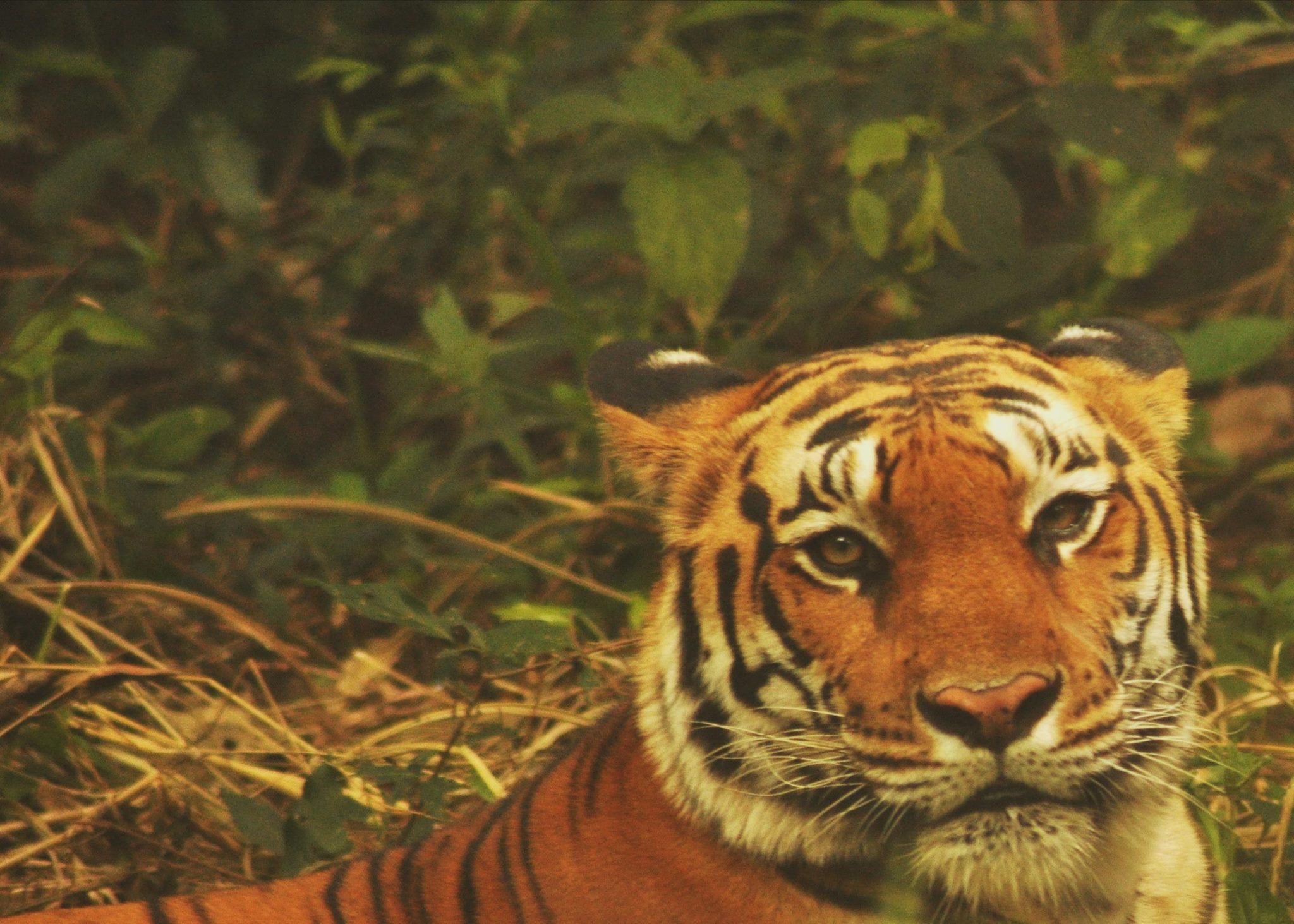
A captive tiger at Bannerghatta National Park, Bengaluru, India. PHOTO: Rosanna Abrachan

A captive tiger at Bannerghatta National Park, Bengaluru, India. PHOTO: Rosanna Abrachan

The world has seen the population of individual wild tigers dwindle from 100,000 in 1913 to just about 3,200 now. Classified into six species, a majority of these surviving cats belong to the specie panthera tigris tigris, more popularly known as the Bengal tiger, that are found in India. Here too, their population, estimated to be between 20,000-40,000 at the turn of the 20th century, reduced to fewer than 2,000 by the 1970s, mostly due to hunting and poaching. It has now inched to 2,226, making India home to 70% of the world’s total tiger population.

Continue reading

The Next Big Industry in China?

Satellites, drones and remote sensors will soon be deployed across China to detect pollution levels over land, sea and air. This may indicate that normal methods to identify pollution levels haven’t really shown expected results. Or, that the levels have exceeded expected limits. In a country that is not only among the world’s top polluters but also has some of the most polluted cities, are environmental reforms becoming the norm? And what do these mean for the rest of the world?

Continue reading

Talking the Lion’s Share of Conservation

An image of a lion projected on to New York's Empire State Building in memory of Cecil, the lion hunted down in Zimbabwe recently. PHOTO: BBC

An image of a lion projected on to New York’s Empire State Building in memory of Cecil, the lion hunted down in Zimbabwe recently. PHOTO: BBC

The hue and cry over Cecil the lion’s killing is yet to die down. Zimbabwe’s most popular lion’s death did stir up outrage in the quarters of animals rights crusaders and much indignation at how a ‘man who restores lives’ could take the life of another. While the need for a better conservation-hunting model has risen yet again and efforts are on to chalk out more effective regulation on hunting, the focus returns to how man-habitat-animal conflicts abet loss of lives. More interesting are the isolated voices that call animals in the wild just what they are – “killers”.

Continue reading

A Backyard Solution to Oil Spills

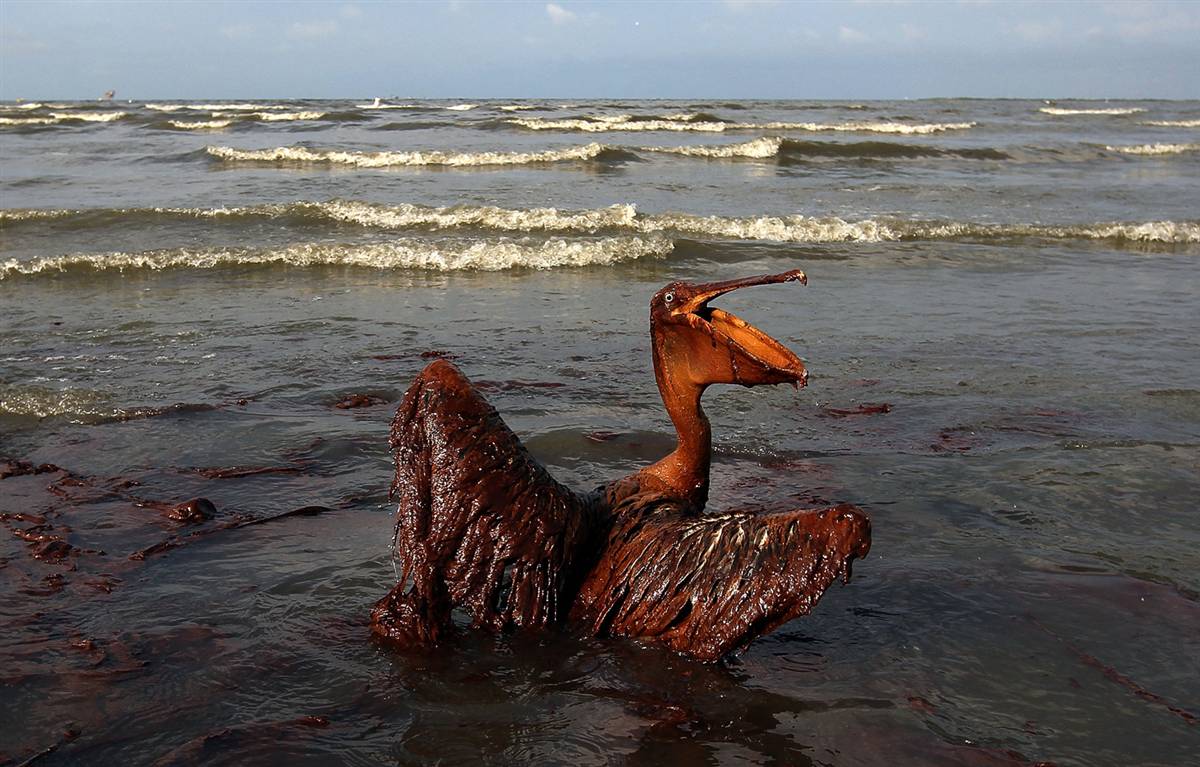
Waste like human hair, sawdust and bird feathers can clean oil spills from water. PHOTO:  Nation of Change

Waste like human hair, sawdust and bird feathers can clean oil spills from water. PHOTO: Nation of Change

Biosorption is a property of certain types of inactive, dead, microbial biomass to bind and concentrate heavy metals from even very dilute aqueous solutions. And Nikhilesh Das discovered just this, at the age of 13, demonstrating reuse and effective waste management. Scalable models of these and we may just have a potent option to deal with oil spills that destroy marine ecosystems for years together.

Continue reading

A Battle on the Ocean Bed

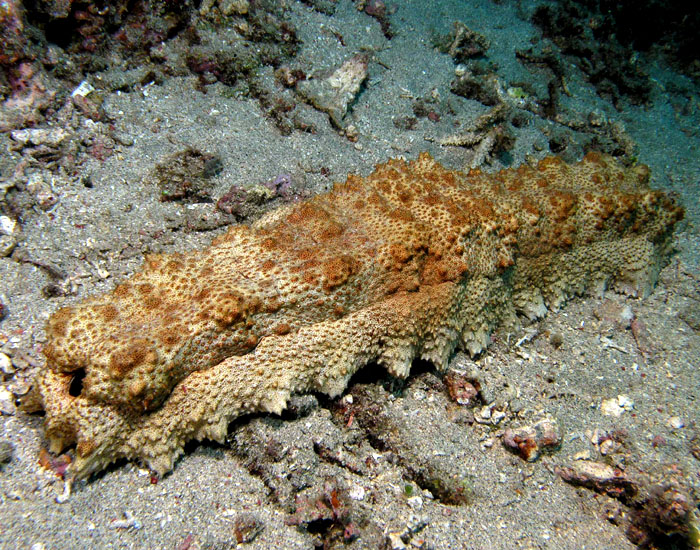
The potential opening of sea cucumber fishing in Galápagos has scientists and conservationists surprised and concerned after news leaked of a July 10 agreement that would allow the collection of 500,000 of the creatures, considered vital to the marine environment. PHOTO: Wikimedia Commons

The potential opening of sea cucumber fishing in Galápagos has scientists and conservationists surprised and concerned after news leaked of a July 10 agreement that would allow the collection of 500,000 of the creatures, considered vital to the marine environment. PHOTO: Wikimedia Commons

Sea cucumbers are in the news – again. The marine creature has been talked about as an adjunct treatment for those undergoing chemotherapy. They have also been tipped as a “wonder ingredient” in cosmetics. Not to forget the sea cucumber capsule industry, Asian cuisines that consider it a delicacy, and its place in the underground market of aphrodisiac market. This time around, the news isn’t good.

Continue reading