Green, Greener, Greenest–Which City? Says Who? And How?

260cd679-e63d-417f-84b1-be816cf7f658-2060x1236

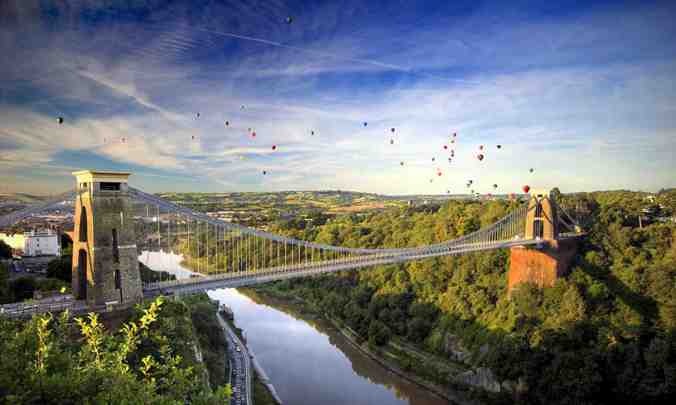
The Clifton Suspension Bridge in Bristol, 2015 Green Capital of Europe. Photograph: Destination Bristol.com/EPA

This is one of the environmentally-oriented rankings that many of us think about, from time to time, and then throw our hands in the air in frustration at the criteria used for judging green-ness, or what is often green-ish-ness. Thanks to the Guardian for asking the questions we want answered when it comes to rankings like this:

Where is the world’s greenest city?

Bristol is the ‘green capital’ of Europe, but its predecessor Copenhagen comes top in a Europe-wide index. Curitiba, San Francisco and Singapore all have strong eco-friendly claims too – so what’s the best way to compare cities’ greenness?

It’s easy to say we’d like our cities to be cleaner and greener. But what does that even mean? “Greenness” is a concept that’s hard to pin down – there’s no official list of the top 50 most eco-friendly cities, nor any widely agreed set of measurements for working out how green a city actually is.
Continue reading

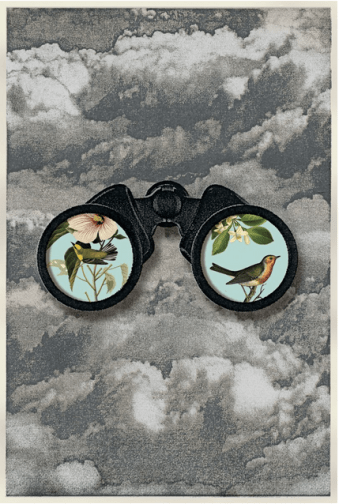
Environmentalism, Puritanism and a Binocular View

To slow global warming, we could blight every landscape with biofuel crops and wind turbines. But what about wildlife today? CREDIT ILLUSTRATION BY OLIVER MUNDAY

Jonathan Franzen, a writer who we have chosen to link to numerous times mainly because he is also clearly a bird guy, has a small masterpiece in this week’s New Yorker. Please, read it:

Last September, as someone who cares more about birds than the next man, I was following the story of the new stadium that the Twin Cities are building for their football Vikings. The stadium’s glass walls were expected to kill thousands of birds every year, and local bird-lovers had asked its sponsors to use a specially patterned glass to reduce collisions; the glass would have raised the stadium’s cost by one tenth of one per cent, and the sponsors had balked. Around the same time, the National Audubon Society issued a press release declaring climate change “the greatest threat” to American birds and warning that “nearly half ” of North America’s bird species were at risk of losing their habitats by 2080. Audubon’s announcement was credulously retransmitted by national and local media, including the Minneapolis Star Tribune, whose blogger on bird-related subjects, Jim Williams, drew the inevitable inference: Why argue about stadium glass when the real threat to birds was climate change? In comparison, Williams said, a few thousand bird deaths would be “nothing.” Continue reading

Waste Less, Want Less, Lean In, Pop Up

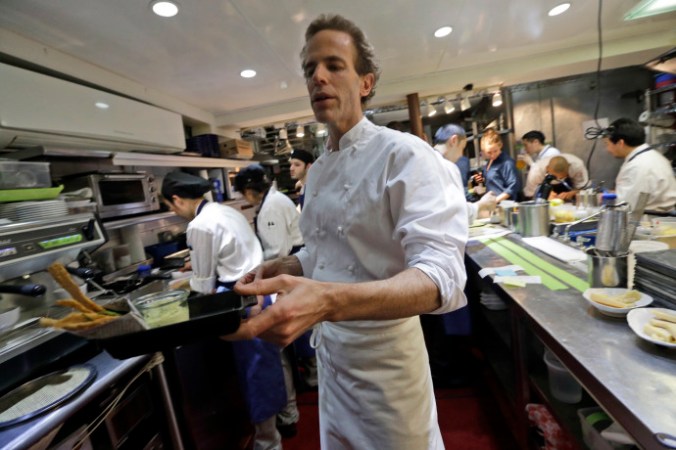
In this Thursday, March 19, 2015 photo, chef Dan Barber hands a waiter an order of fried skate wing cartilage with smoked whitefish head tartar sauce at WastED in New York. Dishes using scraps and other ignored bits comprise the menu at chef Dan Barber's WastED, a pop-up project at one of his Blue Hill restaurants intended to shed light on the waste of food. (AP Photo/Mary Altaffer)

In this Thursday, March 19, 2015 photo, chef Dan Barber hands a waiter an order of fried skate wing cartilage with smoked whitefish head tartar sauce at WastED in New York. Dishes using scraps and other ignored bits comprise the menu at chef Dan Barber’s WastED, a pop-up project at one of his Blue Hill restaurants intended to shed light on the waste of food. (AP Photo/Mary Altaffer)

Thanks to Hannah Goldfield for this post:

The other night, as I ate a salad at Blue Hill, in the West Village, a server approached my table with an iPad. “Have you seen this?” she asked. “Chef wanted you to see this.” By “Chef,” she meant Dan Barber, the man behind Blue Hill and Blue Hill Stone Barns, a sister restaurant and farm upstate. By “this,” she meant a photograph of a dumpster, into which a chute was depositing an enormous quantity of multi-colored scraps of fruit and vegetables—the runoff from a commercial food processor. The experience felt something similar to being shown a picture of what would happen to a sad-eyed old horse if you didn’t save it from the glue factory. Sitting in a small, enamel casserole dish in front of me were fruit and vegetable scraps that Barber had rescued, just like the ones in the photo. Arranged in an artful tangle, bits of carrot, apple, and pear were dressed with a creamy green emulsion, studded with pistachios, and garnished with a foamy pouf that turned out to be the liquid from canned chickpeas, whipped into haute cuisine. Continue reading

To The Forest, Once Again

Screen Shot 2015-03-28 at 7.05.16 AM

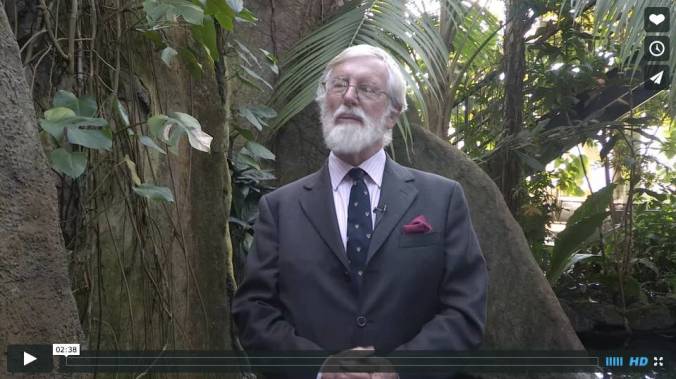
Oliver Sacks, this week, shares a very brief, but powerful reverie that also brings our attention to the man above and the book below.  All seem worthy of your time:

Driving down Ninth Avenue, choking on diesel fumes from a truck just ahead of us, I say to my friend Billy (he is exactly two-thirds my age), “I wonder whether you will see the end of internal-combustion engines, the end of oil, a cleaner world.”

Screen Shot 2015-03-28 at 7.14.40 AMA cleaner world. The thought zooms me away from Ninth Avenue to a forest world—in particular, to the one described in “That Glorious Forest,” Sir Ghillean Prance’s book about his thirty-nine visits to the Amazon in the past fifty years. Prance, one of our greatest tropical botanists, is very much in the tradition of Henry Walter Bates and Alfred Russel Wallace and Richard Spruce, who charted the region in the eighteen-fifties. But Prance’s is not just a botanical eye: he sees what we are doing to the Amazon and its many peoples; he speaks for conservation Continue reading

A Tiger’s Tail

This slideshow requires JavaScript.

If you want to get a different perspective and a unique image, you have to be very attentive and keep your camera / lens / eyes focused on your subject.

This is Sonam, one of the Tigresses of Tadoba who had made a kill near a waterbody and likes to come down to the water to cool herself.

Her typical behaviour was to sit in the water for long time and finally get back to her kill.

Continue reading

Recognizing the Gift of the Galapagos

157

“We’ve all been given a gift, the gift of life. What we do with our lives is our gift back.”

-Edo, Sacred Economics

Being in the Galapagos was such a gift.

I remember reading a list in the newspaper when I was 14- something like “Top 10 Places to Visit Around the World”, and the Galapagos was on it with descriptions of black rocks and blue-footed boobies and I remember thinking how can I lead a life that takes me to places like that? The Galapagos Islands are a sacred mecca of biodiversity that most people will never have the privilege to see and I feel uncomfortable that I went without having to make any particular effort: I just chose a college and a study abroad program and voilà! my dreams came true. I feel immense gratitude for this. More importantly I feel a sense of obligation. I have an obligation to respond to this gift wisely and with intention in the way I conduct my life.

The sense of obligation is interesting to me because currently I’ve been reading about gift economies in my Economic Anthropology class. There is a concept called hau from the New Zealand Maori that tries to explain the sense of obligation to reciprocate when given a gift. From Wilk and Cligget’s book Economies and Cultures:

Hau is a term for the force of the identity of the owner of an object, which is attached to the object. Thus, upon giving the object away, part of the owner’s hau goes with it. And this is why receiving the gift always carries an obligation to reciprocate, because the hau wants to return to its original owner, though now it may be attached to another’s object.

In class, we’ve been talking about when things are separated from their origin, their story, the people who made it, there is some kind of erasure of the hau that represents the giver and we don’t feel compelled to respond in kind. Continue reading

Another Reason To Flock to Ranganathittu Bird Sanctuary

It’s not surprising that for the 3rd year running India has been among the top 3 participating countries in the Audobon Society’s Great Backyard Bird Count. According to GBBC statistics, India nearly doubled the number of checklists submitted to more than 6,800 and reported the greatest number of species with 717.

Many of those lists have come from the south Indian states of Karnataka and Kerala, so we’re excited to help promote this additional forum for Celebrating Birds.

Karnataka’s first Bird Festival aims to put focus on birds and bird watching in Karnataka. To provide a platform for well-known naturalists, experts, forest officers, bird photographers to share their insights & thoughts. This festival also focusses on putting bird conservation on the center-stage and raise the attention of nature enthusiasts and general public towards the significance of birds and the important role they play in the ecosystem.

Continue reading

Water, Blobs, And The Future Of Thirst-Quenching On The Go

Skipping Rocks Lab

Skipping Rocks Lab

Thanks to one of the many sister websites of the Atlantic, this story about the future of packaged water:

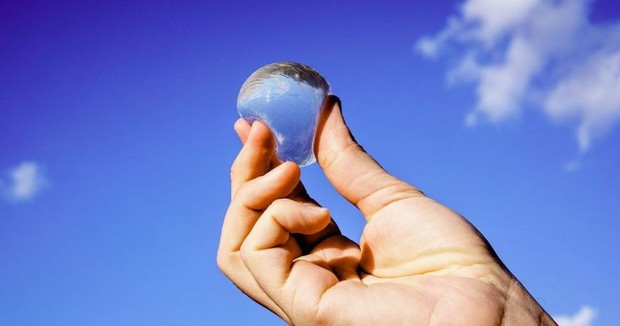
In the future, rehydrating on the go might not mean chugging from a bottle, but inhaling a gelatinous, edible blob that looks like water floating on the space station. Continue reading

Language Spoken Is Knowledge Saved For A Rainy Day

150330_r26311-320

The consequences of losing a language may not be understood until it is too late.

At first glance, or quick skim, this will inject a darting depression into your soul, because of the seeming hopelessness. But then the grace of the writing, and the beauty of the story, will wash away the darkness and, very possibly, inspire you. Read it, and if you have thoughts, or actions, to share with us on the entrepreneurial (or other) conservation of intangible patrimony please share a comment below:

It is a singular fate to be the last of one’s kind. That is the fate of the men and women, nearly all of them elderly, who are—like Marie Wilcox, of California; Gyani Maiya Sen, of Nepal; Verdena Parker, of Oregon; and Charlie Mungulda, of Australia—the last known speakers of a language: Wukchumni, Kusunda, Hupa, and Amurdag, respectively. But a few years ago, in Chile, I met Joubert Yanten Gomez, who told me he was “the world’s only speaker of Selk’nam.” He was twenty-one.

Yanten Gomez, who uses the tribal name Keyuk, grew up modestly, in Santiago. Continue reading

If You Happen To Be In Ithaca: But You Don’t Have To Be

One of the many reasons we highlight the Cornell Lab of Ornithology on the pages of this site is the vastness of their offerings to both students and the general community (actual and virtual) sharing current studies in the field of ornithology. Continue reading

Largest Marine Reserve, 2015 Edition

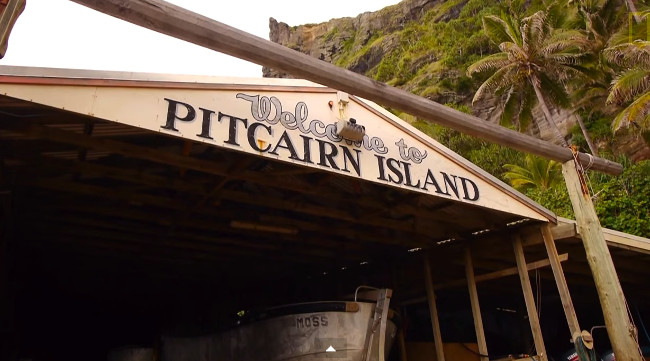
Pitcairn’s residents implored the UK government to protect the area, which is threatened by illegal fishing.

Pitcairn’s residents implored the UK government to protect the area, which is threatened by illegal fishing.

We hope they keep getting formed in larger and larger swaths of territory, and we will celebrate every time the ante gets upped this way:

British Prime Minister David Cameron’s government announced the creation of the world’s largest contiguous ocean reserve on Wednesday, protecting 322,000 square miles around the remote Pitcairn Islands in the South Pacific. To put that in perspective, that’s three and a half times the size of the United Kingdom and bigger than the state of California, according to National Geographic. Continue reading

Progress, Destruction & Roads

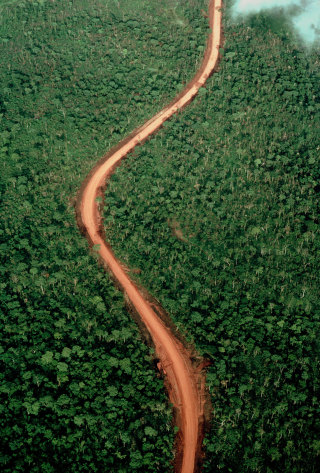
Nijhuis-Habitat-Fragmentation-320

A new study looks at the worldwide effects of habitat fragmentation. CREDIT PHOTOGRAPH BY GEORG GERSTER / PANOS

From the Elements section of the New Yorker’s website, this note on roads, a clear symbol (and tangible form) of what most of us would count as progress, related to development, is worth a two minute read. Another reminder that roads, like other signs of progress, can also have unintended and irreversible destructive consequences for nature, for habitat that also sustains human life:

The first paved highway across the Brazilian Amazon began, in the nineteen-seventies, as a narrow, hard-won cut through dense rainforest. The road, which connects the northern port city of Belém with the country’s capital, Brasília, twelve hundred miles away, was hailed as a huge step in the region’s development, and so it was: it quickly spawned a network of smaller roads and new towns, drawing industry to the Brazilian interior. But the ecological price was high. Today, much of the Belém-Brasília highway is flanked by cattle pastures—a swath of deforestation some two hundred and fifty miles wide, stretching from horizon to horizon. Across the planet, road construction has similarly destroyed or splintered natural habitats. In equatorial Africa’s Congo Basin, logging roads have attracted a new wave of elephant poachers; in Siberia, road expansion has caused an outbreak of wildfires; in Suriname, roads invite illegal gold mining; and in Finland, so many reindeer are killed by cars that herders have considered marking the animals with reflective paint. Continue reading

Chocolate’s Guardian Angels

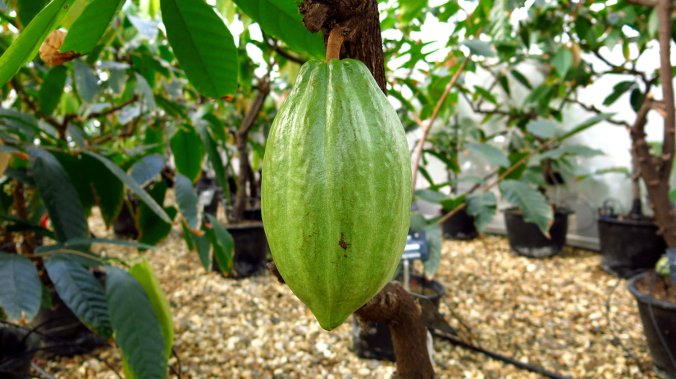
cocoa-quarantine-022_wide-39016c6d94530c4ab8f0cde5365f072e7d22cf61-s1500-c85

Rows of potted cocoa plants from around the world. Before a cocoa variety from one country can be planted in the other, it first makes a pit stop here, at a quarantine center in rural England. Courtesy of Dr. Andrew J. Daymond

Chocoholics have plenty to celebrate in this age of chocolate renaissance. But also plenty to worry about. Conservation is the answer to some of those worries, and collective action is the mechanism by which some of the conservation must be carried out. This article, again from “the salt” thanks to National Public Radio (USA), gives us one example:

The Fate Of The World’s Chocolate Depends On This Spot In Rural England

Walk into a row of greenhouses in rural Britain, and a late English-winter day transforms to a swampy, humid tropical afternoon. You could be in Latin America or Sub-Saharan Africa. Which is exactly how cocoa plants like it.

“It’s all right this time of year. It gets a bit hot later on in the summer,” says greenhouse technician Heather Lake as she fiddles with a tray of seedlings — a platter of delicate, spindly, baby cocoa plants.

Since she started working here at the International Cocoa Quarantine Centre, eating chocolate doesn’t feel the same.

“You certainly know all the work that goes into producing that chocolate bar, and all the potential threats that could be there in the future,” Lake says.

Continue reading

Feathers’ Maps Rediscovered

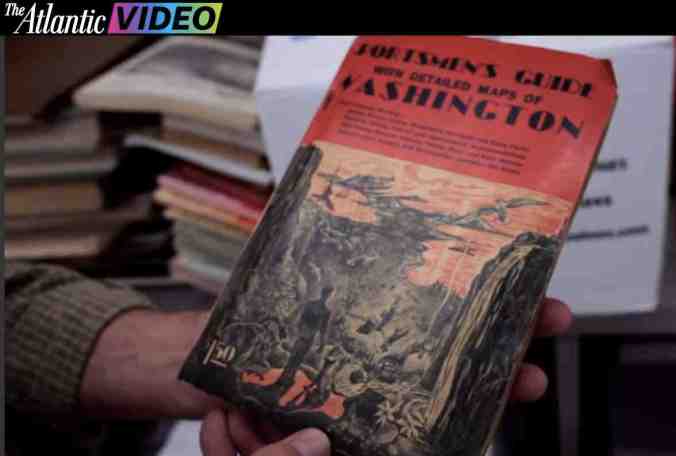
Map

Thanks to the Atlantic‘s website for this Editor’s Pick, a fascinating video about a map collection and its conservation:

‘A Hidden Treasure’: The Unusual Story Behind a Rare Map Collection

Video by Alec Ernest

In this short documentary produced for the Los Angeles Review of Books, Alec Ernest digs into the story behind an extraordinary private collection of maps discovered by Glen Creason, a librarian.

Continue reading

Jane Goodall, Journey On

Michael Christopher Brown/Magnum, for The New York Times. Jane Goodall on Lake Tanganyika, offshore from Gombe Stream National Park in Tanzania.

Michael Christopher Brown/Magnum, for The New York Times. Jane Goodall on Lake Tanganyika, offshore from Gombe Stream National Park in Tanzania.

A journey to Greece in 1969 planted a seed in me that grew into my life’s ambition. Another in 1983 led to meeting Amie, and fusing our life’s ambitions together. Together we went to Costa Rica in 1995, which led to continuing our joint life’s journey abroad.

Jane Goodall Is Still Wild at Heart

Half a century ago, she journeyed into the Tanzanian jungle to change how the world saw chimpanzees. Today the world’s most famous conservationist is on a mission to save their lives.

I believe in the power of a journey to change one’s life path. In the story that follows, this woman’s singular life’s journey is just one more example, albeit an extreme and heroic one, of why we believe in the power of a journey. She visited Cornell while I was a graduate student, and Amie and I were deeply moved by what she came to say. Seth was a one year old and Milo was not yet a “twinkle in the eye.”

The child-sized t-shirt we bought to support the Jane Goodall Institute with our limited graduate student funds was passed from older brother to younger until neither of them could fit into it any more, by which time we were well into our new lives in the emerging field of entrepreneurial conservation in Costa Rica.  In no small part, our family’s dedication to conservation is an unexpected outcome of a short journey across campus that Amie and I made to listen to Jane Goodall talk about her long life’s journey. Continue reading

Memory Restoration

Normally we avoid posting on what can be viewed as corporate advertisement, but we have to applaud the use of technology to assist in the healing process after the devasting Tōhoku earthquake and subsequent tsumani in 2011. Thousands of lives were lost, and survivers suffered the additional trauma of losing their homes, including the photographic mementoes of their loved ones.

Ricoh used their expertise in office imaging equipment to coordinate an amazing effort of 518 employee volunteers to find, clean and digitize  418,721 photos, returning 90,128 pictures to the people who lost them.

Ricoh is now offering a glimpse of how this monumental effort was conducted for future reference. The company would be delighted “if this record is useful for improving awareness towards disaster prevention or reconstruction support activities after the event of a disaster,” it says. Continue reading

Leave The Grizzlies Be, And Just Watch

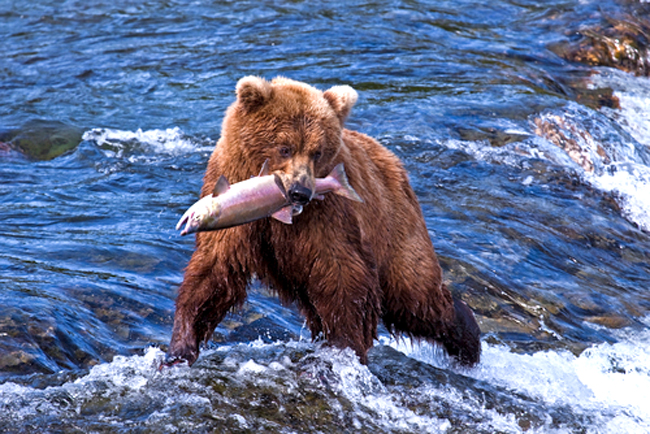
Grizzlies once roamed much of North America, from Mexico to the Yukon and from the West Coast through the prairies. Habitat loss and overhunting have since shrunk their range by more than half. Photo credit: Shutterstock

Grizzlies once roamed much of North America, from Mexico to the Yukon and from the West Coast through the prairies. Habitat loss and overhunting have since shrunk their range by more than half. Photo credit: Shutterstock

We are not opposed to hunting, when it is well regulated. With nature increasingly imbalanced due to habitat loss/change imposed by man, there are times when animal herds are in need of culling, or certain species experience overpopulation relative to their ecosystem carrying capacity. Hunting permits generate much-needed revenues for conservation.  Our favorite case study is one you can read on this site. But we cannot support hunting the largest animals on the planet.  We generally do not believe that licenses to kill the most charismatic of the “big game” will lead to their conservation. Read David Suzuki’s opinion piece and follow the trail where it leads you:

Watching grizzly bears catch and eat salmon as they swim upstream to spawn is an unforgettable experience. Many people love to view the wild drama. Some record it with photos or video. But a few want to kill the iconic animals—not to eat, just to put their heads on a wall or coats on a floor. Continue reading

Muro de las Lágrimas: Historical Conservation in the Galapagos


151

Isla Isabela: Paradise with a dark history

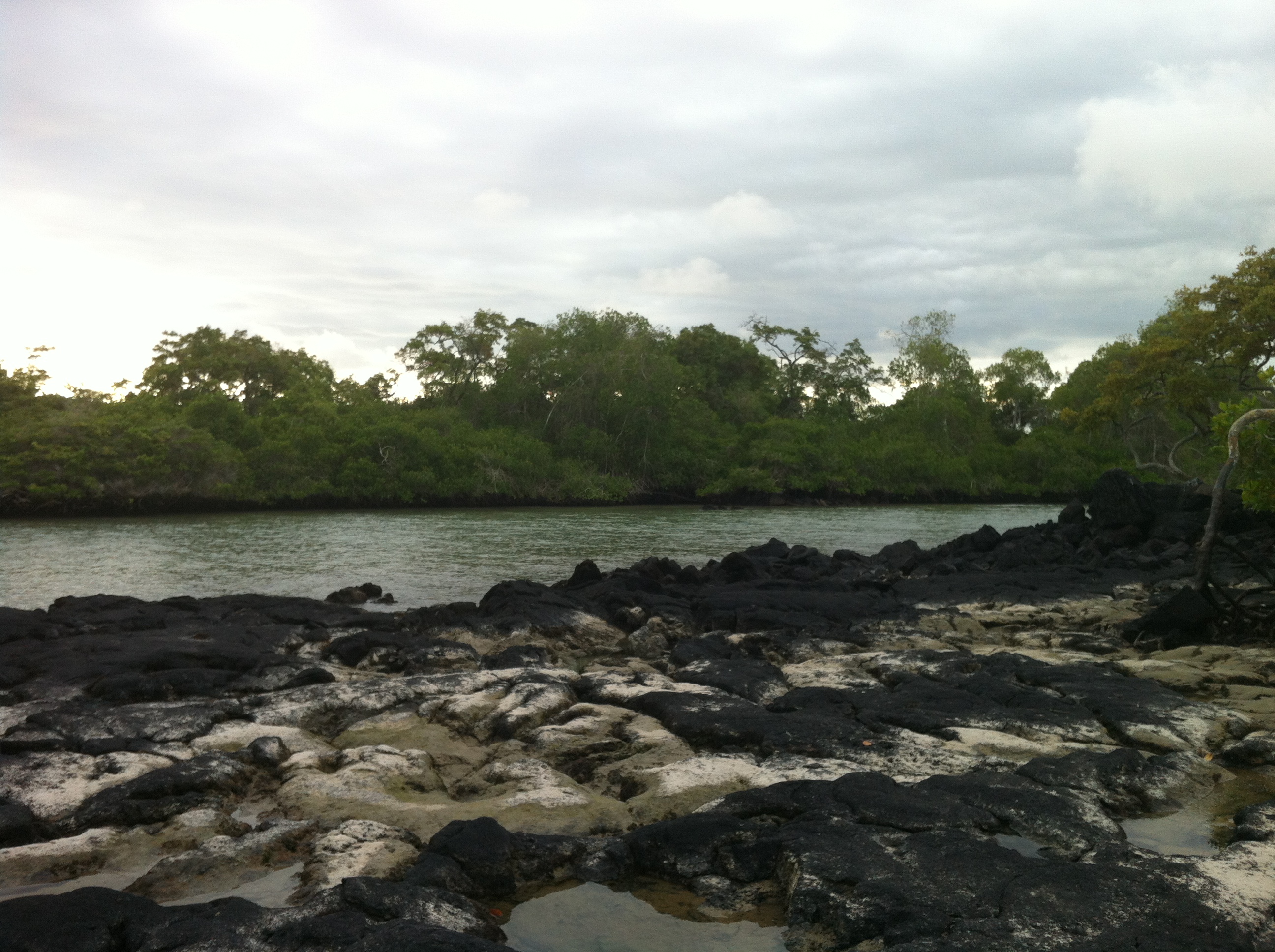
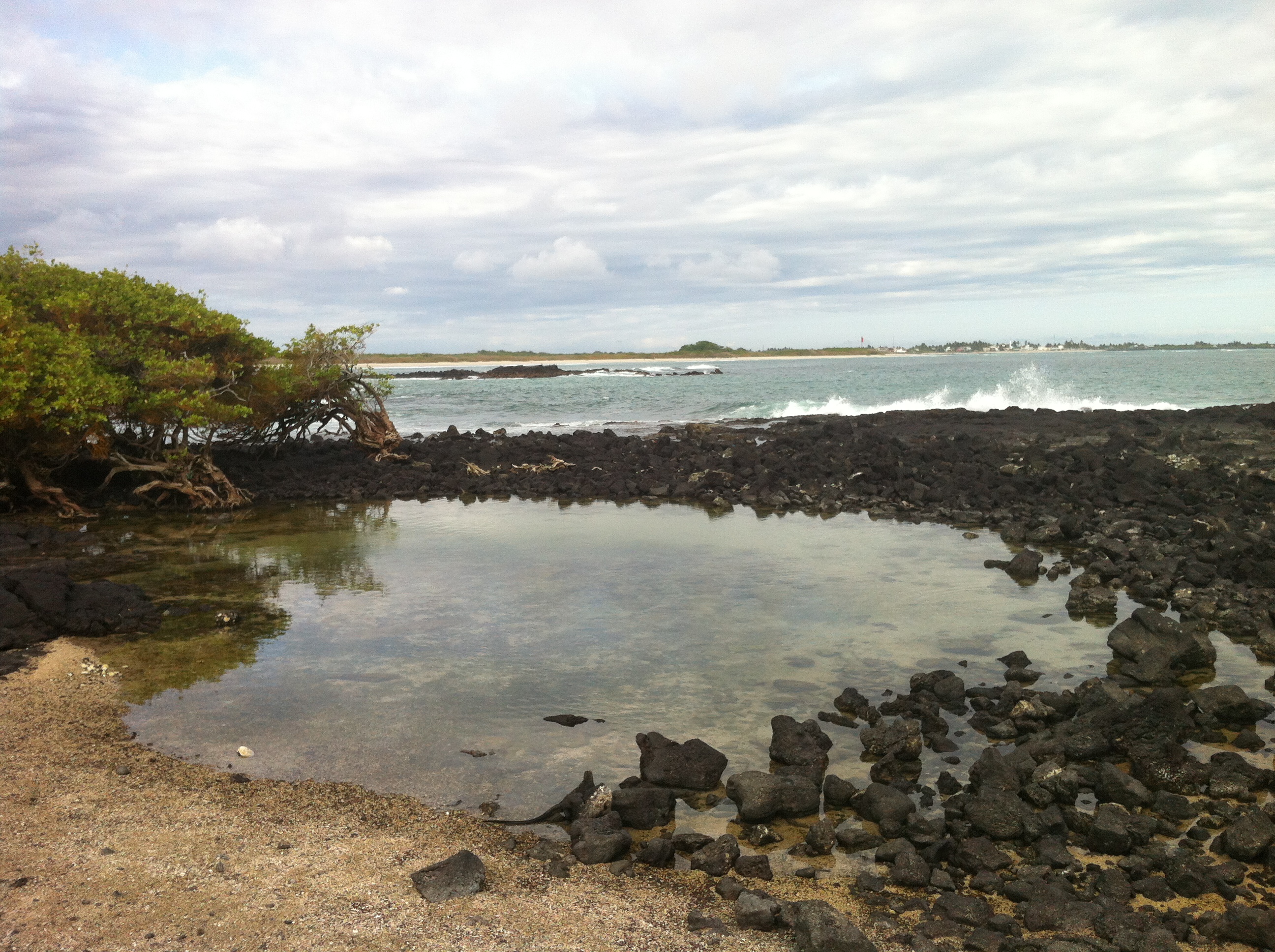
I am currently on study abroad in Ecuador, which has provided me with a mountain of experiences to post about when my homework will allow. I recently had the good fortune to go to the Galapagos, a dream I’ve had since I realized they existed. I am still so struck by everything I saw. In this post, I’ll just highlight one of the places on Isla Isabela that started some good conversations among my classmates about historical conservation of sites of trauma. Also, I will share a poem I wrote about the location.

Former President Ibarra of Ecuador used the island of Isabela as a penal colony (1946-1956), where prisoners were forced to do agricultural labor. They had to carry lava rocks from all over the island to construct the walls of their own prison. There are stories that they would cry as they carried the rocks. I was told that bodies are inside the walls from the rocks falling down while they were building them. The saying that accompanies the island’s history is: Los valientes lloran y los cobardes mueren, which means “The brave cry and the cowards die.” After ten years, the prisoners escaped by creating a play for the guards about prisoners escaping. They got the guards drunk, and actually escaped during the play.

Despite the story of escape, it couldn’t feel like a happy ending. My friends and I were talking about how it felt to visit this site of trauma as tourists. What is the role of historians and purpose of preserving places exactly as they were in the past? Is it to empower us with memories that in our normal lives we couldn’t have access to? Who are these memories for? For some people, this type of oppression is not of the past. They don’t need external reminders because the struggle for survival is part of their daily lives. There was conversation in the group about how preserving sites of trauma allows many of us to experience a sense of empathy before moving on to our daily, more privileged lives. This is how the set-up of touring through the site of trauma left us feeling. Continue reading

Coral Manipulation

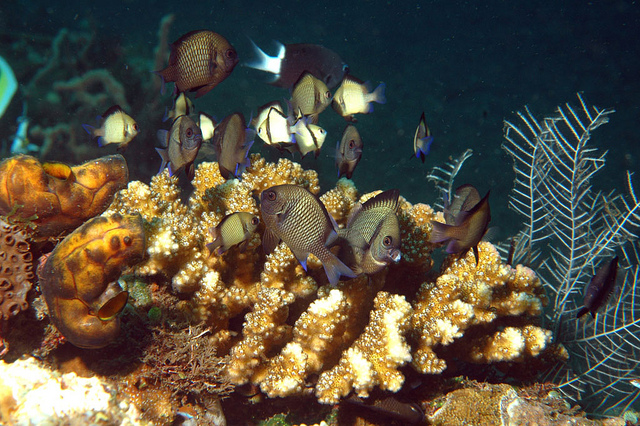
Coral garden in Indonesia. Credit: Global Environment Facility via Flickr (Creative Commons License)

Coral garden in Indonesia. Credit: Global Environment Facility via Flickr (Creative Commons License)

We’re keeping an eye on the health of coral reefs in the Caribbean with the help of RAXA contributor Phil Karp, who has been writing specifically about the impact of invasive lionfish on the marine ecosystem.  In this piece for Conservation Magazine, Sarah DeWeerdt discusses the option of taking a more active role in improving the health of corals through acclimatization:

The past several decades have been tough on the world’s coral reefs. Warming waters, ocean acidification, invasive predators, and toxic runoff have hammered these iconic hotspots of underwater biodiversity.

In response, conservationists have developed coral ‘gardens’ where young corals are reared to help rebuild damaged reefs. But some scientists worry that existing restoration strategies won’t match the pace and magnitude of the threats these animals face.

In a paper published February 2 in the Proceedings of the National Academy of Sciences, biologists from the Australian Institute of Marine Science and the Hawaii Institute of Marine biology propose a more radical approach, which they call assisted evolution.

Continue reading

Better Buying, Canned Tuna Edition

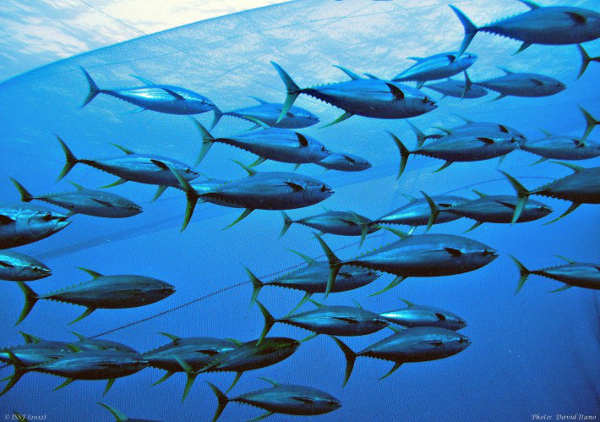
Seafood companies are responding to the public’s increased interest in whether fishing practices deplete tuna populations. Photo credit: David Hano/International Sustainable Seafood Foundation

Seafood companies are responding to the public’s increased interest in whether fishing practices deplete tuna populations. Photo credit: David Hano/International Sustainable Seafood Foundation

Thanks to Ecowatch for the updated primer on better canned tuna shopping criteria:

Canned tuna is one of the world’s most popular packaged fish, but it has also long been controversial. Between issues of overfishing resulting in fishery depletion and bycatch that threatens other species including the much-publicized incidental capture of dolphins by tuna fishermen, it has gotten a bad name. With the increased awareness of the harm tuna fishing can cause, companies have stepped up to try to reassure consumers that they are paying attention to the health of our oceans. Continue reading