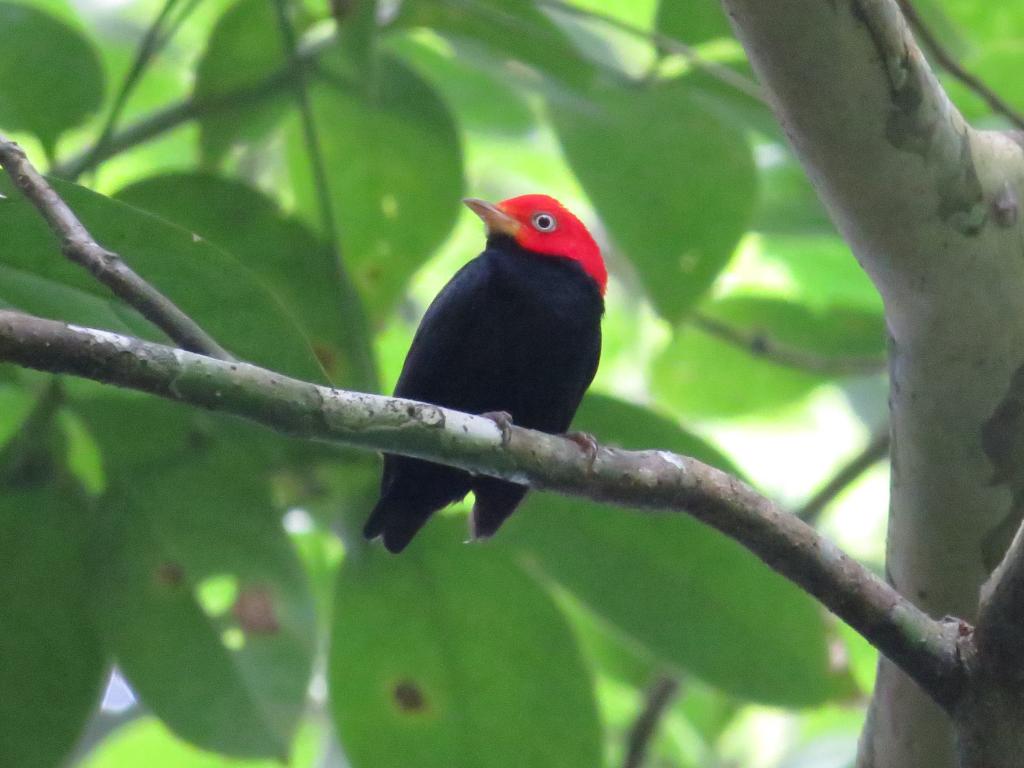
Wildlife at Carara National Park: Part 1

Red-capped Manakin (male). He has spiffy yellow thighs, unfortunately not visible in this picture.

A few weekends ago, James and I spent six hours at Parque Nacional Carara, on the Pacific side of Costa Rica and just about an hour and a half from Xandari. Braving the muggy, humid coastal rainforest with the intention of spotting and/or hearing at least fifty new (for us) species, we set off on the first couple miles of trail with our field guide in hand. James uses a pair of Nikon Monarch binoculars for quick spotting and following birds as they flit around, and I sport a Canon SX50 digital camera to hopefully capture still images or video for identification purposes. Sometimes I get lucky enough to take a photo that’s worth sharing!
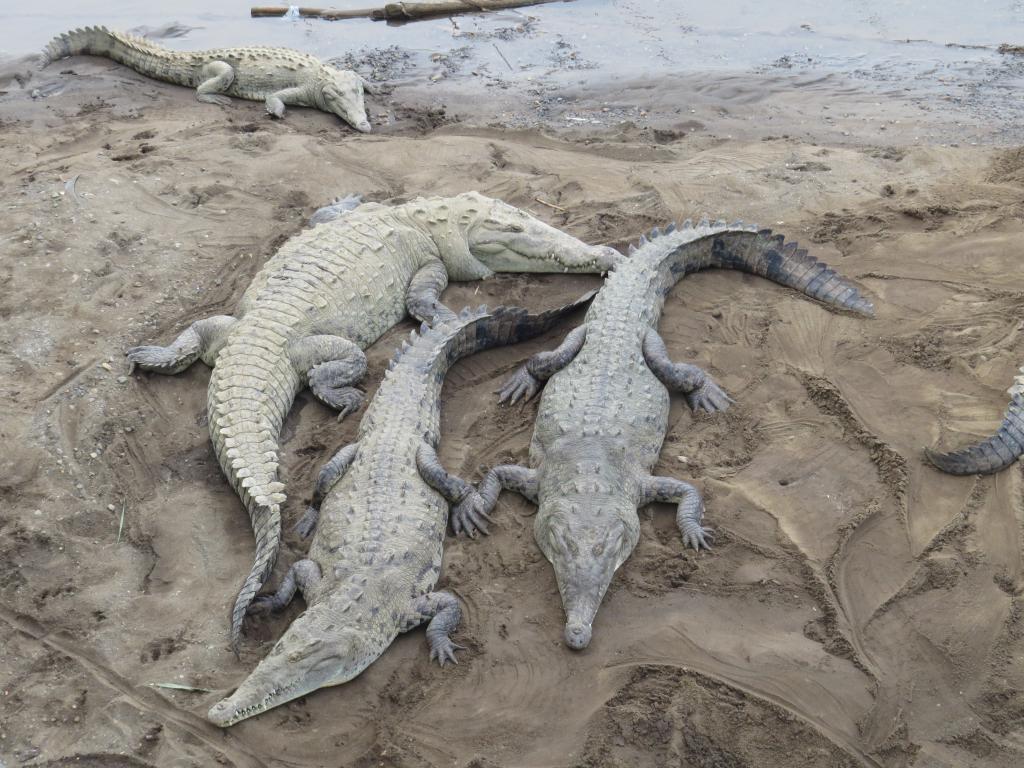
But not all the wildlife we spotted at Carara was avian. On the way to the park entrance, we crossed the famous Río Tarcoles, a river that is home to dozens of crocodiles that bask in the mud, particularly under the bridge that tourists walk over to gaze at the enormous predators hanging around. James and I saw plenty of smaller reptilian relatives skitter across the paths at the park, including iguanas and a basilisk lizard. We passed several troops of leaf-cutter ants marching  Continue reading

Hambledooners, Conservation Entrepreneurs

Hambledon Hill, Dorset, UK, in late afternoon sunlight. Photograph: Mark Bauer/Alamy

Hambledon Hill, Dorset, UK, in late afternoon sunlight. Photograph: Mark Bauer/Alamy

National Trust is a private UK-based conservation organization whose nearly 4,000,000 members and more than 60,000 volunteers make great things happen. That leads to about 50,000,000 visitors to sites like this recently created protected area:

National Trust buys Hambledon Hill in Dorset

Pristine chalky outcrop is a treasure trove of plant species and a butterfly haven untouched by modern farming since Iron age

Continue reading

Newspaper Bag Station at Cardamom County

???????????????????????????????

New member of PaperTrails stationed at Cardamom County

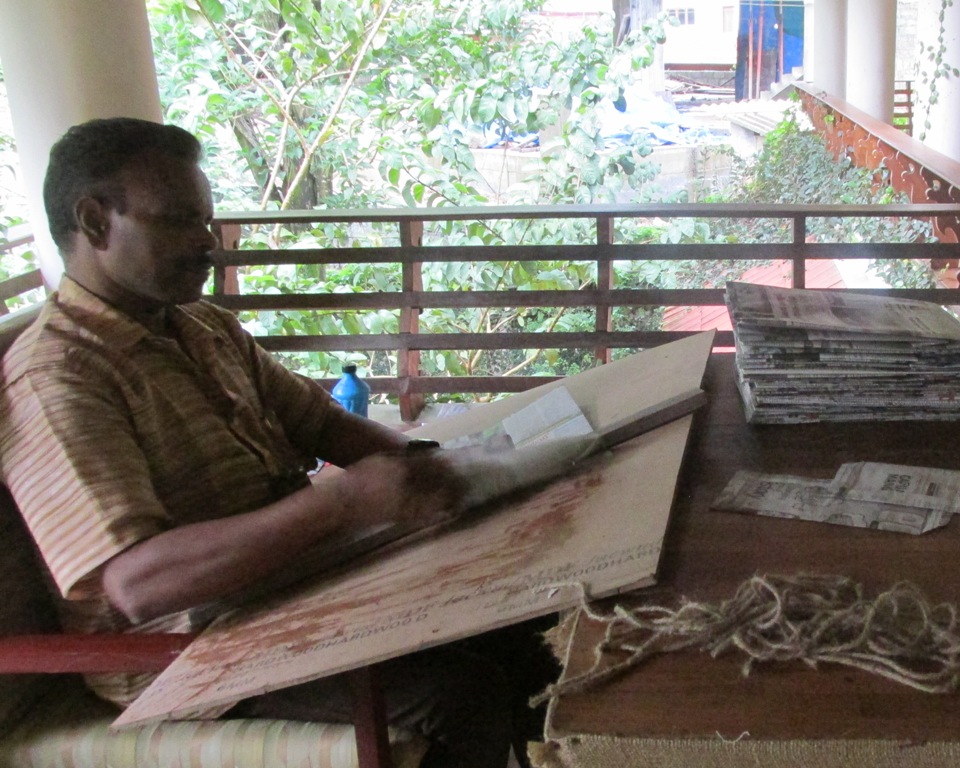
At Cardamom County, we have been working to get the local community involved through the group PaperTrails. PaperTrails helps provide jobs for people who could otherwise not get them. La Paz Group has appreciated the way it involves the locals by providing work and  re-purposing old newspaper. For La Paz Group they make gift bags out of recycled newspaper and sanitary bags from recycled paper. Now, we have a new member of the PaperTrails team stationed at Cardamom County. He is stationed on the second level of the Ayurvedic Center and makes bags for all the La Paz Group properties.. We like this because now guests can engage with the paper bag initiative in a new way. They can see how they are made and learn to make them as well.  Continue reading

A Sophie’s Choice Moment For Two Species, One Environment, And No Solomon In Sight

Damian Mulinix — Chinook Observer. A small portion of the cormorant colony as seen from a bird blind.

Damian Mulinix — Chinook Observer. A small portion of the cormorant colony as seen from a bird blind.

You can read about this in a major media outlet, but try another approach for this story. Local journalism is alive and well, and covering complex, important topics through the local lens:

A plan to kill 16,000 double-crested cormorants on East Sand Island has some residents on the North Coast scratching their heads. Although still in the proposal phase, the plan drew many to an open house in Astoria last week to ask questions of the federal agencies involved. “I can’t believe in this day and age we can’t come up with an alternative solution to killing things,” said Tommy Huntington of Cannon Beach. Continue reading

Reflecting: Half-a-World Away

Cardamom Siesta

Cardamom Siesta

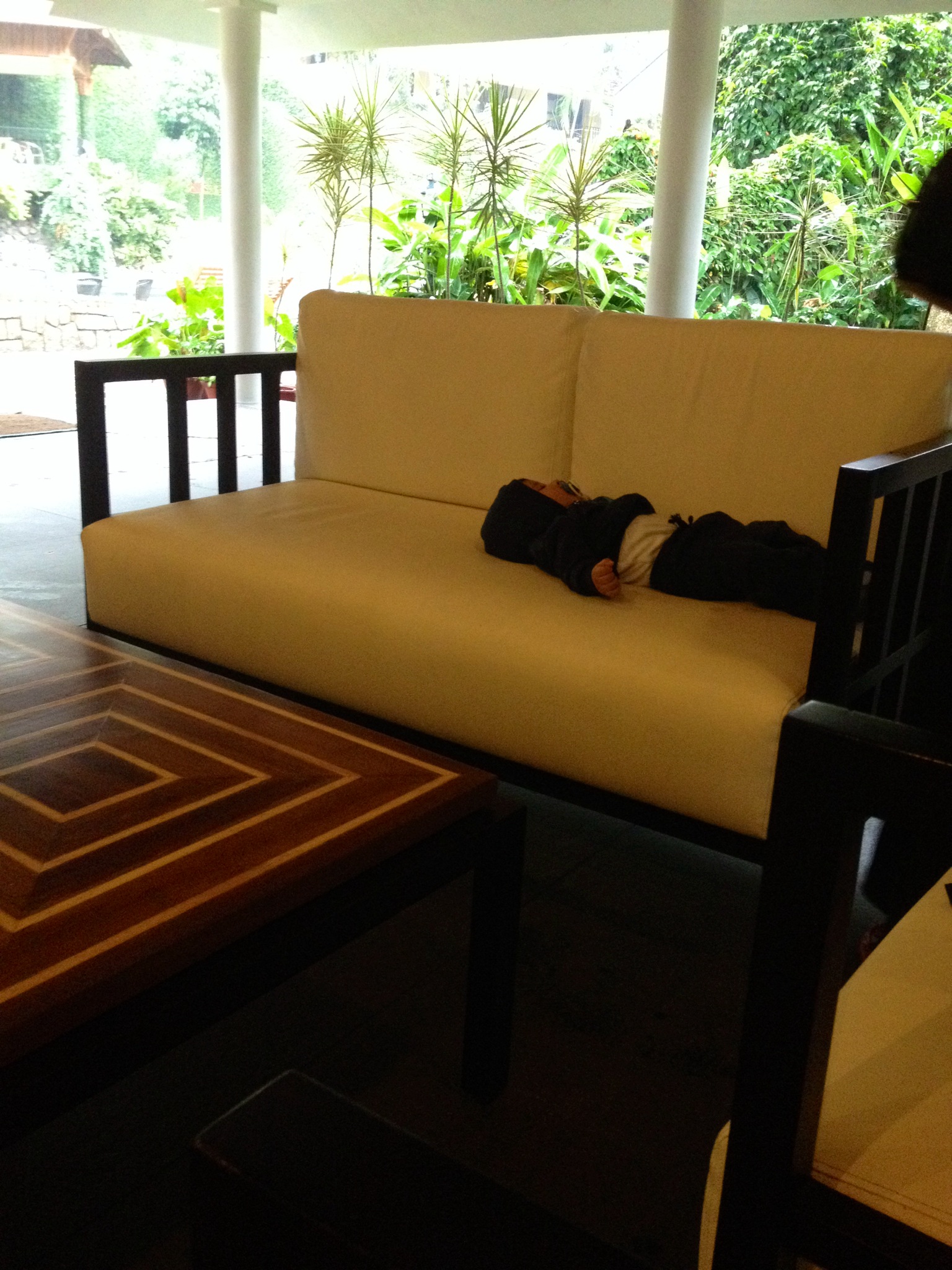
Five months have elapsed since my departure from Cardamom County and Raxa Collective in Kerala — sufficient time, in my opinion, to think back on my experience and growth during my adventures there, as well as the time I have spent back in the United States.

Words cannot express how thankful I am for having been given the opportunity to travel farther and live longer away from home than I ever have before, and in a truly amazing, diverse, and different region of the world than I could ever imagine.  The head honchos, Crist and Amie Inman, have an ethos rooted deeply in progressive ecological conservation that is truly admirable, and for the area they are established, borderline revolutionary.

Continue reading

Community, Control, Conservation

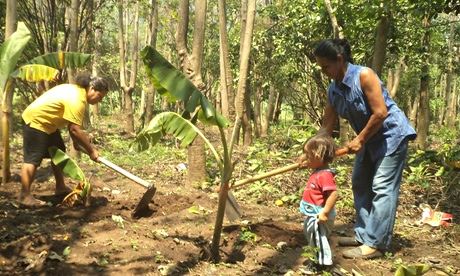
Salvadorans Elsy Álvarez and Maria Menjivar, with her young daughter, plant plantain seedlings in a clearing in the forest. Photograph: Claudia Ávalos/IPS

Salvadorans Elsy Álvarez and Maria Menjivar, with her young daughter, plant plantain seedlings in a clearing in the forest. Photograph: Claudia Ávalos/IPS

We have normally emphasized the word collaboration in conjunction with the conservation initiatives carried out by communities. This article in the Guardian points to research findings that indicates that another c-word, control, is sometimes key to understanding how communities reduce deforestation:

…Analysis suggests that in areas formally overseen by local communities, deforestation rates are dozens to hundreds of times lower than in areas overseen by governments or private entities. About 10-20% of global greenhouse gas emissions are attributed to deforestation each year.

The findings were released by the World Resources Institute (WRI), a thinktank, and the Rights and Resources Initiative (RRI), a global network that focuses on forest tenure. Continue reading

Gianluca, Come To Kerala!

sada-bike

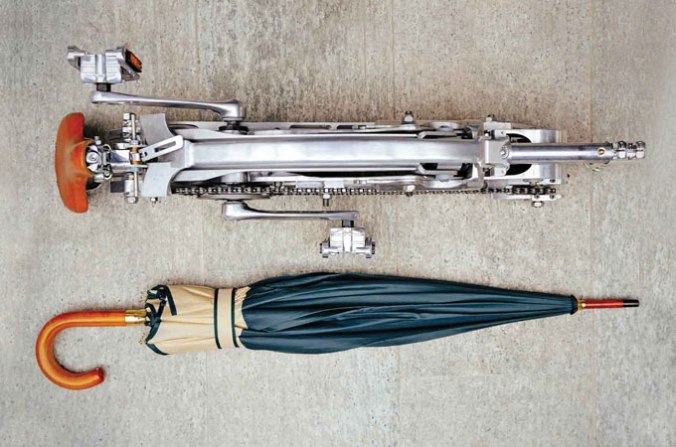
As the metropolitan area of Ernakulum, where Raxa Collective has many contributors who commute to work, completes its futuristic mass transit scheme, our thoughts reach out to a time when the collapsible bike is a necessity here. For now, we can appreciate the design for its own sake of this model that has just come to our attention.

We like everything we read about it, as much as the visual aesthetics. We even hope we might be of some service to its creator, given our history with entrepreneurial conservation. We are on the lookout, constantly, for opportunities to collaborate with creative craftsmen and to welcome them into Raxa Collective’s growing community across the globe. Conservation magazine brought Gianluca Sada onto our radar. We extend to him our usual invitation for a visit thanks to that:

COLLAPSIBLE COMMUTE

Carrying a bicycle onto a bus or subway for unrideable sections of your carless commute is less than convenient. This is where the Sada Bike fits in. Whereas other foldable bikes have shrunken frames and wheels, the Sada Bike’s full-sized frame folds down to the size of an umbrella; its spokeless, hubless, 26-inch wheels double as a backpack frame.

Continue reading

Grouse, Green Goals, Collaboration Required

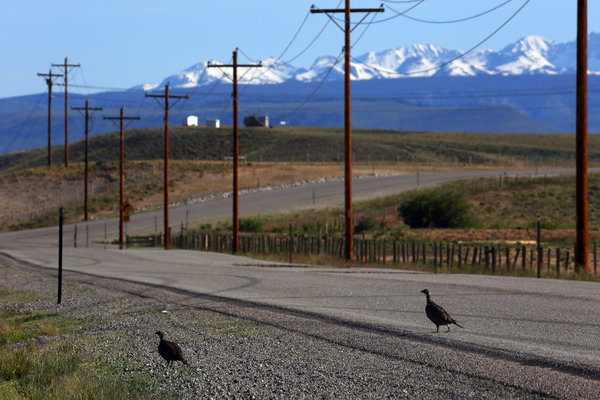
Sage grouse in a part of Wyoming where Shell has gas fields. Credit Jim Wilson/The New York Times

Sage grouse in a part of Wyoming where Shell has gas fields. Credit Jim Wilson/The New York Times

Conservation is a classic collective action challenge. Collaboration is a requisite for success. This New York Times report on the struggle between the energy needs of a country, and efforts to conserve a bird species illustrates how green priorities can sometimes conflict in unexpected ways, and how cooperation can prevail for the common good:

…On paper, at least, the Wyoming plan is in line with federal goals, officials say. It cordons off large areas as critical for the bird to survive, and its authors say it is the best compromise they could fashion.

Nestled in the gray-green sagebrush on the sprawling ranches or pecking their way along the dusty roads near the Pinedale Anticline gas fields, the squat, mottled-brown birds appeared unruffled. But they are persnickety creatures easily disturbed by human activities. Every year, males return to relatively open areas called leks, splaying their tail feathers and puffing up their chests as they waddle and call to attract hens. Vulnerable to predators like coyotes and eagles, the grouse depends on vast expanses of sagebrush for food and shelter. Wyoming’s plan would restrict development to levels that would not disturb the birds. For example, it would limit surface disturbance to 5 percent a square mile and ban activity within 0.6 miles of the leks. Continue reading

Notes from the Garden: Quantifying Farm-to-Table

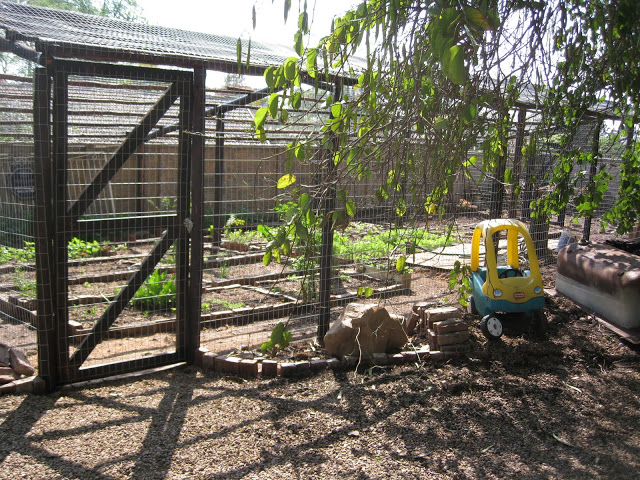
We are in process of building a monkey-proofed area of the garden. You can see my past post to get a feel for the evolution of this idea. The main issue with providing the Cardamom County restaurant with food from the on-site organic farm is monkeys. We were inspired by these subsistence farmers in Ixopo, South Africa, who blogged about building their monkey-proof vegetable cage. They, too, are neighbors with a nature reserve, so their situation is quite similar to Cardamom County! Now, we are on our way to having a truly farm-to-table menu!

Here is the cage we are modeling ours after. Check out their blog: http://foodieschannel.blogspot.com/2011/04/this-isnt-really-recipe-but-its-about.html

Here is the cage we are modeling ours after. Check out their blog: http://foodieschannel.blogspot.com/2011/04/this-isnt-really-recipe-but-its-about.html

You may be wondering, why is there all this buzz these days about farm-to-table? There is more to it than just fresh, delicious food.

Obviously, a lot of nature gets destroyed for agricultural purposes. In the United States, so much land gets wasted on sprawling, inefficient development. In the in-between spaces, you could feed a nation. But we eat up our open, natural spaces for agriculture. Our agriculture is rarely local so it leads to problems of unnecessary carbon emissions from transport and a lot of not-fresh food in grocery stores. When we can use the land we have already developed on to provide the people there with food, why spread ourselves out so thin into nature? Continue reading

Following the Paper Trail, Redux

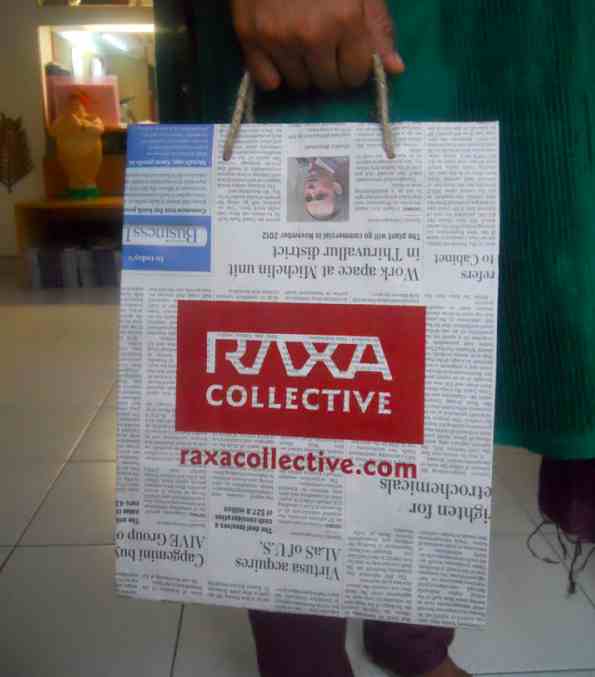
raxa collective bagI have been following the Paper Trail since I got here as an intern and got involved in this social entrepreneurship project Raxa Collective has been working on! There are some types of environmental action that focus on being inherently low-impact from the original design while other methods focus on closing loops from more poor designs that leave good material wasted, such as newspapers. Something is sustainable when it meets the triple bottom line: environmental, economic, and social. RAXA Collective has been meeting this triple bottom line with its newspaper bag initiative! Working with the group, PaperTrails, they have been able to provide a livable income for local people who are unable to get work for whatever reason. They have work based on creating useful bags or envelopes out of recycled newspaper. Paper Trails has been providing bags and envelopes for Raxa Collective’s properties from newspapers and other recycled material. Now, we are taking the newspaper bag initiative to the next level. Continue reading

Wild Periyar

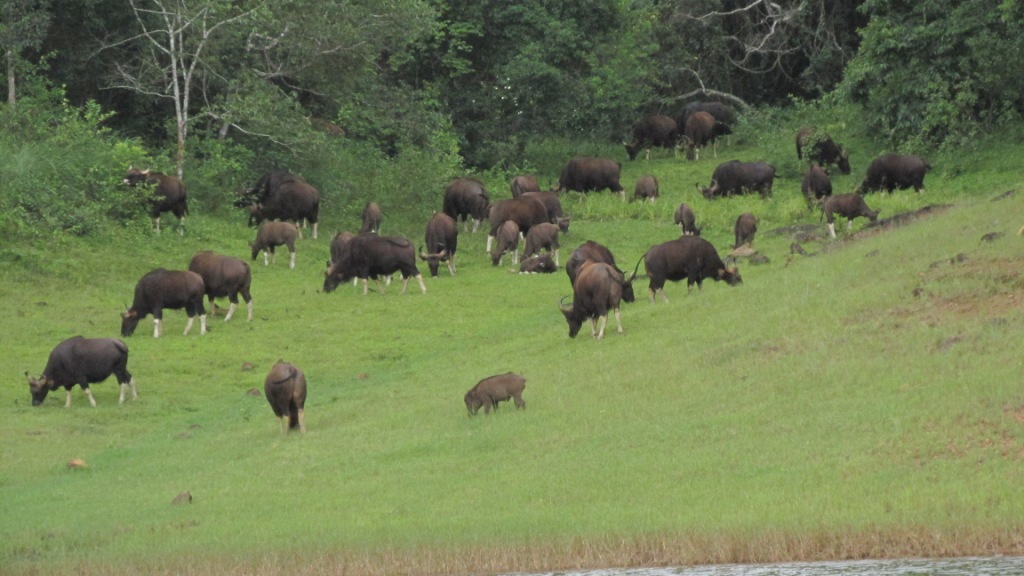
Photo credits : E I Sali

Photo credits: E I Salim

The Periyar Tiger Reserve is a rich biodiversity reservoir of 925 sqr km in the southern portion of the western Ghats of India. Considered one of the thirty-four biodiversity hotspots of the world, it is the land of elephants, gaur (pictured above), deer, and even tigers and other felines.

A 25 sqr km reservoir, Continue reading

Trekking through Periyar Tiger Reserve

Today I was fortunate enough to get to walk through one of the most biodiverse areas in the world second to the Amazon: Periyar Tiger Reserve.

I understand why people travel from all of the world to experience this place. In the United States, we are very proud of our national parks for their diversity and beauty. However, this park feels more untouched than the ones I have been to in the states. It kind of absorbs you. The paths in the forest seem less traveled. Honestly, it feels less touristy and more wild. We only trekked on the periphery of the jungle really. The center of the jungle truly is preserved and only certain people are able to go deep inside.

Continue reading

Notes from the garden: The naming of things


Today in the Cardamom County organic garden, I have been learning the names of things.

Once someone has introduced me to a plant, I take note of its shapes and impress it upon my mind with the name. Later there is some joy, when there is a spark of familiarity among what before was a just mass of green flora.

Here, I have often been asked for my “good name”–the local way of saying what at home we’d call our “given” or “proper” name. I think there is something beautiful about being able to call a person or plant by its good name.

Continue reading

Straw Bale Construction: Part 3/3

Guest Author: Virginia Carabelli

For Part 2, click here, or if you’re new to the post this is Part 1.

You might wonder at this point, what about permits? All materials used for building in the US have to be tested in a federally approved lab. Straw bales not only passed the required standards, but exceeded them in many tests. Federal building codes supersede state building codes, meaning that no state can legally forbid its use. Most people, including many building departments, are unaware of this fact. Each state, has slightly different requirements. For example, if you live in a seismologically active area, your building code will reflect that (by the way, straw bales perform exceedingly well in earthquakes).

So if you want to build a post and beam structure with straw bale insulation (which is the basic building technique), you should have no problem. However, if you want to build a load-bearing structure (no post and beam to support your roof), you will have to restrict yourself to a small building, following a given formula depending on the size of your straw bales. You might run into some resistance in certain states, although load-bearing was one of the required tests passed by this material. Here in New York, several lovely load-bearing straw bale structures have been legally built. Continue reading

Monkeying around in Cardamom County

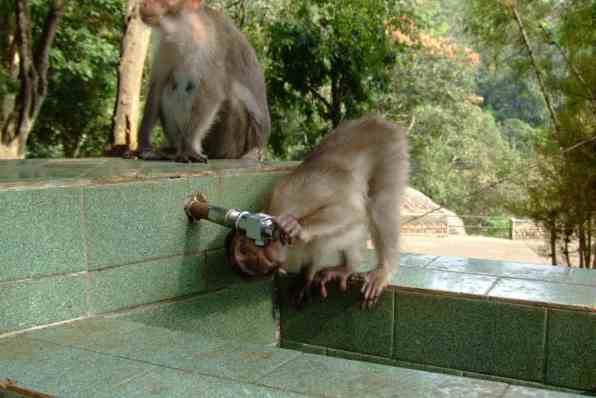
Monkey mischief at the Periyar Tiger Reserve, neighbor of Cardamom County

I have never had to take monkeys into consideration when gardening before.

I am at this jungle-like Raxa Collective property in Thekkady, India. I am here to work as an intern to help with creating a more farm-to-table relationship in the restaurant at Cardamom County. There is an organic garden here that is already providing the restaurant with a decent percentage of their staple foods. However, we face a little problem with some main ingredients such as tomatoes, eggplants, and actually anything sweet that we might like to grow such as grapes or pomegranates.

Monkeys. Continue reading

Straw Bale Construction: Part 2/3

Guest Author: Virginia Carabelli

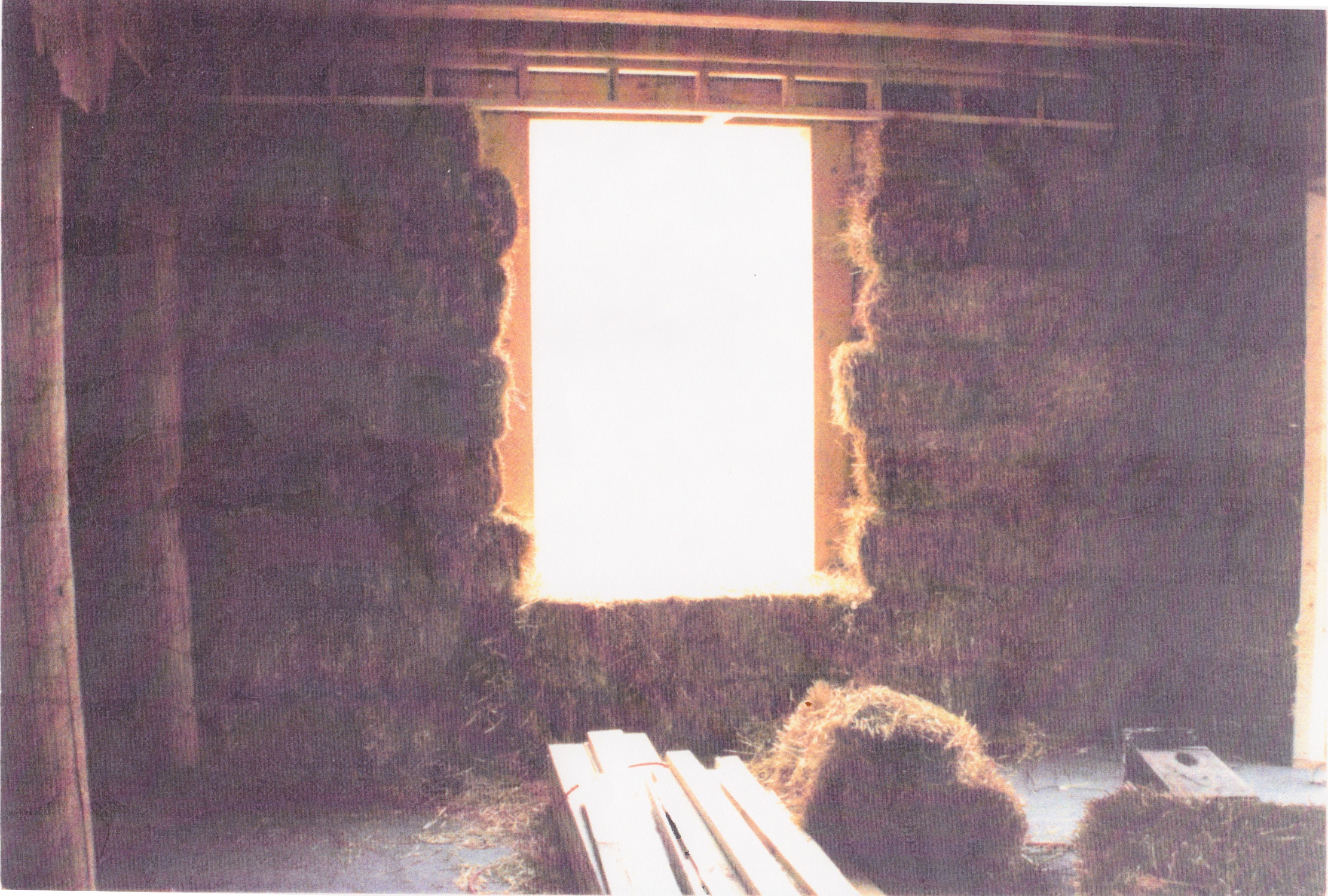
Before

Before

In case you missed the first part of this post, click here.

At this point, let me get the three things that may be on your mind out of the way, before I move to introduce the building technique, without getting too technical.

1. Fire – Fire needs oxygen to burn, a compacted straw bale + encasing in cement or mud plaster offers no oxygen for fire to take hold. Try and burn your phone book as is (do they still make them?) and you’ll see what I mean. At worse, it will smolder.

2. Pests – Straw is like a little stalk of bamboo, in a way. It is the stem of grains whose function is to carry nutrients to the head. It has no nutritional value, protein, etc., so bugs are not very interested in it—they prefer hay or alfalfa. In fact, Continue reading

The Value Of A Manta

manta-shutterstock_148271486-680x450

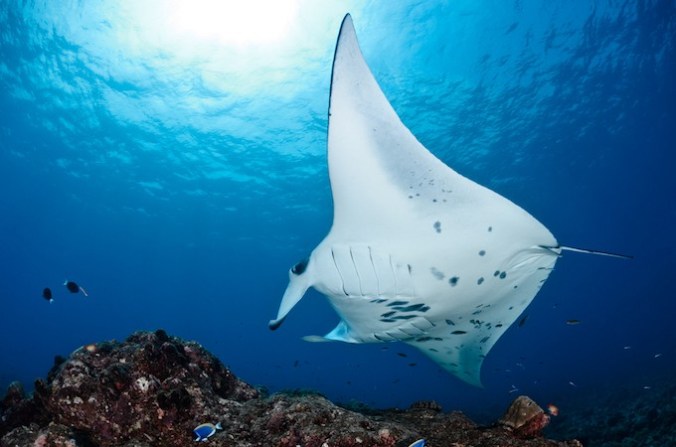
MANTA RAYS ARE WORTH MORE ALIVE THAN DEAD

The title may sound a bit obvious, but this article is anything but (thanks to Jason G. Goldman and  Conservation magazine):

Manta and mobula rays, together the “mobulids” are among the most recognizable, charismatic fish in the world. They’re also particularly vulnerable, thanks primarily to the use of their gill plates in Traditional Chinese Medicine. That’s despite the fact that mobulid gill plates are not officially recognized by most practitioners of Traditional Chinese Medicine. There are so many nonsensical aspects to this story that it’s hard to know where to start. Continue reading

Straw Bale Construction: Part 1/3

Guest Author: Virginia Carabelli

Hello everyone, I am delighted to be invited by RAXA Collective to participate in such a wonderful community! My name is Virginia Carabelli. I was born in Italy and raised both there and in France. I moved to the US in my late teens to attend college and fell in love with this beautiful country. I have always been more comfortable in nature and silence and have never been very interested in the rat race and busi-ness. I would much rather be than do.

I’ve always found our human ways mostly destructive and superficial, and had a plan since childhood to live life on my own terms as much as possible. In 1989 I achieved one of my childhood dreams: I bought a beautiful piece of property in a verdant valley in New Mexico, where I could live at least partially off the land. The community was mixed Spanish/Pueblo Indian, and many families lived in trailers (by that I do not mean a nice double-wide, but rather a large shipping container on cement blocks). Ecologically speaking, the valley was a fragile environment. With those two things in mind I said a simple prayer asking for guidance to build a home that would be in harmony with nature and also provide some good affordable housing for those in need. I had no idea how to do this, but I had only to wait a couple of weeks for Matts Myhrman to coincidentally walk into my life. Continue reading

Happy Anniversary, Yosemite!

One hundred and fifty years ago, on June 30th, President Abraham Lincoln signed the Yosemite Grant Act, which passed through Congress and created the first protected wild land in the United States. The Yosemite Grant Act was the first step toward creating what is now the famous and highly popular national park, which eventually happened in 1906 under President Theodore Roosevelt. In the video below, you can see some nature and landscape photography and a couple videos I took during a recent visit to YNP.

Continue reading

Citizen Science in Belize – Update on Lionfish Jewelry: Part 2

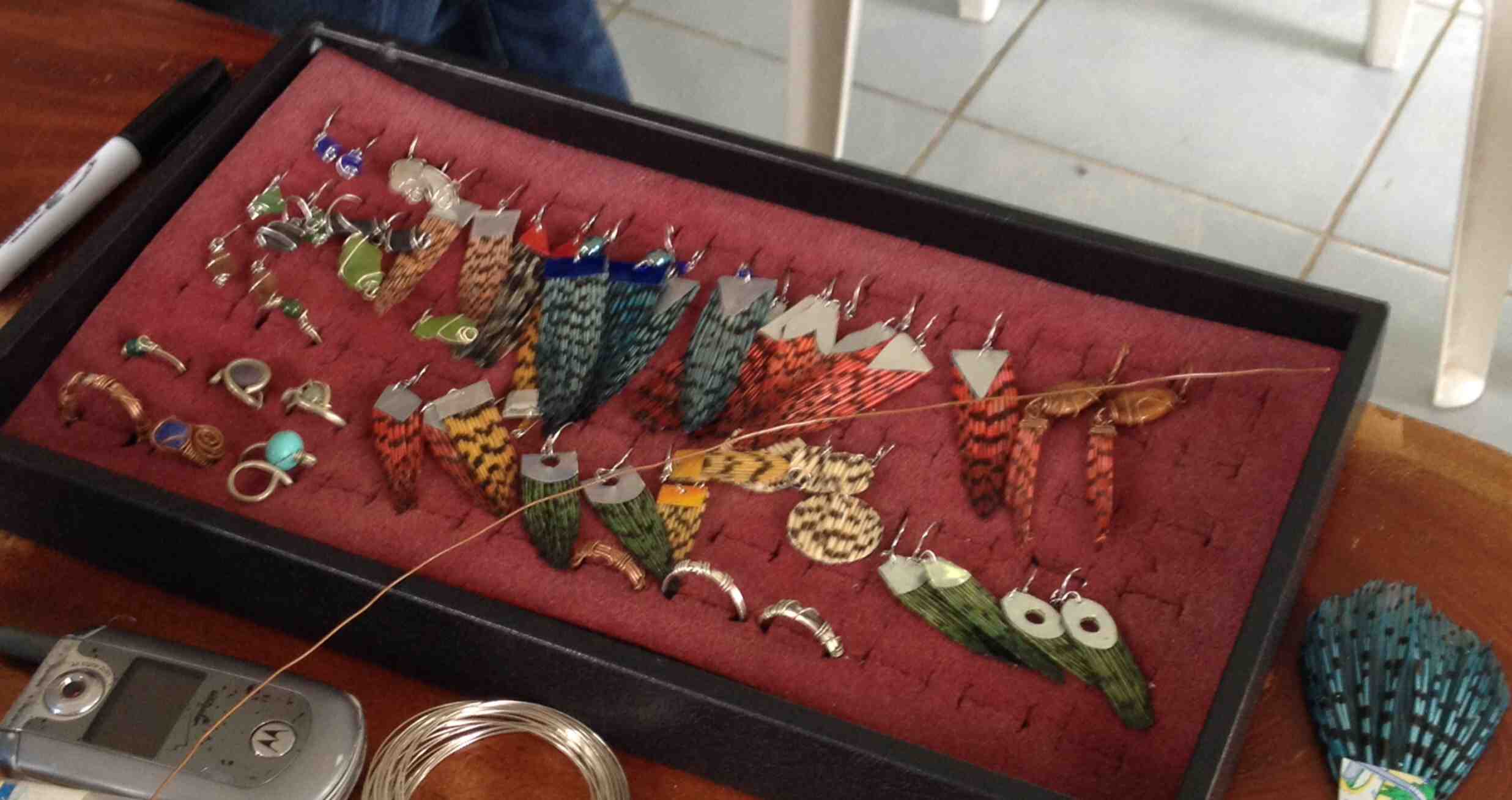
Assorted lionfish jewelry from Palovi Baezar, Punta Gorda, Belize

Assorted lionfish jewelry from Palovi Baezar, Punta Gorda, Belize

In Part 1 of this post I wrote about my recent visit to Belize to help with further development of the nascent  market for lionfish jewelry; one of several market-based approaches to addressing the threat to Southwest Atlantic marine ecosystems posed by the invasion of this non-native species. I noted that the market is most advanced in the area around Punta Gorda, in Southern Belize, in large measure due to the support provided by ReefCI which has provided training on jewelry making to a group of local women and is supplying them with lionfish spines, fins, and tails as well as marketing assistance.

Lionfish spines, fins, and tails ready for jewelry

Lionfish spines, fins, and tails ready for jewelry

While ReefCI’s involvement has been instrumental in getting things started, further development and expansion of the market will require engagement with artisans and women’s groups in other parts of the country, particularly areas closer to major tourist markets. Interventions are also needed to develop a reliable and sustainable supply chain for lionfish jewelry production and sales. I was pleased to hear from one of the jewelry makers in Punta Gorda that a local fisherman had approached her about selling lionfish tails. This was music to my ears, as one of the motivations behind the lionfish jewelry idea has been to up return to fishers in order to create added commercial incentive for them to hunt lionfish (the fish cannot be caught using conventional fishing methods such as hook and line or nets, but must instead be speared or hand-netted by diving). Continue reading