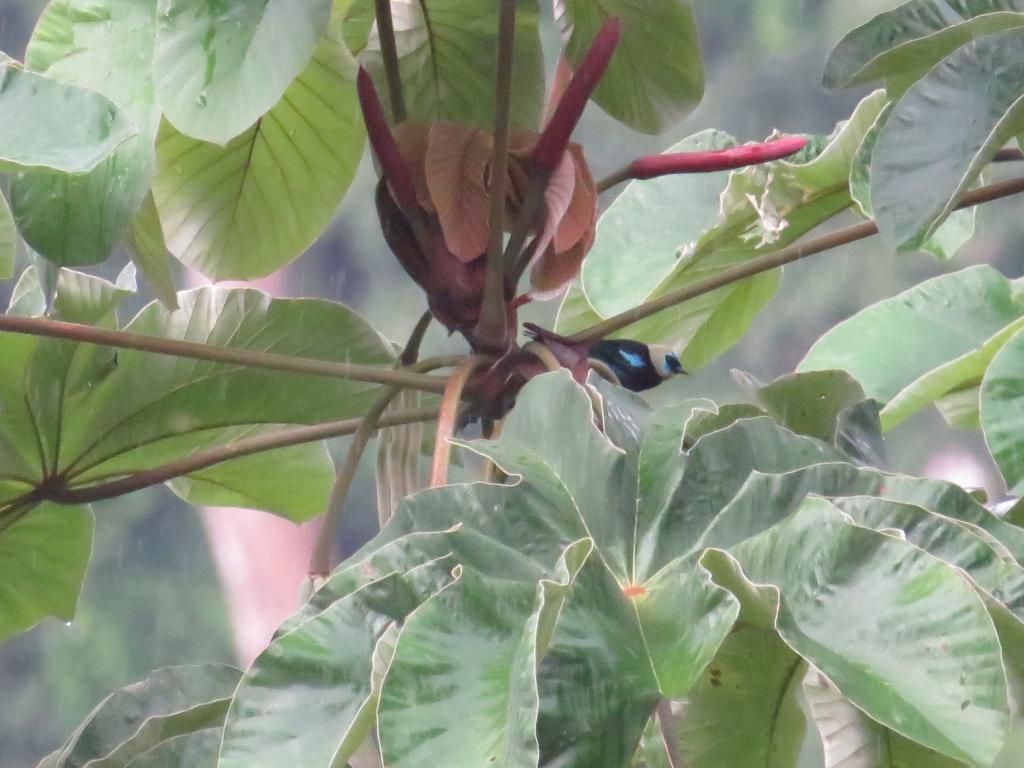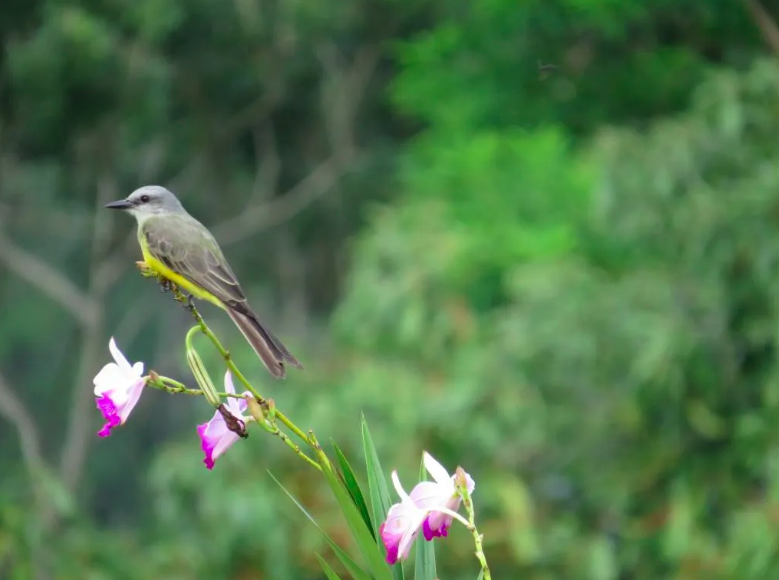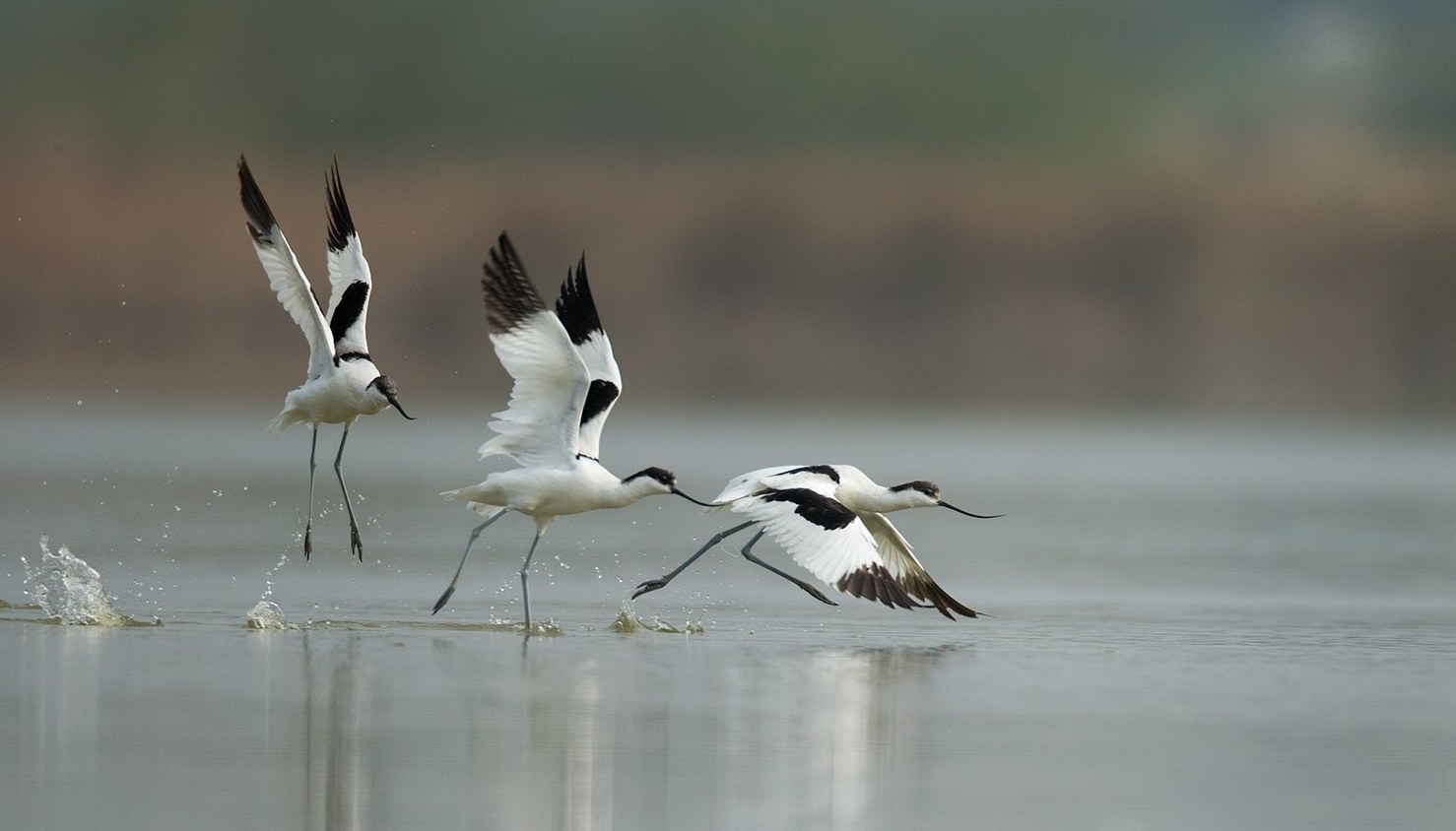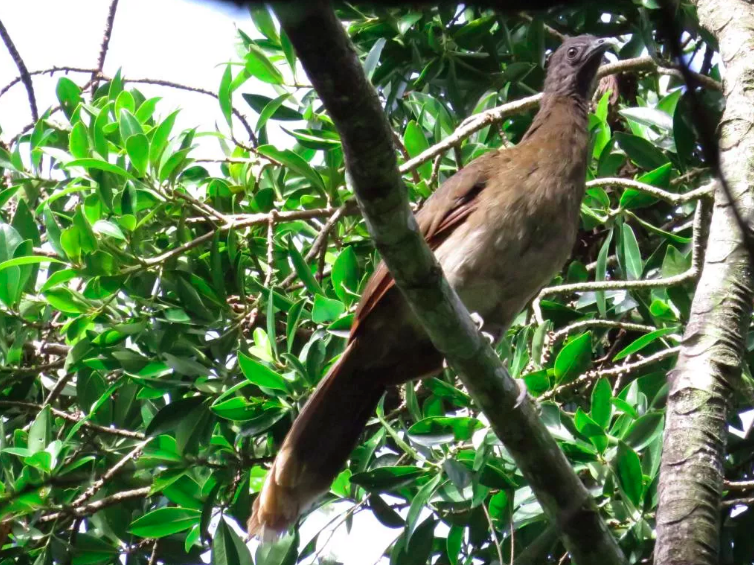
Biligiri Rangana Tiger Reserve, Karnataka
Conservation Tourism
Bird of the Day: Common Cranes (Little Rann of Kutch, Gujarat)

Bird of the Day: Asian Emerald Dove
Bird of the Day: Steller’s Jay (Yosemite National Park, California)

Tourism, Conservation, Whale Sharks
Thanks to Conservation for this item about entrepreneurial conservation of the ecosystems where one of the greatest of sea creatures dwell:
HOW CAN WHALE SHARK TOURISM BE KEPT SUSTAINABLE?
August 22, 2014
When the revenue generated by wildlife-related tourism is higher than that generated by the consumption of that wildlife, then the animals in question are worth more alive than dead. This seems intuitive, but the economics of wildlife tourism aren’t always easy to work out.
Over the last couple decades, one form of wildlife-based tourism that has quickly become popular is diving alongside free-swimming whale sharks. While they’re the largest fishes in the sea, whale sharks are actually quite docile and have highly predictable seasonal movement patterns. That makes them particularly attractive to dive operators. While whale shark tourism has operated in Western Australia’s Ningaloo Reef since the late 1980s or early 1990s, most whale shark tourism outfits have sprung up more recently, in the eastern Gulf of Mexico, Honduras, Belize, the Philippines, Mozambique, Seychelles, and the Maldives. While some attempts have been made to quantify the economic impacts of whale shark tourism in Ningaloo, Belize, and the Seychelles, nobody has done so for the Maldives. Measuring the economic value of the industry is especially important because it is difficult for local governments, with limited powers especially when it comes to environmental protection, to prioritize conservation without that information. Continue reading
Bird of the Day: Blyth’s Starling
Bird of the Day: Cedar Waxwing (Appledore Island, Maine)

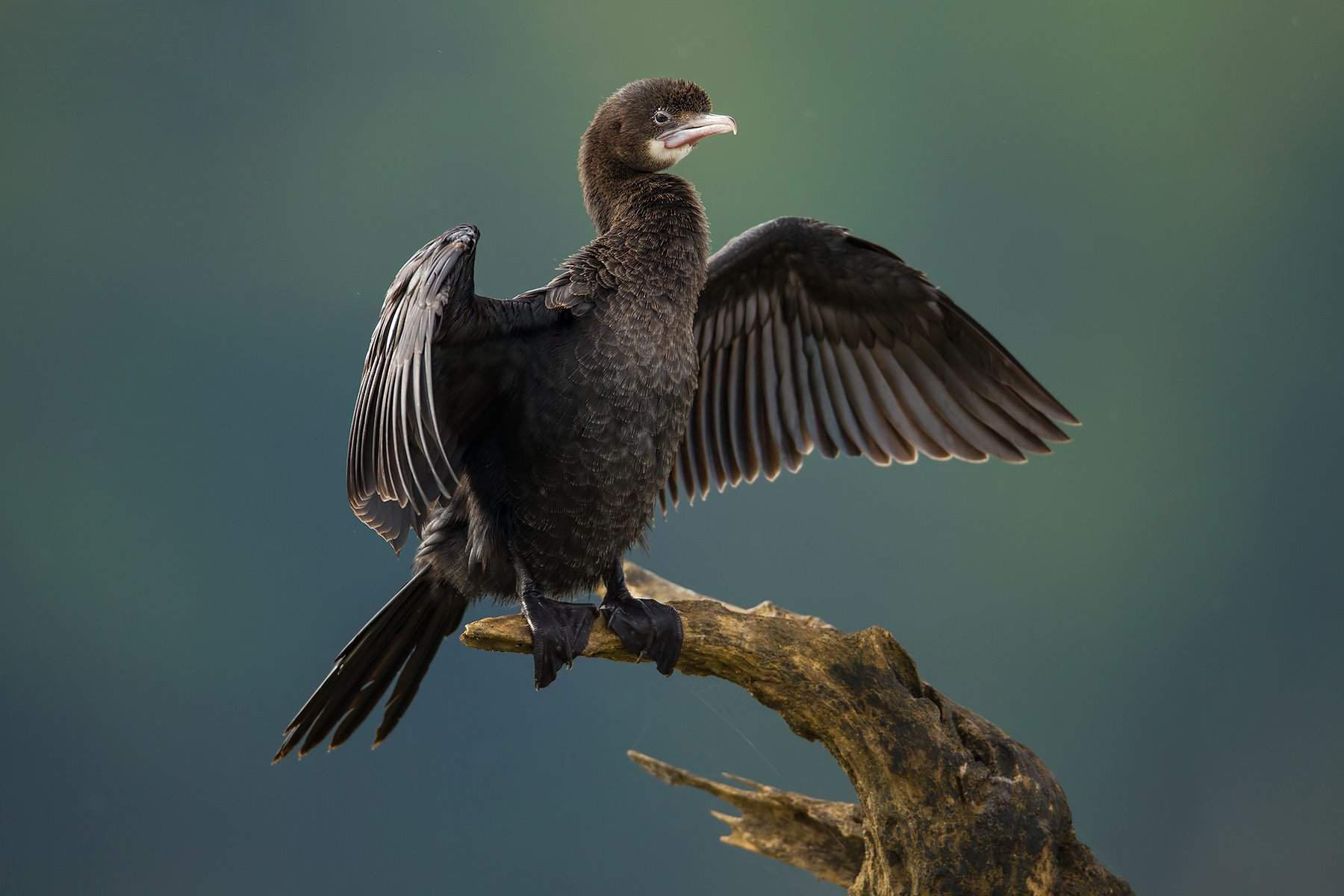
Bird of the Day: Great Cormorants (Bhadra River, Karnataka)
Bird of the Day: Chukar Partridge
Bird of the Day: Slendered-billed Gull
Bird of the Day: White-tipped Dove (Xandari Resort, Costa Rica)
Bird of the Day: Great Hornbill
Bring On The Night

Dan Duriscoe works at a special computer-controlled camera used to photograph the night sky at Dantes View in Death Valley National Park in California. John Locher/AP
Supporting an activity that depends on the mitigation, if not reduction, of light pollution? We are all for it:
When was the last time you looked at the Milky Way? Or saw the shape of Cassiopeia? If you live in a city, you might not even remember. In the world’s most populated areas, air and light pollution obscure the sight of thousands of stars once visible to the naked eye. Continue reading
Bird of the Day: Blue-tailed Bee-eater (Mysore, Karnataka)
Bird of the Day: Hoffman’s Woodpecker – Male (Xandari Resort, Costa Rica)
Bird of the Day: Grey Wagtail
Bird of the Day: Osprey feeding on fish
Bird of the Day: Scarlet Tanager (Appledore Island, Maine)

Winged Wildlife at Carara National Park (Part 2)
As I hinted in Part 1, Carara National Park is great for experiencing much of Costa Rica’s famous biodiversity. Monkeys, iguanas, poison dart frogs, and insects, together in a rich rainforest replete with all sorts of weird fungi that can look tasty and cute. Upon entering the park, James and I were greeted with the laughing calls of Black-hooded Antshrikes, birds that enjoy the columns of marching insects that commonly go by the name of “army ants.” Plenty of other birds with the word “ant” in their names made themselves known with their songs or movements in the undergrowth: male and female Dot-winged Antwrens, a Dusky Antbird, several Chestnut-backed Antbirds and Black-faced Antthrushes, and even a Streak-chested Antpitta heard from afar.
Apart from birds, we also saw several species of butterfly, including this one with the classic owl-eye pattern on its wings to startle potential predators. We also saw cicadas, but several times they had fallen prey to skillful salliers from silent perches. This female White-whiskered Puffbird, as well as this woodcreeper (Long-tailed, perhaps?), both emerged from their hidden leafy blinds to land somewhere with a juicy, shiny cicada in their beaks. There were several other woodcreepers doing their job–creeping along tree trunks–like a Streaked Woodcreeper with its powerful bill, and in general James and I struggled to Continue reading