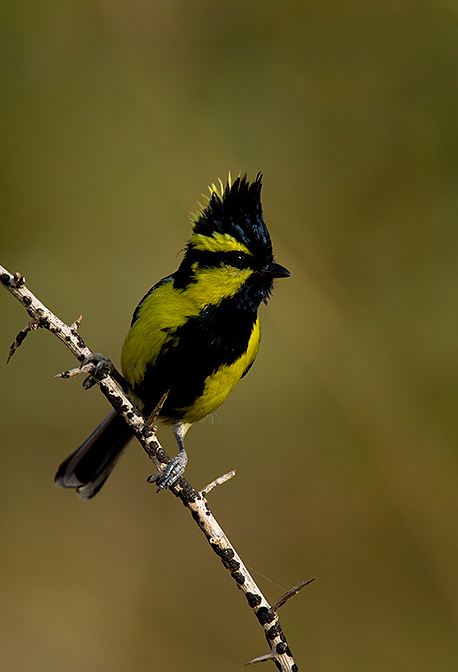
Sikkim, India
Sikkim, India

Tacacori, Costa Rica
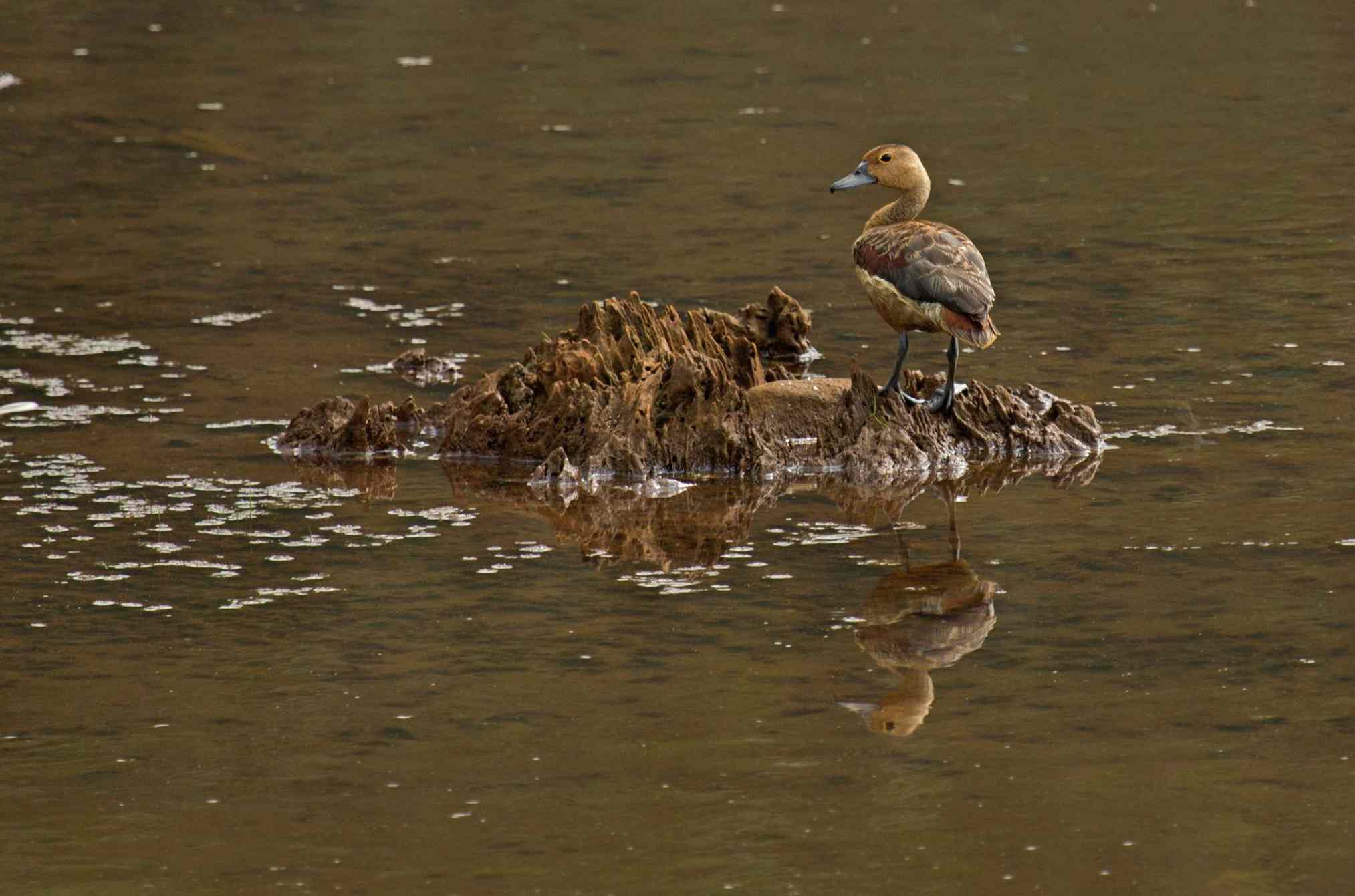
Thattekad Bird Sanctuary, Kerala

Little Rann of Kutch, Gujarat
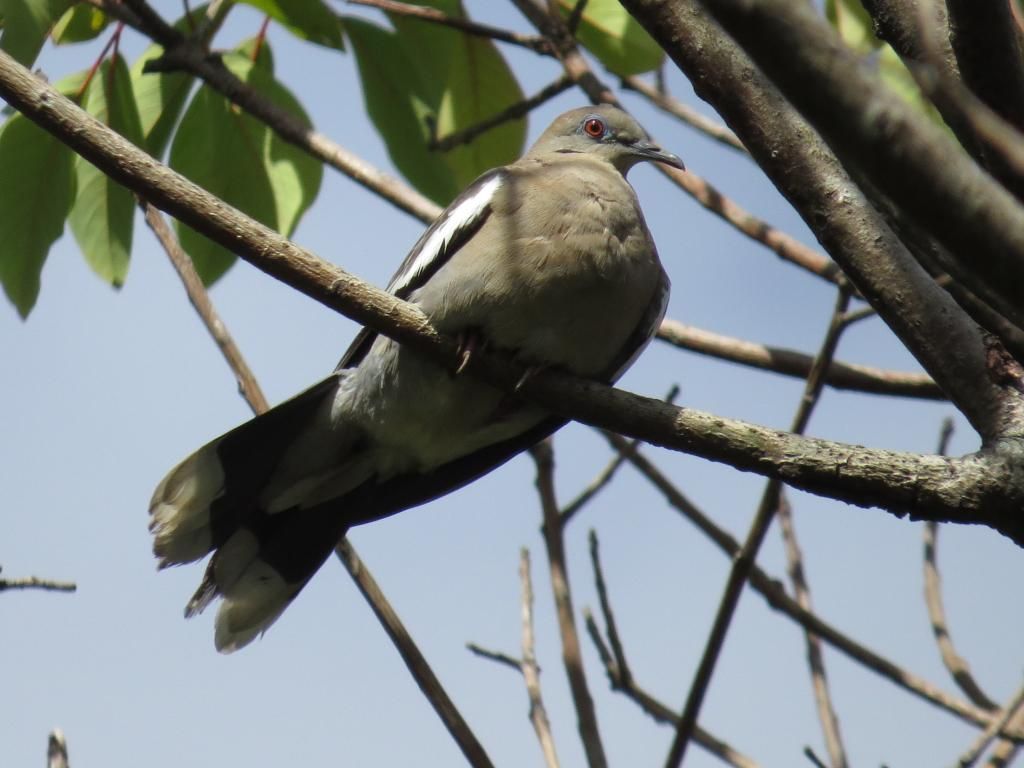
Tacacori, Costa Rica

Photo credit: Pallavi Kaiwar
Kabini Backwaters, Karnataka

Appledore Island, Maine

female – Tacacori, Costa Rica
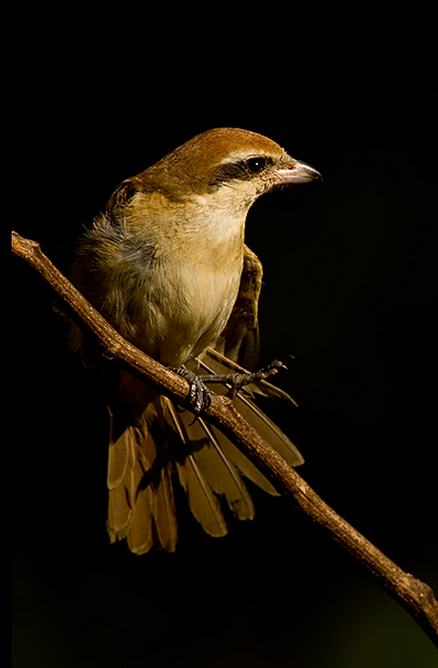
Thattekkad Bird Sanctuary, Kerala

White Island, Maine
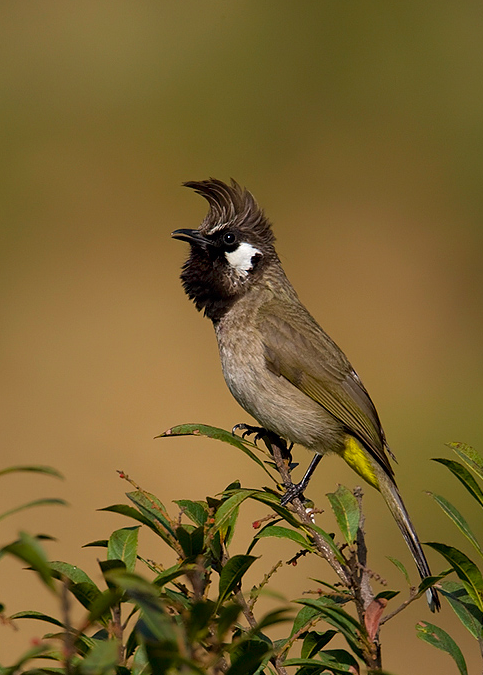
Sikkim, India

Thattekad, Kerala
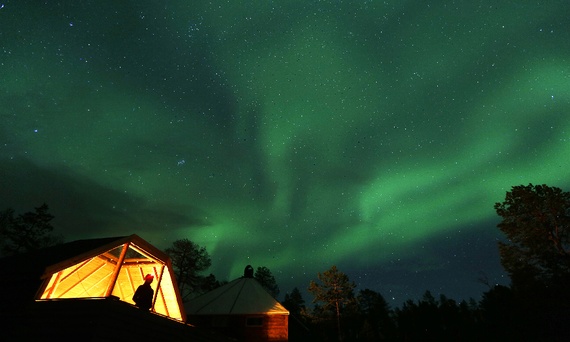
Northern lights over a camp north of the Arctic Circle, October 2014 (Yannis Behrakis/Reuters)
We may be a bit self-interested in declaring so, but this research matches what we believe from daily experience–not to say it is obvious–and so it is good to know science is helping us understand why:
Buy Experiences, Not Things
Live in anticipation, gathering stories and memories. New research builds on the vogue mantra of behavioral economics.
Forty-seven percent of the time, the average mind is wandering. It wanders about a third of the time while a person is reading, talking with other people, or taking care of children. It wanders 10 percent of the time, even, during sex. And that wandering, according to psychologist Matthew Killingsworth, is not good for well-being. A mind belongs in one place. During his training at Harvard, Killingsworth compiled those numbers and built a scientific case for every cliché about living in the moment. In a 2010 Science paper co-authored with psychology professor Daniel Gilbert, the two wrote that “a wandering mind is an unhappy mind.”
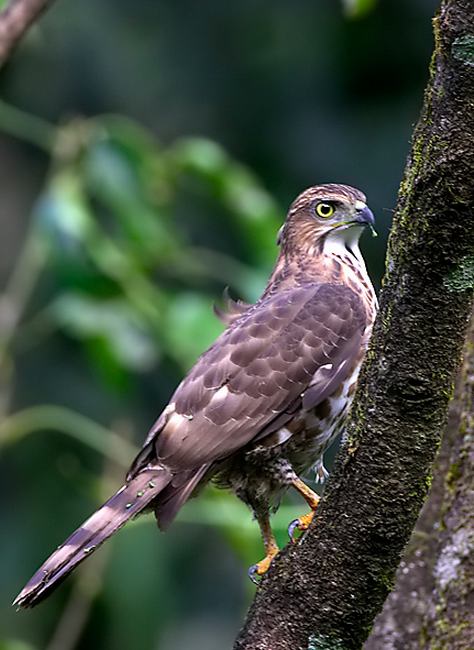
Kemmangundi, Western Ghats, Karnataka

Osa Peninsula, Costa Rica

male – Rathambore Tiger Reserve, Rajasthan

juvenile – Tacacori, Costa Rica
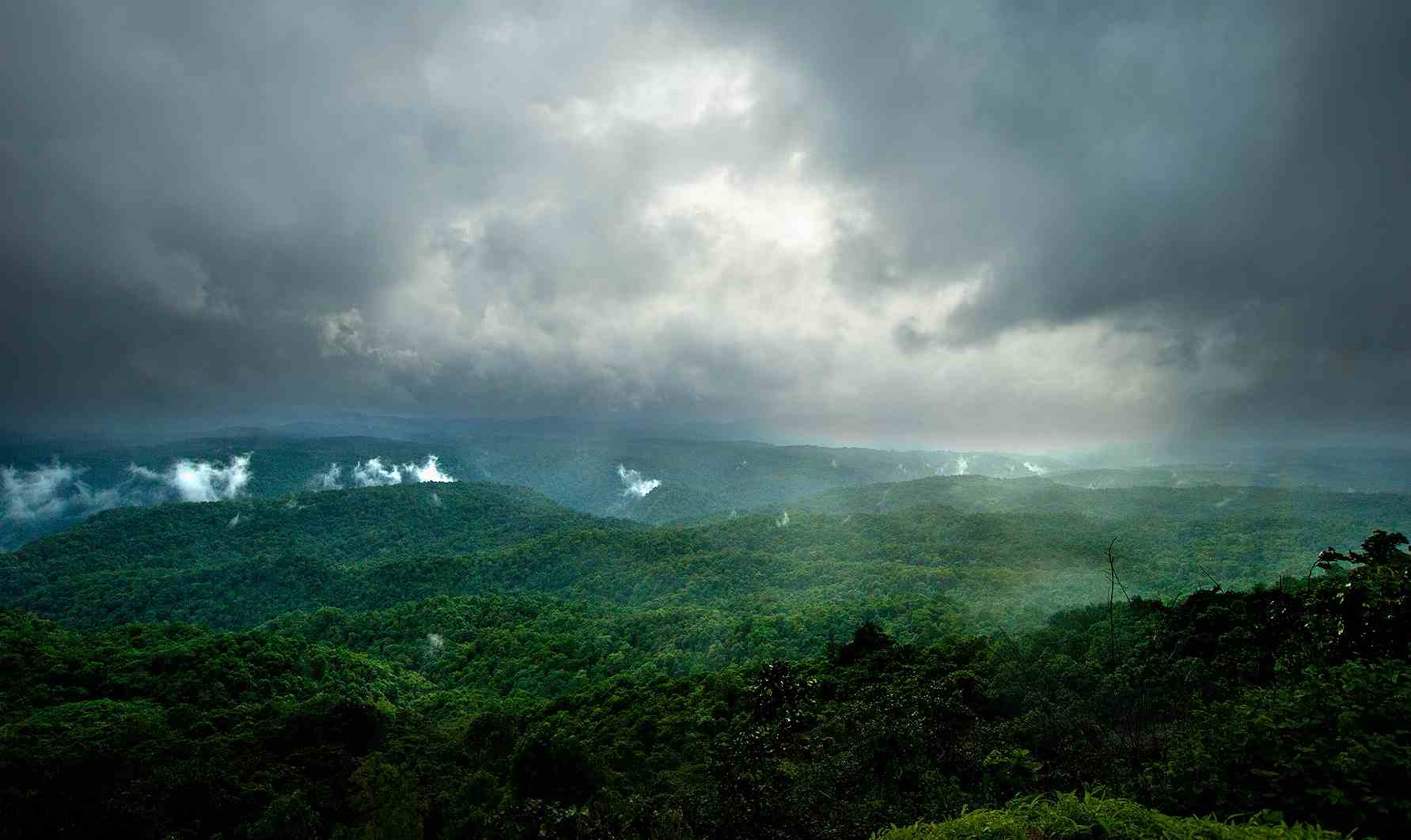
As a part of celebrating World Wildlife Week I was sharing information about the importance of saving our Natural Heritage, trying to create awareness among the growing population of nature lovers and wildlife photographers.
In the previous posts I discussed the relationships between healthy ecosystems, the well-being of wildlife and humans.
Here I’ll address another essential element for a healthy tiger population – territories!
Next to food, the most important requirement for a tiger is territory. A male tiger with a territory encompassing those of several females has more mating opportunities. A female in control of a ‘home range’ with abundant prey has the best chance of raising more cubs.
With so much at stake, tigers are fiercely possessive of their turf, and scent-mark and defend their territories from rivals.
There is increased pressure on the Tiger territories from the development front. Environmental and forest clearances have been delinked to allow work on linear projects, such as highways, on non-forest land without waiting for approvals for the stretches that require forest land.
India has ONLY 4.9% of total geographic area established as protected area (PAs). If we are not able to increase this, we need to see how we can at least protect that. But look at this news published in hindustantimes:
In a boost to the real estate sector, the environment ministry may soon allow state governments to take a call on setting up new townships, information technology and developmental parks near tiger reserves, national parks, eco-sensitive zones and critically polluted areas.
The ministry has already issued draft rules proposing delegation of its power to decide on construction projects within 10 kms of wildlife areas and critically polluted areas to the state governments.
Till now, the Centre used to examine such projects to consider their impact on wildlife before giving a go-ahead. But now, the ministry has proposed the “general condition” for construction projects including information technology parks, hotels and offices will “not” apply. Continue reading

Bhadra River, Karnataka
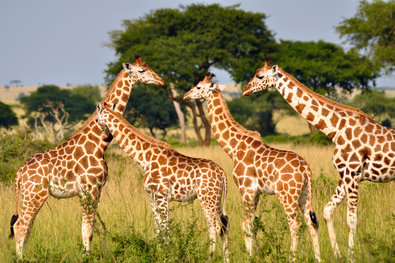
Julian Fennessy. Giraffes are the “forgotten megafauna,” said the executive director of the Giraffe Conservation Foundation.
We have been highlighting science writers since our outset as a blog, following a longstanding respect from our contributors for their particular talent, which has made us richer by reaching fruit that is sometimes too high on a tree to reach and bringing it where we can reach it.
From the current New York Times weekly section highlighting and explaining scientific matters of interest to us with one of the greatest writers in the genre, we now turn our attention to giraffes for the first time in our several years sharing (and as pointed out in the article we can only wonder why we have not paid more attention to such a creature prior to now):
SCIENCE TIMES: OCT. 7, 2014
Our Understanding of Giraffes Does Not Measure Up
By NATALIE ANGIER
Giraffes may be popular — a staple of zoos, corporate logos and the plush toy industry — but until recently almost nobody studied giraffes in the field so there is much we don’t know about them.

