Impossible’s Intriguing Inclination

Impossible.jpgMeatless is not even a concept yet for some, but we’re working on that. Many of us contributing on this platform have already started taking it seriously even if not totally converted–reducing meat consumption rather than going all out vegetarian, let alone vegan–for all kinds of good reasons.

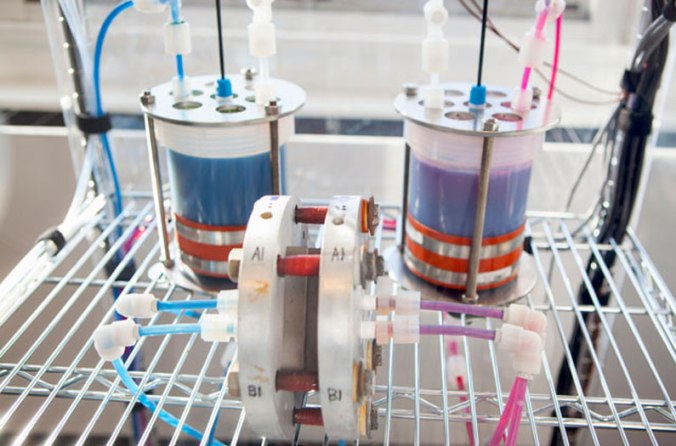
We have already expressed our interest as best we can without having yet tasted one of these, but thanks to this Guardian review we are now a step closer to the impossible. We do not need to have tasted it to have high expectations and hopes to match the ambitions of the company:

Impossible Foods is on the cusp of big things. But as the company lines up its first burger chain, it still needs to show it can convert the meat-loving masses Continue reading

Install Solar Power In Your Home

Solar.jpg

Thanks to the Guardian for this series of videos:

Every day, the sun kickstarts mini power plants in about 942,000 homes around America. We are of course talking about solar energy – and in 2017, it’s never been cheaper to invest in it for your home. The Guardian looks at key tips for installing solar panels and why now is the time to switch

How to install solar panels at home

You Had Us At Non-Toxic

flow-battery2

Photo: Organic mega-flow battery in the Harvard SEAS lab. (Photo by Eliza Grinnell, Harvard School of Engineering and Applied Sciences)

Thanks to Anthropocene:

This non-toxic battery lasts a decade, could be renewable energy’s missing piece

by Prachi Patel

As more and more people install solar panels, the need to store solar power is growing. Batteries that store sun-generated electricity are key for houses to have power at night or when it’s cloudy. But today’s battery technologies are riddled with issues such as high cost, toxicity, and short life. Continue reading

Composting As Big Business

19mag-19compost-t_ca3-jumbo

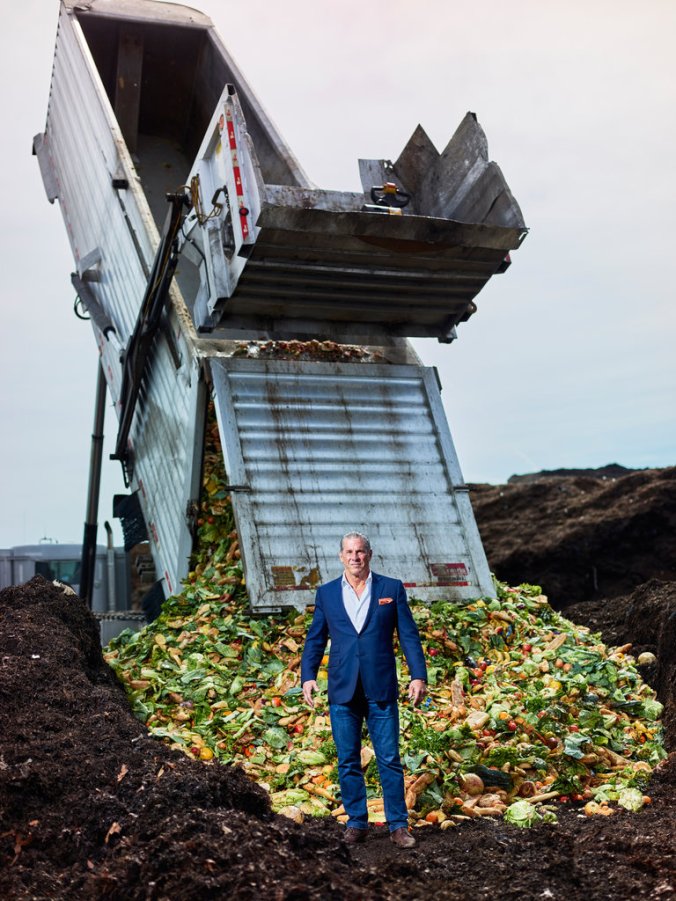
Charles Vigliotti at his compost facility in Yaphank, N.Y. CreditGrant Cornett for The New York Times

The photo above looks almost surreal, but this is not fake news:

Food, Its Contents & Its Discontents

cheapeats2_wide-05fb98d6b9b328ebc4a3e00a3c9e08c64e00eefe-s1400-c85

Alex Reynolds/NPR

We appreciate that an immigrant restaurant owner has the courage to state the unpopular but important facts underpinning one of the popular memes of our time (thanks as always to the salt over at National Public Radio in the USA):

Cheap Eats, Cheap Labor: The Hidden Human Costs Of Those Lists

by Diep Tran

Everyone loves a cheap eats list. A treasure map to $1 tacos! $4 banh mi! $6 pad Thai! More often than not, the Xs that mark the cheap spots are in the city’s immigrant enclaves. Indeed, food media is never so diverse as when it runs these lists, its pages fill with names of restaurateurs and chefs of color.

These lists infuriate me.

Continue reading

Jimmy’s Sunny Disposition

What a decent man, we say every time we see news of Jimmy Carter. This story is no exception, and we especially appreciate the example he is setting with this action:

PLAINS, Ga. — The solar panels — 3,852 of them — shimmered above 10 acres of Jimmy Carter’s soil where peanuts and soybeans used to grow. The panels moved almost imperceptibly with the sun. And they could power more than half of this small town, from which Mr. Carter rose from obscurity to the presidency. Continue reading

Urban Shape & Ecoefficiency

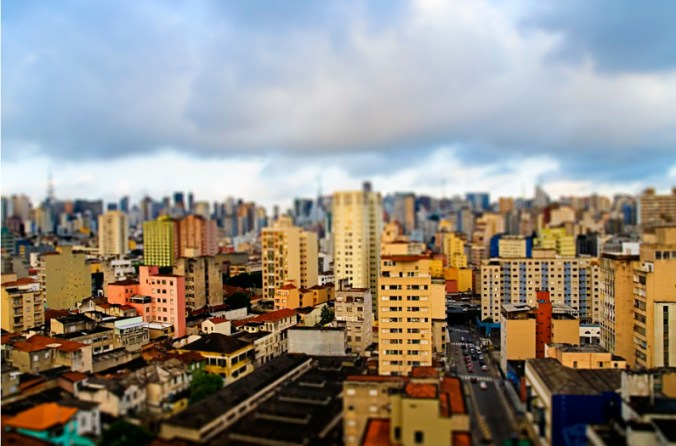
mini-sao-paulo.jpg

Thanks to Anthropocene for this summary of a counterintuitive finding:

To save energy on heating and cooling, look at the shape of cities, not just their buildings

Rapid Radical Progress

gettyimages-627186506

GETTY IMAGES

In our seventh year based in Kerala, India we have experienced progress each year in the quality of connectivity, but another state to the north may become India’s superstar of connectivity, faster than we can imagine:

One Indian State’s Grand Plan to Get 23 Million People Online

By Hui Wu

THE TRENCH RUNNING along the road linking Kodicherla and Penjarla in southern India is just 5 feet deep and about half as wide. Yet it carries the promise of a better life for the people of those villages, and all of Telangana.

Within the ditch lie two pipes, a large black one carrying fresh water and smaller blue one containing a fiber optic broadband cable. The government of Telangana, a state born of the 2014 secession from Andhra Pradesh after its residents accused the government of systematic neglect, is doing something unprecedented in India: bringing broadband internet to every rural home in the region, some 23 million people in all.

Of the 4 billion people around the globe without access to the internet, one-quarter of them live in India. Continue reading

Economic Models Adapting To Evolving Challenges

tnc_61185884_preview_cropped.jpg

Aerial view of flooded rice fields participating in California’s BirdReturns program. White areas are dense gatherings of birds. Photo © Drew Kelly for The Nature Conservancy

The Moneyball approach to thinking about how to make the next big breakthroughs in conservation–not surprising that we are hearing this from The Nature Conservancy’s best and brightest:

Economics: The Next Frontier in Conservation Science

BY ERIC HALLSTEIN, SARAH HEARD

Engaging in markets is not new for The Nature Conservancy. But with our roots as a land trust, we thought about markets in a very specific way. We bought property to protect biodiversity using donor and public funding. We were in the market for “externalities.” Continue reading

Boosting Crop Yields Without GMO

27294597002_ae07a7229e_k

Yann Coeuru/Flickr.com

Thanks to Anthropocene for this summary on agricultural technology possibly breaking through the GMO debate in the near future:

A non-GMO approach to producing bigger, better wheat

by Catherine Elton

Researchers have developed a new technology that not only increases the yield of wheat plants, but also makes them more resilient to drought. What makes this technology so interesting is that—if  successful in field trials—it might provide an alternative to genetic modification approaches to boosting wheat yields. Continue reading

Coffee, Birds & How They Matter

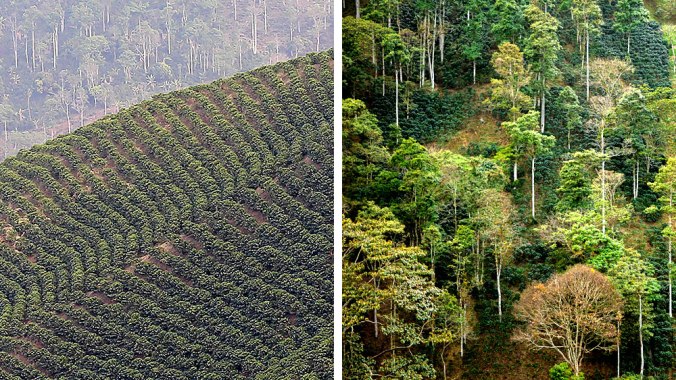
Sun-grown coffee (left) is a monoculture of coffee bushes. Shade-grown coffee (right) offers more habitat for forest species. Photos: Chris Foito/Cornell Lab Multimedia; Guillermo Santos).

Sun-grown coffee (left) is a monoculture of coffee bushes. Shade-grown coffee (right) offers more habitat for forest species. Photos: Chris Foito/Cornell Lab Multimedia; Guillermo Santos).

Our lives in the New World Tropics has allowed a frequent convergence between birds and coffee, even in the most simple terms of enjoying birdsong in our garden over the first morning cup. That very garden of our home in Costa Rica sits in what was historically cafetal (a coffee finca), with large trees shading the coffee that still grows along the little stream that runs along the property line. Blue-crowned motmots (the Central American cousin to the Andean Motmot mentioned below, have been frequent residents.

The coffee plantings at our home are insignificant compared to the 100+ acres of Gallon Jug Estate shade-grown coffee at Chan Chich. Of the nearly 350 bird species recorded in the Chan Chich Reserve’s 30,000 acres, a large percentage are migratory, making their home in the coffee as well as the healthy forest habitats that make up the reserve.

Sustainable agriculture is rarely a “get rich quick scheme”, but taken within the context of the “seventh generation stewardship”, the benefits will continue to outweigh the costs.

In Colombia, Shade-Grown Coffee Sustains Songbirds and People Alike

By Gustave Axelson

Early one morning last January, I drank Colombian coffee the Colombian way—tinto, or straight dark.

I sipped my tinto while sitting on a Spanish colonial veranda at Finca Los Arrayanes, a fourth-generation coffee farm and hotel deep in northwestern Colombia’s Antioquia region. The sun had not yet risen above the high ridges of the northern Andes. In the ambient gray predawn light, the whirring nocturnal forest insects were just beginning to quiet down.

My senses of taste and smell were consumed by the coffee, which was strong and bold in a pure way, the flavor flowing directly from the beans, not a burnt layer of roast. But my eyes were trained on a small wooden platform that held a couple of banana halves. The first bird to visit was an Andean Motmot, one of Colombia’s many Alice in Wonderland–type fantastical birds. It sported a green-and-turquoise coat and black eye mask, and it was huge—longer than my forearm, with a long tail with two circles at the end that swung rhythmically from side to side like the pendulum of a clock.

The motmot flew away and I took another sip of coffee to be sure I didn’t dream it. Another bird soon landed on the platform to pick at the bananas. This one was yellow, though Colombians call it tangara roja, because males of this species are completely red. In its breeding range, birders from the Carolinas to Texas know it as the Summer Tanager.

For more than 5 million years, a rainbow of Neotropical migrant birds (tanagers, warblers, and orioles) has been embarking on epic annual migrations from breeding grounds in North America to the New World tropics. In Colombia, these wintering areas are a lot different now than they were just 50 years ago. From the 1970s to the 1990s, more than 60 percent of Colombian coffee lands were cleared of forest as new varieties of sun-grown coffee were planted. During that same period, populations for many Neotropical migrant species plummeted—a drop many scientists say is related to deforestation of the birds’ wintering areas across Central and South America.

And yet, coffee doesn’t require deforestation. Continue reading

We Will Be For It

rideshare

We have not seen one yet, apart from Uber and Lyft (which we have been grateful for as users already), but when we do see any pure form(s) of this mythical app our support will be early and often:

Carpooling apps could slash congestion, fuel use, and emissions

Fish & Coconuts & Conservation

S.W. Reddy’s discussion of the islands where she carried out empirical research in the behavioral economics vein reminds of some fundamental similarities to Kerala, especially the fish and coconuts part. Thanks to the Nature Conservancy’s Cool Green Science for bringing this to our attention (if you do not have 15 minutes for the video now, save the text below for later reading):

Bringing Behavioral Insights into Conservation Programs and Policies

By Sheila Walsh Reddy

Behavioral science and economics have provided important insights for health, finance, and many other domains, but are largely untapped resources for conservation. A new paper in Conservation Letters helps practitioners tap into behavioral sciences. Continue reading

China Closes Out 2016 With Another Important Conservation Statement

jp-ivory-master768

A Chinese police officer watched over ivory products being prepared for destruction during a ceremony in Beijing in 2015. China’s ban announced on Friday would shut down the world’s largest domestic ivory market. Credit Ng Han Guan/Associated Press

Yesterday’s news, combined with today’s, could be called a conservation bifecta:

China Bans Its Ivory Trade, Moving Against Elephant Poaching

By

China announced on Friday that it was banning all commerce in ivory by the end of 2017, a move that would shut down the world’s largest ivory market and could deal a critical blow to the practice of elephant poaching in Africa. Continue reading

Thank You, China, For Pandolin Protection

gettyimages-630598630_wide-7e4e677e0cd500d7c0e39f09b54a995411618f81-s1100-c85

An undated photo, released Wednesday, shows Shanghai customs officers checking pangolin scales at a port in Shanghai. Chinese customs seized over three tonnes of pangolin scales, state media said, in the country’s biggest-ever smuggling case involving the animal parts. STR/AFP/Getty Images

Thanks to National Public Radio (USA) for reporting the news related to this remarkable animal:

China Announces Its Largest-Ever Seizure Of Trafficked Pangolin Scales

Camila Domonoske

Chinese officials have seized 3.1 tonnes (more than 3.4 tons) of illegally trafficked pangolin scales from a port in Shanghai, according to state media. Continue reading

Food’s Future Seen In Urgent Present Perspective

06tp-foodwaste-inyt-6-blog427

Cristiana Couceiro

When this particular chef develops a thought into action, we are at least curious. When he shares a short essay on how the future of food might work, such as A Blueprint for the Future of Food, we take note. The following is from Turning Points, exploring how key moments from this year might signal something important coming in the year ahead.

Turning Point: France becomes the first country to outlaw food waste.

Not long ago, just before boarding a trans-Atlantic flight, I overheard a woman tell her friend that she had packed her own water bottle because she disliked wasting all the plastic bottles given out on planes. A few minutes later she was on the phone with another friend, explaining that she was on her way to Europe for the weekend to shop and relax. Continue reading

‘Tis the Season for Creative Arborescent Decision-Making

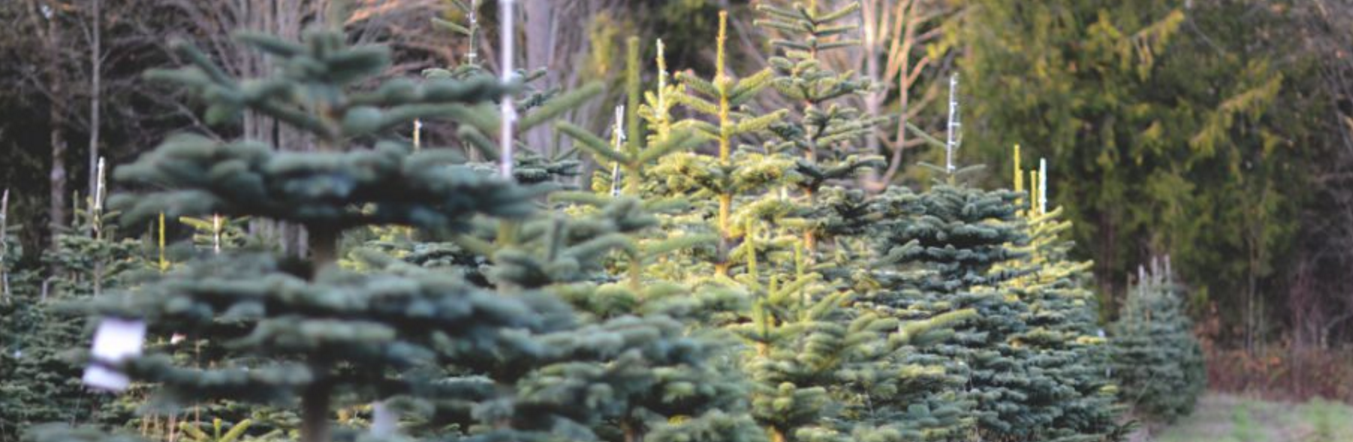
photo credit: Carol Fernandez

photo credit: Carol Fernandez

Real Vs. Fake Trees – Which is Better for the Environment?

Tis the season for an age-old question: Which kind of Christmas tree – real or fake – is better for the environment?

We love this question, because it’s an example of a simple choice that anyone and everyone can make that can reduce our impacts on the environment.

We also love this question because, like many environmental issues, the answer isn’t as simple as you might think. Our #1 recommendation? Buy a real tree. Read on for more details on the impacts of both real and fake Christmas trees, and then make the choice that’s right for you. And check out our 12 Tree Tips for other earth-friendly holiday decoration tips.

REAL CHRISTMAS TREES

In 2015, 26.9 million trees were purchased from live Christmas tree farms – more than twice the number of fake trees purchased (12 million).   Continue reading

Bright Spot To Close Out 2016

solar2016

Thanks to Bloomberg for a surprising bit of good news about the prospects for solar energy going forward:

World Energy Hits a Turning Point: Solar That’s Cheaper Than Wind

Emerging markets are leapfrogging the developed world thanks to cheap panels.

by Tom Randall

A transformation is happening in global energy markets that’s worth noting as 2016 comes to an end: Solar power, for the first time, is becoming the cheapest form of new electricity.  Continue reading

Better Food, Faster

little-quinoaisthenewbigmac-1200It’s time to change fast food for the better, forever.

Fresh and nutritious food doesn’t have to cost a fortune or take forever to prepare. At eatsa, we’ve upped the taste factor alongside affordability and speed, with bold flavors, seasonal ingredients, and hearty portions. Our commitment to you is simple: faster, nutritious, more affordable and tastier food. Continue reading

Understanding The Solar-Carbon Threshold

sunset

Image: Daniel Parks/Flickr

We are constantly playing catch up with the terminology, let alone the science, of environmental efficiency in all its forms and considerations. Anthropocene delivers the daily goods, in the form of a summary of an environmentally-oriented scientific study, that we constantly find useful:

Solar power will cross a carbon threshold by 2018