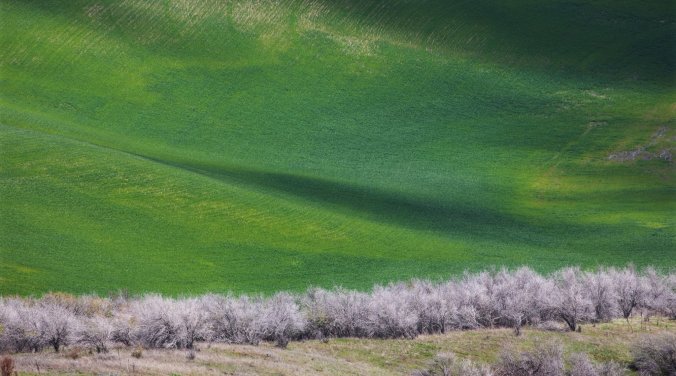
The remnant of an old apple orchard among wheat fields in Steptoe Butte State Park in Washington. Credit Ruth Fremson/The New York Times
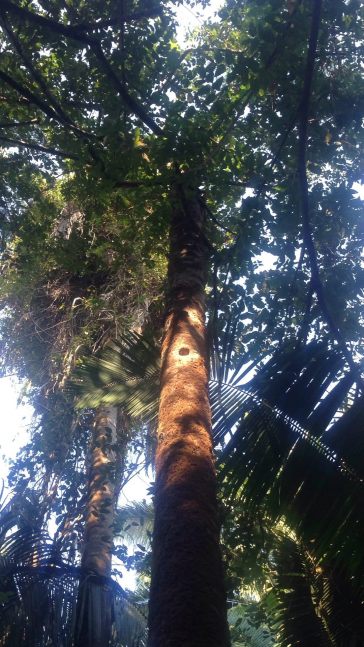
Yesterday magic happened. After sharing in the morning a quick mention of why my thoughts are on agriculture, I was walking with a member of Chan Chich Lodge’s groundskeeping team to review some work he had completed. On the way, we encountered a tree showering small fruits onto the ground. Fragrant. I asked him what it was and he said a word I did not recognize that sounded like “yo”.
About the size of a blueberry but not a berry, nor resembling anything I could identify. Until I opened it and its inside looked exactly like that of my favorite fruit. And then I realized my colleague had said higo, the Spanish word for fig. He then told me that in his village the old Mayans use this to make a flour, something they have done since olden times. He paused a moment, a bit of reverie I could tell, and then he continued about how the tortilla made from this is the best. It’s got me thinking. Thanks to Kirk Johnson for this second unexpected pleasure of a story:
Hunting Down the Lost Apples of the Pacific Northwest
STEPTOE, Wash. — David Benscoter honed his craft as an investigator for the F.B.I. and the United States Treasury, cornering corrupt politicians and tax evaders. The lost apple trees that he hunts down now are really not so different. People and things, he said, tend to hide in plain sight if you know how and where to look. Continue reading

 Each morning at dawn, and then again at dusk, I walk
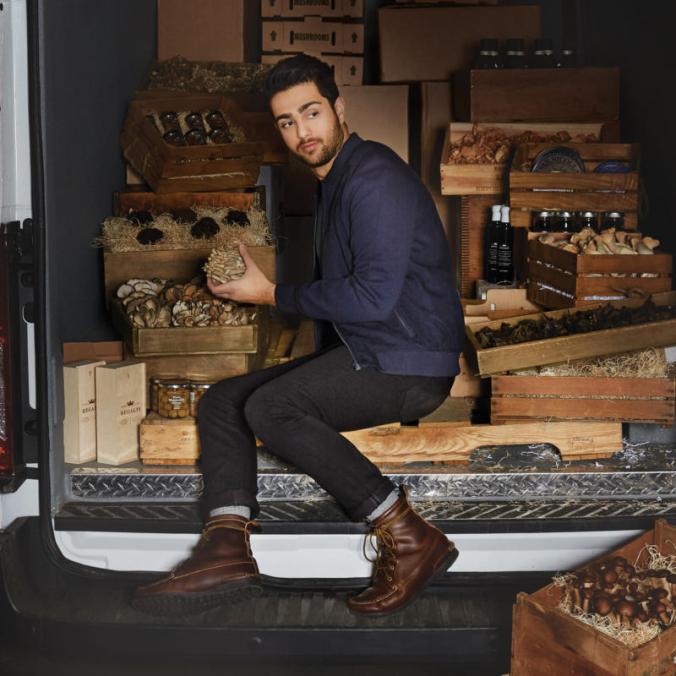
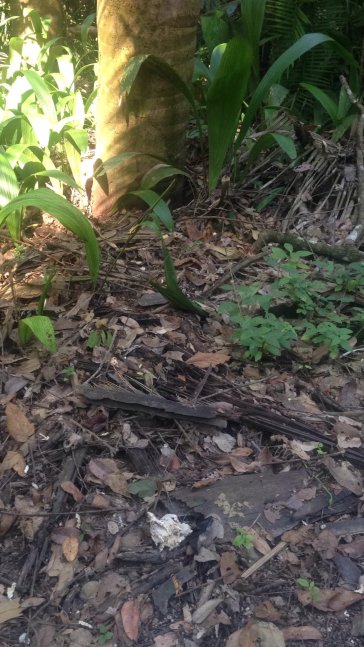 Instead of an apple, and instead of my head, it was some sort of a fungus, a cluster of mushrooms by the look of it, that fell from the canopy into the ground cover. Gravity already having had its heyday of consideration, I instead turned my thoughts to the possibility of a new dimension to the Chan Chich Lodge food program.











 Organikos