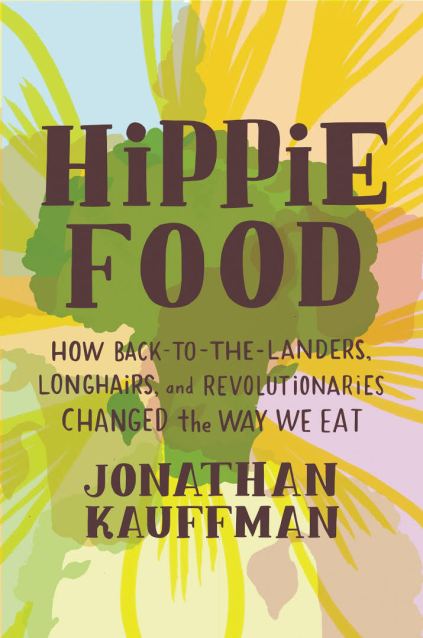
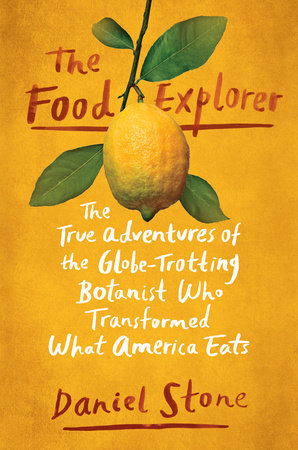
 Our current work, better described as the pleasure of learning, is thinking through how an old fashioned dairy farm retains relevance in Costa Rica in the future. When we saw a book like this one to the left, authored by someone we have linked to plenty, we had to dive in. We listened to the author first and then found this item we had missed in the salt a couple months ago:
NPR’s Lulu Garcia-Navarro sat down with author Mark Kurlansky to discuss his new book, Milk!: A 10,000-Year Food Fracas, and unpack some of the controversies surrounding what he calls “the most over-argued food in history.”
Humans, it turns out, are unique in their preference for the dairy drink. “In nature, we aren’t meant to have milk past weaning,” Kurlansky says.
A man pours milk into a can in India’s Mayong village in 2015. India is the world’s largest producer and consumer of milk.
Anupam Nath/APBut because of a genetic aberration, many humans can process the sugars found in milk and dairy products well into adulthood.
And while that makes some of us unique among mammals, it doesn’t mean that all humans have those genes. “It’s still only something like 40 percent of the human population that can drink milk past the age of two,” Kurlansky told NPR.
The genetic change is primarily found in white, northern European populations and their descendants. And although it may be Eurocentric to say that all humans can enjoy dairy in the same way, it hasn’t stopped milk from becoming a global industry. Continue reading




















 Organikos