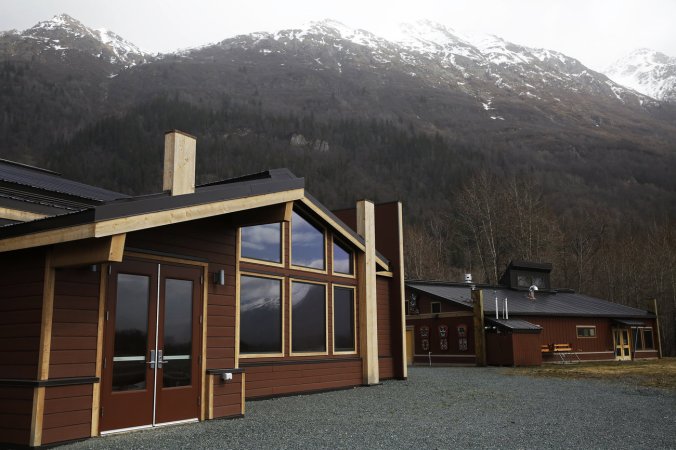
The Cultural Heritage Center is an $8 million investment in the community. Elissa Nadworny/NPR
It is not a question I have had to ponder (the opening line of the story below) for myself, but I get it. Losing the land, through battle, through treaties that are not honored, or otherwise, is an obvious existential threat for any community, and has been since the dawn of civilization. Invisible assets such as language, like any cultural heritage, also called intangible patrimony, are less obviously existentially important. But anyone who ponders it realizes that the loss of a language or another intangible component of cultural heritage matters to all of us, not only those who are at immediate and direct risk of its extinction. In the same way biodiversity matters, so does this.
And it is an underlying logic and motivator of our initiative with Ramon tree and its role in Mayan foodways. In earlier posts on the subject that I emphasized the environmental wonder of Ramon, but it is really a cultural heritage story, still to be told at Chan Chich Lodge. Meanwhile thanks to Melissa Block at National Public Radio (USA) for this story about one communities efforts along a related path:
A Native Village In Alaska Where The Past Is Key To The Future
What does it mean to lose your land, your language, and your heritage?
For Alaska Natives, these are existential threats.
On a trip to Southeast Alaska, I traveled to one village that is finding new ways to survive: Klukwan, ancestral home of the Tlingit tribe. Continue reading
 Ramón and Maya Ruins: An Ecological, not an Economic, Relation
 Observations on Maya Subsistence and the Ecology of a Tropical Tree






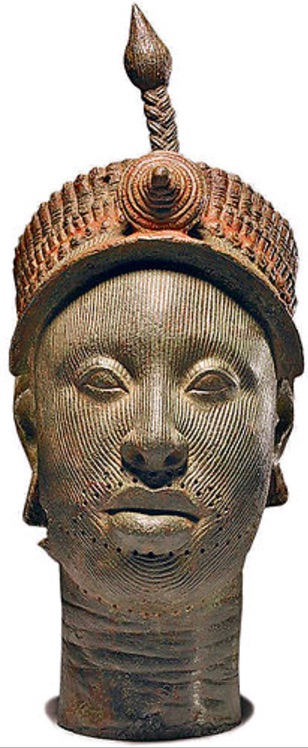
 Although neither the BBC nor the British Museum is maintaining the website, it is still there. I recommend getting ahold of the


 Organikos