If You Happen To Be In Florence, Alabama (USA)

Robert Rausch for The New York Times. Tom Hendrix at the Florence, Ala., memorial he built for his great-great grandmother, Te-lah-nay, a Yuchi Indian.

Robert Rausch for The New York Times. Tom Hendrix at the Florence, Ala., memorial he built for his great-great grandmother, Te-lah-nay, a Yuchi Indian.

Thanks to the New York Times for this coverage of a moving tribute to one man’s lineage and his peoples’ heritage:

Off Alabama’s Beaten Path, Tribute to a Native American’s Journey Home

Tom Hendrix has built a mile-long stone wall to memorialize his Native American great-great grandmother, who was displaced during the Trail of Tears.

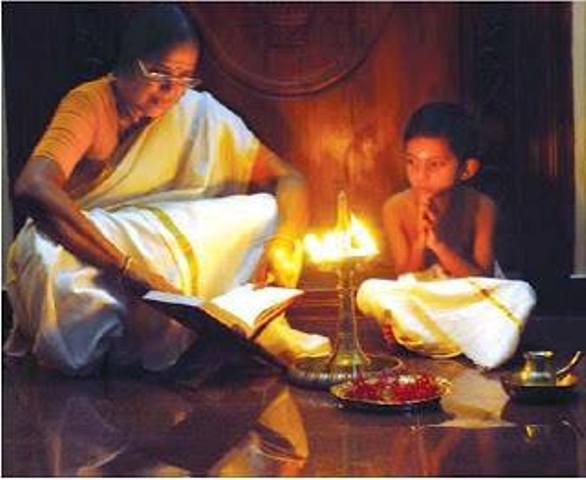
Ramayana Masam

Photo credit: Ranjith

The Ramayana is the holy book of Hindus. In Kerala during Karkkidaka Masam, which is the last month of Malayalam calender, the epic Ramayana is read in Hindu homes and temples. This year Ramayana Masam begins on July 17th and ends August 16th. Continue reading

Throwback Thursday: A Fruit Most Treasured


Pomegranate tree at Harvest Fresh Farm. Photo credit: Kayleigh Levitt

Pomegranate tree at Harvest Fresh Farm. Photo credit: Kayleigh Levitt

With Kayleigh stationed at Cardamom County we’re currently exploring ways to make our organic garden more productive, despite the challenges posed by local wildlife. With that goal in mind we visited a colleague’s farm in Tamil Nadu, in an area where they don’t face monkey challenges, but some of their produce requires special netting to protect against birds and bats.

While there we enjoyed a farm tour that included harvesting a few different species of pomegranate, which happens to be part of my daily menu for many years. (Frequent guests at 51 will notice the healthy and delicious seeds making an appearance in many ways.) Continue reading

Camino de Santiago Part 1

10394480_10201305461438338_2752454523553822119_n

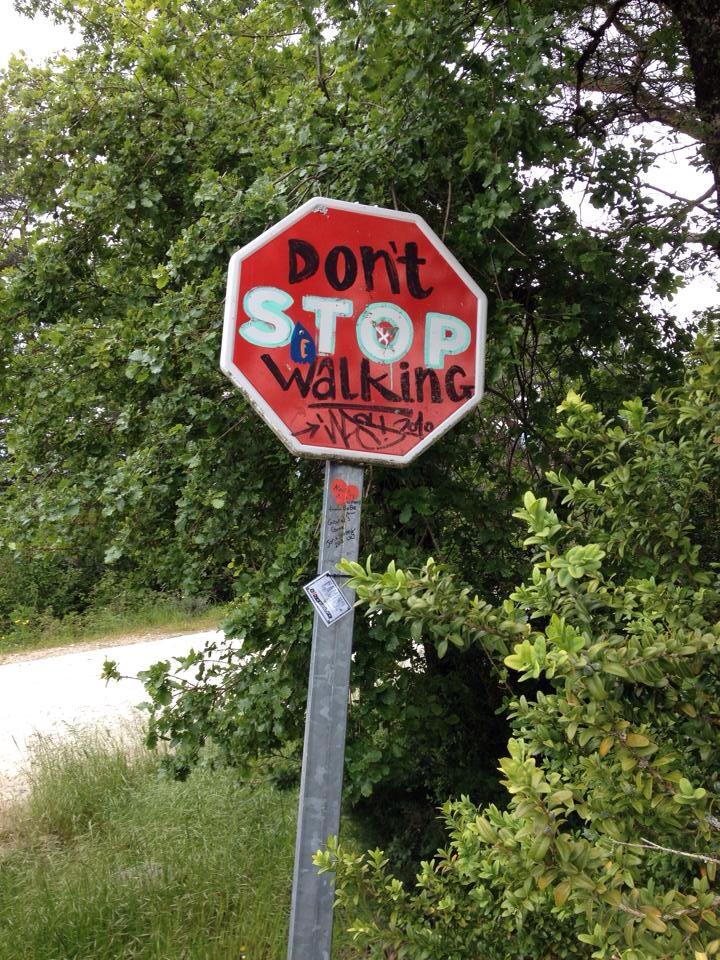
There are good signs everywhere along the Camino. Photo Credit: Kayleigh Levitt

Before coming to India, I was traveling for a month in Spain, walking the Camino de Santiago, an ancient pilgrimage to the cathedral of Santiago, where the apostle Saint James is said to be buried. Nowadays, people walk the Camino for a range of reasons including the traditional Catholic. Everyone I met was walking for a different, personal reason, but many fell into similar and overlapping categories of health, spirituality, personal journey, and cultural experience.

Many of us on the Camino were far from home, but the shared intention of being there was this thread that bound us all together, beyond language barriers and cultural differences. The Camino has its own culture and so we shared that. There were lots of people who were alone, but we were together.

The most popular part of the pilgrimage to walk is the Camino Frances, from St. Jean Pied de Port, France to Santiago de Compostela, Spain. Traditionally, people walked from their house. Although that is less common now, people do still start from their own doorway. There are many places people start the Camino besides St. Jean Pied de Port (as well as many places to end it- there is a walk to Finisterre, the coast of Spain and through Portugual, the Camino Portugués as well). I have been told there are fewer way markers- which are yellow arrows and scallop shells- before the Camino Frances.

Part of the fun of the Camino is hearing about the different ways people have done their journey. I heard of a woman walking alone, starting in Switzerland, with only a compass to guide her (there are fewer albergues too when you start from that far). I met several people who walked 1000 kilometers by the time they reached St. Jean Pied de Port, where I was starting.

I started in St. Jean, which is right at the border of France and Spain. Photo Credit: http://www.caminoguides.com/route.html

At the first albergue I stayed in, which are essentially hostels for pilgrims, our French hospitalera described it something like this: The Camino is not about walking. Walking helps you do the camino, but the camino is an inner camino, when you walk inside yourself.

Continue reading

Wayanad Natives


Photo credits : Jithin vijay

Photo credits: Jithin vijay

“Tribals,” the term used to refer to native peoples in Kerala/India, have been an integral part of Wayanad for ages. As dense forests and wooded hillsides made way for commercial farming and plantations, Wayanad lost a great part of its quintessential character. Today, around 200,000 tribals belonging to different tribes subsist in isolated pockets, making a living from small land holdings to big plantations. Continue reading

Jackfruit

Photo credits : Shymon

Photo credits: Shymon

Jackfruit is known as chakka in Malayalam, and is mostly consumed as ripened fruit. That might seem like stating the obvious, but since jackfruit is so abundant in Kerala, most households make different varieties of traditional dishes from both ripened and unripened fruit. Some examples include chakka puzukku (unripe jackfruit curry), chakka yappam (steamed jackfruit rice cakes), chakka payazam (jackfruit pudding) and chakka chips. Jackfruit trees are cultivated in the Western Ghats of India. Continue reading

Snake Worship

Photo credits : Shymon

Photo credits: Shymon

Mannarasala is a famous shrine devoted to the worship of the snake gods, or Nagaraja. Thousands of the granite snake idols you see in the photo above line the path through the forest to the Mannarasala Temple in Alappuzha, Kerala, and more are put there by people seeking favour from the Nagaraja every year. Continue reading

Arattupuzha Pooram – Thrissur

Photo credits : Jithin Vijay

Photo credits: Jithin Vijay

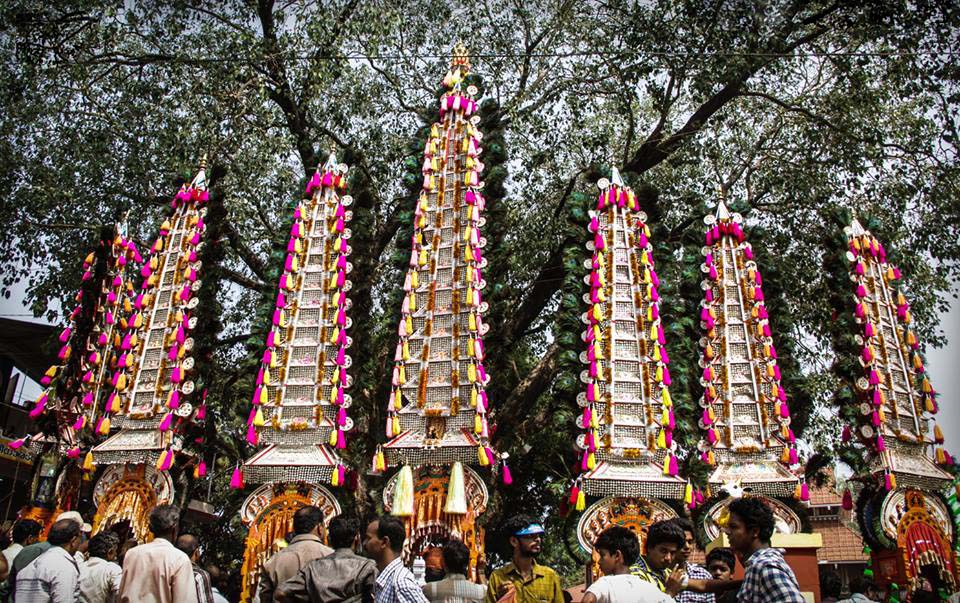
As per the inscriptions found in the temple at Arattupuzha, in the Thrissur district, this village’s pooram, or festival, started around 1,400 years back and is the oldest festival in Kerala. It is believed that on the pooram day, gods and goddesses from twenty-three temples participate in this festival–thus, the festival is also called Deva Samagamam, or “the assembly of gods.” Continue reading

Kakkoor Kalavayal

Photo credits : Shymon

Photo credits: Shymon

Kakkoor Kalavayal is one of Kerala’s famous festivals. The village, Kakkoor, is situated in Eranakulam district. Mud racing is a post-harvest festival celebrated by the farmers of Kakkoor and surrounding villages. A farmer controls his pair of bulls as they race through paddy fields. Continue reading

Theyyam Face Make-up

Photo credits: Jithin Vijay

Photo credits: Jithin Vijay

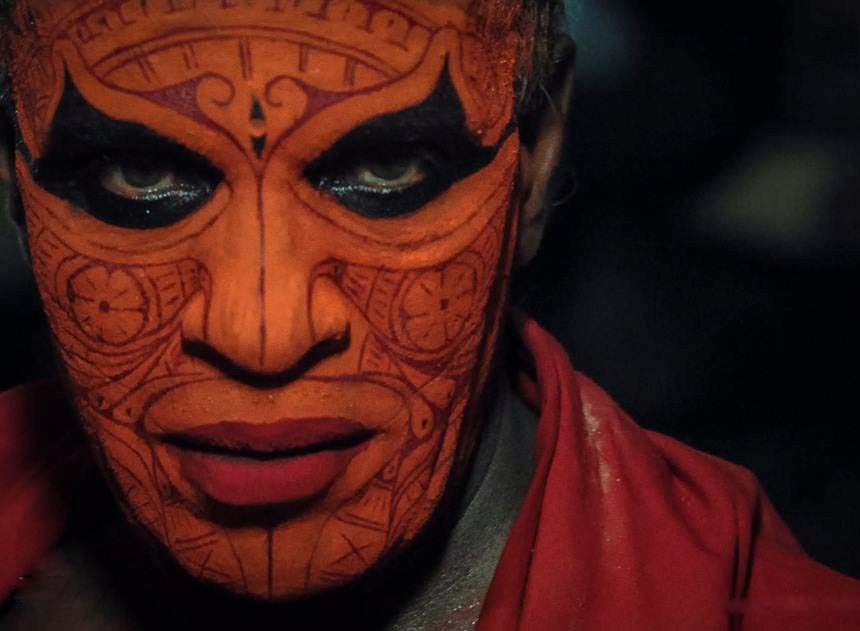
Face painting is one of the most important parts of Theyyam, an ancient form of worship in certain parts of Kerala. Theyyam dance make-up should be made from as many natural materials as possible. Coconut leaves are used as brushes, and the make-up artist should have perfect knowledge of how to combine colours.  Continue reading

Kottiyoor Temple

Photo credits : Shymon

Photo credits: Shymon

Kottiyoor is an ancient Hindu pilgrim center, situated in the Kannur district of Kerala. This temple is dedicated to Lord Shiva and the Goddess Parvathi, and is located deep in the forest. Kottiyoor is a unique festival celebrated for 28 days, and it falls during the months of May and June. Continue reading

Dhokla, Indian Street Food

25KITCH1-sfSpan

Indian food fit for print:

Next Stop, India: Full Steam Ahead

Koorkencherry Pooyam – Thrissur

Photo credits : Jithin Vijay

Photo credits : Jithin Vijay

The Koorkencherry Pooyam festival is celebrated in the Sri Maheswara Temple, situated in the Thrissur district of Kerala. One of the main attractions of the Pooyam is Kavadiyattom. Kavadiyattoms are divided into two types, Pookavadi and Ambalakavadi. The performing groups start these ritual dances in the morning of the festival. Continue reading

Salt of the Earth


Sisyphus-retouched-HD-pre-LA

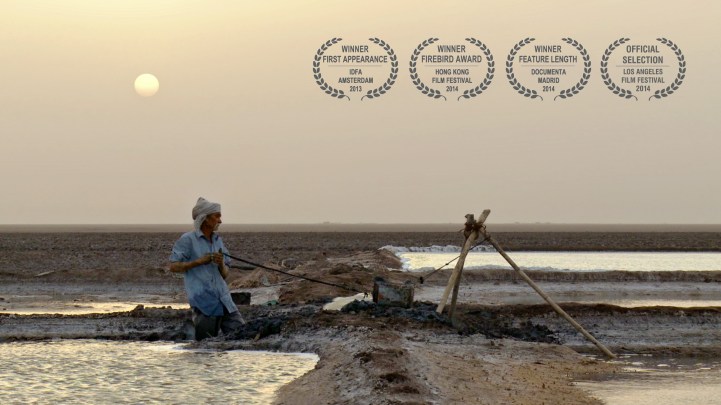
Salt is a quiet seasoning, making its culinary point by bringing out the best in the dish it’s been added to. The crystaline mineral is so ubiquotus that we often don’t consider its vast history in the forging (and funding) of empires. Neither do we think about the labor it takes to bring it forth from the earth and water around the world.

Indian film maker Farida Pacha has the perfectionist sensibility to share the story of the families who return to the saline desert of Gujarat’s Little Rann of Kutch to laboriously extract the salt from the desolate landscape. This seasonal migration has been going on for generations and the work is a matter of pride more than economy.

Director’s Notes: This is not a social issue film, even though the story of the salt people and their exploitation is a shocking one. What attracts me is the more fundamentally tragic question at the heart of their existence: what compels them to return to the desert to labor tediously year after year, generation after generation? What meaning do they find in this existence? Continue reading

Chenda

Photo credits : Shymon

Photo credits: Shymon

The Chenda is a musical instrument commonly used in Kerala. This two-sided drum is famous for its rigid and  loud sound. The Chenda melam is  an integral part of all Kerala festivals, mainly played in Hindu temples. It is also the percussion choice for almost all Kerala’s classical art forms such as Kathakali, Panchavadyam, and TheyyamThe cylindrical wooden drum has stretched animal skin on both the sides that the drummers play using two sticks.

Continue reading

Kattakampal Temple Festival

Photo credits : Jithin Vijay

Photo credits: Jithin Vijay

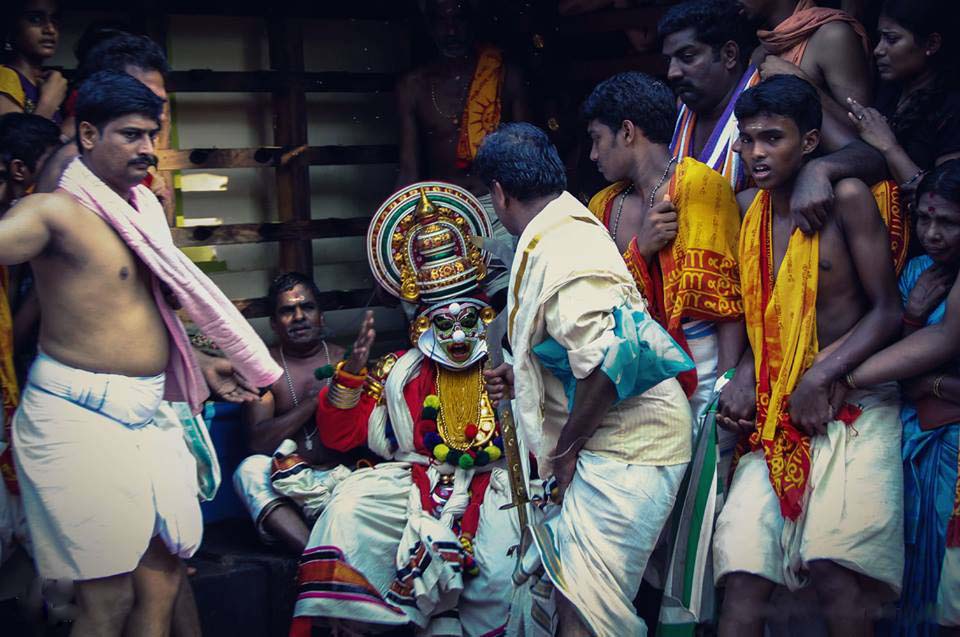
Kattakampal is a village in the Thrissur district of Kerala where Pooram is an important annual festival in the Kattakampal Goddess temple. The name Kattakampal is a combination of three individual words namely Kadu (forest), Kamadhenu (cow) and Pal (milk). Kathakali is the main attraction of this festival.

Continue reading

Rudraksha Prayer Beads

Photo credits : Shymon

Photo credits: Shymon

Seeds from the rudraksha tree have been traditionally used as Hindu prayer beads. The rudaksha tree’s name means the “eyes of Lord Shiva,” rudra being another name for Lord Shiva. Mythology has it that the rudraksha plant was born out of Lord Shiva’s tear drops. Monks and yogis have found that merely wearing beads from the rudraksha tree imparts an astonishing tranquility to the wearer. Continue reading

Banana Leaf Compliments to Kerala Cuisine

Photo credits : Shy mon

Photo credits: Shymon

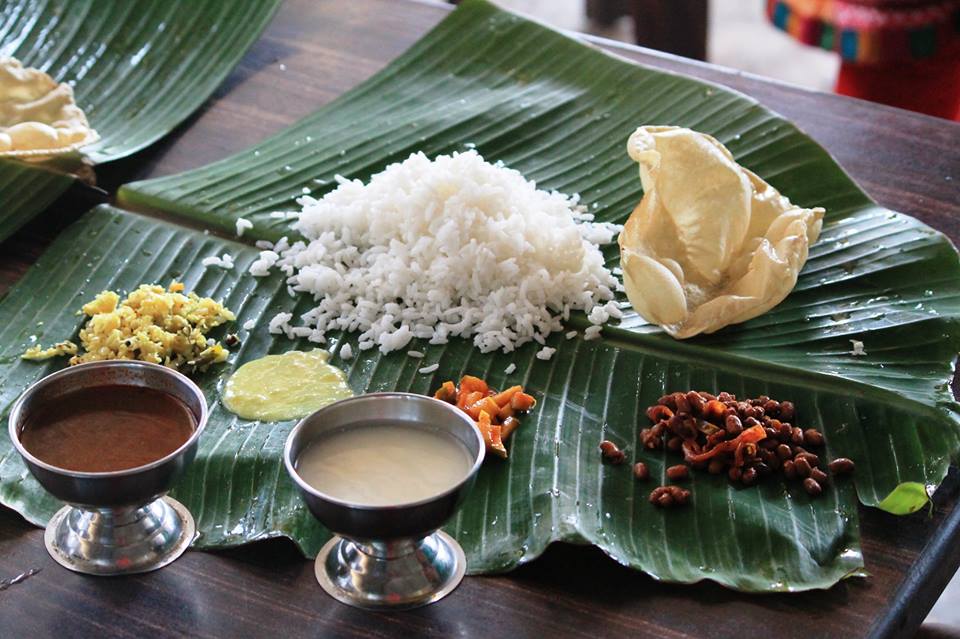
Banana leaves are used in many traditional dishes in South India, often wrapped around the food before it is cooked. Food wrapped in banana leaves can be grilled, steamed or deep fried. In Kerala, banana leaves are frequently used as a completely biodegradable “plate” in a Sadya (traditional Kerala meals), but they serve many other purposes as well. Continue reading