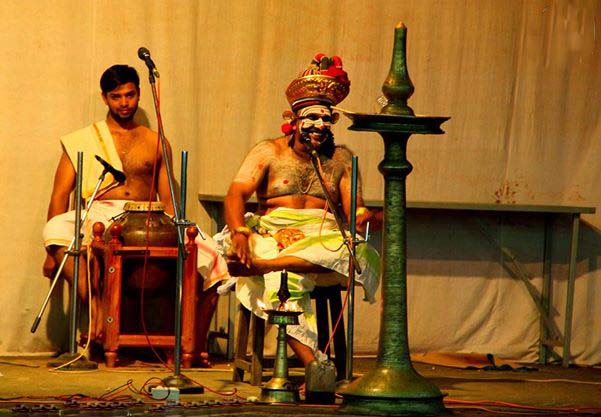
Chakkiyarkoothu is a traditional dance form originally performed by priests at Hindu temples. This solo performance was traditionally performed only by the Chakkiyar community, a Brahmin caste of Kerala. The Chakkiyar narrates the story based on the Holy books of ‘Ramayana and Mahabharata’.
Culture
Architecture And National Identity
Our interest, invariably, is to showcase authentic culture in each project in every location where we play a role. Mostly, this means how our team members showcase their communities to visitors from other communities in other parts of the world. But it also means something about architecture and design. With the recent opening of Spice Harbour, and the soon-to-open Marari Pearl, we have found ourselves describing the architecture of each property without reference to local or national architectural style so much as to what is “appropriate” to the location.
We admit we do not always know exactly what we mean when we say this. On the other hand, we are content to note that even the “experts” do not always have neat answers to such complex questions, as noted on Phaidon’s website about a forum at the Venice Biennale:
…The debate was ably chaired by the British Council’s Vicky Richardson who began by asking Stephan Petermann a little about the brief set by Koolhaas for this year’s biennale.
“What we were hoping for is that the countries would reveal themselves and their national characteristics by looking at their own history,” he said. “We think they have. It might not be as blatant as the provocation we made, but (you can see it) in the subtleties of the details and angles that some countries take. I hope that people enjoy the diversity of the directions we took.”
Mulaipari Festival – Tamil Nadu
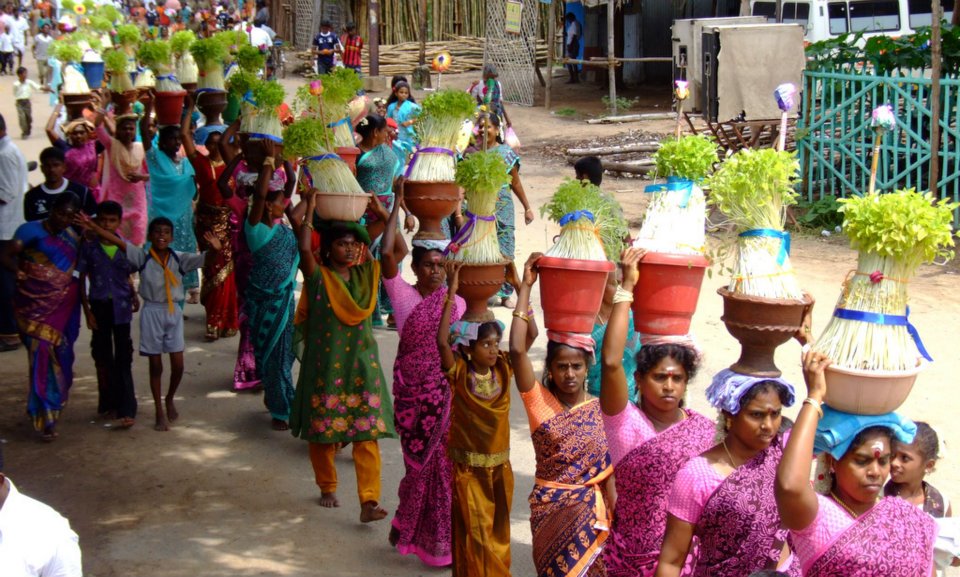
Mulaipari Festival is unique South Indian festival popular in Tamil Nadu, which is celebrated on the 18th day of the Tamil Month of Adi (July). This festival is a famous ritual that takes place at almost every celebration for a village goddess. The women devotees in the procession carry earthen pots filled with the growing plants of nine different types of grains on their heads. Continue reading
Performing Arts – Chamundi Theyyam
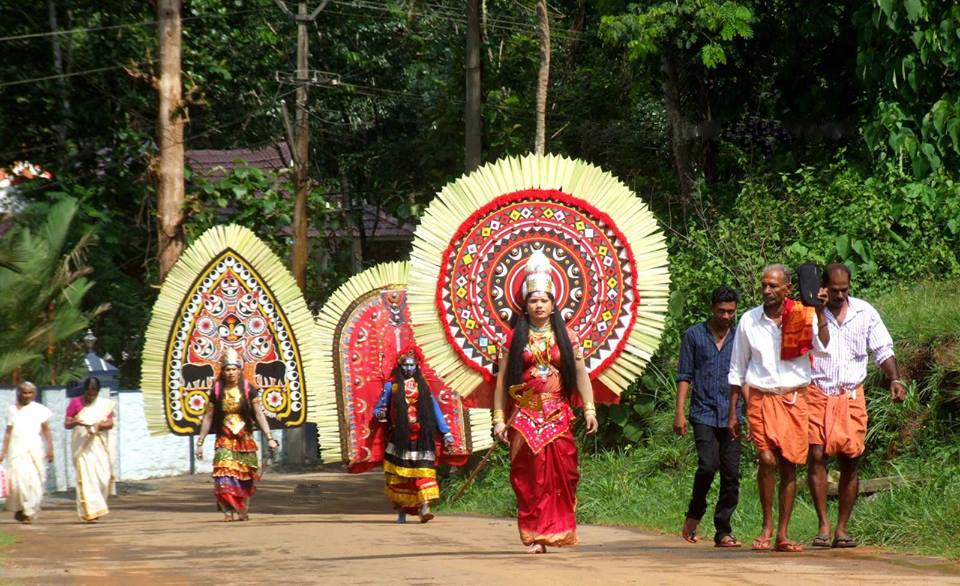
Kerala has a veritable array of performing arts. Theyyam or Kaliyattom is one of the most popular ritualistic dances of Kerala. Costumes with crownlike headgear, breastplates, ornaments, special face painting and variously shaped garments of cloth and palm leaf fronds make Theyyam a colourful visual. It is a devotional performance with a surrealistic representation of the divine. Continue reading
Performing Arts – Padayani
Padayani literally means the “ranks of an army”, but is also related to religious rituals and mythological stories. It is the symbolic victory march of Goddess Bhadrakali after she defeated the demon Darikan. Unmarred by caste distinction, it is a community celebration with audiences providing an active participatory role with drums and pipes used for musical support. Continue reading
Britain’s National Collection of Yeast Cultures (Beer Aficionados, Read This)
We appreciate the increased interest, across all the media we track, to the cultural and environmental aspects of beer production. Thanks to the Atlantic‘s intrepid investigators for this one:
In late November of 2009, the town of Cockermouth, in the Lake District of England, had a flood. Heavy rains—16 inches in 24 hours—led the rivers Cocker and Derwent to overflow their stone barriers; the buildings of the medieval town, as a result, ended up submerged in 10 feet of water. Among those buildings was Jennings Brewery, one of the few establishments in the world that brews real ale—a beer, rich and dark and featuring a texture that connoisseurs might call “chewy.” Real ale is, to the extent that beers resemble animals, endangered. This is partly because it requires a very particular type of yeast in its brewing: a yeast that, during fermentation, sits on top of the wort, the sugary liquid extracted from the mashing process, rather than sinking to the bottom. Continue reading
Reading Recommendations For Raxa Collective’s Extended Community, And From Raxa Collective Interns
Many universities in the western and northern regions of the world are concluding their academic years about now as summer break begins, which means it is time for Raxa Collective to begin welcoming interns. Some who join have already completed their undergraduate degrees, and prior to beginning their “real” careers they come to spend time in one of our communities, collaborating with our staff, local communities, etc..
One such case is a contributor who has just completed an undergraduate degree; before heading to New England to pursue Ph.D. studies he will carry out projects at Xandari that will allow him to perfect his Spanish language skills. Since he is going to be in the same community as these people below, starting in August, we post this “suggestions on summer reading” article from Harvard Gazette as a prompt for James to make his own summer reading recommendations in a new post. If he takes us up on this prompt we will see who follows his lead and shares their own reading recommendations…
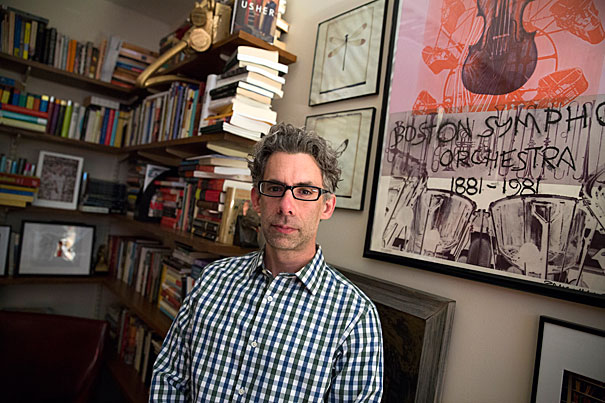
Stephanie Mitchell/Harvard Staff Photographer. Yeats and Bishop made Bret Anthony Johnston’s summer reading list but, he said, “I’m eager to happen upon unexpected used bookstores, tag sales, and library fundraisers, where I often buy books outside of my typical reading inclinations.”
Bret Anthony Johnston
Paul and Catherine Buttenwieser Director of Creative WritingThis summer I’m going to read W.B. Yeats and Elizabeth Bishop, and “Wynne’s War,” a new novel by Aaron Gwyn about special forces on horseback in Afghanistan.
Portraiture Of Self-Sufficiency
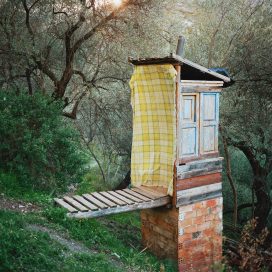
Many contributors to our platform here, and its readers, have probably considered life off-grid. Most will experiment during their travels, but stop short of the full monty, which would mean divestiture or most/all possessions and hitting the road. Thanks to this photographer (and the New Yorker‘s far-reaching sampling) for giving us both candid and portrait-like views into some examples of “self-sufficient” lives:
In 2006, while he was backpacking in Australia, the French photographer Antoine Bruy signed up with an international exchange program for volunteers who want to work on organic farms.
New York Public Library’s Good And Sensible Decision
Thanks for this (and other recent) attention from the New Yorker‘s stable of super-writers (and others, elsewhere) on a topic of ongoing interest to us, especially this important comment:
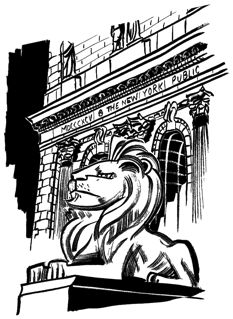
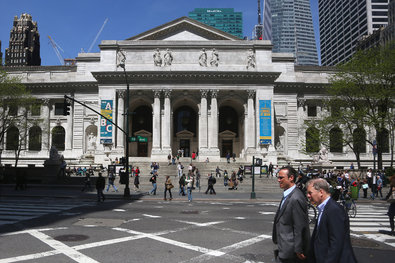
The New York Public Library’s announcement that it is abandoning its Central Library Plan has been praised as a good and sensible thing, and indeed it is. The C.L.P. would have sold off the Mid-Manhattan Library and the Science, Industry, and Business Library (called sibl; five of its floors not open to the public have been sold already). The collections of those libraries would have been moved to the main research library, on Fifth Avenue, and elsewhere. That hundred-and-three-year-old edifice (now known as the Stephen A. Schwarzman Building), with the stone lions out front, would have been reconfigured: seven floors of its stacks taken out, a lending library added to what had been a research library only, more than a million books moved off-site, and a four-level atrium and other new elements put in, following a design by the architect Norman Foster. Continue reading
Please Contribute To Kerala’s State Heritage Survey
Thanks to the Hindu’s ongoing coverage of this important work:
The Centre for Heritage Studies at Tripunithura is embarking on a novel effort to document the state’s heritage.
The research and training institute is planning a heritage survey that will stretch across the state and involve the work of students, senior historians, local body officials and the common man.
“We will train students and they will go to the panchayat and ward levels to conduct the heritage survey. The students will speak to local body officials, people across the social strata, elders in the community, and anyone else who can contribute to the study of the region’s heritage,” said N.M. Nampoothiri, dean of academic affairs of CHS. According to Dr. Nampoothiri, the students will go door-to-door and collect information about historical documents, artefacts, architecture and the oral history of each region. The interdisciplinary survey would provide a detailed picture of the social, economic, and political structures of each region. Continue reading
Lotus Flower
The lotus is India’s national flower, and one of the eight auspicious signs of Buddhism and Hinduism. As a holy symbol in Indian culture and a sacred symbol of Hinduism, the lotus is found throughout the Hindu scriptures. In many spiritual traditions, lotus flowers are especially sacred as an offering to the divine. Continue reading
Tibetan Golden Temple – Karnataka
The Tibetan Golden Temple is situated in Kushalnagar Mysore, in the state of Karnataka. It is the second largest Tibetan settlement outside of Tibet and China. The Golden Temple is the main attraction in Kushalnagar; its walls are adorned with colourful paintings depicting gods and demons from Buddhist mythology. Continue reading
First Holy Communion
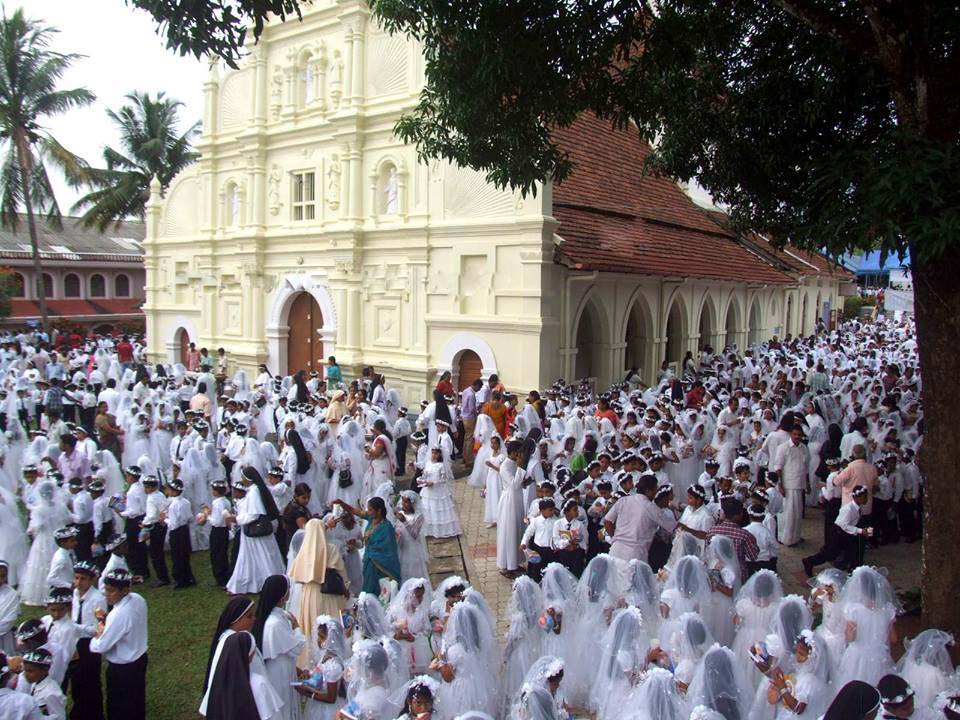
First Holy Communion is traditionally the most important and holiest festive occasion in a Latin and Roman Catholic family. It is the first time that a person receives the sacrament of the Holy Eucharist, which involves the consumption of consecrated drinking wine and consecrated bread. Most children receive their First Holy Communion when they are 8 to 10 years old. Special white dresses are worn the celebrate the event. Continue reading
Flavours Of Kerala – Sambaram
An easy to make Kerala original, Sambaram is a spicey, refreshing drink perfect for a hot summer climate. Traditionally used as a welcome drink in all Kerala homes, it is also served at the end of Kerala fest which helps in improving the digestion. Continue reading
Thrissur Pooram – Temple Festival
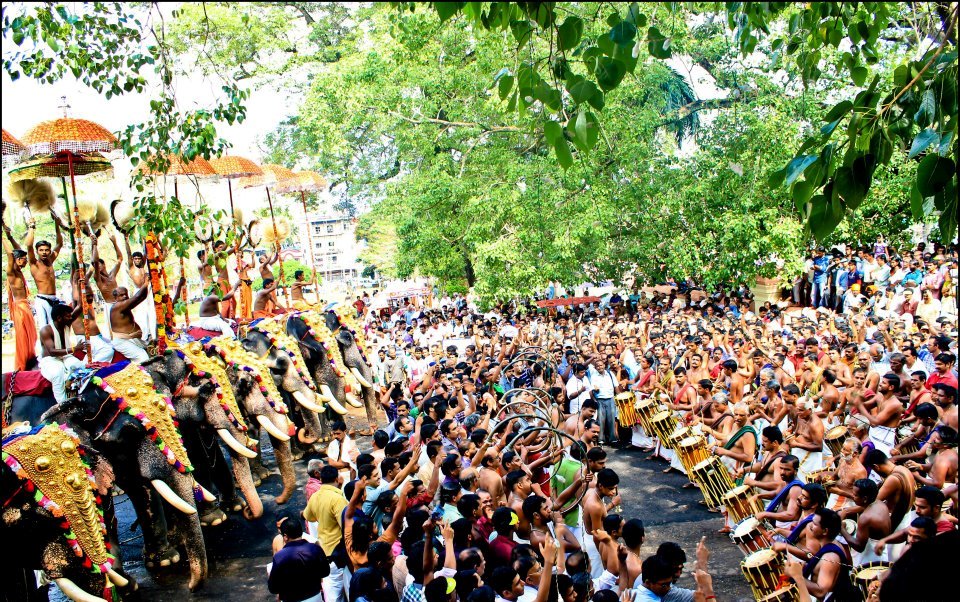
Thrissur Pooram is the largest and the most famously colourful festival of Kerala, a stunning mixture of magnificence and spectacle celebrated every year during the Malayalam month of Medam, this year falling on May 9th. Called “the Poorams of all Poorams,” the festival is a grand assembly of Gods and Goddesses who make their visit to the Vadakkumnathan Temple premises on caparisoned elephants, together with majestic ensembles of chenda melam and panchavadyam. Continue reading
Kamakshi Amman Temple – Tamil Nadu
Kamakshi Amman Temple is the one of the three important temples to the Goddess Parvathi (Lord Shiva’s wife) in India. The temple complex covers an area of four acres, and is constructed in the Pallava style. Continue reading
Akshaya Tritiya
Akshaya Tritiya is a very popular festival that Hindus and Jains celebrate every year. Based on the Lunar Calendar, this year it landed on May 2nd. The Hindu community considers it an auspicious day and believes that any venture will be more likely to succeed. Akshaya Tritiya is associated with gold and many people wait for that day to make investments in or purchases of gold.
Dwajasthambam – Temple Flag Pole
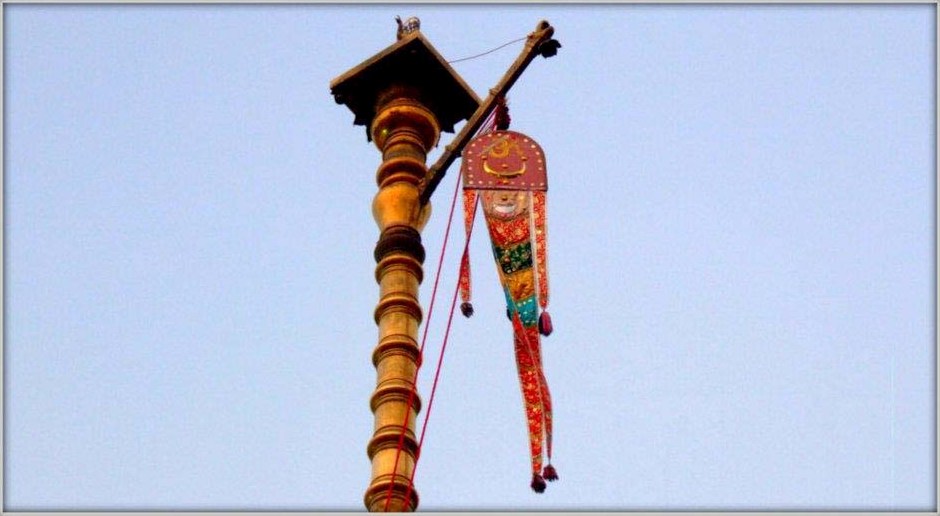
Dwajasthambam is the traditional Hindu temple flag pole placed between the temple gopuram (entrance) and the sanctum sanctorum. They are traditionally made of wood, copper sheets, and gold coating. A cloth flag with Hindus symbols, holy words and figures of Gods or Goddess is usually hoisted on the pole during temple festivals. Continue reading
“It’s Like A Travel Book”
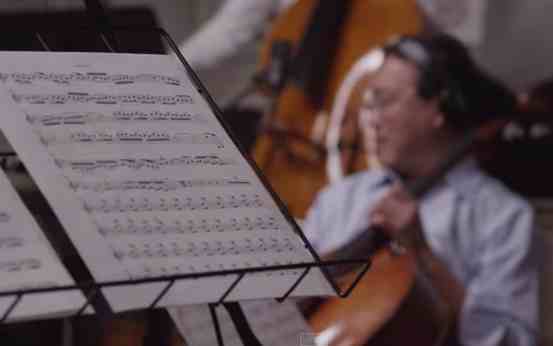
Music forms a type of universal memory the crosses cultures and continents, and Yo-Yo Ma’s Silk Road Ensemble that brings together musicians and composers from more than 20 countries is a lyrical example of what we hold dear at RAXA Collective. The 2,000 year old history of the Silk Road also coincides with the Spice Road, which is also a subject we take very personally.
The extent of exchange of art, ideas and innovations between cultural groups trading on the routes is illustrated by the eighth-century Shôsôin collection of artifacts. Culled by a Japanese emperor, it contains luxury goods from the Mediterranean, Persia, India, Central Asia, China, Korea and Japan…
New York Public Library’s Evolving Plans

Chang W. Lee/The New York Times. The New York Public Library has abandoned its controversial plan to turn part of its research flagship on 42nd Street into a circulating library.
Our interest in public libraries, as pillars of their communities, is frequently leading us to stories about the interplay between new technology and how libraries or used; or supposed challenges to the relevance of libraries. We remain convinced of their relevance and are interested in stories that highlight innovative solutions to the challenges these institutions face. Continue reading