Traditional Ironing Box

Photo credit : Dileep

Photo credit: Dileep


Charcoal ironing boxes were heated with smoldering coals that were taken from a fire and placed inside a box on the top of the iron. The lid of the box had a handle, which allowed people to hold the hot iron as they ran it over clothing, smoothing out wrinkles. In Kerala the box was traditionally made of bronze.

Continue reading

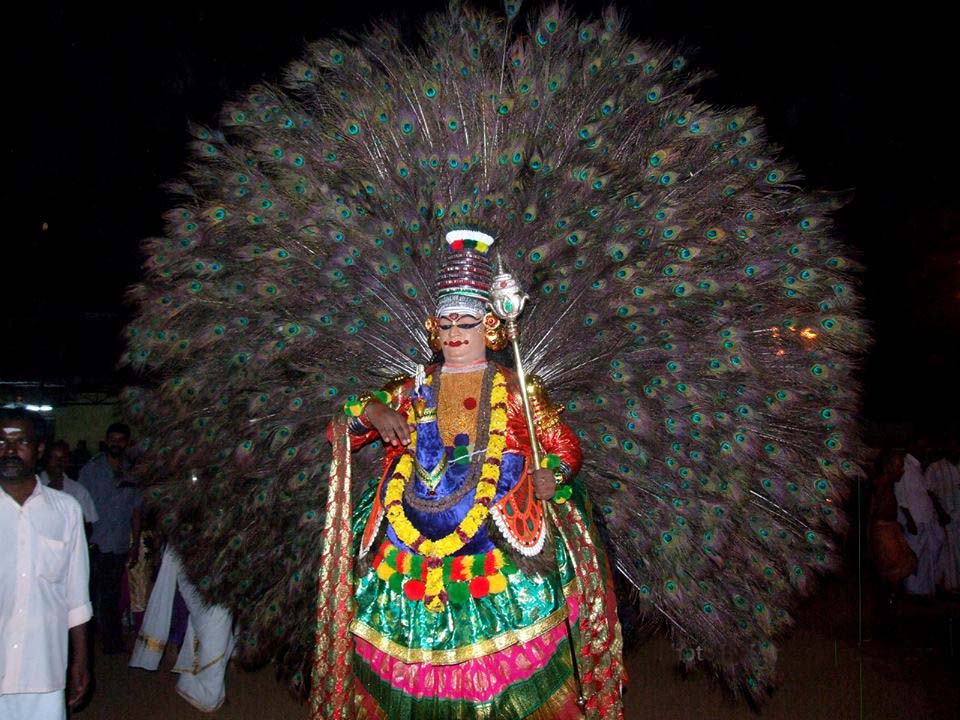
Mayillattam Dance

Photo credits : Ramesh Kidangoor

Photo credits: Ramesh Kidangoor

The Mayillattam Dance derives its name from the Peacock, the celestial vehicle of Hindu Lord Subramania (son of Lord Shiva). Donning the costume of a Peacock, with painted faces, beak, headgear and wings of peacock feather, the dancers perform this ritualistic dance offering. As a ritual, it continues to be practised in the Travancore region. Continue reading

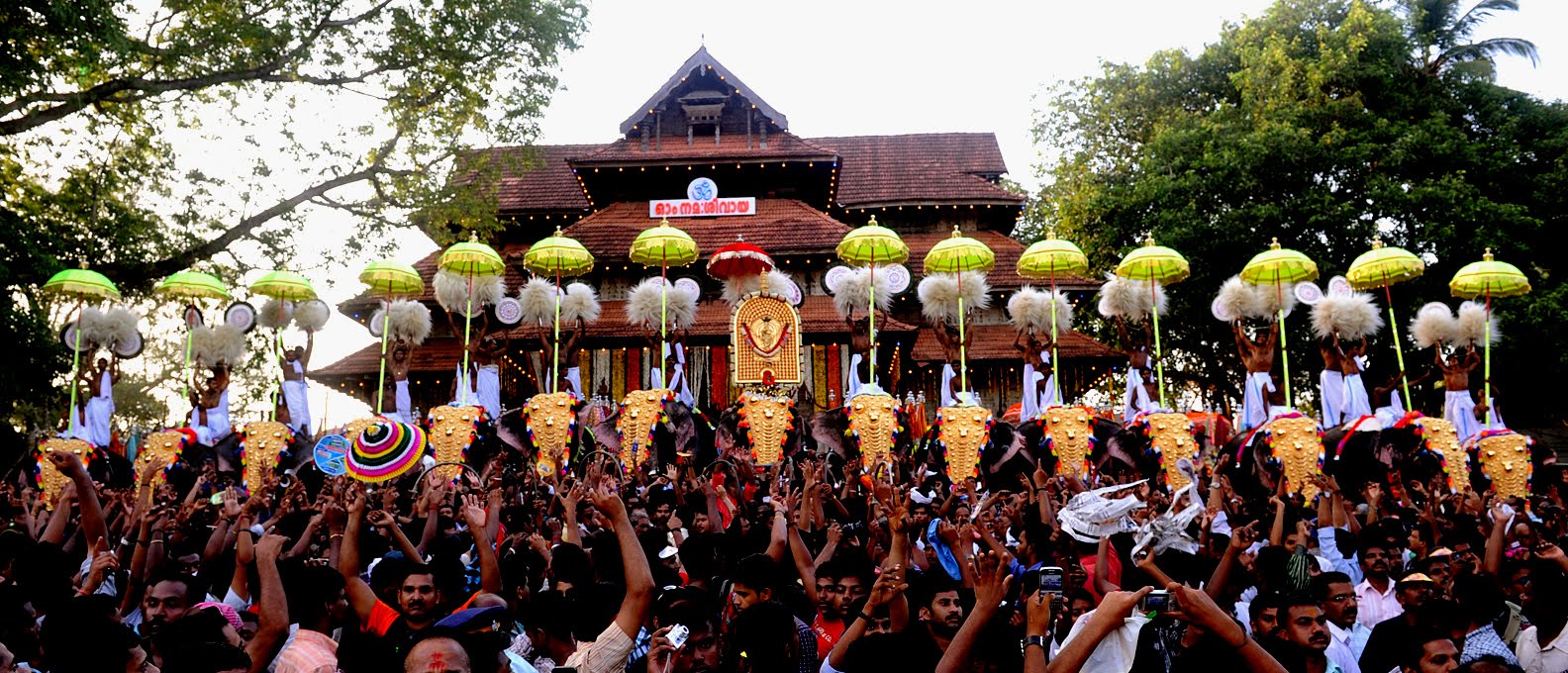
Thrissur Pooram

Thrissur Pooram Kerala Festival Photo Images - 11

There is a saying in Malayalam – Poorathil Pooram Thrissur Pooram, which means that amongst all festivals in Kerala, the Thrissur Pooram is considered the best and the most sought after. Pooram Day changes annually because it’s a star based on the Malayalam Calendar, but the festival is always held at the Vadakkunnathan Temple in Thrissur town.

Thrissur Pooram was the brain child of Raja Rama Varma aka Shakthan Thampuran, who was the Maharajah of Cochin from year 1790–1805. In 1798, he unified the 10 temples situated around the Vadakkunnathan Temple  and organized the celebration of Pooram as a mass festival. He invited temples with their deities to Trissur to pay obeisance to Lord Vadakkunnathan, (Lord Shiva). Continue reading

Libraries Old And New, Big And Small, At The Core Of Communities

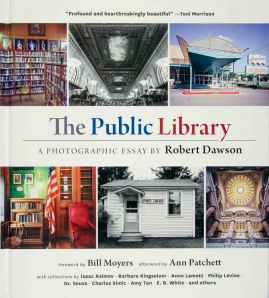
Cover_The_Public_Library_bookThis book by Robert Dawson pays attention to one of the institutions we care most about, libraries–specifically public ones. Why do we care so much about them? Because of the essential role they play in so many communities, both small and large, with regard to education and egalitarian opportunity.

Toni Morrison’s assessment of the book is that “Robert Dawson’s work is an irrefutable argument for the preservation of public libraries. His book is profound and heartbreakingly beautiful.”  From the author/photographer’s own website the text that introduces the work is a mix of promotion and fact:

This project is a photographic survey of public libraries throughout the United States featuring essays on libraries and the public commons from prominent American writers. The book The Public Library: A Photographic Essay will be published in April, 2014 by Princeton Architectural Press. ISBN 978-1-61689-217-3

Smallest library, now closed, Hartland Four Corners, Vermont

There are over 17,000 public libraries in this country. Since I began the project in 1994, I have photographed hundreds of libraries in forty-eight states. From Alaska to Florida, New England to the West Coast, the photographs reveal a vibrant, essential, yet threatened system.

For the past two centuries public libraries in America have functioned as a system of noncommercial centers that help us define what we value and what we share. The modern library in the computer age is in the midst of reinventing itself. What belongs in a library? Continue reading

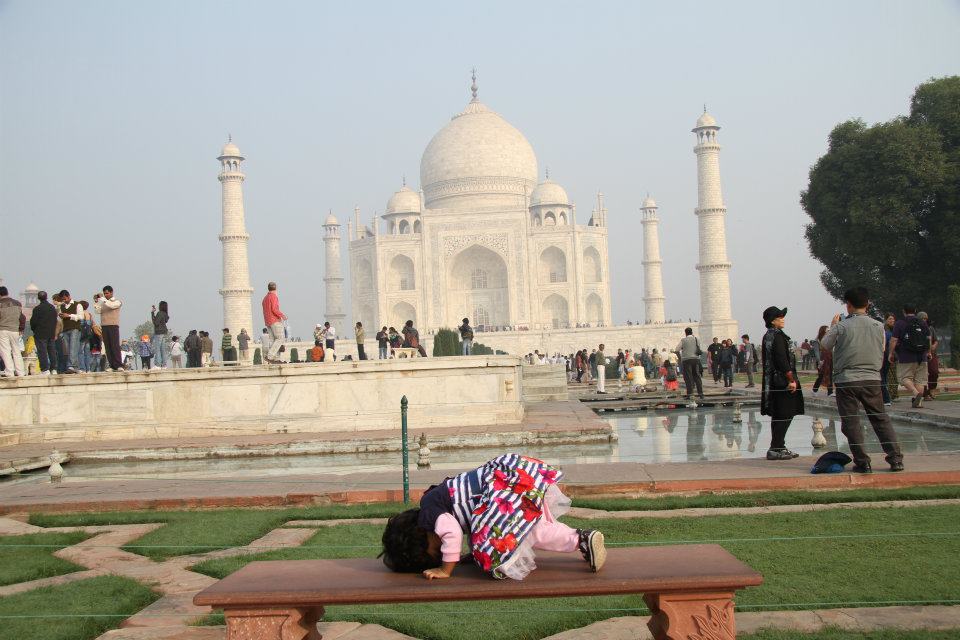
Taj Mahal

Photo credit : Sanjayan

Photo credit: Sanjayan

A Unesco World Heritage Site and considered one of the eight wonders of the world, the Taj Mahal is in Agra in the Indian state of Utterpradesh. Twenty-two thousand laborers and craftsmen worked on the mausoleum complex between A.D. 1631 and 1653, to the cost of what is believed to be thirty-two crore (320 million) rupees. Continue reading

If You Happen To Be In New York City

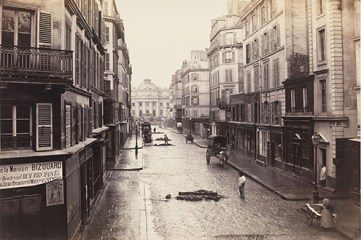
Charles Marville: Photographer of Paris
January 29 – May 4, 2014

Rue de Constantine fourth arrondissementteaser

…As the exhibition of his photographs at the Metropolitan Museum makes clear, Marville was the right man for the job. For starters, he was a local. His father was a tailor, his mother a laundress. He grew up on a cramped street near the Louvre that later vanished to make way for one of Haussmann’s imperial avenues. Like Baudelaire, his contemporary, Marville honed his eye on Paris; the city taught him to see…

Brought to our attention by a post on the New Yorker’s website today, from which the snippet of text above is taken (and where you can see 10 excellent images from the collection the text describes), this exhibit catches our eye because it has to do with both the history of photography and the cultural heritage of a lost form of Paris:

Exhibition Location: Galleries for Drawings, Prints, and Photographs, Second Floor, Galleries 691-693
Press Preview: Monday, January 27, 2014, 10 a.m.–noon Continue reading

Tasting Tour In Northern India

Kuni Takahashi for The New York Times

Kuni Takahashi for The New York Times

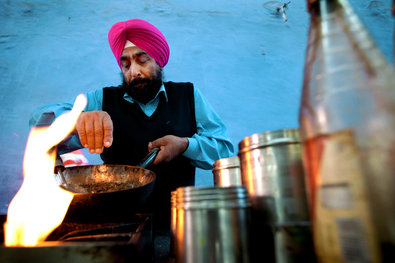
Food in India, and regional specialties in particular, are on our mind currently during kitchen tests for 51, so this article from the Travel section of the New York Times this week (click on the image to the left to go to the story) catches our eye:

Cooking at Surjit Food Plaza in Amritsar, India.

The author heads to northern India for a tasting tour of dhabas, casual restaurants famous for their inexpensive and remarkably tasty cuisine. Continue reading

Happy Holi at Cardamom County

Despite being “God’s Own Country,” Holi isn’t commonly celebrated in Kerala or much of South India. But that doesn’t mean we don’t think it’s a fun activity. This year at Cardamom County we helped our foreign guests embrace the festival spirit of India with colorful vegetable dye powders.

Continue reading

Holi, 2014 Edition

This slideshow requires JavaScript.

Each year, we in the south of India wish to be in the north of India for this celebration that marks the end of winter. We have linked to some great photo spreads in other publications, and this year choose the Reuters photojournalists’ snapshots to mark this year’s Holi.

Himalayan Honey Harvest

This slideshow requires JavaScript.

Like birds, bees are a common thread on these pages, for both their innate beauty, and their importance to life on earth. Although much of the honey on the market in the world today comes from cultivated hives, the history of gathering wild honey goes back millennium. 

For generations the Gurung tribespeople of central Nepal have assembled twice a year around cliffs filled with colonies of  the world’s largest honeybee, Apis laboriosa. This dangerous Himalayan honey-harvest was recently documented by U.K.-based travel photographer Andrew Newey, who spent two weeks capturing this dying tradition, which is under the threat of commercialization.

“For hundreds of years, the skills required to perform this dangerous task have been passed down through the generations” writes Newey, “but now both the bees and traditional honey hunters are in short supply.” Continue reading

Kathakali – Traditional Dance Of Kerala

Photo Credits :Ramesh Kidangoor

Photo Credits: Ramesh Kidangoor

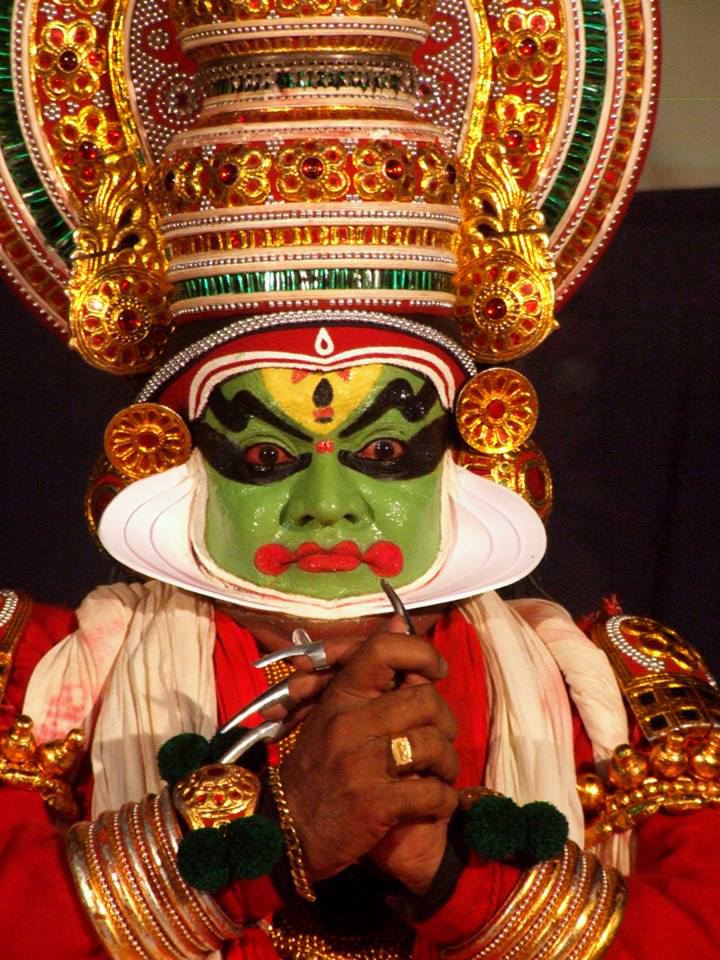
Kathakali is the most famous dance-drama of Kerala, and originated about 1500 years ago. This classical art form is distinguished by several unique features: it’s a marvelous blend of the Tandava (masculine) and Lasya (exotic) elements of dancing; Continue reading

Inspiration, 51

Photograph by James Pomerantz.

Photograph by James Pomerantz.

This post is for the team at 51, a new restaurant we are opening soon, located on the waterfront of Fort Cochin’s harbor in the history-intact, spice-trading Mattanchery neighborhood. That team is a group of men and women, chefs, support cooks, self-made cuisine historians, and other interested parties collaborating on a new concept.  It is a concept, but deftly avoiding pretension. More about fun historical convergences, good taste, and communities interacting over long stretches of time to create new food ways. Following is a restaurant review whose accompanying photo was the main draw, but so was the notion of foraging that has become so compelling to foodies of late:

It seems strange to say that the best thing at a place that specializes in juice cleanses is the porchetta, but Foragers Market and Table encapsulates the contradictory nature of the New York diet, serving quality food that feels “healthy,” and is often local and organic, but with none of that dull avocado-based asceticism. Continue reading

If You Happen To Be In Muzuris

The ancient port city of Muzuris came into the spotlight in 2012 with the critically acclaimed Kochi-Muzuris Biennale, but the Muzuris Heritage Project highlights the region in a more historical context.

Located just 30 km north of Kochi in Paravur and Channamangalam, the four museums–Kerala History Museum, Lifestyle Museum, Kerala Jewish History Museum, and Jewish Lifestyle Museum–were inaugurated this Sunday.

The four museums together present a comprehensive picture of the political and cultural history and lifestyle of the region….

…The Muziris Heritage Project, spearheaded by the Tourism Department, envisaged a group of heritage and tourism plans around key historical monuments in North Paravur, Kodungalloor, Chennamangalam, Pallippuram, Mala and other areas. Continue reading

Cinematic Lunchbox View Of Life in Bombay

THE LUNCHBOX by Ritesh Batra - International Trailer

THE LUNCHBOX by Ritesh Batra – International Trailer

Between the trailer (click above) and the review in the New York Times (see below), The Lunchbox looks worth seeing for audiences in India and abroad–thanks to India Ink for point us to it:

“‘The Lunchbox,’ Ritesh Batra’s debut feature, is a romance that takes place in Mumbai, but its style is more Hollywood than Bollywood, and Old Hollywood at that,” A.O. Scott of The New York Times wrote in his movie review. Continue reading

Hats Off To Dr. Seuss

This slideshow requires JavaScript.

Whether you’re a “hat person” or no, we’d be surprised if news of this exhibition didn’t bring a smile to the lips of anyone familiar with Theodor Seuss Geisel‘s books. For the first time in history “Dr. Seuss’s” personal hat collection is on tour in an exhibit called Hats Off to Dr. Seuss!which debuted at the New York Public Library in January and will stop in six states over the next seven months.

Continue reading

A Master Puzzle

Photograph: Nati Harnik/AP

Photograph: Nati Harnik/AP

If you have shopped there in person, or ordered from them online, or see that the interrelation between the USA’s various communities are sometimes not easy to figure out, you know why this story is important:

…The growth of Cabela’s reflects Americans’ odd relationship with the outdoors: we mythologize it even as we pave it over. To accommodate their bulk and the crowds that they attract, Cabela’s stores are often built next to interstates and surrounded by giant parking lots. Generally, the only wildlife in sight are the crows picking over the litter. Some of the newest branches are on the edges of cities—Denver, Austin—that epitomize sprawl. In Greenville, South Carolina, where Cabela’s plans to open on a congested retail strip in April, other retailers are worried that traffic jams will scare away their customers. Continue reading

Yoga In Perspective

San Antonio Museum of Art

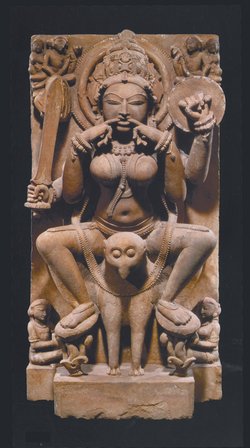
San Antonio Museum of Art. ‘Yogini’; sandstone statue, Kannauj, Uttar Pradesh, first half of the eleventh century. William Dalrymple writes that ‘in ancient India yoginis were understood to be the terrifying female embodiments of yogic powers who could travel through the sky and be summoned up by devotees who dared to attempt harnessing their powers.’

William Dalrymple, in the New York Review of Books, provides a summary of four books that should be considered essential reading to understand yoga in its proper historical context. The last few paragraphs are among the best:

…Yogis seem to have gone particularly out of control during the eighteenth-century anarchy between the fall of the Mughals and the rise of the British. This is a subject explored by William Pinch in his brilliant 2006 study of the militant yogis of the period, Warrior Ascetics and Indian Empires.

European travelers of the period frequently describe yogis who are “skilled cut-throats” and professional killers. “Some of them carry a stick with a ring of iron at the base,” wrote Ludovico di Varthema of Bologna in 1508. “Others carry certain iron diskes which cut all round like razors, and they throw these with a sling when they wish to injure any person.” A century later the French jewel merchant Jean Baptiste Tavernier was describing large bodies of holy men on the march, “well armed, the majority with bows and arrows, some with muskets, and the remainder with short pikes.” By the Maratha wars of the early nineteenth century, the Anglo-Indian mercenary James Skinner was fighting alongside “10 thousand Gossains called Naggas with Rockets, and about 150 pieces of cannon.” Continue reading

Kerala Church Festival – St.Mary’s Church, Kuravilangad

Photo credits : Ramesh Kidangoor

Photo credits: Ramesh Kidangoor

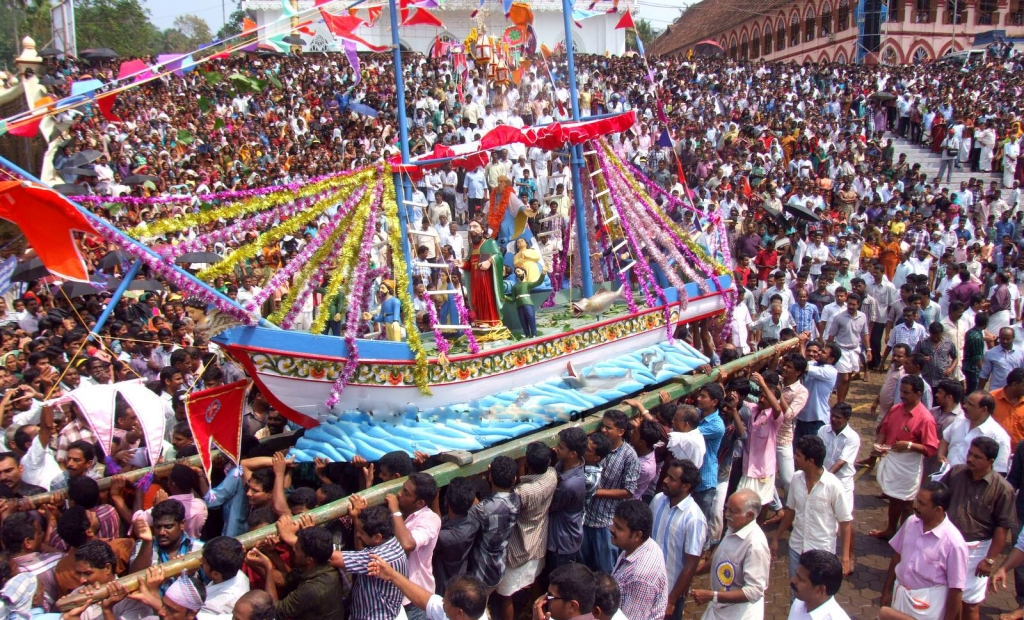
Church festivals mark a special form of festivity among the Christians of Kerala. Called Perunal, these celebrations add verve and flavor to local communities. St. Mary’s Church in Kuravilangad is an ancient church believed to have been built over thousand years ago, which celebrates the famous kappal festival (vessel procession) every year in February. Continue reading

When In Doubt, Musical Theater

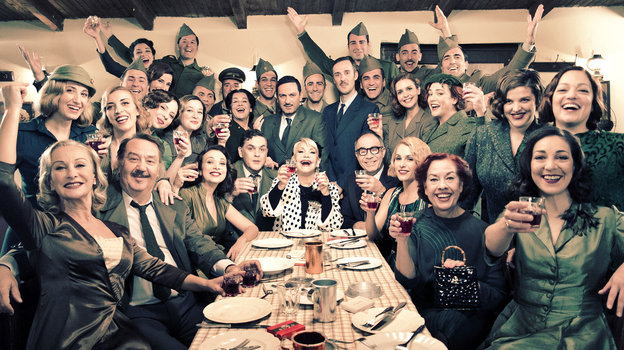
Greek vocal icon Marinella, center, sings "Children of Greece," a song once sung to Greek soldiers as Italian and German forces invaded the country. As they endure hard times today, Greeks are turning to theater that shows triumphs over adversity in the last century.

Greek vocal icon Marinella, center, sings “Children of Greece,” a song once sung to Greek soldiers as Italian and German forces invaded the country. As they endure hard times today, Greeks are turning to theater that shows triumphs over adversity in the last century.

Thanks to National Public Radio for this story from Athens, where several Raxa Collective members have family and friends who attest to the tough times there. The story is interesting because it is counterintuititve to us, with no offense to those who appreciate musicals, that this form of theater has proven so popular at such a time as this. It is not what we might have first thought up as an antidote for tough times, but who are we to argue with effective salves:

It’s a full house at the 2,000-seat Badminton Theater in Athens. On stage is a musical about the singer Sofia Vembo, whose warm contralto voice comforted Greeks during World War II.

The song that is bringing the audience, mostly Greeks in their 60s and 70s, to tears and applause is called “Paida Tis Ellados, Paidia,” or “Children of Greece.” Sofia Vembo sang it to Greek soldiers as Italian and German forces invaded the country.

On this evening, it’s sung by 75-year-old Marinella, the platinum-haired icon of modern Greek music. She’s joined by a young cast in 1940s dresses and military garb.

In the audience, a young, green-eyed dermatologist named Fiori Kousta is passionately singing along.

“This song gives me hope,” she says, “because it reminds me that Greeks have been through much worse than what we’re going through today. Continue reading

If You Happen To Be In New York

This slideshow requires JavaScript.

Thanks to the New Yorker‘s website for keeping us posted on the first show of a new curator at MOMA, in a medium of expression we care about for various reasons both aesthetic and technical:

In this week’s issue of the magazine, Vince Aletti talks to Quentin BajacMOMA’s new chief curator of photography, about “A World of Its Own: Photographic Practices in the Studio,” his first show for the museum:

“I’m a bit tired of the predictable history from the daguerreotype to the digital print,” says the Paris-born Bajac, who comes to MOMA from stints at the Musée d’Orsay and the Centre Pompidou, where he was the head of the photography department from 2007 to 2013. Continue reading