An Introduction to India

View out of the Houseboat

View out of the Houseboat

My name is Kendra, and last week I arrived in Cochin, India. I am a recent graduate of Cornell University’s School of Hotel Administration, and I traveled here to work for four months with Raxa Collective to learn more about Conservation-tourism in action.

Before I arrived in India I didn’t know what to expect. I knew the culture and food were different from the western style I grew up with, but when I arrived I was completely spellbound by what I experienced. My first sights of India came during a drive I took through the southern city of Cochin, and it was amazing. I didn’t expect it to be so full of life and color, especially in the rain. I saw women in beautiful saris racing across the busy streets in the rain and billboards advertising intricate and colorful jewelry. This was my first view of India, and despite my earlier apprehension I was enthralled with it. Continue reading

Malayalam Milestone

Sabdatharavali compiled by Sreekanteswaram

Sabdatharavali compiled by Sreekanteswaram

Sreekanteswaram is our kind of hero, protecting his cultural heritage without much fanfare but with a sense of humor:

That the first and the most authentic Malayalam dictionary to date, Sabdatharavali by Sreekanteswaram G. Padmanabha Pillai, turns 90 this year is a fact lost on Malayalis basking in the language’s hard-won classical status.

While such forgetfulness on the part of language Tsars is understandable, given the backward status of linguists and lexicographers in cultural hierarchy, a handful of ordinary language-lovers like poet Kureeppuzha Sreekumar Continue reading

Bharani Festival, Chettikulangra Temple – Alappuzha

Photo credits: Ramesh Kidangoor

Photo credits: Ramesh Kidangoor

Chettikulangra Temple is dedicated to the Goddess Bhadrakali. The temple is famous for the Bharani festival, with special rituals and Kettukazhcha processions attract numerous devotees. Continue reading
If You Happen To Be In New York

Last time we mentioned this library, it was to raise some important questions; on a previous occasion to recommend a lecture; this time we recommend what looks like an important exhibition curated by Leonard S. Marcus:

The ABC of It is an examination of why children’s books are important: what and how they teach children, and what they reveal about the societies that produced them. Through a dynamic array of objects and activities, the exhibition celebrates the extraordinary richness, artistry, and diversity of children’s literature across cultures and time. Continue reading

Tulsi Thara

Tulsi Thara in frond of the house

Tulsi Thara in frond of the house

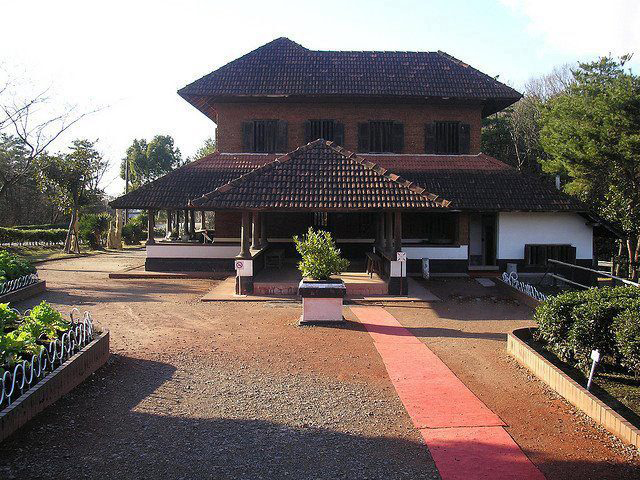
Tulsi Thara is a sacred stone platform in front of traditional Kerala houses on which the Holy Basil (tulsi) plant is grown. Tulsi is a sacred herb known as the Queen of the herbs. Tulsi Thara is made to welcome the Goddess Lakshmi. In mornings and evenings a burning lamp is placed on the platform. Continue reading

Entrepreneurial Conservation In Rajasthan

Photography by Robert Polidori.  BLUE HEAVEN | Built in the 15th century by Rao Jodha, the walls of the fortress of Mehrangarh are 70 feet thick. Many of the houses of Jodhpur are painted blue to deflect the sunlight, and, according to folklore to repel insects.

Photography by Robert Polidori. BLUE HEAVEN | Built in the 15th century by Rao Jodha, the walls of the fortress of Mehrangarh are 70 feet thick. Many of the houses of Jodhpur are painted blue to deflect the sunlight, and, according to folklore to repel insects.

The Wall Street Journal carries a feature that is quite our cup of tea:

EACH SPRING, Maharaja Gaj Singh II hosts a Sufi music festival inside his family’s vast desert fort in the Indian city of Jodhpur. From a distance, this monumental sandstone fortress, called Mehrangarh, looms over the city’s chalky blue buildings, evoking the country’s ancient and otherworldly history. And yet people fly in from across the globe because the festival—and the maharaja who hosts it—blends old India so deftly with new. Continue reading

St. Francis Church

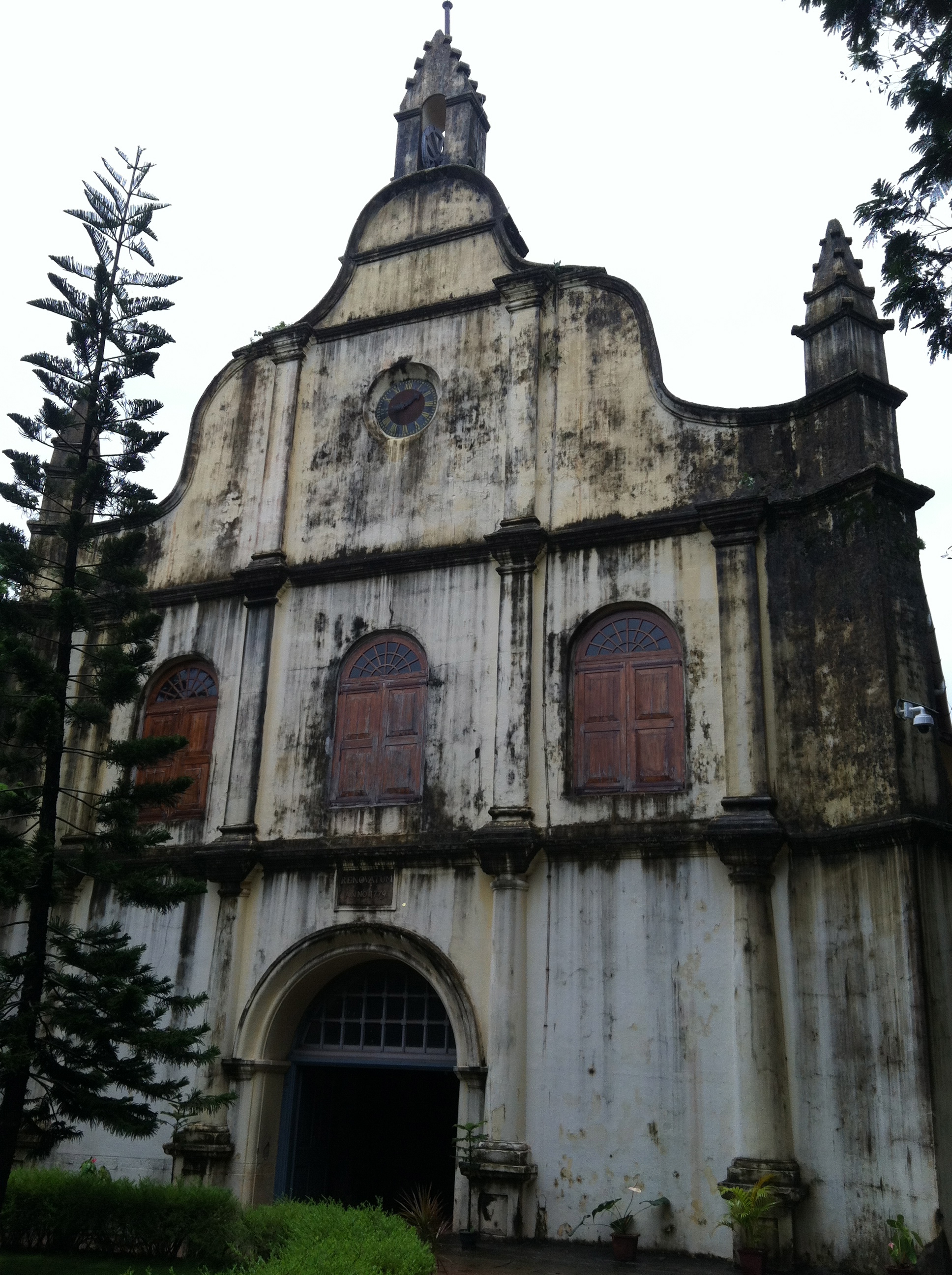
St. Francis Church- The original burial site of Vasco da Gama

St. Francis Church- The original burial site of Vasco da Gama

Today, for the first time in my life, I visited Fort Kochi. One of the first places I stopped at was the St. Francis Church, which is the oldest European church in India, and the original burial site of the Portuguese explorer Vasco Da Gama.  In 1498, Vasco da Gama became the first person to sail from Europe to India. Both the Portuguese and the Spanish were in search of an ocean alternative to the Arab monopoly on the lucrative spice trade, and the Portuguese had the good fortune to sail east vs. west. He and a few other Portuguese men who followed were allowed by the Raja of Cochin to build a fort in Kochi, and subsequently, in 1506, Francisco de Almeida, the Portuguese viceroy, was allowed to build a Christian church.  Ten years later, the church was completed and was dedicated to Saint Anthony. Continue reading

Cochin : exploring Mattancherry

Wandering around Mattancherry  : the vibrant murals covering the walls of Mattancherry Palace as well as each and every street; Dockers carrying sacks of produce urging you to move out of the way; Those boats that look more like works of art…not to mention the art installations on the docks… The streets that surround Spice Harbour, a development Raxa Collective is currently working on, are full of colours, spices and, yes goats… Continue reading

Books In A Pre-Amazonized India

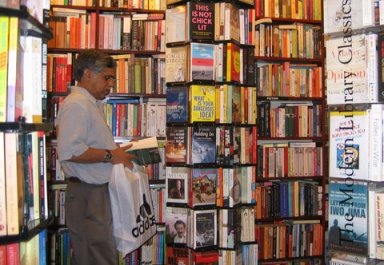
Courtesy of Jairaj Singh A customer at the Fact & Fiction bookstore in New Delhi.

Courtesy of Jairaj Singh
A customer at the Fact & Fiction bookstore in New Delhi.

Our friends at the India Ink blog site offer a cross-generational look at the world of books in our part of the world:

In the summer of 1984, two years before I was born, my father, Ajit Vikram Singh opened a small corner bookshop, Fact & Fiction, in South Delhi’s Vasant Vihar area,      Continue reading

Cane is King

This week Isabel and I continued to survey coffee producers and visit cafetales (shade coffee plots) while we also began interviewing ex-coffee producers (people who planted coffee but either have stopped harvesting it or never did) and conducting more conversational, open-ended interviews with coffee producers. Additionally, a baby cow was born on the farm and we have officially started to become sick of rice, beans, and soup.

Last week I wrote about the technical problems with shade coffee. This week I’ve learned much more about the social elements constraining it. One of the most common things we heard people say this week was that they don’t have time to work on their cafetales. By this they mean that they don’t weed it, fertilize it, or spray it to control pests and diseases. All they do is simply harvest it when it’s ready. It also means that they’re not willing to give up time from their other crops to dedicate to coffee. “Si carga, carga. Si no carga, no carga.” If it produces, it produces. If it doesn’t, it doesn’t. This attitude shows a serious lack of commitment and is also preventing people from seeing the true economic potential of this valuable crop. In our interviews we’ve been asking what people’s main sources of income are, and not one person has mentioned coffee.

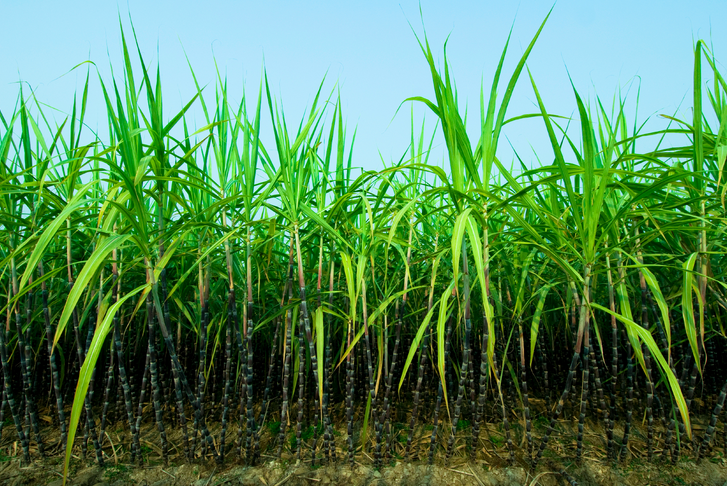
Why is this the case? Largely, because of subsistence agriculture and sugarcane. Here in Barrio Nuevo, cane is king. Continue reading

Veeshuvala – Local Fishing Net

Photo credits : Ramesh Kidangoor

Photo credits : Ramesh Kidangoor

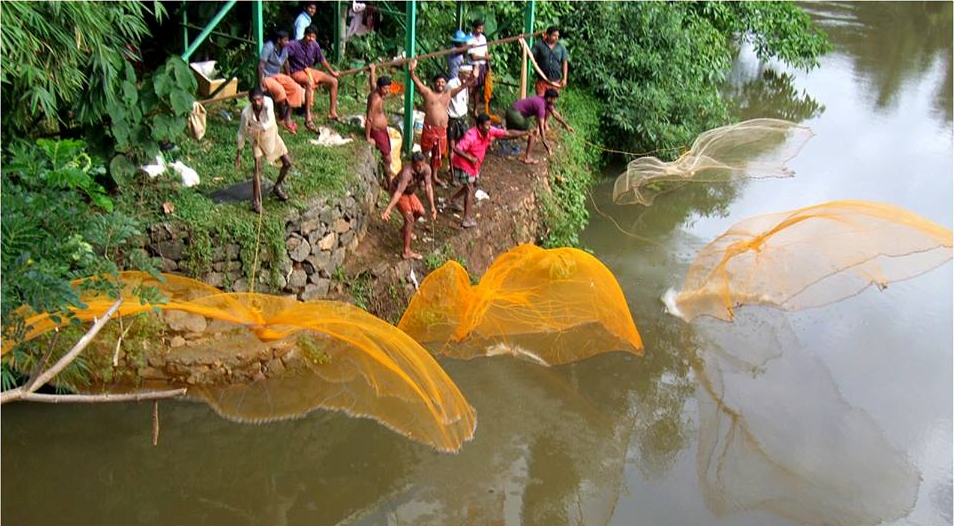
There are many fishing techniques employed in the backwaters, rivers and canals of Kerala. The local people have a name for each tool and method employed to trap the fish. The most common is Veeshuvala, where a circular net, six to seven meters in diameter and weighted at the edges, is thrown from the shores in a distinctive fashion – a quick spin of the body to gain momentum, then releasing the gathered net at just the right moment. The weights ensure that the net flares out like a umbrella before it lands on the water. A string attached to the hub is then pulled from the banks to haul in the trapped fish. This method of fishing is very common in Kerala especially during monsoon. Continue reading

Sadhus – Mendicants

Photo credits :Manoj Vasudevan

Photo credits :Manoj Vasudevan

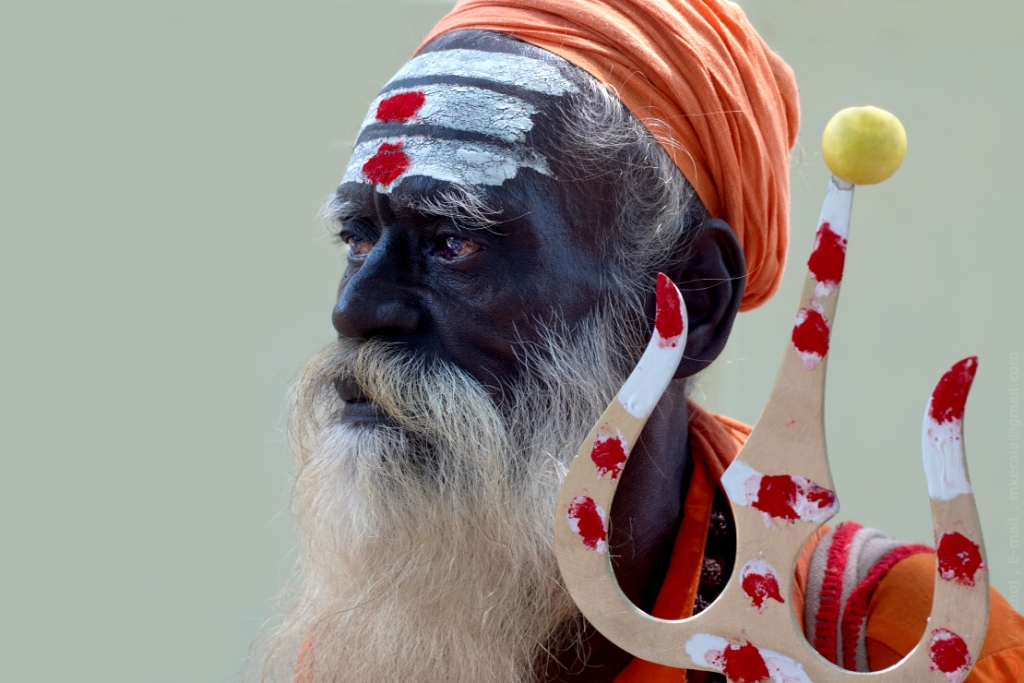
Sadhus are commonly found outside famous temples in India. They live an ascetic life on the fringes of society, free from all family ties with neither possessions or permanent house and eat little. They live off alms given by pilgrims and devotees and often wear saffron coloured  clothing. Continue reading

Kalamezhuthu (Floor drawings)

Photo credits: Ramesh Kidangoor

Photo credits: Ramesh Kidangoor

Kalamezhuthu is the art of creating very large pictures on the floor, and is a unique form of art found only in Kerala.  Typically, Kalamezhuthu is conducted as part of the general festivals in temples. The patterns that are drawn and the colors that are used are traditionally stipulated.  Additionally, the colored powders used for the Kalams (drawings) are prepared solely from natural products.  Kalams are drawn in connection with the worship of Gods and Goddesses, and are drawn directly with the hands.  No tools are ever used.   Continue reading

Cochin Carnival

Photo Credits : Ramesh Kidangoor

Photo Credits : Ramesh Kidangoor

Cochin Carnival is celebrated at Fort Cochin annually during the last ten days of December. The carnival is celebrated as a continuity of the Portuguese New Year festivals during the colonial years. During the carnival period all establishments in the city don white paper buntings. All available space on the streets is used to host traditional competitions such as kalam vara (floor drawing), tug-of-war, and bicycle racing. Additionally, people often play beach volleyball or go for a swim in the sea. The festivity and revelries continue until midnight of December 31st, culminating in a marvelous show of fireworks. Continue reading

Bhutan’s Different Approach

Singye Wangchuk/Reuters A statue of Lord Buddha at Kuensel Phodrang in Thimphu, Bhutan on May 20, 2012.

Singye Wangchuk/Reuters. A statue of Lord Buddha at Kuensel Phodrang in Thimphu, Bhutan on May 20, 2012.

Our friends at India Ink share a story about the mysteriously happy kingdom to the north:

Bhutan does things differently in South Asia, and nothing illustrates this so as much as the way it has conducted its transition to democracy. Continue reading

Thalappoli – Traditions Of Kerala

Photo Credits: Ramesh Kidangoor

Photo Credits: Ramesh Kidangoor

Thalappoli is a traditional and ritual procession carried out by young girls and ladies of Kerala to attract happiness and prosperity in the community which holds the festival. The participants wear traditional dress and hold thalam (a metal plate) in their hands  filled with fresh paddy, flowers, rice, coconut and a lighted lamp. Continue reading

Entrepreneurial Conservation And Language Apps

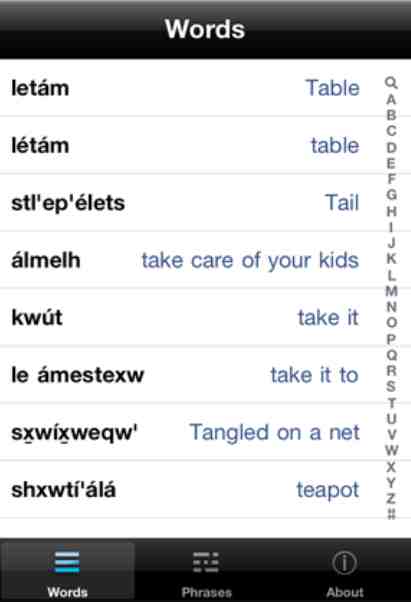
This recent post about a language app was thought to be a one off on a funny subject. Then the topic was no longer one off, and not particularly funny. Even less funny, but technologically amazing, and certainly an example of one of our favorite topics, is this one (click the image to the left to go to the source):

…Last June, FirstVoices launched an iPhone app that allows indigenous-language speakers to text, e-mail, and chat on Facebook and Google Talk in their own languages. Users can select from a hundred and forty keyboards not recognized by iOS; the app supports every indigenous language in North America and Australia. (By default, iOS supports just two: Cherokee and Hawaiian.) The app accomplishes this through mimicry. When a text box is selected, a keyboard identical in form and function to iOS’s appears. The keyboard includes the characters necessary to write in, say, Cree, and follows a layout unique to the chosen language.  Continue reading

Thrikkakara Vamana Moorthy Temple – Cochin

Photo credits : Ramesh Kidangoor

Photo credits : Ramesh Kidangoor

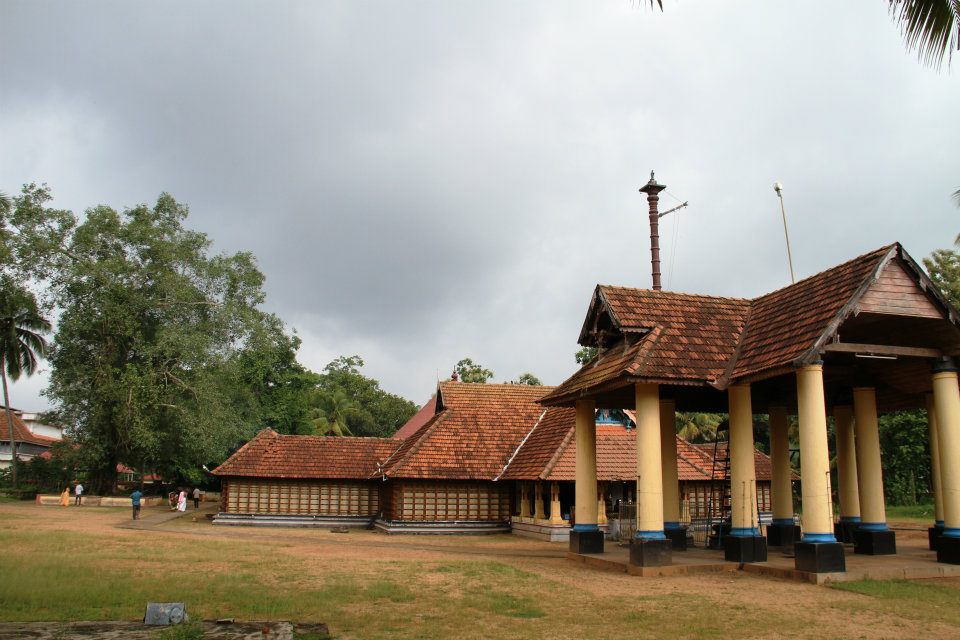
Located near Cochin, Thrikkakara Temple is one of the few temples dedicated to Lord Vamana, the 5th incarnation of Lord Vishnu. The name Thrikkakara means “the Holy place where Lord placed His Foot”. Thrikkakara is famous for the 10-day Onam festival celebrations. Continue reading

Exploring Iceland

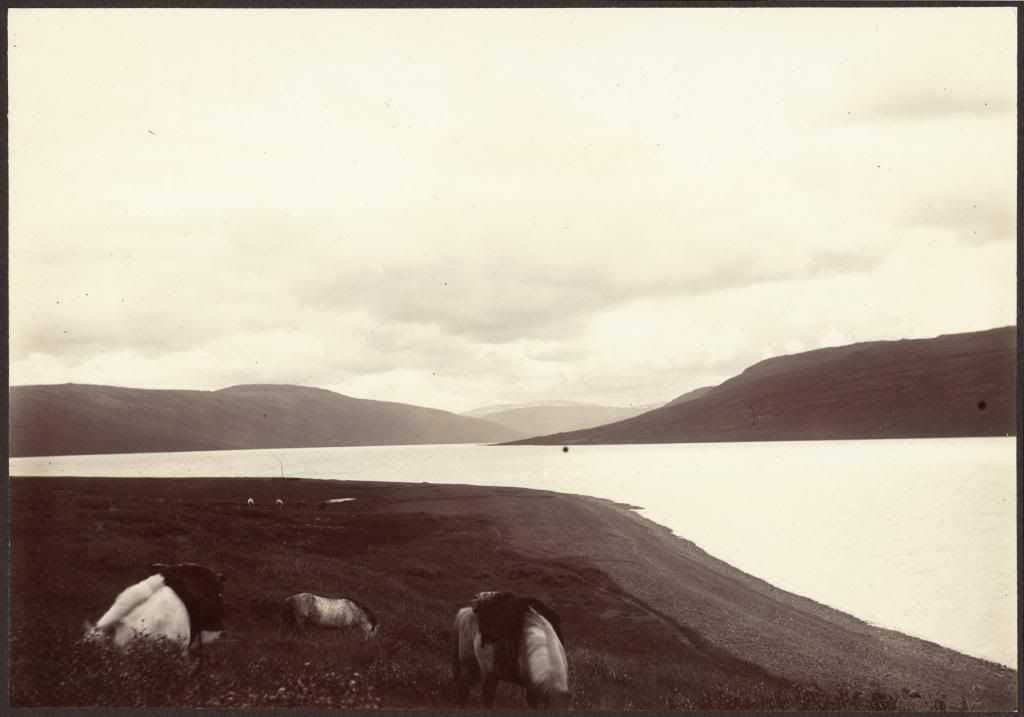
The head of Skorradalsvatn. Collodion print ca. 1900 by Frederick W. Howell. Bequest of Daniel Willard Fiske; compilation by Halldór Hermannsson at the Fiske Icelandic Collection of Cornell University.

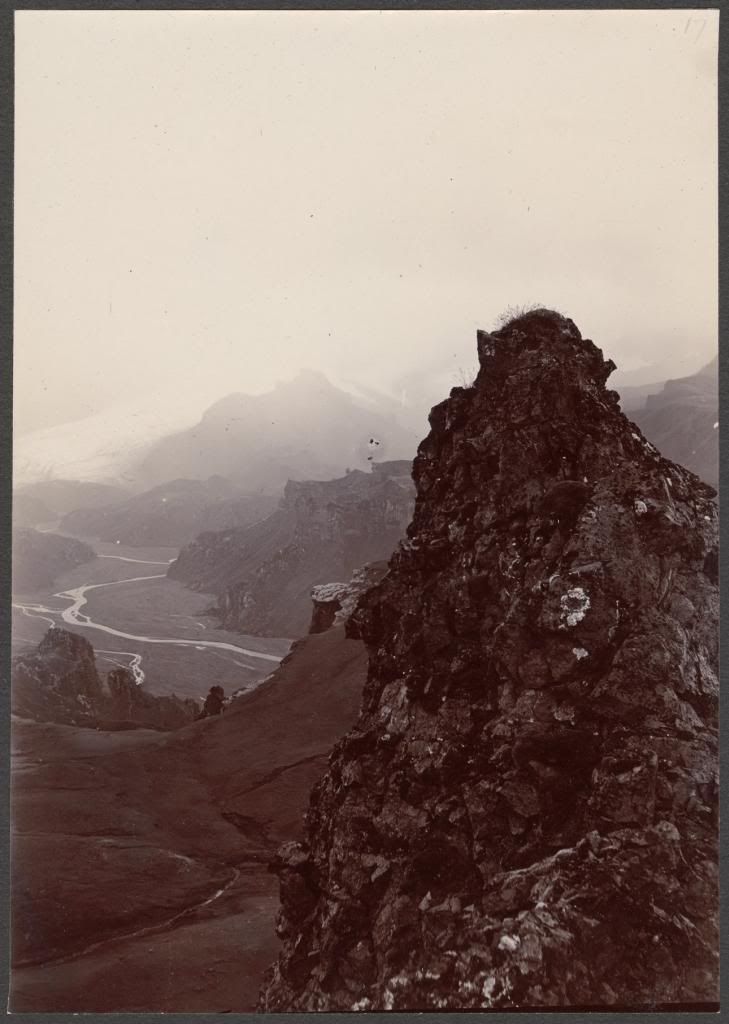
Þórsmörk. Head of Krossárdalur. Collodion print ca. 1900 by Frederick W. Howell. Bequest of Daniel Willard Fiske; compilation by Halldór Hermannsson at the Fiske Icelandic Collection of Cornell University.

It was mentioned a week or two ago that Iceland is in the air. For me, Iceland is on my mind, in my laptop, hidden throughout the Cornell libraries, and scattered about my room. After a couple essays for an environmental history course last year and some preliminary research for finding an honors thesis topic in the history major, I discovered that, thanks primarily to Cornell University’s first librarian, we have one of the largest collections of Icelandic material in the world. Since one of my projects for the environmental history class had shown me that Iceland was an interesting place to examine more closely, I did some more research and found the topic of European travel there during the eighteenth and nineteenth centuries engaging enough to choose as an honors thesis subject.

One of the places in Europe with the most spaces left blank by cartographers through the eighteenth and nineteenth centuries, Iceland’s inner regions were not fully mapped until 1901. Continue reading

Nature, Culture And The Challenges Of History

Tupilaq figures, Tuktoyaktuk, Northwest Territories, Canada. Photo by Lowell Georgia/Corbis

Tupilaq figures, Tuktoyaktuk, Northwest Territories, Canada. Photo by Lowell Georgia/Corbis

We have found another keeper in this magazine which we have linked to several times in the past, this time with a conservation theme at the intersection of natural and cultural heritage (click the image above to go to the source):

I’ve been nursing a gentle obsession with a quartet of bone-white, thumb-sized figurines. I first saw them, lined up in a row, on the cover of Miguel Tamen’s book Friends of Interpretable Objects (2001). They rested in a pair of open hands, looking toothy, and vital, exuding a cool glimmer, while evoking the long Arctic night and the estranging cold. And yet they’re also tiny and personable, these figurines. Their smooth features beckon you to enfold them in the palm of your hand. Their heads are cocked at mad angles, and their leering eyes and rabid smiles bespeak a secret, conspiratorial sociability. Continue reading