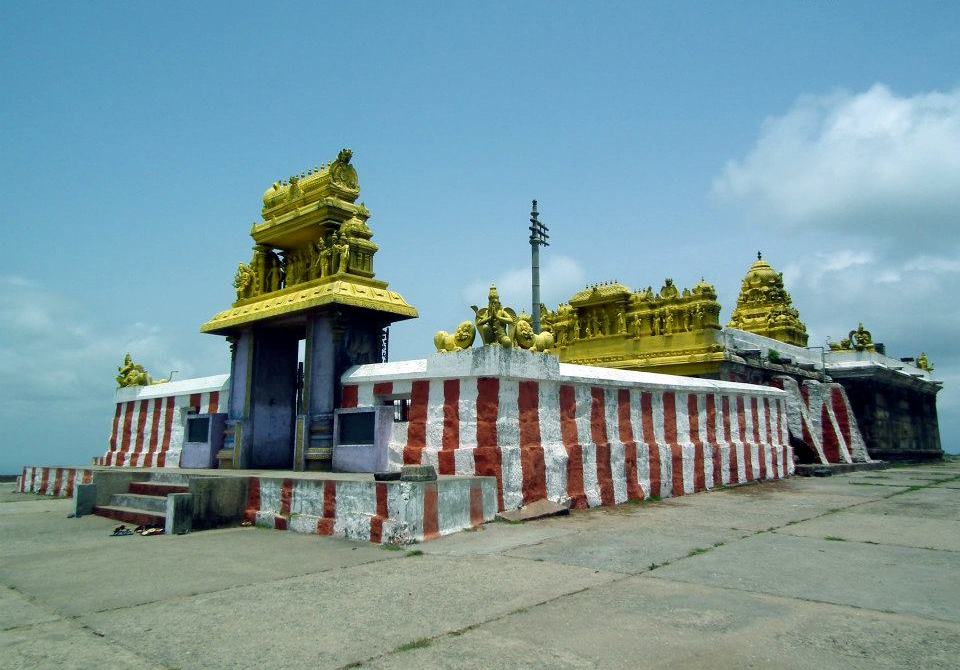
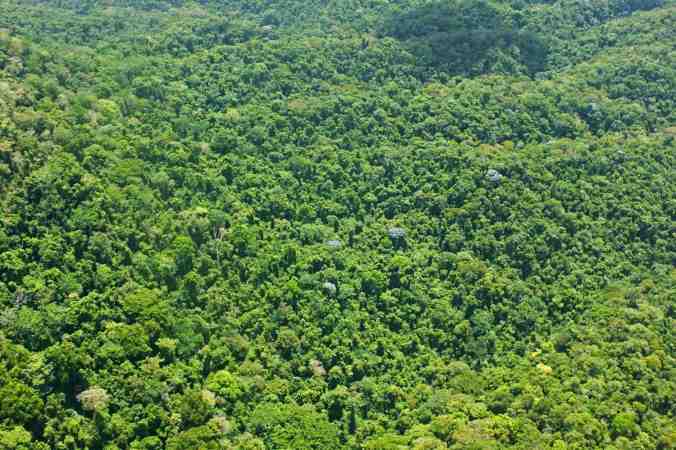
Gopalaswamy Betta Temple is located in the Chamarajanagar district of Karnataka. This temple is adjacent to Bandipur and Nagarhole National parks. Gopalaswamy is the other name of Lord Krishna. The temple was built by the King Cola Bellala during AD 1315. Continue reading
Culture
WED 2013 : Learning To Finish That Meal…
On June 5, we’ll celebrate World Environment Day. This year UNEP focuses on Food waste/Food Loss. At Raxa Collective we’ll be carrying out actions and sharing experience and ideas. Come and join us with your tips to preserve foods, preserve resources and preserve our planet.
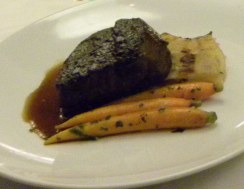
As a child, I was always told to finish eating my meals because there were starving children in poor and faraway lands that would gladly trade places with me. I could not exactly picture what that meant, and the rebelious part of me always wanted to stick a postage stamp on my plate and send it to these children. No one who grew up with such abundance, I think, could trade the fresh memory of a full meal for a clear picture of hunger.
Being from Texas (and proud of it, so don’t mess with that), with its long “bigger and better” history and wonderful mythology of abundance and its can-do certainty, I did not “get it”. Now, the hazy memories of those dinners and parental wisdom are coming into perspective with my ability to follow and understand news from around the world.
Ueli Steck, Collaboration And Culture
The article is worth the time, and the subscription, for reasons we pointed to here, here and here. Click above to go to this brief video for another enticement to read it and you will also see this additional wording from the author:
Many Americans got their first glimpse of Ueli Steck in the 2010 short film “The Swiss Machine,” which depicts Steck speed-climbing the North Face of the Eiger, as well as the Nose on El Capitan, in Yosemite. This short video consists of excerpts from that film. I approached Steck almost a year ago, in the hope he’d allow me to write a Profile of him, but he was hard to pin down. Continue reading
Worlds And Distant Times Apart, Bridged By Ideas (Or Ideology)
The New Republic is not a magazine we scan often, because its focus rarely intersects with our focus; even its Must Reads are to us, not-often-must; but occasionally we stumble on something of interest. Perhaps because the first link of today had a technology component, we got on a roll thinking about the relationship between technology, ideas, culture. This particular article is worth reading simply for the quality of both content and style:
The sewing machine was the smartphone of the nineteenth century. Just skim through the promotional materials of the leading sewing-machine manufacturers of that distant era and you will notice the many similarities with our own lofty, dizzy discourse. The catalog from Willcox & Gibbs, the Apple of its day, in 1864, includes glowing testimonials from a number of reverends thrilled by the civilizing powers of the new machine. Continue reading
Technology, Globalization And Over The Top To Do’s

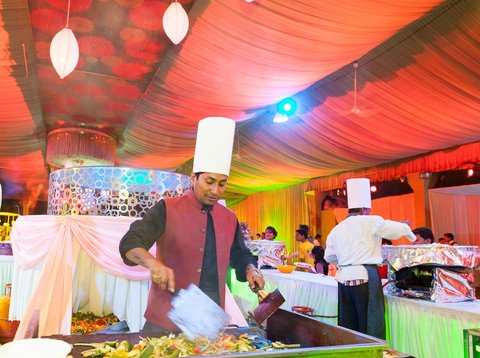
Courtesy of Ravi Sinha/Lucky Malhotra Photography. Ravi Sinha preparing grilled vegetables to be served with saffron rice and romesco sauce, at a wedding banquet in Bangalore, Karnataka.
Saritha Rai provides important insight into technology’s impact on the cultural practices of one community in India, and in particular with regard to their most sacred affairs:
Ravi Sinha, an entrepreneur in Bangalore, innovates constantly, tracking all the latest trends and occasionally outsourcing to outside specialists. Research and development are critical to his profits, and globalization has helped shape his business. Continue reading
On Language, Travel And Imagination

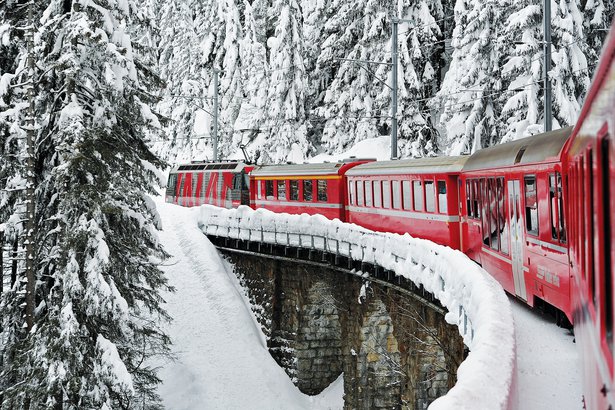
The snow-covered mountains and punctual trains of Montreux, Switzerland, summon childhood train sets, and the daydreams that accompanied them. (Harold Cunningham/Getty)
If we failed to get you reading him here, shame on us. If you choose to ignore this short piece of his, well, you have only yourself to answer to. He has had a running series of blog posts on the Atlantic‘s website dealing with the frustrations and wonders of language acquisition as an adult, a phenomenon several of us at Raxa Collective can relate to perfectly well. He captures some of the many benefits of the process and the outcome, especially the collaborative part, in short order here:
When I was about 6 years old, I started collecting model trains with my father. We would assemble the track in the attic, put a foam mountain with a tunnel over the top, and, through the magic of a transformer, watch the trains make their rounds. My dad took me to train shows, and for my birthdays back then, I always got train sets or trestles. I had books on model trains, and books on actual trains. Both kinds showed pictures of big mountains parted by trains, small towns bisected by trains, and trains adorning white Christmas-scapes. Continue reading
Iceland In The Air
Our daily scanning of magazines, blogs, news websites, etc. for inspiration led us to the conclusion recently that Iceland has captivated a lot of minds. We do not know why, but it is popping up everywhere. For example, this portion of a wonderful post on Paris Review‘s website about a recent event at Scandinavia House:
…It’s a young crowd, trendy, expectant, giddy even, though I’m surprised to see so many empty seats. It turns out Scandinavia House closed their RSVP list weeks earlier, almost immediately after announcing the event, grossly botching the numbers and no doubt needlessly turning away scores of would-be attendees. But it’s no matter to those of us here—in fact it makes the evening feel all the more intimate. Continue reading
Best of Salim E.I. : Chinese Fishing Nets
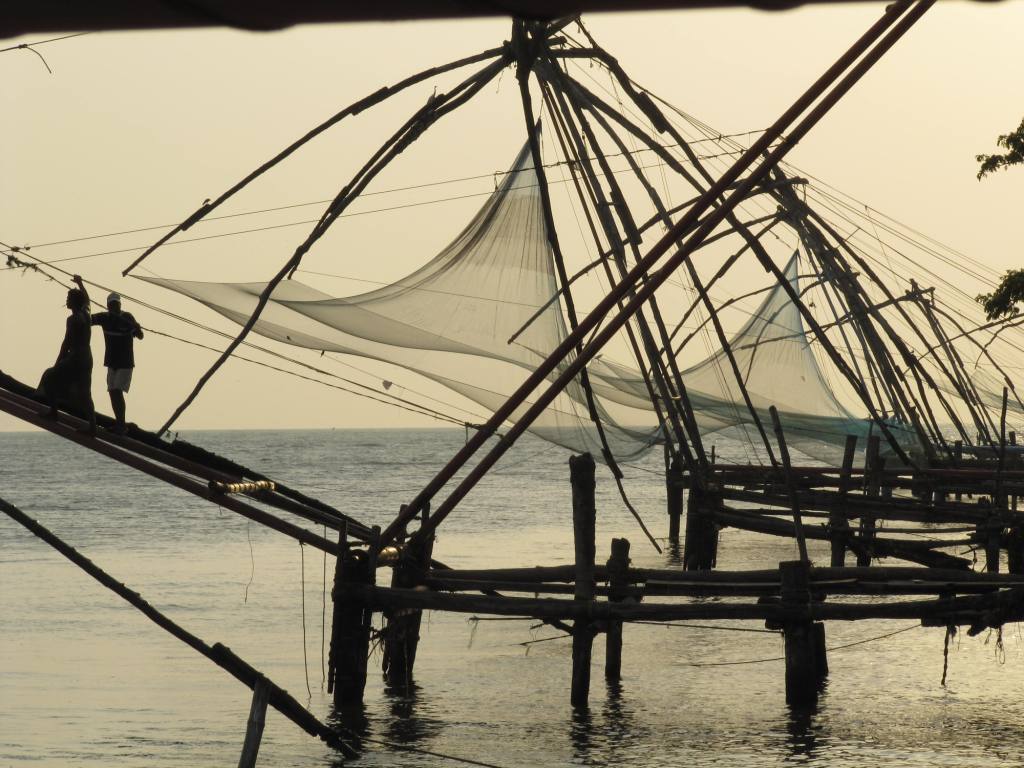
The Chinese Fishing Net is one of the tourist attractions in Kerala that is a living fishing method in use for the last 650 years. Locally it is known as Cheenavala. By origin it was introduced by the Chinese explorer Zheng He.
Continue reading
Best of Salim E.I.: The Harvest Dance
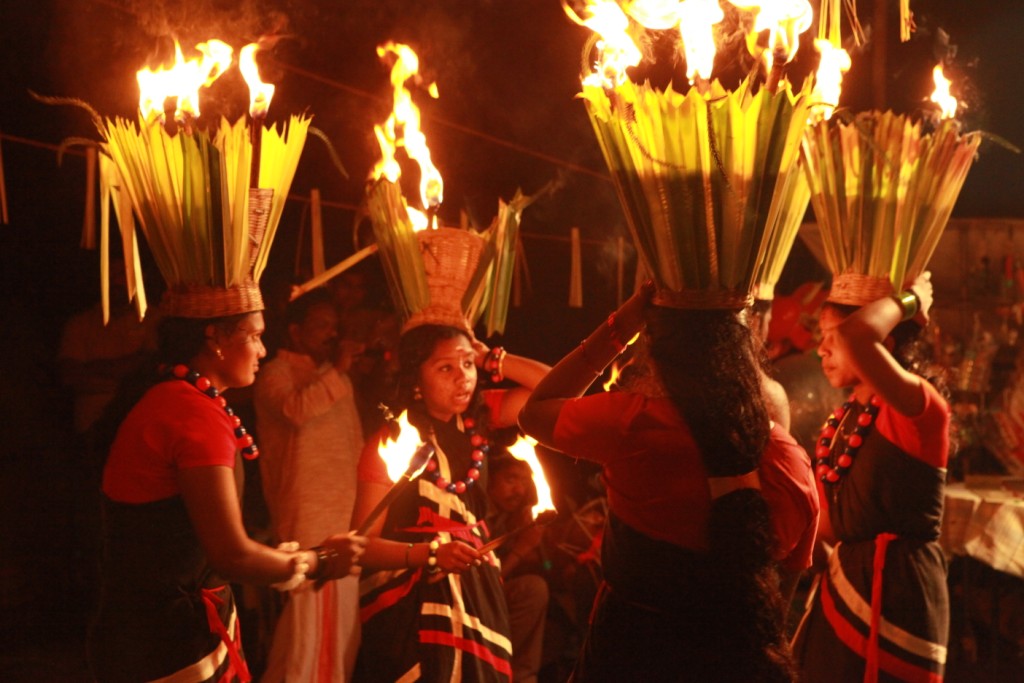
In India Kerala is famous for its Tribal folk dances. There are more than fifty well-known popular folk dances in the state which are mostly performed for religious influences, during harvesting, sowing of seeds, festivals etc. Tribal dances are often accompanied by songs & instruments.
Theemidi Fire Walk – Hindu Festival
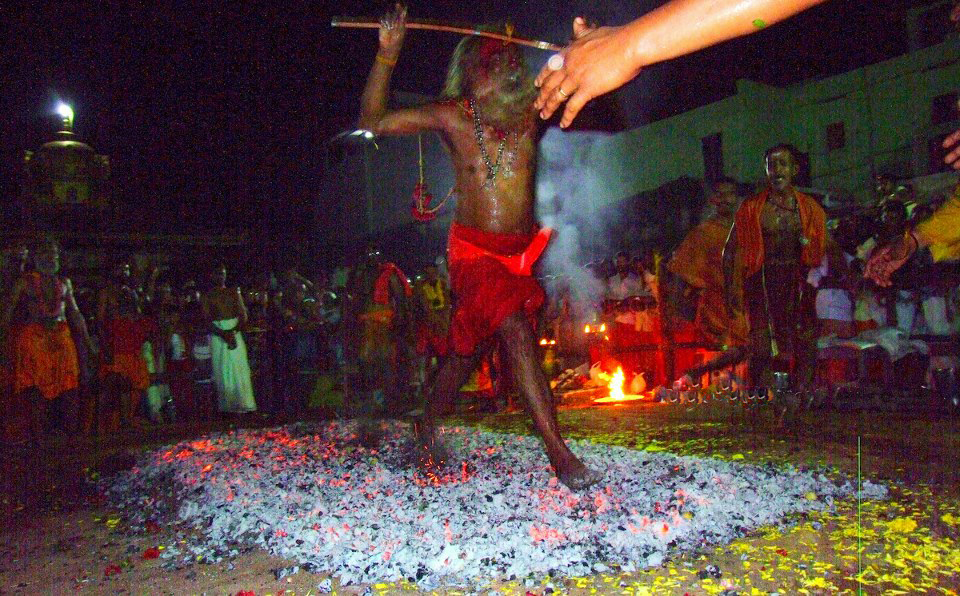
Kerala is rich in beliefs and the Fire Walk is one of the most difficult example. The person doing the fire walk must follow specific religious practices. The devotee walks through a pit of burning coals and the surrounding devotees sing hymns praising the lord. The sound of the drums and the burning of the incense make the entire atmosphere inspiring. The devotee gets in to a state ecstasy and easily walks over the fire. Continue reading
A Particularly Indian Sense Of Community
An article in India Ink today explores the odd (from the perspective of non-Indians, at least) phenomenon of elites downgrading their socio-economic status in the interest, apparently, of a stronger sense of community belonging:
If you are an Indian reading this, you are very likely among the top 10 percent in the country, since you have Internet access. Continue reading
Lost Civilization, Collaborative Discovery
Seekers of past Honduran, Mexican civilizations to speak Wednesday at Meeting of Americas
We should not be surprised at the headline above or that the article we linked to here was a precursor to the pre-conference press release issued this week by the AGU:
A high-tech archeological exploration team of scientists and a filmmaker, who announced a year ago that they had glimpsed remnants of what might be a fabled ancient city in the Honduran rain forests, plans to speak about the team’s discoveries here tomorrow (15 May) at the 2013 Meeting of the Americas, and to show previously undisclosed images of apparent archeological sites. Continue reading
Agraharam – Brahmin Homes

Photo Credits: Ramesh Kidangoor
Brahmin homes are called agraharam. They are made up of 50 to 100 dwellings housed in a single compound that are so closely packed that, in most cases, two homes have a single wall as separation. The Brahmin mix of Tamil and Kerala culture is evident in every aspect of their lives, ranging from language, behavior, architecture and culinary skills. Continue reading
In the mood for flowers : floral arrangement Raxa Collective-style
To make a beautiful “uruli”, a traditional Kerala bowl filled with water and flowers, you need a keen eye. Picking the right flowers, drying them if it rained, placing them artfully, it is a craft. Continue reading
Kerala’s Classical Arts
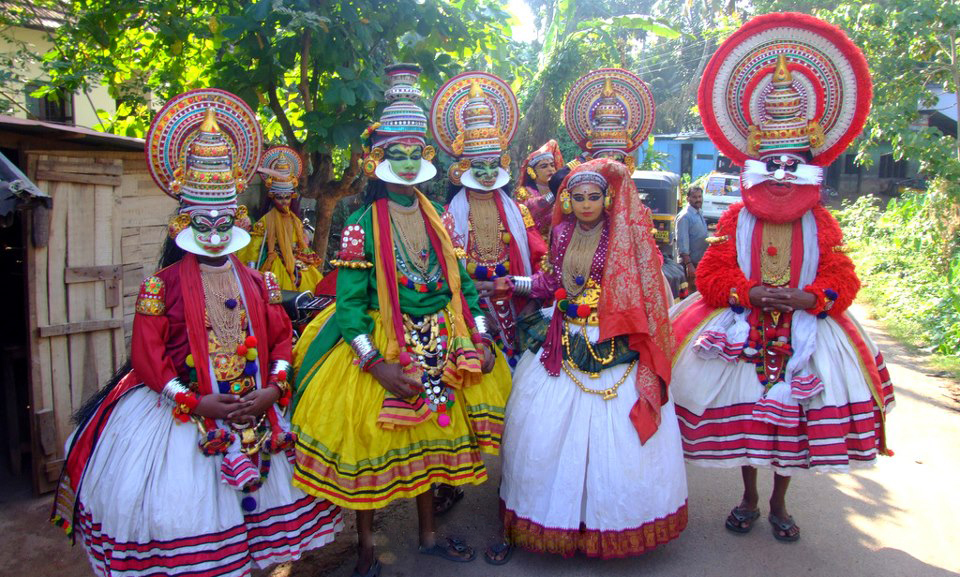
From December to May Kerala comes alive with its colorful Temple festivals. Each Temple has its own lore, ranging from the fantastic to the bizarre, and always involving many people within their communities. Kerala’s classical arts such as Kathakali, Theyyam and Panchavadyam, among others enjoy a frenzied resurrection during the festival season. Continue reading
Kerala’s Classical Music
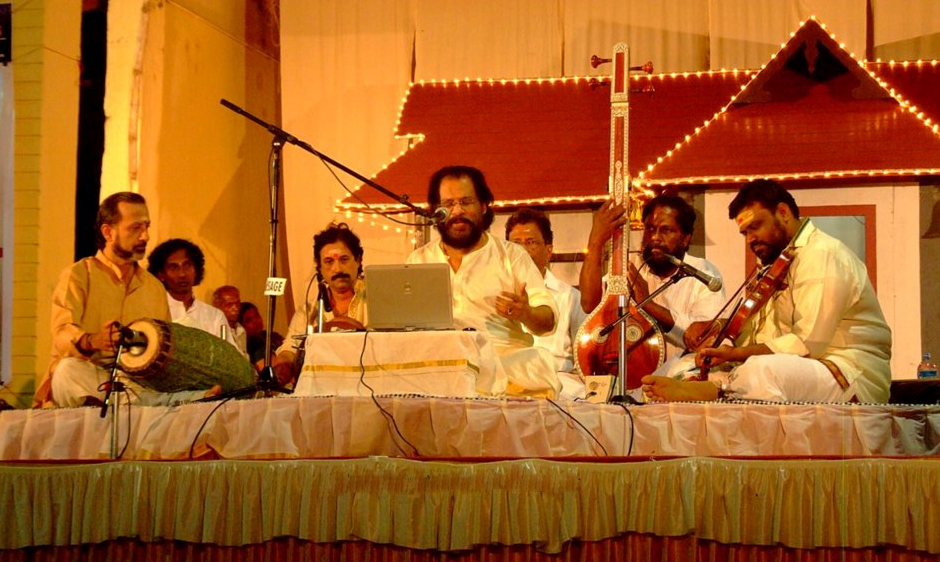
Musical traditions in Kerala consists of both vocal and instrumental forms, the latter gradually overtaking the former in terms of popularity. Sopana sangeetham (classical music) is a typically Keralan style of music. The name comes from the fact that it was recited at the steps of the temple. Some consider sopana saneetham as merely a rustic variation of a local style of singing, sharing some elements with classic Carnatic music. Continue reading
Snake Worship
The origin of snake worship goes way back in history in many parts of India, but only in Kerala is it such a living tradition. In earlier times, in almost every Hindu household the southwest corner of the compound was set apart for a shrine called sarpakavu as the propitiation of the serpent god was considered essential to the wellbeing of the family. There are several legends associated with snake worship; it is believed that soon after Parasurama created Kerala the land with thick forests was inhabited by poisonous snakes. It is believed that people believed they could appease them through worship. Continue reading
Velakali – Traditional Dance, Kerala
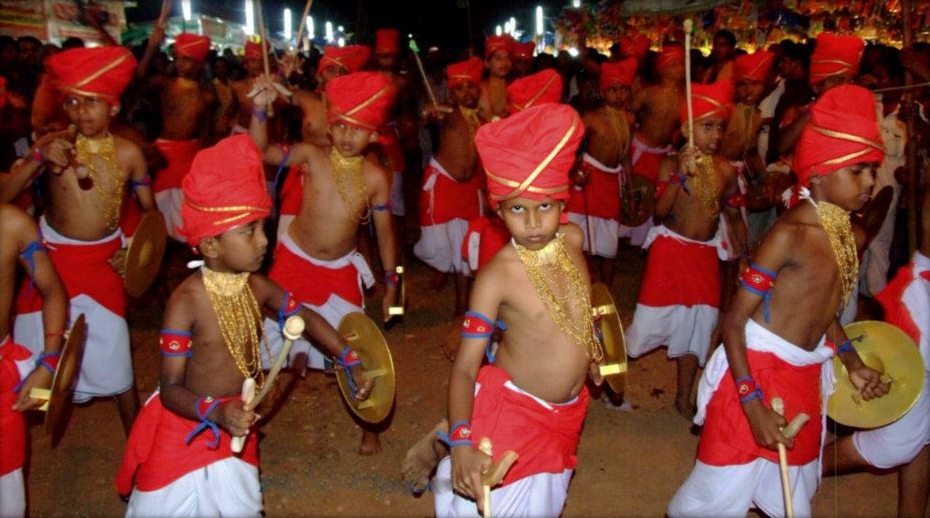
Originating among the traditional warriors of Kerala, Velakali is a ritual artform presented in a temple courtyard. Among the martial folk arts, this is one of the most spectacular and extremely vigorous dances performed in Kerala. Fifty or more dancers dress up as soldiers with colorful shields and shining swords. Their fabulous attire includes a conical headdress and chests covered with beads and other types of garlands. The dance includes war-like steps in a line to the accompaniment of martial music. Fighting techniques are displayed by coming forward from the line. Continue reading
At Madurai’s Chithirai Thiruvizha Festival, Crowds, Flowers and a Golden Horse
From the India Ink section of the New York Times website:
The city of Chennai, formerly Madras, may be the most famous of Tamil Nadu’s cities, but the historical and cultural heart of India’s southernmost state is arguably Madurai. Continue reading
Panchavadyam – Rhythms Of Kerala
Panchavadyam is an orchestra made up of five instruments, primarily percussion but one wind instrument – chenda, kombu, kuzhal, elathalam and maddalam. Kerala temple festivals are the ideal occasion to witness its entire range of traditional musical expertise. Originally this was the music that accompanied temple processions where caparisoned elephants carried the idol. A panchavadyam performance takes hours, with a pyramid-like rhythmic structure in which the instruments go through five musical stages, or peaks.
Continue reading