Theyyam is a synthesis of tribal, Dravidian and Aryan cultural practices. It seems as if Northern Kerala believed that the Indian pantheon of 33 crores (330 million) Gods was not a large enough contingent, they added ancestors and heroes to the list and gave them a special space in the Theyyam rituals.
Continue reading
Culture
Fresh Flower Garlands
Flower Garlands play an important role in the culture and traditions of India, crossing all religious and economic lines. Garlands are used for all ceremonies and welcome rituals: weddings, birthdays, offerings to Temples and blessings, now not exclusively for Hindus. Continue reading
A Few Etruscan Tombs
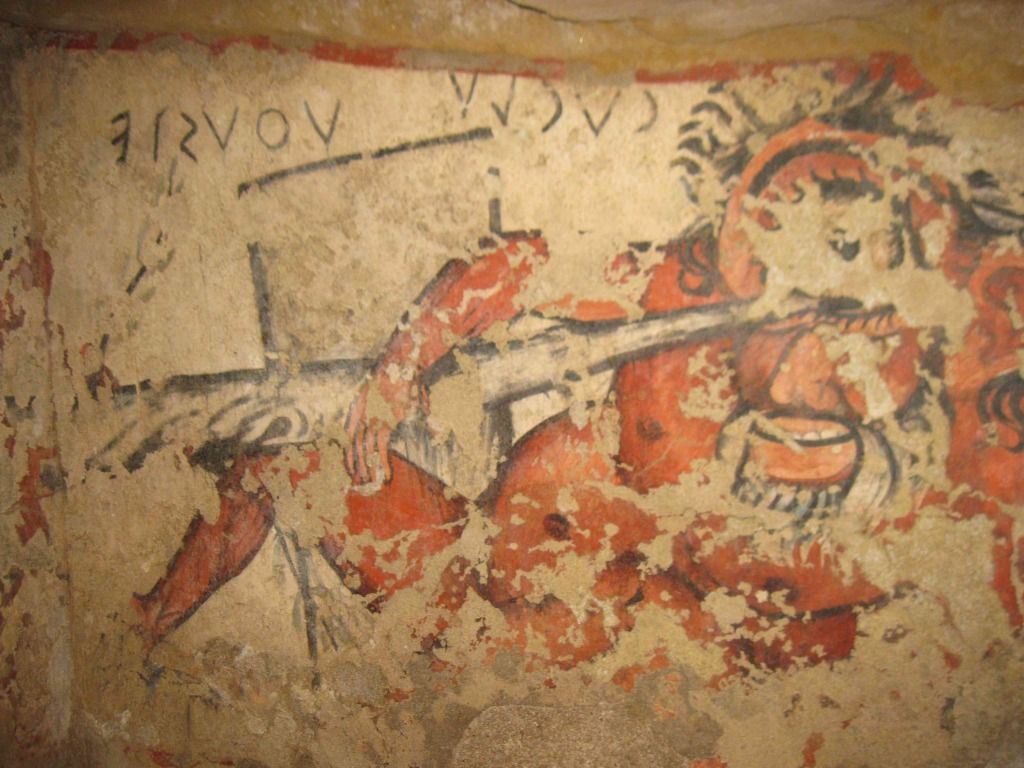
The Etruscans are, for all their great cultural influence on the Romans, a poorly understood people. We know they once dominated northern Italy and much of its western coast and that they interacted extensively with not only the Romans but also many other native Italic tribes in the 1st milennium BC. Some of this contact is reflected linguistically: the modern English word “person,” deriving from Latin persona, entered the Latin language from Etruscan phersu Continue reading
Badami Cave Temple, Karnataka
The Badami Cave Temple in Karnataka was the capital of the early Chalukyas, who ruled much of that area of India during the 6th and 7th centuries. Badami is a treasure trove of Indian rock-cut architecture and sculpture. It is set in a picturesque countryside at the mouth of a sandstone ravine . The caves overlook a large lake known as Agasythya Teertha.
Kerala Temple Festival – Ettumanoor
The Siva Temple at Ettumanoor has a unique festival called Ezhara ponnana — meaning “seven-and-a-half golden elephants”. Each of the statues in the procession contain nearly 13 kg of gold. Seven of the elephants are two feet high, only the eighth is one foot, giving the festival its unique name. Continue reading
Another View On Miraculous Silicon Valley
Click the banner above to read the whole entry at its source:
Diary
Rebecca Solnit
The buses roll up to San Francisco’s bus stops in the morning and evening, but they are unmarked, or nearly so, and not for the public. They have no signs or have discreet acronyms on the front windshield, and because they also have no rear doors they ingest and disgorge their passengers slowly, while the brightly lit funky orange public buses wait behind them. Continue reading
Beauty Of Kerala – Araca Nut Plantations
India is the largest producer of Araca nut and at the same time the largest consumer. The nut, popularly known as supari, is extensively used during religious practices. Kerala produces about 30 percent of India’s total production. Continue reading
Elephants At Work
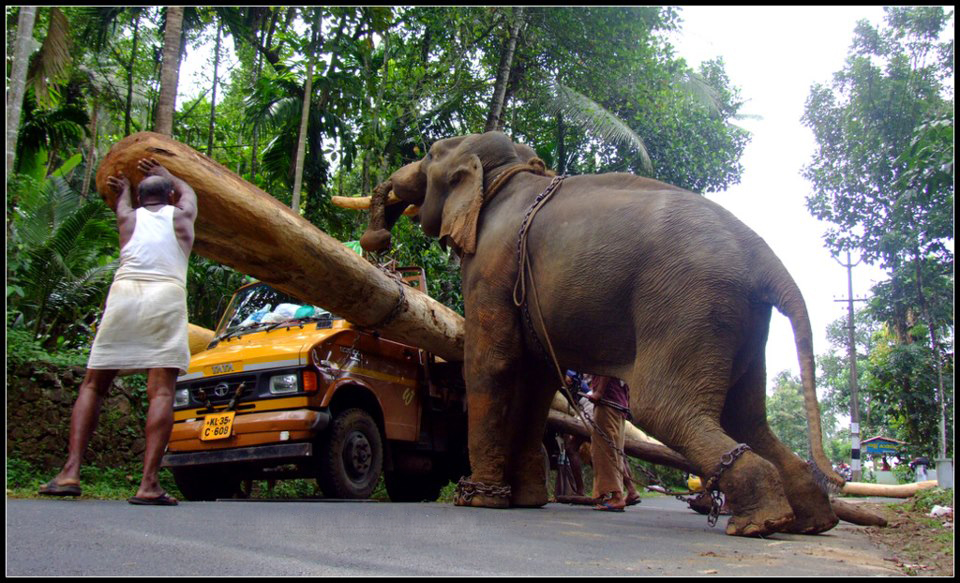
Kerala has about 700 domesticated elephants. Of these 90 percent are tuskers (the local term for male elephants), who play a major role in religious festivals. Apart from their role in temple ritual, the elephant’s strength and power has been effectively harnessed in work in the logging industry, primarily in loading timber for transport. This is unique to this region. Continue reading
Airavatesvara Temple – Kumbakonam,Tamil Nadu
Kumbakonam (translated roughly from “Jug’s Corner”) is one of the oldest towns in the state of Tamil Nadu. It has unique position in Hindu myth as containing the only temple for Lord Brahma due to the legend that he filled a clay pot with the seed of all living beings on earth. Continue reading
Perunnal – Church Celebrations
In Kerala almost every church in every village has an annual celebration called Perunnal. All members of each church participate in a festive procession during this community event.
Chakkulathukavu Pongala – Sree Bhagavathy Temple, Alleppey
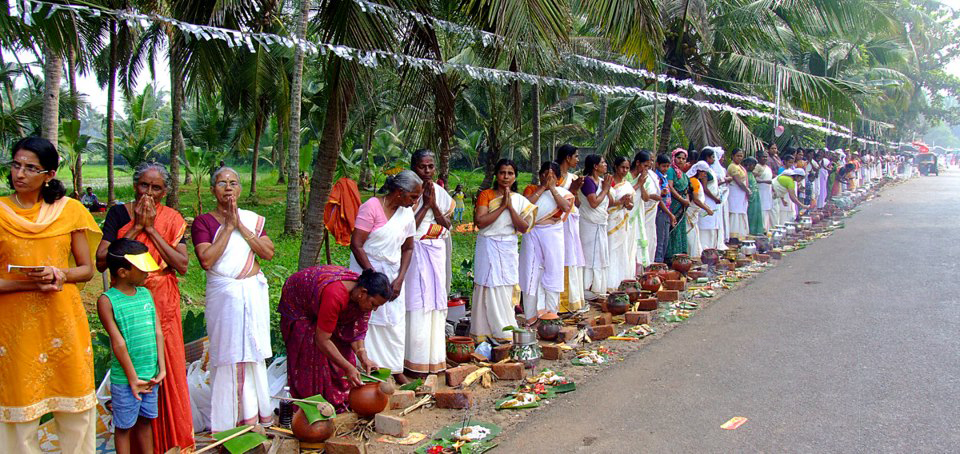
This festival takes place in Sree Bhagavathy Temple near Alleppey during the month of Vrischikam (November/December) in Kerala’s lunar-based calendar; the time when the glory of the Goddess is at its peak. This is one of the state’s most renowned festivals, where tens of thousands of female devotees gather around the temple days before the function. The women line up on both sides of the main streets and each arranges an area for offering the Pongala (cooking demo) in front of them. Each one brings an earthen cooking pot with rice, coconut and jaggery. Continue reading
Traditional Welcome at Cardamom County
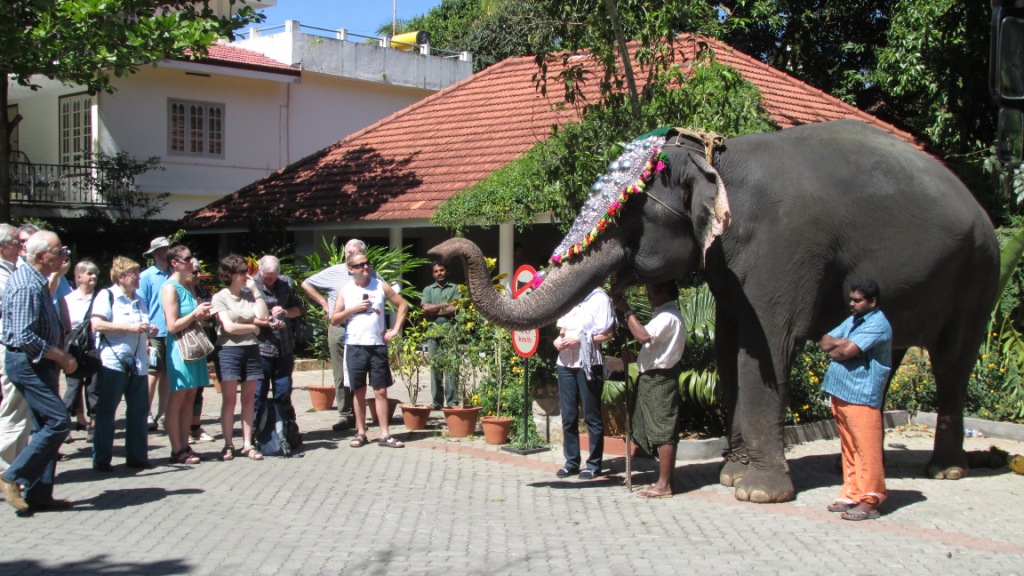
A group of 20 guests at Cardamom County enjoyed a traditional Kerala welcome today with a caparisoned elephant, traditional Chenda melam band, flower garland and sandalwood paste Tikka.
Kathakali Vesham – Kari vesham
Betel Leaf – Pan Leaf (Piper betle)
Betel is the leaf of a climbing vine that belongs to the Piperaceae family. A member of the same family as black pepper, they both require a support tree to grow. The plant has many traditional medicinal uses; in Kerala people use the betel leaf to treat headaches, arthritis and joint pain, in China and Thailand the root of the plant is used for toothache. Continue reading
Classical Dance – Kerala

Kerala’s dance traditions are not merely living traditions but cultural documents that reflect the socio-cultural surroundings. The story reflected in the dance forms are rooted in the rituals of the indigenous people. Continue reading
5 Reasons I See India’s Potential to Produce A Stararchitect
“Stararchitect” conjures up a cloud of thoughts (Star architecture. Star power. Architecture as a symbol. The North Star for architectural design. Brand. Design. Fame. Architecture prowess. Household name.), but above all, I think of The Pritzker Prize. I feel like the weather channel for announcing the next “big thing” in architecture is The Pritzker Prize. The weather channel is telling you “you better keep this in mind ’cause you’ll need that umbrella!” The Pritzker Prize is telling you “you better keep this name in mind ’cause you’ll need that knowledge to understand the state of the world you live in.”
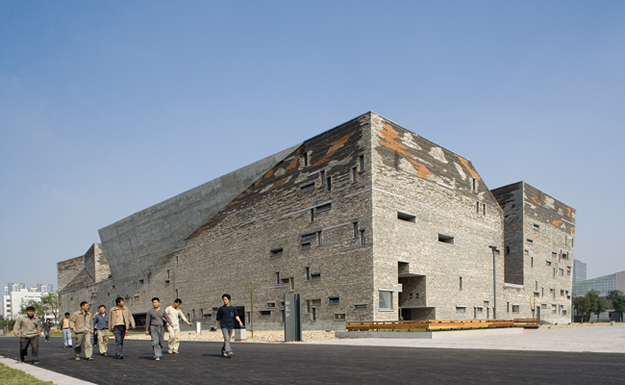
2012’s Pritzker Prize Laureate was Wang Shu, a Chinese architect famed for his re-use of building rubble in his designs. Expansive facades feature roof tiles and bricks from the demolished village that previously existed on that very site. The Pritzker Prize choice of Wang Shu tells us:
1.) Sustainability is important. The reappropriated construction refuse reminds us of the Three Four Rs: Refuse, Reduce, Reuse, and Recycle. It also reminds us that sustaining heritage and history is important.
2.) China is a powerful country with a powerful new identity. This is the first time a Chinese architect has been named. The closest the Pritzker has ever gone to a Chinese architect before was when I.M. Pei was recognized as a Chinese-American architect.
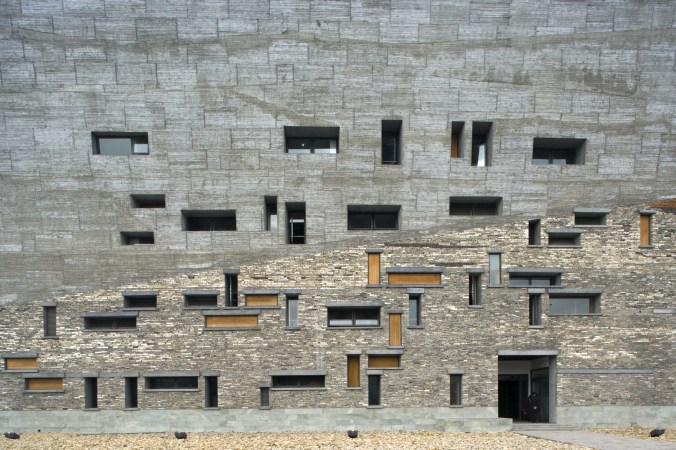
It’s rare to see a non-western architect. So I thought, has there been an Indian Pritzker Prize winner before?
The answer is no. (But I wouldn’t be surprised if Indian architecte Charles Correa is a nominee soon!)
While it may still be a long time before we see an Indian Pritzker Prize winner, I feel that India has the potential will definitely produce a stararchitect in the future. Here are 5 reasons why I see India’s potential to produce a starachitect.
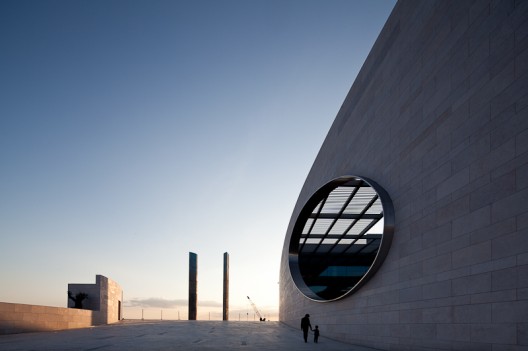
Champalimaud Centre for the Unknown in Lisbon, Portugal by Charles Correa Architects, photographed by José Campos of arqf architectural photography
5 Reasons I See India’s Potential to Produce A Stararchitect
Continue reading
From Behind the Wheel: All Roads Lead To Sabarimala
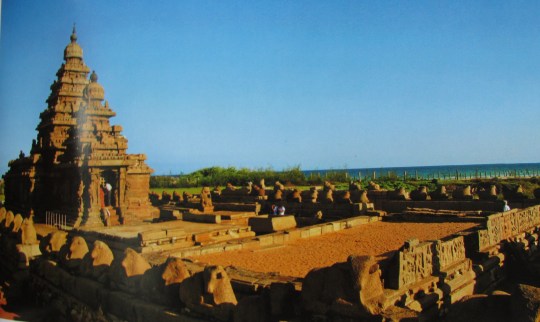
The Shore Temple – Mamallapuram (Tamil Nadu)
The Shore Temple is one of the oldest temples in South India. Built during the 8th Century A.D., it is a good example of the Dravidian style of temple construction. Continue reading
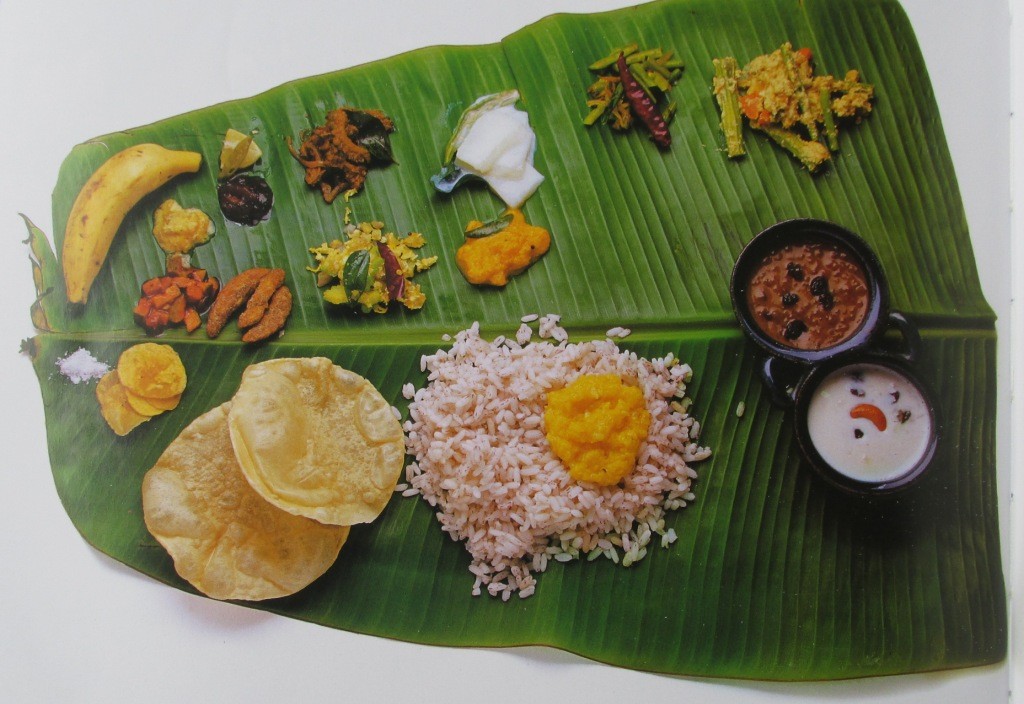
Flavours Of Kerala – Sadya
Food is an important indicator of a region’s history. The diversity that one sees today in Kerala’s food evolved from its past, when profound historical and social events influenced the diet of the inhabitants. Only the end section of the banana leaf is used due to the precise method of serving a Sadya. Starting at the narrow end, individual items are carefully added from left to right with the curries above the dividing spine so they don’t get mixed with the rice which will be placed on the bottom half later. Continue reading
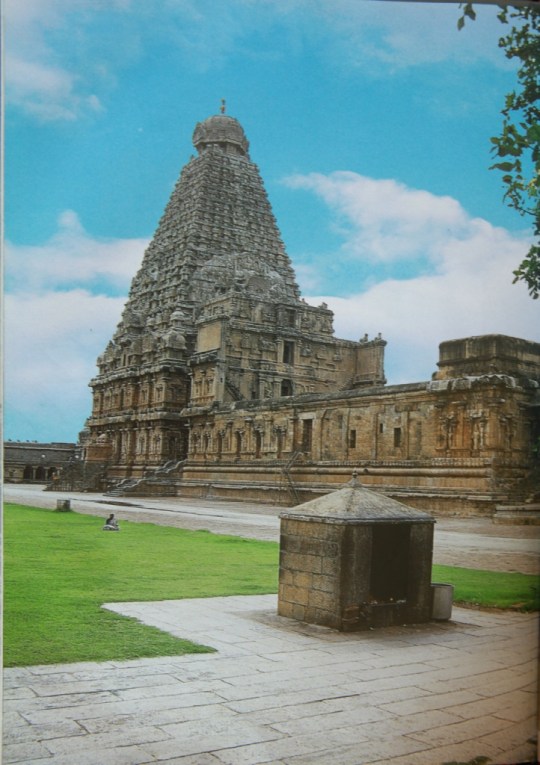
Thanjavur Brihadeeswarar Temple – Tamil Nadu
Brihadeeswarar Temple in Tamil Nadu is one of the greatest artistic accomplishments of the Late Chola period. At 216 feet in height, the shrine of this UNESCO World Heritage Site is the largest and tallest in India. This was an imperial monument to Chola power, built without using bricks, lime mortar or clay. The stones are placed one above the other and are held in place due to sheer weight. Continue reading