Moving Through Space, Time, and Culture

Hundreds of years of studying physics has told us that the journey through time is linear, and only goes one way. Laws of gravity aside, travelling through space need not be linear – any course can be taken as we move through our lives. These videos were created on a journey through 1056 hours of time and 38,000 miles of space – but the cultures witnessed and experienced by the travelers  are innumerate.

[vimeo 27246366]

Continue reading

A New Nation Rooted in Tradition

This slideshow requires JavaScript.

I have lived in South Sudan now for over a month! Living and working in a developing country is definitely thrilling and challenging. Within a few moments of stepping off the plane in Juba, the capital of South Sudan, I had my first encounter with South Sudan’s interesting rules and regulations. The arrival terminal at the airport is modest and petite.

While I waited for my luggage to be scanned in the airport’s newly installed x-ray scanner, I found a dingy luggage cart with a sign stating “Welcome to London Heathrow Airport”.  How funny? I had to take a picture! Right after the flash went off, a security officer snatched the camera out of my hand and asked me to enter the security office. After a short interrogation, I pleaded for forgiveness, deleted the photo, and scurried out of the airport gate.

Continue reading

Onam Ice Melter

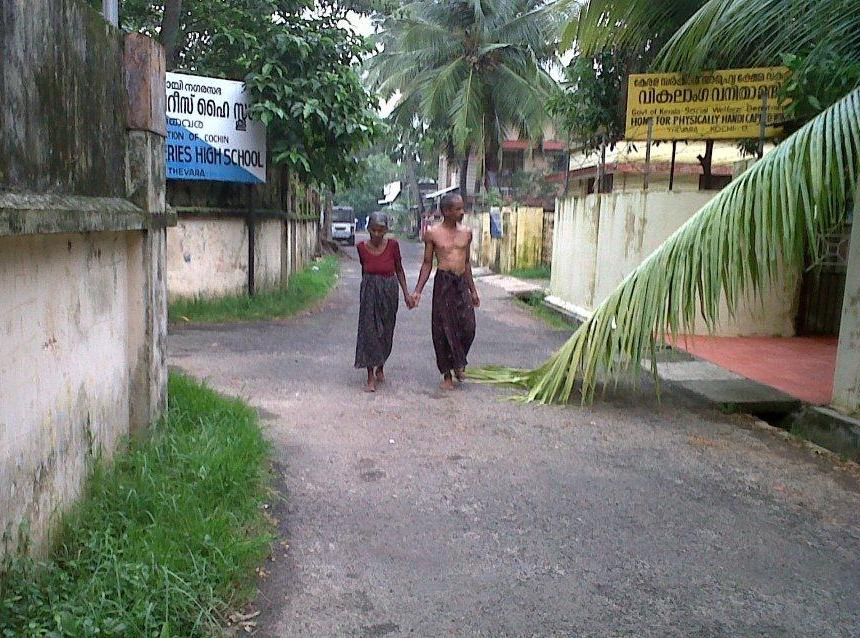
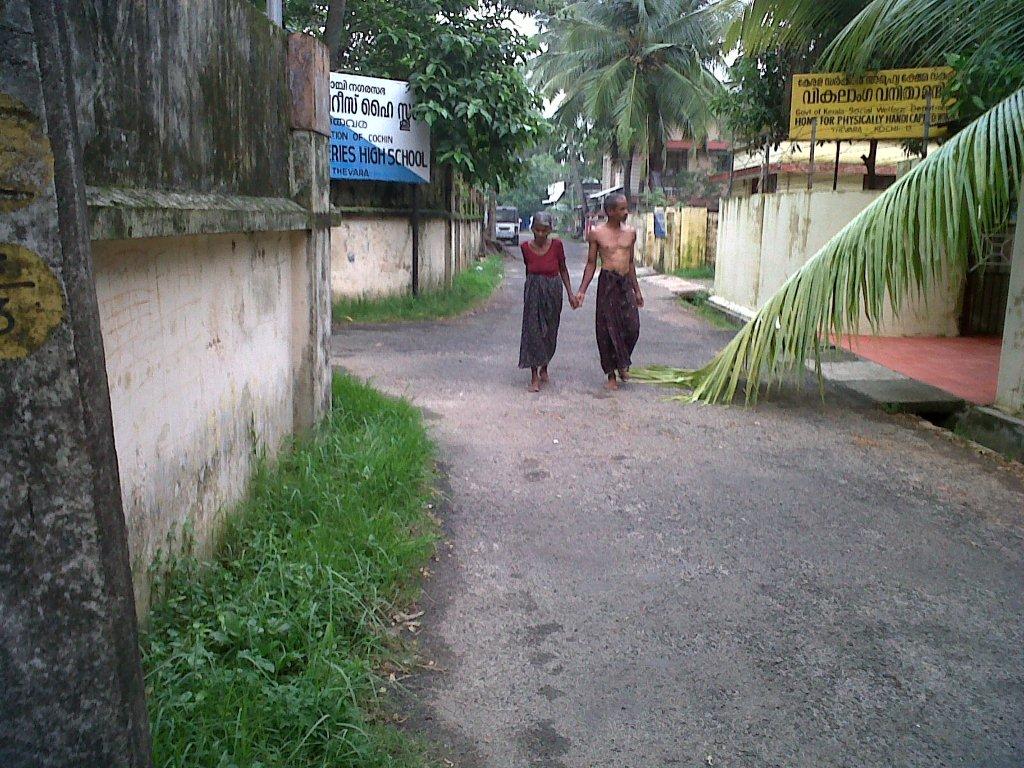
In our neighborhood of Cochin, called Thevara, we walk sometimes in the early morning or late afternoon—been doing this for over a year now.  Yesterday, some ice melted on our afternoon walk.  Our ice, well-melted by warm neighbors.  The ice I refer to is a cultural separator between the we that has been and the we that is and will be. Continue reading

Onam Festival at Cardamom County

As Amie and other contributors mentioned in their posts, the Harvest Festival and the time of giving thanks has come to Kerala and to Cardamom County.  I had the great opportunity to be on property and experience the colorful festival of Onam.  Being part of both guest and staff, I could see all aspects of the event: from preparation to the final event.  Onam is a ten day festival as Amie’s post explains, but the most important day of Onam is the 9th day, which is oddly called “First Onam” because that is the day that King Mahabali actually descends to Kerala.  But any day of Onam seems like the Keralites’ spirits were soaring.  All the staff at Cardamom County have great warm and happy smiles but during this festival season it felt like their warmth was doubled.

This slideshow requires JavaScript.

Let Us Give Thanks

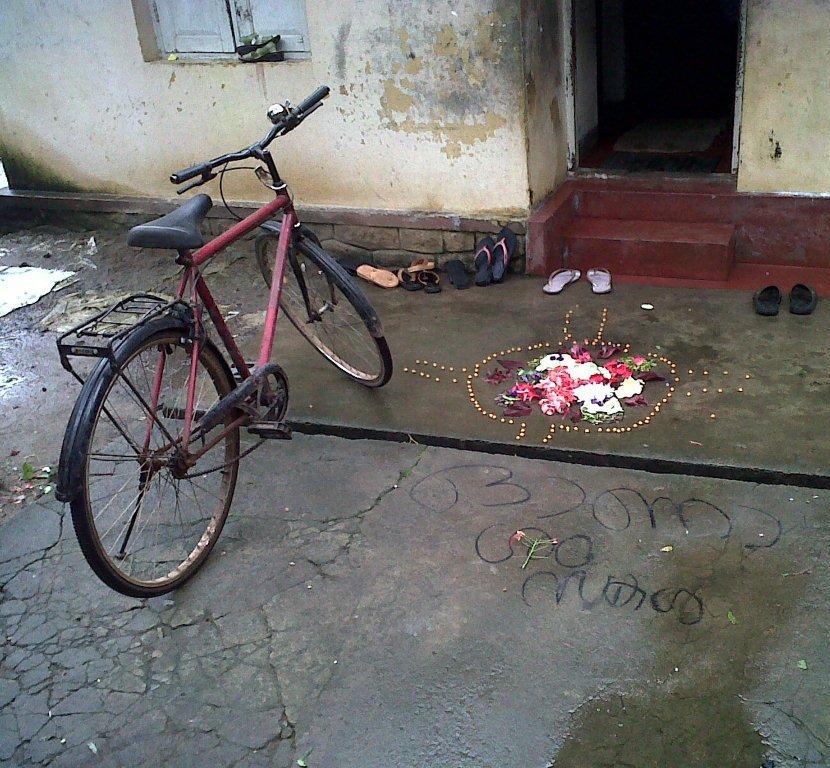
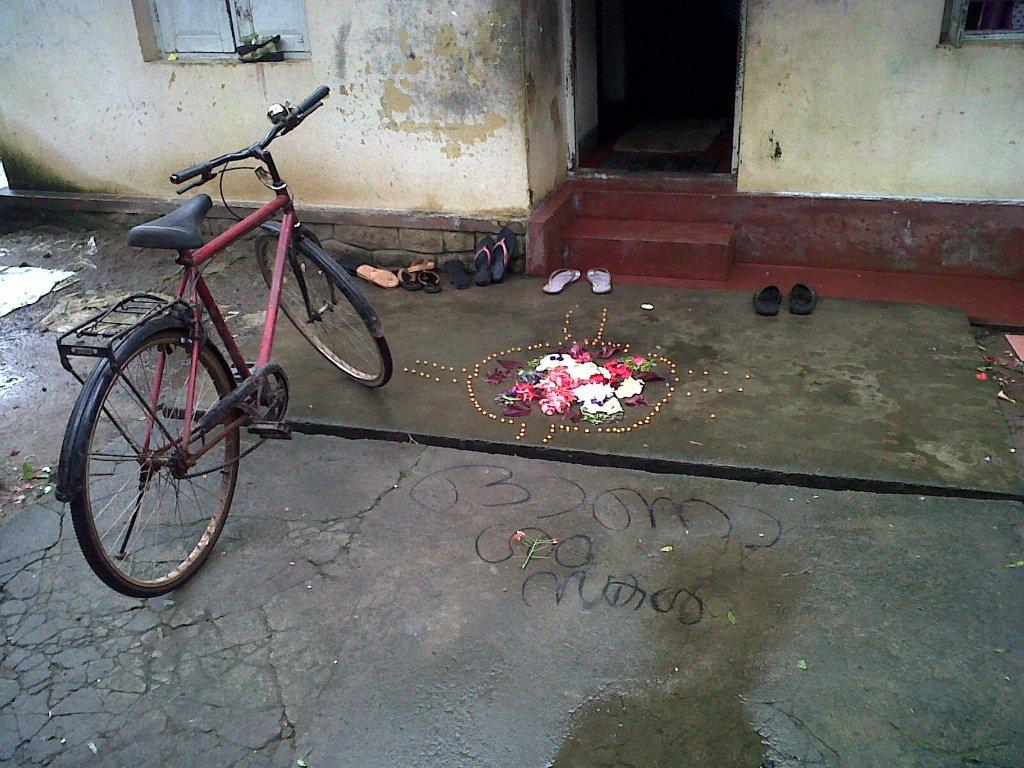
The Kerala Harvest Festival Onam transcends religion and region, making it one of the most important festivals of the state. All signs of abundance and prosperity are incorporated into the celebrations: Elaborate pookalams (mandalas made of flowers and leaves, shown below) adorn the courtyards of homes and business; and elaborate multicourse meals called Onamsadya are served on banana leaves.

This slideshow requires JavaScript.

The festival celebrates a story, not unlike the Greek myth of Persephone when she was kidnapped to the underworld but allowed to return once a year for the spirit of rebirth in spring.  The Kerala story is about a beloved king during a time of great prosperity who sacrificed himself, saving the earth from an avatar of Vishnu.  For his devotion he is granted the boon of being able to return to his country once a year to visit his people, who prepare for his coming with an abundant harvest to assure their King that the land still flows with milk and honey. Continue reading

Changing the Land

A previous post described the beliefs about land usage that settlers brought to New England, and the resulting impact on the  environment.  The same source material (Cronon’s “Changes in the Land”) provides a fascinating description of what Native Americans had been doing to “improve the land” since pre-Columbian times.

In southern New England they would burn large areas of the surrounding forest once or twice a year, creating forests that Europeans saw as “open and parklike.” The fires would consume all the undergrowth so that the result was “a forest of large, widely spaced trees, few shrubs, and much grass and herbage.” Wherever Native Americans in southern New England lived, the English traveler (1633) William Wood noted, “there is scarce a bush or bramble or any cumbersome underwood to be seen in the more champion ground.”

Continue reading

In Mumbai Traffic

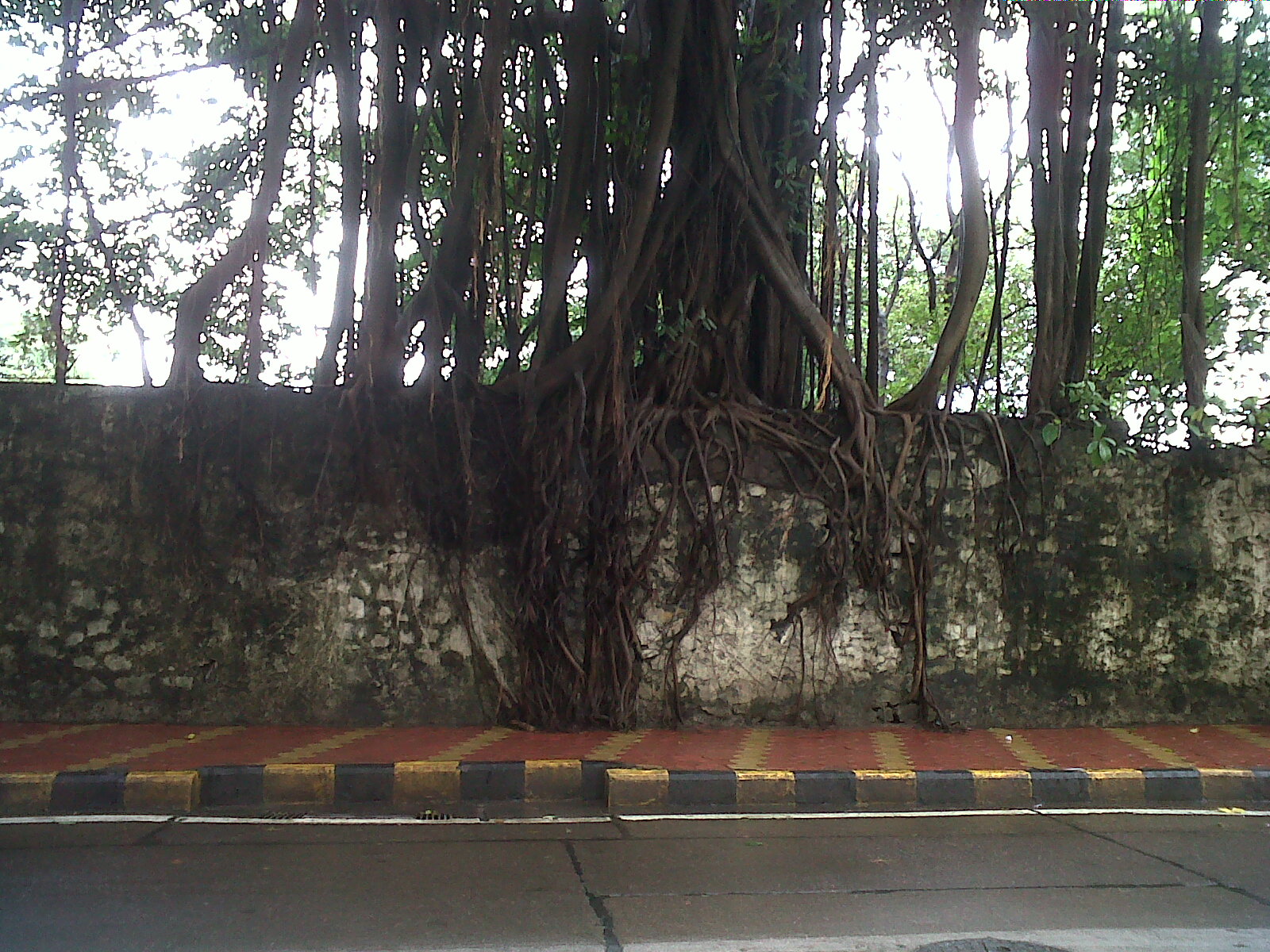
For anyone who has lived in a great city with street-level public transit the experience is familiar: traffic is a lullaby; snooze; random awakening; the window frames something that seems important. There are plenty of visual reasons to take a bus, for residents as well as visitors.  This view was taken from such a window in Mumbai a few days ago, at a place that evoked a strong memory.  Neither was it 5th Avenue at 60-something Street, nor was that Central Park behind the wall.  But it was, for a moment.  For one particular person. A madeleine, of sorts?

Just a moment later, before the cab started moving again:

Continue reading

Finding Your Way Back Home

Sign post to the world in Punta Arenas, Chile

Many of us take having an address for granted.  We all know the obvious formula: house number, street name, town or city name, state, zip code,  country (when it differs from our own).  But what may not be obvious is the fact that fewer places in  world are so “perfectly aligned” than we think.  Continue reading

An Abundant Life

I recently read an essay in the Wall Street Journal titled, “Living to 100 and Beyond.”  As I read about the technology that is rapidly increasing human longevity, the movie Death Becomes Her began replaying in my mind.  I imagined myself following in Meryl Streep’s and Goldie Hawn’s footsteps and taking some magic potion that makes me immortal.  However, instead of the body deteriorating with age like the Streep and Hawn rivalry, advances in modern technology will likely not only increase life span but also health spans.   Living for centuries may seem appealing on the surface, but we should consider the overall effects of a longer life.

Continue reading

Water Harvesting & Accumulated Wisdom

As Gourvjit pointed out in an early post, Cardamom County is in the process of revamping its water management systems.  The search is still on for learning resources.  Besides an accent and wit that are mesmerizing, this man’s stories and visual accompaniments are stunning.  Learning is sometimes a simple matter of respecting elders.  Especially those who are so at ease on a stage as big as this one.

From Sea to Sand

There seems to be no limit to the spirit of creativity!  Art often represents a “call and response” relationship to the natural world.

Water is elemental.  Earth and wind follow.   Are these the mechanics of life?

Desert Blues

Last year, during the summer prior to starting college, I worked at Feynan in Jordan teaching English to the children of the local Bedouin community.

The hybrid of Berber, Arab, Western and black African music styles of the Malian group Tinariwen serves as a sound track to his experience.  I had the pleasure of hearing some members of the group in a small venue last year, and that sound of desert yearning, or “asuf”, was almost palpable.   Take a listen to the embedded songs in the multimedia files in both of the above links and tell me if you agree.

…soon it will once again be time for Tinariwen — which operates as a collective, with anywhere from five to nine members, depending on factors like who has herds to tend or whose wife is pregnant — to move out of its cultural space and into ours.  And with that, the feeling of asuf will return, feeding a yearning for the desert even as it powers the music.

This slideshow requires JavaScript.
Nature’s Art

Our relationship with the natural world has shifted considerably along with our technological advances.

The drawings in Lascaux morphed into Egypt’s hieroglyphs; into Greece’s elaborately painted frescos and urns; into the Renaissance’s Nature morte. 

Photo by Milo Inman

But the more precise the depiction became, the more likely it was that the animal in question had to meet its demise in order to be immortalized. Continue reading

Lomax Legacies

Creative effort always deserves credit, and on occasion deserves valorization.  The fellow that drew this chart definitely deserves credit:

He has done his homework, both musically and legally, to deliver a punchy sermon with good graphic and multi-media accompaniment. His moral question for us to wrestle with:

grateful as I am to Alan Lomax for recording and disseminating so much great folk music, I remain baffled as to why he was allowed to copyright it. Our creative heritage deserves better stewardship than our current laws provide.

Continue reading