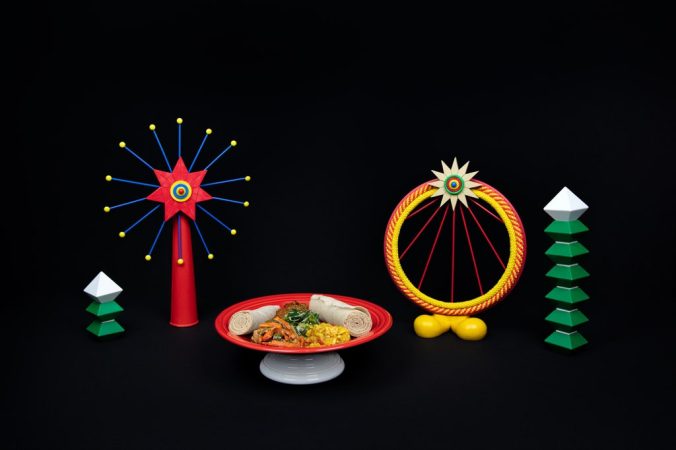
The vegan sampler at Ras Plant Based features an assortment of dishes traditionally eaten by Ethiopian Orthodox Christians during periods of religious fasting, when they abstain from animal products.Photograph by Bubi Canal for The New Yorker
Always ready to learn more about Ethiopia’s contributions to the world. And the move to animal-free food is an evergreen topic around here. So the story below is perfect for today. The photography is unusual, in the world of food, but the text by Hannah Goldfield is convincing:
Ethiopian Tradition for the Vegan-Curious, at Ras Plant Based
At Romeo and Milka Regalli’s Crown Heights restaurant, vegan proteins stand in for meats, and tangy, fermented injera soaks up sauces spiked with traditional berbere spice or puckery lime.
Romeo and Milka Regalli, who describe themselves as passionate about vegetables, wanted to both showcase their favorite fasting dishes and offer vegan iterations of common meat preparations.Photograph by Bubi Canal for The New Yorker
Many of the recipes that the chef Romeo Regalli uses in the kitchen at Ras Plant Based—the restaurant that he and his wife, Milka, opened in Crown Heights in March—have been passed down through generations. A number of them came from Romeo’s grandmother, a passionate home cook who died last year, in Ethiopia, at the age of a hundred and four. Yet the dish that seems most likely to have a long, storied history, Mama’s Tofu, traces its origins only as far back as May, when Romeo’s mother texted, from Addis Ababa, a photo of what she had made for dinner.
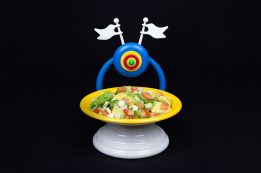
An avocado salad with diced tomato, onion, and jalapeño, in a lime vinaigrette.Photograph by Bubi Canal for The New Yorker
“I was, like, ‘Oh, my God, that looks so good!’ ” Romeo recalled the other day. She rattled off the ingredients: tofu, tomatoes, onions, and jalapeños. After she mailed him a batch of her homemade spice mix (the exact contents of which he keeps tight to his chest), Romeo made an approximation, and promptly added it to the menu. Continue reading











 When Amie and I visited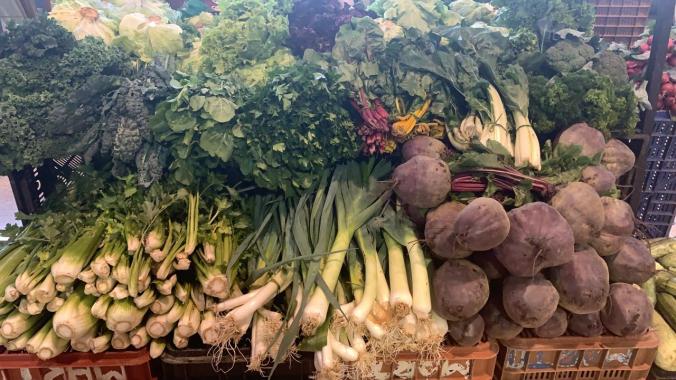
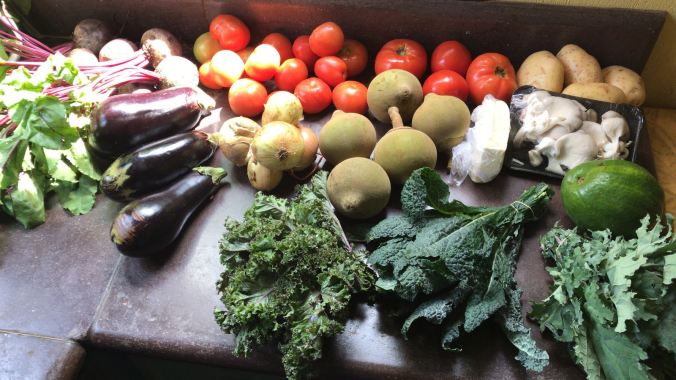
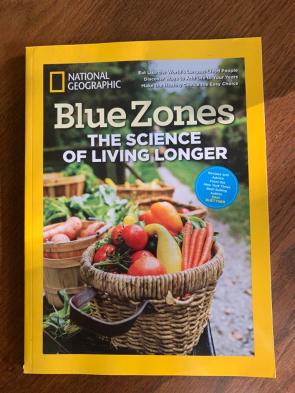 I bought beets and broccoli and various greens from the stall above a few days ago with no other shopper in close proximity. Good start. And plenty of other distancing measures in place, plus an abundance of soap and sinks and disinfectant sprays at every place where you can enter or exit the feria. Also good. But we remain convinced that a new social enterprise might help these farmers, and shoppers, more. And for that, our kitchen has been a laboratory for generating ideas, with various reading materials to assist. The Blue Zones Kitchen has been especially helpful.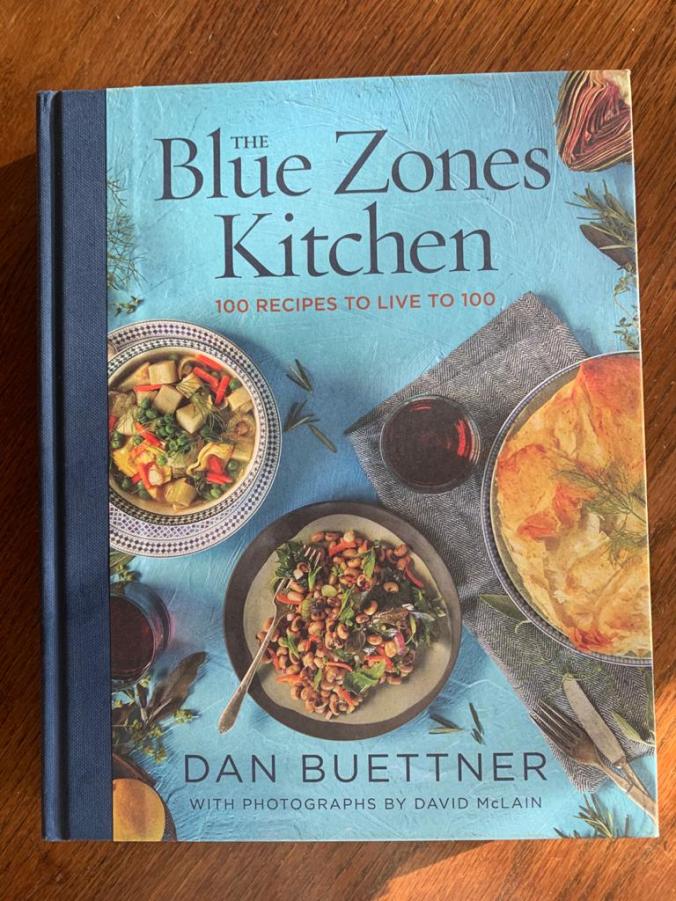
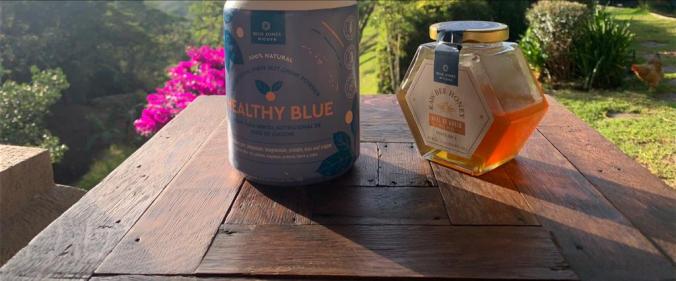
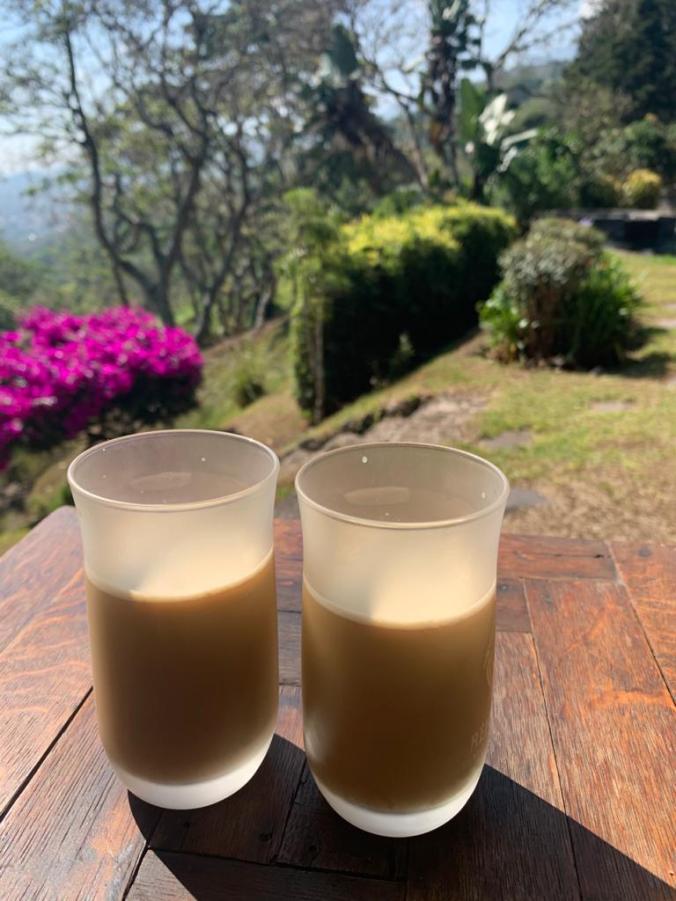
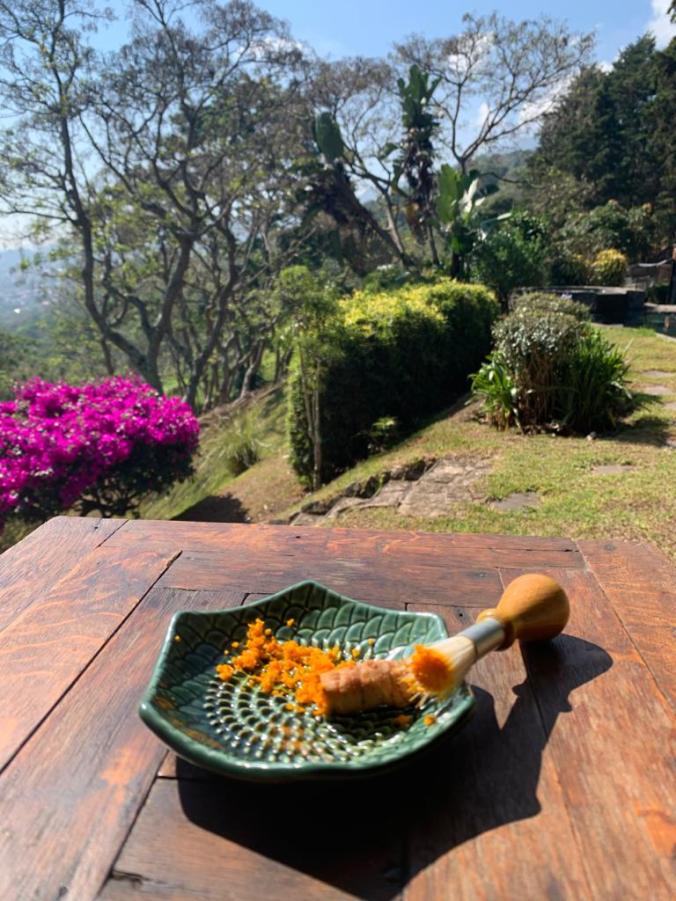



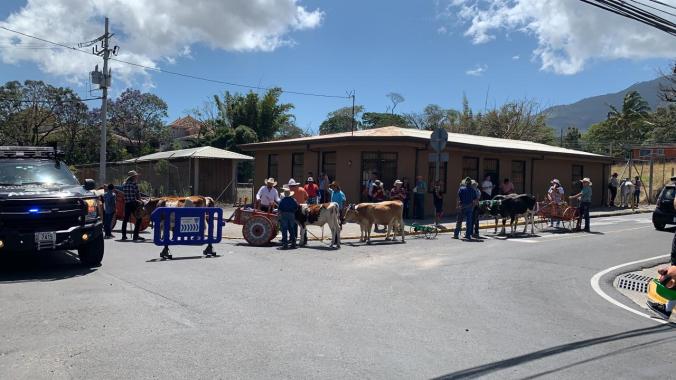
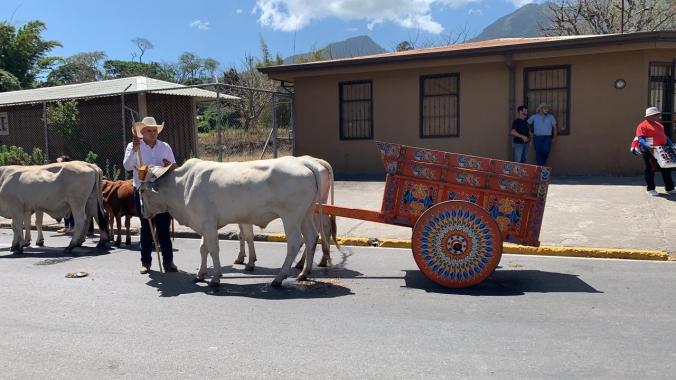
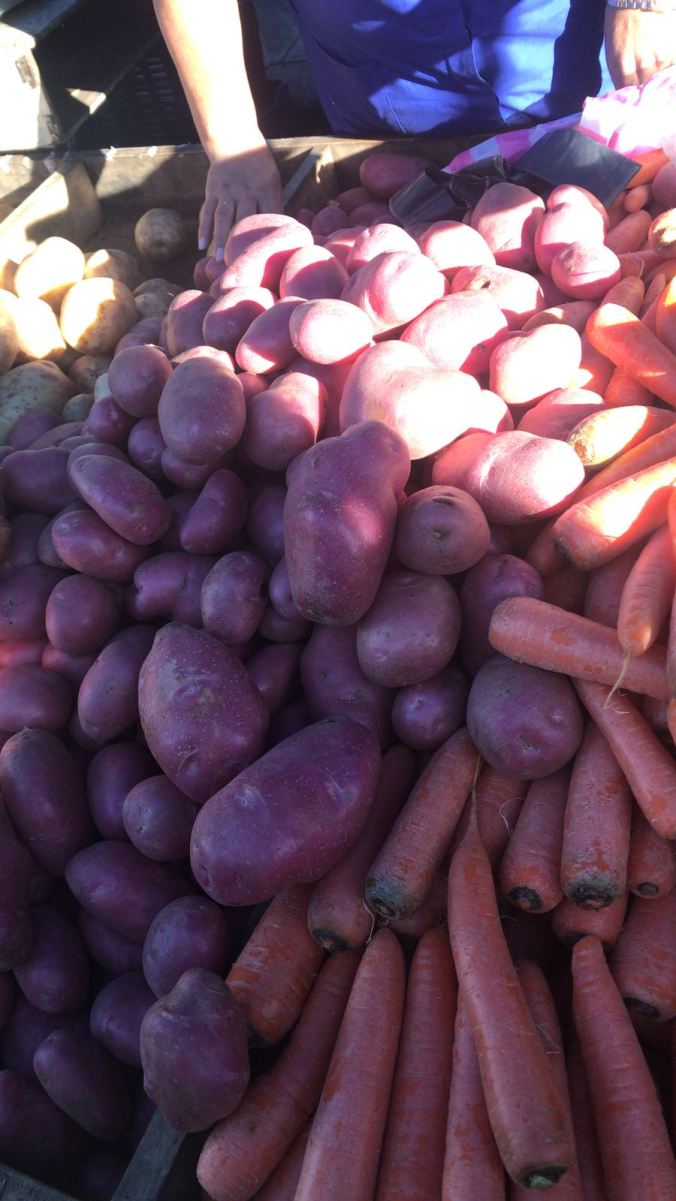
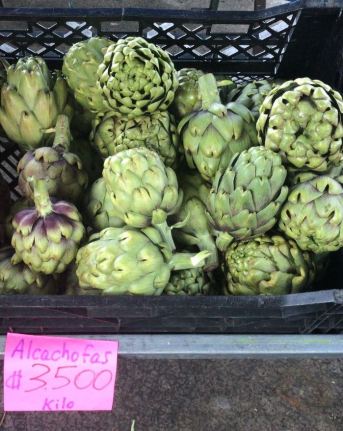 Since the 1990s, when we moved to the town of Escazú in Costa Rica’s Central Valley, every Saturday morning begins at the farmer’s market, locally known as a feria. A rustic, informal gathering when we started shopping there, with little variety to select from, we bought basics like carrots and potatoes back then. We moved to India in 2010 and when we returned to Costa Rica in 2018 and resumed this Saturday ritual, we discovered what is now a remarkably wide selection of fruits and vegetables, dairy products and freshly roasted coffees, meats and fish, as well as handicrafts.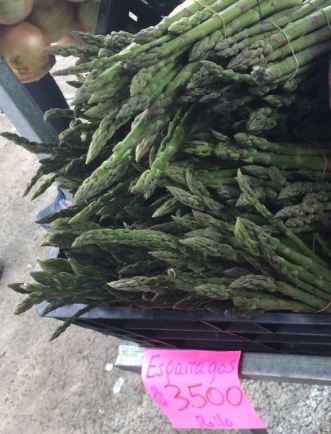
 Organikos