Rites Of Spring

4375300659_2cdc615098_k-1260x708

Photo © Chiot’s Run / Flickr

A seasonal distraction, more than welcome, and we thank Cool Green Science for featuring Ken Keffer’s primer on North American tree-tapping:

Tree Tapping Isn’t Just for Maples

March is tree tapping season across the upper Midwest, New England, and southern Canada. As the cardinals start to sing again in the northwoods, the long-dormant timbers are also responding to the first signs of early spring.

Sap is stored in the roots over winter, but as temperatures begin to rise, it starts flowing through the xylem layer of the tree.

For a number of species, the sap flow becomes a sweet treat and a renewable resource for those working the sugarbush.

Photo © Eamon Mac Mahon

Tapping Throughout History

The exact origins of making maple syrup are a bit of a mystery. It is clear that a number of indigenous tribes in northeastern North America were utilizing this natural resource, and the process predates European settlers. Continue reading

Another Wonder From Rwanda

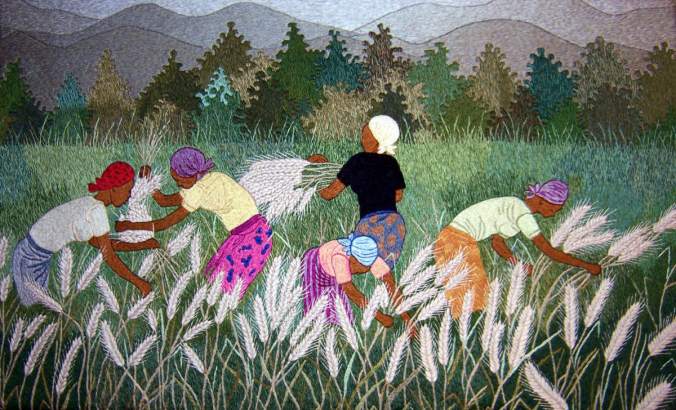
wheat_harvesters

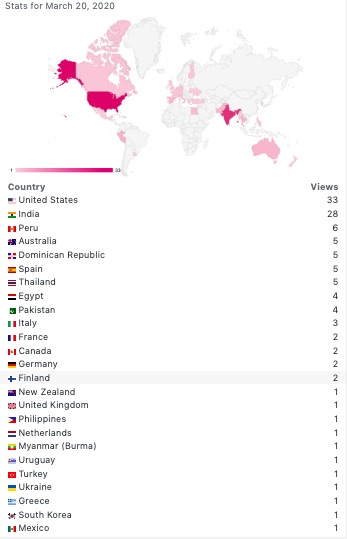
StatsTo the left you can see yesterday’s viewership of our posts, by country. Viewership has recently been low, for obvious reasons. It has made me wonder whether we should take a hiatus. My counter-thought is, if on a day like yesterday, just one person visited this site and found something of value, we should continue. As of today there have been 696,713 views of all of our posts since we started in mid-2011. Yesterday someone viewed a post I distinctly remember writing some months ago, which brought a smile to my face. And just now I was downloading a file using WeTransfer, and this story presented itself, and it seems a perfect companion piece:

Savane Rutongo-Kabuye Embroideries of the Women of Rwanda

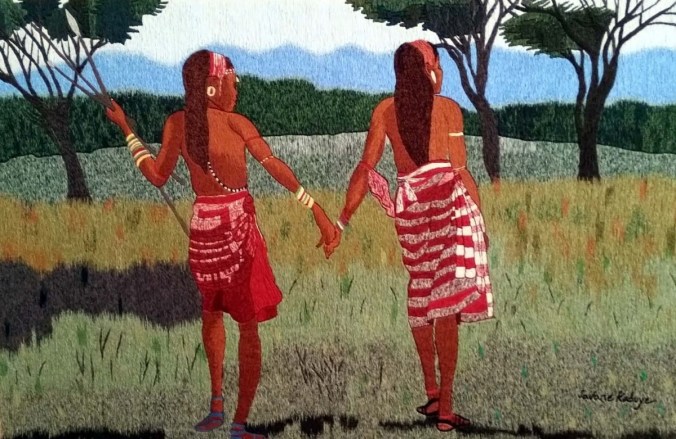
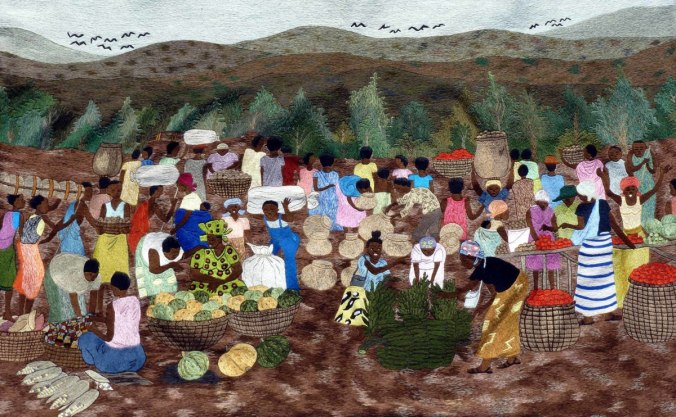
tiger_giclee_-_CopyFor 22 years, 15 Rwandan women have been turning their surroundings and their memories into beautiful textile art. Founded in 1997 by Christiane Rwagatare a short time after the genocide of 1994, the Savane Rutongo-Kabuye workshop offered a distraction, a source of income and a creative avenue to those who had been affected. The workshop has gone from strength to strength, and thanks to educator-turned-curator Juliana Meehan, the embroideries of the women of Rwanda have now been exhibited and seen across the US. Alex Kahl spoke to Christiane and Juliana to explore their uplifting story.

masai_lovers__1_

Due to her home country Rwanda’s turbulent history, Christiane Rwagatare lived much of her early life in exile. When she returned in 1994 in the aftermath of the genocide, the country had been devastated. “It was a very difficult time,” she says. In 1997, when she was visiting a relative in the small village of Rutongo, she saw women selling hand embroidered linens on the roadside, and felt an immediate sense of hope and possibility. At this moment, she recalled all that she had learned about art while in Europe, and knew she could contribute something positive. She announced that she would be starting an embroidery workshop, and asked that anyone interested come to the village church the next day. She was shocked when more than 100 women arrived with samples of their work.

market

“I must admit that I panicked,” Christiane says. Continue reading

Musical Influences

YaleE360-Final21_Enzo_Hip-Hop_web

ENZO PÉRÈS-LABOURDETTE / YALE E360

It is commonplace belief that music from our youth influences our taste in music for the rest of life, and that no music ever displaces the favorite music of our late teens and early twenties (this is lore, admittedly, not science), so it makes sense that this same period of music acquisition can influence much more:

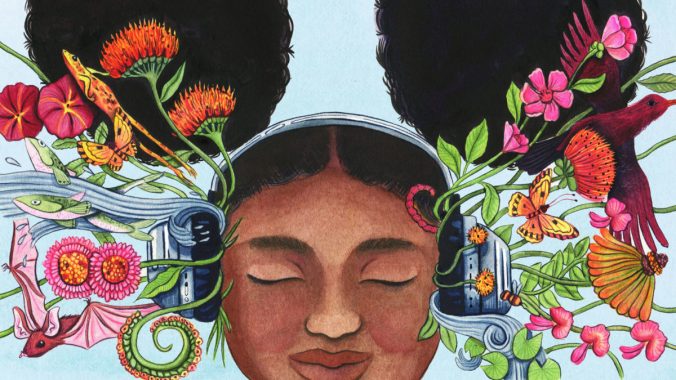
How Hip Hop Can Bring Green Issues to Communities of Color

The environmental movement has largely failed to connect with people of color and marginalized urban communities. By confronting issues from contaminated water to climate change, hip hop music can help bridge that divide and bring home the realities of environmental injustice.

When I was diversity director at North Carolina State University, part of my job was to recruit young people — often from communities of color — into the College of Natural Resources. It could be a struggle; these were talented and creative kids, but often they didn’t see how environmental or sustainability issues were relevant to their lives. Continue reading

Easy Coffee Quality Improvement

Getty Images

Usually I avoid recommendation lists that have commercial intent, but exceptions are made when it might help someone visiting one of our shops. We sell specialty coffee. And we sell coffee paraphernalia. So here is an exception. Thanks to Joanne Chen for this short list of what you can do to improve your daily coffee drinking experience:

“Oh! The coffee’s good today” is something my husband or I murmur on occasion as we slowly come alive with our first sip of the morning. On most days, though, the coffee we make at home is just good enough. We make it the same way every time, but whether we achieve coffee nirvana on any particular day is anyone’s guess. How to brew a great cup mystified me for years — until I decided to get to the bottom of it.

It turns out that even with quality beans, it’s hard to be a good home barista without the right tools. Some of these things are admittedly pricey but entirely worth it, according to coffee experts. Continue reading

Perils of Posing

200127_r35394

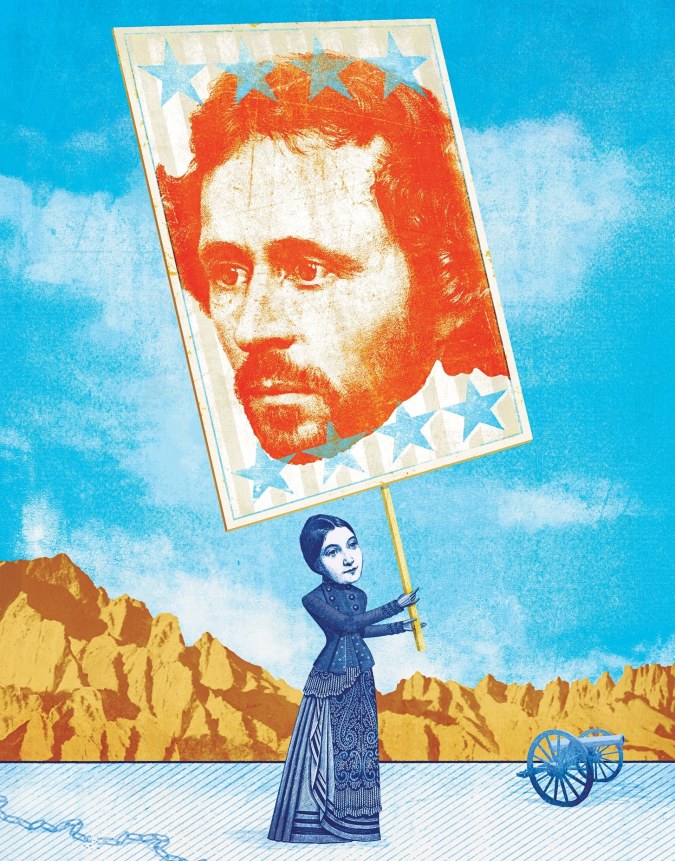
The couple cynically stage-managed their Western exploits for propaganda value.
Illustration by Christian Northeast. Source images from Chronicle / Alamy (woman); Bettmann / Getty (man)

Adam Gopnik’s book review illustrates the roots of today’s Instagram culture, and the perils of posing:

Pioneers of American Publicity

How John and Jessie Frémont explored the frontiers of legend-making.

Legendary development can happen with astonishing speed after a life is past. Gore Vidal, in his 1992 novel, “Live from Golgotha,” made sport of the notion of television coverage of the Crucifixion, as the kind of thing that would happen only in contemporary America, but in truth Jesus’ body was hardly cold, or gone, before the apostle Paul, in a single generation, had made the desert rebbe into a demigod. The special American contribution to legend-making has not been speed so much as absolute simultaneity, with the life and the legend developing together. The American frontier, the Wild West, was not burnished and made epic in memory. It was made epic even as its very brief life was taking place. Buffalo Bill was only twenty-three when dime novels about him began to appear in New York, and early accounts of Billy the Kid’s life read “like a press agent’s yarn,” as one biographer says, because they were. Butch Cassidy and the Sundance Kid were robbing banks and posing for mock formal photographs all at the same time. This national truth remains constant even in our own time. The Apollo missions were genuine acts of daring—and were also, as everyone knew at the time, scripted television programming, with well-wrought lines delivered live. Continue reading

Experiential Learning & Social Enterprise

img_7929-00d6c37254394099fdabc17f3a9f58edf45afcbe-s2000-c85.jpg

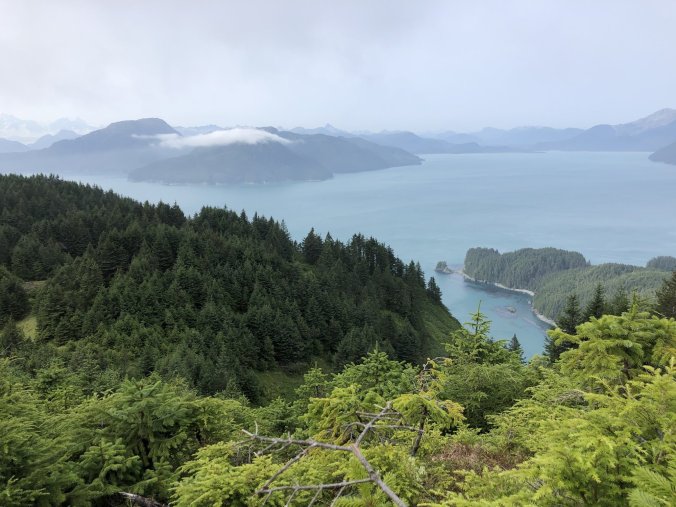
The waters and mountains of the Inian Islands, near Glacier Bay, Alaska.Lauren Migaki/NPR

img_3125-e4c5960c6deafeb70a1351245d93ef84c23822ce-s1300-c85.jpg

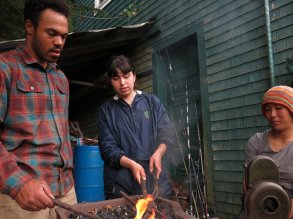
With help from books and YouTube, Abe Marcus (left, pictured with Yasamin Sharifi, center, and Tsu Isaka) has been learning how to operate a coal-powered, hand-cranked forge found on the property. Lauren Migaki/NPR

There is a great story shared yesterday on the National Public Radio (USA) website, told in unusually long form for that outlet, by Anya Kamenetz. I look forward to more stories by this journalist — she relates a story that is as far away from my own experience as I can imagine, but I feel at home in it. The picture to the right, from near the end of the story, hints at one reason. But it is not that. Nor is it the fact that I witnessed the birth and evolution of a similar initiative in Costa Rica.

I taught a field course in amazing locations (2005 in Senegal, followed by Costa Rica in 2006 followed by Croatia, India, Siberia and Chilean Patagonia), but that bore little resemblance to the initiative in this story. All those factors may help me feel at home in this story, but mostly I relate to it as a story told well for the purpose of understanding the motivations of a social entrepreneur and incidentally her commitment to experiential learning.
In Alaska’s Wilderness, A New Vision Of Higher Learning

img_3218-40ad27a28a658ea679c7588062a86574bdbf6e68-s1300-c85.jpg

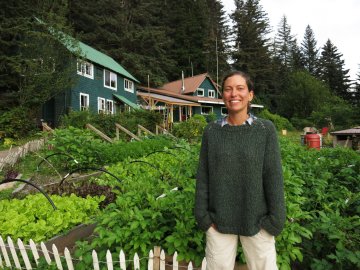
Marcus stands in front of the massive vegetable garden at The Arete Project in Glacier Bay, Alaska. Lauren Migaki/NPR

In Glacier Bay, Alaska, mountains rush up farther and faster from the shoreline than almost anywhere else on the planet. Humpback whales, halibut and sea otters ply the waters that lap rocky, pine-crowned islands, and you can stick a bare hook in the water and pull out dinner about as fast as it takes to say so.

This is the place 31-year-old Laura Marcus chose for her Arete Project. Or just maybe, this place chose her.

The Arete Project takes place in the remote wilderness of the Inian Islands in southeast Alaska.
Lauren Migaki/NPR

Arete in Greek means “excellence.” And Marcus’ Arete is a tiny, extremely remote program that offers college credit for a combination of outdoor and classroom-based learning. It’s also an experiment in just how, what and why young people are supposed to live and learn together in a world that seems more fragile than ever. It’s dedicated, Marcus says, to “the possibility of an education where there were stakes beyond individual achievement — where the work that students were doing … actually mattered.” Continue reading

Honey As Hook

Honey Escazu

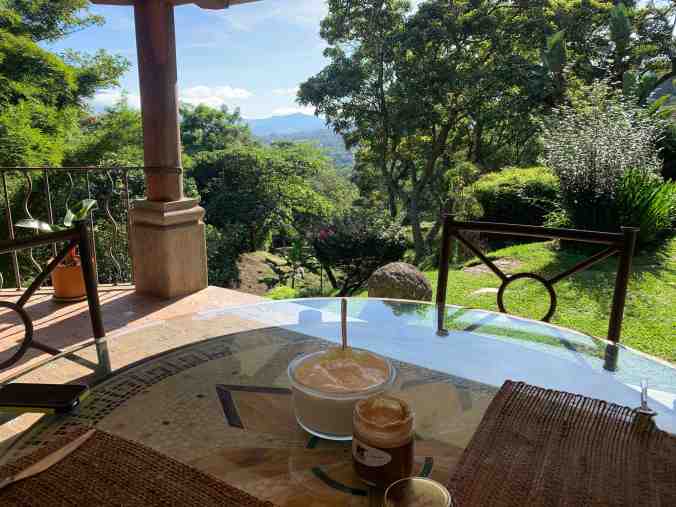
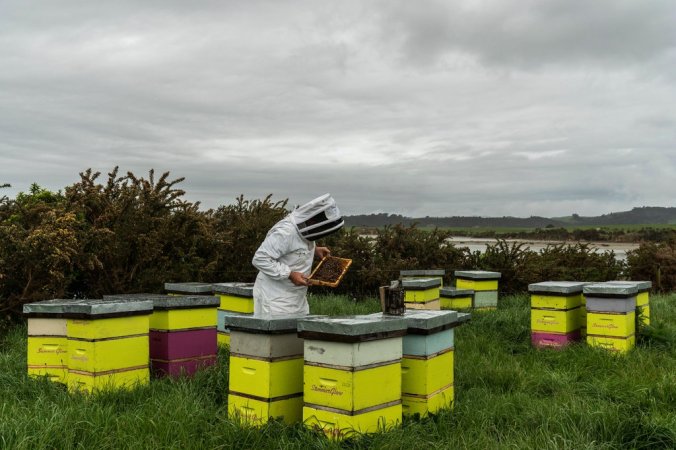
I held off on linking to this story below, by Jamie Tarabay. Seeing one of my favorite topics, honey, in the context of yet another international conflict, did not seem to fit with our platform; or perhaps I was just waiting for a way to connect that story to something closer to home. The hook came in the form of a visit last week to an apiary, set on a farm, during our time in Ithaca. The photo above is from our breakfast table yesterday, in Costa Rica, with a remarkably thick Greek-style yogurt complemented by a jar of honey from that apiary. Now the connection to that story is so close to home, it is in my home. The honey in the picture above is so different from commercial grade honey as to be inspirational — it made me seek out this article, after a month of waiting. Sometimes the hook needed to make a story make sense for sharing is gustatory…

merlin_163510173_7a4edf59-8b03-4800-be78-95bba5faf974-jumbo

Adam Dean for The New York Times

What Could Come Between These Two Allies? A $100 Jar of Honey

New Zealand producers, in the face of protests by their Australian counterparts, want to trademark manuka honey, a costly nectar beloved by celebrities.

merlin_163510245_162ddea8-5754-407d-82c2-54ca2b4f60d0-jumbo.jpg

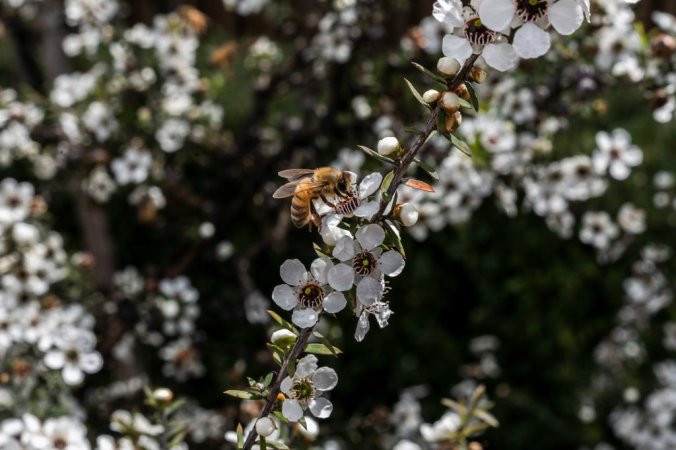
A bee on a manuka bush at the visitor center in Paengaroa for Comvita, one of New Zealand’s largest producers of manuka honey. Adam Dean for The New York Times

PAENGAROA, New Zealand — Australia and New Zealand are at war.

Over honey.

Not just any honey, mind you — this stuff isn’t sold in plastic bear-shaped bottles. It’s manuka honey, a high-priced nectar ballyhooed by celebrities as a health and beauty elixir. (Scarlett Johansson smears it on her face; Laura Dern heals her children with it.)

Manuka-branded honey is so valuable that New Zealand producers have gone to court to argue that they alone should have the right to sell it, in much the same way that only France can claim Champagne with a capital C. They say they are the only source of guaranteed authentic manuka honey, from a single species of bush; their Australian counterparts have marshaled a point-by-point rebuttal that stretches all the way back to the Cretaceous Period. Continue reading

Public Libraries Adapt

TCPL logo.jpgDuring this time in Ithaca, we made a couple visits with Fern to the Tompkins County Public Library, which I last visited in the first half of the 1990s when Seth and Milo began developing their bibliophilic tendencies. Each time we entered the library last week we were greeted by signs heralding the elimination of late return fines. As a budget conscious grad student at the time we first started using that library 25+ years ago, this policy change caught my attention, so I looked it up.

TCPLF logo.jpgIthaca has always been an inclusivity-centric community. So I am not surprised to see the wheelchair logo as prominent part of the library’s logo. But I was surprised to learn that there is a foundation that supports this adaptive mission. Given the dozens of stories about libraries that we have featured on this platform since 2011 it still surprises me to learn something new about them. How interesting that just a few days after returning from Ithaca, Emma Bowman fills me in on the bigger picture of this policy innovation:

‘We Wanted Our Patrons Back’ — Public Libraries Scrap Late Fines To Alleviate Inequity

For nearly a decade, Diana Ramirez hadn’t been able to take a book home from the San Diego Public Library. Her borrowing privileges were suspended, she was told, because of a mere $10 in late fees, an amount that had grown to $30 over the years. Continue reading

Thanks, Giving & Thanksgiving

Thanks to the wonders of modern transportation I arrived to Costa Rica late last night after a week in Ithaca, where Amie and I reconnected with our two sons and our grand-daughter. Seth had brought gifts of honey and coffee from Rwanda, which we all enjoyed sampling. Milo gave us a better understanding of the work he has been doing with fungi and medicinal herbs in recent years. And we gave Slothicorn, on a t-shirt that fits Milo’s daughter both physically and metaphysically, as a reminder to all of us that she will be visiting us in Costa Rica before too long. Amie had found the artist of that and other fun shirts earlier this year, and we carry them in the Authentica shops. Thanks to her for finding the artist, and to the artist for the fun and creative approach to representing themes relevant to this rich coast country.

7fff53cb-56cc-4be9-8ac4-7667f3af4647.jpeg

While on the theme of thanks, there is much more to say. Too much more for a quick post. Thanksgiving showed up as a topic more than a couple times in the first few months of our setting up this platform in 2011. Since then, every year a post touches on it. So this is it for 2019, about giving and thanks and the holiday we think is one of the best ones out there. The zinger came to me as I started writing this.

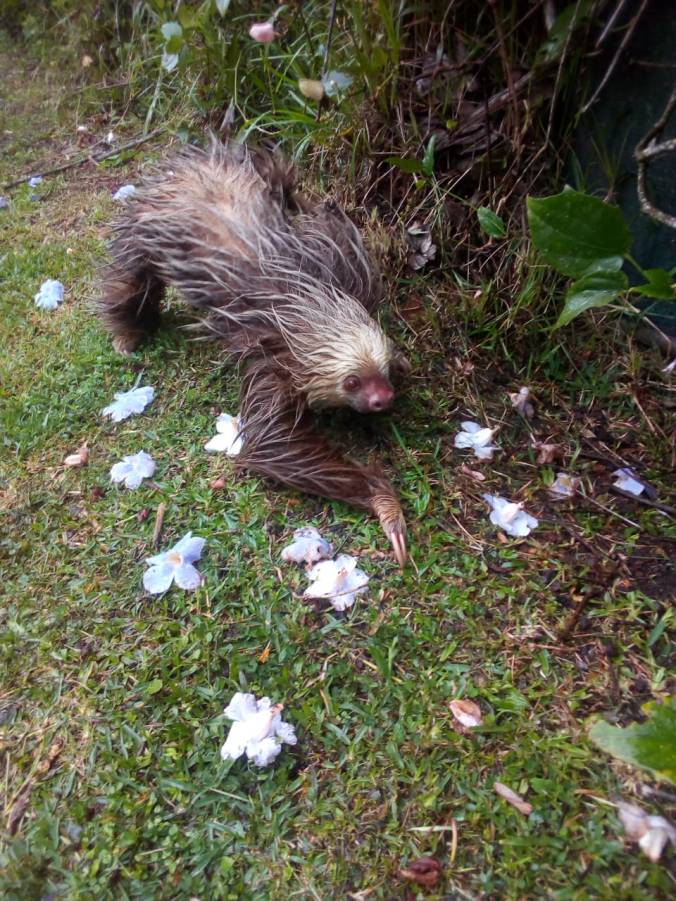
I left home early in the morning to run some errands, and while out one of our team members back at the house sent this photo of a sloth. It was crawling, with a mate, in our garden, making its way over to the neighbor’s property. They seem to have enjoyed the flowers dropping from the vines my mother planted nearly two decades ago. We have seen a toucan as well as an emerald toucanet on our property, but a sloth sighting is more than rare, more like bizarre. They tend to live closer to sea level and our home is 1,400 meters above sea level. So, of all the things to say thanks about, at this moment this is my choice. I thank them for stopping by and giving me a reminder of the importance of wildlife. I wish them safe passage to their destination.

Bottled Virtuosity, Tasting Good

191125_r35462.jpg

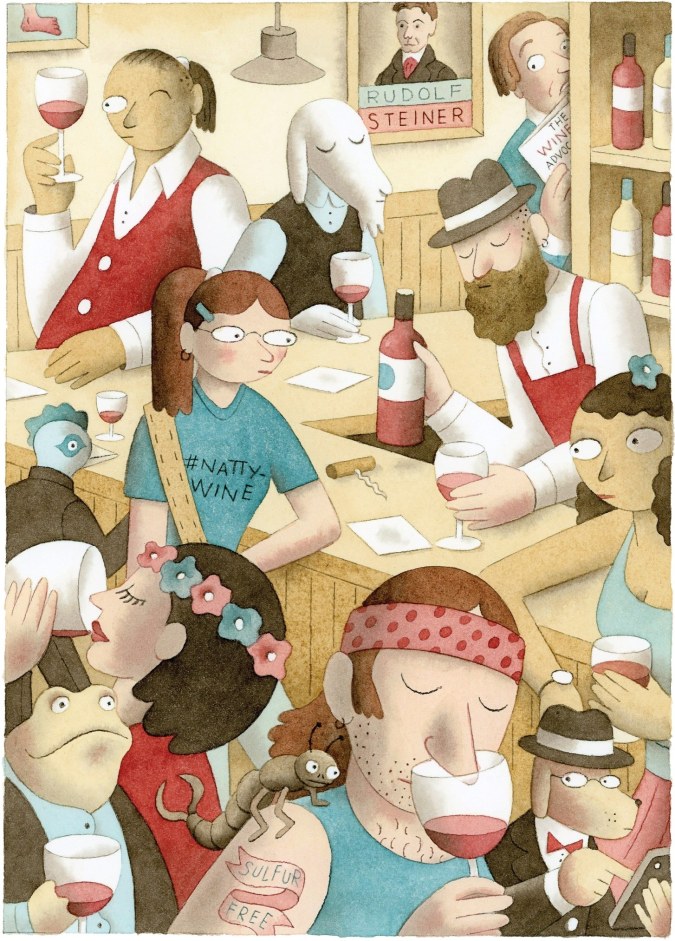
Winemaking methods that once seemed suspect now look like authenticity. Illustration by Greg Clarke

What does good taste like? Perhaps goodness is the better word to use in that question, because the question is not about what good taste is, as in how we determine when something is tasteful. This article, using wine as a prop, offers a way to think about goodness, in the virtue sense, and what it might taste like, without simply rehashing the tiresome complaints about virtue signaling. The author had me at the title, because it touches on themes we have been thinking about lately; then the mention of working of Mendoza, where I worked in 2007, ensured I would read on. In the second paragraph seeing Itata, a region that was part of my workplace 2008-2010, I was triply hooked:

How Natural Wine Became a Symbol of Virtuous Consumption

The mainstreaming of natural wines has brought niche winemakers capital and celebrity, as well as questions about their personalities and politics.

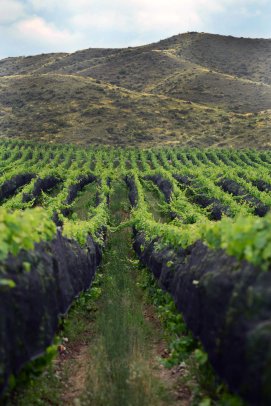
In 2010, Dani Rozman had just graduated from the University of Wisconsin. He was so deliberate and thoughtful that his friends claimed it was inevitable that he’d end up a history professor with a closet full of cardigans. But Rozman went to Argentina instead, and wound up in Mendoza, the hub of the country’s wine scene, working at a startup that helped wealthy people realize their wine dreams—you could buy a vineyard from afar, have someone else farm it, design the labels, and receive cases of “your” wine to show off at dinner parties.

One summer, Rozman went to Itata, at the southern tip of Chile’s wine-producing region, to work the grape harvest at a local winery. He had the impression that winemakers were like the clean-cut guys in Napa with family money and fleece vests. Itata was different. The winery was just a shipping container and a mesh tent, and the work was non-stop. Rozman had grown up in a health-conscious family that nonetheless “had to be reminded that food was farmed,” he said; being in daily contact with plants felt revelatory. Some of the vines had been planted centuries earlier, by conquistadores and missionaries. The grapes were País, a varietal that had fallen out of favor as winemakers turned to popular ones like Cabernet Sauvignon. The methods were traditional, too—the fruit was picked by hand, destemmed with a bamboo implement called a zaranda, then fermented in clay pots. The finished product was startling, in a good way. “At that time in Argentina, Malbec was king,” Rozman told me. The country made lots of homogeneous, high-alcohol wines aged in oak barrels, catering to international appetites—“the French-consultant thing,” as Rozman put it. To him, they tasted heavy and expressionless, while the Itata wines were stripped down and elemental. “It was like night and day,” he said. Continue reading

Creative Conservation, All For Artisans

AuthenticaMLS.jpeg

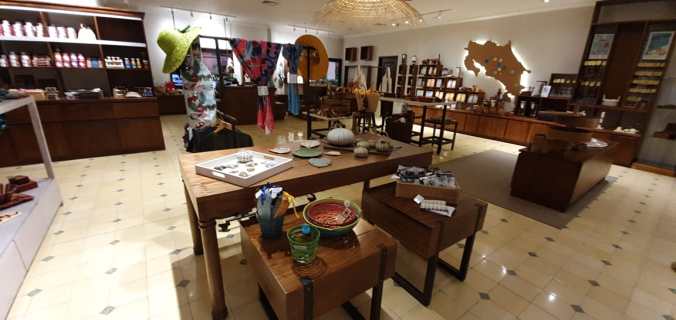
Authentica opened the first of its two shops last week, and this post is a quick statement of what occurred to me while looking across the shop once all the displays were set up. Back in early June I thought that two words simultaneously riffing off the concept of creative destruction, and our two decades of practicing entrepreneurial conservation, was enough of a tag line for saying what we are doing.

But now three more words seem worthy of adding to the mix. Because across this room it is clear that the pursuit of creative conservation is contextual and very specific; we are doing this all for artisans. I do not mean that just in the sense that we are completely motivated to do what Authentica is doing, for the sake of artisans, though that is true. The variety of items on display–colorful totems of Costa Rica’s culture, design-forward textiles, sensuous ceramics and turned wood objects, specialty coffees and artisanal chocolates–made clear now that Authentica should be more explicit. Say clearly that all proceeds from every sale in Authentica get reinvested back into building a better economy for artisans.  Maybe it can be said in fewer than five words, the way 100% Forward says all that Organikos needs to say. Brevity is the soul of wit, and wit is a powerful currency. I will work on it in the days to come.

Recipe From Another Time

10-02_cookbooks_kw_custom-7590cdc484b3905fc6f8b4d410b078f30cf1598a-s800-c85.jpg

The Yale Babylonian Collection houses four unique tablets that contain various recipes for stews, soups and pies. Three of these tablets date back to the Old Babylonian period, no later than 1730 B.C. Klaus Wagensonner/Yale Babylonian Collection

A meal from ancient history, decoded, and the scholar who sleuthed the recipe discusses it in a brief interview:

Eat Like The Ancient Babylonians: Researchers Cook Up Nearly 4,000-Year-Old Recipes

What did a meal taste like nearly 4,000 years ago in ancient Babylonia? Pretty good, according to a team of international scholars who have deciphered and are re-creating what are considered to be the world’s oldest-known culinary recipes.

The recipes were inscribed on ancient Babylonian tablets that researchers have known about since early in the 20th century but that were not properly translated until the end of the century.

The tablets are part of the Yale Babylonian Collection at the Yale Peabody Museum. Three of the tablets date back to the Old Babylonian period, no later than 1730 B.C., according to Harvard University Assyriologist and cuneiform scholar Gojko Barjamovic, who put together the interdisciplinary team that is reviving these ancient recipes in the kitchen. A fourth tablet was produced about 1,000 years later. All four tablets are from the Mesopotamian region, in what is today Turkey, Syria, Iran and Iraq. Continue reading

Authentica, Organikos & Escazu

EscMtn.jpg

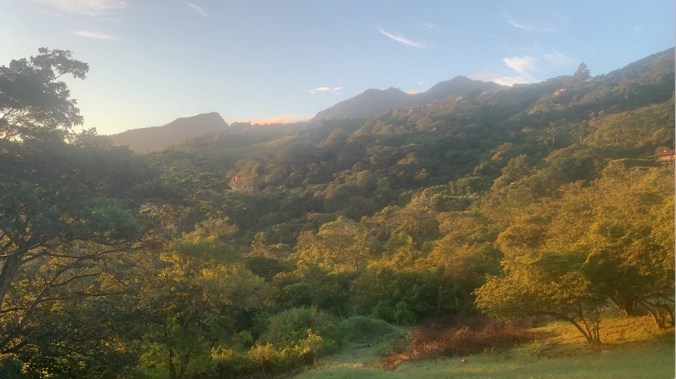
In the photo above, the view is from our home up to the home of a friend who grows coffee in the upper reaches of Escazu. He is an agronomist whose foremost specialty is bananas, which he has helped farmers grow more effectively throughout Latin America. AuthnticaLogoI mentioned his coffee at the start of this year when we were meeting farmers, chocolatiers, and local artisans, knowing we would launch Authentica, and its sibling Organikos logoventure Organikos sometime this year.

We ended up not choosing that particular coffee as one of our 12 offerings, but every tasting, every artisan meeting, every event we have attended to find things that offer “taste of place” and that look and feel like the essence of Costa Rica–all have been helpful in establishing our product line.

EscFeria.jpg

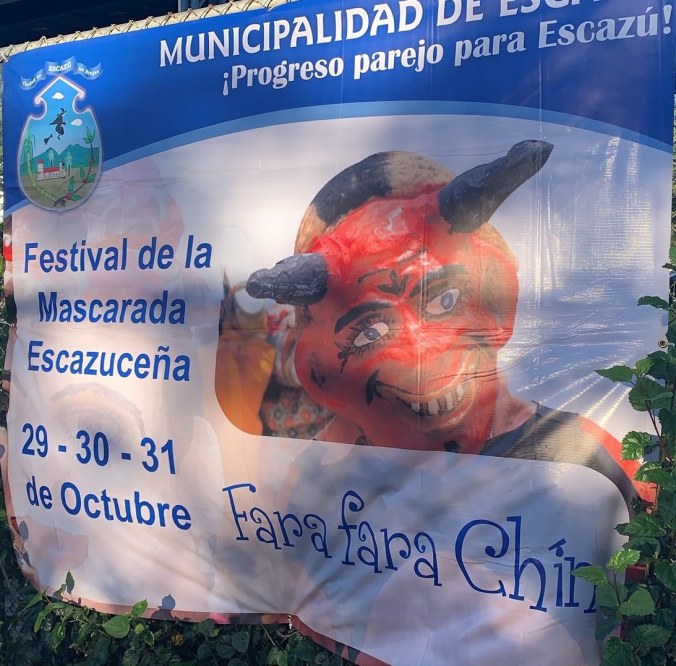
Escazu, where we live, where the idea for Authentica started and also where Organikos is situated is an ideal location for what we do. The festival of masks, organized by the community, is an example of why: local pride, sense of place, sharing with others.

Climate, Wine & Adaptation

merlin_152272566_ff8c054a-7459-4402-96ec-cf6860c71b29-master1050

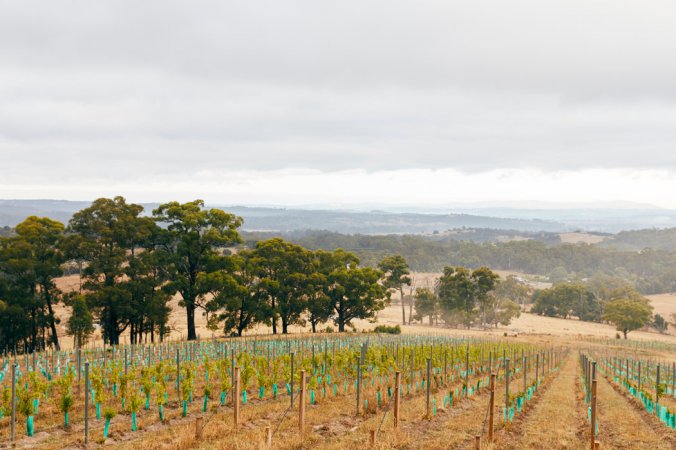
Don Valley, Australia John Laurie for The New York Times

Eric Asimov, wine critic, is also a pretty good explainer of the practical implications of climate change:

merlin_103882060_b8179995-39ed-4c48-ab8b-72e9da980df2-master1050

Catena Zapata, Argentina Horacio Paone for The New York Times

Wine, which is among the most sensitive and nuanced of agricultural products, demonstrates how climate change is transforming traditions and practices that may be centuries old.

Around the wine-growing world, smart producers have contemplated and experimented with adaptations, not only to hotter summers, but also to warmer winters, droughts and the sort of unexpected, sometimes violent events that stem from climate change: freak hailstorms, spring frosts, flooding and forest fires, just to name a few.

Farmers have been on the front line, and grape growers especially have been noting profound changes in weather patterns since the 1990s. In the short term, some of these changes have actually benefited certain regions.

Places, like England, that were historically unsuited for producing fine wine have been given the opportunity to join the global wine world, transforming local economies in the process. Continue reading

Collapsitarian, No

natasha-lythgoe-041.jpg

‘Wyrd goes ever as it must.’
Beowulf

After some weeks of letting the ideas in this essay settle in, and not reading (until now) any of the criticism of those ideas, it is more clear to me that I mistook Franzen’s position for something familiar, even close to home. Going back through my own postings on this platform, the mistake is understandable. We have been highlighting soft and gradual and mostly (but not all, by any means) comforting approaches to thinking about climate change.

I just revisited this post, thinking that Franzen’s position is like that word I heard 5+ years ago, but Franzen is not a collapsitarian. From my poking around, it is not clear that Paul Kingsnorth is one either. In that earlier post I linked to the About section on his website and it is still as funny ever, but now this:

Occasionally Asked Questions

Who are you?

I am 75% English, 25% Greek Cypriot, 100% European and 0% European Union. I share 96% of my genetic material with chimpanzees and 60% with bananas. I am descended from the Viking Earls of the Orkney Isles. I live with my English-Punjabi wife and our two children in the west of Ireland, where 85% of the men are descended from eastern Mediterranean farmers.

I’m a writer. I mainly write novels, poetry and essays.

Tell me about your writing

My non-fiction takes deep dives into big questions about how we might live in a world losing its cultural and ecological bearings at a rapid rate.

My fiction is mythological, otherworldly and multilayered, and is aimed at adults with at least one underworld journey under their belts…

It is worth reading in full, to see how his views may have changed in recent years, but mainly what caught my attention is the program of courses he has created, which look worthy of promotion, especially as captured in the photos (©Natasha Lythgoe) below and at the top:

The Wyrd School is a writing school unlike any other. Founded in 2018 by Paul Kingsnorth, an award-winning novelist, poet and essayist, with two decades of writing experience, we are home to unique writing courses, talks, and other events designed to bring the human and the non-human worlds back into contact, and to help you produce writing and art from the resulting sparks.

Wyrd is an old Anglo-Saxon word, often translated as fate or destiny. Continue reading

Imagining Better Food

merlin_41736016_541c7a85-d4bc-40ed-b8c0-21d0e2768ae1-jumbo.jpg

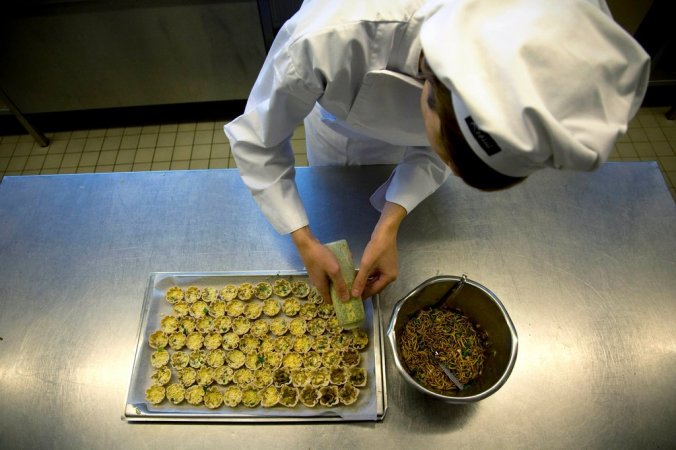
A culinary student preparing mealworm quiches at the Rijn Ijssel chefs school in Wageningen, Netherlands. Jerry Lampen/Reuters

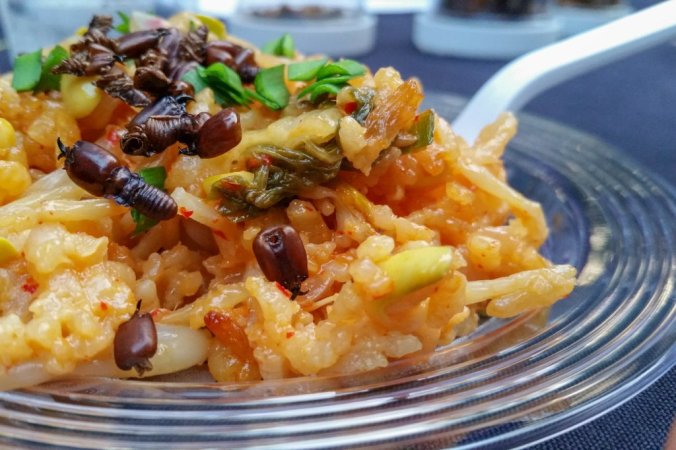
JoAnna Klein has a nack for getting me to think twice on a topic. My imagination is moving in the right direction. I may be embarrassed by my insufficient progress at cutting meat consumption, but I have made zero headway in the realm of insect appetite. It must change. But even with this story, and its beautiful pictures, my likelihood to indulge in one of these meals is best captured by the biblical phrase about the spirit being willing but the flesh being weak; I get why I must do this, but my body is not cooperating and I am not looking forward to the first such meal:

How to Develop an Appetite for Insects

Scientists who study bugs are thinking harder about how to turn them into good food.

Repeat after me: entomophagy.

It’s derived from Greek and Latin: “entomon,” meaning “insect,” and “phagus,” as in “feeding on.”

Some think it’s the future of food.

26TB-EATINGINSECTS4-jumbo.jpg

Justin Butner

In 2013, the Food and Agriculture Organization of the United Nations released a report declaring the need to swap traditional protein sources for insects to support a sustainable future. The report helped drive an explosion of efforts all dedicated to making mealworms your next meal. Continue reading

Libraries As Architectural Gems

merlin_160635033_dcbb54ea-d450-4d75-b097-f8896ca277ee-superJumbo.jpg

Winnie Au for The New York Times

We occasionally hail architecture, and frequently hail libraries as essential to our shared humanity, and when we get the chance to hail both at the same time, the world seems in good order:

Why Can’t New York City Build More Gems Like This Queens Library?

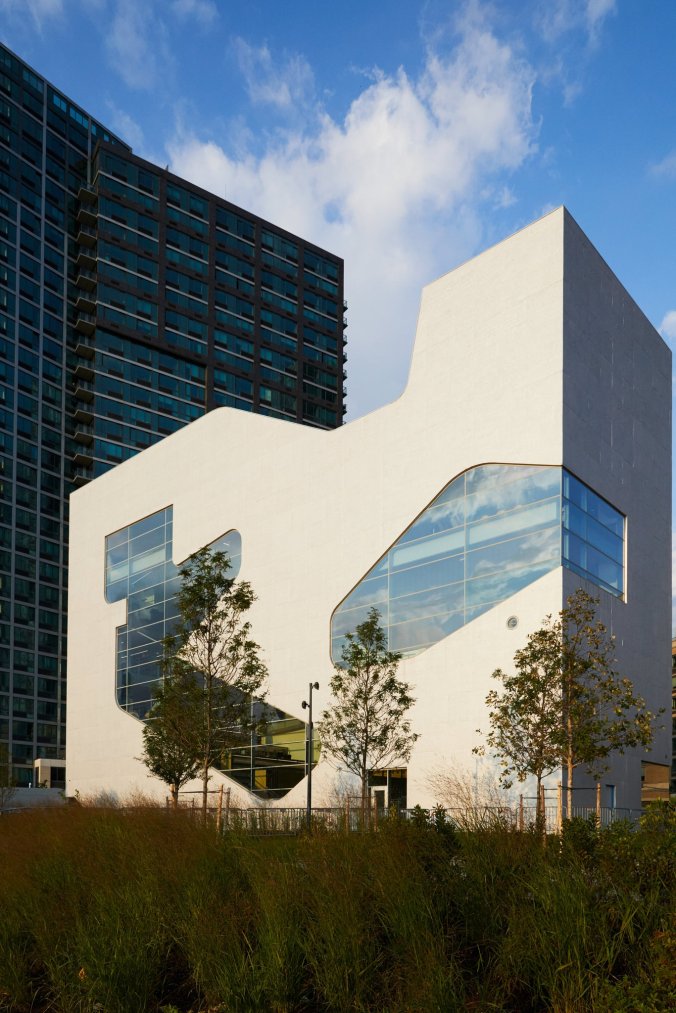
The Hunters Point Community Library is one of the finest public buildings New York has produced this century. But it cost more than $40 million, took a decade and almost died.

merlin_160635120_4fd39dfa-a3bd-40a6-bad9-ffa64e5cd502-superJumbo.jpg

The canyon-like lobby entrance of Hunters Point Community Library. Winnie Au for The New York Times

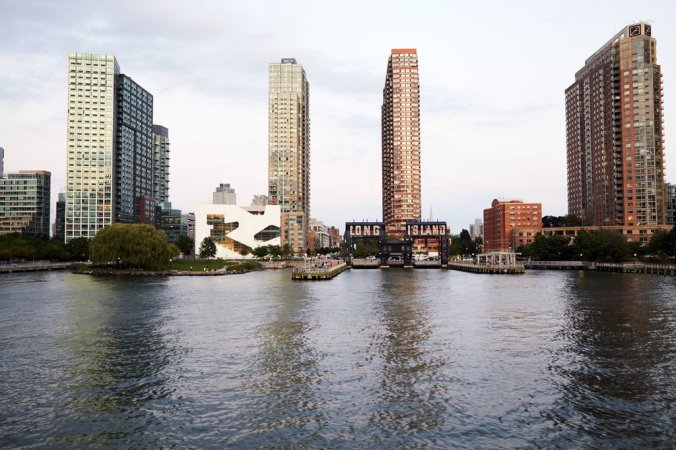
Against a phalanx of mostly dreary new apartment towers, the soon-to-open Hunters Point Community Library by Steven Holl Architects is a diva parading along the East River in Queens, south of the famous Pepsi sign. With its sculptured geometry — a playful advertisement for itself — it’s even a little like the Pepsi sign.

Compact, at 22,000 square feet and 82 feet high, the library is among the finest and most uplifting public buildings New York has produced so far this century.

merlin_160635054_78b92219-8a07-43e8-980e-5ddde3eca8e6-jumbo.jpg

Winnie Au for The New York Times

It also cost something north of $40 million and took forever to complete. So it raises the question: Why can’t New York build more things like this, faster and cheaper?

merlin_160635087_be5c3790-f4e6-4775-896c-faed62eae8bb-jumbo.jpg

The library is full of nooks and corners, illuminated by big windows with sculptured walls covered in bamboo.Credit Winnie Au for The New York Times

Opening Sept. 24, Hunters Point is surely what Queens Library officials and the borough’s former president, Helen M. Marshall, had in mind when the project was proposed more than 15 years ago: a crown jewel among Queens branches, at a singular, symbolic spot facing the United Nations and Louis Kahn’s exalted Four Freedoms Park across the water. Continue reading

Horses, Buggies & Community

merlin_159828219_aa0afd41-dda7-4679-88bf-0c0eea21b04a-jumbo.jpg

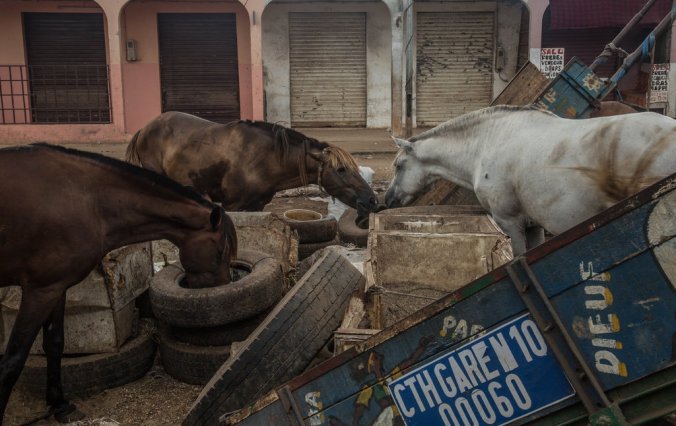
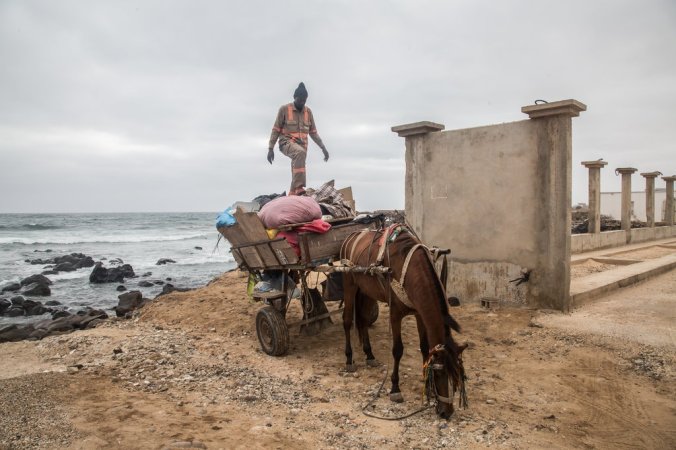
Dakar’s horse-drawn buggies, long a staple means of getting around, are under an emerging threat from motorized rickshaws. Yagazie Emezi for The New York Times

Senegal shows up a dozen times in our pages over the years, but not one those times is about my own experience there. Strange, because that experience marked my return to teaching, and indirectly led to the work we are doing now with Authentica and Organikos. That is worthy of a post, which I will write another day, for now enjoying a simple story about life on the streets with horses, buggies, their drivers, and the community members who are transported by them:

It’s Horses vs. Motors in Senegal. The Steeds Still Win on Many Roads.

By 

xxhorsecarts-dispatch1-jumbo.jpg

Yagazie Emezi for The New York Times

DAKAR, Senegal — After a visit to the market to buy a box of mangoes, some fish and a length of cloth, Binta Ba, a Senegalese woman, needed a way to get home.

So she looked around for her preferred means of transportation: a horse and buggy.

A ride was easy to find, with dozens of horse-drawn buggies lined up near the market, which was in Rufisque, a picturesque suburb of Dakar known for its colonial architecture.

She climbed aboard a buggy, whose driver then waited patiently for a third passenger to occupy his final seat. When his buggy was full, he took off at a trot, sometimes speeding up to a canter. The riders paid about 50 cents for a 10-minute ride, a fraction of what it would cost to take a taxi.

“Taking taxis is for rich people,” Ms. Ba said. “We prefer to support these people because they are from the community.” Continue reading

Cycling In The Land Of Cyclists

The eighteen million residents of Holland own, in total, more than twenty-two million bicycles. Photograph by Martin Parr / Magnum

Whether or not you are a cyclist (as I am), whether or not you have cyclist friends in Holland (as I do), you may appreciate the experience of this writer as much as one of my Dutch cycling friends did (he read it yesterday while on a cycling vacation in Russia and gave it an enthusiastic two thumbs up):

How I Learned to Cycle Like a Dutchman

In the bike-friendly Netherlands, cyclists speed down the road without fearing cars. For an American, the prospect is thrilling—and terrifying.

Where are our helmets?” my daughter Harper asked. We were standing outside a cycle shop in the Dutch city of Delft, along with Harper’s older sister, Lyra, and my wife, Alia.

“We didn’t buy any,” I replied. Along the dark green Wijnhaven canal, confident Dutchmen and Dutchwomen whizzed around, their blond heads exposed to the soft northern sun. “In the Netherlands, only tourists wear helmets.” Continue reading

Craft, Creativity & Visual Pleasure

09tmag-orkneys-slide-A407-superJumbo.jpg

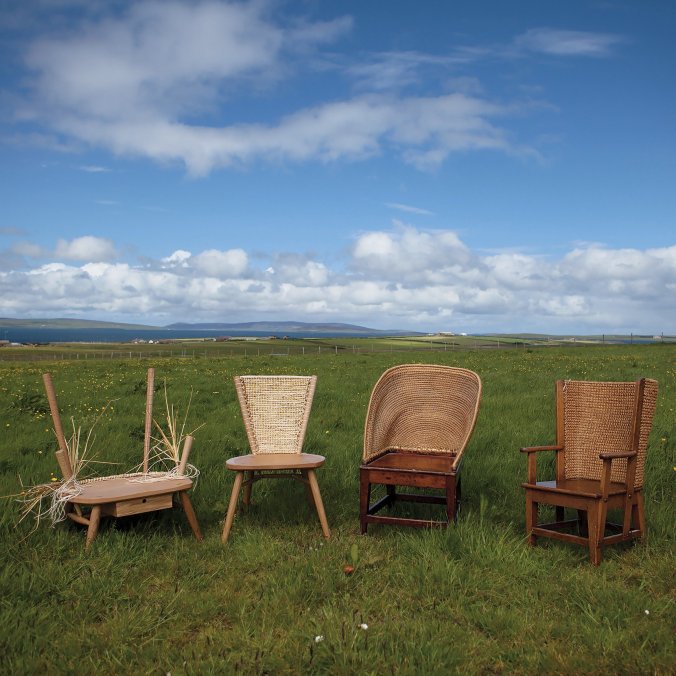
Iterations, from left, of the New Craftmen’s Brodgar chair (an unfinished lounge chair and a dining chair) next to traditional chairs on Mainland, Orkney. Sophie Gerrard

Deborah Needleman offers a short and sweet journey to a place, and with people, who I can relate to as we proceed to stock and open the Authentica shops in Costa Rica:

The Windswept Scottish Islands Producing Beautiful Artisanal Goods

One London gallery is determined to continue the tradition embraced for centuries by the Orkney chain.

09tmag-orkneys-slide-UOQV-superJumbo.jpg

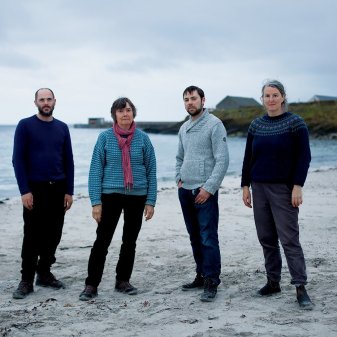
The New Craftsmen artists during their Orkney residency, Gareth Neal (far left), O’Sullivan (far right) and Butcher (second from left) with the local Orkney furniture maker Kevin Gauld (second from right). Sophie Gerrard

LAST MAY, THREE England-based craftspeople — the basket makers Mary Butcher and Annemarie O’Sullivan and the furniture maker and designer Gareth Neal — were sent by their London gallery, the New Craftsmen, for a weeklong residency in Orkney, a chain of about 70 small islands off the northern coast of Scotland. They explored Mainland, Orkney’s largest island, as well as North Ronaldsay, a three-and-a-half mile spit of land (population approximately 50) rich in farmland, marram grass, seaweed-eating sheep and Neolithic ruins. They also met with the Orcadian furniture maker Kevin Gauld and the sculptor Frances Pelly, both of whose work is deeply bound up with the islands’ history and landscape.

09tmag-orkneys-slide-JXXZ-jumbo.jpg

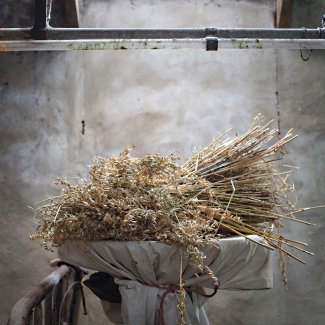
Gathered Orkney straw ready to be woven in Gauld’s workshop. Sophie Gerrard

The New Craftsmen’s co-founder and creative director, Catherine Lock — who travels across Britain in search of potters, textile designers and other artisans to highlight at her Mayfair showroom — has long been inspired by Orkney’s culture, and commissioned the first piece she sold at the gallery, a collaboration between Gauld and Neal, on the archipelago seven years ago. Since then, the pair’s beautifully austere straw Brodgar chair has been a consistent best seller, with more demand than Gauld can answer.

09tmag-orkneys-slide-WJT0-jumbo.jpgBefore craft was called craft, when it was just the stuff people made from what was around in order to get by, objects were indivisible from their provenance. And in a place as remote as the Orkney Islands, that connection is still strong — but the link to the outside marketplace less so. Lock invited these three makers to “see how they might channel the spirit of this place through objects.” The goal of the project is the creation of new work — both collaborations and individual pieces — that express the spirit and traditions of Orkney, exposing it to a larger global audience while preserving and reinvigorating the distinctive skills found there.

09tmag-orkneys-slide-LURZ-superJumbo.jpg

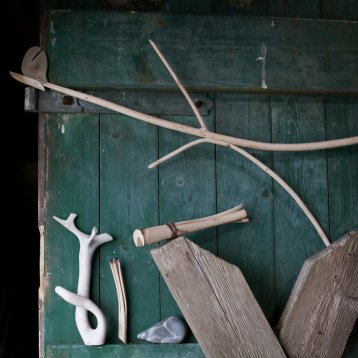
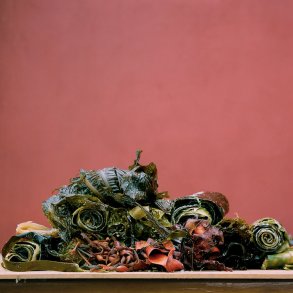
Local seaweed gathered and bundled by the basket weavers Annemarie O’Sullivan and Mary Butcher. Sophie Gerrard

One can understand a place by what its people make. Because trees are scarce here, Orcadians historically had to rely on driftwood and shipwrecks for timber; you can still find stone houses with roofs made of upturned old boats. The islands are flush with heather, peat, seaweed and sandstone, but locals have a special relationship with straw, which they have long used for everything from roofing and bedding to shelving, rainwear and furniture. Continue reading