Do The Green Thing Countdown 26/29

tumblr_n2zzyyGvp21qz5g9bo1_1280

Today’s is a dark one, darker than our normal post content but in the spirit of going with the flow we link out to this poster appropriately called Extermination Workshop:

Step forward Michael Wallis, a left-field thinker and co-founder of branding agency Corke Wallis. In this satirical poster-cum-drama set in the future, he speculates on the totally ridiculous idea of standby mode, and makes us ask ourselves: “why on earth would humanity come up with such a hopeless invention?”

Michael says: “I’m supporting Green Thing and Earth Hour so that when the apocalypse comes it is at the hands of something really epic like aliens or cyborgs or giant reptiles from another dimension, not DVD players.”

Why?


Continue reading

10 Years Of Thought Factory Design, Essential Member Of Raxa Collective’s Collaborative Community

This slideshow requires JavaScript.

We are thinking of the awesome folks at Thought Factory Design today as we review stationary for Spice Harbour, menu layouts for 51, and the logo for a new property we have recently accepted responsibility for (more on which when that logo is ready). They are members of our community with whom we collaborate more than just about anybody. They definitely get our commitment to conservation, and strengthen our ability to creatively pursue solutions. Continue reading

Kerala Architecture – Napier Museum

Photo credits: Ramesh Kidangoor

Photo credits: Ramesh Kidangoor

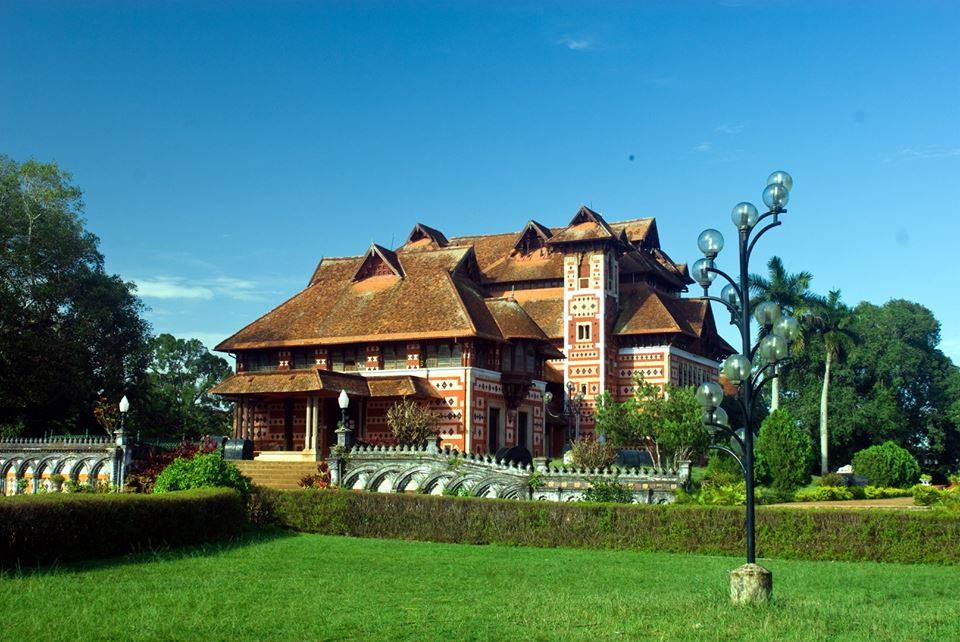
A gem of an architectural exuberance, the Napier Museum in Trivandrum is an example of authentic Kerala architectural design. The pink and blue stripes alternating with stripes of yellow and chilly red, scalloped arches of banana yellow, elaborately carved balconies and the red mock friezes leave visitors with a fairytale impression of beauty and perfection. Continue reading

If You Happen To Be In New York

This slideshow requires JavaScript.

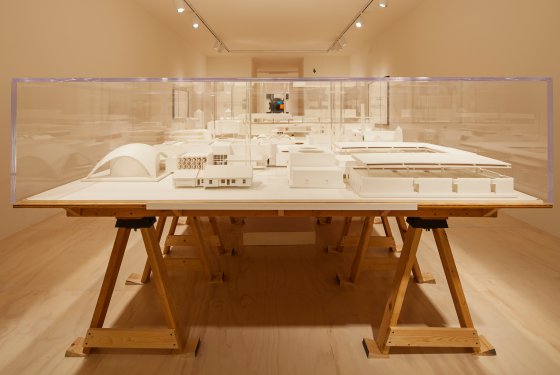
Thanks to the New Yorker‘s website for keeping us posted on the first show of a new curator at MOMA, in a medium of expression we care about for various reasons both aesthetic and technical:

In this week’s issue of the magazine, Vince Aletti talks to Quentin BajacMOMA’s new chief curator of photography, about “A World of Its Own: Photographic Practices in the Studio,” his first show for the museum:

“I’m a bit tired of the predictable history from the daguerreotype to the digital print,” says the Paris-born Bajac, who comes to MOMA from stints at the Musée d’Orsay and the Centre Pompidou, where he was the head of the photography department from 2007 to 2013. Continue reading

Walking City, For Design

For our design-oriented readers/viewers, a worthy eight minutes from the folks at Universal Everything:

Referencing the utopian visions of 1960’s architecture practice Archigram, Walking City is a slowly evolving video sculpture. The language of materials and patterns seen in radical architecture transform as the nomadic city walks endlessly, adapting to the environments she encounters. Continue reading

Vegetarian Music

This slideshow requires JavaScript.

While we complete our design and planning for the menu and the musical accompaniment at 51, the restaurant at Spice Harbour, we seem to have hit two birds with one stone in our research today. We tend more and more to the preferences of vegetarian travelers, and to the tendency of many non-vegetarian guests generally to reduce consumption of animal protein. And everyone loves good music. So this caught our attention, thanks to a slideshow on the Reuters newsfeed; this orchestra’s website tells the story (with a great video here):

Worldwide one of a kind, the Vegetable Orchestra performs on instruments made of fresh vegetables. The utilization of various ever refined vegetable instruments creates a musically and aesthetically unique sound universe.

The Vegetable Orchestra was founded in 1998. Based in Vienna, the Vegetable Orchestra plays concerts in all over the world. Continue reading

Kanakakunnu Palace – Trivandrum

Photo credit: Ramesh Kidangoor

Kanakakunnu Palace was built during the reign of Sree Moolam Tirunal (1885-1924), one of the most popular ruler’s of Travancore state.  Situated near the Napier Museum, it was mainly used for the Royal family guest entertainments. Continue reading

Traditional Architecture Of Kerala

Photo credits : Renjith

Photo credits: Renjith

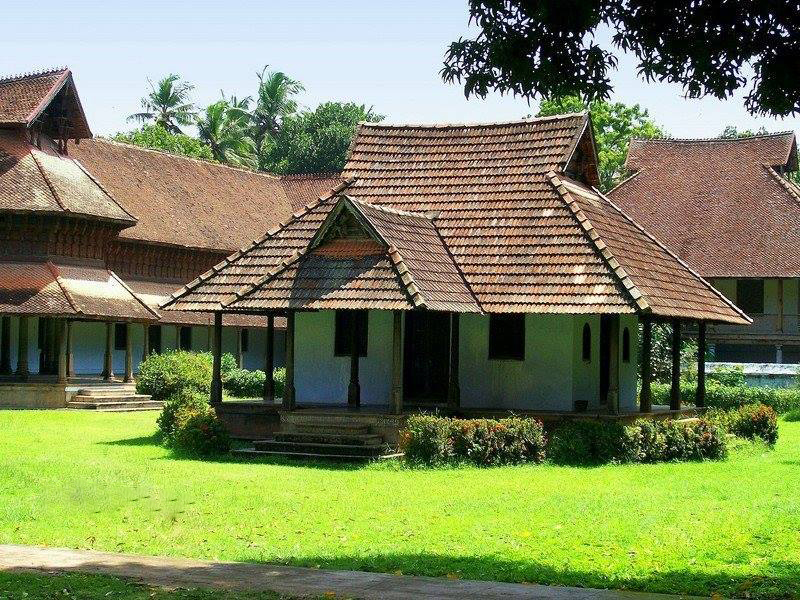
Kerala has a rich legacy of architectural excellence. The ancient buildings, temples and palaces reflect the styles of sculpture and wood work adopted by artisans from ancient times. Traditionally the architecture of the state has been of a humble scale, an ensemble of simplicity and elegance tailored to suit Kerala’s climate and culture. Continue reading

Chinese Fishing Nets, Kochi

Photo credits : Ramesh Kidangoor

Photo credits: Ramesh Kidangoor

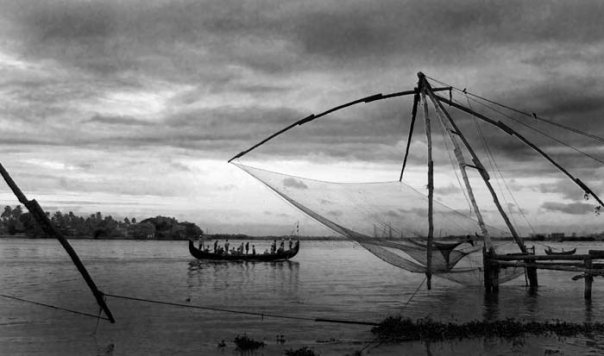
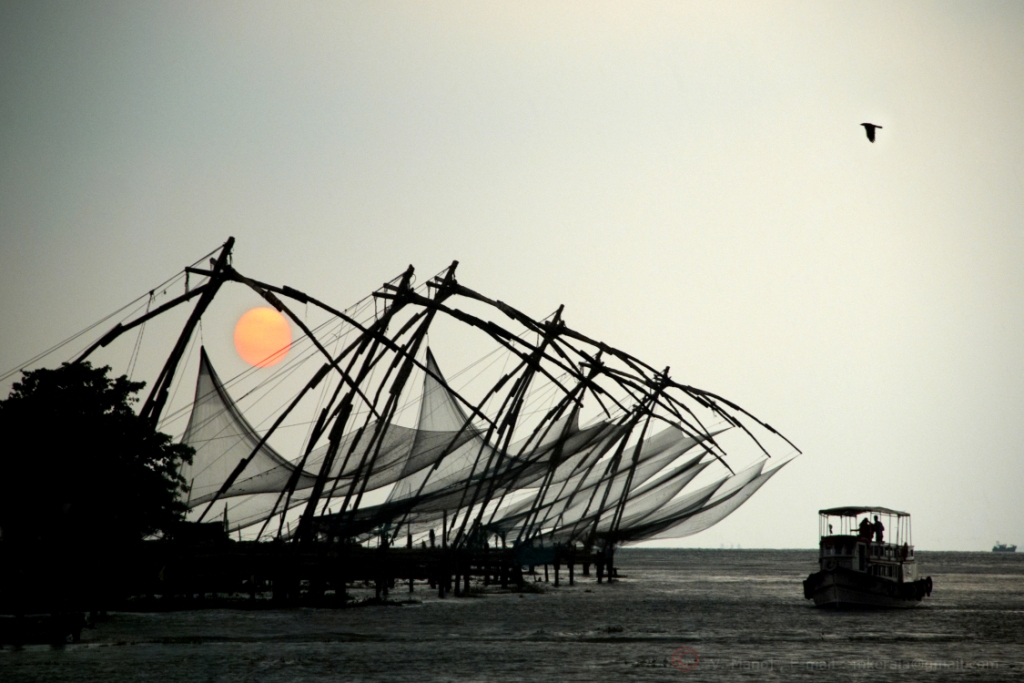
The Chinese fishing nets are a unique and special part of Kochi. A legacy of some of the earliest visitors to this coast, they are thought to have been brought to Kochi by traders from the Chinese court some time between 1350 and 1450. Employed mainly during high tides, these nets are set up on bamboo poles supported by teak wood structures and require at least four men to operate their system of counterweights. Continue reading

Thirumali Nayak Palace – Madurai, Tamil Nadu

Photo credits :Ramesh Kidangoor

Photo credits: Ramesh Kidangoor

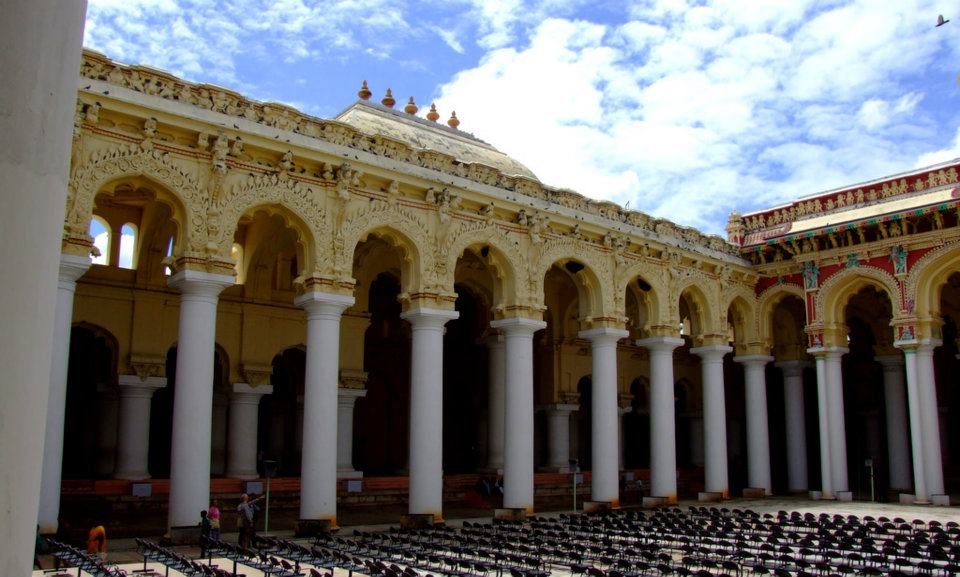
Thirumalai Nayak Palace was built in the year 1636 by king Thirumalai Nayak, designed by an Italian architect. The courtyard in this palace is 3900 sq meters and is surrounded by massive pillars. The courtyard was mainly used for daily dance and music programmes. Continue reading

Self-Sufficiency Taken To The Outer Extremes

Before the lights go out on the last New Yorker issue of 2013, one more of several articles we found worth the read, and relevant to our common themes of interest–community-building, innovation, environmentalism, farming, etc.–on this blog, even if we tend to incremental change rather than the radicalism on display here:

Marcin Jakubowski, the owner of a small farm in northwestern Missouri, is an agrarian romantic for high-tech times. A forty-one-year-old Polish-American, he has spent the past five years building industrial machines from scratch, in a demonstration of radical self-sufficiency that he intends as a model for human society everywhere. He believes that freedom and prosperity lie within the reach of anyone willing to return to the land and make the tools necessary to erect civilization on top of it. His project, the Global Village Construction Set, has attracted a following, but among the obstacles he has faced is a dearth of skilled acolytes: the people who show up at his farm typically display more enthusiasm for his ideas than expertise with a lathe or a band saw. Continue reading

Superior Urban Design, Superior Health

Excerpted from Happy City: Transforming Our Lives Through Urban Design by Charles Montgomery, published in November 2013 by Farrar, Straus and Giroux, LLC. Copyright © 2013 by Charles Montgomery. All rights reserved.

Happy City: Transforming Our Lives Through Urban Design by Charles Montgomery, published in November 2013 by Farrar, Straus and Giroux, LLC. Copyright © 2013 by Charles Montgomery. All rights reserved.

The text below is excerpted from the book above (click above to go to the source), and we thank Slate for publishing what amounts to a public health announcement disguised as a commentary on urban design.  Because several of Raxa Collective’s contributors and more than a few of those who follow this blog have lived in, worked in or gone to school in Atlanta the case study here hit home to more than one of us:

…Of every 100 American commuters, five take public transit, three walk, and only one rides a bicycle to work or school. If walking and cycling are so pleasurable, why don’t more people choose to cycle or walk to work? Why do most people fail to walk even the 10,000 daily steps needed to stay healthy? Why do we avoid public transit? Continue reading

MFA, Welcome

Educational Complex, by Mike Kelley, at MoMA PS1.

Educational Complex, by Mike Kelley, at MoMA PS1.

We do not claim to be experts on education in the fine arts, but we do know one person who went to RISD who added a huge amount of value to several Raxa Collective initiatives, and we would welcome him (and other members of the design team he was part of) back in a heartbeat.  For now, we can just share these thoughts by a more well-informed person (beware the four-letter words and strong opinion):

In her excellent essay, now out in Modern Painters, artist Coco Fusco pulls back the curtains on the risky business and chancy racket of the Master of Fine Arts degree. Fusco deftly addresses, among other things, how M.F.A. programs are “discursive battlefields.” Continue reading

Kerala Named Among Top 10 Holiday Destinations

Photo credits: Manoj Vasudevan

Fort Cochin; Photo credits: Manoj Vasudevan

Known as “God’s Own Country”, Kerala is one of the most beautiful states in India. Lonely Planet apparently agrees by citing it among the World’s 10 best destinations for a family holiday in 2014. The Lonely Planet award for Best Family Destination was bestowed at the World Travel Mart in London, the leading trade event attended by industry representatives from around the world. Continue reading

Drink the Wild Air

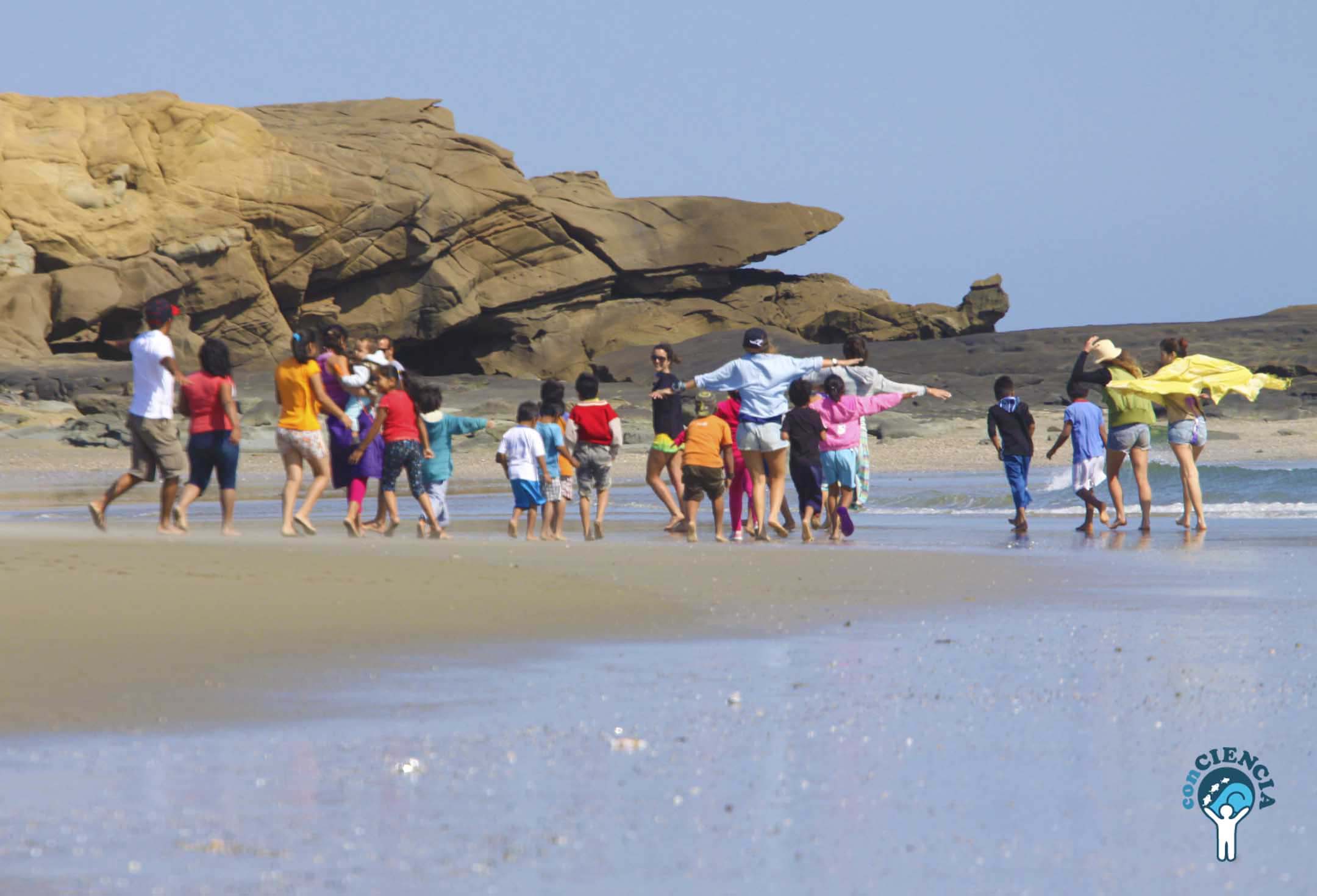
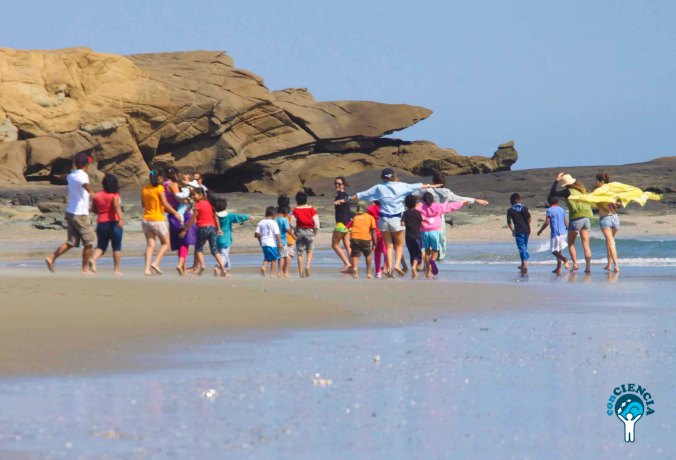
“Live in the sunshine, swim the sea, drink the wild air.” Alejandra Benavides/conCIENCIA

Working for the balance and health of nature as a conservation biologist brought me to understand the importance of nature in the balance and health of communities. The great gap between the two inspired me to establish conCIENCIA, a nature-based education design program. We build environmental identity in fishing villages across Peru through nature-based integrated learning guided by play, creativity, curiosity and the senses.
As First Mermaid in conCIENCIA, I work with an amazing group of artists and scientist, to connect coastal children to the natural wonderland, since 2010.

Lobitos has some of the most beautiful beaches on the Peruvian coast. Its world-class surfing draws hundreds of surfers from all over the planet and is known far and wide. A lesser-known fact is that it also has 153 children enrolled in its elementary school. Walking down the beach we wonder where these kids are. We walk from point to point with not one in sight. There’s no laughter or splashing on the shores. Surfers and fishermen dominate our view. No mothers and children sharing the democratic fun the beach offers: a place with more attractions than we could ever finish exploring.

In Latin American cities like Rio de Janeiro it is on the beach that rich and poor meet, crossing the giant social chasm that separates them, virtually identical in their bathing suits, covered in sand, sweat and salt. Surprisingly, this doesn’t seem to be the case in many of Peru’s coastal towns. Exactly why is hard to say. Our NGO conCIENCIA helps coastal communities develop an environmental identity and engagement through outdoor science-based learning. We hope to be able to answer the question ‘why’ through surveys, conversation and appreciation.

On the surface one could say it is cultural.  Fishermen don’t bathe in the sea or lounge on the beach. This is their place of work, as for a New Yorker her office would be–of course, with greater hardships and demands. The sea is treacherous and fish stock is dwindling. Continue reading

Designing With Imperfection In Mind


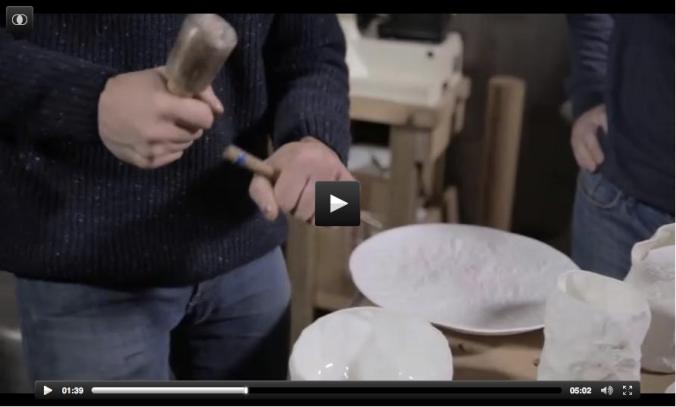
Raxa Collective’s social enterprise initiatives, its entrepreneurial conservation projects, its hospitality services–pretty much anything we do can approach perfection on a great day but we are always mindful of being human.  We are competitive but never boast. Humility is important. We strive for design excellence but know that beauty is in the eye of the beholder. So, we emphasize our commitment to artisan ethos. Spend five minutes with the designer in this video (click above to go to the Guardian’s website where the video is based) to see and hear someone in a completely different field whose views we can very much relate to.  Go here to read what he says about it and to see the entire collection:

Crockery
Fine bone china tableware. Made in Staffordshire, England.

A collection of fine bone china tableware slip-cast from plaster models carved by hand, with glazed interior for functionality and raw exterior reflecting the modest surface texture of the plaster original. Continue reading

If You Happen To Be In Middlebury (Vermont, USA)

Mostly, when we have been thinking of Middlebury lately, it has been in relation to the College there, and one of its favorite sons.  But there are plenty of other reasons for a visit:

InSite is a home for local living. Our design was inspired by our hometown of Middlebury, VT where the community is friendly, approachable, and engaging. Team Middlebury believes that towns such as ours can contribute to social, economic, and environmental sustainability. Continue reading

Note To Self: Explore

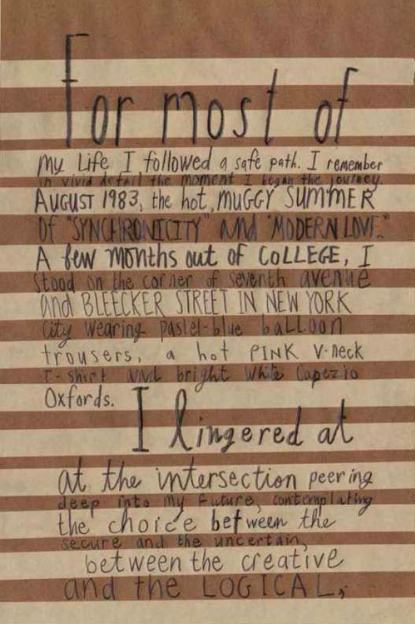
Thanks to the team at exp,lore.com, and hopefully by clicking the image above you will always be able to find the series of handwritten texts described here:

The seasonal trope of the commencement address is upon us as wisdom on life is being dispensed from graduation podiums around the world. After Greil Marcus’s meditation on the essence of art and Neil Gaiman’s counsel on the creative life, here comes a heartening speech by artiststrategist, and interviewer extraordinaire Debbie Millman, delivered to the graduating class at San Jose State University. Continue reading

Velankanni Matha Church, Pattumala

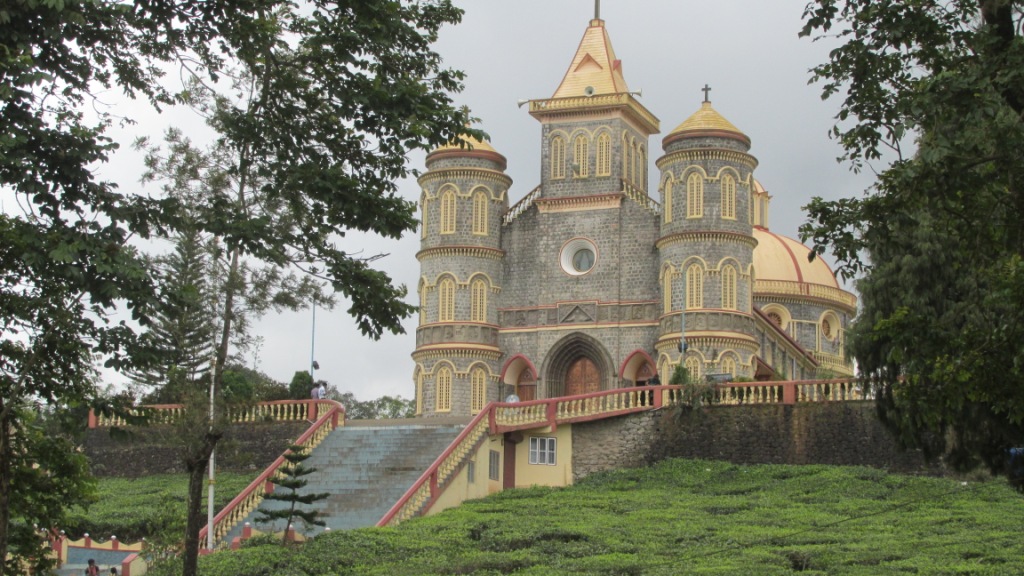
Pattumala is a picturesque place with an unending expanse of lush green tea plantations along the Thekkady-Kottayam Route near to Vandi Periyar. The main attraction of the area is the Velankanni Matha Church, a structure built in granite that has become a famous pilgrimage spot. Continue reading