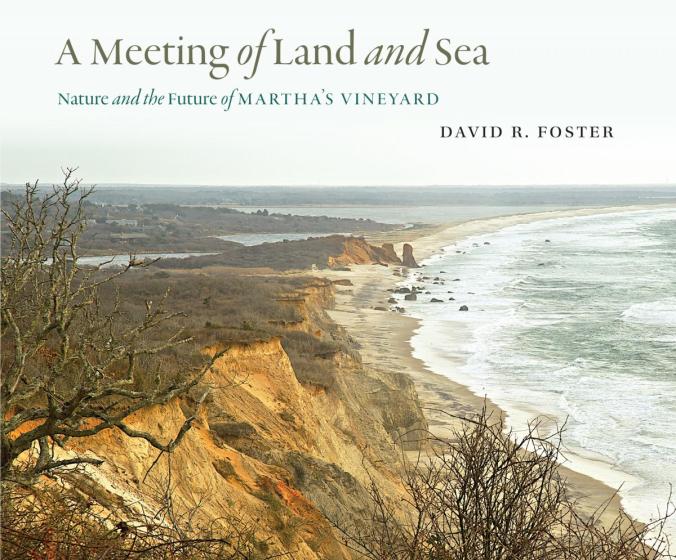
Whether or not you have been to Martha’s Vineyard, if you have been through our pages at all you will understand how this excerpt from the above book captures our attention and why we are interesting in tracking it down for a closer look:
The Vineyard landscape is distinct in many ways — most notably in land values, pace of development toward full build-out, the assemblages of plants and animals, and past success in land protection — but it typifies many qualities of Massachusetts and the greater New England region, including their conservation challenges. They share the history of agricultural and woodlot land use, the ongoing growth of their forests, the tension among farmed, open, and wooded lands, the relentless sprawl of development, the fragmentation of the land by many small, private landownerships, and the looming threats from climate change, sea level rise, insect outbreaks, and other stresses. Nevertheless, the Vineyard has put itself into a particularly strong position to address the looming challenges due to its expansive breadth of conserved lands, its forward-looking and Island-wide planning efforts and knowledge base about the landscape, and the capacity for ongoing land protection and stewardship. Continue reading











 Organikos