Changing Values For Anglers

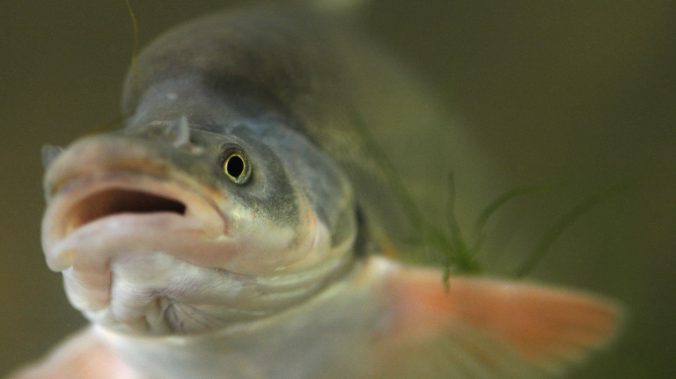
AZGFD-GeorgeAndrejko-Humpback8-e1476823079410-1260x708.jpg

Humpback chub. Photo © George Andrejko, Arizona Game and Fish Department

We appreciate the perspective Mr. Williams brings to the story:

Recovery: Humpback Chubs, New Values and New Hope for Endangered Native Fish

BY TED WILLIAMS

There are “undesirable fish,” “rough fish,” and “trash fish.” Humpback chubs, native to the turbulent, turbid water of the Colorado River system, are all three. They compete with nonnative gamefish like brown trout from Europe and rainbow trout for the Pacific Northwest. If you catch a humpback chub, you should squeeze it and toss it into the bushesSuch was the counsel I and my fellow anglers received from our elders and the fisheries management establishment until the 1970s. Continue reading

Returning Rivers To Their Natural State

25dam2-superjumbo

A view of the Milford Dam. After the removal of two large dams downriver, the Milford Dam is now the first barrier fish face when ascending the Penobscot River. Credit Murray Carpenter

We are thrilled to read about the rivers getting their groove back:

Taking Down Dams and Letting the Fish Flow

By

BANGOR, Me. — Joseph Zydlewski, a research biologist with the Maine Cooperative Fish and Wildlife Research Unit of the United States Geological Survey, drifted in a boat on the Penobscot River, listening to a crackling radio receiver. The staccato clicks told him that one of the shad that his team had outfitted with a transmitter was swimming somewhere below.

Shad, alewives, blueback herring and other migratory fish once were plentiful on the Penobscot. “Seven thousand shad and one hundred barrels of alewives were taken at one haul of the seine,” in May 1827, according to one historian. Continue reading

Amboli’s Abundant Birdlife

We wouldn’t be true to one of our core interests if we didn’t take birding into account while doing our reconnaissance of the natural and cultural activities surrounding Aarvli.

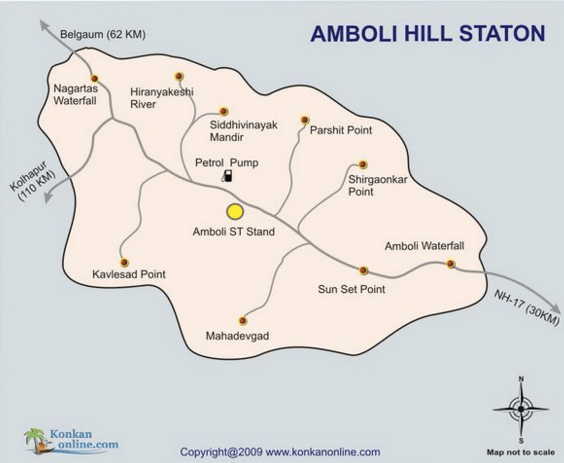
Crist’s trip to the Amboli Reserve earlier in the week was one such visit. A quick search of eBird hotspots turned up Amboli Village (with a count of 116 species) and  Amboli Forest (with a count of 65 species). The map above gives a brief sense of the multiple look out points that could prove to be excellent birding opportunities.  Continue reading

Bees, Status, Survival Of The Fitted

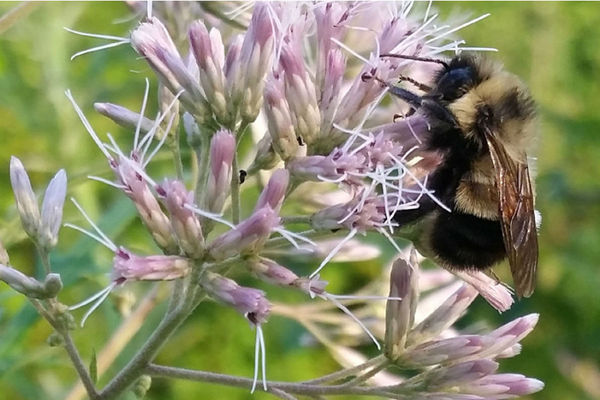
1004542_1_0922-bumble-bee_standard

A rusty patched bumble bee, under consideration for listing as an endangered species by the US Fish and Wildlife Service, pollinates a flower in Madison, Wis. Rich Hatfield/Reuters/File

The CS Monitor has an article today that raises an interesting question, whether the same rules that have worked well for eagles, owls, fish, wolves and bears (among other animal species) would be effective for the humble bumble bee and other similar creatures. We see a very good fit between the problem, which we have noted here frequently, and the solution, whose track record is not perfect but it is clearly the best mechanism we’ve got:

Could putting a bumble bee on the endangered list save it?

By Weston Williams

The past several years have not been kind to the humble bee.

But perhaps none suffer more than the rusty patched bumble bee, orBombus affinis, a fuzzy insect with a rust-colored patch on its abdomen. The bee used to be a common sight across the Midwestern United States, but now, the bee struggles to survive in a habitat broken apart by increased farming and commercial development.

The US Fish and Wildlife Service (FWS) is proposing to list the bee as endangered, which would grant it significant protections and hopefully save the bee from extinction. Continue reading

The Man Behind The Hidden Life of Trees

3648

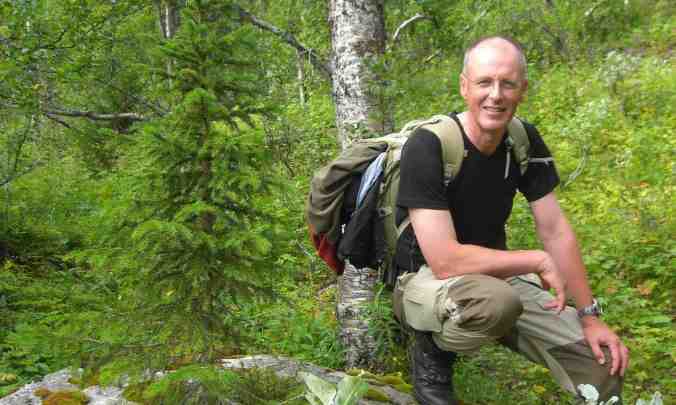
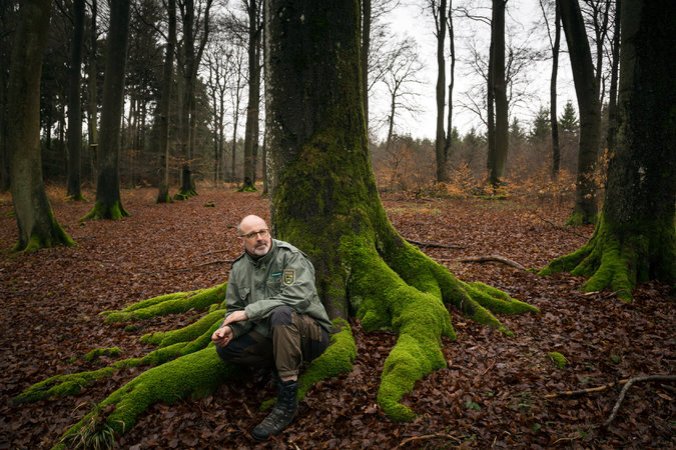
Trees a crowd … Peter Wohlleben and friends. Photograph: Peter Wohlleben

9781771642484The man who thinks trees talk to each other

Beech trees are bullies and willows are loners, says forester Peter Wohlleben, author of a new book claiming that trees have personalities and communicate via a below-ground ‘woodwide web’

Early this year I linked out to a profile of Peter Wohlleben, and that post was remarkably well received. The post about the woodwide web concept more recently, clearly connected conceptually, was also well received, while pointing to the findings of other researchers (if you did not listen to the Radio Lab piece, do yourself a favor and do so). I am happy to link to more about the ideas in this book, and to learn more about the man himself:

Trees have friends, feel loneliness, scream with pain and communicate underground via the “woodwide web”. Some act as parents and good neighbours. Others do more than just throw shade – they’re brutal bullies to rival species. The young ones take risks with their drinking and leaf-dropping then remember the hard lessons from their mistakes. It’s a hard-knock life.

Continue reading

From A Favorite Trouble-Maker

591.jpg

‘We see the effects of warming on land: the floods, the droughts, the refugees headed towards temporary safety.’ Photograph: Malcolm Francis/NIWA

Please click here so that credit goes to the source for this editorial by one of the thinkers we regularly turn to, one of our favorite sources of reminder to take action:

So, just as a refresher, it’s always good to remember that we live on an ocean planet. Most of the Earth’s surface is salt water, studded with the large islands we call continents.

It’s worth recalling this small fact – which can slip our minds, since we humans congregate on the patches of dry ground – because new data shows just how profoundly we’re messing with those seven seas. The International Union for the Conservation of Nature has published an extensive study concluding that the runaway heating of the oceans is “the greatest hidden challenge of our generation”. Continue reading

Case for Human Settlement Enhancing Ecosystems

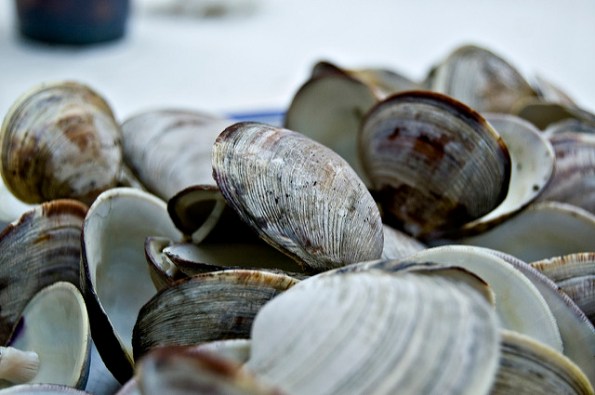
clamshells

Source: conservationmagazine.org

A recent scientific publication in Nature Communications enlightens us to the possibility that human settlement does not always equate to land degradation, and in some cases, improves the local ecology. Here’s the results of the study as shared in Conservation Magazine:

Researchers studied temperate rainforest on Calvert and Hecate islands, off the central coast of British Columbia, Canada. This forest is very wet, receiving an average of 4 meters of rainfall a year, and has acidic, nutrient-poor soils. The dominant tree species is western redcedar (Thuja plicata).

The coastline is also dotted with semi-permanent settlements where First Nations groups, as indigenous people are known in Canada, lived seasonally or year-round. Especially over the past 6,000 years, people intensively harvested shellfish from intertidal areas and built up large shell middens—some up to 5 meters deep—near their settlements.

Continue reading

Horseshoe Crabs in the Delaware Bay

Horseshoe crabs coming ashore in Delaware Bay © Gregory Breese/USFWS

We’ve posted about them before, but did you know that horseshoe crab blood is not only a powder blue color, but also is used in the medical industry to detect any trace of bacterial contamination in humans, even if that infection is only one part per trillion?  And that they are more closely related to scorpions than true crabs? Or that they’ve been having the longest-running mass-breeding efforts on the planet, given that they haven’t changed much in hundreds of millions of years? Marah Hardt writes for The Nature Conservancy on the importance of these crawling Chelicerates to their ecosystem:

The lapping waves and silent dunes of the Delaware Bay shoreline create a perfect backdrop for a moonlit summer stroll. But a few weeks ago, this beach was not nearly so quiet. Instead, the silver light of the full moon shone upon jostling crowds of horseshoe crabs.

“If the crabs were rocks,” says Moses Katkowski, marine conservation coordinator with The Nature Conservancy, “you could walk on their backs the entire stretch of beach and never touch the sand.”

Continue reading

“Kissing” Corals

Source discovermagazine.com

You don’t have to be a romantic to appreciate the underwater rainbow canvas that is a coral reef and marvel at the fact that these organisms have been spotted exchanging an underwater embrace, a behavior researchers have termed “polyp kissing.”

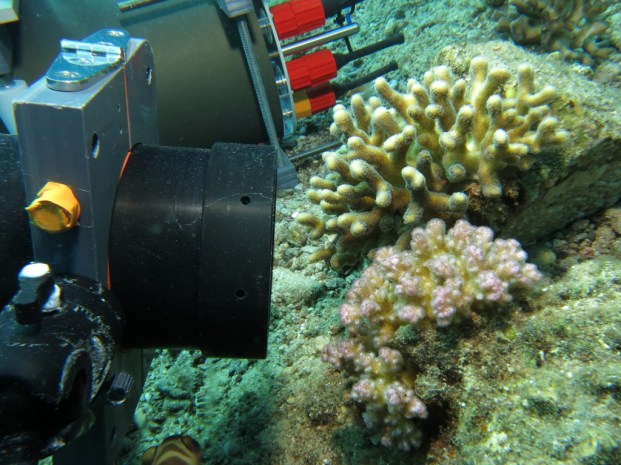
A first-of-its-kind underwater microscope that can observe coral polyps at resolutions of up to 2 micrometers while still remaining a safe distance away allowed marine biologists to watch coral behavior in real time. Not only did they see two species of coral fighting for territory (a previously observed behavior), but also two corals entwine their gastrovascular openings in the act of “polyp kissing” (a previously unknown behavior). Continue reading

Lionfish Removal and Awareness Day Festival


Photo credit: Erin Spencer

Photo credit: Erin Spencer

I’ve posted previously about the lionfish invasion that is threatening coral reef and other marine ecosystems throughout the Caribbean, Gulf of Mexico, and Southern Atlantic Seaboard of the United States. As I’ve noted in earlier posts, it is the general consensus of the scientific and conservation community that eradication of lionfish from the Atlantic is impossible. However, there is growing evidence that systematic removal efforts can be effective in controlling lionfish populations and in reversing their negative impact on reef health. The challenge faced by marine protection agencies and marine resource managers is how to undertake these removals on a regular and financially sustainable basis. I’m convinced that this challenge can best be met by an integrated approach involving coordinated action by public and private actors complemented by the creation of markets for lionfish products.

All of these elements were in evidence at the Lionfish Removal and Awareness Day festival in Pensacola, Florida which I attended last month. Organized by the Florida Fish and Wildlife Conservation Commission (FWC), the two-day event included a lionfish derby (with more than 8,000 lionfish removed by volunteer divers), lectures about the invasion and the threat that it poses, lionfish cooking and tasting, and sale of lionfish products.

Notable among the sponsors of the event was Whole Foods, which had announced a few weeks earlier that it was going to begin selling lionfish at its stores in California and Florida. The move by whole foods was sparked by the decision late last year of Monterey Aquarium’s Seafood Watch program to list lionfish as a best choice under its sustainable seafood recommendations, citing the invasive nature of the species. As I had noted in a previous post, Seafood Watch had previously declined to list lionfish due to the absence of an established commercial fishery, but to their credit, the group responded to what they described as a “grassroots campaign” and revisited the issue. Moreover, since taking the decision to list lionfish, Seafood Watch has been active in raising awareness about the invasion and in promoting lionfish consumption. Continue reading

Ecosystem Services in Paris Agreement

We’ve reviewed ecosystem services several times over the years, including payment for them, the potential for ecotourism as a service, and we’re glad to read that the idea is becoming popular again with the new Paris Agreement. Kelly Barnett reports for GreenBiz, starting with coverage on the Adaptation Futures conference in Rotterdam:

In just three days here, roughly 40 presentations focused on the subject of “ecosystems and ecosystem based-adaptation,” and they focused on everything from the restoration of salt marshes that protect coastal communities from rising tides to the protection of Brazil’s Atlantic Forest, which supports a massive agricultural economy.

The event comes just two weeks after Earth Day, when 175 countries signed the Paris Agreement to combat climate change   in part by “ensuring the integrity of all ecosystems, including oceans, and the protection of biodiversity, recognized by some cultures as Mother Earth.”

Continue reading

Cacti in Trouble from Collectors

Mammillaria herrerae. Photo © Jardín Botánico Regional de Cadereyta

While we have amateur ornithologists, herpetologists, mycologists, and entomologists who contribute to this blog, we haven’t had many botanists around, and therefore we learned something new today about cacti: they’re a group of plants that’s only present in the Americas, apart from one species that grows in Madagascar, Sri Lanka, and South Africa. We also read some bad news from a Cool Green Science blog post by Christine Peterson, which is that 31% of cacti species have a threatened status, a terribly high proportion. Peterson writes,

The smugglers carried their tiny prizes tucked away in suitcases of jalapeños and dirty laundry. The spicy fruit was supposed to deflect inspections. Perhaps they thought the dirty laundry would do the same. Another rare item sat nestled in a new box of Uncle Ben’s Rice. Russians had a hard time finding Uncle Ben’s Rice back home, says Nicholas Chavez, Special Agent in charge of the Southwest Region for the U.S. Fish and Wildlife Service.

From the Los Angeles airport, the six Russian men weren’t carrying precious art or poached ivory. They were smuggling cacti stolen from National Parks and Indian Reservations. Some of the cacti they had were labeled appendix two, which means they aren’t currently “threatened with extinction but may become so unless trade is closely controlled,” according to the Convention on International Trade in Endangered Species of Wild Fauna and Flora.

Continue reading

The Sound of Silence

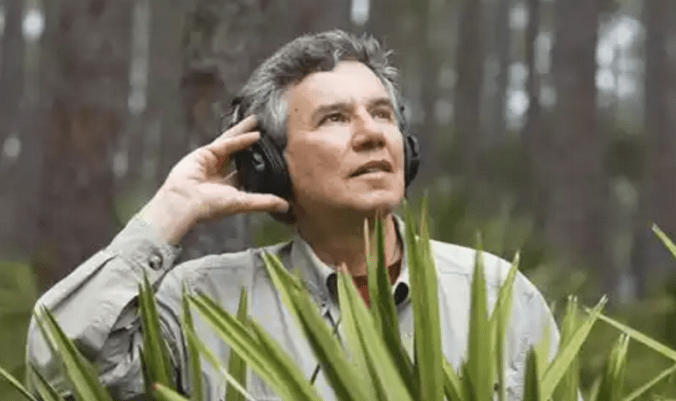
Musician and naturalist Bernie Krause has spent 40 years recording over 15,000 species in many of the world's pristine habitats. Photograph: Courtesy of Hachette Book Group

Musician and naturalist Bernie Krause has spent 40 years recording over 15,000 species in many of the world’s pristine habitats. Photograph: Courtesy of Hachette Book Group

For many of us, part of the joy of a walk in the woods is the range of senses engaged. The wind rustling through the trees is enhanced by the diversity of the creatures that call that ecosystem home. But with habitat loss due to either changing climate or other human impact. many of the sounds heard for millennia are falling silent.

Bernie Krause has spent his life archiving these sounds. They’re worth more than just a listen. They’re a call to action.

When musician and naturalist Bernie Krause drops his microphones into the pristine coral reef waters of Fiji, he picks up a raucous mix of sighs, beats, glissandos, cries, groans, tones, grunts, beats and clicks.

The water pulsates with the sound of creatures vying for acoustic bandwidth. He hears crustaceans, parrot fish, anemones, wrasses, sharks, shrimps, puffers and surgeonfish. Some gnash their teeth, others use their bladders or tails to make sound. Sea anemones grunt and belch. Every creature on the reef makes its own sound.

But half a mile away, where the same reef is badly damaged, he can only pick up the sound of waves and a few snapping shrimp. It is, he says, the desolate sound of extinction. Continue reading

Desert Gold in Death Valley

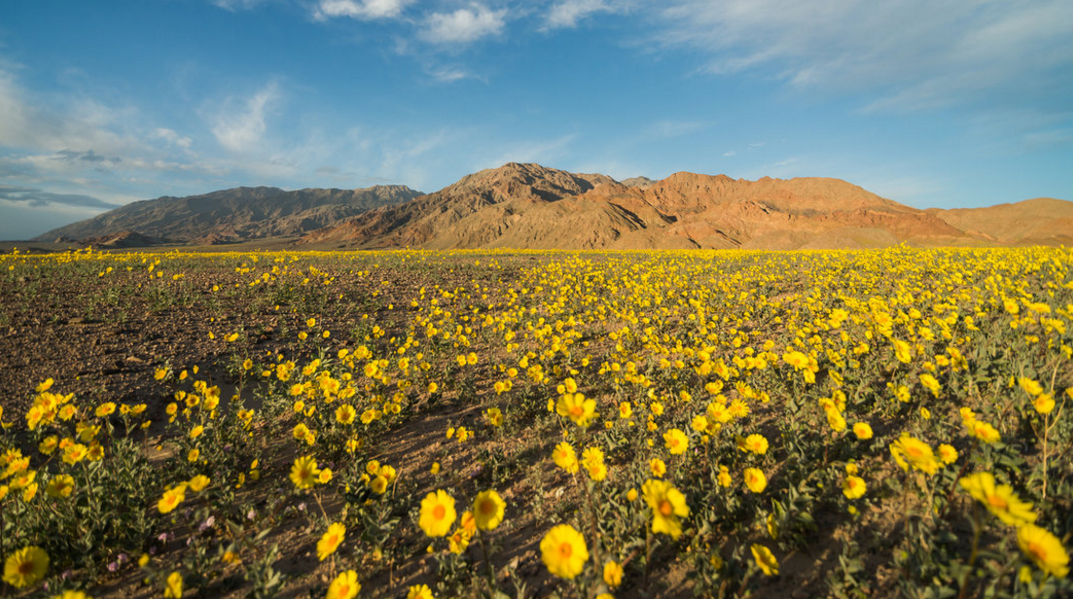
The primary threads in the floral carpet are yellow — the most common flower is called Desert Gold, which looks like a yellow daisy. Credit National Park Service

The primary threads in the floral carpet are yellow — the most common flower is called Desert Gold, which looks like a yellow daisy. Credit National Park Service

One of the most evocatively named US National Parks, Death Valley is currently awash in color due to record-breaking autumn rains. The impact of water on one of the driest places on earth is stunning, with carpets of flowers blooming from the latent seeds that remain dormant for years in the dry, crusty soil.


Find more images in the NYTimes Science feature, and via the National Park Service.

Reimagining Trees

TREES-master675

“When I say, ‘Trees suckle their children,’ everyone knows immediately what I mean.” PETER WOHLLEBEN Credit Gordon Welters for The New York Times

There is an article in the Saturday Profile section of the New York Times this weekend that catches my attention for reasons made obvious in these pages since 2011. Thousands of posts about community, collaboration and conservation, many of which have dealt with the importance of forests. But it most importantly reminded me of a conversation I had with a couple who visited Xandari Costa Rica last year. We had trekked together in the forest reserve, all the while discussing our mutual interest in the concept of biophilia, which has been covered plenty in these pages.

Among other things I recall from that strolling conversation was each of us sharing experiences from years earlier that had caused us to rethink the simple pleasure of a walk in the woods, to consider “what a walk in the woods does for us.” Of course, the simple pleasure is still there, but understanding biophilia can intensify the pleasure of a walk in the woods. And then, if we take it a step further, or deeper, it then causes us to consider the importance of forest conservation, and our prospective roles with regard to conservation.

Those conversations with guests are essential components of our work, so (shout out to Andrew and Holly included) I recommend this article for reminding me…:

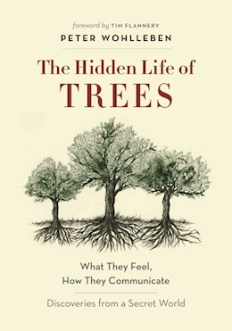
…After the publication in May of Mr. Wohlleben’s book, a surprise hit titled “The Hidden Life of Trees: What They Feel, How They Communicate — Discoveries From a Secret World,” the German forest is back in the spotlight. Since it first topped best-seller lists last year, Mr. Wohlleben has been spending more time on the media trail and less on the forest variety, making the case for a popular reimagination of trees, which, he says, contemporary society tends to look at as “organic robots” designed to produce oxygen and wood. Continue reading

TNC: Prairie Restoration with Wild Seeds

closeup_of_baldwin27s_ironweed2c_a_common_tallgrass_prairie_plant_seen_on_the_konza_prairie2c_12c000_acres_of_virgin-_-_nara_-_557190

Closeup of Baldwin’s Ironweed, a common tallgrass prairie plant, by Patricia D. Duncan via WikiMedia Commons. 1974.

The word “restoration” might bring to mind an artistic connotation of preservation and repair, as in a World Heritage Site, but lately where we’ve seen it the most is in an ecological sense: whether it’s wildlife in a forest, algae control in wetlands, or coral health in the oceans. Whole landscapes can be restored to an extent, as in the case of Tianjin, China, where forests and wetlands are being rebuilt while also studying the effectivity of different strategies.

That’s part of what The Nature Conservancy has been doing in the prairies of Minnesota, rebuilding the diverse grasses that used to exist in a landscape that was fragmented and degraded by huge farms during the last century. Justin Meissen and Meredith Cornett, two of the co-authors on a paper recently published in Restoration Ecology, report for the TNC blog:

Glacial Ridge is truly huge — at ~36,700 acres it’s one of the few places on Earth where you can look to all horizons and experience what early American pioneers once called the “sea of grass.”

But it wasn’t always like this. Only a few years ago Glacial Ridge was a patchwork of mostly farm land and a few prairie remnants. So what was the Nature Conservancy’s prescription for bringing this massive landscape back to life? Seeds — lots of seeds.

Continue reading

Visual Memories From Borneo

Sea Nomads

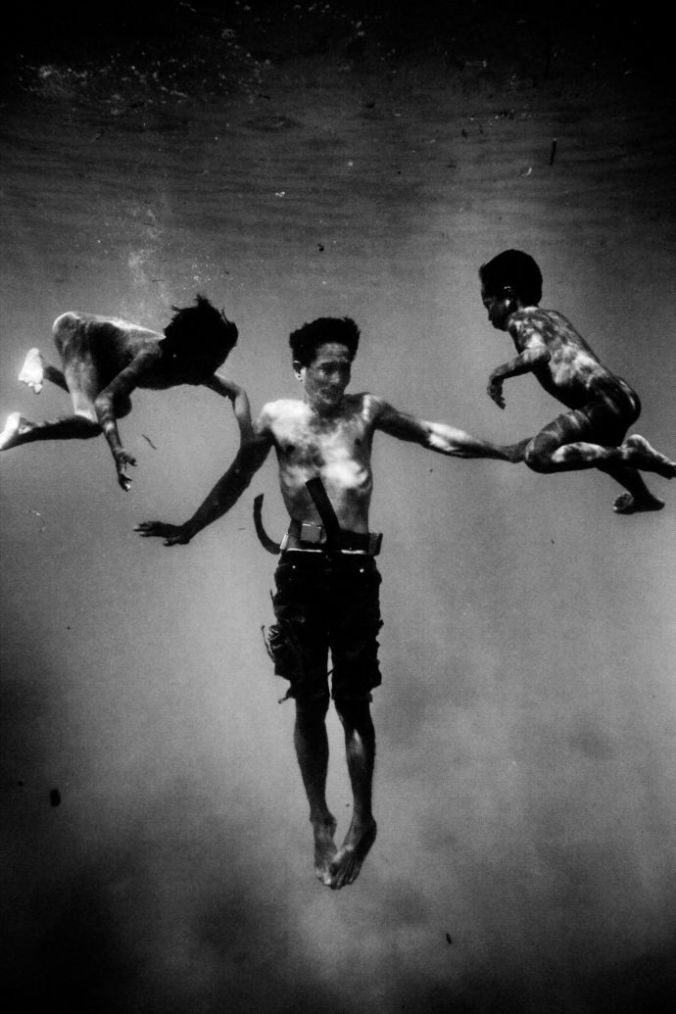
A group of Sea Badjao are photographed in Denawan Island, Borneo. Malaysia.

Raxa Collective was invited in 2014 to scout a location for a new conservation project in Borneo, and the Sea Badjao were among the most important cultural features of the island locations being scouted. The scouting resulted in a “pending” return plan, and for sometimes pending implies years (as in this case) so all we can say at the moment is that this item reminds us:

For hundreds of years, nomadic groups known as Badjao have lived on boats in the waters of Southeast Asia, heading to shore only to trade or to take shelter from threatening weather. They are free-diving fishers by tradition, swimming many metres underwater, without equipment, to harvest seafood and pearls off the ocean floor. It is only in the past few generations, facing rising costs and reduced seafood catch, as well as myriad other threats, from extreme weather to pirates, that Badjao families have settled in fixed communities. Living in homes near the water or perched above it, on stilts set into old coral reefs, they have undertaken a slow and difficult transition to modern life. Continue reading

The Dilution Effect

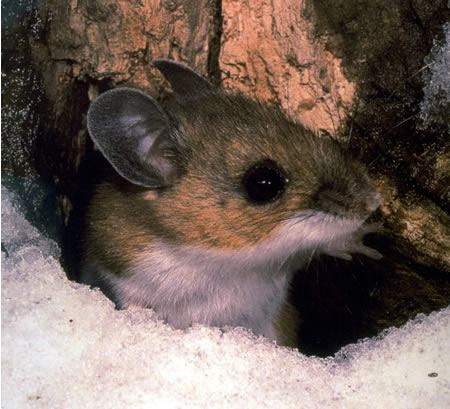
Deer mouse photo by National Park Service, via Wikimedia Commons

We should all be concerned with animal diseases, especially if those pathogens have the potential to become zoonotic, or transmittable to human beings. And if you agree that biodiversity is one of Earth’s great treasures and essential to the health of its ecosystems, then it won’t come as a surprise to hear that there seems to be a link between a habitat’s biodiversity and fewer zoonotic diseases in the respective area.

This situation is known as the dilution effect in epidemiology, and Jason Goldman reports for University of Washington’s Conservation Magazine on the case of a certain hantavirus (which is a zoonotic virus carried by rodents) studied within deer mice in Utah:

Deer mice are the natural hosts for the Sin Nombre hantavirus, or SNV. When contracted by humans, the virus can lead to the sometimes fatal Hantavirus Pulmonary Syndrome.

To test the dilution effect in a deer mouse population, the researchers trapped 155 of the rodents on BLM land in Juab County, Utah, and implanted small microchips inside them. They also took a small blood sample to test for SNV infection. Then they distributed an array of feeding trays in the desert, half in areas of high biodiversity and half in areas of low biodiversity.


Continue reading

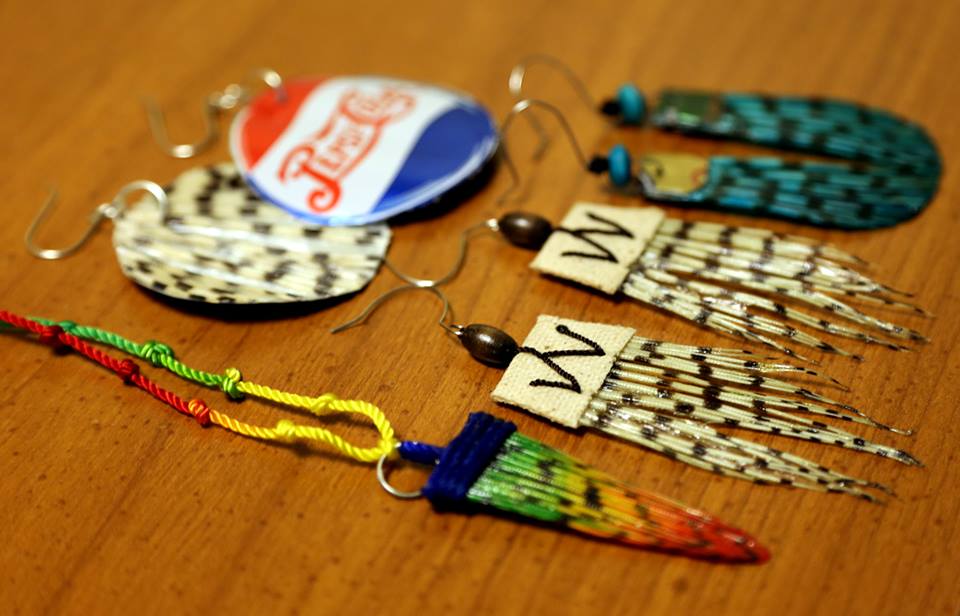
Lionfish Jewelry Update – Caribbean Gulf and Fisheries Institute Conference

I’ve posted previously about the emergence of lionfish jewelry as one of several market-based approaches to controlling the invasion of this non-native species which poses an unprecedented threat to marine ecosystems in the Western Atlantic.

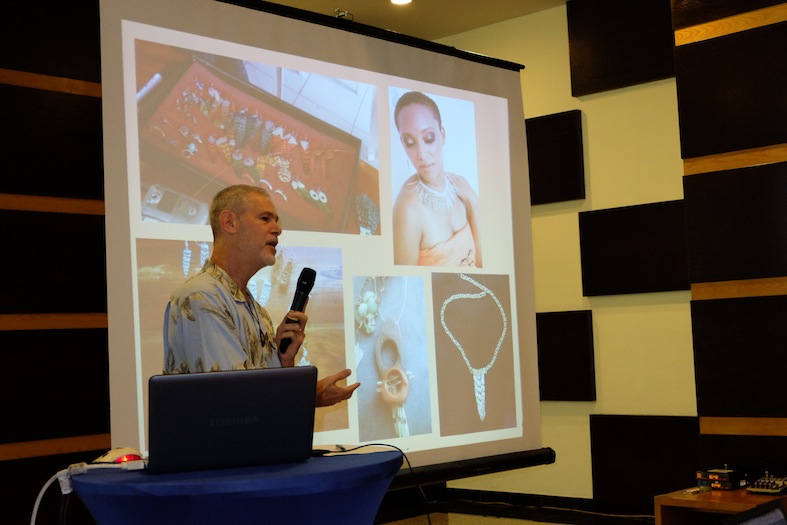
Last month I had the opportunity to make a presentation on lionfish jewelry at a special workshop on lionfish management that was held during the annual conference of the Gulf and Caribbean Fisheries Institute, in Panama. The conference program also included a full-day lionfish research symposium and a lionfish research poster session, both of which gave me an opportunity to learn more about the science aspects of the lionfish invasion and some of the latest findings on lionfish biology and behavior and to meet some of the leading researchers on these subjects.

The lionfish management workshop, which was organized by the United Nations Environment Program’s Caribbean Regional Activity Center on Specially Protected Areas and Wildlife (SPAW-RC) and the International Coral Reef Initiative (ICRI), brought together marine scientists, managers of marine protected areas, fishermen, and representatives of international organizations to share experiences and lessons learned with respect to strategies for controlling the invasion. Continue reading

Nature’s Waste Management Powerhouse

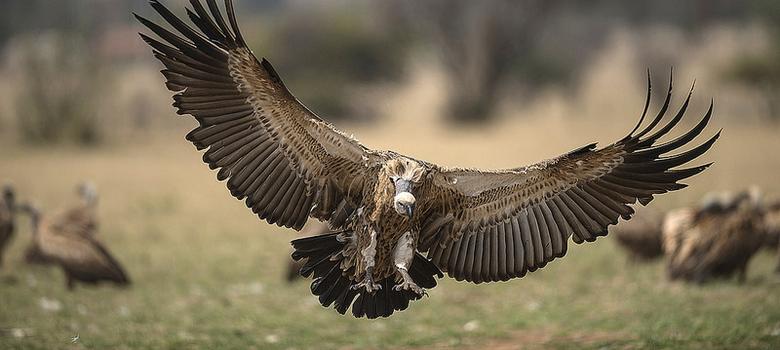
69% of vulture and condor species are listed as threatened or near-threatened, most of which are classed as “endangered” or “critically endangered”.

69% of vulture and condor species are listed as threatened or near-threatened, most of which are classed as “endangered” or “critically endangered”. PHOTO: Mujahid Safodien

Vultures play an important role in the ecosystem by consuming animal carcasses, which helps prevent the spread of disease. The cinereous vulture (Aegypius monachus), the largest bird of prey is distributed throughout Eurasia and is an iconic bird in the Far East. Its population is estimated to number 7,200–10,000 pairs globally, with 5,500–8,000 pairs residing in Asia. Over the past two centuries, its numbers have declined across most of its range leading to this species being classified as ‘near threatened’ on the International Union for Conservation of Nature (IUCN) Red List.

Continue reading