Pro-Environment Posters For WWF’s March 29 Earth Hour Initiative

Walk the Walk by Marina Willer for 29 Posters for the Planet

Walk the Walk by Marina Willer for 29 Posters for the Planet

We appreciate collaborative efforts to raise awareness about environmental issues, especially when they come from places where the focus is not normally on conservation. Design agencies are generally designed to sell more stuff. Publishers are generally designed to use ex-trees to communicate stuff. But some designers are on the other side of the consumer behavior-influencing fence. And some publishers use those ex-trees to publicize a more tree-centric future.  Ethics sometimes prevail over ambition. Education sometimes jumps the line.

Professional communities–whether design firms, publishers, hotel companies or take your pick–all have latent collective action lurking in their futures. We hope nature and culture are the beneficiaries. Thanks in particular at this moment to publisher Phaidon, which is in itself worthy of a post on its series of environmentally-friendly books and initiatives, for bringing this initiative of design firm Pentagram to our attention:

Pentagram’s carbon free foot print

Design agency works with Do The Green Thing charity on environmentally friendly posters

The gulf between our high-consumption lifestyles and the kind of sustainable world many of us hope to inhabit is vast. Yet the changes that could take us there aren’t unthinkable, as our recent book, The World We Made, makes clear. Continue reading

If You Happen To Be In Denver

We are always on the lookout for more information about counter-intuitive relationships between various communities of outdoor enthusiasts–including those involving people with guns, bows & arrows, and fishing rods–and their collaboration with/as conservationists. An op-ed article today on the Atlantic‘s website, by Tovar Cerulli, got us thinking about posting something we would title “Hunters, Anglers, Conservationists:”

For many environmentalists, the word “hunter” suggests a mindless brute, an enemy of nature who loves guns, kills for fun, and cares nothing for biodiversity or ecological integrity. For many hunters, the word “environmentalist” suggests a self-righteous tree-hugger, an enemy of freedom who hates guns, has no respect for hunting, and imagines nature as a Disney-like fantasyland where humans should not tread.

Though these stereotypes contain grains of truth, hunters and environmentalists aren’t as separate as many imagine. The Nature Conservancy counts many hunters among its members and staff and works closely with hunting-conservation organizations. Likewise, Pheasants Forever has thousands of non-hunting members who appreciate the organization’s work on behalf of native prairie habitats, wetlands, butterflies, and clean water.

Then we clicked through his byline to see that he is affiliated with this organization that is hosting an event this weekend in Denver and decided this would make a more interesting post: Continue reading

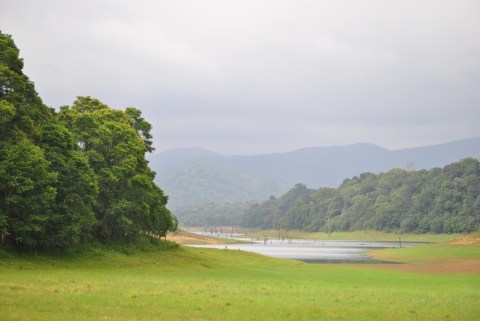
Periyar Tiger Reserve

Photo credits : Vijay Mampally

Photo credits: Vijay Mampally

The Periyar Tiger Reserve is one of the major wildlife sanctuaries in India. It is home to elephants, wild gaur, leopards, wild boar, deer, and of course tigers, in addition to over 300 species of birds, a dazzling variety of butterflies, and plenty of reptiles and amphibians. Continue reading

Community, Collaboration, And Gran Chaco Conservation

This slideshow requires JavaScript.

In about 10 minutes, this National Geographic video gives a great primer on why you should care about the conservation of one of the planet’s largest intact ecosystems, with a storyline focused on community and collaboration.

South America’s Gran Chaco region spans a complex mix of land, climates, and species. National Geographic Emerging Explorer and conservation biologist Erika Cuellar shares her passion and know-how with the people who live there to protect their natural treasure from unsustainable development.

Calling On Solomon In A Birds-Versus-Science Conundrum

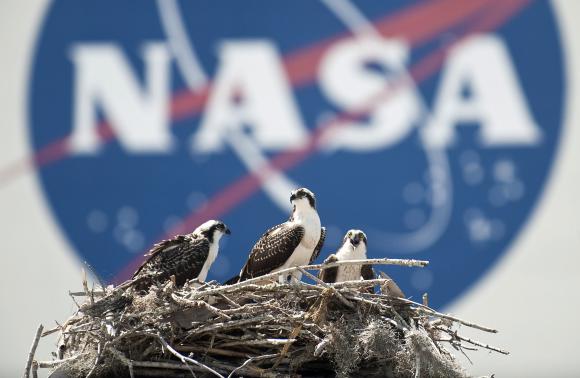
A family of Osprey are seen outside the NASA Kennedy Space Center Vehicle Assembly Building in Cape Canaveral, Florida in this file photo taken May 13, 2010. CREDIT: REUTERS, BILL INGALLS, NASA/HANDOUT/FILES

A family of Osprey are seen outside the NASA Kennedy Space Center Vehicle Assembly Building in Cape Canaveral, Florida in this file photo taken May 13, 2010. CREDIT: REUTERS, BILL INGALLS, NASA

Anyone who has been following Raxa Collective’s blog for more than a day is probably aware that we pay close attention to birds.  We do this because many of the places where we operate conservation-focused lodging are also exceptionally biodiverse bird habitats. Most of the travelers who visit our properties are at least interested in birds, and many are serious bird-watchers. But we also pay attention to birds for the same reason we pay attention to science in general: they are an indicator of the health of our planet and we want to both pay attention to the indicators and understand them better. Science matters. So, in general, we are NASA fans.  But the story here makes us wonder what Solomon’s wisdom might advise:

Florida’s plan to build a commercial space launch complex in a federal wildlife refuge surrounding the Kennedy Space Center drew sharp words from environmentalists and strong support from business boosters during the project’s first public hearing on Tuesday.

Advocates say the proposed spaceport is needed to retain and expand Florida’s aerospace industry, which lost about 8,000 NASA and civilian jobs after the shutdown of the space shuttle program in 2011.

Opponents of the plan to carve out about 200 acres from the 140,000-acre (57,000-hectare) Merritt Island National Wildlife Refuge cite concerns over protecting the refuge’s water, seashore, plants and wildlife, which include 18 federally listed endangered species. Continue reading

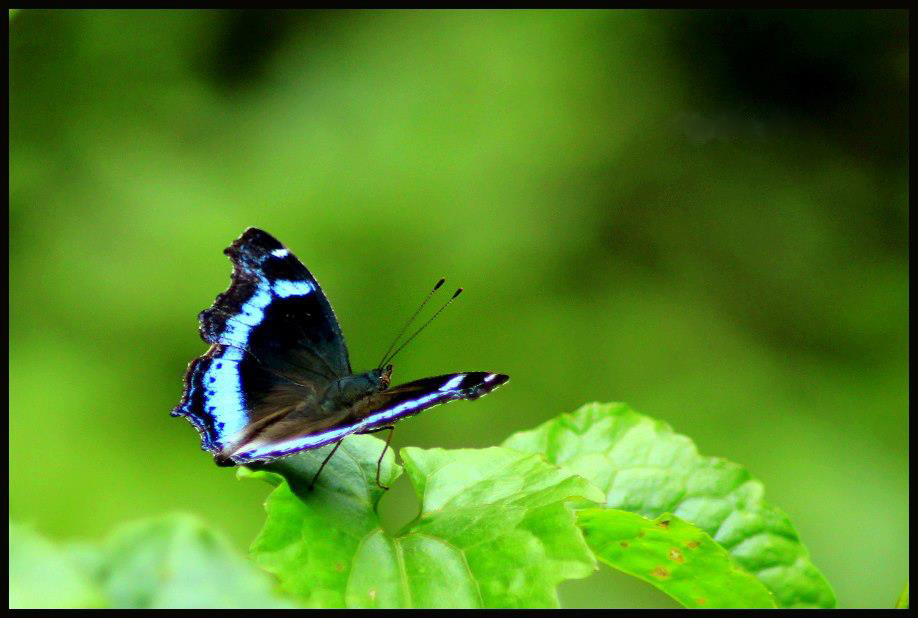
Kerala Butterflies – Blue Admiral

Photo credits : Aparna P

Photo credits: Aparna P

The Blue Admiral butterfly, Kaniska canace, is a colourful butterfly commonly found in the hills of  Southern India up to 2500m above sea level. Usually solitary, this butterfly is blackish blue with shining silvery blue bands across the outer edge of the wings. These butterflies fly close to ground, preferring to be near water, forest openings and paths.

Grid Growth Gazing

(Thinkstock) Is there anywhere left on Earth where it’s impossible to access the internet? There are a few places, but you have to go out of your way to find them, discovers Rachel Nuwer.

(Thinkstock) Is there anywhere left on Earth where it’s impossible to access the internet? There are a few places, but you have to go out of your way to find them, discovers Rachel Nuwer.

As much as we encourage travelers to join us off grid in remote locations, to disconnect and engage in authentic experiences of communities and ecosystems not like home, nonetheless we depend on the grid for our ability to connect with those very same travelers. We are paying increasing attention to the evolution of connectedness, and this report by the BBC is of interest:

It can be easy to forget what life was like before the internet. For many, not a day goes by without checking email, browsing online or consulting Google. Some 1.3 billion people alive today are young enough never to have experienced anything else. Yet has the network of networks underpinning all this activity actually reached every part of the globe?

Various reasons still stop people accessing the internet where they live, of course. There’s censorship, for starters. “We don’t get much traffic from North Korea,” says John Graham-Cumming of CloudFlare, a content delivery network – the equivalent of a regional parcel distribution centre, but for web traffic. “Likewise, early in the Syrian civil war they cut off internet access and we saw a drop in traffic coming from those Syrian connections.” Continue reading

Animal, Insect, Vegetable Altruism

It’s been said that there’s an imbalanced focus on ornithology within our site, but we can also claim to have a slightly skewed preference for sloths as well. Whether it’s their permanently gentle grin or their slow, methodical movements we’re not sure, but we know we’re not the only ones who find them fascinating.

Sloths are found in both rainforest and dry tropical forest ecosystems but the biodiversity of their habitat is nothing compared to what they carry around with them in their arboreal lives. A team of biologists from the University of Wisconsin led Jonathan N. Pauli and M. Zachariah Peery has recently tackled a 35-year-old mystery about sloth behavior.

The sloth is not so much an animal as a walking ecosystem. This tightly fitting assemblage consists of a) the sloth, b) a species of moth that lives nowhere but in the sloth’s fleece and c) a dedicated species of algae that grows in special channels in the sloth’s grooved hairs. Groom a three-toed sloth and more than a hundred moths may fly out. When the sloth grooms itself, its fingers move so slowly that the moths have no difficulty keeping ahead of them.

Every week or so, the sloth descends from its favorite tree to defecate. It digs a hole, covers the dung with leaves and, if it’s lucky, climbs back up its tree. The sloth is highly vulnerable on the ground and an easy prey for jaguars in the forest and for coyotes and feral dogs in the chocolate-producing cacao tree plantations that it has learned to colonize. Half of all sloth deaths occur on the ground. The other serious hazard in its life is an aerial predator, the harpy eagle.

Why then does the sloth take such a risk every week? Researchers who first drew attention to this puzzle in 1978 suggested that the sloth was seeking to fertilize its favorite tree. Meanwhile, the algae that gave the sloth’s coat a greenish hue were assumed to provide camouflage.

Writing last week in Proceedings of the Royal Society B, the Wisconsin researchers assembled all these pieces in a different way. They started by trying to understand what would compel the sloth to brave the dangers of a weekly visit to ground zero. Continue reading

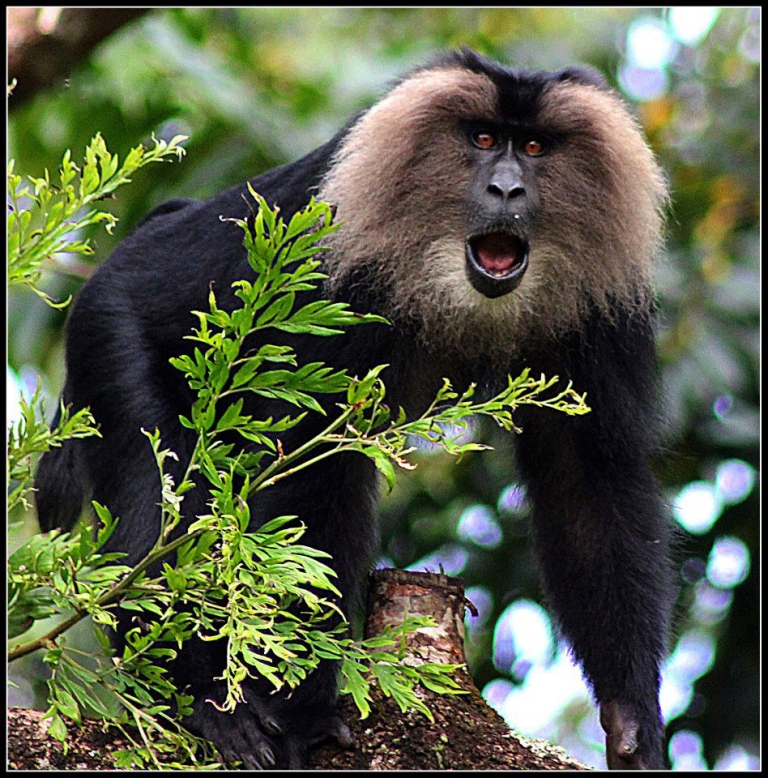
Wild Periyar – Lion-Tailed Macaque

Photo credits : Aparna P

Photo credits: Aparna P

The Lion-Tailed Macaque, Macaca silenus, is ranked among the rarest and most threatened primates in the Western Ghats. The population is scattered across small patches of evergreens in Karnataka, Kerala and Tamil Nadu, where they spend most of their lives in the upper canopy of tropical moist forests. Continue reading

Butterflies of Kerala

Photo credits : Shiny Jose

Photo credits: Shiny Jose

Kerala’s butterflies are a richly diverse and scientifically interesting group of insects, which number around 330 species in the state. The largest butterfly in India, the Southern Birdwing, has a wingspan of about 25 centimeters, and the smallest, called the Grass Jewel (pictured below), has only a 1.5 to 2 centimeter wingspan. Can you name the species in the photo above? Continue reading

Dealing with Invasive Species One Holiday Table at a Time

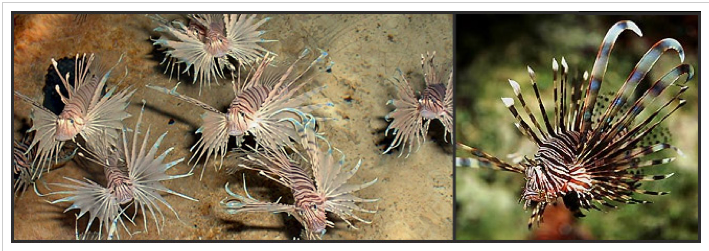
Lionfish (also known as turkeyfish) have venomous spines that can be very painful Photo: NOAA

When I was growing up a common Thanksgiving holiday decoration included a colored paper turkey formed by a tracing of my hand, the fingers forming turkey feathers. While that memory might seem out of left field it makes more sense when you start looking at photos of turkeys parading around a barnyard alongside the many lion fish photos we’ve been publishing in our Citizen Science in Belize series.

This NOAA article about lion fish, or turkey fish as they’re imaginatively calling it, is a perfect “if you can’t beat’em, eat ’em” extension. Continue reading

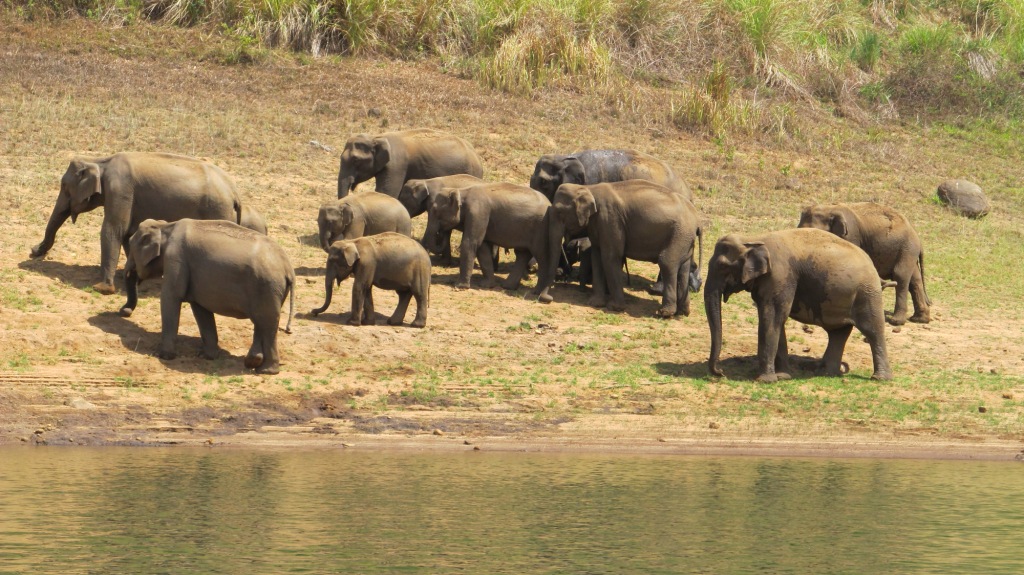
Lord of the Jungle

Lord Of The Jungle

Periyar Tiger Reserve may be famous for its tiger population but it’s also a paradise for elephant lovers. Over 1,300 of the magnificent creatures call the 925 plus sq kms of PTR their home. Also know as “keystone animals”, elephants have a huge impact on the ecosystem they live in. For example when elephants uproot trees with their trunks they create grasslands and savanna and their habit of digging for water during drought causes big water holes that also supports other wildlife in the area. The major threats for elephants have been the illegal ivory trade but due to strict laws the elephants can find themselves safe in the reserve.

Continue reading

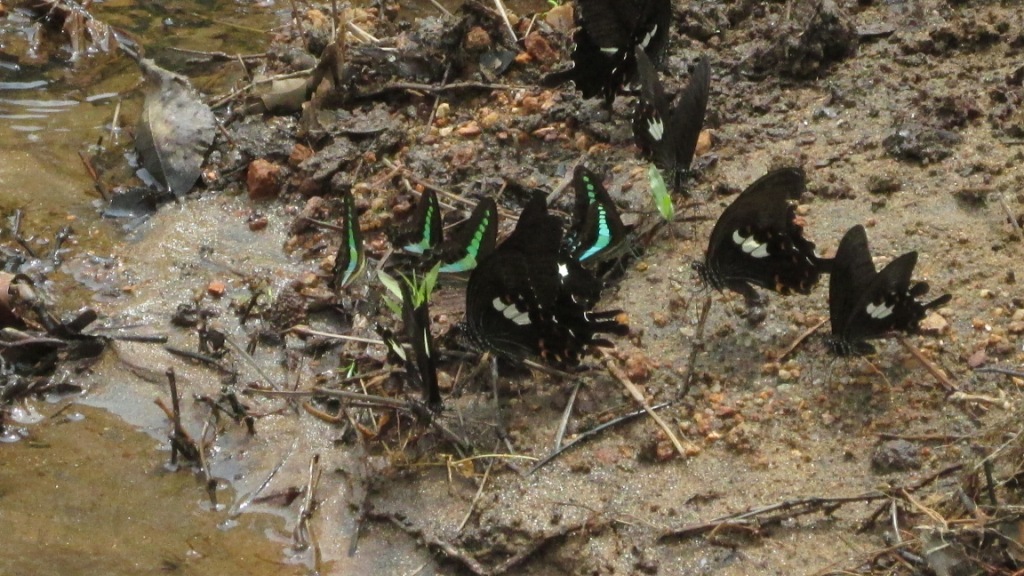
Mud-Puddling Butterflies

mud-puddling

Periyar Tiger Reserve is home to an impressive species diversity of 160 butterflies, underscoring the crucial relationship between plants and animals. Butterflies mainly males need minerals for reproduction, so they are often found gathering together to take salt and minerals from the wet soil and  plants in a behavior called mud-puddling. Continue reading

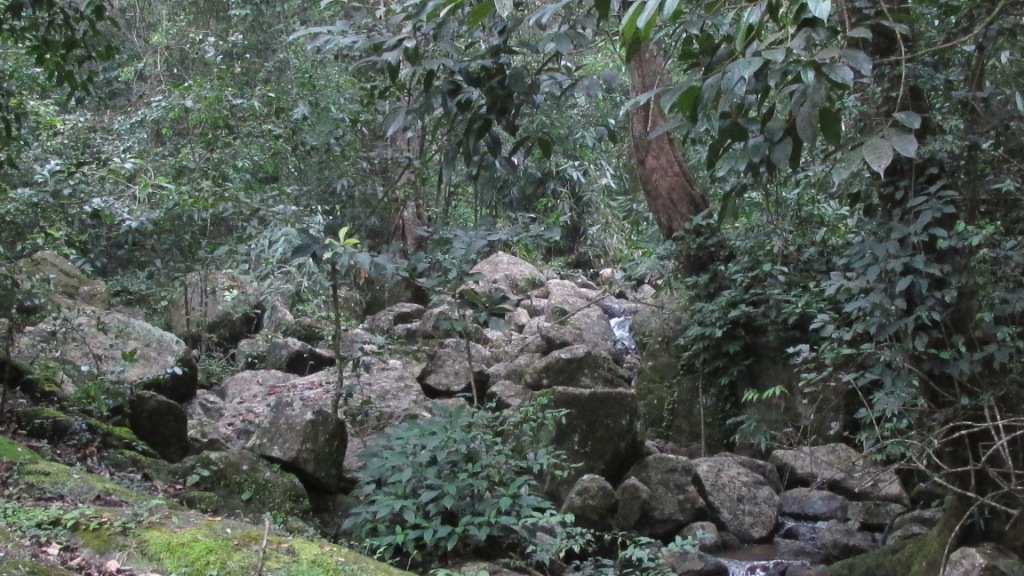
Periyar Trekking – Border Hike

semi evergreen forest

semi evergreen forest

Recent guests from Austria staying at Cardamom County shared photos of their Border Hike experience with us.  The Periyar Tiger Reserve extends over 925 sq kilometers and this particular trek covers a minimum of 18km of the peripheral zone. It’s difficult not to get lost and even more difficult to spot animals in the rich flora of the reserve, hence the importance of the professionally trained forest guides. Continue reading

The Newest, Dismalest Branch Of Science

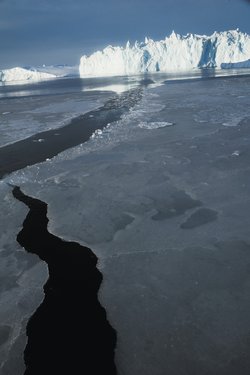
Stanley Greene/NOOR/Redux Greenland, photographed from a boat navigating the melt where dog sleds used to travel across the ice, October 2009

Stanley Greene/NOOR/Redux
Greenland, photographed from a boat navigating the melt where dog sleds used to travel across the ice, October 2009

We prefer the news about solutions to challenging problems. Preferably positive news. Preferably innovations that invoke smiles. Sometimes, dismal is the only way to move forward. Thanks to the New York Review of Books, and Paul Krugman for this review:

Forty years ago a brilliant young Yale economist named William Nordhaus published a landmark paper, “The Allocation of Energy Resources,” that opened new frontiers in economic analysis.1 Nordhaus argued that to think clearly about the economics of exhaustible resources like oil and coal, it was necessary to look far into the future, to assess their value as they become more scarce—and that this look into the future necessarily involved considering not just available resources and expected future economic growth, but likely future technologies as well. Moreover, he developed a method for incorporating all of this information—resource estimates, long-run economic forecasts, and engineers’ best guesses about the costs of future technologies—into a quantitative model of energy prices over the long term. Continue reading

Little Rann of Kutch

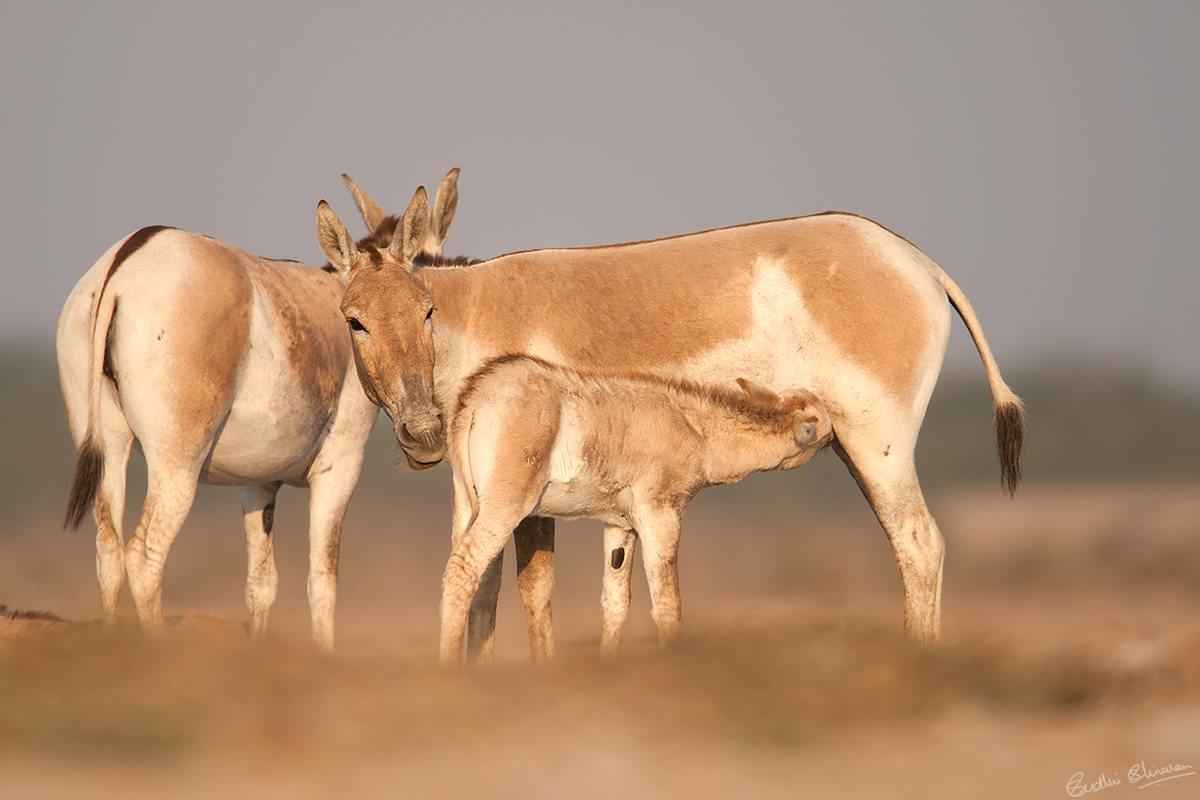
Some places in the world are known for lush greenery, others for steep cliffs and snowy glaciers and others still for refreshing water lapping against hot beaches. But of all the landscapes in the world, harsh deserts are perhaps the one that fewest people have experienced. Believing it to be not as pleasant as other landscapes, many people miss out on the tremendous beauty found in deserts. Precisely because there are very few people, visiting deserts like the Little Rann of Kutch gives a traveler the chance to ponder a world before there were so many of us around.

The Wild Ass Sanctuary of the Little Rann of Kutch, spreading across nearly 5000 square kilometers of the Little Rann, is the only place on earth where the endangered Indian Wild Ass, Equus hemionus khur, known locally as the ghudkhar, still lives.

Because of the Sanctuary’s proximity to the Gulf of Kutch and its location on the migration routes of many bird species, it is a very important site for birds to feed and breed in. Continue reading

Wildlife Sanctuaries of India–Bandhavgarh National Park

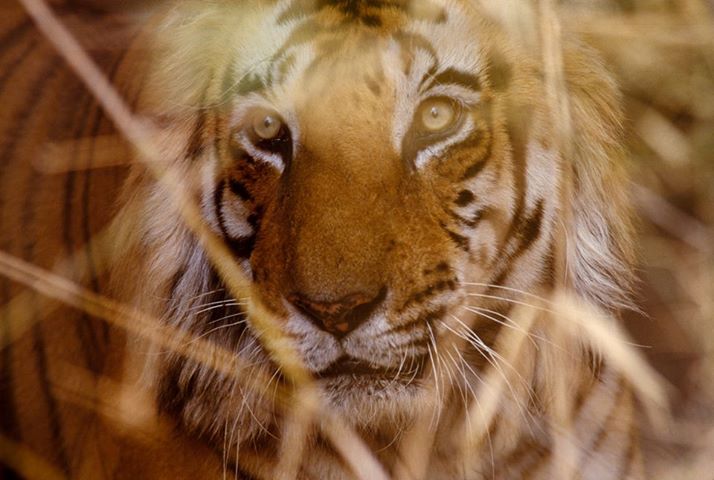
Sita, National Geographic

Sita, National Geographic

If you are really, really desperate to see tigers in their natural habitat, maybe you should try visiting Bandhavgarh National Park in the Umaria district of Madhya Pradesh since it has the highest concentration of tigers among all the national parks in India! With an area of 105 sq km open to tourists and a buffer zone of 427 sq km, Bandhavgarh National Park is home to almost 50 Bengal tigers.

A female tiger named Sita, who also appeared on the cover of National Geographic and is the most photographed tiger in the world, also lived in Banhavgarh. In fact, most tigers in the reserve today are thought to be descendants of her and a male tiger named Charger. Continue reading

What Else is Out There?

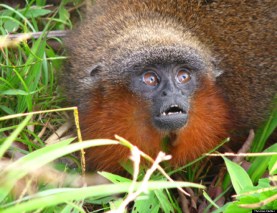
Thanks to the World Wildlife Fund, 441 new species of plants and animals have been discovered in the Amazonian rainforest, including a truly bizarre looking monkey that apparently purrs like a cat when content, as well as a… vegetarian piranha.

Image

Newly discovered Titi Monkey. Photo Courtesy World Wildlife Fund

It is a good feeling in any naturalist’s gut, amateur or professional, too know that undiscovered species still remain in today’s world — where technology and advancements in various facets of our lives thanks to 21st century progressivism don’t leave much to the imagination; it seems as though the mystique of discovery still remains just as true to many of us as it did when we were children. Unfortunately this is not the case for absolutely everyone, but for those who are still amazed by the world, discoveries such as this are a blessing.

Continue reading

Common Acacia Blue Butterfly

Common Acacia Blue Butterflies are seen in and around the Periyar Tiger Reserve and are found across South India and North East India up to 1200 meters. The are active from March to November, primarily in deciduous hill forests . Continue reading