Kanha National Park Canon Tutorial

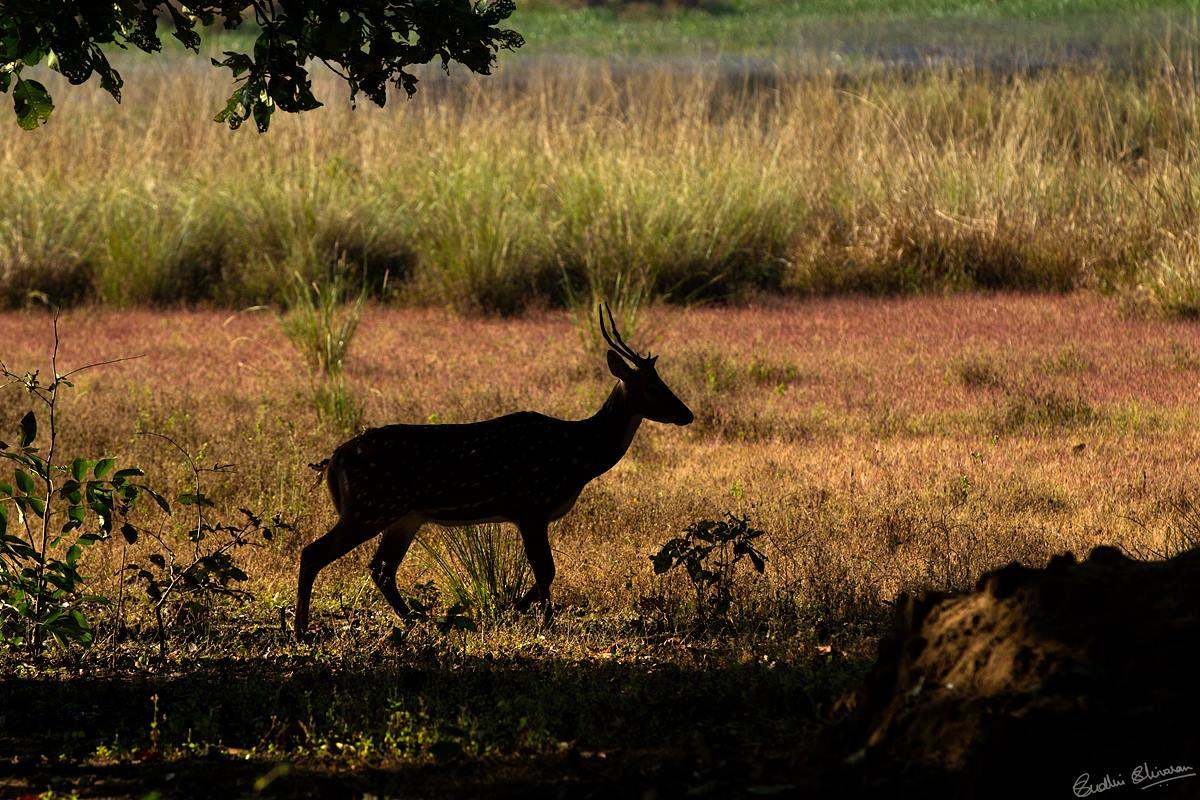
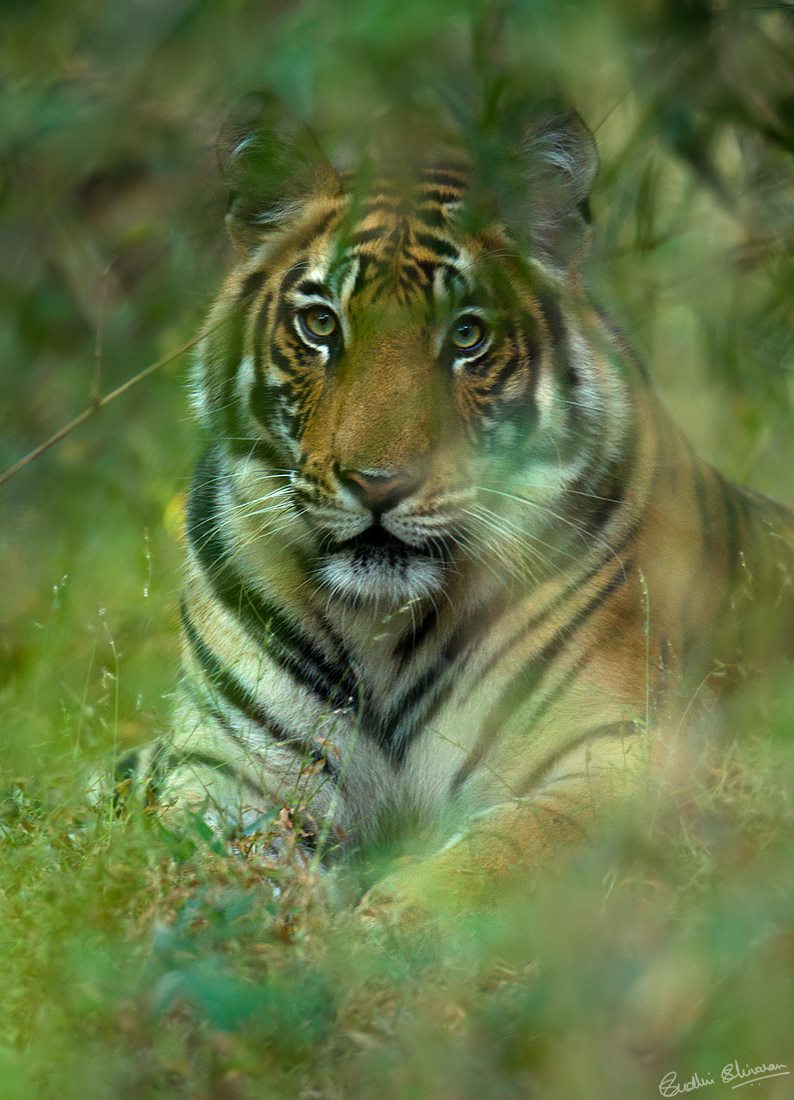
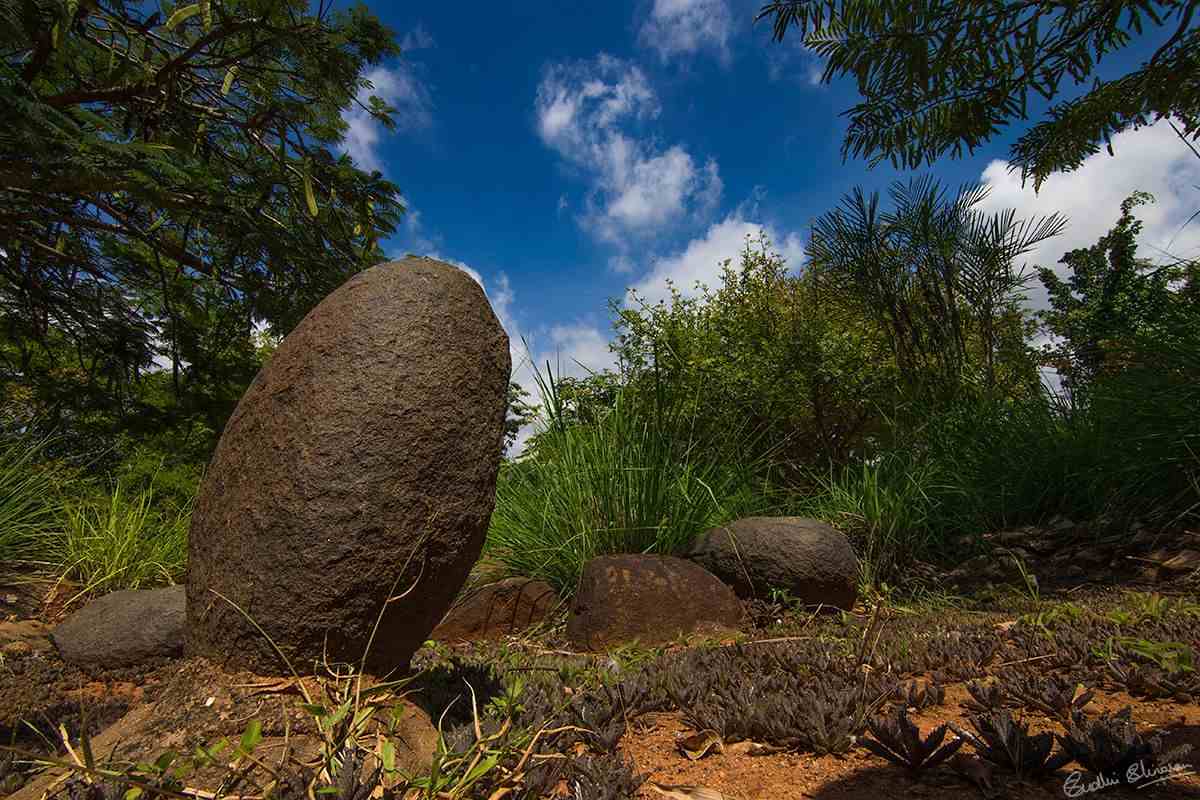
This is one of my favourite images from Kanha National Park. Half the work of a photographer is being a keen observer of your surroundings, always being on the look out for pleasing compositions wherever you are.

In many images the background makes or breaks the subject. The reddish meadows of Kanha in the background and the evening golden light made this image for me. Continue reading

MFA, Welcome

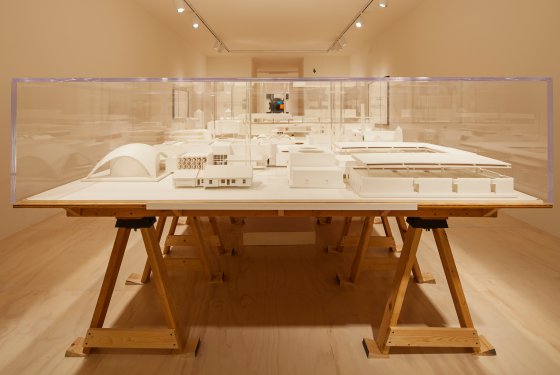
Educational Complex, by Mike Kelley, at MoMA PS1.

Educational Complex, by Mike Kelley, at MoMA PS1.

We do not claim to be experts on education in the fine arts, but we do know one person who went to RISD who added a huge amount of value to several Raxa Collective initiatives, and we would welcome him (and other members of the design team he was part of) back in a heartbeat.  For now, we can just share these thoughts by a more well-informed person (beware the four-letter words and strong opinion):

In her excellent essay, now out in Modern Painters, artist Coco Fusco pulls back the curtains on the risky business and chancy racket of the Master of Fine Arts degree. Fusco deftly addresses, among other things, how M.F.A. programs are “discursive battlefields.” Continue reading

Future Perfect

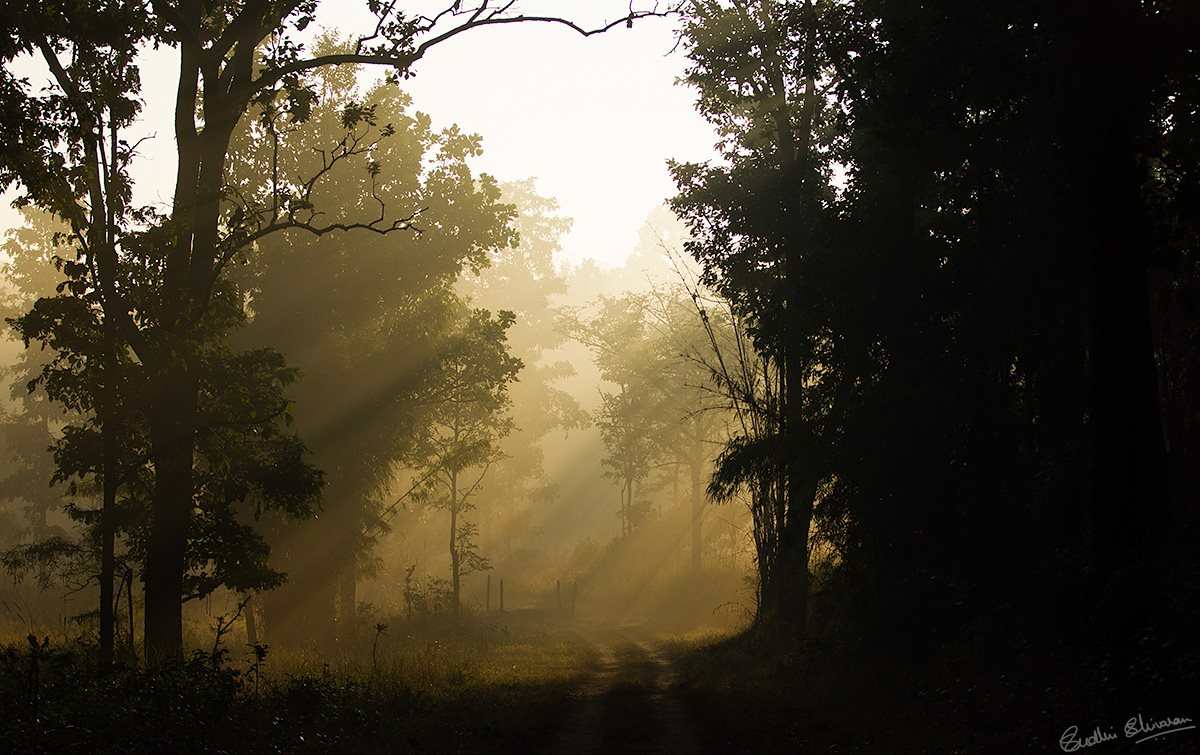
An important tip in image making is a photographer’s ability to visualize the shots before clicking the camera. Take some time to study the subject and see what you can do with it.

Early mornings are the best time for these kind of creative shots when there’s play of shadow and light combined with mist or fog. During the drive in Kahna National Park I saw the rays of light falling on areas of shadow across the safari track. I asked the driver to stop and waited for some subject to enter the frame. This scene is good by itself, but a subject in this light creates a powerful impact on the image. Of course, a tiger entering the scene would be the jackpot. Continue reading

Silhouette Shots

As I scan through the various images photographed at Kanha National Park, I found this one interesting as it takes a simple subject but presents it in an unexpected way. I’ve said many times that tigers aren’t the only subjects in the Indian wilds. Kanha is such a beautiful place that it’s not difficult to  make creative images of more commonly sighted wildlife subjects. Continue reading

Drink the Wild Air

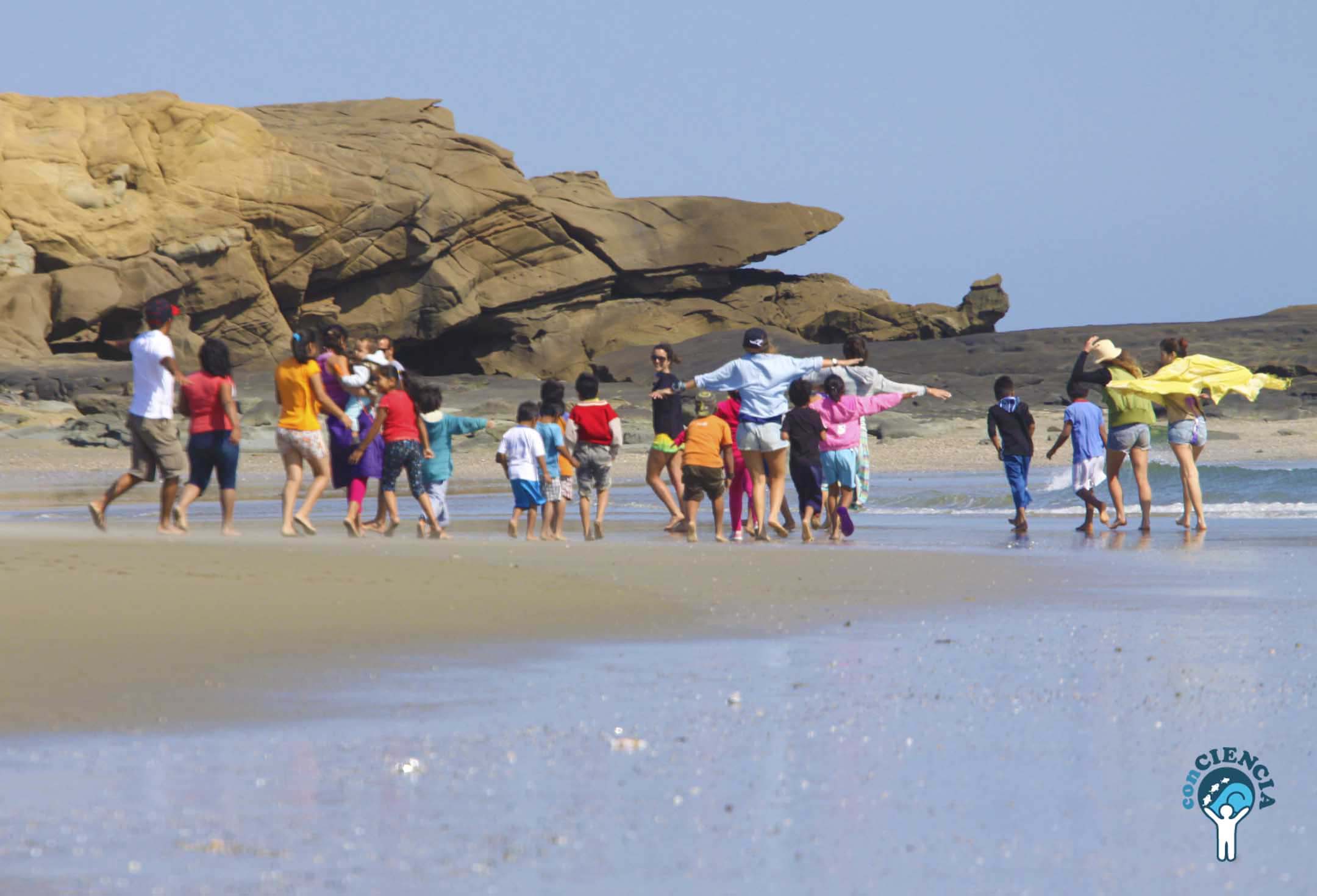
“Live in the sunshine, swim the sea, drink the wild air.” Alejandra Benavides/conCIENCIA

Working for the balance and health of nature as a conservation biologist brought me to understand the importance of nature in the balance and health of communities. The great gap between the two inspired me to establish conCIENCIA, a nature-based education design program. We build environmental identity in fishing villages across Peru through nature-based integrated learning guided by play, creativity, curiosity and the senses.
As First Mermaid in conCIENCIA, I work with an amazing group of artists and scientist, to connect coastal children to the natural wonderland, since 2010.

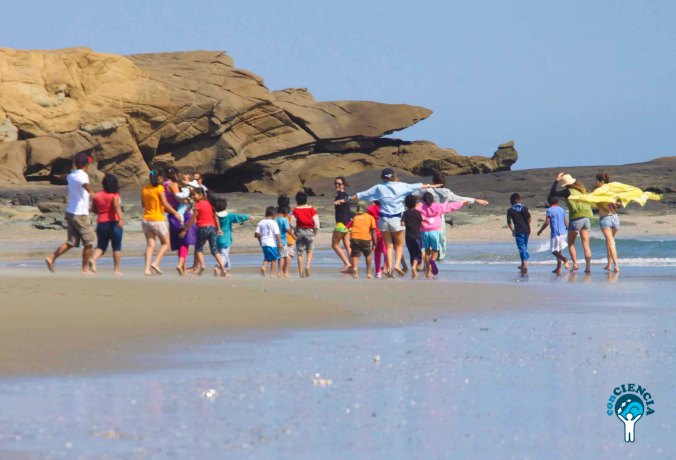
Lobitos has some of the most beautiful beaches on the Peruvian coast. Its world-class surfing draws hundreds of surfers from all over the planet and is known far and wide. A lesser-known fact is that it also has 153 children enrolled in its elementary school. Walking down the beach we wonder where these kids are. We walk from point to point with not one in sight. There’s no laughter or splashing on the shores. Surfers and fishermen dominate our view. No mothers and children sharing the democratic fun the beach offers: a place with more attractions than we could ever finish exploring.

In Latin American cities like Rio de Janeiro it is on the beach that rich and poor meet, crossing the giant social chasm that separates them, virtually identical in their bathing suits, covered in sand, sweat and salt. Surprisingly, this doesn’t seem to be the case in many of Peru’s coastal towns. Exactly why is hard to say. Our NGO conCIENCIA helps coastal communities develop an environmental identity and engagement through outdoor science-based learning. We hope to be able to answer the question ‘why’ through surveys, conversation and appreciation.

On the surface one could say it is cultural.  Fishermen don’t bathe in the sea or lounge on the beach. This is their place of work, as for a New Yorker her office would be–of course, with greater hardships and demands. The sea is treacherous and fish stock is dwindling. Continue reading

Beyond the Fringe

We’ve been having amazing tiger sightings at our Bandhavgarh Tiger Reserve workshop.

I captured this cub during the evening safari at Magdi zone. It was a real beauty. We saw it along with the other cub. Later it came on to the road and the other Jeep got some amazing shots… Continue reading

Asiatic Elephants in the Dhikala Grasslands

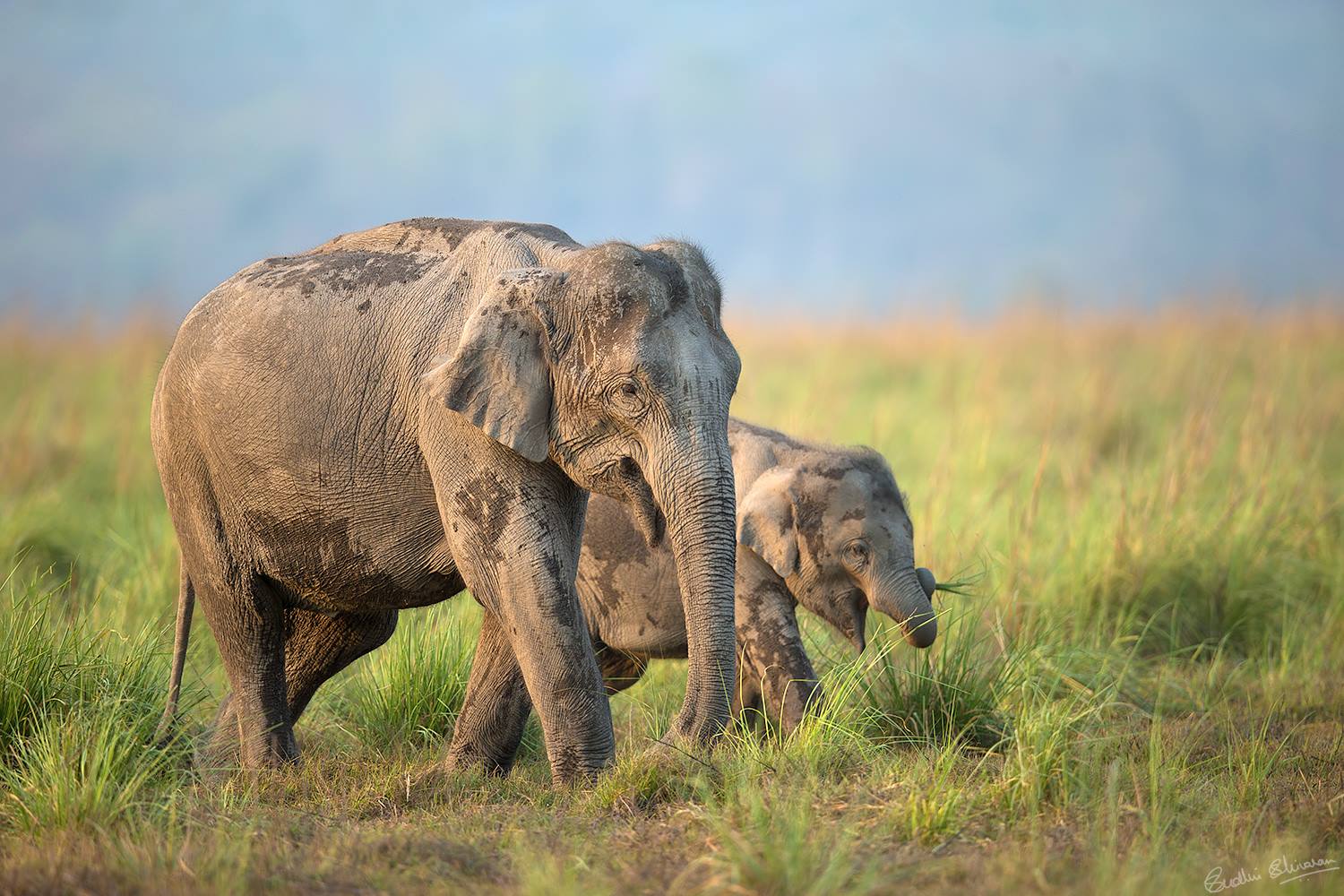
Corbett National Park is a great place to make some great images of Asiatic Elephants and May is an especially good season to be there. The Dhikala grasslands complements the elephants by providing a great background for your photography.

A zoom lens in the 100-400 or 80-400 range serves best for this area as it provides flexibility to make close-ups or to include the habitat in the shot.

While composing this image I waited for the baby elephant to show itself as it was always behind its mother. Continue reading

Science-Education-Technology Convergence


Museums and libraries are the stewards of culture in many ways. They both offer us a place to go for quiet contemplation as well as dynamic discovery. Kudos to the Smithsonian for accepting new technologies with open arms and sharing it with their researchers, curators, educators and conservators, and thereby with us.

Continue reading

Education As Social Enterprise

Everyone in modern market economies accepts that companies need to make a buck (rupee, yen, peso or what have you), and generally no one grudges them the opportunity to do so, as long as they do so responsibly. Grudging can follow a company’s bold commitment to “do no evil” when that company is discovered to have done something less than awesome. This raises the stakes for social enterprises, who from the outset claim to do something other than for pure profit motivation. Daphne Koller, Co-Founder of  Coursera, makes a compelling case for having risen to the occasion in this podcast interview:

Coursera was launched in 2012 and reached its first one million users faster than Facebook or Twitter. Coursera is one of a number of companies offering massive open online courses– or MOOCs– to address a growing global population and the rising costs of on-campus higher education.

Continue reading

Capturing Falling Waters

During my recent trip to Chikmagalur, I visited this small waterfall in Jerry estate which offered a good opportunity to try out various compositions. Unfortunately I wasn’t carrying my vario ND filter so couldn’t get a slower shutter speed than this, but since I’ll be going back there in December I’ll know to be better prepared.

In many circumstances people say that “location is everything”, and that definitely was the case with this waterfall. The maximum depth of the pool at it’s base was probably 2 ft, so we could walk around and check various angles to shoot from with very little risk. The fact that there was no heavy current allowed us to easily stand in the flowing water to get low-level shots. Continue reading

The Golden Light of Kutch

The Short-Eared Owl is another amazing bird found in the deserts of Kutch. The bird is generally very shy, but can be cooperative depending on how you approach it. Understanding the natural history of your subjects is a major factor for making good wildlife images. If you are on your own it’s very difficult to find these birds. Like a lot of birds and animals, these owls are also territorial and the local guide/expert knows their roosting places and can guide you to them. Continue reading

Understanding Food More, Better

This slideshow requires JavaScript.

Speaking of food transparency, if you have not yet watched any of the lectures, you are missing an amazing opportunity to learn about the science of food from some of the greatest chefs of our time, in one of the great institutions of higher education. Click here to see this article at its source, and/or click the link below to visit the website where the course’s recordings of lectures by visiting guest chefs, including this one, are made available:

When Joanne Chang ’91 was approached by a cable TV network in 2006 to host a show about the science of sweets, she was thrilled. The owner of the landmark Flour Bakery and graduate of Harvard College, where she was an applied mathematics concentrator, Chang always enjoys discussing her pastries, but she loves talking about them at the molecular level best.

Continue reading

Outdoor Classrooms

Christian Phillips Photography

Christian Phillips Photography

The Atlantic has always had excellent coverage of educational issues; environmental issues as well. This article melds the quality of their attention to both topical areas quite well:

‘Nature Is a Powerful Teacher’: The Educational Value of Going Outside

At more than 80 Boston public schools, teachers are moving the classroom outdoors.

Four years ago, the nurse at Boston’s Young Achievers School was overwhelmed. Previously a middle school, Young Achievers had recently become a K-8 school and there was no appropriate space for recess. Instead, according to a teacher at the school, students spent recess in “a disorganized, cracked, muddy parking lot,” where they ran between and bounced balls off of cars. Continue reading

Imagine Before You Click

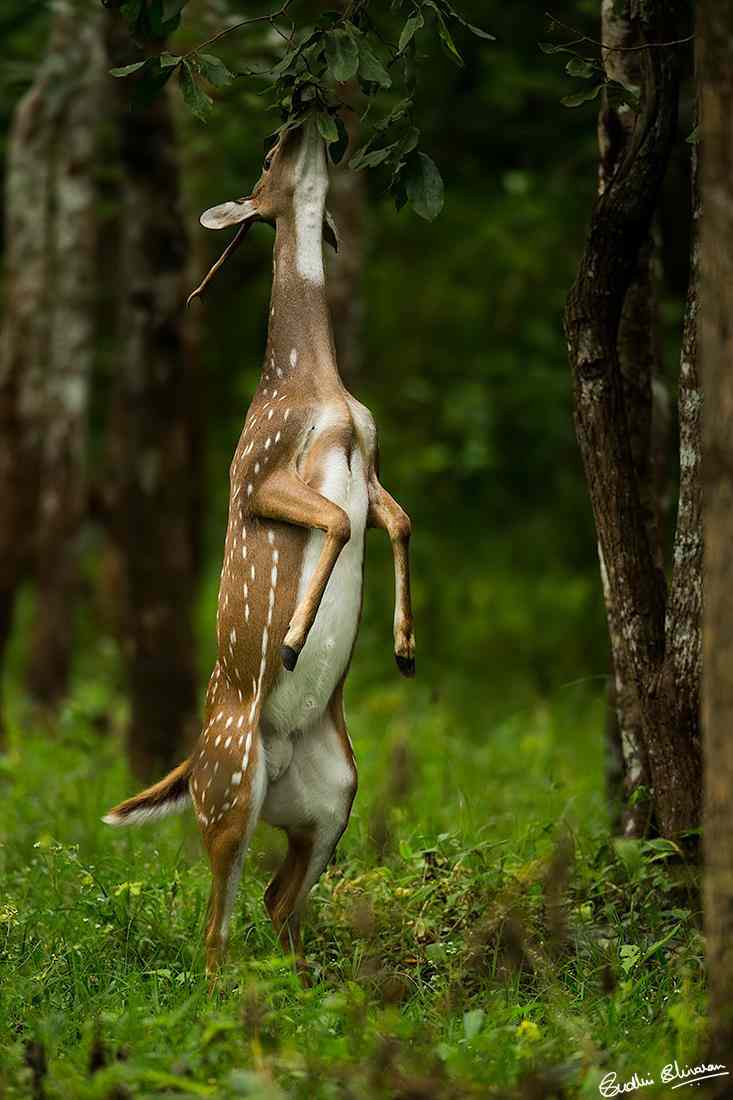
In wildlife photography good images are made by combining “previsualization” with a clear understanding of your subject’s behaviour.

Consider this Spotted Deer image as a simple example. It is a well-known behaviour of the spotted deer to go up on two legs to feed on the fresh leaves of the trees; when you see them approach the short trees, you can expect them to “stand up”. You need to be ready with the right kind of setting and composition to make the image. Continue reading

Little Rann of Kutch

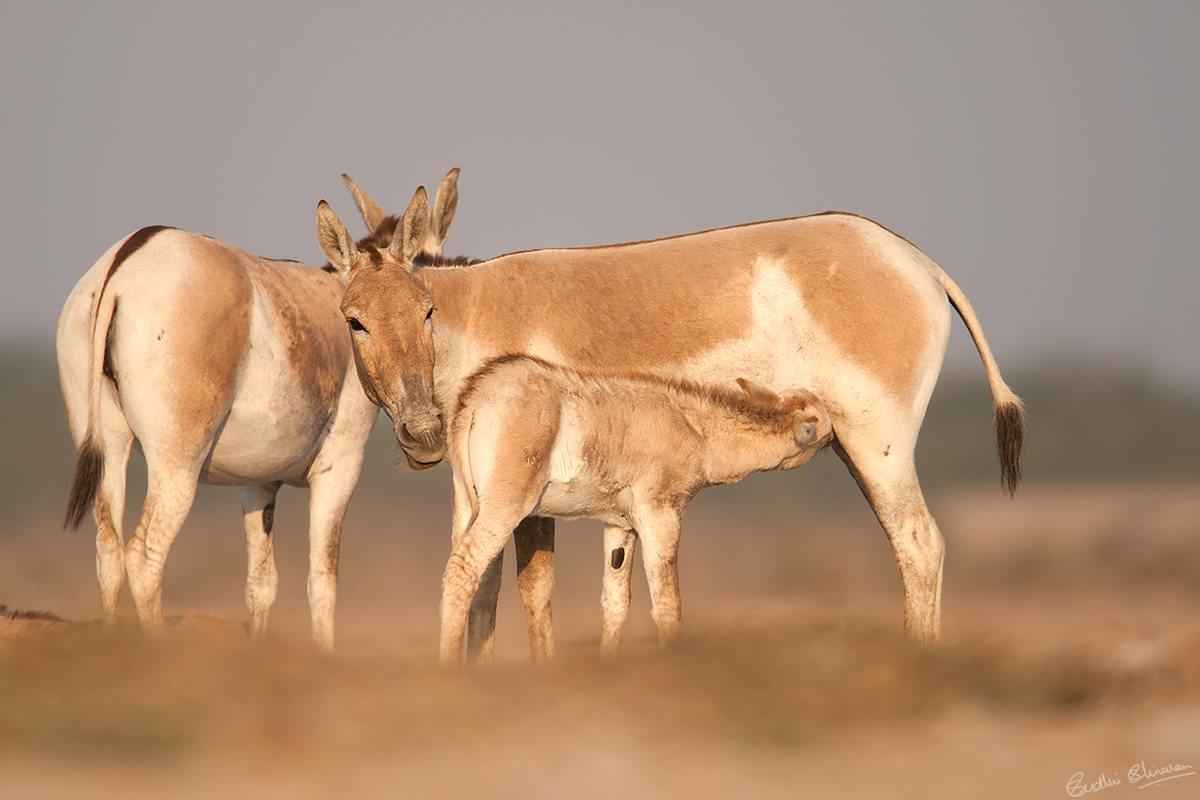
Some places in the world are known for lush greenery, others for steep cliffs and snowy glaciers and others still for refreshing water lapping against hot beaches. But of all the landscapes in the world, harsh deserts are perhaps the one that fewest people have experienced. Believing it to be not as pleasant as other landscapes, many people miss out on the tremendous beauty found in deserts. Precisely because there are very few people, visiting deserts like the Little Rann of Kutch gives a traveler the chance to ponder a world before there were so many of us around.

The Wild Ass Sanctuary of the Little Rann of Kutch, spreading across nearly 5000 square kilometers of the Little Rann, is the only place on earth where the endangered Indian Wild Ass, Equus hemionus khur, known locally as the ghudkhar, still lives.

Because of the Sanctuary’s proximity to the Gulf of Kutch and its location on the migration routes of many bird species, it is a very important site for birds to feed and breed in. Continue reading

Photography Tips: Posers

Although luck is always a factor, Kabini is well-known for leopards lounging in trees almost seeming to pose for the camera.

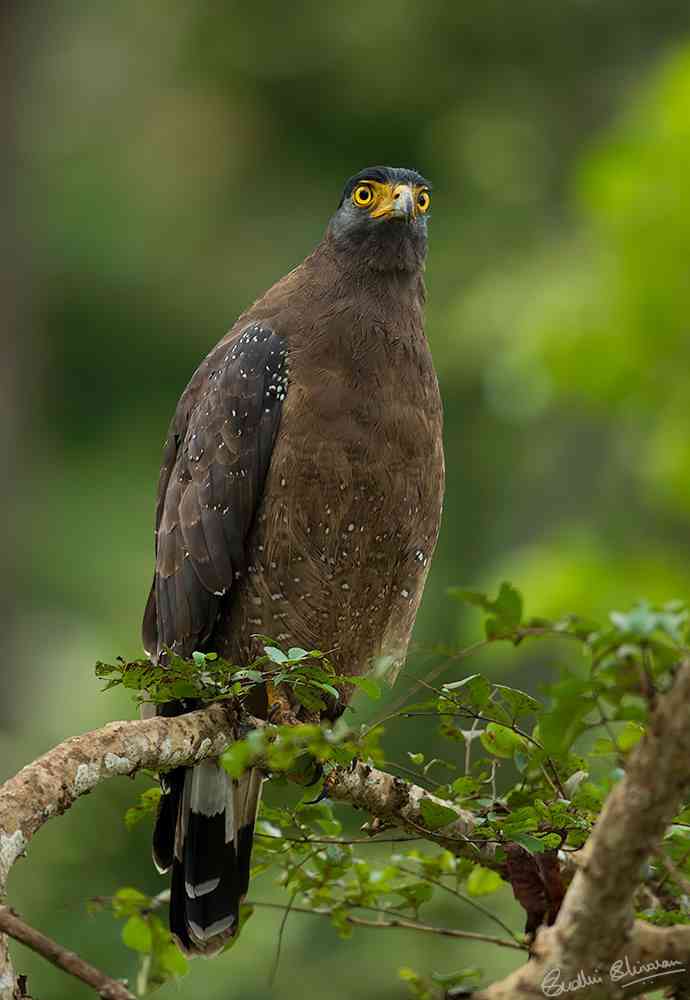
The Crested Serpent Eagle is another photographer friendly species to be found there. You see so many of them that you can pick and choose which one to photograph and which to leave. The best part is that since Kabini Forest Reserve only allows vehicle safaris, the Mahindra Jeeps put you at eye level, making it easy to compose good images. The greens of the forest provide an excellent complementary background as well. Continue reading

The Universe is a Circle; Except When It Isn’t

Collaboration is dear to our hearts, whether it be interpersonal, international or intercollegiate, not to mention intercorporate to coin a phrase.  I couldn’t help but recall our posts on Elif Bilgin and Sush Krishnamoorthy when I came upon this video and read the bio of Shixie (Xiangjun Shi), the creative force behind it. Kudos to Brown University and RISD for having such an impactful program!

When I left home for college in the US, I was fortunate to be selected for the very first class of a new Dual Degree program, presented by Brown University and Rhode Island School of Design. WIthout predecessors, and in trusting embrace of Brown’s open curriculum, I was pretty much able to design my own education. Continue reading

Photography Tips: Wait for it!

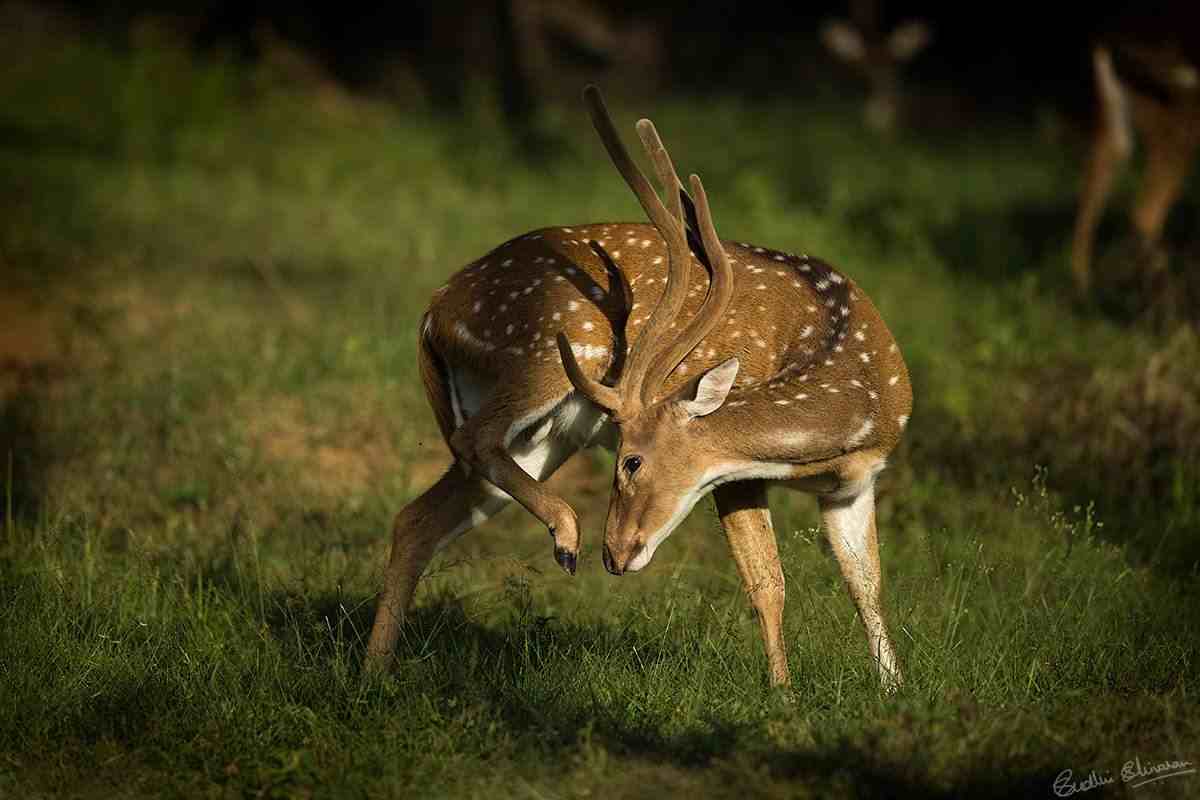
I often say that wildlife photography is not just about Tigers or Leopards. Spend time with common subjects and you will be rewarded with photo worthy lighting and action.

Understanding animal behaviour and previsualizing your images is the key to making good images. In the case above we waited patiently with the herd of spotted deer since the lighting was good. We aimed at this spotted deer with velvet antlers and hoped to get images of it in isolation…we waited for the right moment and this one posed for us. Continue reading

Focus: From Near to Infinity

The concept of hyperfocal distance is well-know to landscape photographers where they use this technique to get amazing images due to the increased depth of field.

The hyperfocal distance is the closest distance at which a lens can be focused on while maintaining objects at “infinity” acceptably sharp. When the lens is focused on the foreground, all objects at distances from half of the hyperfocal distance out to infinity will be well-defined.

Here is the steps I followed to get the results as shown: Continue reading

The Hut of Romulus

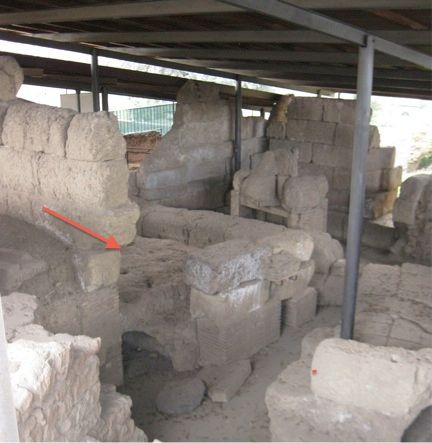
Hut of Romulus (Post holes where arrow is pointing.)

Today, all that remains of the so-called “Hut of Romulus” are the holes you see in the picture above (the slight indentations on the platform where the arrow is pointing). When intact, Romulus’ humble wattle-and-daub dwelling, located in the southwest corner of the Palatine Hill in Rome, might have looked something like this. One might have expected that the passing of nearly three millennia would not have treated well the wood, straw, and twisted bark ties of the hut, but even in its own day the Hut was prone to accidental destruction. One particularly ignominious story has a crow dropping Continue reading