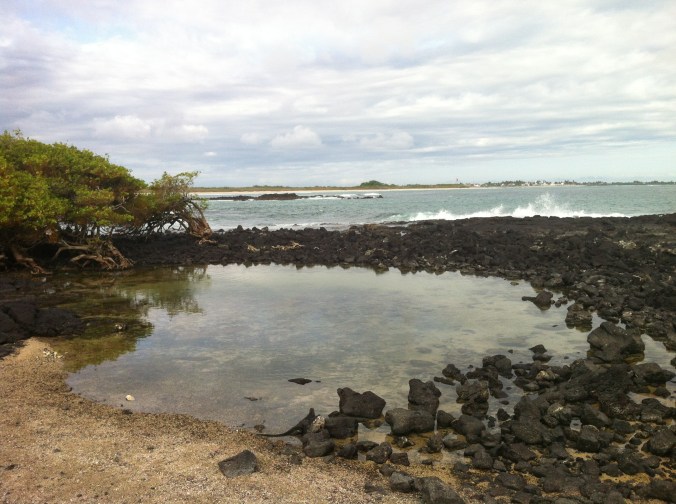
Isla Isabela: Paradise with a dark history
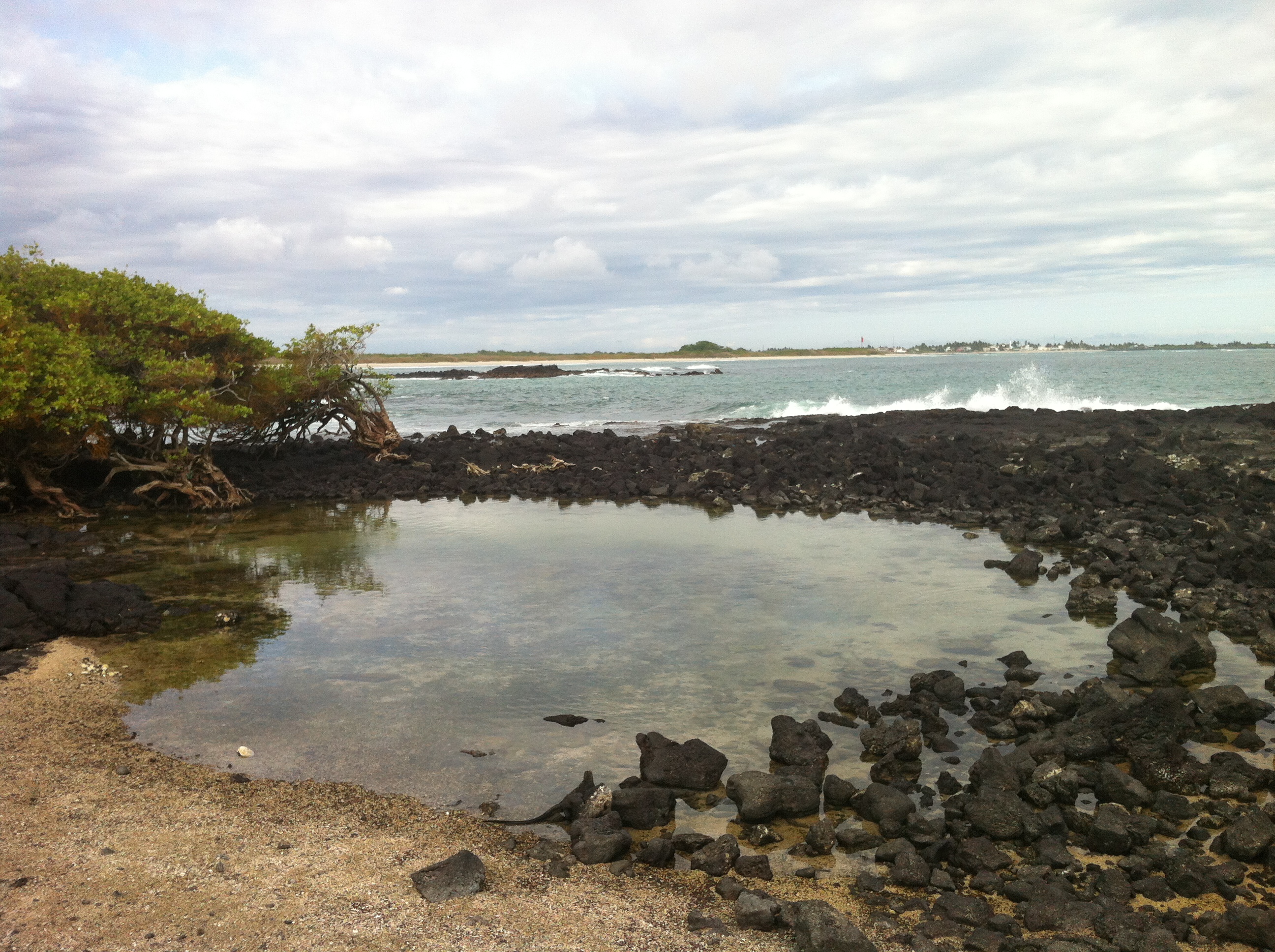
I am currently on study abroad in Ecuador, which has provided me with a mountain of experiences to post about when my homework will allow. I recently had the good fortune to go to the Galapagos, a dream I’ve had since I realized they existed. I am still so struck by everything I saw. In this post, I’ll just highlight one of the places on Isla Isabela that started some good conversations among my classmates about historical conservation of sites of trauma. Also, I will share a poem I wrote about the location.
Former President Ibarra of Ecuador used the island of Isabela as a penal colony (1946-1956), where prisoners were forced to do agricultural labor. They had to carry lava rocks from all over the island to construct the walls of their own prison. There are stories that they would cry as they carried the rocks. I was told that bodies are inside the walls from the rocks falling down while they were building them. The saying that accompanies the island’s history is: Los valientes lloran y los cobardes mueren, which means “The brave cry and the cowards die.” After ten years, the prisoners escaped by creating a play for the guards about prisoners escaping. They got the guards drunk, and actually escaped during the play.
Despite the story of escape, it couldn’t feel like a happy ending. My friends and I were talking about how it felt to visit this site of trauma as tourists. What is the role of historians and purpose of preserving places exactly as they were in the past? Is it to empower us with memories that in our normal lives we couldn’t have access to? Who are these memories for? For some people, this type of oppression is not of the past. They don’t need external reminders because the struggle for survival is part of their daily lives. There was conversation in the group about how preserving sites of trauma allows many of us to experience a sense of empathy before moving on to our daily, more privileged lives. This is how the set-up of touring through the site of trauma left us feeling. Continue reading →












 Organikos