Deaccession, De-Weasled

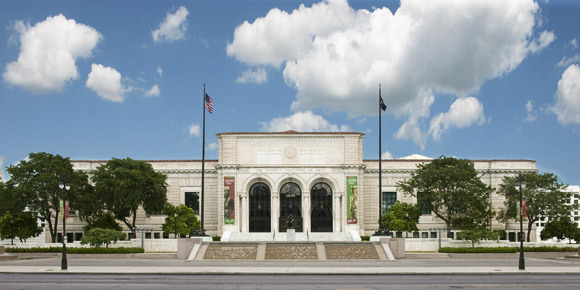
Several contributors to Raxa Collective have family living in Greece. There is nothing to be said here about that country’s economic and political woes that has not already been said better elsewhere, so no insult is intended to Greeks by making reference to the woes of another location.  Detroit, an American city facing economic woes comparable, when scaled to the municipal level, of Greece, is considering the sale of art it owns to raise what may be billions of dollars worth of needed cash.  Peter Schjeldahl, art critic for the New Yorker, has posted a brief observation about it, the latter portion excerpted below. Out of this mess comes an observation worthy of comment considering Raxa Collective’s mission:

…Art works have migrated throughout history. Unless destroyed, they are always somewhere. It’s best when they are on public display, but if they have special value their sojourns in private hands are likely temporary. At any rate, they are hardly altered by inhabiting one building rather than another. Continue reading

Entrepreneurial Conservation Embraced By A Great Designer

TonyFadellToday’s New York Times’ regular feature called The Boss provides one man’s self-described transition from the pinnacle of consumer tech design, which he helped establish, to a greener entrepreneurial form of the same:

After years of work at Apple, designing iPods and iPhones, the founder of Nest Labs now makes a self-programming thermostat that enables homeowners to save energy. Continue reading

If You Happen To Want To Live in Felpham, West Sussex

This slideshow requires JavaScript.

We are not brokers, but in the spirit of entrepreneurial conservation, and a price tag so seemingly reasonable, we are obliged to bring this to your attention:

Guide Price Of £650,000 Continue reading

Entrepreneurial Conservation Through Carbon Visualization

Thanks to the University of Washington’s magazine Conservation, we found our way to this video, and the magazine’s blurb about the source of the video is a worthy introduction because of its explanations of the images that accompany:

For Antony Turner, pictures make a story come alive—and in the climate change story, one of the main characters is invisible. In 2009, together with artist/scientist Adam Nieman, he founded Carbon Visuals to help people “see” the carbon dioxide that’s trapping heat in Earth’s atmosphere. Continue reading

Entrepreneurial Conservation In Rajasthan

Photography by Robert Polidori.  BLUE HEAVEN | Built in the 15th century by Rao Jodha, the walls of the fortress of Mehrangarh are 70 feet thick. Many of the houses of Jodhpur are painted blue to deflect the sunlight, and, according to folklore to repel insects.

Photography by Robert Polidori. BLUE HEAVEN | Built in the 15th century by Rao Jodha, the walls of the fortress of Mehrangarh are 70 feet thick. Many of the houses of Jodhpur are painted blue to deflect the sunlight, and, according to folklore to repel insects.

The Wall Street Journal carries a feature that is quite our cup of tea:

EACH SPRING, Maharaja Gaj Singh II hosts a Sufi music festival inside his family’s vast desert fort in the Indian city of Jodhpur. From a distance, this monumental sandstone fortress, called Mehrangarh, looms over the city’s chalky blue buildings, evoking the country’s ancient and otherworldly history. And yet people fly in from across the globe because the festival—and the maharaja who hosts it—blends old India so deftly with new. Continue reading

Entrepreneurial Conservation And Language Apps

This recent post about a language app was thought to be a one off on a funny subject. Then the topic was no longer one off, and not particularly funny. Even less funny, but technologically amazing, and certainly an example of one of our favorite topics, is this one (click the image to the left to go to the source):

…Last June, FirstVoices launched an iPhone app that allows indigenous-language speakers to text, e-mail, and chat on Facebook and Google Talk in their own languages. Users can select from a hundred and forty keyboards not recognized by iOS; the app supports every indigenous language in North America and Australia. (By default, iOS supports just two: Cherokee and Hawaiian.) The app accomplishes this through mimicry. When a text box is selected, a keyboard identical in form and function to iOS’s appears. The keyboard includes the characters necessary to write in, say, Cree, and follows a layout unique to the chosen language.  Continue reading

Coffee and biodiversity

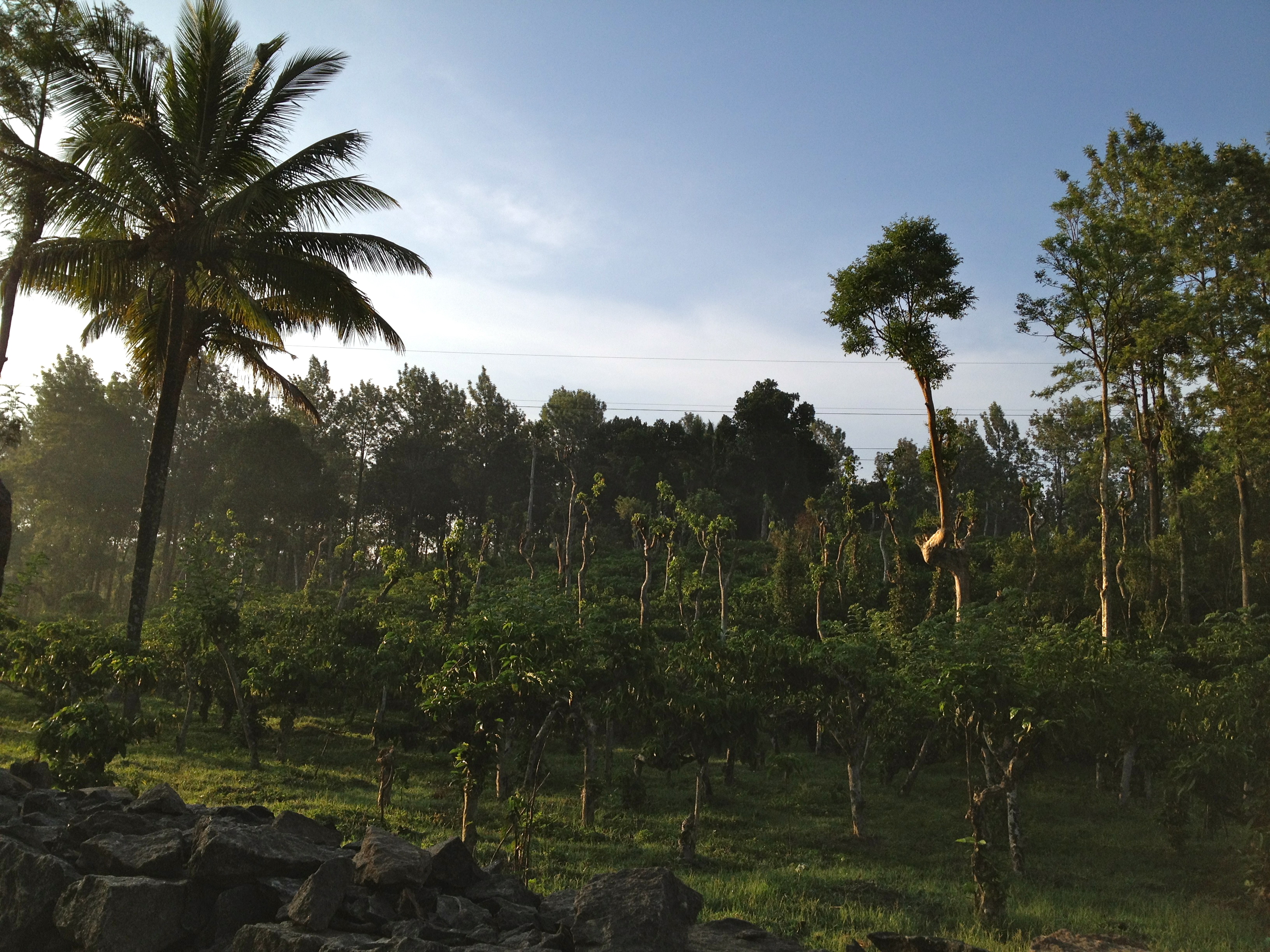
I’ve grown addicted to my colleague Anitha’s cold coffee since I got here (sorry guys but hers is just perfection). Ice cold, 70% arabica/30% robusta, locally grown coffee. India may not be known for its coffee, but in the Western Ghats of Southern India, you’ll find coffee plantations on hills and misty mountains between 800m and 1500m above sea level. One of the challenges here has been to integrate biodiversity conservation and sustainable livelihoods for farmers. Continue reading

TED talk Majora Carter : Greening the Ghetto, how entrepreneurial conservation and urban regeneration lead to more social justice

This seminal talk from 2006 by Majora Carter, founder of the Majora Carter Group, introduced me to entrepreneurial conservation. So you can say it kind of led me here.

It is unfortunate how the reputation of a neighbourhood may reflect on its inhabitants. In french the silly expression “C’est le Bronx” refers to a messy room. People from the Bronx, Majora Carter included, decided to change this image. In fact, they decided to reclaim their rivers, their air, their land while creating jobs, leisure activities for local families, a safer gentler environment for children to grow up in.

It’s a story I’d like to hear about in many neighbourhoods around the world.

So I’ve arrived at Cardamom County

This week, I arrived in Thekkady, at the frontier between Kerala and Tamil Nadu. My name is Allegra I’m a french professional who decided to take a break from hectic Paris to learn about entrepreneurial conservation and eco-tourism. I’ll spend the next two months at Cardamom County with Raxa Collective. Cardamom County borders the Periyar Tiger Reserve. As it nears the center of a bustling spice-trading town, I sometimes forget we’re in a forest. Nature always finds a way to remind you though. Continue reading

Travel For The Marine Biodiversity, Support Conservation in Baja California Sur

This slideshow requires JavaScript.

We’ve posted about the biodiversity of this spectacular region before so when we came across this article highlighting the Cabo Pulmo National Marine Park it definitely drew our attention.

The park is

a 27.5-square-mile ecosystem with an unusual history and an uncertain future. At least 226 fish species live in the park, and it is home to the only living hard coral reef in the Sea of Cortez. But environmentalists fear that a major resort development could significantly alter this delicate fringe of Baja, both above ground and underwater. Continue reading

Who am I and what am I doing in Ecuador?

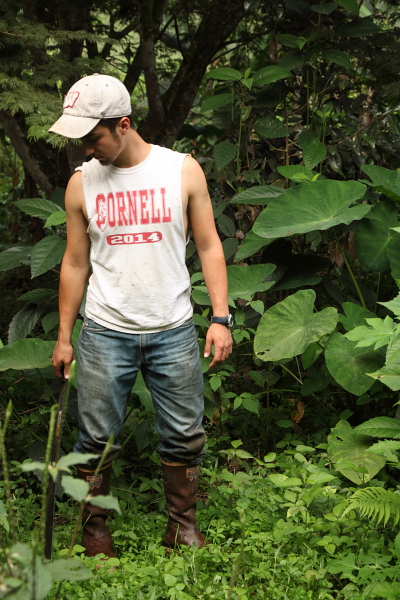
I ask myself that every so often. My name is Evan Barrientos, I was raised in suburban Wisconsin and I go to school at Cornell University in upstate New York. So why am I on a farm in Ecuador right now? The short answer is that I’m about to begin a study on sustainable agriculture and I thought the readers of Raxa Collective might like to hear about it.

Farmer Evan

Farmer Evan

I’m interested in large-scale conservation solutions that make big impacts. There’s nothing wrong with small changes, I’ve just always been a big-picture kind of person. Continue reading

Weird Businesses, Natural History Edition

Eric Prokopi, of Gainesville, in the five-thousand-square-foot fossil workshop that he built in his back yard. Photograph by Richard Barnes.

Eric Prokopi, of Gainesville, in the five-thousand-square-foot fossil workshop that he built in his back yard. Photograph by Richard Barnes.

I am not sure what to make of this.  Is it entrepreneurial conservation from a different angle? This story, in character with the New Yorker‘s brand of long form journalism, tells a remarkably odd story in must-read fashion:

Natural history goes to auction five or six times a year in America, and one Sunday last May a big sale took place in Chelsea, at the onetime home of the Dia Center for the Arts. The bidding, organized by a company called Heritage Auctions, began with two amethyst geodes that, when paired, resembled the ears of an alert rabbit. Then came meteorites, petrified wood, and elephant tusks; centipedes, scorpions, and spiders preserved in amber; rare quartzes, crystals, and fossils. The fossils ranged from small Eocene swimmers imprinted on rock to the remains of late-Cretaceous dinosaurs.

Continue reading

Ghana, Canopy Walkways, Conservation

TNC Green Science Blog


Click the banner above to go to the blog, and the image below to go to the most recent post:

Boucher’s Birding Blog: Mamba Meets Bushbaby

MARCH 15, 2013  |  by: Timothy Boucher
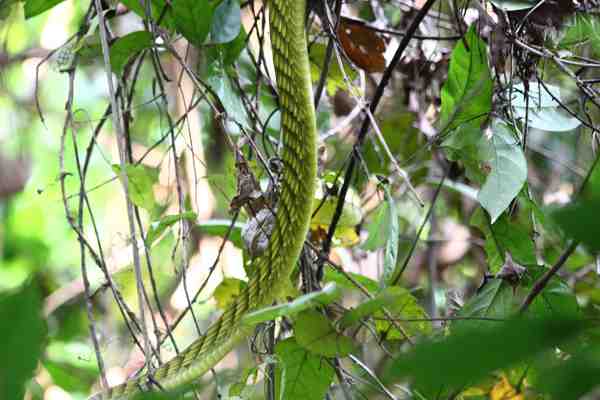
Many visitors see the canopy walkway as a low-tech amusement ride. But look closely, and wonders await: like this green mamba slithering past. Tim Boucher/TNC

Many visitors see the canopy walkway as a low-tech amusement ride. But look closely, and wonders await: like this green mamba slithering past. Tim Boucher/TNC

Sometimes when you go birding, you can’t help but see other animals – elephants, army ants, beautiful butterflies.

Occasionally, if you get out early (as birders always do), you can get to a park before the crowds and you might see something really special (and, in this case, gruesome).

In January, we traveled to Ghana for some superb birding. Our visit included the famous canopy walkway at the Kakum National Park near the Ivory Coast. The seven bridges strung high up in the trees usually teem with visitors who have no appreciation of the amazing birdlife. Continue reading

Sharks As Charismatic Megafauna

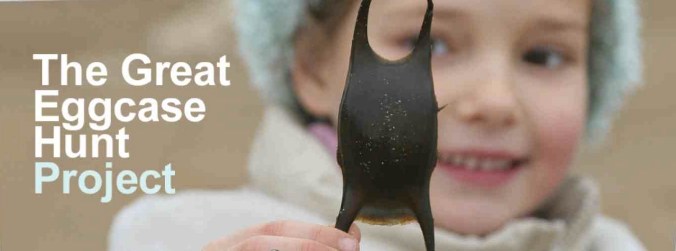
If you are like most people, the words shark and trust do not normally work well together in the same sentence. Sharks are predators, and predators predate. So unless you are a professional you should not take anything for granted when in their waters. But the two words work together well in a sentence about this organization, and the project they have launched to help sharks is intriguing. Entrepreneurial, even.  Click the image above to read more about this initiative:

With over 600 species of skate and ray worldwide, at least 16 species have been regularly recorded in UK coastal waters; most of these species reproduce by laying tough leathery eggcases on the seabed. Of more than 30 species of British sharks, only two species lay eggcases that are commonly found on our beaches; the Smallspotted Catshark and the Nursehound. Continue reading

For Valentine’s Day 2013 Skip Roses, Get Greener

This slideshow requires JavaScript.

If these are not available where you live, try a homecrafted version of the same using this organization’s schematic plans:

What Is A Windowfarm?

A Windowfarm is a vertical, indoor garden that allows for year-round growing in almost any window. It lets plants use natural window light, the climate control of your living space, and organic “liquid soil.”

In the hydroponic system, nutrient-spiked water is pumped up from a reservoir at the base of the system and trickles down from bottle to bottle, bathing the roots along the way. Water and nutrients that are not absorbed collect in the reservoir and will be pumped through again at the next interval. Continue reading

Changing Business Models

hikers on a mountain

Patagonia’s connection to the wilderness has a big impact on the company’s approach to environmental issues, says Vincent Stanley, vice-president of marketing at Patagonia. Photograph: Daniel Garcia/AFP/Getty Images

From the Guardian‘s Sustainable Business blog:

Patagonia plans global campaign for responsible capitalism

The outdoor clothing and equipment company says we need to develop very different measures of success if we are to prevent environmental collapse

In the true spirit of adventure, mountaineering and surfing company Patagonia reaches one summit and immediately searches for an even tougher peak to climb.

Fresh from taking a pot shot at our consumerist society with its challenging “don’t buy this jacket” advertising campaign, Patagonia now has the whole capitalist system in its crosshairs. Continue reading

Venturing For Impact

HBR Blog

A strong statement on Harvard Business Review’s blog site about the role of finance, specifically the venture capital model, in the future of social enterprise, which is in very close proximity to entrepreneurial conservation both conceptually and in practice.  Substitute ecosystem degradation for poverty or educational shortcomings and the framework with which Raxa Collective approaches its various initiatives:

During the past century, governments and charitable organizations have mounted massive efforts to address social problems such as poverty, lack of education, and disease. Governments around the world are straining to fund their commitments to solve these problems and are limited by old ways of doing things. Social entrepreneurs are stultified by traditional forms of financing. Donations and grants don’t allow them to innovate and grow. They have virtually no access to capital markets and little flexibility to experiment at various stages of growth. The biggest obstacle to scale for the social sector is this lack of effective funding models. Continue reading

The Gift, A Gift

Recent guests of Raxa Collective, mentioned here, handed Amie and me this book prior to our parting ways. Upon reading this blurb, we expected to find it enriching if and when we could find the time to read the gift, The Gift, which:

“actually deserves the hyperbolic praise that in most blurbs is so empty. It is the sort of book that you remember where you were and even what you were wearing when you first picked it up. The sort that you hector friends about until they read it too. This is not just formulaic blurbspeak; it is the truth. No one who is invested in any kind of art, in questions of what real art does and doesn’t have to do with money, spirituality, ego, love, ugliness, sales, politics, morality, marketing, and whatever you call ‘value,’ can read The Gift and remain unchanged.”—David Foster Wallace

Continue reading

Crowd-sourced Project Finance 101

Recently, I happened upon the pitch above and was at first thrilled to see yet one more alternative approach to raising awareness and appreciation for nature: good production values and the style is quirky and fun.  The Kickstarter pitch came midway through and then my thoughts started wandering. Continue reading

Grumpy, Bird-loving Awesomeness

What if every artist made a love pact with something, anything, in the natural world?  Mr. Goldsworthy, we noted after a recent post, had already made (to our eyes, a similar cairn included) such a pact a long time before his Australia work.  Mr. Franzen, as we shall highlight as often as we can here, has made such a pact with birds.  Walton Ford, in phantasmagorical manner, check. And this fellow, on the sands down under, too.  More!