The Fourth Estate Asking Questions About Sustainable Agriculture

img_0086_custom-e02be884d2146582492b3313dc275f8aa2261bea-s1300-c85.jpg

Wade Dooley, in Albion, Iowa, uses less fertilizer than most farmers because he grows rye and alfalfa, along with corn and soybeans. “This field [of rye] has not been fertilized at all,” he says.
Dan Charles/NPR

Thanks to National Public Radio (USA) and Dan Charles for doing their job, keeping the questions coming, even on topics we think we know the answers to:

Does ‘Sustainability’ Help The Environment Or Just Agriculture’s Public Image?

Brent Deppe is taking me on a tour of the farm supply business, called Key Cooperative, that he helps to manage in Grinnell, Iowa. We step though the back door of one warehouse, and our view of the sky is blocked by a gigantic round storage tank, painted white.

“This is the liquid nitrogen tank,” Deppe explains. “It’s a million-and-a-half gallon tank.” Continue reading
Kelp Farming, Whether For Food Or Fuel, Is In Our Future

underwater-3_david-ginsburg_custom-97dbae965986d1d3a1c7f69ddc5967e3ddd1e31d-s1300-c85

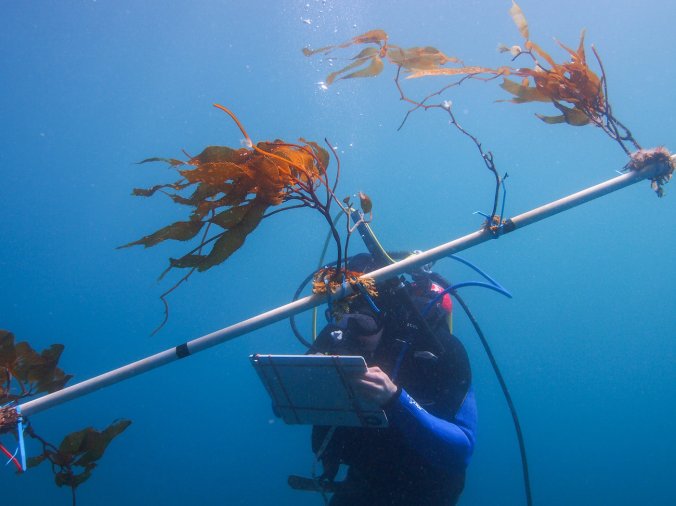
Kelp plants grow on a 30-foot-long, white PVC pole suspended in the water. If this is successful, instead of just one row, there would be a whole platform, hundreds of meters across and hundreds of meters deep, full of kelp plants. Courtesy of David Ginsburg/Wrigley Institute

Farming seaweed, using the power of the sun and the vast resources of the oceans, is a topic we expect to be featuring more of in these pages, and whether considering it as food or fuel we know the folks at the salt will be one of our primary sources delivering the goods:

The push for renewable energy in the U.S. often focuses on well-established sources of electricity: solar, wind and hydropower. Off the coast of California, a team of researchers is working on what they hope will become an energy source of the future — macroalgae, otherwise known as kelp.

The Pacific Coast is known for its vast kelp forests. It’s one of the fastest-growing plants on Earth, and farming it requires no fertilizer, fresh water, pesticides, or arable land. “It can grow 2 to 3 feet per day,” says Diane Kim, one of the scientists running the kelp research project at the University of Southern California. Continue reading

Farming Fish For The Whole World

nets-1_wide-01c3b5ebd0d717bd50433e402fd75dc5e35d6f44-s1300-c85

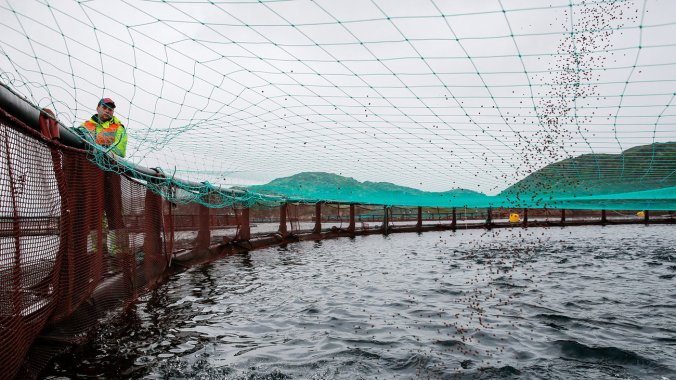
A Russian fish farming operation in Ura Bay in the Barents Sea.
Maxim Zmeyev/AFP/Getty Images

Thanks to Alastair Bland and the folks at the salt at National Public Radio (USA) for this look at the prospects for aquaculture on a global scale:

For years, scientists and activists have sounded the alarm that humans’ appetite for seafood is outpacing what fishermen can sustainably catch.

But new research suggests there is space on the open ocean for farming essentially all the seafood humans can eat. A team of scientists led by Rebecca Gentry, of the University of California, Santa Barbara, found that widescale aquaculture utilizing much of the ocean’s coastal waters could outproduce the global demand for seafood by a staggering 100 times. Continue reading

Prairie Land Livestock

071417_grazing_johnson_turkey1-aa3481f251f2ec4caf6ae0f6d9cb3b126622bccd-s1300-c85

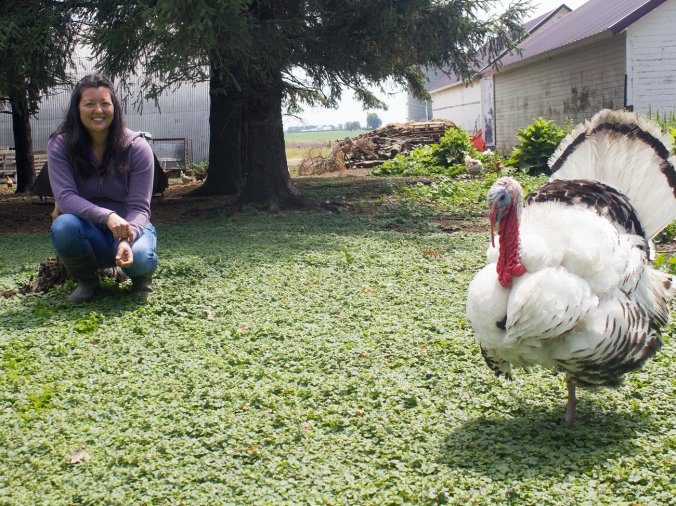
Farmer Wendy Johnson markets hogs, chickens, eggs and seasonal turkeys. She also grows organic row crops at Joia Food Farm near Charles City, Iowa. Amy Mayer/Harvest Public Media

Thanks to Harvest Public Media, Amy Mayer and the folks at the salt over at National Public Radio (USA):

How, And Why, Some Farmers Are Bringing Livestock Back To The Prairie

On a cloudy summer day, Iowa farmer Wendy Johnson lifts the corner of a mobile chicken tractor, a lightweight mesh-covered plastic frame that has corralled her month-old meat chickens for a few days, and frees several dozen birds to peck the surrounding area at will. Soon, she’ll sell these chickens to customers at local markets. Continue reading

Climate, Agriculture & Disruption

corn-shot_custom-954dc74482bc59c82397d81f4660d015b059809a-s1400-c85

Journalist Chris Clayton writes for an audience filled with climate skeptics: farmers and leaders of agricultural businesses. He’s telling them that a changing climate will disrupt their lives. Courtesy of Chris Clayton

From the salt over at National Public Radio (USA), here is an interview in keeping with the spirit of yesterday’s post on peaches:

…Clayton is a Midwesterner and agricultural policy editor at DTN/The Progressive Farmer. He’s also the author of The Elephant in the Cornfield: The Politics of Agriculture and Climate Change, which describes in detail how farmers and farm lobbyists have dealt — or, more often, refused to deal — with a changing climate.

It has sometimes put Clayton in an awkward spot, as he acknowledged when I reached him this week in his office in Omaha, Neb.

Does it make you nervous, as a reporter at a farm publication, talking about climate change?

All the time. I feel like the guy who has to tell people things they don’t want to hear. But if I simply ignore the topic or ignore the issues, am I doing anybody any favors? Continue reading

I Love Peach

31PEACHES1-superJumbo.jpg

Peaches that bloomed late and thus missed the March freeze at Pearson Farm in Georgia. Production in the state this year might be just a quarter of what it was in 2016. Credit Maura Friedman for The New York Times

I have family in Georgia, and can attest to the state’s obsession described in the first paragraph of the article below. I have visited the state when peach is at its best, and the obsession makes sense to me. Although the article does not mention climate change, per se, considering the news I cannot help filtering this story through that one.

Farmers in the south are part of “the base” that have been led to believe that climate change is a hoax, and that efforts to mitigate it are wasted, even wasteful. Which leads me to wonder whether peach farmers at a moment like this might be on particularly fertile ground–whether they might be inclined to listen to science that can help them understand the season’s tragedy in a new light. For as long as there have been farmers they have been inclined to listen to all kinds of explanations for why things happen the way they do. Maybe climate change has just not been presented by the right messenger with the right message. I love peach enough to want to find out:

The South Faces a Summer With Fewer Peaches

By

ATLANTA — Peaches are such a part of Georgia’s identity that schools, streets and health care plans are named after them. Even the sticker you get when you vote is in the shape of the fruit. South Carolina, one state over, grows more peaches than Georgia. A giant statue of a peach is its most famous roadside attraction. Continue reading

Crop Type & Pesticides

bunch-of-grapes (1)

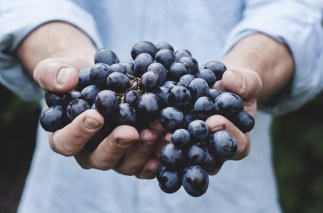
Image: Pixabay

Thanks to Emma Bryce for A more nuanced approach to reducing insecticides on our food, shared via Anthropocene:

Preserving Biodiversity to Feed the World

BioDiv.jpg

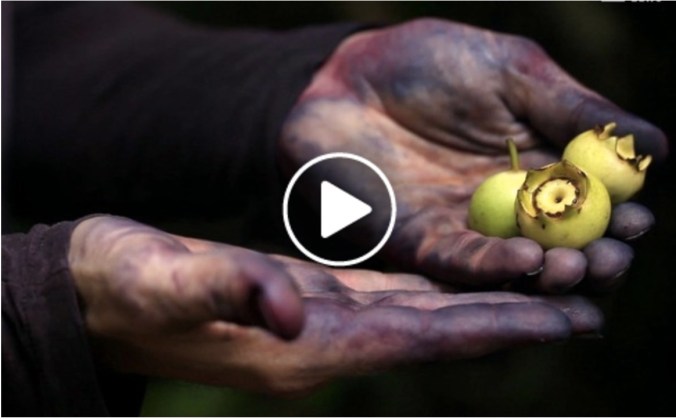
Thanks again to Atlantic for its occasional short film series, and in this case specifically to Erica Moriarty for bringing our attention to a video by Independent Lens available for sampling over at PBS (click the image above):

In the last century, 94% of the world’s seed varieties have disappeared. Family farmsteads have given way to mechanized agribusinesses to sow genetically identical crops on a massive scale. In an era of climate uncertainty and immense corporate power, farmers, scientists, lawyers, and indigenous seed keepers are on a mission to defend the future of food. Botanical explorer Joseph Simcox has been to over 100 countries, collecting thousands of seeds. In this documentary from Independent Lens, he travels to the Peruvian Amazon. Continue reading

Breaking Rules When The Result Is Worth It

19berries-1-superJumbo

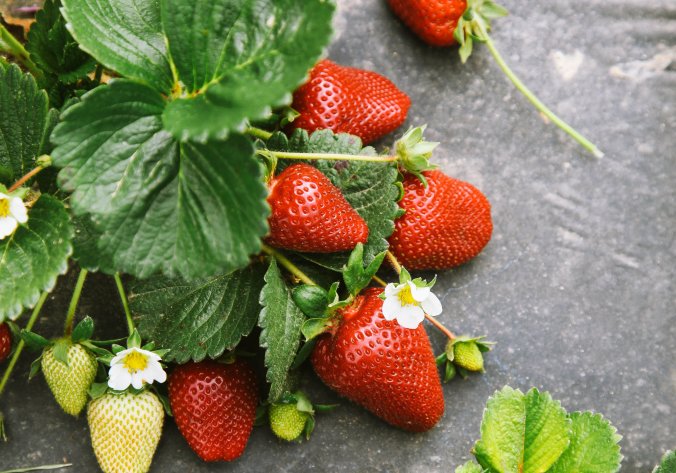
The strawberries at Harry’s Berries, grown in Oxnard, Calif., are harvested only once every five days, to give the fruit time to reach its peak flavor. Credit Amy Dickerson for The New York Times

Renegade behavior in the abstract attracts us almost always. We admit to favoring examples, cases, histories that point to unusual choices that we think provide a model for others to follow to solve problems. However, sometimes there is no choice but to point to the downside of renegade behavior, aka breaking the rules on which society depends. And there are plenty of lousy renegades we read about but do not foul up these pages with. Today, it’s coming up strawberries. Thanks to Rick and Molly and to Karen Stabiner for bringing this story forward:

Red, Ripe and Renegade: Berries That Break All the Rules

“This one should be O.K.,” he said, sounding not quite convinced. Then again, his definition of ripe is more stringent than most. Continue reading

Letters to Young Farmers

PHOTO ILLUSTRATION BY THE DAILY BEAST

The reference of the title isn’t lost on us, for the “everyday act of creation”, of coaxing bounty from the soil, is a form of poetry. We applaud both the advisors and the ears on which the advice falls.

Letters to a Young Farmer is full of good counsel for the next generation from the likes of Wendell Berry, Michael Pollan, and the noted novelist Barbara Kingsolver.

Dear young farmer,

Let me speak to you as a familiar, because of all the years I’ve cherished members of your tribe. Of course, I also know you’re only yourself, just as I remember the uniqueness of every intern, WWOOFer, and summer weed-puller who has spent a season or two on our family’s farm. Some preferred to work without shoes. Some were captivated by the science of soils, botany, and pest management. Some listened to their iPods, or meditated, or even sang as they hoed and weeded, while others found no music among the bean bee­tles. A few confessed to finding this work too hard, but many have gone on to manage other farms or buy places of their own. In these exceptional souls I invest my hopes….

Continue reading

Gangsta Garden’s Gentle Giant

06Garden-master768

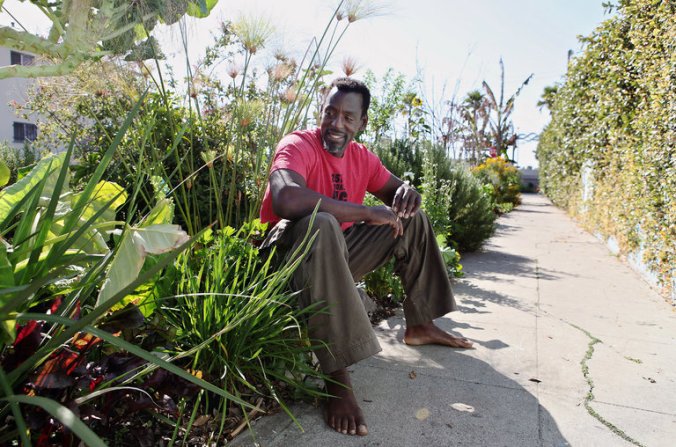
Ron Finley in a garden outside his home in Los Angeles. Credit Emily Berl for The New York Times

When Amie passed along a link to him way back when, it was all fresh news about an amazing challenge set up by an urban charismatic. Now that challenge has been turned around and amped up and we link again to Ron to help him gets what he needs:

Fighting Eviction, a Gardener Turns to Organic Industry Giants for Help

Green Farming Productivity

Thanks to Anthropocene, for this article, which adds to today’s green food theme:

On many farms, reducing pesticides probably won’t hurt profit or yields

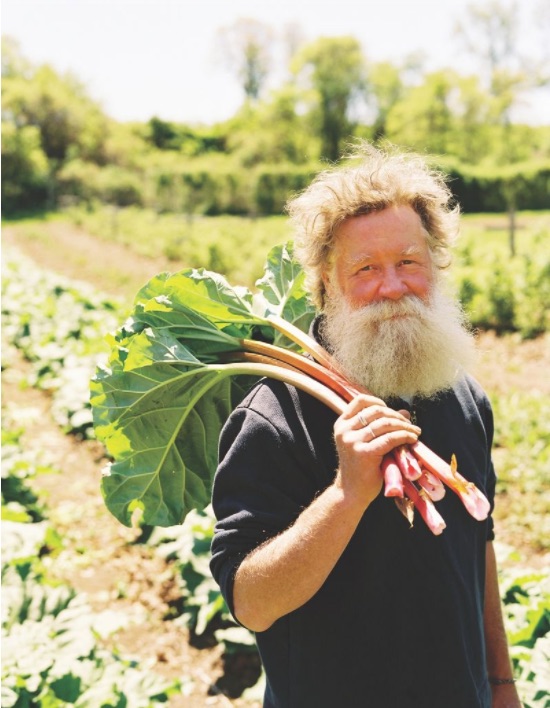
Scott Chaskey, Inspiration

Chaskey.jpgI had not heard of him before, but as we move the Chan Chich Lodge farm to table program forward it is instructive to listen to him speak about his journey:
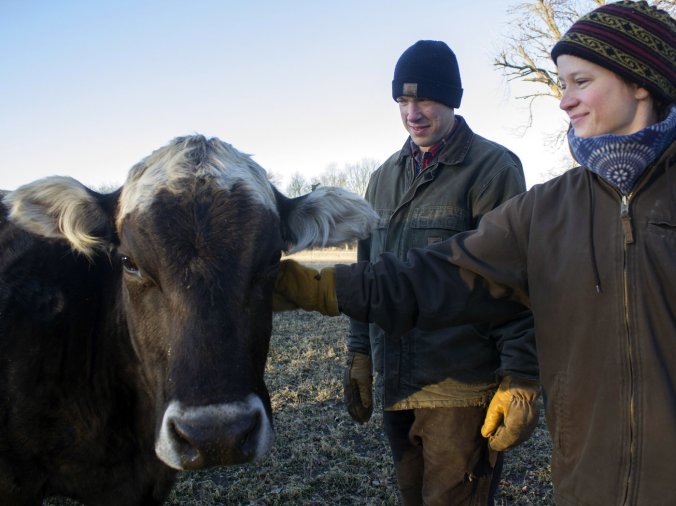
Farmer, poet, and pioneer of the community farming movement, Scott Chaskey is the kind of progressive thinker that doesn’t come around often. Weaving together his passion for farming and prose, the 66-year-old has penned multiple books on the community farming movement, creating a road-map for Americans who want to live off the land as a community. He talks to Here’s the Thing host Alec Baldwin about deciding to “eat consciously,” watching his love for the earth go global, and the food his kids hid from him when they were little.

This also has me looking at his books: Continue reading

Small Dairy Farm & Value Creation

cheese1-c6070525cade53b6706864da524537124dd434af-s1400-c85

Kevin and Ranae Dietzel, owners of a small dairy herd near Jewell, Iowa, named their signature cheese after this cow, Ingrid. Amy Mayer

A lovely little piece from the salt, over at National Public Radio (USA), that illustrates again how the production of artisanal cheeses can add value, in this case to an otherwise economically challenged farming enterprise

On a clear, cold winter evening, the sun begins to set at Lost Lake Farm near Jewell, Iowa, and Kevin Dietzel calls his 15 dairy cows to come home.

“Come on!” he hollers in a singsong voice. “Come on!”

Brown Swiss cows and black Normandy cows trot across the frozen field and, in groups of four, are ushered into the small milking parlor.: Continue reading

Broccoli & Other Suprises

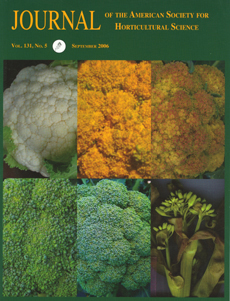
JASHScover.jpgToday I finally listened to an episode of the Surprisingly Awesome podcast, a series we have linked to more than once, that had exactly the intended effect. I now care deeply about a vegetable that I did not care deeply about before.

The image to the left is from the publications page of Cornell Professor Thomas Björkman, who is featured in the podcast. He is the perfect straight man explainer to complement the podcast’s creatively curious hosts.

As we move our farm to table program forward at Chan Chich Lodge, this is a podcast I am sharing with Chef Ram, and you might enjoy it too so click the soundcloud banner below:

Broccoli.jpg

Back To The Land, And A Future

18Farmers5-superJumbo-v2.jpg

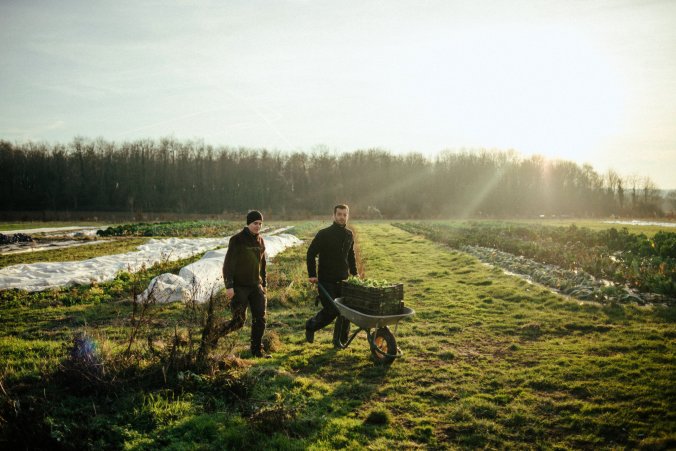
Vincent Martin, right, made a living selling health club memberships in Paris until he left his job about five years ago. “Land is key,” he said. Credit Dmitry Kostyukov for The New York Times

We are going back to the land this year, in Belize, and can relate to the description and explanation these ex-urbanites give for their retreat to the rural, agricultural life of their forebears:

Life on the Farm Draws Some French Tired of Urban Rat Race

By

SAULX-LES-CHARTREUX, France — Two years ago, Elisabeth Lavarde decided to quit her office job in Paris and start a new life in Saulx-les-Chartreux, a small town with two butchers and one baker just south of the capital.

Ms. Lavarde, 39, is now an apprentice farmer at a 24-acre farm that grows organic vegetables, sold directly to local consumers. New farmers like Ms. Lavarde usually make what they see as a decent salary of about 1,500 euros, or about $1,600, a month, slightly above the French minimum wage.

“I wanted a job with more meaning,” she said. “I felt like I was tilting at windmills.” Continue reading

2017, Year Of Wilderness Conservation, Farming & Food

CCL Board.jpg

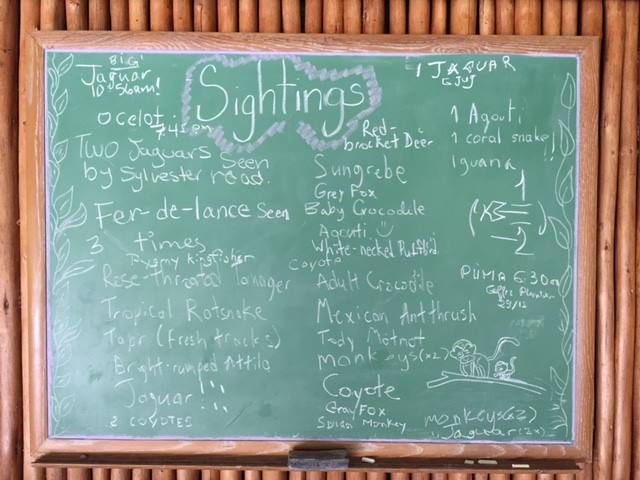
A few days ago Arnay, the General Manager of Chan Chich Lodge, posted a snapshot of the sightings board just outside the reception area, where guests share what they have seen on any given day while trekking with guides, or trekking solo. 2016 was not exceptional for Chan Chich, but it was another year of exceptional opportunity to witness the abundance that comes with committed conservation.

The big cats made their presence known day after day after day. The entire food chain on which they depend was right there with them, well balanced in the 30,000 acres of forest that Chan Chich protects, surrounded by an additional nearly half million acres that other private conservation-minded land-owners protect in northwest Belize. Continue reading

One Type Of Farm Of The Future

img_4002-58_custom-e07c5a73d9c530cfd3b5ce3232509e17950feb69-s1100-c85

Dan Charles/NPR

The last story of 2016 offered by the salt, at National Public Radio (USA) seems a fitting story for us to link to as we jump in to 2017, which will be a year for stretching our farming and food activities beyond simple farm-to-table, onward to a bigger reach (more on which to come). It is useful, and heartening, to hear this family’s story:

By Returning To Farming’s Roots, He Found His American Dream

by Dan Charles

Eighteen years ago, on New Year’s Eve, David Fisher visited an old farm in western Massachusetts, near the small town of Conway. No one was farming there at the time, and that’s what had drawn Fisher to the place. He was scouting for farmland. Continue reading

Surfing, Farming, Learning

surf1

We have on occasion linked to video shorts offered over at the Atlantic website; this one is worth the seven minutes:

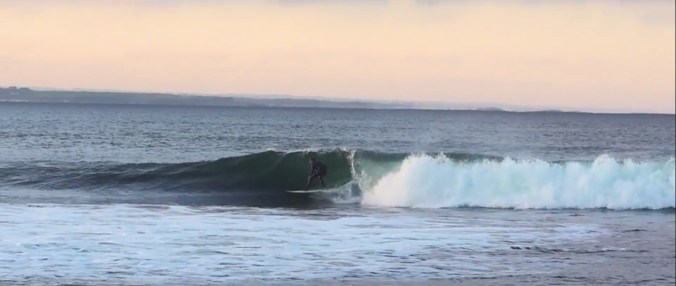
When Pro Surfers Learn to Farm

Video by The Perennial Plate

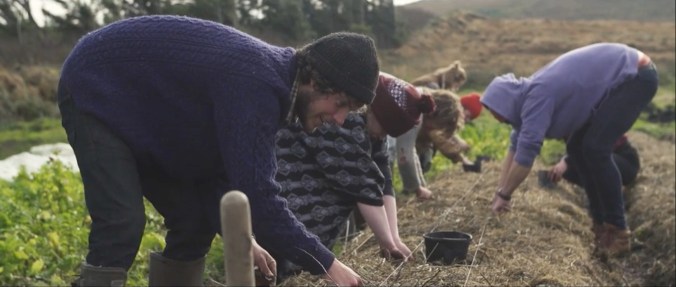
What happens when a group of professional surfers get tired of the global surfing circuit?

Surf2.jpg

This charming short documentary tells the story of how three friends abandoned their sports careers for the whimsical calling of growing organic vegetables on Ireland’s Wild Atlantic Way. Continue reading

Truffle Cultivation

27truffle-jumbo

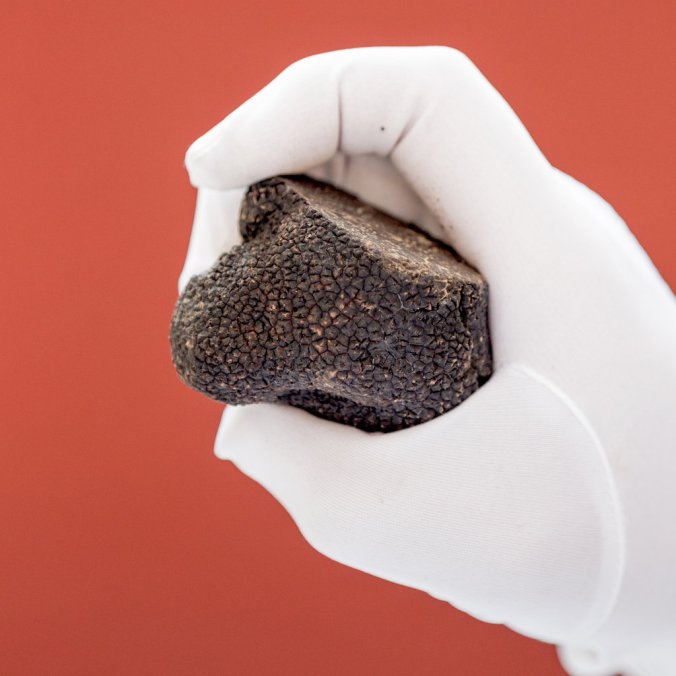
Black truffles at La Toque restaurant in Napa, Calif. The owner, Ken Frank, who buys truffles from Australia, backs efforts to grow them in Napa. Credit Jason Henry for The New York Times

Because they are such a mystery, and intersect various of our interests in these pages, we feel compelled to share this:

Has a Start-Up Found the Secret to Farming the Elusive Truffle?

The American Truffle Company has a new technique that it says can expand the range of the Perigord truffle in North America, but success is proving costly. Continue reading