Periyar Tiger Reserve – Thekkady

Photo credits : Unni P

Photo credit: Unni P.

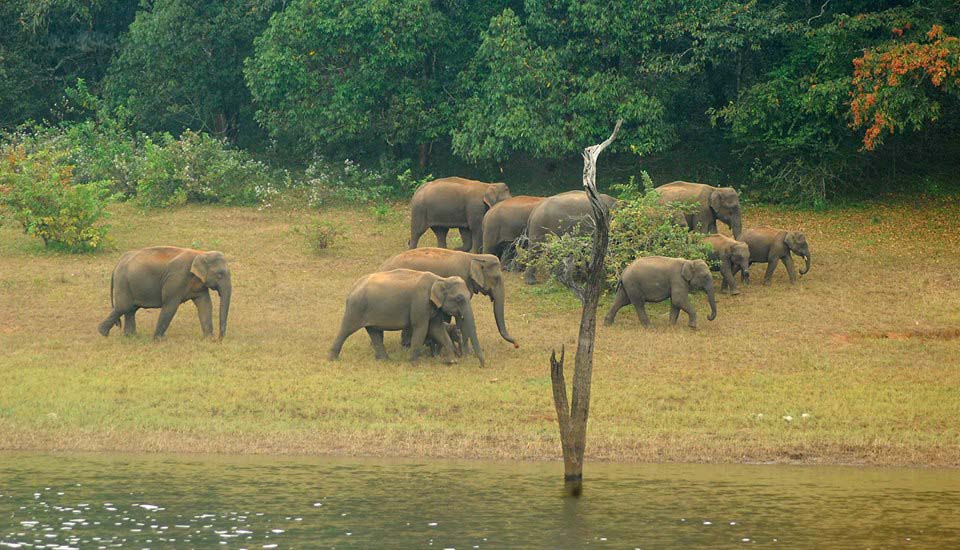
Periyar Tiger Reserve in Thekkady is one of  27 tiger reserves in India. The reserve’s diverse environment includes tropical evergreen and moist deciduous forests, grass lands and lakes. Although Periyar is a tiger reserve, there are many more animals than just tigers to be seen in the region: elephants, bison, Sambar deer, leopards, and wild boars also share the grounds. Continue reading

Coffee in the Ground at Xandari

Screen Shot 2022-07-22 at 9.49.50 AM

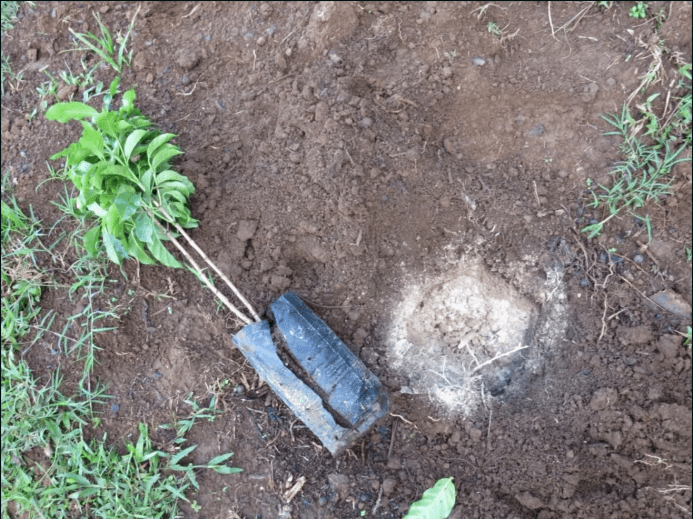
Coffee ready to be planted, next to its hole

On Monday, we began planting coffee and made great headway on getting the shrubs in the ground. Fortunately, José Luis, Xandari’s head gardener, and his team (or should we say “coffee crew” in this case?) had already done significant work in preparing the soil to receive the plants. Continue reading

Coffee in Xandari

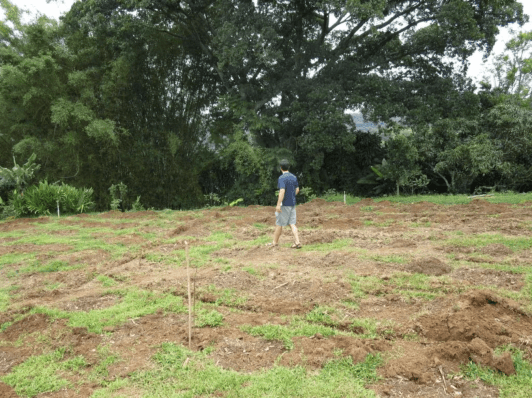
Here at Xandari (Alajuela, Costa Rica) everything is ready for coffee’s big return. The resort’s land was once dedicated to growing and harvesting the finest estate coffee this country offers (you can visit the Doka Estate, to which Xandari’s land once belonged, in one of our guests’ favorite day tours), but for the last 18 years more attention was given to the organic vegetables, orchards and gardens that now dot the verdant grounds. Plans are in motion, however, to bring the crop back to this area long celebrated for the quality of its coffee.

The ground is tilled:

Screen Shot 2022-07-22 at 10.58.04 AM

Continue reading

Attappadi – Kerala

Photo credits : Jaimon

Photo credits: Jaimon

Attappadi is one of the largest tribal settlements in Kerala. Situated in Palakkad district, the Attappadi region is a beautiful synthesis of rivers, forests and moutains. This scenic, hilly area is rich flora and fauna, with the Bhavani river flowing from the mountains. Continue reading

Unseen Munnar

Photo Credits: Roji Antony

Photo Credits: Roji Antony

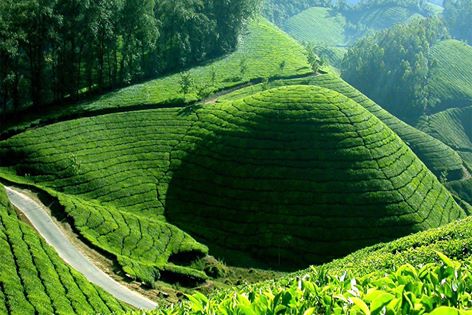
Located 1600 metres above sea level, this hill station become the headquarters for several tea plantations scattered throughout the Western Ghats. The need to serve these plantations led to the growth of  Munnar and its surroundings. With the tag of tourism, it has became a magnet for travelers, offering great opportunities for walking, trekking, nature photography and golfing. Continue reading

Anamudi Peak – Munnar

Photo credits :  Salim

Photo credits: Salim

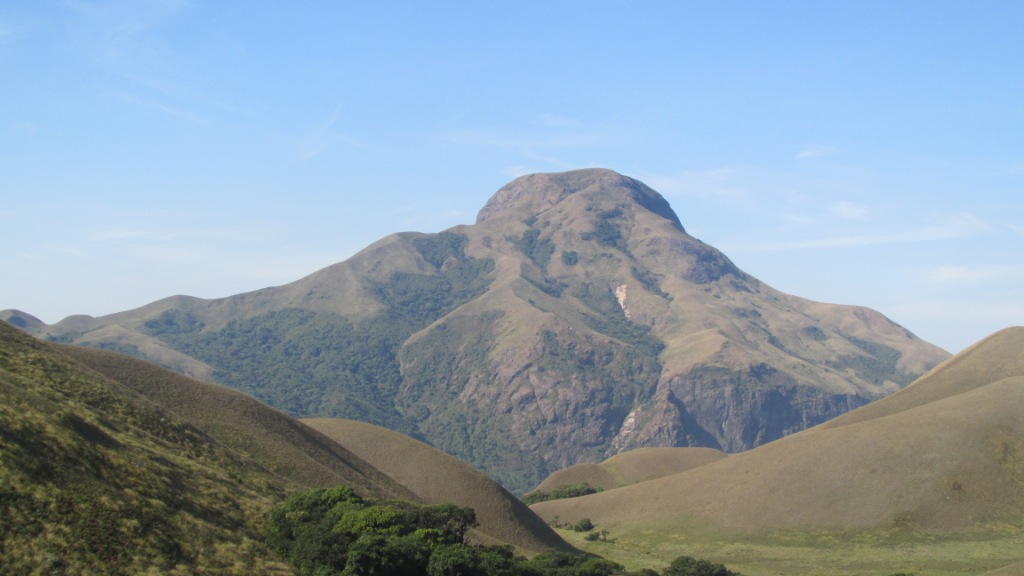
Anamudi Peak, highest peak in South India, is situated in Idukki district at Munnar. The slopes of the hills abound in all kinds of rare flora and fauna.The peak is on the southern end of Eravikulam National park and can be reached on foot from there, a technically easy hike on grass slopes. Continue reading

Lotus Flower

Photo credits : Ramesh Kidangoor

Photo credits: Ramesh Kidangoor

The lotus is India’s national flower, and one of the eight auspicious signs of Buddhism and Hinduism. As a holy symbol in Indian culture and a sacred symbol of Hinduism, the lotus is found throughout the Hindu scriptures. In many spiritual traditions, lotus flowers are especially sacred as an offering to the divine. Continue reading

Kodai Lake – Tamil Nadu

Photo credits : Renuka Menon

Photo credits: Renuka Menon

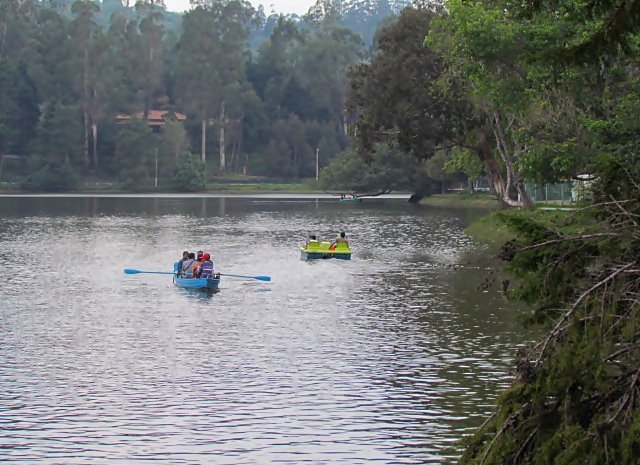
Kodaikanal is the one of Tamil Nadu’s famous hill stations. With an altitude of about 2200 meters above sea level and coversing an area of 2150 sq km, it is the most popular tourist destination in South India due to it’s lush, green surroundings and beautiful lake with boating and angling facilities. Continue reading

Parambikulam Wildlife Sanctuary – Kerala

Photo Credits : Surus

Photo Credits: Surus

Parambikulam is located in the Palakkat district of Kerala. It is one of the world’s biodiversity hotspots that supports diverse types of habitat and wildlife. Considering its biological richness, abundance of wildlife and  scenic beauty, the Sanctuary is one of the most attractive national parks in the entire stretch of the Western Ghats. Continue reading

Lalbagh Botanical Gardens – Bangalore, Karnataka

Photo Credits : Dileep Kumar

Photo Credits: Dileep Kumar

Lalbagh Botanical Gardens is situated in the heart of Bangalore, the capital city of Karnataka State. Hyder Ali, the sultan of the Kingdom of Mysore commissioned the gardens 1760, but his famous son, Tipu Sulthan, saw to its completion, importing rare and exotic trees and plants from places as far flung as Afghanistan and France. Continue reading

Sea-Level Summer, Citrus, And Chilling At 51

From Plate 205: Limon Caietanus by Giovanni Battista Ferrari (1584-1665)

From Plate 205: Limon Caietanus by Giovanni Battista Ferrari (1584-1665)

Helena Attlee
THE LAND WHERE LEMONS GROW
The story of Italy and its citrus fruit
272pp. Particular Books. £20.
978 1 84614 430 2

The views, not to mention recent temperatures, lead most guests to sit outdoors with the breeze on the deck, on either the ground level or mezzanine, watching the fishermen haul in their catches, or the tug boats, or the ferries. 51 is alive with citrus in these sea level summer days and evenings, starting with a tall glass of iced minted-lime cooler, continuing with a chilled avgolemono soup;  and so on. Clarissa Hyman, a freelance food and travel writer, catches our attention with this book review in the Times Literary Supplement:

A paradox pervades the Sicilian citrus groves and gardens. The scent is intoxicating but too often the fruit lies rotten on the ground, unwanted and worthless. In this maddening, singular island, where they say the sun drives you crazy and the moon makes you sad, the irony is your breakfast orange juice will most likely be diluted, long-life concentrate from oranges grown in Brazil. Continue reading

Indian Laburnum


Photo Credits : Jithin

Photo Credits: Jithin

Commonly known as the Golden Shower tree, the flowers of the Indian Laburnum are an integral part of Vishu, the planting festival of Kerala. This delicate flower graces the ritual arrangements in homes all over Kerala. Continue reading

Pathiramanal Island – Alappuzha, Kerala

Photo credits : Surus

Photo credits: Surus

Pathiramanal is a small island located in the backwaters of Alappuzha District, about 2 kilometers from the Muhumma boat jetty. Many rare varieties of migratory birds from different parts of the country come here to nest, adding to the scenic beauty of its location on Lake Vembanad. Continue reading

Lalbagh Flower Show 2014 – Bangalore, Karnataka

Photo credits : Dileep Kumar

Photo credits: Dileep Kumar

The flower shows at Bangalore’s famous Lalbagh Botanical Gardens are annual events that add another reason to attract visitors to the beautiful gardens. More than 175 varieties of flowers and vegetables are on display. The showcase also features huge floral structures in the shape of mangoes, mushrooms, coconuts and more. Continue reading

Banyan Trees

Photo credits : Renjith

Photo credits: Renjith

The national tree of India, the Banyan is one of the most magical and mystical of trees. In Indian culture the Banyan tree is considered to be sacred and leaves of the tree are considered to be the resting place of Lord Krishna. It is also believed that Buddha achieved enlightenment while sitting under a Banyan tree. Continue reading

The Importance of Flowers

Photo credits: Christoph Hurni

Photo credits: Christoph Hurni

Flowers are quite important in Indian culture. They are needed in the temples to adorn the gods, as well as for other decorations, be it for a wedding or for any other function.

If you walk through a street which is close to a temple, you will see lots of flower vendors. Since it’s said that there are up to thirty-three million gods in Hinduism (isn’t that amazing?!), India clearly needs lots of flowers. Of course, many people don’t actually know all the millions of gods (including me), but luckily there aren’t many restrictions on what flowers can be used to adorn any given god!

Continue reading

Animal, Insect, Vegetable Altruism

It’s been said that there’s an imbalanced focus on ornithology within our site, but we can also claim to have a slightly skewed preference for sloths as well. Whether it’s their permanently gentle grin or their slow, methodical movements we’re not sure, but we know we’re not the only ones who find them fascinating.

Sloths are found in both rainforest and dry tropical forest ecosystems but the biodiversity of their habitat is nothing compared to what they carry around with them in their arboreal lives. A team of biologists from the University of Wisconsin led Jonathan N. Pauli and M. Zachariah Peery has recently tackled a 35-year-old mystery about sloth behavior.

The sloth is not so much an animal as a walking ecosystem. This tightly fitting assemblage consists of a) the sloth, b) a species of moth that lives nowhere but in the sloth’s fleece and c) a dedicated species of algae that grows in special channels in the sloth’s grooved hairs. Groom a three-toed sloth and more than a hundred moths may fly out. When the sloth grooms itself, its fingers move so slowly that the moths have no difficulty keeping ahead of them.

Every week or so, the sloth descends from its favorite tree to defecate. It digs a hole, covers the dung with leaves and, if it’s lucky, climbs back up its tree. The sloth is highly vulnerable on the ground and an easy prey for jaguars in the forest and for coyotes and feral dogs in the chocolate-producing cacao tree plantations that it has learned to colonize. Half of all sloth deaths occur on the ground. The other serious hazard in its life is an aerial predator, the harpy eagle.

Why then does the sloth take such a risk every week? Researchers who first drew attention to this puzzle in 1978 suggested that the sloth was seeking to fertilize its favorite tree. Meanwhile, the algae that gave the sloth’s coat a greenish hue were assumed to provide camouflage.

Writing last week in Proceedings of the Royal Society B, the Wisconsin researchers assembled all these pieces in a different way. They started by trying to understand what would compel the sloth to brave the dangers of a weekly visit to ground zero. Continue reading

PhotoSingularities: Big Sagebrush in Moonlight (1)

PhotoSingularities: Big Sagebrush in Moonlight (1)

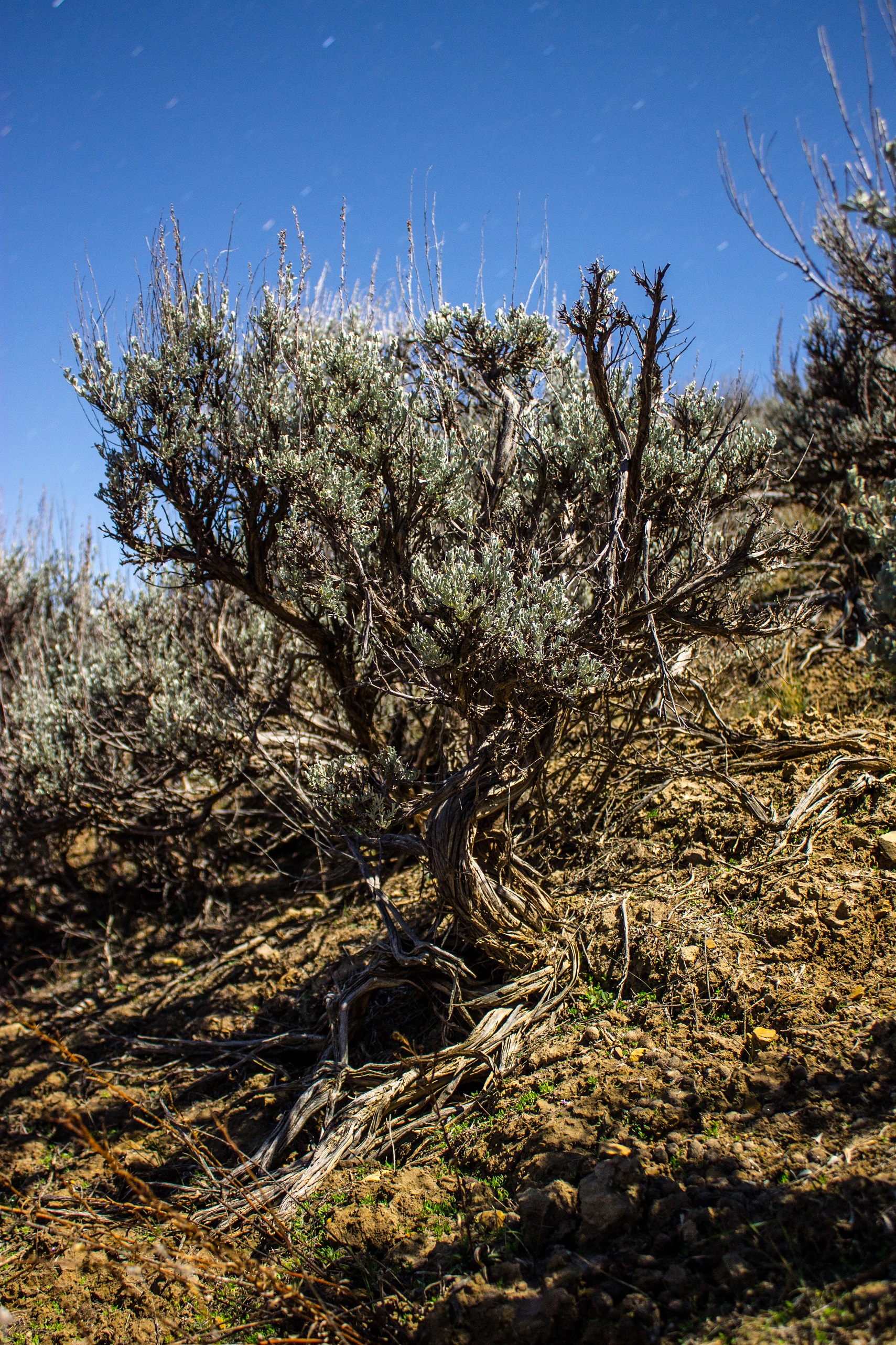
Artemisia tridentata, or Big Sagebrush, is a ubiquitous herb in the North Fork Valley and elsewhere in the Rocky Mountains and beyond. It has been traditionally used by Southwestern Natives in many ways to many effects. It has been used to prevent contamination of wounds, ward evil spirits, relieving indigestion, and to treat colds and fevers, among many others.

The Wild and Mystical Periyar

group of sambar deers

Herd of Sambar Deer

Sightings in the Periyar Tiger Reserve can sometimes be a difficult task owing to the rich flora of its landscape, but with the promise of water from the Periyar lake it is habitual for the animals to come near the lake hence giving an opportunity to spot them while they quench their thirst and rest. Here are a few such sighting on the lake shore. Continue reading