America’s Own ‘Tea’ Plant

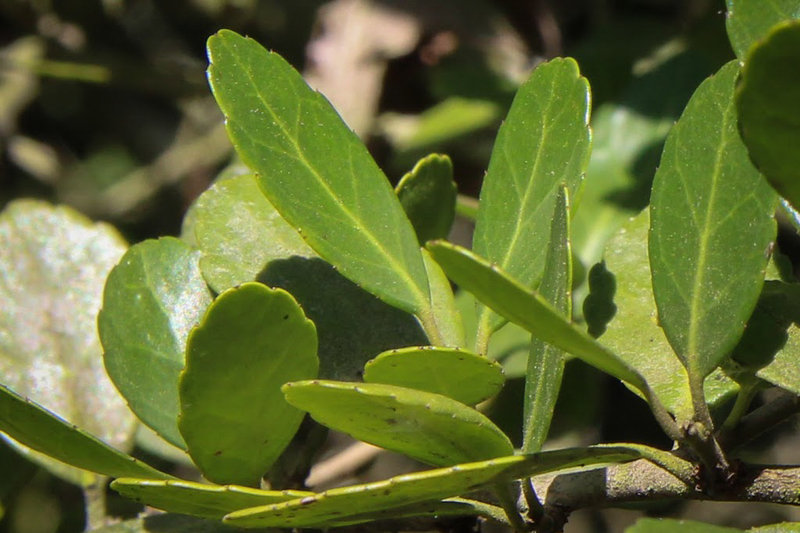
Yaupon growing in the wild in east Texas. This evergreen holly was once valuable to Native American tribes in the Southeastern U.S., which made a brew from its caffeinated leaves. PHOTO: Murray Carpenter for NPR

Yaupon growing in the wild in east Texas. This evergreen holly was once valuable to Native American tribes in the Southeastern U.S., which made a brew from its caffeinated leaves. PHOTO: Murray Carpenter for NPR

Thanks to RAXA Collective’s India operations, specifically in Kerala, there has been no dearth of stories on tea here. Tea’s takeover of the table finds space here. While our travels allow us to bring you tea experiences from across the world. Follow a seed to cup journey in Thailand here. Also be sure of how the iced variety is slowly taking over the world. Now NPR creates some buzz with a piece on North America’s forgotten ‘tea’ plant, probably the only plant from the continent known to contain caffeine.

Continue reading

People First at This Public Regrigerator

Issam Massaoudi, an unemployed Moroccan immigrant, checks out what's inside the Solidarity Fridge. Massaoudi says money is tight for him, and it's

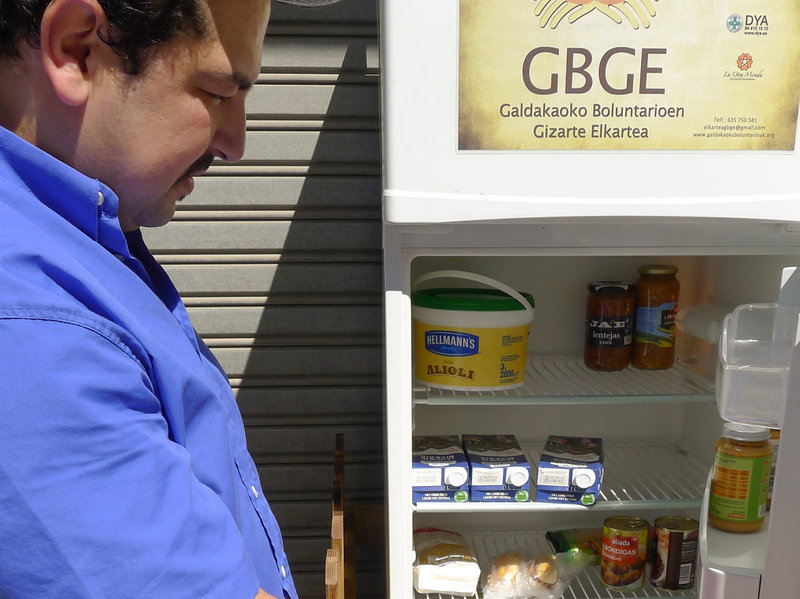
Issam Massaoudi, an unemployed Moroccan immigrant, checks out what’s inside the Solidarity Fridge. Massaoudi says it’s “amazing” to be able to help himself to healthy food from Galdakao’s communal refrigerator. PHOTO: NPR

Last year, a small act of kindness in the desert country of Saudi Arabia warmed the hearts of many across the globe. An anonymous individual put a fridge outside his house and called on neighbors to fill it with food for the needy. And now a pioneering project in the Basque town of Galdakao, population about 30,000, aims to eliminate wastage of perfectly good groceries and food. Solidarity refrigerator is showing the world how a little generosity can go a long way.

Continue reading

‘Lettuce’ Celebrate NASA’s Moment

On Monday, astronauts aboard the International Space Station harvested and ate the first lettuce to have been grown in space. Photo by NASA

On Monday, astronauts aboard the International Space Station harvested and ate the first lettuce to have been grown in space. Photo by NASA 

“It was one small bite for man, one giant meal for mankind.” And that’s putting it lightly. On Monday, after watching a batch of red romaine lettuce grow under a purplish glow in the microgravity of space, NASA astronauts aboard the International Space Station harvested their own fresh produce. And this officially is the first time astronauts have dined on a harvest sown in space. Nothing like ‘home-grown’ food, right?

Continue reading

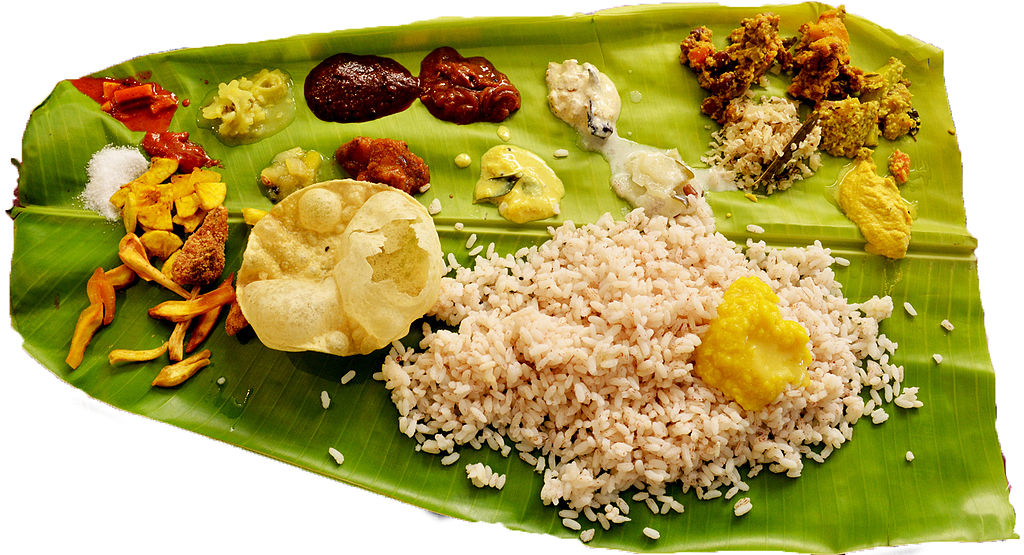
Here’s How to See a Meal on a Banana Leaf

Eating on a banana leaf goes beyond the food; it's about science, energy, and teachings of yore. PHOTO: Wikimedia Commons

Eating on a banana leaf goes beyond the food; it’s about science, energy, and teachings of yore. PHOTO: Wikimedia Commons

The rains have ceased and clearer skies bless our days here in Kerala as the calendar turns a page to August. The words are only beginning to be murmured but sadyakasavuand Onam can put the life back in any Keralite’s soul. Food, clothing, and a festival – in translation – who could possibly ask for more! And one thing that binds them all together is how true to the land they stay. The sadya in particular, once you look beyond the fact that it’s an only-hands affair and is best had sitting cross-legged on the floor, is an example of food science, forms of energy, folk teachings, and more.

Continue reading

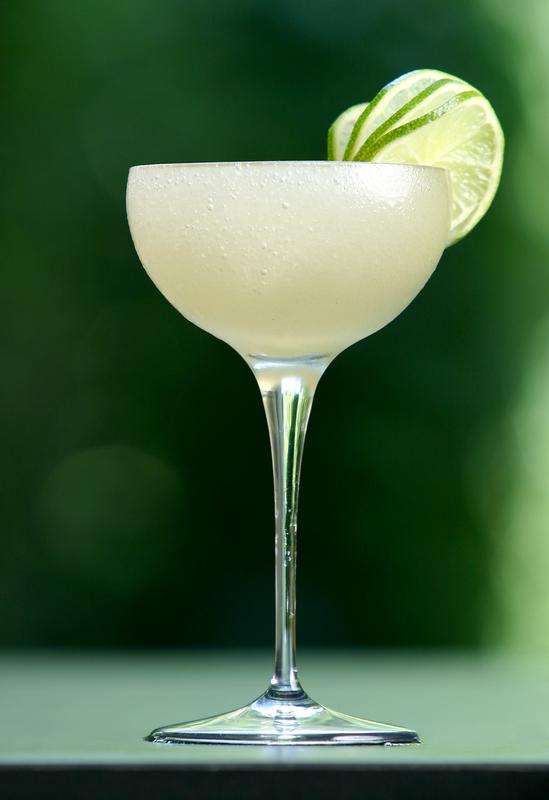
Shaken, Not Stirred – The Golden Age of Cocktails

Forget the blender and all of the bottled mixes, the best Daiquiri is made from scratch and it is an unbelievably easy mix of three main ingredients.

Forget the blender and all of the bottled mixes, the best Daiquiri is made from scratch and it is an unbelievably easy mix of three main ingredients.

“Shaken, not stirred” is a catchphrase of Ian Fleming‘s fictional British Secret Service agent James Bond and describes his preference for the preparation of his martini cocktails. The phrase first appears in the novel Diamonds Are Forever (1956), though Bond himself does not actually say it until Dr. No (1958), where his exact words are “shaken and not stirred”. Going by it, there clearly seems to be a preference and an art to topping up a glass. And The Salt‘s trackback to when Americans learned to love mixed drinks shows just that.

Continue reading

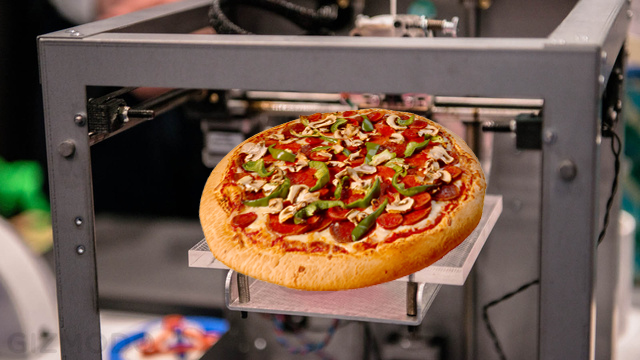
Fancy Some Printed Food?

What is 3D printing's effect on fine dining? PHOTO: Shiftgig

What is 3D printing’s effect on fine dining? PHOTO: Shiftgig

What connects information and software to cooking? 3D printers. Though still finding a fan base among top chefs, the technology is poised to redefine the fine world of fine dining. For now the mechanism is nascent, it takes multiple materials to ‘print’ one dish and its newness is a put-off but it’s also stirring up some interesting innovations in the culinary world. No, not a la carte.

Continue reading

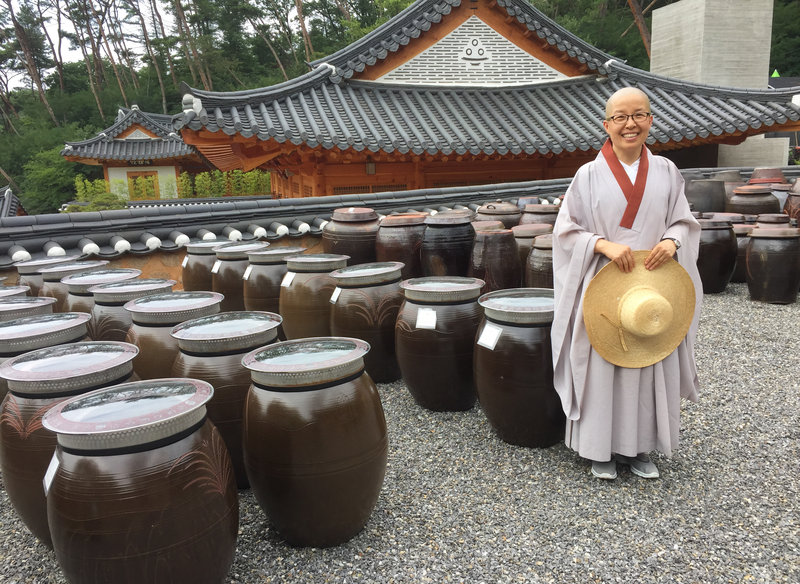
Food for the Soul

Sun Woo directs the visitor program at Jinkwansa, a Buddhist temple outside Seoul famous for preserving the art of Korean temple food. Behind her are giant jars filled with fermented soybeans. PHOTO:  Ari Shapiro/NPR

Sun Woo directs the visitor program at Jinkwansa, a Buddhist temple outside Seoul famous for preserving the art of Korean temple food. Behind her are giant jars filled with fermented soybeans. PHOTO: Ari Shapiro/NPR

When it comes to faith matters, it’s interesting to see how matters of divinity are linked to food. One interpretation of it could be the need to connect the intangible with the tangible. And no better universal language than food as a medium to impart lessons for the soul. While most Hindu temples distribute prasadchurches have the Eucharist, Jewish rituals revolve around the seder meal and so on. The Buddhist temple at Jinkwansa too has a food tradition, one that goes back 1,600 years and is renowned for its detoxification power.

Continue reading

Many Foods, One Power

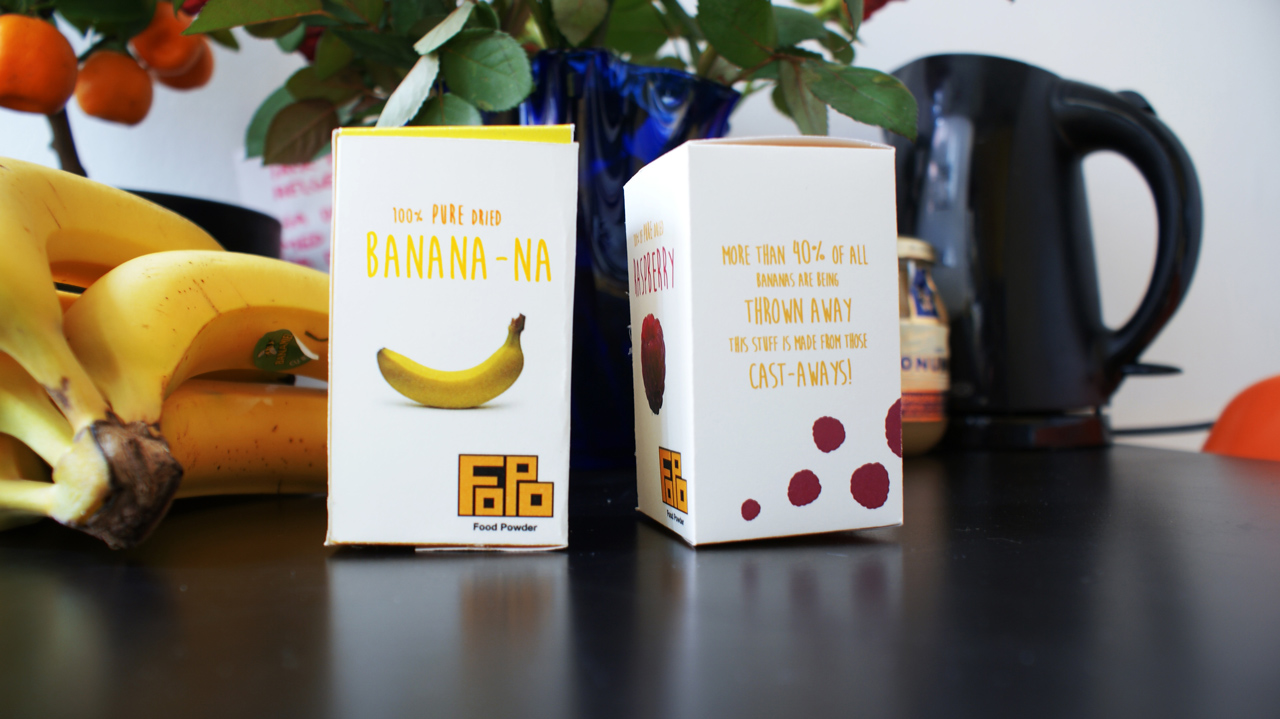
This startup turns almost-expired fruit Into tasty nutritional powder to fight hunger. PHOTO: Co Exist

This startup turns almost-expired fruit Into tasty nutritional powder to fight hunger. PHOTO: Co Exist

According to a 2013 report by UNEP and the World Resources Institute (WRI), about one-third of all food produced worldwide, worth around US$1 trillion, gets lost or wasted in food production and consumption systems. When this figure is converted to calories, this means that about 1 in 4 calories intended for consumption is never actually eaten. About 24 percent of all calories currently produced for human consumption are lost or wasted. In a world full of hunger and volatile food prices, these statistics make a case for ideas to combat food waste. And this Swedish startup may have a solution in which grocery stores and their stock of nearly expired food are the main players.

Continue reading

Use Them Lights to Grow Some Vegetables

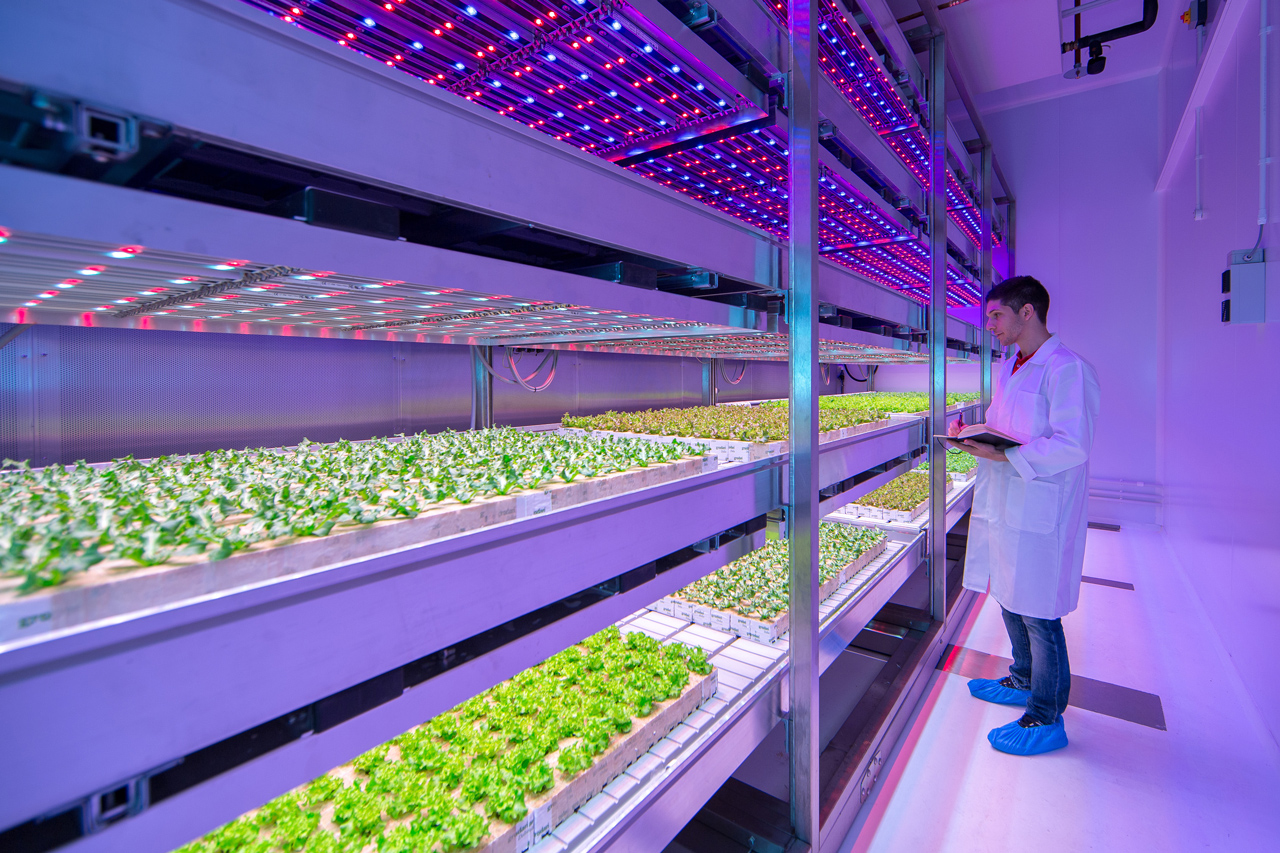
In this huge urban farming lab, LED "Recipes" grow juicier tomatoes and sweeter basil. PHOTO: Co Exist

In this huge urban farming lab, LED “Recipes” grow juicier tomatoes and sweeter basil. PHOTO: Co Exist

Behind a vault-like door, the long, windowless room has the same purple glow as the cabin on a Virgin America flight. Instead of passengers, the space is filled with row after row of plants, each growing under a carefully calibrated series of red and blue lights. White-coated researchers walk by studying each leaf of lettuce or kale. Welcome to the GrowWise Center, one of the largest homes for urban farming research in the world.

Continue reading

What’s Behind the Prawn Sandwich?

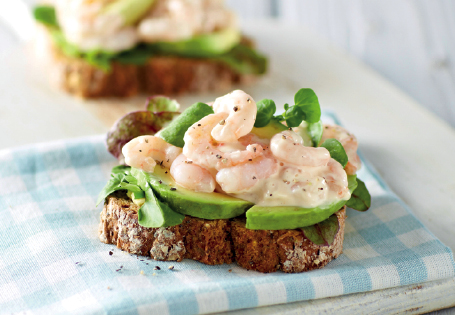
Your cheap prawn sandwich may be destroying Sri Lanka's mangroves. PHOTO: Aldi

Your cheap prawn sandwich may be destroying Sri Lanka’s mangroves. PHOTO: Aldi

A swelling appetite for shrimps and prawns in America, Europe and Japan has fuelled industrial farming of shellfish in the past few decades. The industry now has a farm-gate value of $10 billion per year globally and the prawn in your sandwich is much more likely to have come from a pond than from the sea. While the industry is dominated by the likes of China, Vietnam and Thailand, a large number of other countries have invested heavily in cultivation too.

 One is Sri Lanka, which saw the industry as a passport to strong economic growth and widespread employment. Just outside the world’s top ten producers, it accounts for approximately 50% of the total export earnings from Sri Lankan fisheries. More than 90% of the harvested cultured prawns are exported, going mostly to Japan.

Prawn aquaculture has been likened to slash-and-burn cultivation—find a pristine spot, remove the vegetation and farm it for a few years before moving on. But the analogy is misleadingly benign. Slash-and-burn systems on a small scale can be sustainable, since the cut plots can recover afterwards.

Continue reading

From India to Houston, the 40-year-old Yogurt

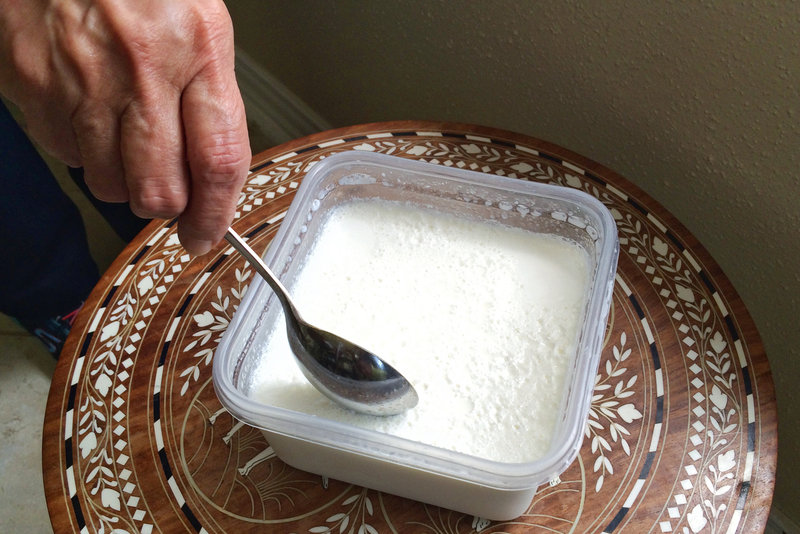
A recent batch of Veena Mehra's yogurt in Houston. She's been making yogurt the same way, with the same starter, for about 40 years. PHOTO: Nishta Mehra

A recent batch of Veena Mehra’s yogurt in Houston. She’s been making yogurt the same way, with the same starter, for about 40 years. PHOTO: Nishta Mehra

If you’re making your own yogurt at home, you need an old batch to make a new batch. And the community of microbes in that yogurt starter — and the flavor — should remain relatively unchanged if you make it the same way every time. That’s what Rachel Dutton, an assistant professor of microbiology at the University of California, San Diego who studies cheese and other dairy products, says, anyway.

Continue reading

Put a Label On It

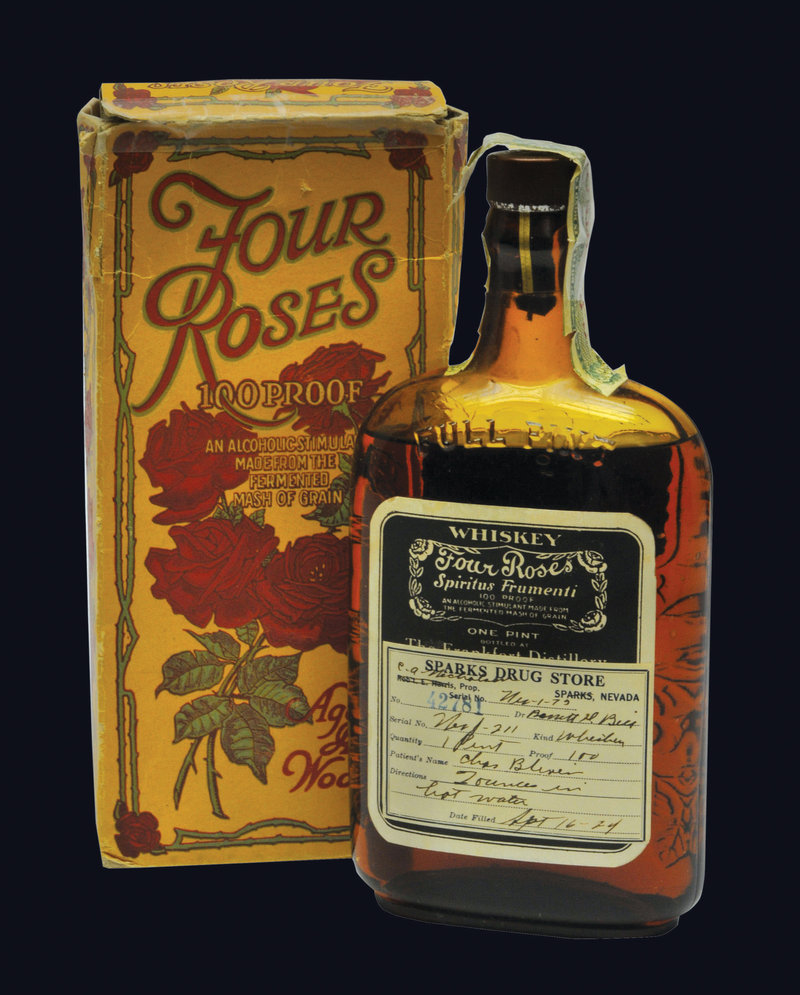
During Prohibition, whiskey could legally be sold as medicine. This particular bottle of Four Roses bourbon was prescribed to a patient in Sparks, Nev., in 1924. The label tells patients to mix 2 ounces of whiskey with hot water. PHOTO: Ten Speed Press/Four Roses

During Prohibition, whiskey could legally be sold as medicine. This particular bottle of Four Roses bourbon was prescribed to a patient in Sparks, Nev., in 1924. The label tells patients to mix 2 ounces of whiskey with hot water. PHOTO: Ten Speed Press/Four Roses

Many a book, blog and news article has been devoted to the topic of whiskey: the way it’s aged, where to drink it, how to store it and serve it or pair it with food. But comparatively little attention has been paid to how whiskey is packaged. Spirits and wine writer Noah Rothbaum felt that it was time that American whiskey labels had their day in the spotlight. His new book, The Art of American Whiskeytraces the history of surprisingly elaborate labels from the 1800s to today.

Continue reading

Fancy Some Meat Done Inca-style?

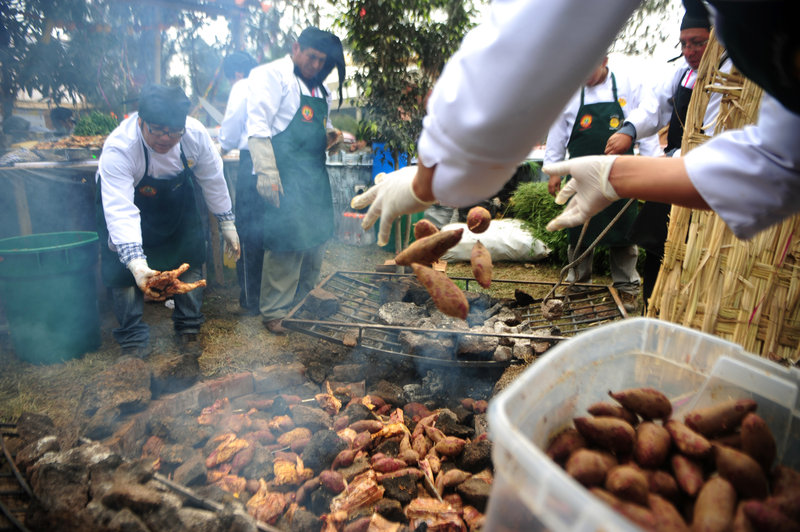
People throw potatoes into a pachamanca during a gastronomic fair Mistura in Lima. PHOTO: Ernesto Benavide

People throw potatoes into a pachamanca during a gastronomic fair Mistura in Lima. PHOTO: Ernesto Benavide

What’s the epitome of summer for a lot of Americans? It’s communing around a grill, with friends and family, waiting for a slab of meat to cook to juicy perfection. In Peru, people like to gather around heat and meat, too. Except the heat — and the meat — are buried in the ground. It’s called pachamanca, a traditional way of cooking that dates back to the Inca Empire. The pit cooking technique has evolved over time but remains an important part of the Peruvian cuisine and culture, especially in the central Peruvian Andes all year-round for family get-togethers and celebrations. Imagine a cornucopia of dozens of potatoes and corn ears and giant slabs of well-marinated meat, stacked carefully in layers. Pachamanca is that cornucopia turned upside-down and sealed for hours.

Continue reading

Big Fish, Small Fish

Encouraging consumers to eat fish such as herring, mackerel, and butterfish might, ironically enough, be the best way to save those species. PHOTO: Nutritional Thinking

Encouraging consumers to eat fish such as herring, mackerel, and butterfish might, ironically enough, be the best way to save those species. PHOTO: Nutritional Thinking

From the beginning of time and until relatively recently, little fish had only big fish to fear. Since the middle of the twentieth century, however, some little fish—forage fish, to be precise—have faced radically increased threats from humans, and, by extension, from the pigs and chickens that the fish are increasingly being fed to. Forage fish are now threatened worldwide, which has potentially troubling implications for the entire food chain. In conservation circles, the suggestion lately is that encouraging consumers to eat small fish might, ironically enough, be the best way to save them.

Continue reading

Dear Cocoa

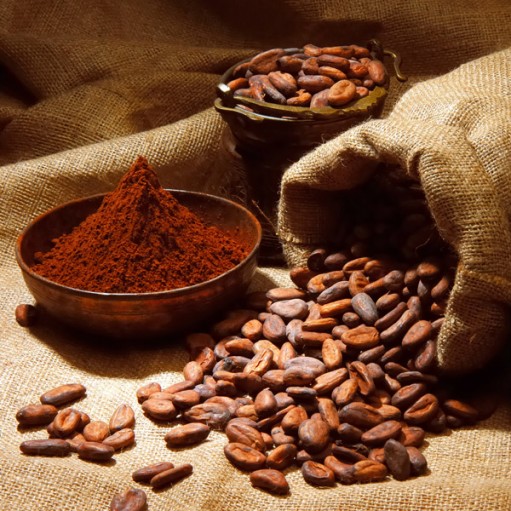
The world is running out of cocoa farmers. Younger generations no longer want to be in cocoa. Older generations are reaching their life expectancy. PHOTO: Herbcraft

The world is running out of cocoa farmers. Younger generations no longer want to be in cocoa. Older generations are reaching their life expectancy. PHOTO: Herbcraft

Think comfort food, think chocolate. Much has been written and debated about cocoa’s health properties. Many are the ones who swear by the uplifting power of cocoa at the end of forgettable days. But the ones who grow the beans hardly find any comfort in them, says the Cocoa Barometer. Some of them haven’t even tasted chocolate. Cocoa continues to be among the few crops that are hand-harvested but it doesn’t hand its cultivators a fair deal, says research.

Continue reading

Let’s See You Shop Sustainably

HowGood, an independent research organization based in New York City, may have answers for the food industry’s many scales of sustainability. PHOTO: ucla.edu

HowGood, an independent research organization based in New York City, may have answers for the food industry’s many scales of sustainability. PHOTO: ucla.edu

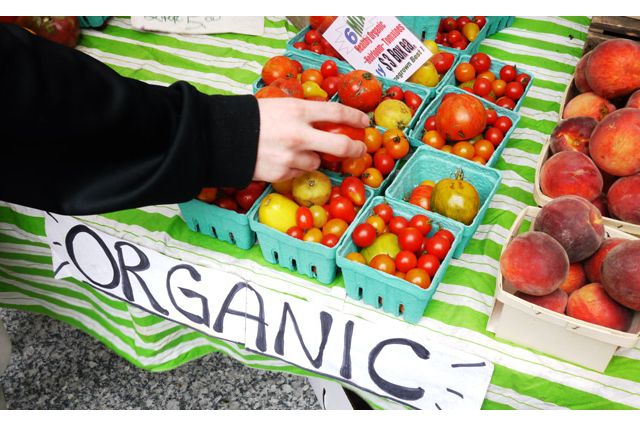
Are you a conscientious shopper? Do tags of ‘organic’, ‘locally sourced’, ‘homegrown’, ‘all-natural’, etc easily sway you and your shopping cart? Got questions that can better aid your shopping choices? Then HowGood is where you should stop by before you head to the check-out counter.

But if one apple touts organic certification, and an adjacent apple boasts local sourcing, which green reigns supreme? And what grocery store offers the singular scale for weighing the overall benefits? HowGood, an independent research organization based in New York City, has toppled the food industry’s many scales of sustainability to answer these questions through a more nuanced, easy to understand system.

Continue reading

Where is the US’ Water Going?

In the U.S, about 42 percent of irrigated agriculture depends on groundwater, and the depletion of major aquifers will affect not only future food production but also urban areas that need freshwater from these sources. PHOTO: Wikimedia Commons

Freshwater in the United States is really on the move. Much of the water pulled from underground reservoirs called aquifers gets incorporated into crops and other foodstuffs, which are then are shuttled around the country or transferred as far away as Israel and Japan, according to a new study. It shows how reliance on a finite supply of groundwater for agriculture threatens global food security. More than 18% of the U.S. supply of so-called cereal grains like corn, rice and wheat depends on a limited supply of groundwater found deep below the earth in aquifers, researchers found.

Continue reading

The Indians Who Move Italy’s Cheese

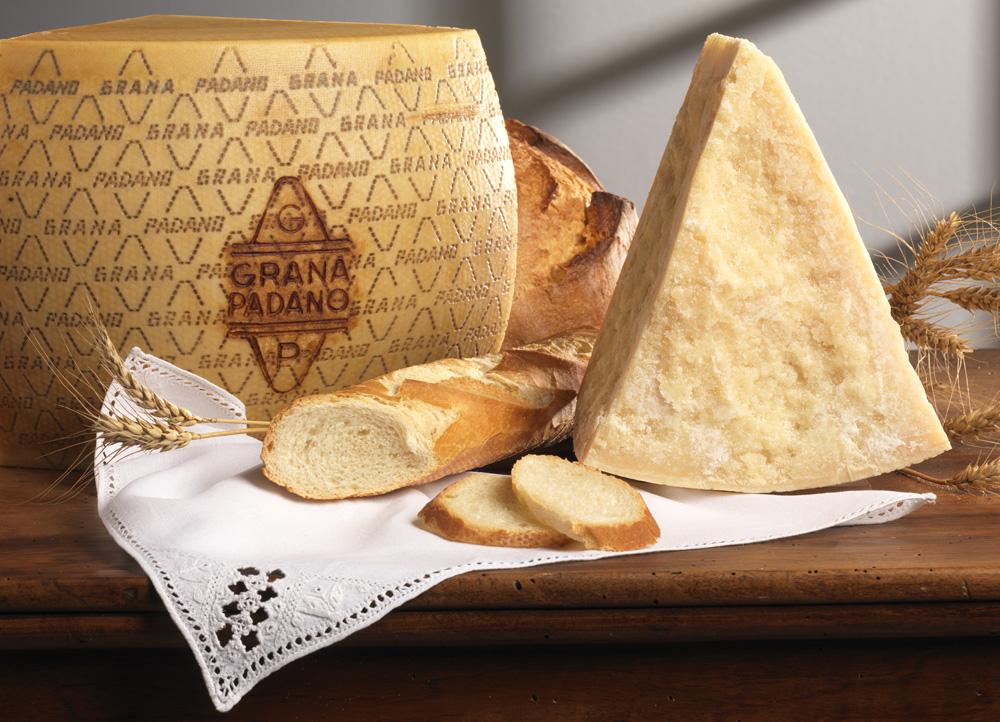
The Grana Padano cheese industry in Pessina Cremonese of Italy is powered not by locals but by Indian immigrants.

If French cheeses are best served preceding or culminating a meal, Italian cheeses are often woven into the fabric of dinner (or breakfast, or lunch). And when you look to Italy, look beyond the likes of Parmigiano-ReggianoMozarella di Bufala and Gorgonzola.Then you are bound to hear of Grana Padano. Pessina Cremonese in northern Italy is known for its hard Grana Padano cheese. But unlike other cheeses that might be made by the locals of the area, this cheese at least depends on an unusual community of immigrants: Sikhs. Nothing like food to bring communities together.

Continue reading

More of This Fish, Please

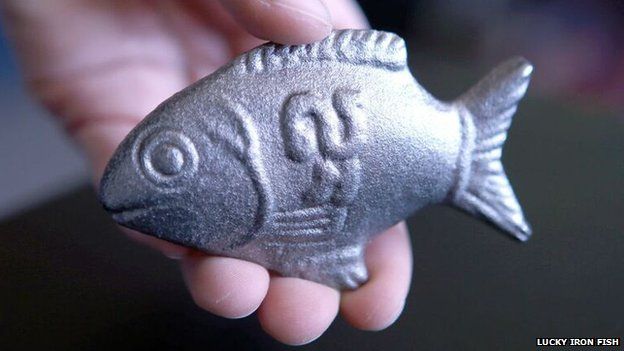
The lucky iron fish, designed by Gavin Armstrong, was based on the iron fish used in Dr Charles' research

The lucky iron fish, designed by Gavin Armstrong, was based on the iron fish used in Dr Charles’ research

Anemia is the most common and widespread nutritional disorders in the world, affecting 2 billion people globally – or over 30 percent of the world’s population. But Canadian scientists have come up with an ingenious solution, and it’s so simple, it fits in the palm of your hand. Meet the Lucky Iron Fish – a chunk of iron that’s thrown into the saucepan and boiled with lemon to give adults 75 percent of their daily recommended iron intake, and close to 100 percent for kids.

And this little fish just won the Product Design Grand Prix at Cannes.

When Canadian science graduate Christopher Charles visited Cambodia six years ago he discovered that anaemia was a huge public health problem. In the villages of Kandal province, instead of bright, bouncing children, Dr Charles found many were small and weak with slow mental development. Women were suffering from tiredness and headaches, and were unable to work. Pregnant women faced serious health complications before and after childbirth, such as hemorrhaging. Ever since, Dr Charles has been obsessed with iron.

Continue reading

Coca-Cola Thinking Plants

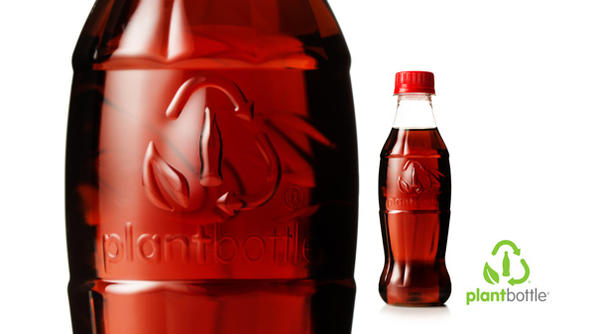
BUSINESS THE BITE Coca-Cola debuts 100% plant-based bottle as companies go eco-friendly (+video)  csmonitor icon Latest News MORE EMAIL Subscribe Coca-Cola has unveiled a bottle made entirely of plant-based materials. The new Coke bottle is the latest sign of the company's growing shift toward more environmentally friendly practices. By Ellen Meyers, Staff writer JUNE 4, 2015 About video ads Coca-Cola to release plant-based recyclable bottles WSBTV - Atlanta Coca-Cola to release plant-based recyclable bottles Coca-Cola debuted an updated version of its PlantBottle, its first bottle made from 100 percent plant materials at the Expo Milan 2015 on Wednesday. The Atlanta-based beverage giant did not specify when the 100 percent plant-based bottles would be available to consumers. However, the company said it wants its current version of its PlantBottle, made of 30 percent plant-based materials, to be used in all of its products by 2020. “Our vision was to maximize game-changing technology, using responsibly sourced plant-based materials to create the globe’s first fully recyclable PET plastic bottle made entirely from renewable materials,” Nancy Quan, the company’s global research and development officer, said in a press release. Recommended: Who owns Gatorade: Coke or Pepsi? Take our 'parent company' quiz! Since the 2009 launch, Coca-Cola has distributed more than 35 billion bottles in nearly 40 countries using its current version of PlantBottle packaging, according to the release. The company estimates that the packaging helped save the equivalent annual emissions of more than 315,000 metric tons of carbon dioxide. TEST YOUR KNOWLEDGE Who owns Gatorade: Coke or Pepsi? Take our 'parent company' quiz! PHOTOS OF THE DAY Photos of the day 06/16 In 2011, Coca-Cola licensed the technology for making PlantBottles to H.J. Heinz to use in its ketchup bottles. In 2013, Ford Motor Company said it plans to use the same material found in PlantBottle packaging in the fabric interior in certain test models of the Fusion Energi hybrid sedan. Coca-Cola says the new bottles will be the world's first entirely plant-based PET bottles. PET, known as polyethylene terephthalate, is a plastic resin and the most common type of polyester, according to the National Association for PET Container Resources (NAPCOR). It was discovered and patented in England in 1941, but it was not until the late 1990s when more companies and manufacturers started to make and use PET containers for products. NAPCOR says PET is appealing for both consumers and manufacturers for its low weight, strength, and recyclability, and its use in packaging materials, like bottles, has ticked up over the past few years. However, PET has its drawbacks. It can be an expensive packaging material to produce, according to a 2004 report from the Recycling Operators of New Zealand. RONZ also found that “PET acts as a gas ‘sieve,’ slowly allowing oxygen in and carbon dioxide out. This means the shelf life of beverages can be limited by the reduction, over time, in carbonation and oxygen degradation of flavours.” In other words, the carbonation in soda could go flat faster.  In terms of recycling, quality and quantity of supplies are also still major concerns. For reclaimers – professional recycling centers – PET packaging can be harder to clean than other plastics, Reclaimers still reported high levels of contamination in PET containers in 2013, according to NAPCOR’s 2014 report on recycling activity for PET containers. That complication can mean less PET materials are actually reused. In fact, only 22.6 percent of recycled PET containers in the US went on to be used in other products.   NAPCOR also reported that domestic collection of PET containers in the US is growing, but it is not enough to meet current and potential demand from reclaimers. That's led them to import PET from places like Canada, Mexico, and Latin America. While PET recycling has a long way to go, Coca-Cola's latest move highlights a long withstanding trend: the importance of businesses being more envronmentally conscious

While PET recycling has a long way to go, Coca-Cola’s latest move highlights a long withstanding trend: the importance of businesses being more envronmentally conscious

Coca-Cola has unveiled a bottle made 30% of plant-based materials. The new Coke bottle is the latest sign of the company’s growing shift toward more environmentally friendly practices. Can it be sustained? That remains to be seen.

Since its introduction in 2009, PlantBottle packaging has been distributed in a variety of packaging sizes across water, sparkling, juice and tea beverage brands—from Coca-Cola to DASANI to Gold Peak. Today, PlantBottle packaging accounts for 30 percent of the Company’s packaging volume in North America and 7 percent globally, some 6 billion bottles annually, making The Coca-Cola Company a large bioplastics end user.  In 2011, the company licensed PlantBottle Technology to H.J. Heinz for use in its ketchup bottles. In 2013, Ford Motor Company announced plans to use the same renewable material found in PlantBottle packaging in the fabric interior in certain test models of the Fusion Energi hybrid sedan. And in 2014, the first reusable, fully recyclable plastic cup made with PlantBottle Technology rolled out in SeaWorld and Busch Gardens theme parks across the United States. More.

Continue reading