The Food Cart Just Turned Green

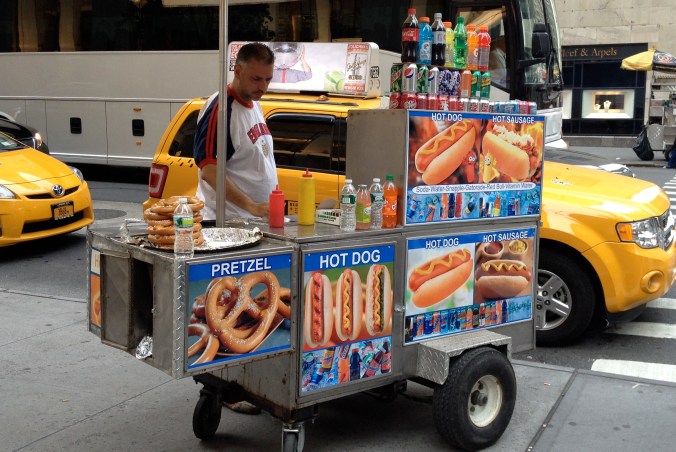
One hundred of the first carts will be funded by MOVE and reserved for disabled veterans, and the remaining 400 will go to vendors who sign up—at no cost to them, because the pilot program will be sponsored. PHOTO:  Today's the Day I

One hundred of the first carts will be funded by MOVE and reserved for disabled veterans, and the remaining 400 will go to vendors who sign up—at no cost to them, because the pilot program will be sponsored. PHOTO: Today’s the Day I

Food carts are an iconic part of New York City’s street life. NYC has over 5,000 licensed trucks and carts, and an estimated 3,000 unlicensed ones on the streets. Cart operators, representing diverse ethnicities and cuisines, serve approximately 1.2 million customers every day. A food cart can be started with little capital and improved with sweat equity. However, until now, this industry has had no choice but to rely on smoke-spewing carts and their antiquated technologies that are dirty and unsafe. But hold on, the MRV100 is here.

Most food carts run off a diesel generator that’s designed to run only a few hours. Vendors run them for stretches of up to 14 hours, leading to a high output of greenhouse-gas emissions such as carbon monoxide, nitrous oxide, and particulate matter. You can see the smoke with the naked eye, but the hard facts are even more frightening: The research and consulting firm Energy Vision found that each cart produces the same amount of nitrous oxide as 186 cars on the road.
Continue reading

This Furniture Can Grow You Dinner

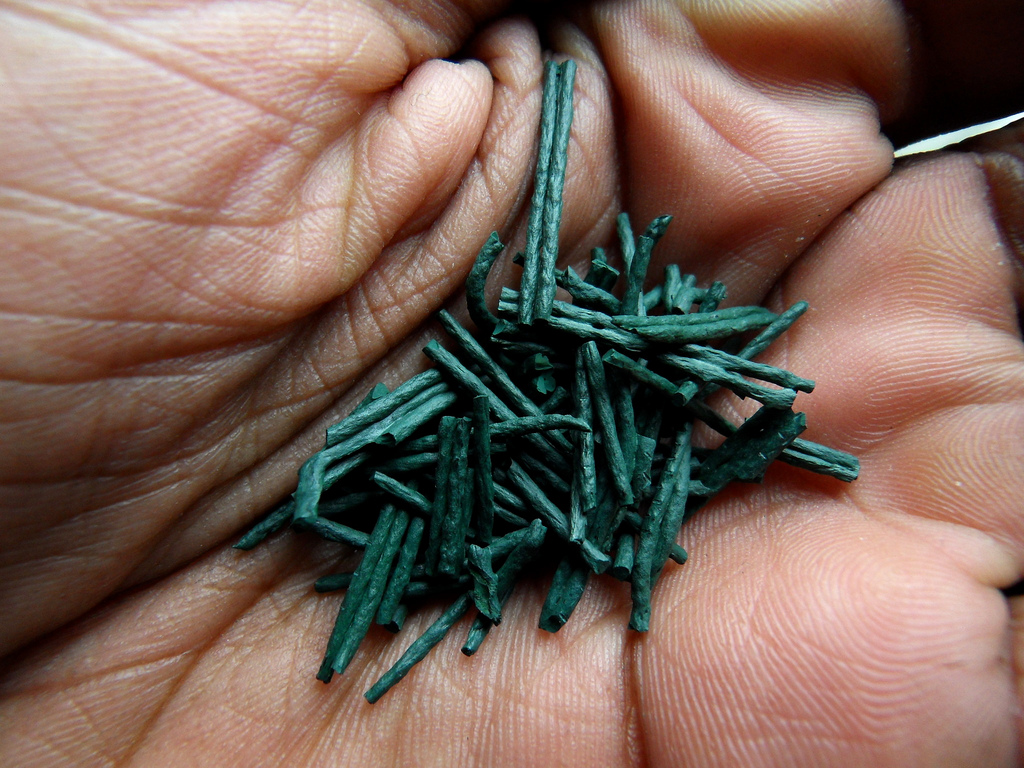
Spirulina is said to be the richest food in iron, 20 times higher than common iron-rich foods; and its iron is twice as effective than iron found in most vegetables and meats. COURTESY: Esse Spirulina

Spirulina is said to be the richest food in iron, 20 times higher than common iron-rich foods; and its iron is twice as effective than iron found in most vegetables and meats. COURTESY: Esse Spirulina

In the living room of the not-so-distant-future, you might have a glowing green blob of microorganisms next to your sofa instead of a lamp. A new line of photosynthetic furniture is filled with spirulina—a tiny, edible bacteria—that the designers imagine could help feed us without the incredible environmental footprint of conventional agriculture.

A new line of photosynthetic furniture is filled with spirulina… The custom glass bioreactors use waste heat, light, and carbon dioxide from a home to feed the spirulina inside. Periodically, someone can turn a tap, empty out the green sludge, and eat it.

Continue reading

What’s in Your Tequila?

Although demand for tequila is booming, the younger generation of laborers is deserting the land of the agave in Mexico, from which the liquid is extracted. PHOTO: The Huffington Post

Although demand for tequila is booming, the younger generation are deserting the land of the agave in Mexico, from which the liquid is extracted. PHOTO: The Huffington Post

Find yourself taking a shot at the tequila often? Or are you one to cook with it, whipping up some tequila wings, tequila-cured salmon or infusing the liquid in cheesecakes and ice cream? Not to forget those breezy cocktail mash-ups featuring flavors of rose, mango, strawberry, and even pepper! Now that we have your attention, we are going to take a shot at bringing you this story from the home of the drink – Mexico. A story with a mood-board that will definitely not have you screaming “One tequila, two tequila, three tequila, floor”. One that may possibly leave you with questions about the future of the drink and Mexico’s loss of a family tradition.

The craft of the agave harvest, still done entirely by hand, has remained virtually unchanged since around 1600 when tequila was first invented by the Spanish conquistadors. It is also one that has traditionally remained in families, with each generation teaching the next, ensuring that the mechanization of the tequila harvest has been kept at bay.

Yet traditions of the jimador, a figure still cloaked in romantic mystique in literature and even Mexican telenovelas, are slowly disappearing. While the demand for high-quality tequila is rising year on year, with the industry worth over $1bn and seven out of 10 liters produced now exported worldwide, the younger male generations who would once have taken on the mantle of their fathers to become jimadores are turning away from the agricultural way of life in droves.

Continue reading

Stepping Up to the Plate

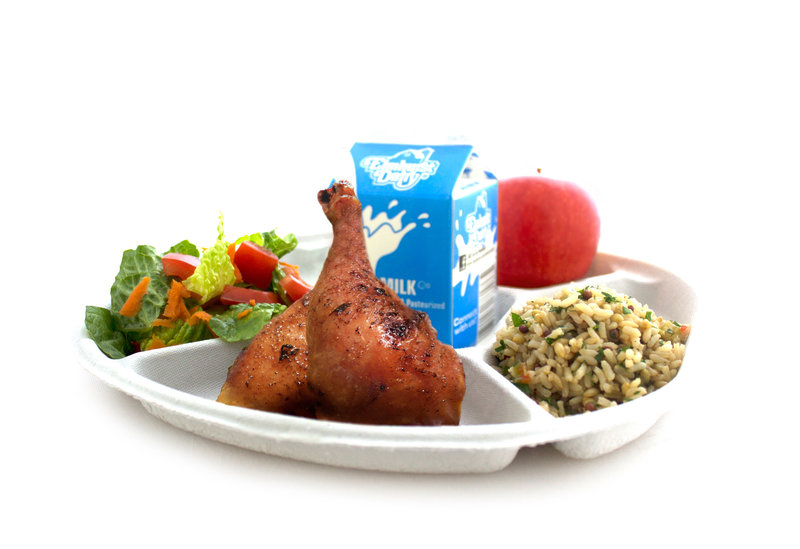
Polystyrene lunch plates are being shown the door in some US cities. PHOTO: NRDC

Polystyrene lunch plates are being shown the door in some US cities. PHOTO: NRDC

New York, Los Angeles, Chicago, Miami, Orlando, and Dallas. Six cities. 4,536 schools. 2,848,000 students enrolled. 469,000,000 meals served annually. And one organisation that unites them all and its plans to combine purchasing power and coordinate menu creation and food service in schools. Meet the Urban School Food Alliance. And here’s their latest idea: ditching polystyrene lunch trays and replacing them with compostable lunch plates. It’s a significant move since all together, the schools in the Alliance serve up 2.5 million meals a day.

But what’s most revolutionary about these new plates is what they’re made of. The polystyrene used in traditional lunch trays is a petroleum-based plastic that won’t break down for hundreds of years. When the trays end up in landfills — and 225 million of them do every year — they leech pollutants into the water and air, according to the group. The new plates, by comparison, are made of recycled newsprint and can break down within a matter of weeks in commercial composting facilities. They’re also only a tiny bit more expensive, at $0.049 apiece compared with $.04 apiece for the plastic trays.

Continue reading

Know Your Cup of Tea

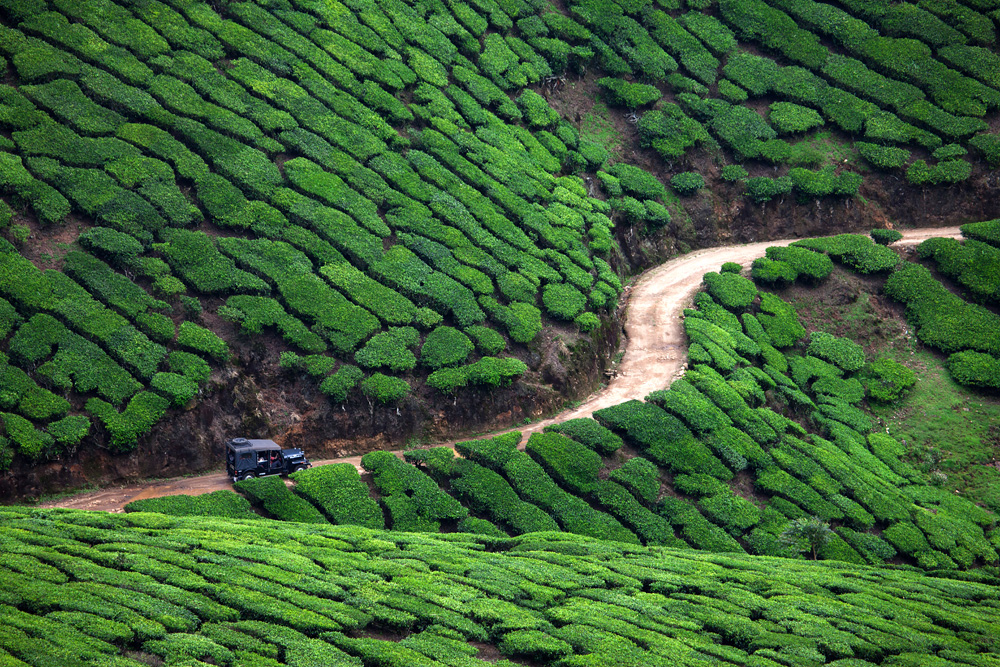
While tea has an impressive history stretching back 5,000 years, iced tea has a history stretching back only as far as the discovery of preserving ice. PHOTO: darter.in

While tea has an impressive history stretching back 5,000 years, iced tea has a history stretching back only as far as the discovery of preserving ice. Picture of a tea garden in Munnar, Kerala. PHOTO: darter.in

Having spent the weekend maneuvering through tea plantations in Munnar, the drive brought back memories of conversations over tea here. There was the post on the complete tea experience – from planting a seed to hand plucking the tender green “silver tips” of the tea, to hand roasting and finally enjoying the “fruits” of one’s labor in distant Thailand. The one on the history of tea, too. And here is the account of how America popularized iced tea (we are betting on it being one of your go-to drinks), courtesy NPR’s The Salt: 

You’d be forgiven for not knowing this, but Wednesday was National Iced Tea Day. And while it’s only an unofficial food holiday, it makes sense that Americans would set aside a day to celebrate this favorite summertime sip: We popularized it. Tea itself, of course, has been consumed in America since Colonial times. (Remember the Boston Tea Party?) But before you could drink iced tea, you needed ice — and that was a rare summer luxury until the early 1800s. New Englanders could cut large chunks of ice from frozen ponds and lakes in winter, then insulate it with sawdust so that it could last into the warmer months. But in the hot South, snow and ice didn’t exactly abound.

Continue reading

All That Wine

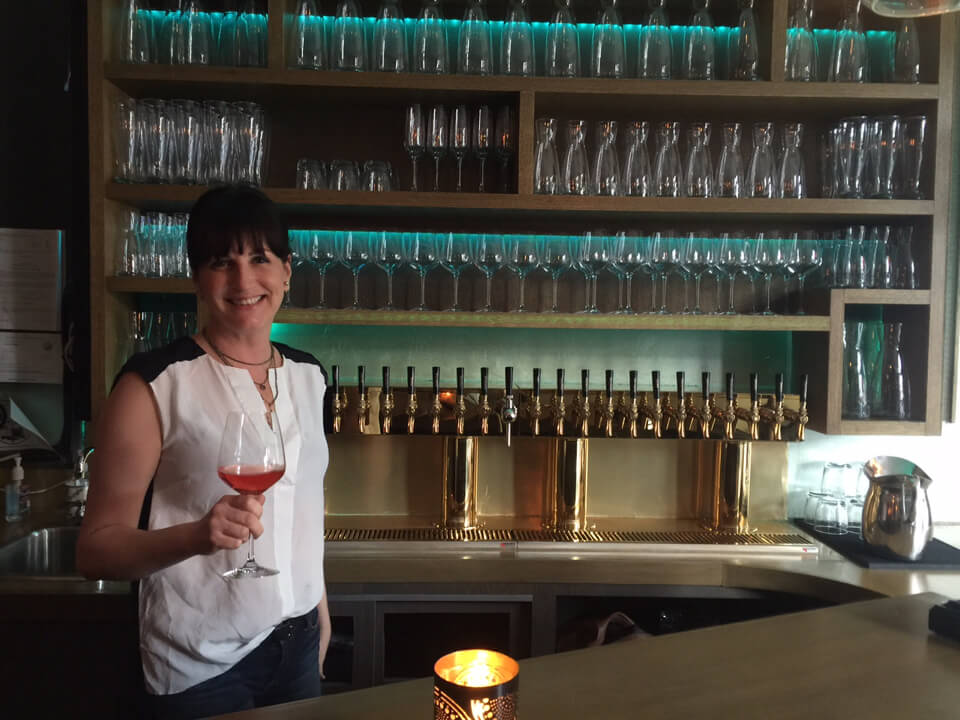
Since its debut in October of 2014, Tender has become a neighborhood favorite, with wine on tap and small plates featuring cheese and charcuterie. PHOTO: Blair Czarecki / Hoodline

Since its debut in October of 2014, Tender has become a neighborhood favorite, with wine on tap and small plates featuring cheese and charcuterie. PHOTO: Blair Czarecki / Hoodline

Our thought and work processes guided by the 3Cs  – community, collaboration, and conservation – it’s encouraging when we find one of our ilk. And this time, our kin in ethos is living a dream in an apartment building at 850 Geary St, Tenderloin, San Francisco. Until a few years ago, the derelict building invited descriptions like ‘deplorable’ and the ‘Heroin Hotel’. That was before the Liptons arrived on the scene. The carefully renovated building now houses Tender, a tiny bar with wine on tap and an eco-friendly spirit at heart.

“My whole concept for this place was to create a home away from home, an unpretentious neighborhood wine bar that takes advantage of the technology of an eco-friendly business model of wine on tap,” says Lipton.

Continue reading

Who Baked the Brownie and Made Tea?

The open-hiring policy at Greyston Bakery in Yonkers, N.Y., invites local residents to apply for jobs — regardless of their immigration status, whether they have criminal or drug records, or even prior work experience PHOTO: GREYSTON

The open-hiring policy at Greyston Bakery in Yonkers, N.Y., invites local residents to apply for jobs — regardless of their immigration status, criminal or drug records, or even prior work experience PHOTO: GREYSTON

We know a ‘community’ story when we read one. More so when we share its ethos. The one about people making and being the difference. Whether you stay with us at our waterfront property, Xandari Harbour, in Kochi or by the virgin beach at Mararikulam or even sail with us on the backwaters, you are bound to notice ‘our’ people. Their cheery smiles, readiness to help and the spirit of being perfect hosts make for the memories that guests so often write back about. And when we came across the wonderful community at Greyston, we knew we’d found our kin across the seas.

Continue reading

Meet the Supergrain

Pronounced “free-kah”, it is unripe wheat that’s parched and roasted to burn off the husks. The grain has a wonderfully smoky, nutty (and slightly addictive) nature, PHOTO: Daniella Cheslow

When it comes to food, the world is constantly looking for healthier replacements of core ingredients. So what can you replace a staple like rice or white pasta with? Or how can you keep a watch on your wheat intake? Quinoa had the world raving for a while, yes, but now kitchens are looking at ‘old’ grains. Their versatility, flavor, economic cost, ease to work with, and the accompanying history has chefs across the world looking back to older grains. Like freekeh.

Continue reading

Let’s talk food

Lettuce

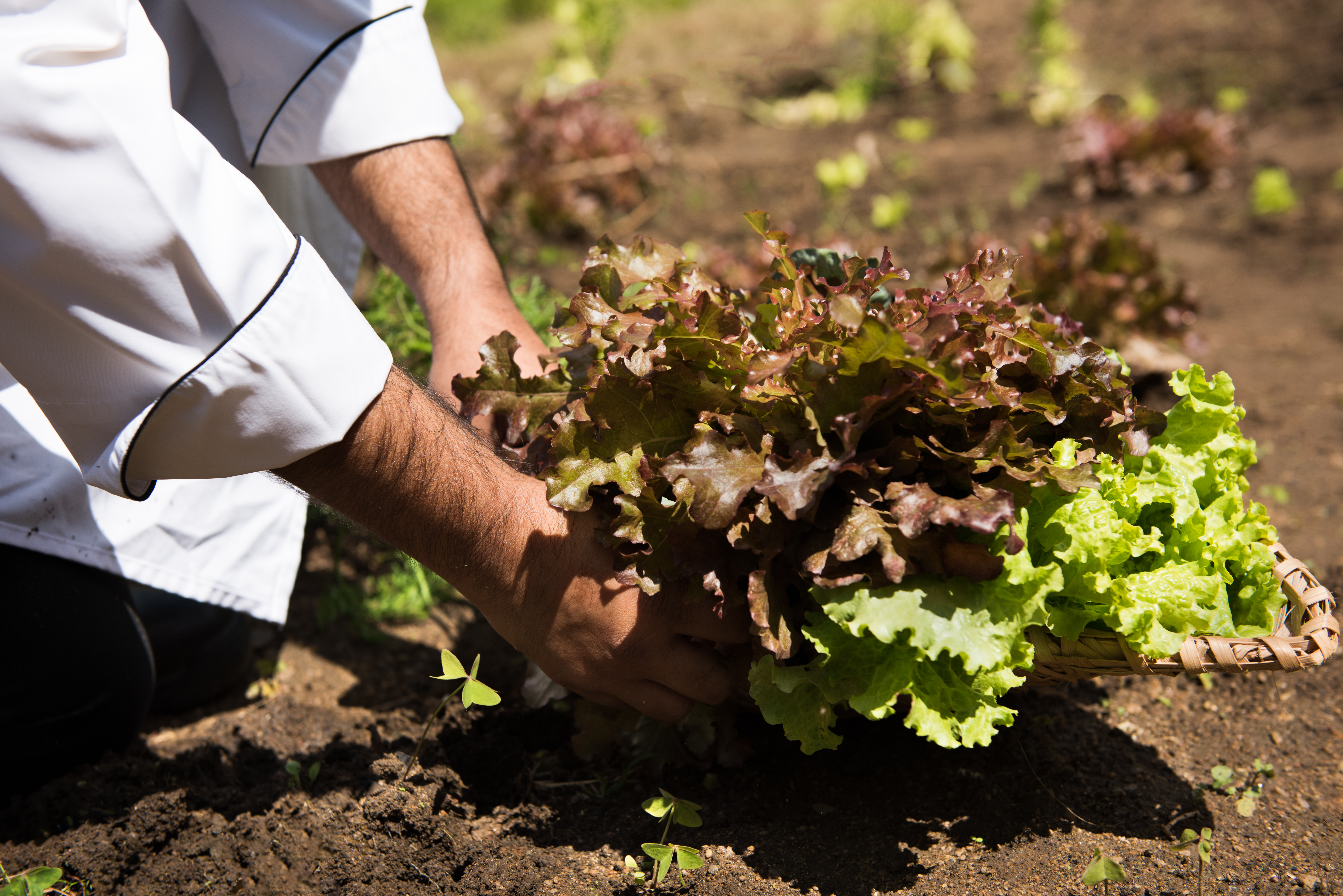
At Cardamom County in Thekkady, we take food seriously. From composting leftovers to growing our own food, we do it all. PHOTO: Deepshika Jain

There’s no denying duality when it comes to any life phenomenon. Let’s take growth and decay, abundance and poverty, negligence and responsibility. Bring food into this equation and you cannot have a greater marker of different standards of living across the globe. So while we were taking stock of produce harvested from our “edible” gardens at Cardamom County and Xandari Pearl, the conversation happened to linger on food security. And then someone mentioned France recently banning all supermarkets from spoiling or throwing away unsold food.

The measures are part of wider drive to halve the amount of food waste in France by 2025. According to official estimates, the average French person throws out 20kg-30kg of food a year – 7kg of which is still in its wrapping. The combined national cost of this is up to €20bn. Of the 7.1m tonnes of food wasted in France each year, 67% is binned by consumers, 15% by restaurants and 11% by shops. Each year 1.3bn tonnes of food are wasted worldwide.

Continue reading

A feast for your eyes

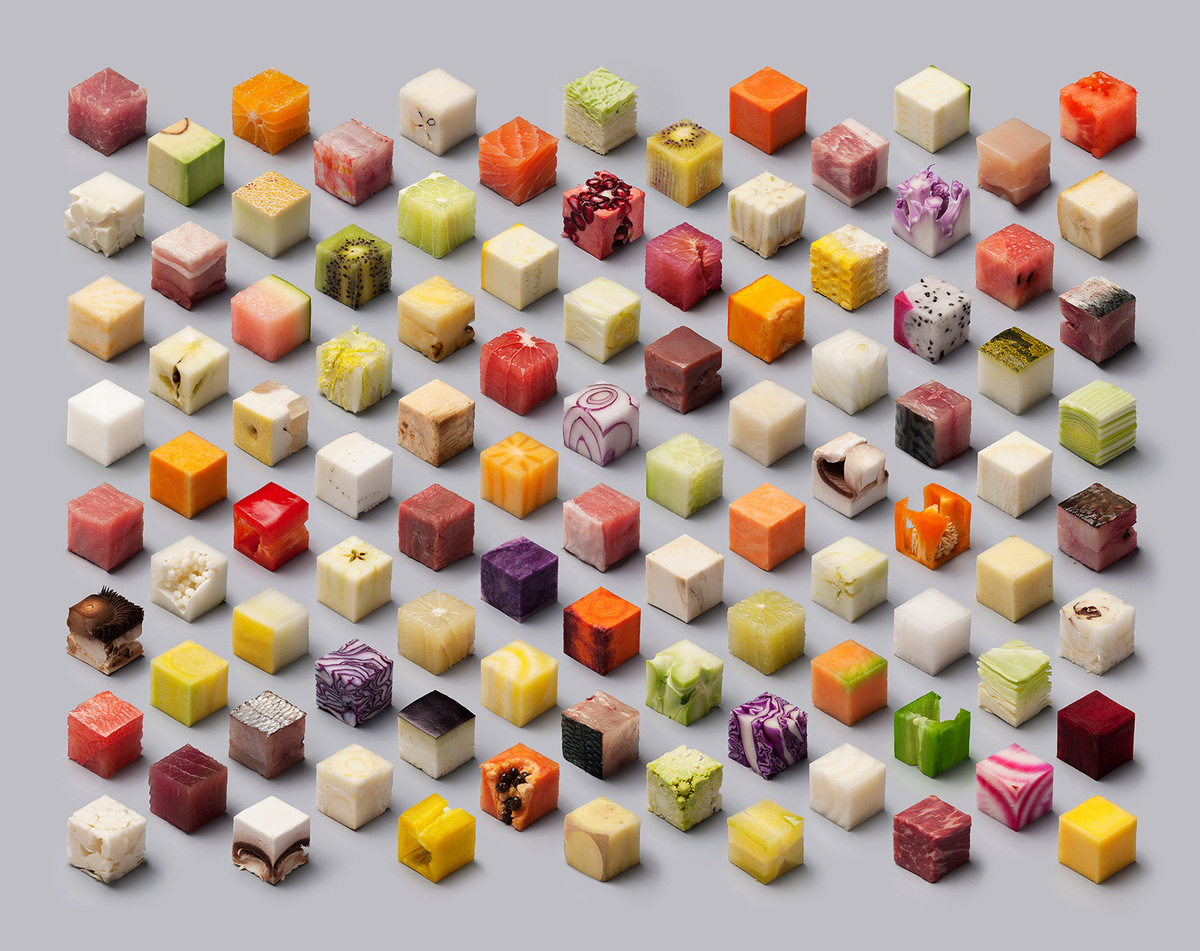
98 2.5 cm cubes of raw food make this stunning isosymmetric photograph. COURTESY: Lernert & Sander

98 2.5 cm cubes of raw food make this stunning isosymmetric photograph. COURTESY: Lernert & Sander

When it comes to food, they say you eat with your eyes first. And you cannot help but do just that when it comes to Lernert & Sander’s new work, Cubes. May be that’s after you’ve tried identifying as many of the 98 cubes of raw food (we couldn’t help ourselves, too!). Commissioned by Dutch newspaper De Volkskrant last year for a feature on the nation’s eating habits, the duo started with what they could find in their neighborhood grocery store. Each type of food was then cut into cubes of 2.5 cm with a custom-designed tool, placed equidistant from the camera, each row photographed separately, and the entire image put together using digital compositing. No, absolutely no use of Photoshop. The equal distances and the one single size put all the vegetables, fruits and meats on equal footing. The digital editing turned the physically impossible feat into visual reality.  Continue reading

Veganism, say hello to jackfruit!

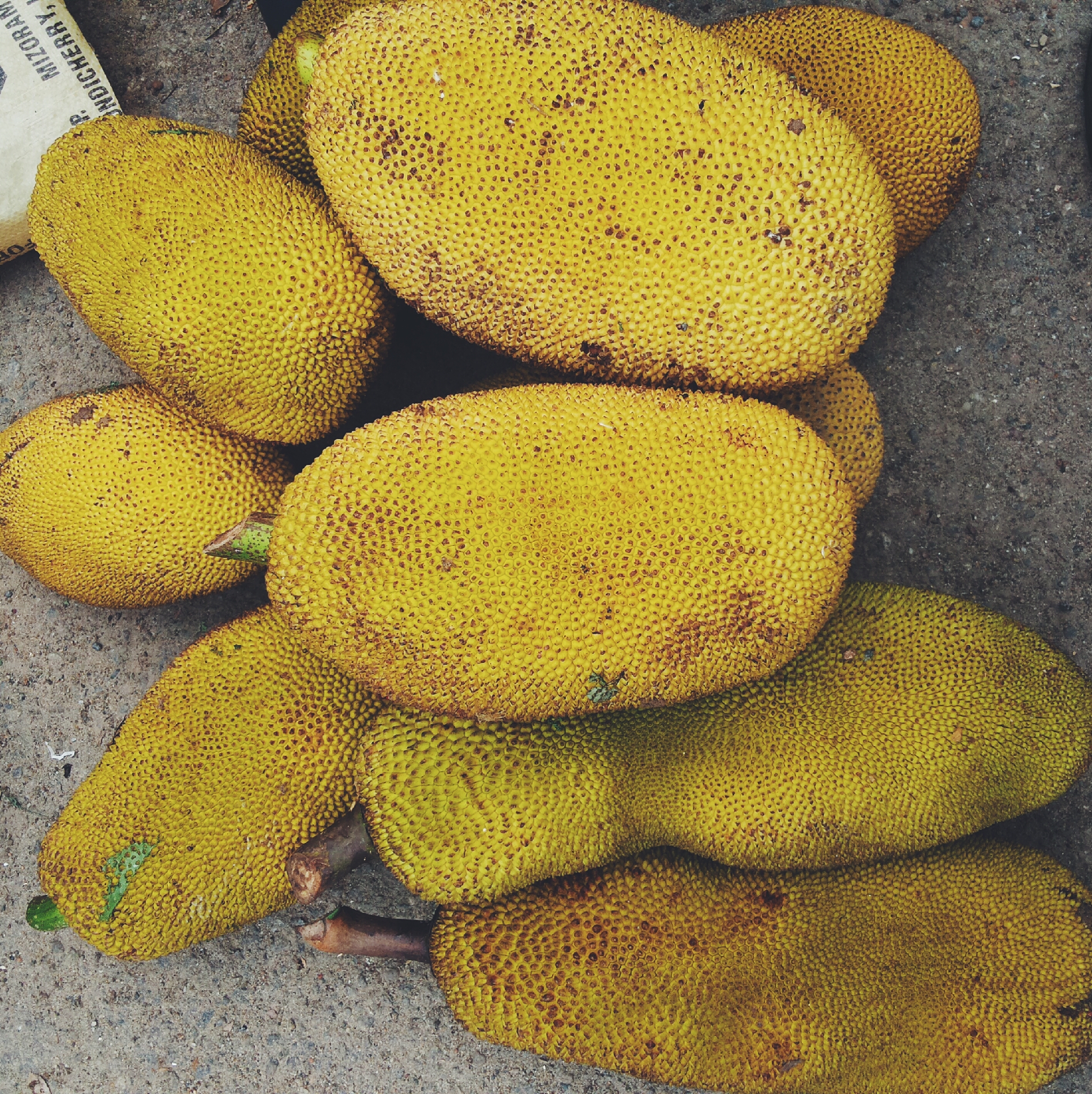
Jackfruit is the largest tree-borne fruit and is found across Asia, Africa, and parts of North and South America

Jackfruit is the largest tree-borne fruit and is found across Asia, Africa, and parts of North and South America

It’s the peak of summer in Kerala now. Here, the fruiting seasons are celebrated with an expo to encourage cultivation and to introduce the urban populace to some good old food traditions.At a recent jackfruit expo (watch this space for more on a mango showcase), the city-bred me who’d otherwise encountered the fruit only in flavored sorbet and ice cream figured what it was all about. Then I did some reading and this month-old article in The Guardian had me hooked:

Processed with VSCOcam with f2 preset

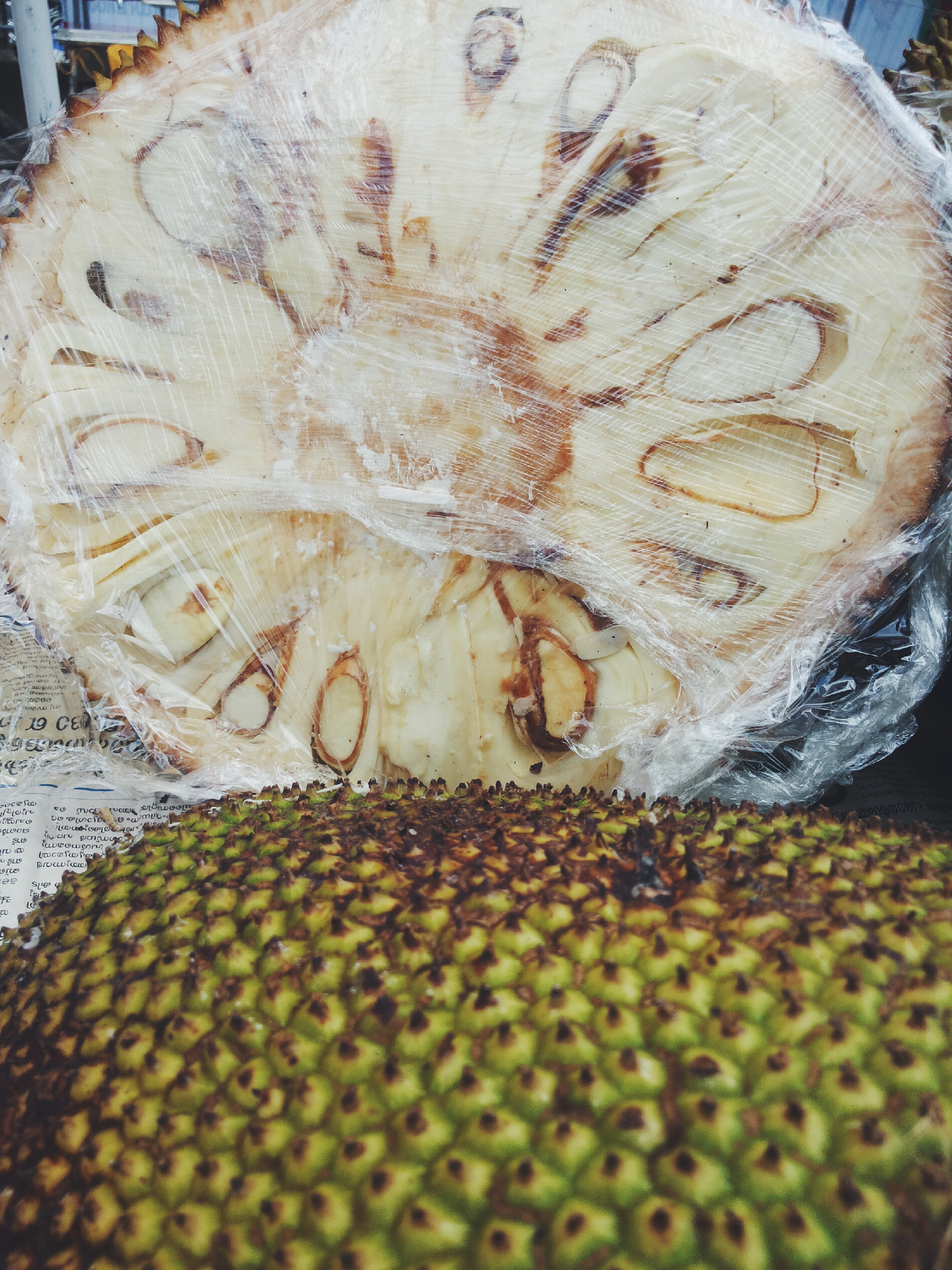
The frontal view when a jackfruit is cut

Late last year, after 18 years of litigation, a senior government official in Kerala, south-west India was given a prison sentence after being convicted of theft. The object he stole was government property, and it was so large he had to have it cut up to get it home. A piece of art, perhaps? A precious metal? Actually, it was a 40-year-old jackfruit tree, and, once you’ve tasted its fruit, you begin to understand why he did it.

Continue reading

Waste, Quantified Into Profit

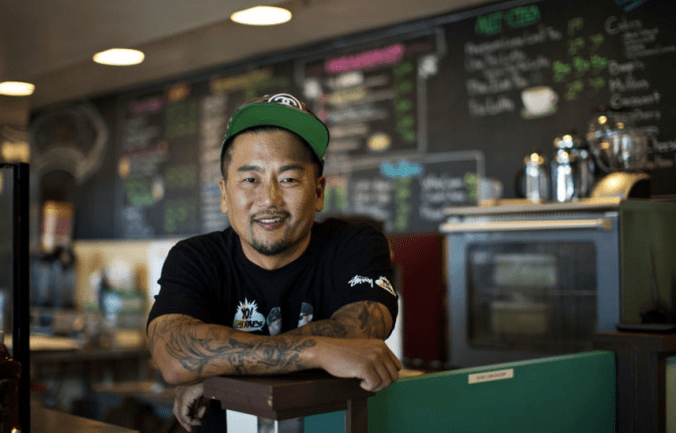
With a new chain called Loco’l, the chef Roy Choi is hoping to create competitively priced, sustainable fast food, primarily by minimizing waste. CREDIT PHOTOGRAPH BY MARIO ANZUONI / REUTERS VIA LANDOV

With a new chain called Loco’l, the chef Roy Choi is hoping to create competitively priced, sustainable fast food, primarily by minimizing waste.
CREDIT PHOTOGRAPH BY MARIO ANZUONI / REUTERS VIA LANDOV

Food Trucks are the ultimate “pop up” upstarts, with their expansive ranges between classic and trendy. Roy Choi, who New Yorker writer Lauren Markem calls “the godfather of the foodtruck movement” wants to do more than serve great, locally sourced food at his new venture Loco’l’s. His “fast food” restaurant concept located in San Francisco’s Tenderloin District, will be inspired by the goal of working toward a waste free kitchen. In order to keep the costs down in what is a notoriously wasteful segment of the restaurant market, Choi is going lean using a software that helps create a more sustainable kitchen.

In tapping into waste, Choi and Patterson hope to marry fiscal prudence with environmental idealism. According to a report published in 2012 by the Natural Resources Defense Council, the amount of wasted food in the U.S. has increased by fifty per cent since the nineteen-seventies, to the point where more than forty per cent of all food grown or raised in the United States now goes to waste somewhere along the supply chain. This in turn means that vast amounts of fossil fuels, water, and other resources are being wasted in the production of unused food. Continue reading

Best hands forward

IMG_3038

Musician Sami Yaffa hits the right note at the table

IMG_3037[1]

Mina Soliman appears sadya-ready!

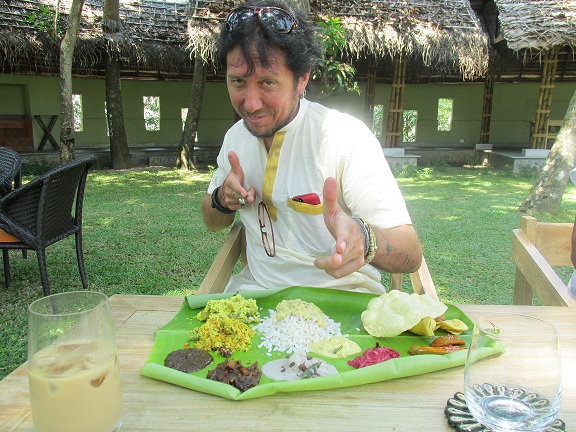
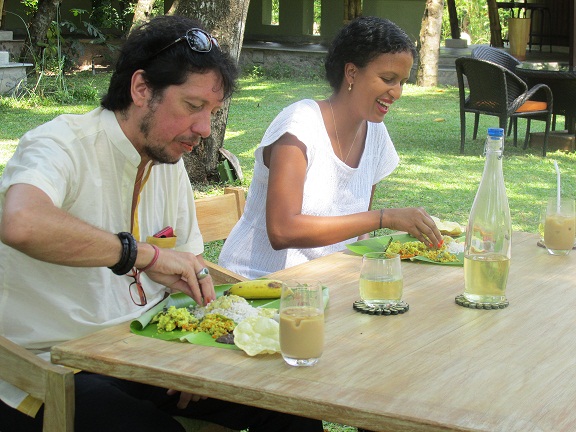
We are people of experiences – the ones we’ve walked, run and barreled into and the ones we create. At RAXA, we take the latter seriously. So when you come down to stay with us by the Kochi harbour or navigate the world-renowned backwaters in our hand-stitched houseboats, you’ll see us work at crafting the finest and personal of them all. Bass guitarist Sami Yaffa and his partner, designer Mina Soliman will agree.

Their stay with us by the Mararikulam beach went beyond the comforts of their villas. There was definitely a stop by the kitchen because don’t we all travel the world plate by plate? Only that the plates and cutlery were on a little holiday of their own this time. A plantain (banana) leaf met the couple at the table and, well, they had to put their best hands forward. It was the call of the Sadya.

Continue reading

Full-Spectrum Farming

We haven’t met Natasha Bowens but her perspectives on the cultural empowerment of growing one’s own food tell us she’s a kindred spirit.

 Storytelling & Photography

The Color of Food is photographic and documentary in nature because I wanted to capture the personal stories of these farmers while also changing the image of agriculture as it is currently portrayed in the media. This project is not only political in it’s message, but also helps us celebrate and preserve the history, tradition and beautiful culture that make up our agricultural communities.

Continue reading

The Great Golden Swallow Gear Review: nākd edition

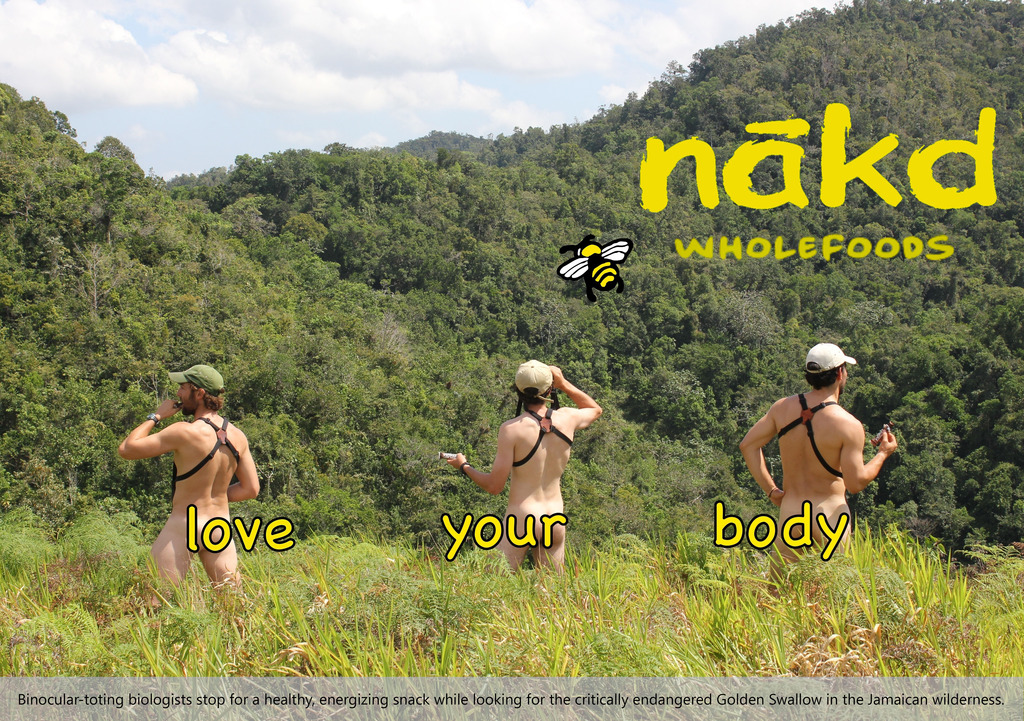
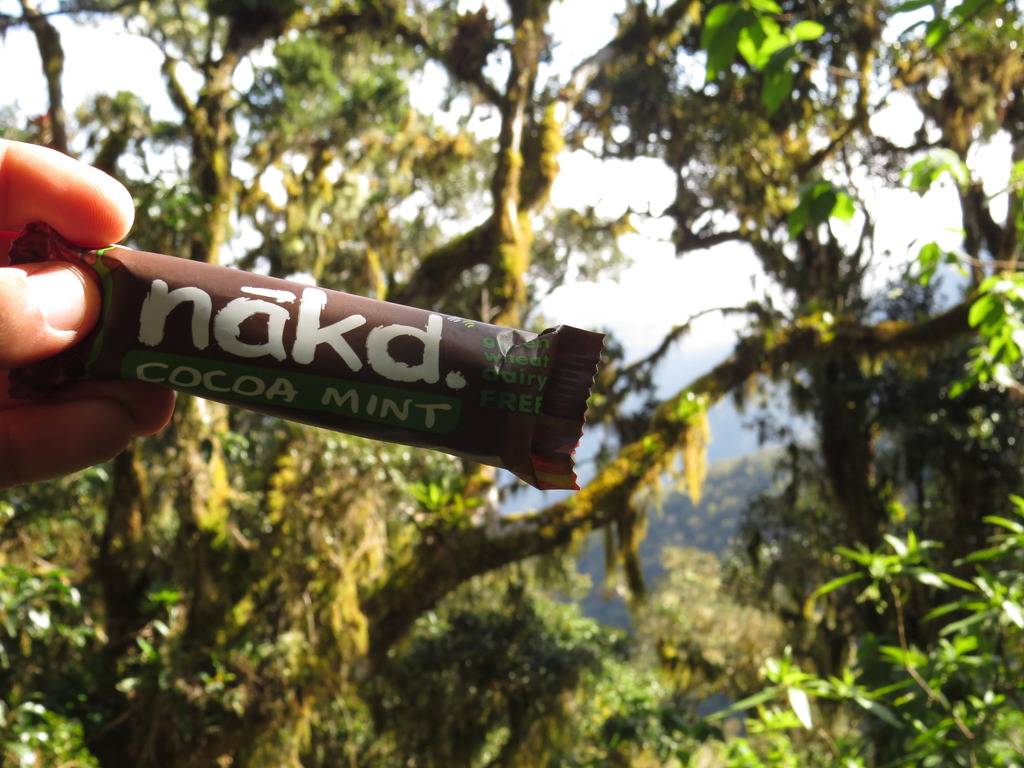
Given the photo above, perhaps this post would have been better suited to April Fools’ Day. However, since April 1st was the first day we had back in Ithaca, the precise editing required to keep the photo PG-rated would have been rushed and the result would have been, shall we say, sloppy. Although it may seem like a strange way of saying thanks, this post — and especially the header photo — are a token of our great appreciation for the folks at nākd (Nature Balance Foods), particularly for Traci in US operations, who coordinated everything with us! I should clarify that we created the photo above of our own volition and without any explicit sponsorship — it is not a nākd photo shoot, it’s just a naked photo shoot.

On the trail up to Blue Mountain Peak, the highest summit in Jamaica.

We had mentioned long ago that we were receiving lots of nākd bars to help us through our expeditions, and no amount of expressed gratitude can reflect the true value of these snacks to our diet during the past three months. The best part is that we could eat as many as we felt like it since they have no added sugar or artificial ingredients, and are basically just a combination of 1) dates and/or raisins, 2) almonds, cashews, or pecans, and 3) spices or natural flavoring like cocoa powder or coffee.

Continue reading

Citizen Farmers

Photo credit: Pattie Baker

Photo credit: Pattie Baker

As we “plant to the menu” at Marari Pearl we’re constantly looking at the inspiring stories of people who make the choice to stay connected with the land and the food we eat.

We met “Farmer D” when we participated in a newly created community garden while living near Atlanta. He and his family are now sowing seeds in California, and we know that he continues to spread the fruitful good word.

ABOUT THE BOOK
Biodynamic farming, with its focus on ecological sustainability, has emerged as the gold standard in the organic gardening movement. Daron Joffe (known as Farmer D) has made it his mission to empower, educate, and inspire people to become conscientious consumers, citizens, and stewards of the land. In this engaging call to action, Farmer D teaches us to not only create sustainable gardens but also to develop a more holistic, community-minded approach to how our food is grown and how we live our lives in balance with nature. Continue reading

Waste Less, Want Less, Lean In, Pop Up

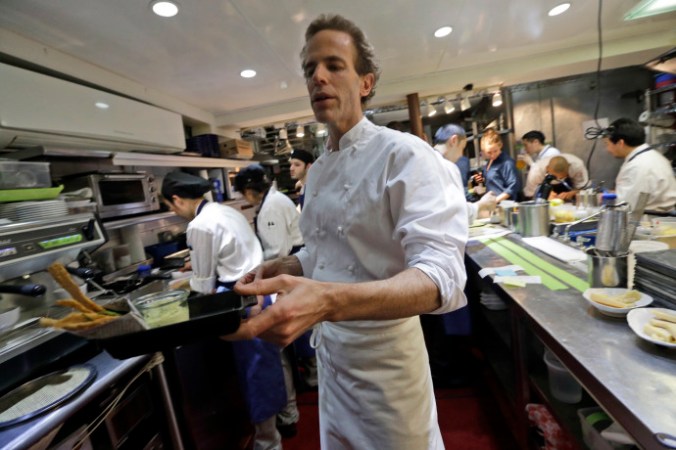
In this Thursday, March 19, 2015 photo, chef Dan Barber hands a waiter an order of fried skate wing cartilage with smoked whitefish head tartar sauce at WastED in New York. Dishes using scraps and other ignored bits comprise the menu at chef Dan Barber's WastED, a pop-up project at one of his Blue Hill restaurants intended to shed light on the waste of food. (AP Photo/Mary Altaffer)

In this Thursday, March 19, 2015 photo, chef Dan Barber hands a waiter an order of fried skate wing cartilage with smoked whitefish head tartar sauce at WastED in New York. Dishes using scraps and other ignored bits comprise the menu at chef Dan Barber’s WastED, a pop-up project at one of his Blue Hill restaurants intended to shed light on the waste of food. (AP Photo/Mary Altaffer)

Thanks to Hannah Goldfield for this post:

The other night, as I ate a salad at Blue Hill, in the West Village, a server approached my table with an iPad. “Have you seen this?” she asked. “Chef wanted you to see this.” By “Chef,” she meant Dan Barber, the man behind Blue Hill and Blue Hill Stone Barns, a sister restaurant and farm upstate. By “this,” she meant a photograph of a dumpster, into which a chute was depositing an enormous quantity of multi-colored scraps of fruit and vegetables—the runoff from a commercial food processor. The experience felt something similar to being shown a picture of what would happen to a sad-eyed old horse if you didn’t save it from the glue factory. Sitting in a small, enamel casserole dish in front of me were fruit and vegetable scraps that Barber had rescued, just like the ones in the photo. Arranged in an artful tangle, bits of carrot, apple, and pear were dressed with a creamy green emulsion, studded with pistachios, and garnished with a foamy pouf that turned out to be the liquid from canned chickpeas, whipped into haute cuisine. Continue reading

Redefining Recycling

In the early years of this site we highlighted a concept of “the fourth r” – focusing on the restaurants and events planners who support a form of social entreprenuership by donating excess food to local shelters. On an annual basis huge amounts of prepared foods go to waste in all forms of venues, but the classic buffet-style cafeteria is a long-term culprit. But luckily creative solutions have gone hand-in-hand with awareness of the problem. At the time we used the term “recycled” when taking about the food programs. Kudos to the new voices who redefined at as “repurposed.”

Back in 2011 when I was a student at the University of Maryland in College Park I once noticed a massive pile of trash in front of a dining hall. A closer look revealed that it was mostly food — a half-eaten sandwich, a browning apple and what appeared to be the remains of the day’s lunch special.

The heap was gross, but intriguing. Turned out it was a stunt to get students thinking about how much food they throw out each day.

Nowadays, students are coming face to face with their food waste, and its environmental and social impact, a lot more often. They also have more opportunities do something about it. Continue reading

Superfoods & Taste Of Place

Migle/Flickr

Migle/Flickr

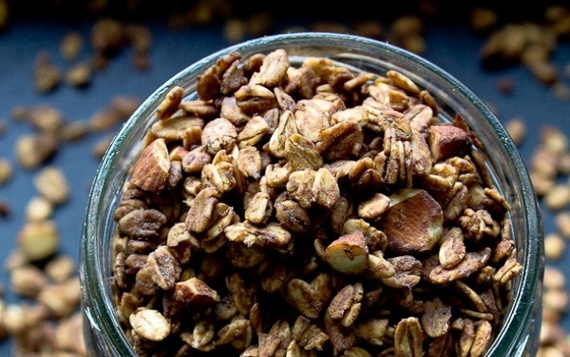
Several of us scouting in Ethiopia recently have been treated to roasted barley as a snack.  It has us thinking about super foods, diet, wellness, taste of place, and lots more to ponder in future blog posts; for now, this catches our eye:

The Skinny Carb

A recent study shows that people who simply ate more fiber lost about as much weight as those who went on a complicated diet.  Olga Khazan

Continue reading

Lovely Things Pedaled To A Place Near You

trailhead650

Several contributors to this site descend from a man from the mountains north of Sparta, who sailed from Greece to New York City more than a century ago, and had a pushcart that earned him enough money to return to his village and become a prosperous olive farmer.

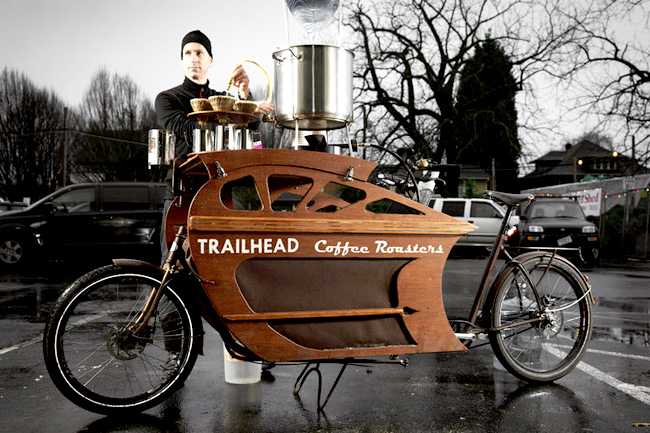
Good things come in, and from, pushcarts. We like the bike design as much as anything else in the photo above, and speaking of aesthetics the last photo below will help understand why we absolutely had to post this. As for pedal-powered treats on wheels, we will do something to extend the reach of 51 in Fort Kochi, so stay tuned… Thanks to Ecowatch.com for this:

Riding your bike to work is gaining momentum as more cities adopt or expand bike-sharing programs, but what about ordering your morning latte or lunch from a bike? With more and more food bikes popping up in cities across the country, finding more meals on wheels (without the truck) might soon be an option. Continue reading