Food As Good As Possible

This slideshow requires JavaScript.

Maisie Greenawalt, a graduate of Cornell Hotel School (’93) shares her company’s approach to good food served to corporate clients. For any non-vegetarian, these are important and tough to solve issues.  She puts those issues right out there and if she does not hide from them, neither should we.  Click here to view on the Cornell website or here to view her TEDx presentation on an external site.  According to the Cornell presentation of this talk she is

vice president of strategy for Bon Appetit Management Company, which provides from-scratch food service to corporations, universities, and museums in 32 states. She’s been instrumental in shaping the company’s many pioneering commitments to social and environmental responsibility. Continue reading
So I’ve arrived at Cardamom county #2: Eating as a physical activity

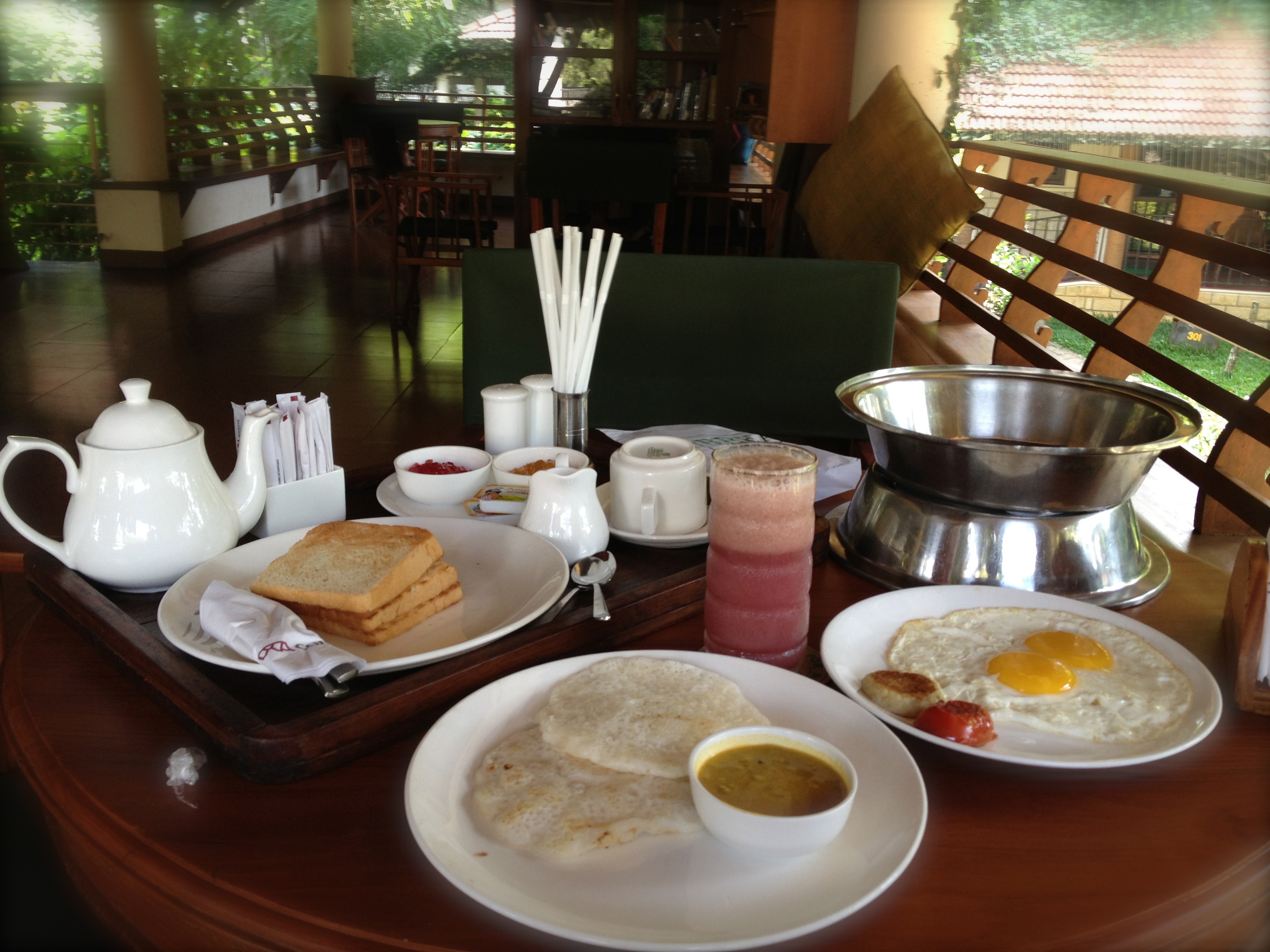
Sunday breakfast indian-style: a meal that just requires to be eaten with the hands

I was about to start my meal at the canteen with my colleagues yesterday when I decided it was time to take the dive and eat with my hands. Boy, was it an exercise, I mean a physical exercise.

As a first-timer I was quite slow: I’ve read it is most polite to use your thumb, pointer and middle finger, and to let only the first two joints of those fingers touch the food.  I’m not sure that I did all that. Also you only eat with your right hand,  even if you’re a lefty. The left hand will take care of menial things such as wiping your tears of eyes after a spicy curry. The whole meal activates so many muscles that it left me exhausted.  It got me thinking about the lack of thought and the lack of physical effort me and my folks, in  westernized countries, put into the act of eating. Eating with the hands is common in many areas of the world, including parts of Asia and much of Africa and the Middle East and it has plenty of health benefits. Continue reading

Flavours Of Kerala – Banana Chips

557298_418938768156506_518875458_n

Photo Credits : Ramesh Kidangoor

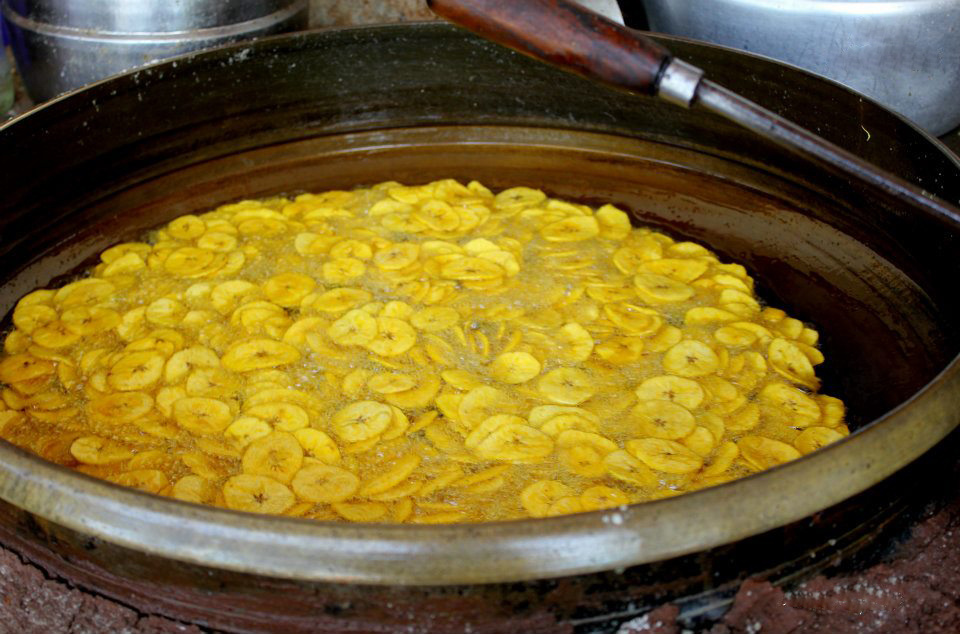
Kerala cuisine is noted for the many snack items to be enjoyed, especially during tea time or in between major meals during the day. Banana Chips are a common example found throughout the state in any bake shop, snack shop or tea stall. They are are also included in the traditional Kerala sadya meal. Continue reading

Cooked By Pollan


A new book by one of our go-to food writers in a publication new to us:

The following is an excerpt from Michael Pollan’s Cooked: A Natural History of Transformation, out from the Penguin Press on April 23.

As I grew steadily more comfortable in the kitchen, I found that, much like gardening, most cooking manages to be agreeably absorbing without being too demanding intellectually. It leaves plenty of mental space for daydreaming and reflection. One of the things I reflected on is the whole question of taking on what in our time has become, strictly speaking, optional, even unnecessary work, work for which I am not particularly gifted or qualified, and at which I may never get very good. This is, in the modern world, the unspoken question that hovers over all our cooking: Why bother? Continue reading

Foodie’s Feature


NYT Food

Click the image for today’s Sunday New York Times, our annual favorite edition, dedicated to Food and as recently more and more is the case, particular attention is paid to the intersection between food and wellness:

The Food & Drink Issue

Time to supersize your bean burger and sweet potato fries.

Flavours Of Kerala – Pickles

Photo credits: Ramesh Kidangoor

Photo credits: Ramesh Kidangoor

Pickles are an important part of Indian cuisine, especially in Kerala. There are numerous varieties of pickles, locally called achar, in Kerala’s traditional meals. Lime, Mango, Gooseberry, Carrot, Chili and Garlic are among the favorites. Several types of Achar are usually a must in Kerala’s Sadya meals served on the banana leaf during special occasions. Continue reading

From the 2012 Net Impact Conference, Part 3

In my last installment of a trio of posts on the 2012 Net Impact Conference, I want to draw our readers’ attention to a keynote panel that included the CEO of Coca-Cola and the president of Honest Tea. The topic of this panel centered on healthy eating and consumer choices. By way of background, Honest Tea is an organic tea company that was founded by Seth Goldman in 1998. Honest Tea is a poster child of socially responsible innovation: the firm sources herbs/plants from developing countries, supports poor farmers, uses organic ingredients, and provides sustainable product packaging. But in 2011, Coca-Cola bought a majority share of Honest Tea.

Leaders from Honest Tea and Coca-Cola sparred over a variety of issues, but they agreed that consumers were ultimately responsible for their own health.

Continue reading

Foodways Through The Long Lens Of History And Brought To Your Attention By A Great Magazine

9780465021765

In this week’s New Yorker, two great things that add up to more than two great things:

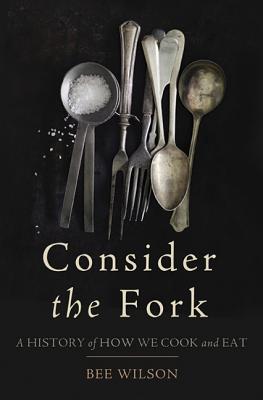
Jane Kramer reviews “Consider the Fork: A History of How We Cook and Eat,” by the British food writer and historian Bee Wilson. It’s more than a book review, though: The New Yorkers European correspondent brings into it her own passion for cooking and her years of writing about food.

The book review mentioned above is discussed in a podcast on the magazine’s website, meaning the book to the left generating two contributions from one of that magazine’s finest writers.  How does 1 + 1 add up to more than 2?  Here is a magazine, against all odds of print journalism in the 21st century, adding value with the very technology that is killing other publications.  Creative destruction, culling out weaker publications, is also working its magic. Continue reading

Kochi’s Foodways Celebrated

Joan Nathan's Cochin Coriander-Cumin Chicken for Passover, adapted from Queenie Hallegua and Ofera Elias - cooked and styled by Andrew Scrivani  NYTCREDIT: Andrew Scrivani for The New York Times

Joan Nathan’s Cochin Coriander-Cumin Chicken for Passover, adapted from Queenie Hallegua and Ofera Elias – cooked and styled by Andrew Scrivani NYTCREDIT: Andrew Scrivani for The New York Times

We are always pleased to see Raxa Collective’s hometown in the news, but especially when the coverage focuses on cultural history in the part of town where we are developing a new property. Fort Kochi’s harbor area, including Bazaar Road where Spice Harbour (a waterfront hotel opening later this year, more on which in a future post) is located and where the spice trade is centered, completes the domestic route of the Malabar Coast’s spice trade. Spices are grown throughout the Western Ghats, they make their way down to sea level for transport in the coastal backwaters, and a large percentage end up on Bazaar Road where merchants, traders, godown (warehouse) keepers and others prepare them for shipment.  This has been the way of the spices for millennia, though Fort Kochi’s harbor has played its role in the spice route only in recent centuries. The New York Times writer Joan Nathan describes a culinary-religious heritage motivation for her visit here (minutes from our office location):

KOCHI, India — Dreaming of spices described in the Book of Kings, I came to this southern port city built in the 14th century to learn about its longstanding but tiny Jewish presence and its food, which some believe dates back to the time of the Bible. Continue reading

Gangsta Guerilla Gardening

Food activist Ron Finley campaigns to “change the composition of the soil” in his hometown of South Central LA. In place of the “food desert” made up of liquor stores and fast food (not to mention drive-by shootings) he and his volunteer organization LA Green Grounds plants “food forests” in abandoned lots, traffic medians and sidewalk parkways.

Finley’s point of view is a call to arms to change our conversation about food.

The city of LA leads the United States in vacant lots. They own 26 square miles in vacant lots. That’s the equivalent of 20 New York Central Parks. That’s enough space to plant 724,838,400 tomato plants.

As a combination vegetable graffiti artist and gardening gangster, Continue reading

Vegetarian Roulette

joe-yonan

Yonan says he became a vegetarian in part for health reason, but also for environmental ones.

Click the image above to go to the podcast of this interview with Washington Post food editor Joe Yonan. It is funny to think that committing to a vegetarian diet could pose a career risk to anyone, but if you are a food-focsed writer or editor, of course:

You could see how high cholesterol might be a job hazard for these folks. “The meals that we food people get into can sometimes be way over-the-top of the kinds of things that normal people eat,” Yonan says.

But it’s not just foodies who are cutting back on meat. In a poll conducted last year with Truven Health Analytics, NPR found that 39 percent of adults surveyed said they eat less meat than they did three years ago. The main reason they cited for the change? Health concerns. Continue reading

Flavours Of Kerala – Idli

Photo credits: Ramesh Kidangoor

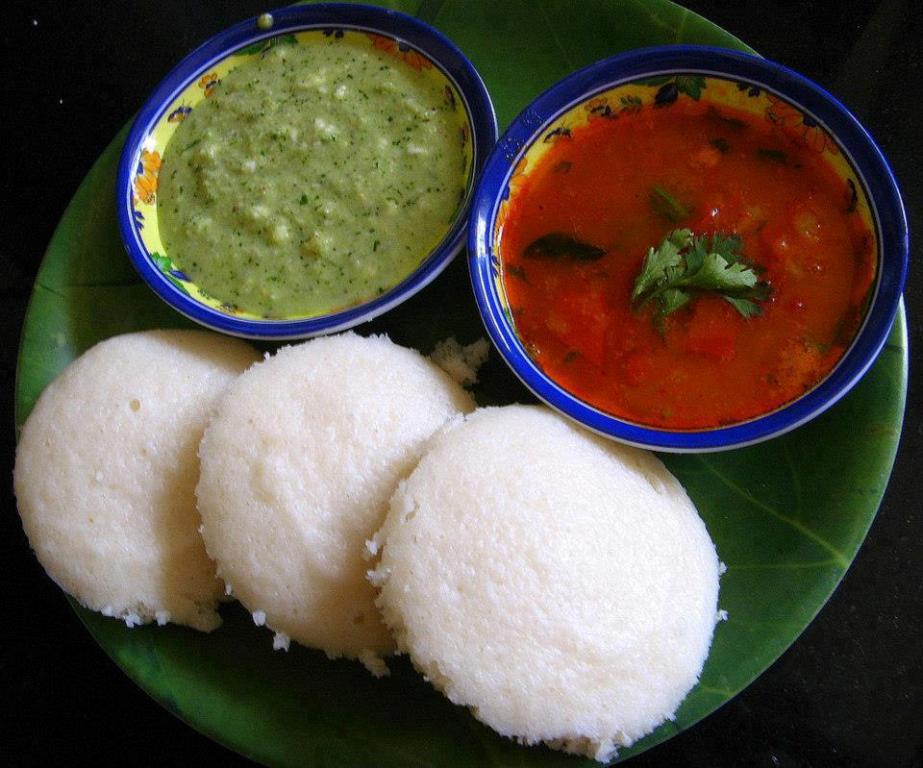
 Idli is a South Indian savoury cake made by steaming a batter made with fermented rice powder, black gram dal and salt in a special pan with rounded indentations. Idlis are popular throughout India especially the southern part of the country. The dish is usually served with sambar and various chutneys, including tomato, coconut or coriander. Continue reading

For Foodie Friends

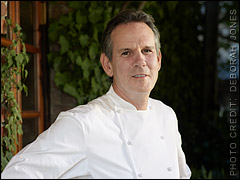
This is the third of the “From Scratch” entrepreneurship-focused podcasts we have sampled, and each one so far has been excellent. The first two had a very strong connection to conservation, which explains why we sampled them first.  This one has no connection to conservation, but there is a great spirit of community embedded in everything Keller says. He is notably clear-headed in acknowledging the role his family played in his development, and how his eventual success was due to people who might not have been expected to support him.  Click the image above to go to the podcast.

Continue reading

Wild Bees And Crop Yields

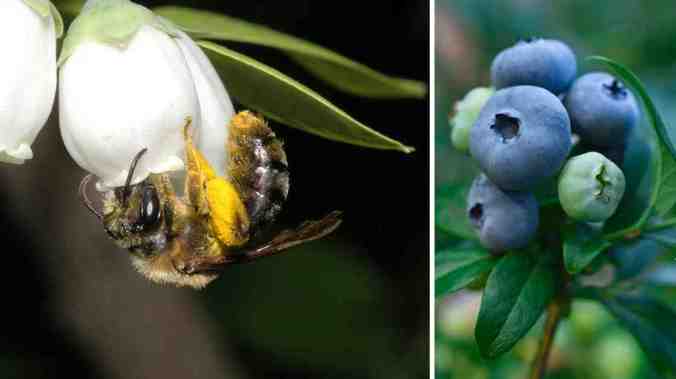
Wild bees, such as this Andrena bee visiting highbush blueberry flowers, play a key role in boosting crop yields. Left photo by Rufus Isaac/AAAS; Right photo courtesy of Daniel M.N. Turner

We like stories about bees for many reasons, but mostly in relation to the seemingly unrelated topics of food and collective action. In less than five minutes, this podcast news story adds important information to the mix:

Some of the most healthful foods you can think of — blueberries, cranberries, apples, almonds and squash — would never get to your plate without the help of insects. No insects, no pollination. No pollination, no fruit.

Farmers who grow these crops often rely on honeybees to do the job. But scientists are now reporting that honeybees, while convenient, are not necessarily the best pollinators. Continue reading

South Indian Open Markets

Photo credits: Ramesh Kidangoor

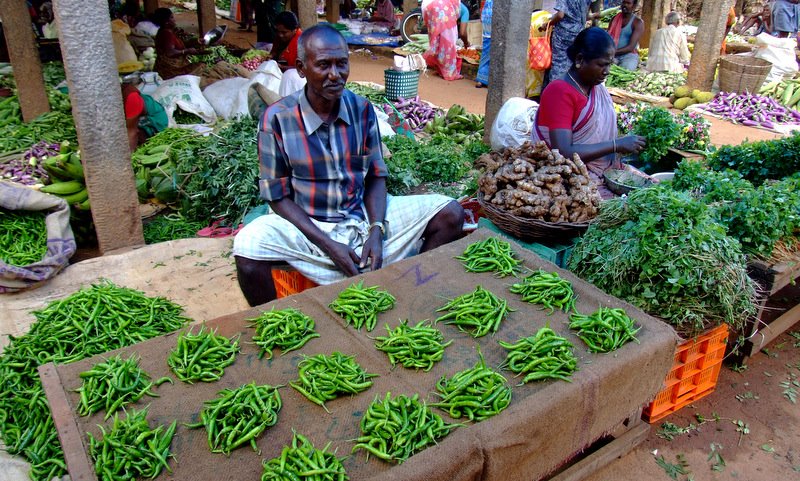
Vegetables and fruits typically constitute an essential part of the daily diet in India and they are in great demand year-round by most sections of the population. Open markets are very common in both small towns and cities of South India, where people buy and sell their fresh vegetables and fruits. Continue reading

Holding Food Brands Accountable

Click the image above to take action. Thanks to Oxfam for the insistence that we hold the usual suspects accountable for the foods that make their way to our grocers:

You’re more powerful than any of the Big Ten food companies. Without you, they won’t stay big for long. Use Facebook and Twitter to nudge your favourite brands. Contact the CEO personally and tell them what needs to change. We’ll be constantly updating the scorecard so you can see the impact you’re having.  Continue reading

Paddy Field – Kuttanad, Alappuzha

Photo credits: Ramesh Kidangoor

With its abundant paddy, Kuttanad has been termed the “Rice Bowl of Kerala”. Kuttanad is a large area made up of land from the three adjoining districts of Alappuzha, Kollam and Kottayam. Most of Kuttanad consists of paddy fields that spill out into vast stretches inland from the backwaters. Heavy monsoon rains bring top soil and minerals from the high ranges of the Western Ghats, depositing them in the low-lying Kuttanad region in a periodic replenishment that keeps the soil fertile.

Continue reading

Thought For Food

Since the launch of this site in 2011 we have made a commitment to point out as many news stories, analyses and other documentation as possible with positive, proactive examples of how we can best deal with issues that matter to us.  However, some of the less pleasant information we find is essential reading or viewing. Case in point here with the BBC segment in a series from last year about food. Disturbing. Important. Worth an hour of our time:

In the past year, we have seen food riots on three continents, food inflation has rocketed and experts predict that by 2050, if things don’t change, we will see mass starvation across the world. Continue reading

Fishtail Palm -Toddy Palm

The Fishtail Palm is an attractive flowering plant with fishtail shaped leaves that grows in the tropical rain forest from India to Burma. In Kerala the tree is tapped for the local kallu (toddy) and the leaves are also a favorite fodder for elephants. Continue reading

Cashew Tree (Anacardium occidentale)

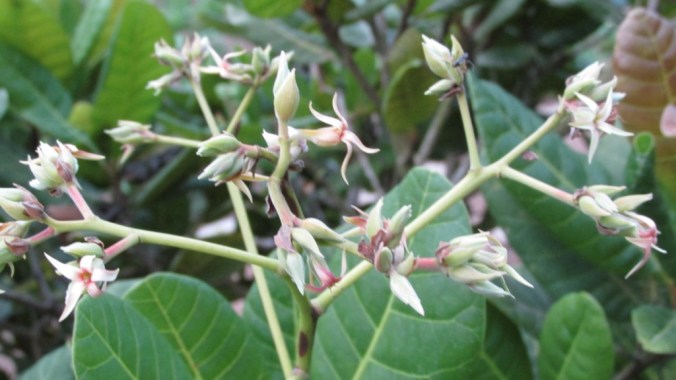
Cashew is an evergreen tree growing in the tropical and sub-tropical regions of the world. Although it is native to the Americas, it is now naturalized in much of Asia and in Kerala the Kollam district is famous for the best quality Cashew Nuts. Continue reading