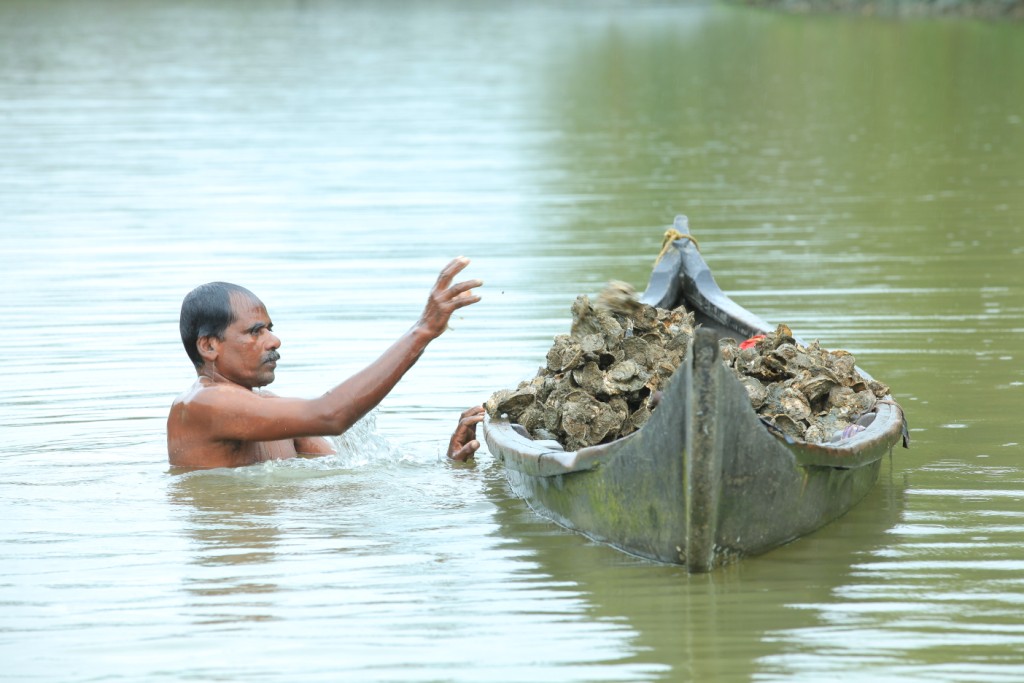
Cassia – Cinnamomum tamala

Cassia is a moderate sized evergreen tree widely growing in the evergreen and semi-evergreen forests of Western Ghats. One of the  popular spices commonly used in the Indian diet, Cassia is generally considered inferior to Cinnamon, but is often used as its substitute. Continue reading

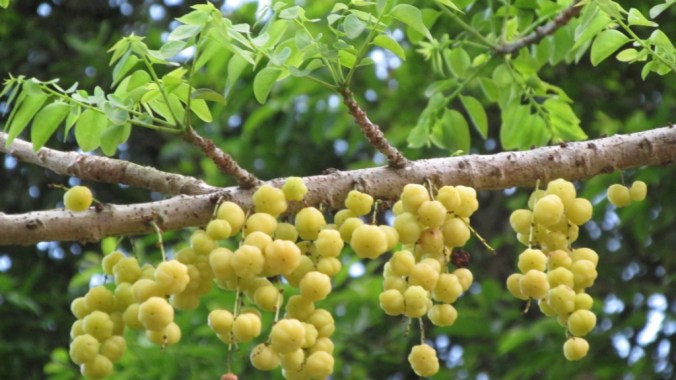
Star Gooseberry – Phyllanthus acidus

Star Gooseberry is a medium-sized deciduous tree that grows up to 7-8 metres high in the tropical and sub-tropical regions of Asia. The round scalloped fruits are mainly used for making pickles in Kerala. Continue reading

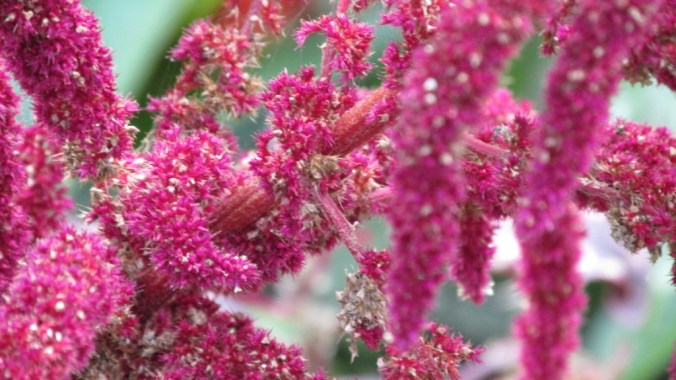
Red Malabar Spinach – Red Amaranthus

Spinach Flower

Red Malabar Spinach is an annual flowering plant , famous for its leaves in vegetable dishes. Fresh spinach is a good source of vitamin A, vitamin C and other essential minerals and it is very low in calories. These plants are widely growing in and around Kerala where it is locally called Cheera. Continue reading

Foxes, Henhouses And Old Watchdogs Learning New Tricks

We believe governments and NGOs, supported by research in academia and elsewhere, are the institutions best designed to establish, enforce and monitor environmental protection schemes.  NGOs can also play a philanthropic role.  Enterprises such as ours have evolved in the last couple decades to approach conservation challenges better suited for market solutions.  Now, another random variation in this never-ending evolution of ideas.

What is the implication of conservation NGOs getting into business deals with the very businesses that are causing environmental problems?  We favor innovation, but also evaluation of those new approaches.  We have only recently been paying attention to this relatively new phenomenon, so do not have the answers, but each time we see questions being raised we take note (and will share them here).  This, from the excellent Yale Environment 360 site:

Like plastic bags, coal, and SUVs, beef has few friends in the environmental community. Most environmentalists would point to beef — in particular, beef cattle that spend their final days in confined feedlots — as being responsible for an array of ills — the greenhouse gas emissions that the cattle generate; the groundwater pollution from their manure; the use of antibiotics in animal feed; the vast quantities of monoculture corn grown to feed the cattle; and the enormous amount of chemical fertilizers and water needed to grow the corn. As advocacy group Food and Water Watch put it in a 2010 report, “The significant growth in industrial-scale, factory-farmed livestock has contributed to a host of environmental, public health, food safety and animal welfare problems.” Continue reading

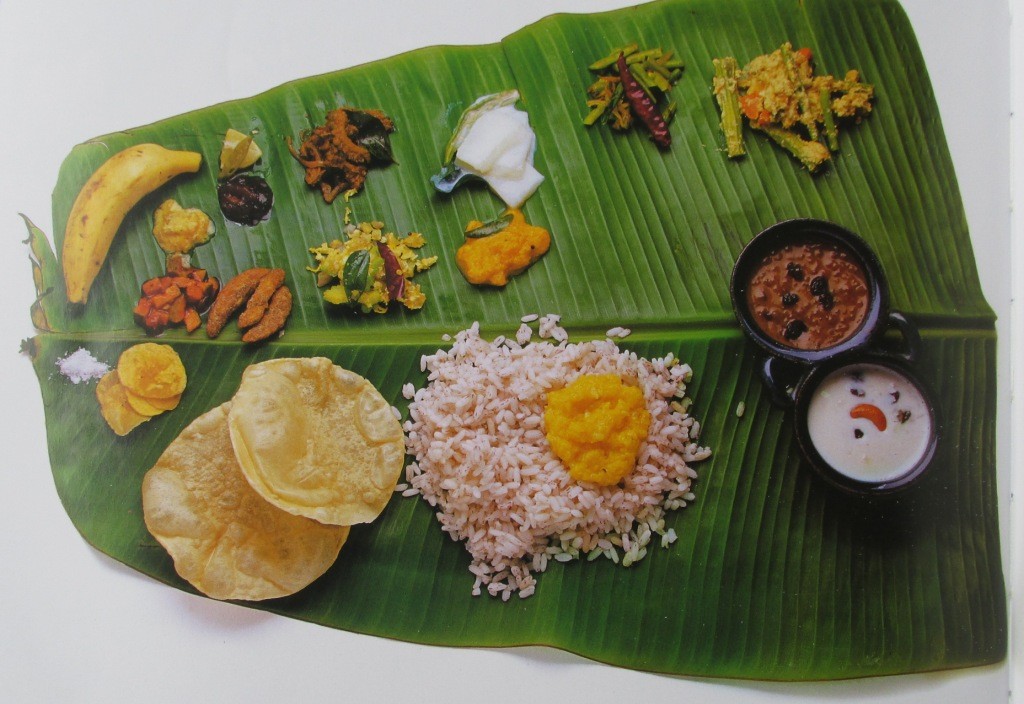
Flavours Of Kerala – Sadya

Food is an important indicator of a region’s history. The diversity that one sees today in Kerala’s food evolved from its past, when profound historical and social events influenced the diet of the inhabitants. Only the end section of the banana leaf is used due to the precise method of serving a Sadya. Starting at the narrow end, individual items are carefully added from left to right with the curries above the dividing spine so they don’t get mixed with the rice which will be  placed on the bottom half later. Continue reading

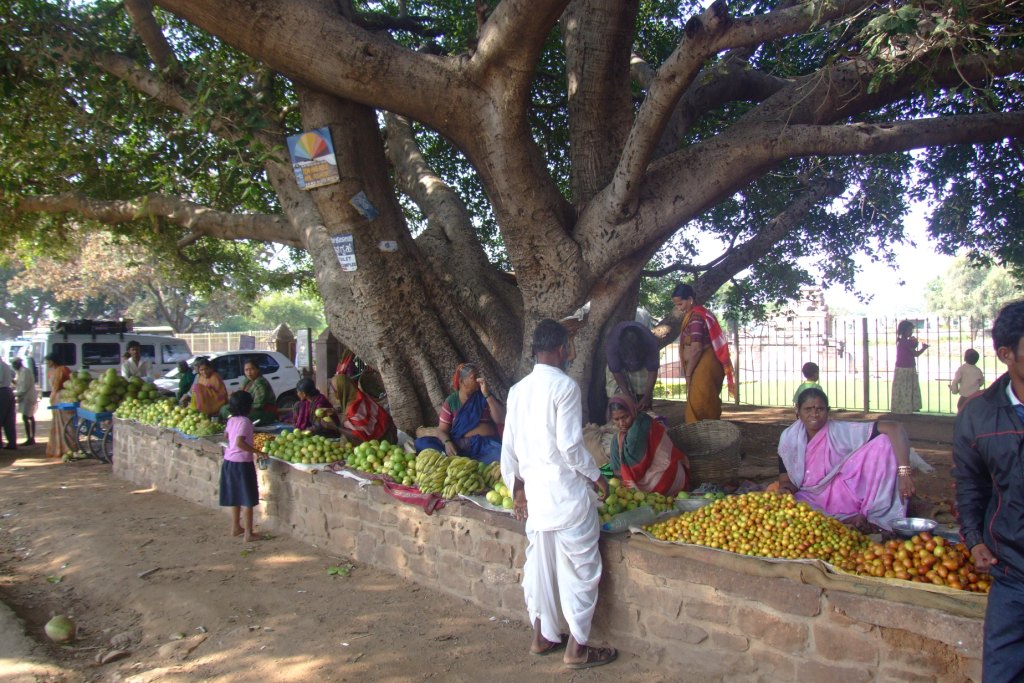
Vegetable Shops – Kerala

Fresh vegetables play a major role in Kerala’s cuisine. People at all levels of the economy use these traditional shops for buying their fresh vegetables such as carrots, cabbage, tomatos, beans, cucumber, bananas, chilies and drumstick.

Flavours Of Kerala- Karimeen (Pearlspot)

Kerala’s extensive network of rivers and backwaters means that fish is plays a central role on any menu and Karimeen (Pearlspot) has come to symbolise that part of the cuisine. Karimeen is a bony fish, treasured for its taste. Its most famous recipe is Karimeen Pollichathu where it is marinated in masala, wrapped in a banana leaf and broiled. Continue reading

Flavours Of Kerala – Pal-Appam (Lacy Rice Cake)

Pal-appam is a popular breakfast dish in Kerala, served with vegetable, mutton or chicken stew.  Alternatively it is served as a starter dish with fish curry for formal meals.  Pal-appam is a white lacy crepe-like cake with crispy brown edges.

Continue reading

From the 2012 Net Impact Conference, Part 2

Continuing on my previous post about the 2012 Net Impact Conference, I want to address some of the interesting and debatable issues that several company panelists spoke about during the conference. I dedicate this post to addressing Monsanto’s climate change adaptation strategies. A very interesting discussion on how businesses have been approaching climate change adaptation included panelists from the World Resources Institute, AT&T, Monsanto, and a few universities. Monsanto’s strategies related to increased crop yield, and its view was that higher production was the clear answer to climate change risk and food insecurity.

Monsanto has experienced a haunted past (and continues to suffer from a poor reputation among environmentalists) with activist groups protesting its GMO seeds and its aggressive litigation against farmers.

Continue reading

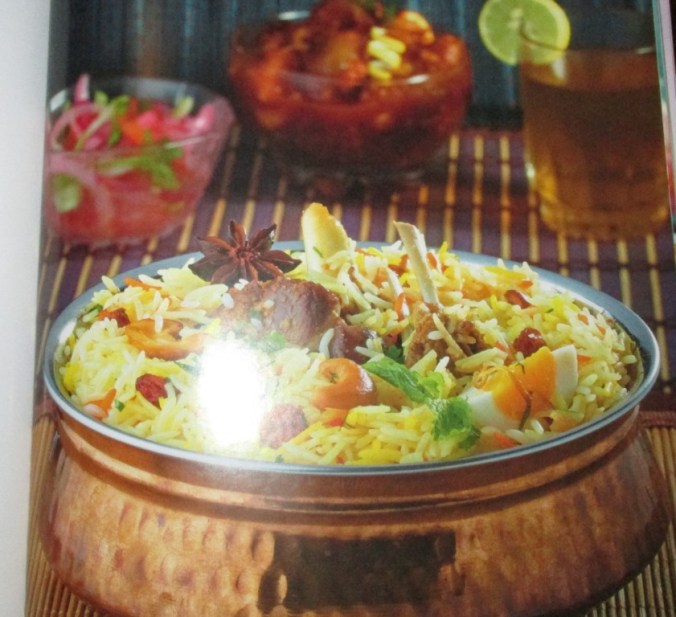
Flavours Of Kerala – Malabar Mutton Biriyani


 The Persians and Mughals influenced the Malabar cuisine and Biriyani is an example of one such delicacy. Biriyani can be prepared using beef, fish or chicken also. Malabar Mutton Biriyani is the most popular among the Biriyanis. Made with special rice, this dish is made using the ‘Dhum’ method. The preparation of the Biriyani masala is a trade secret which is not shared outside of the cooking circles.
Continue reading

Food Issues

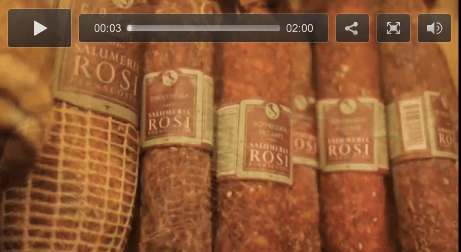
Usually the links to great journalism, or books worth reading, or art exhibitions, etc. on this site are left to to the group as a whole, and under the name Raxa Collective we share things like the video you can click through to on the image above.  The text below will introduce you to that particular video.

But in my own voice, I urge you to pick up a real copy or click through to browse virtual portions of this week’s New Yorker magazine.  For however many years they have been producing a “food issue,” a theme which (in the world we live in) could be tasteless but in this magazine almost never is, I think this year’s is the best yet.  And this little video+writing piece is a good sample (Mimi, you have been much loved in our home and you always will be):

There are very few sausage- and salami-makers left in New York City, and presumably only one with “Swami of Salami” printed on his business cards. Cesare Casella is the executive chef at Salumeria Rosi, on the Upper West Side, where he cooks sausage and conjures up closely guarded formulas for gourmet cured meats. Casella said that cooking sausage brings him back to his childhood in Lucca, Italy, where he raised pigs as pets and then ate them. We sat down with him to see how sausage is made at his restaurant, and find out why so many people are so obsessed with his luscious links. Mimi Sheraton wrote about her obsession with sausage and salami in this week’s magazine.

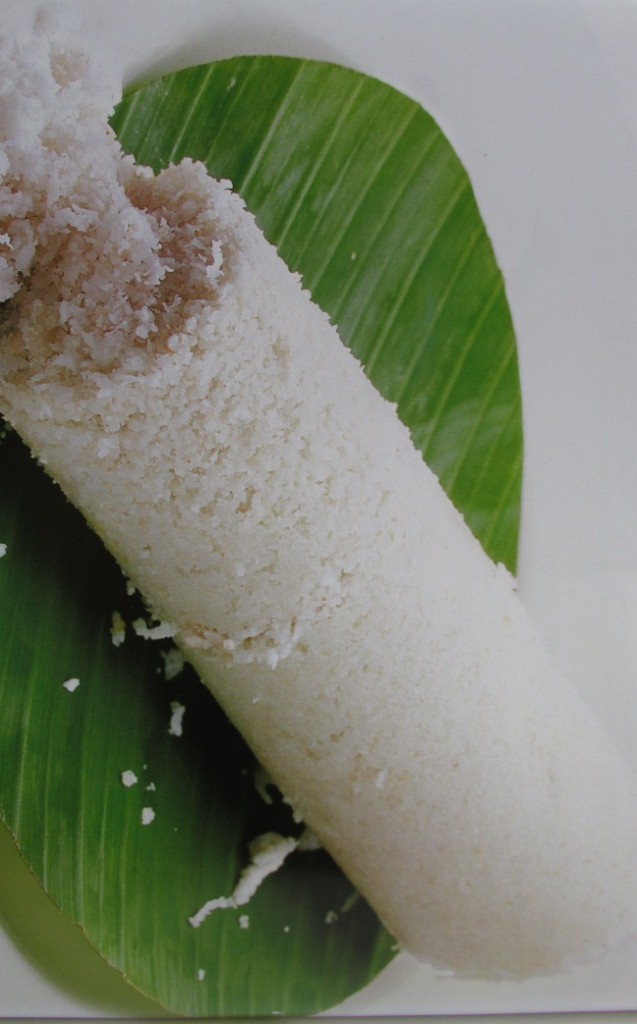
Flavours of Kerala- Puttu (Steamed Rice-Cake)

Puttu is a wonderful main dish for breakfast in Kerala. Easy to make and compatible with everything from ripe bananas to red fish curry this oil -free and healthy dish is made using a unique two piece vessel called a puttu – kudam and puttu- kutti. Continue reading

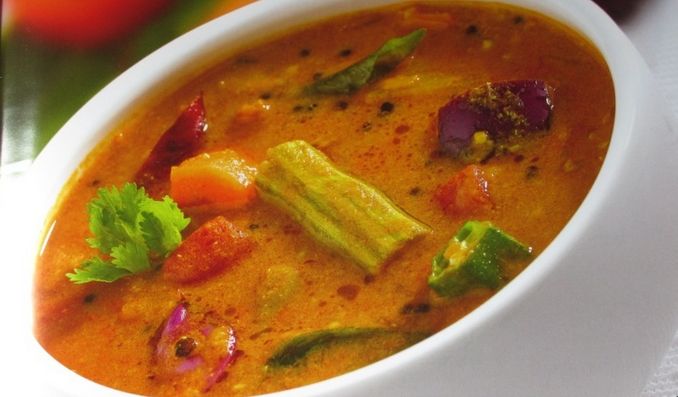
Flavours Of Kerala – Sambar

Sambar is an example of a traditional South Indian spiced vegetable stew. It is a classic dish made with lentil and tamarind based broth, usually served with plain rice, Idli or Dosa, or an element in thali (banana leaf) meals. Each state of South India prepares it with a typical variation adapted to its culture and taste. Continue reading

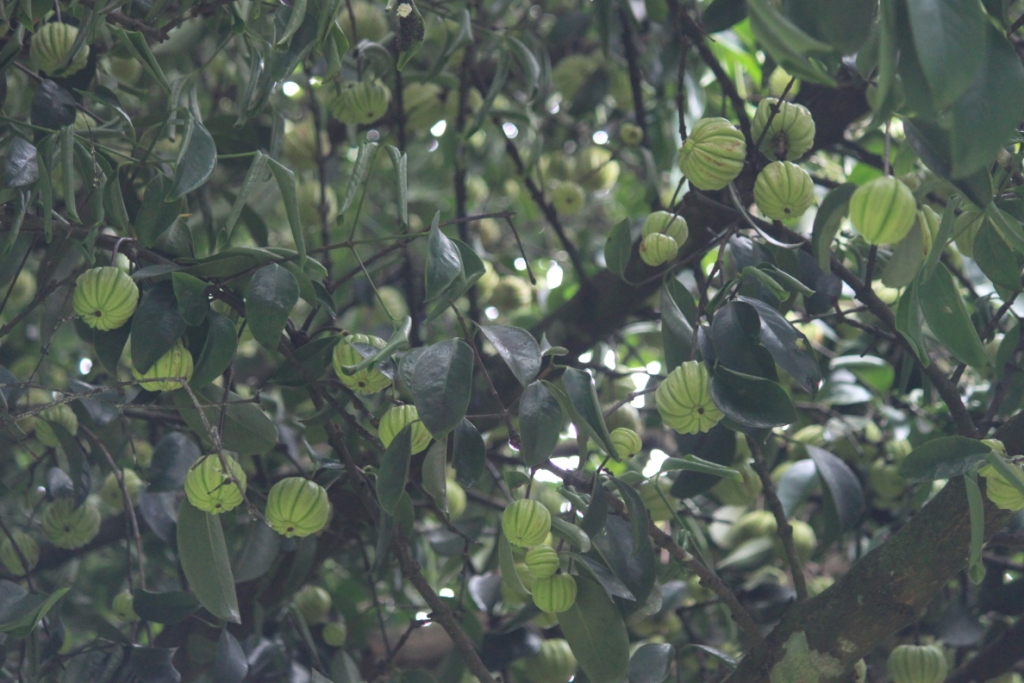
Kokam (Garcinia indica)

Kokam is endemic to the tropical evergreen forest of the Western Ghats and the Malabar coast. It is a slender tree with drooping branches and edible seeds. A member of the mangosteen family, the fruit ripens from green to orange-yellow, and when dried for use in cooking it assumes a near black colour. It has a sour taste with an underlying astringency.

Continue reading

Soy Versus Forest

Brazil soon expects to overtake the US as the world’s biggest soy producing nation. In the Amazon, soy farmers have rapidly expanded their land by using fire, bulldozers, saw mills and logging teams to clear the rainforest. But amid mounting concerns about global warming and biodiversity loss, Brazil’s government is deploying more personnel and equipment to hold the line between the food and the forest

Click above to go to the video and the accompanying story in the Guardian:

As his helicopter descends through the smoke towards an Amazonian Continue reading

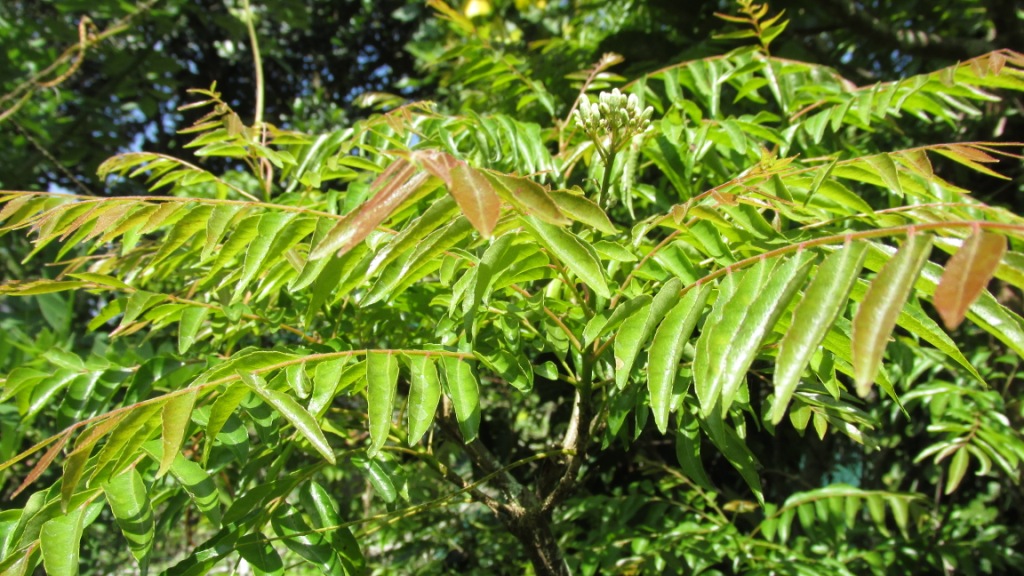
Curry Leaf (Murraya koenigi)

Curry Leaf is a small deciduous tree that grows profusely all over the India. It has been part of Kerala cuisine from the dawn of civilization. It is impossible to describe the aroma and flavour of curry leaves, but it helps define the sensory experience of an India market. Continue reading

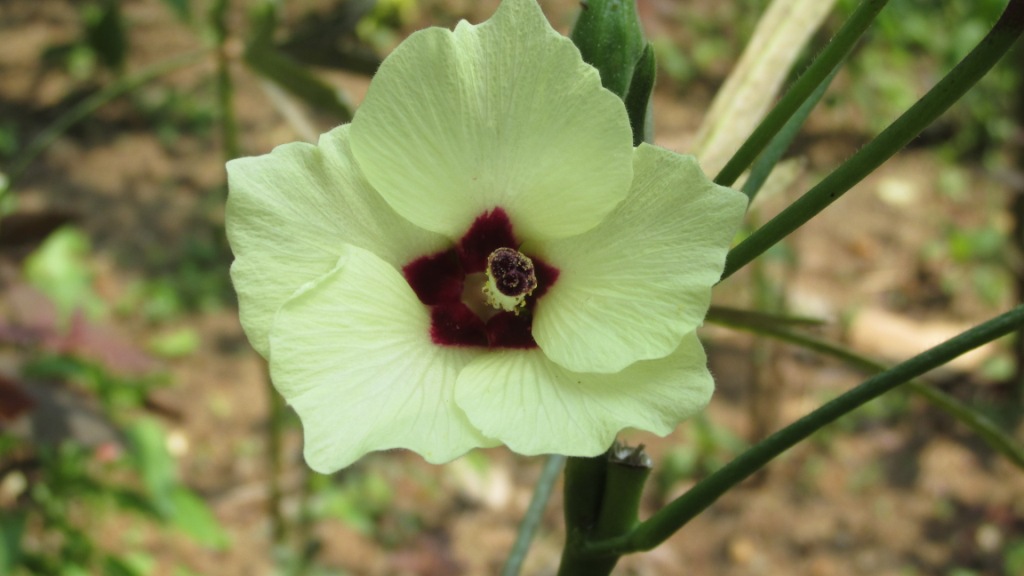
Okra

Okra is a flowering perennial plant that belongs to the mallow family with green edible pods that are widely used as a healthy vegetable throughout the world. These plants are cultivated in tropical, sub-tropical and warm regions.

Continue reading

If You Happen To Be In New York

The moderator, in particular, is a favorite food writer of mine so I must suggest this if you are a passionate participant in the food world, professionally or as a consumer:

Join food-world luminaries including Bill Buford, Will Guidara (co-owner of Eleven Madison Park), and Maguy Le Coze (owner of Le Bernardin) at 92YTribeca on Thursday, November 15, for a discussion with author and Financial Times restaurant critic Nicholas Lander in celebration of his new book, The Art of the Restaurateur. The panel, moderated by Buford, will discuss the role of the restaurateur in the age of the celebrity chef. Tickets are $18.