Metropolis in Atlanta


Fritz Lang's 1927 film “Metropolis” ARCHIVES NEW ZEALAND

Fritz Lang’s 1927 film “Metropolis”
ARCHIVES NEW ZEALAND

In the wake of a U.S. election that left half the population bracing for a dystopian future, it seems a timely moment to present Fritz Lang’s 1927 silent classic, Metropolis. Considered the “father” of science fiction cinema, the film was meticulously restored in 2010.

But it’s the extra element of a live score composed and presented by the Alloy Orchestra that makes this screening an exceptional event. This unusual three man musical ensemble writes and performs live accompaniment to classic silent films using a combination of found percussion and state-of-the-art electronics to generate an amazingly varied array of musical styles.  Continue reading

Life Among The Lighthouses

Lighthouse.jpg

Writing now from Villa del Faro, in Baja California Sur, I am delighted to read this article from the Travel section this week in the NY Times:

Keeping the Fire of Irish Lighthouses Alive

The golden age of lighthouse construction is long gone, but in their wake are beautiful vistas and stories that bring modern Irish history to life.

By

To get to the Clare Island Lighthouse in County Mayo, in the west of Ireland, you climb up to the island’s northern cliffs along a road of stones, past damp sheep chewing grass, around the bend through an alley of fuchsia hedges in bloom. Keep walking until you reach the lighthouse and slip your key in the lock, hang your parka by the door and take a seat beside the peat-burning fireplace. Someone may be nearby to take your drink order, and the reward for a long walk will be a cold gin and tonic and the soft heat of the fire. Continue reading

If You Happen To Be In Tokyo


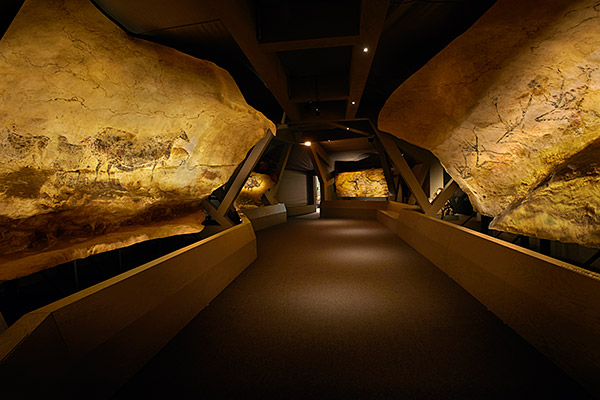
© SPL Lascaux international exhibition

© SPL Lascaux international exhibition

It’s the rare few who will have the opportunity to enter the original Lascaux Cave, but thanks to the foresight of the French government and the hard work of dedicated scientists and artists, an exact replica was opened in 1983 that gave visitors a chance to experience the amazing archaeological site. Nearly 20 years later additional replicas have begun to tour the world.

A few days ago we posted about Judith Thurman’s receiving a Medal of Chevalier in part for her inspiring writings about the Chauvet cave. It was a happy coincidence that the traveling exhibit had just opened in Toyko’s National Museum of Nature and Science.

The National Museum of Nature and Science, the Mainichi Newspapers, and Tokyo Broadcasting System Television, Inc. will hold a special exhibition, “Lascaux: The Cave Paintings of the Ice Age”, from Tuesday, Nov. 1, 2016 to Friday, Feb. 19, 2017. About 20,000 years ago, dynamic pictures of animals were painted on the walls of caves found in southwestern France, the Lascaux Caves. Continue reading
Library Luxury of a Different Sort

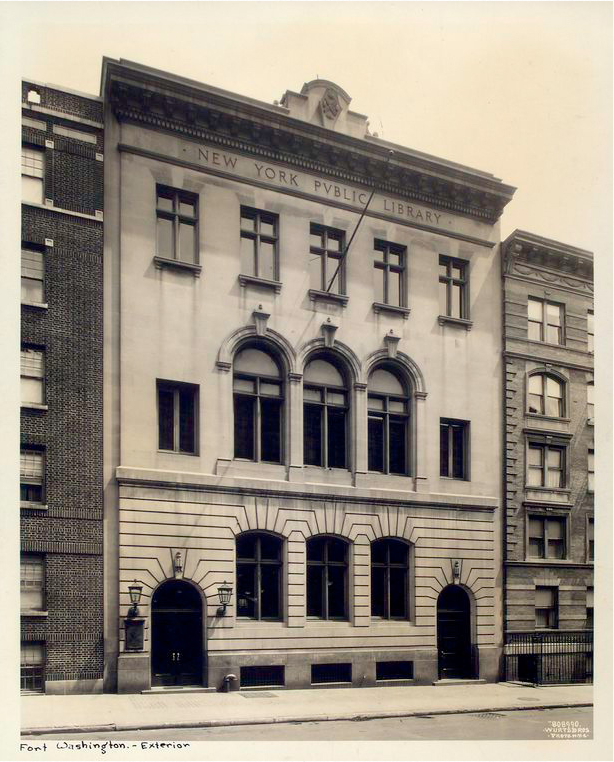
The exterior of the Fort Washington library the year it opened, 1914. The top floor windows are for the apartment. (Photo: New York Public Library/Public Domain)

The beautiful Beaux-Arts design of many of the buildings in the New York Public Library system represent only one definition of luxury. The idea of children growing up playing and reading in the stacks at night produces the colorful imaginings of literature where children spend nights in museums, or ramble about in the “tippy-top floor of the Plaza Hotel”.

I’m sure most of us haven’t heard of the custodian apartments that used to grace New York City’s branch libraries, and I for one, am grateful to Atlas Obscura for sharing this curious history.

Inside the New York Public Library’s Last, Secret Apartments

There are just 13 left.

There used to be parties in the apartments on the top floors of New York City’s branch libraries. On other nights, when the libraries were closed, the kids who lived there might sit reading alone among the books or roll around on the wooden library carts—if they weren’t dusting the shelves or shoveling coal. Their hopscotch courts were on the roof. A cat might sneak down the stairs to investigate the library patrons.

When these libraries were built, about a century ago, they needed people to take care of them. Andrew Carnegie had given New York $5.2 million, worth well over $100 million today, to create a city-wide system of library branches, and these buildings, the Carnegie libraries, were heated by coal. Each had a custodian, who was tasked with keeping those fires burning and who lived in the library, often with his family. “The family mantra was: Don’t let that furnace go out,” one woman who grew up in a library told the New York Times. Continue reading

Stromatolites & You

screen-shot-2016-10-09-at-10-29-39-am

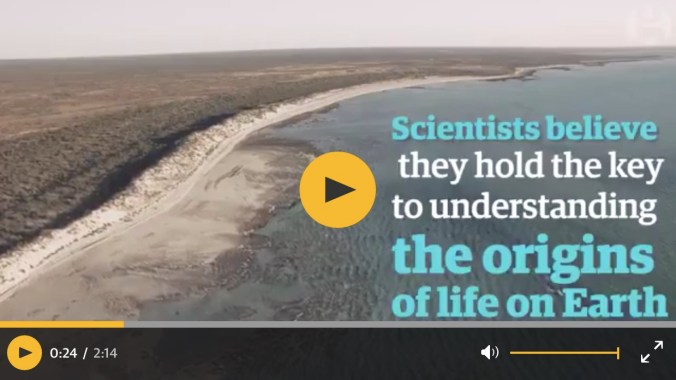
We humans are part of a very tiny slice of history, whereas in Western Australia we can have a glimpse at a big slice of history. It is humbling, and at the same time inspiring. As good science journalism should be. We are not too proud to admit that these had completely escaped our attention until just now:

The natural wonder that holds the key to the origins of life – and warns of its destruction

Stromatolite-building bacteria once ruled the Earth, then changed its climate so much they nearly became extinct. Michael Slezak visits the world’s largest surviving colony in Hamelin pool, Western Australia

Just shy of the westernmost tip of the Australian continent lies a pool that provides an unparalleled window into the origins of life on Earth. In its warm, briny waters a biological process takes place that began just as the continents were starting to form.

It is this very process that made the abundance of life on the planet possible and studying it today promises insights into how life began as well as what the Earth was like 3.7bn years ago. Continue reading

Perspective On The Ages

ages_custom-9ff69ab35ab626c9478bbdca45cef0f576c4797a-s1100-c85

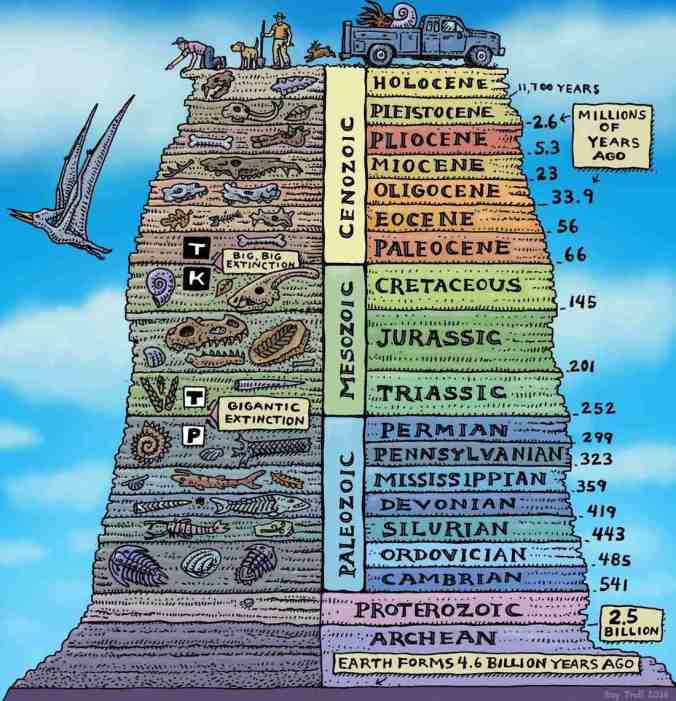
The Geologic History of Earth. Note the timescales. We are currently in the Holocene, which has been warm and moist and a great time to grow human civilization. But the activity of civilization is now pushing the planet into a new epoch which scientists call the Anthropocene. Ray Troll/Troll Art

Big words in the title may distract from the excellent point of this “cosmos & culture” article at National Public Radio (USA), worth a read:

Climate Change And The Astrobiology Of The Anthropocene

You can’t solve a problem until you understand it. When it comes to climate change, on a fundamental level we don’t really understand the problem.

For some time now, I’ve been writing about the need to broaden our thinking about climate. That includes our role in changing it — and the profound challenges those changes pose to our rightly cherished “project” of civilization. Continue reading

Olympic Acknowledgement

Jesse Owens, 1936, AP File Photo

Jesse Owens, 1936, AP File Photo

In February we posted about the documentary film Olympic Pride, American Prejudice, that highlighted the history of the 18 African American athletes attending “Hitler’s Olympics” in 1936 Berlin.

They returned home to their segregated country, receiving zero recognition from President Roosevelt, despite winning a quarter of the metals won by the U.S. team in the games.

Eighty years later, the athletes—16 men and two women—received their overdue recognition by a U.S. president Thursday when their relatives visited the White House for an event honoring the U.S. team at this year’s Rio games.

“It wasn’t just Jesse. It was other African American athletes in the middle of Nazi Germany under the gaze of Adolf Hitler that put a lie to notions of racial superiority—whooped ’em—and taught them a thing or two about democracy and taught them a thing or two about the American character,” President Obama said Thursday. Continue reading

And In Other News Of Justice Related to Native Americans

gettyimages-477544415_slide-adeabb7c612c053a7083d6f756f6b0ec083cec86-s1100-c85

A road through the Gila River Indian Community in 2014. The tribe is one of 17 tribal governments the U.S. government announced Monday it had settled lawsuits with, over alleged mismanagement of land and resources. The Washington Post/Getty Images

Justice. Native Americans. Those are normally combined in the same sentence. But today, twice. In addition to the editorial here, we are happy to read the news below. Recognizing a mistake is a good first step. Taking action to fix the mistake is a great next step. Plenty more to be done on this one:

U.S. Government To Pay $492 Million To 17 American Indian Tribes

The U.S. government has agreed to pay a total of $492 million to 17 American Indian tribes for mismanaging natural resources and other tribal assets, according to an attorney who filed most of the suits.

In a joint press release by the Departments of Interior and Justice, Secretary of the Interior Sally Jewel said, “Settling these long-standing disputes reflects the Obama Administration’s continued commitment to reconciliation and empowerment for Indian Country.” Continue reading

An Unusual Travelogue

9780374710750.jpg

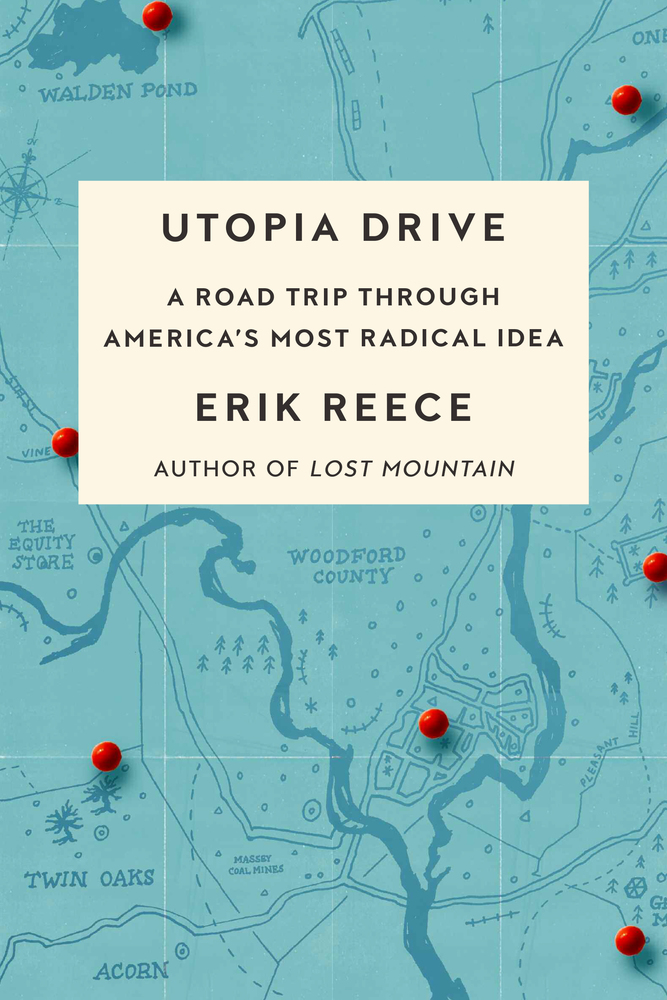
Publishers’ blurbs are sometimes much better than the sound of the word blurb would imply, and anyway I always trust them more than I could possibly trust Amazon’s tricky sales methods. Reviews in trusted publications are best, but they take much longer to read; this blurb has my attention, especially after pondering two decades of life online:

For Erik Reece, life, at last, was good: he was newly married, gainfully employed, living in a creekside cabin in his beloved Kentucky woods. It sounded, as he describes it, “like a country song with a happy ending.” And yet he was still haunted by a sense that the world–or, more specifically, his country–could be better. He couldn’t ignore his conviction that, in fact, the good ol’ USA was in the midst of great social, environmental, and political crises–that for the first time in our history, we were being swept into a future that had no future. Where did we–here, in the land of Jeffersonian optimism and better tomorrows–go wrong? Continue reading

Antikythera, Belize & Wondrous Discoveries

21tb-shipwreck-master768

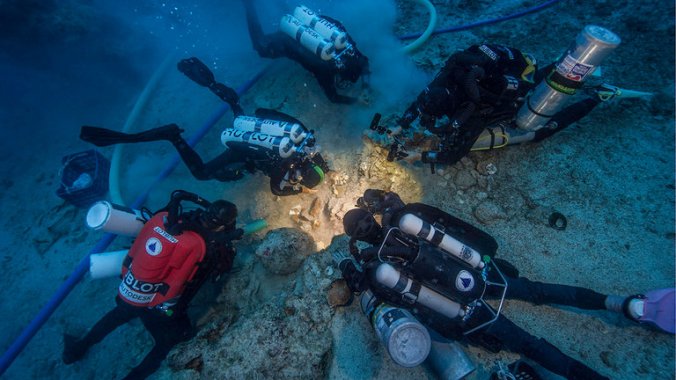
Divers and archaeologists excavating the 2,000 year old Antikythera shipwreck. Credit Brett Seymour/EUA-WHOI, via Argo

This story, about remains recently found under water in a region of the Greek islands where several of us at La Paz Group have very fond memories of, gives me pause. At the time the ship in this story wrecked, the Mayans in Belize were flourishing. The archeologists working at Chan Chich Lodge are still dating the structures there, but the sailor from the ship lost in Antikytheran waters would likely have found the Mayans quite advanced relative to his own culture.

Greece’s classical period was long over by the time this sailor lost his life, and Rome’s empire was still expanding, impressively. Lots of progress, civilization-wise, philosophy-wise, math-wise, geometry-wise in that Mediterranean zone; but also in what is now called Belize, and the wider Mesoamerican corridor. Reading this article, I appreciate the work of archeologists who advance our understanding of those who came before us:

Human Remains Found at Ancient Roman-Era Shipwreck

By

Underwater archaeologists have found a 2,000-year-old skeleton belonging to a victim of the famed Antikythera shipwreck from ancient Roman times. Continue reading

No Kitten Videos Here, But Plenty Of Cats

c0101823-egyptian_mummified_cat-spl_web

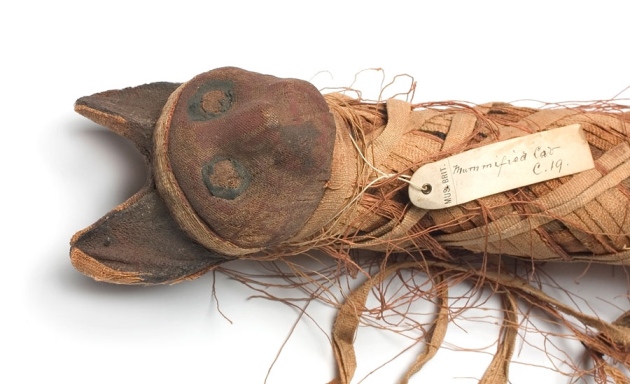
We are human, therefore we love cute kitten videos just like the next person. We just do not need to share them here. That is not our purpose. Ditto for puppy dog videos, though we have a soft spot for scientific explanation for how dog became man’s best friend. Especially when creatively oriented to non-scientists. Back to cats. We have been featuring them as often as possible here, when considered relevant. And then some links for good measure. Our thanks now to Nature, which brings scientific studies within reach of a motivated lay audience, for this story on one path by which cats came to their current prominent state of domestication in our lives:

How cats conquered the world (and a few Viking ships)

First large-scale study of ancient feline DNA charts domestication in Near East and Egypt and the global spread of house cats. Continue reading

Renaissance & Other Possible Interpretations Of Our Times

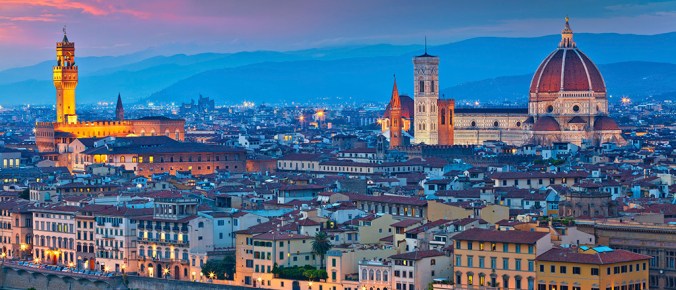
florence

During my morning walk today, while taking in the Onam visuals, I was at the same time absorbing sound, in the form of conversation, from the same phone that was snapping pictures. I use the time of my walks to listen to podcasts, one of the easiest ways for me to stay attuned to happenings and ideas from the USA, my onetime home, and home to many of the people who visit properties we manage.

The central idea of today’s podcast, at once frank about the perils of the “Age” we are in now but also optimistic about how to harness modern tools to navigate these times, took me by surprise:

New Maps, New Media and a New Human Condition

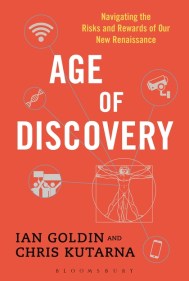
AgeofDiscovery-copy.jpgscreen-shot-2016-09-14-at-2-14-06-pm

Some 500 years ago, Johannes Gutenberg, Nicolaus Copernicus, Michelangelo and others were part of the Renaissance, a time of significant cultural change. Now, authors Ian Goldin and Chris Kutarna say we are in the midst of a second Renaissance.

Continue reading

Podcast: The Magic of Salt

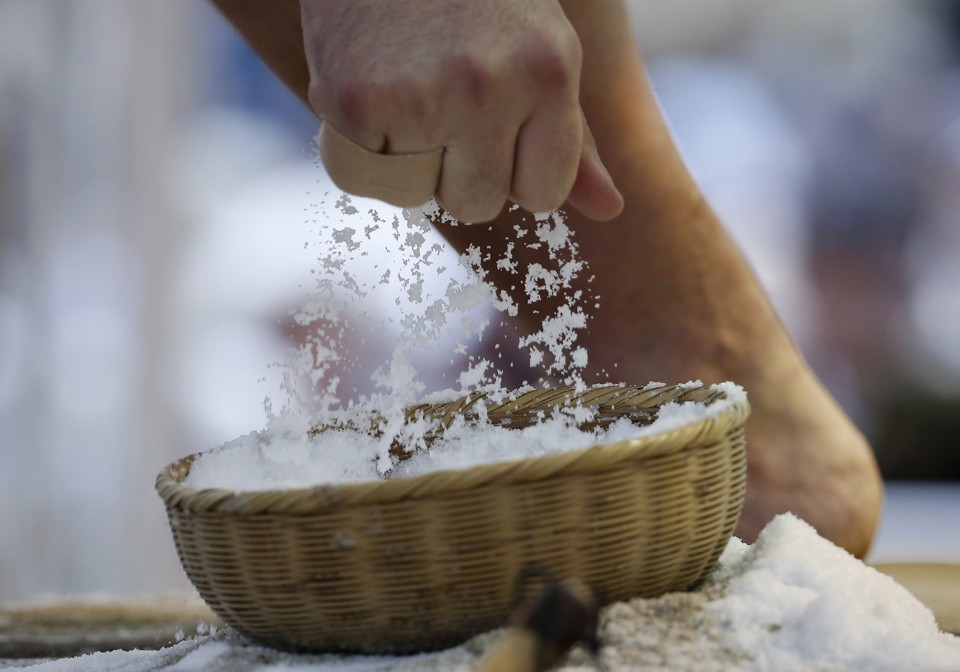
Yuya Shino / Reuters via The Atlantic

Almost exactly five years ago, I quoted Mark Kurlansky’s book focused on the history of an Atlantic fish species, Cod. I knew he’d written another book on the history of salt, but haven’t read it yet. With a podcast episode from Gastropod that was featured in The Atlantic recently, I got a nice summary of the subject and learned even more about the current issues revolving around sodium.

Salt is a magical substance. It reduces bitterness, enhances sweetness, boosts flavor, and preserves perishable foods. Without it, we would die: The human body can’t make sodium, but our nerves and muscles don’t work without it. It was considered rare until quite recently, so it’s hardly surprising that, throughout history, salt has been the engine behind empires and revolutions. Today, there’s a new battle in the salt wars, between those who think that we eat too much of it and it’s killing us—and those who think most of us are just fine. Join us for a serving of salt, seasoned with science, history, and a little politics.

Continue reading

The History of America’s National Parks through Maps

03_gettysburg_battlefield-adapt-1190-1

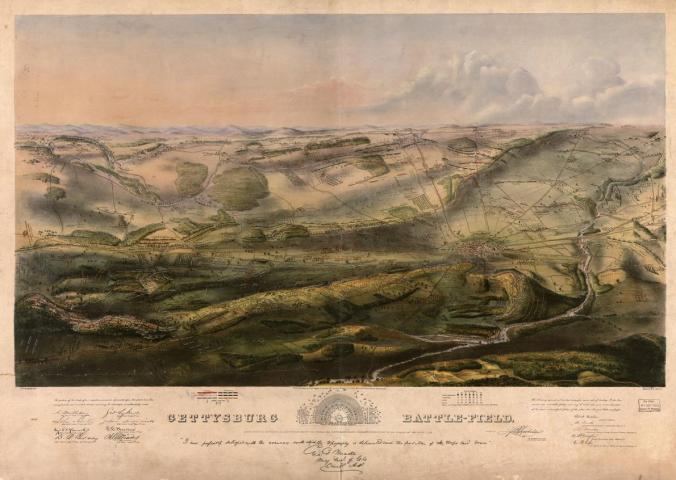
A map depicting the three-day battle of Gettysburg. Source: Library of Congress

Later this week, on August 25th, will be the U.S. National Park Service centennial (more about that on the day in question). So for all history buffs out there, you might enjoy the following article by National Geographic that provides a historical context to several topographical maps of the national parks (a somewhat contrasting view to yesterday’s post on fictional map creation) and their uncharted contribution to historians many years later.

By Betsy Mason

CAMBRIDGE, Mass.—John Badger Bachelder arrived at Gettysburg before the soldiers’ bodies were buried. He spent the next 84 days studying the battlefield by horseback and filling notebooks with the accounts of injured soldiers from both sides of the battle. He even took some of the wounded back to the scene so they could point out their positions and recount what had happened.

Continue reading

Pepper’s Historical Place

A painting of Muziris by the artist Ajit Kumar. In 2004, excavations in Kerala sparked new interest in this lost port. Illustration: KCHR

A painting of Muziris by the artist Ajit Kumar. In 2004, excavations in Kerala sparked new interest in this lost port. Illustration: KCHR

Our first exposure to the name Muziris was during the planing stages of the 1st edition of the eponymous Kochi-Muziris Biennale in 2012. The flurry of activity in Fort Kochi not only brought Kochi into the spotlight of the international Art World, but added focus to the archeological works at Kerala’s ancient port.

Lost cities #3 – Muziris: did black pepper cause the demise of India’s ancient port?

Around 2,000 years ago, Muziris was one of India’s most important trading ports. According to the Akananuru, a collection of Tamil poetry from the period, it was “the city where the beautiful vessels, the masterpieces of the Yavanas [Westerners], stir white foam on the Periyar, river of Kerala, arriving with gold and departing with pepper.”

Another poem speaks of Muziris (also known as Muciripattanam or Muciri) as “the city where liquor abounds”, which “bestows wealth to its visitors indiscriminately” with “gold deliveries, carried by the ocean-going ships and brought to the river bank by local boats”.

The Roman author Pliny, in his Natural History, called Muziris “the first emporium of India”. The city appears prominently on the Tabula Peutingeriana, a fifth-century map of the world as seen from Rome. But from thereon, the story of this great Indian port becomes hazy. As reports of its location grow more sporadic, it literally drops off the map.

Continue reading

Climate Change Deniers Meet Their Match

Oreskes.jpg

Naomi Oreskes. Photograph by Stephanie Mitchell/Harvard Public Affairs and Communications

Thanks to Harvard Magazine for this interview that puts into perspective how science writers can best serve the interest of accurate information about climate change:

Naomi Oreskes on How to Write about Science

HISTORY OF SCIENCE professor Naomi Oreskes talks about climate change the way one might expect of both an earth scientist and a historian. “Science has to be part of the conversation on climate change,” she says, “but it’s not the whole conversation. At this time, I actually don’t think it’s the most important piece. There’s a basic issue of justice here, and we desperately need economists and sociologists and philosophers and artists to be heard.” Her humanist instincts allow her to move a wide audience in a way most scientists never achieve. Her work has helped broaden the public’s acceptance of climate change as an issue of scientific consensus rather than debate, and for taking up this public mantle of climate change advocacy, she will be honored with the Schneider Award for Outstanding Climate Science Communication this winter. Oreskes recently talked to Harvard Magazine about the climate-denial industry, the political role of scientists, and writing about academic research for a wide audience. Continue reading

Iceland, History, Moving Forward

Screen Shot 2016-07-04 at 11.33.11 AM

 A scholar of the Icelandic Presidency swiftly became a Presidential front-runner. ILLUSTRATION BY JASU HU

This article had me in the first sentence, naming Iceland and mentioning historian together. Seth educated himself, with the help of a great university and its incredible historical archives on Iceland, to be a historian of the bachelor variety.  What he learned from those archives and some well structured thinking have served him well since then in Costa Rica.

In his next posting, in Baja California Sur (Mexico), I expect the foundation in history, combined with these last two years of applied practice, will be even more valuable. You will hopefully start hearing about that this week, but meanwhile have a read about current events in Iceland:

ICELAND’S HISTORIC CANDIDATE

How a scholar of the nation’s Presidency swiftly became its Presidential front-runner.

By

When I heard that the historian Guðni Jóhannesson was running for President of Iceland—not only running but entering the final weeks of the campaign as the clear favorite—I was intently curious to be present when and if he won. Continue reading

Recommended Podcast: Food Packaging

Screen Shot 2016-06-30 at 9.51.21 AM

If you are not yet listening to Gastropod, this would be as good a place to start as any:

Outside the Box: The Story of Food Packaging

The invention of food packaging is one of humanity’s greatest achievements. It may seem hard to imagine today, but the first clay pots made the great civilizations of the ancient world possible, while paper’s first use, long before it became a surface for writing, was to wrap food. But packaging’s proliferation, combined with the invention of plastics, has become one of our biggest environmental headaches. In this episode, we explore the surprising history of how our food got dressed—and why and how we might want to help it get naked again.

Continue reading

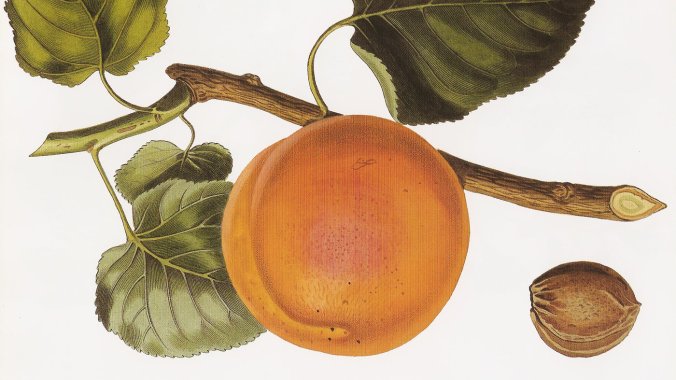
Heavenly Apricots

apricotbotanicalprint1_wide-a63e26cd892d8827bb5ef848d5ee69f1298599ee-s1400-c85

The ‘Turkey’ apricot, a hand-coloured engraving after a drawing by Augusta Innes Withers (1792-1869), from the first volume of John Lindley’s Pomological Magazine (1827-1828). The Romans dubbed the apricot the “precious one.” Poets praised its beauty. The conquering Arabs took it to the Mideast, where the luxurious fruit was exploited in sugary confections. The Royal Horticultural Society Diary/Wikimedia Commons

Thanks to National Public Radio (USA) and the Salt folks:

‘Moon Of The Faith:’ A History Of The Apricot And Its Many Pleasures

The Romans dubbed it the “precious one.” Poets praised its beauty. The conquering Arabs took it to the Mideast, where the luxurious fruit was exploited in sugary confections.

Continue reading

Questions We Never Thought To Ask, But Should Have

celery_custom-f77a18ccad839316bdd9e4df3fd35f4d43fa662d-s1400-c85.jpg

Why did humans start cultivating celery? It’s low-calorie and, one might argue, low flavor. We asked some experts at the intersection of botany and anthropology to share their best guesses. Cora Niele/Getty Images

Thanks to good old Salt, the special feature at National Public Radio (USA):

FOOD FOR THOUGHT

Celery: Why?

by NATALIE JACEWICZ

Celery, the mild-mannered straight man of the vegetable world, packs a puny six calories per stalk and — in my opinion — about as much flavor as a desk lamp. Yet despite its limitations, the fibrous plant has featured in Mediterranean and East Asian civilizations for thousands of years. Continue reading