Invisible, With Clear Vision

242_Parks-690

A forgotten portfolio, back for our viewing and reading pleasure a book offering the photography and writing of two giants, briefly reviewed here:

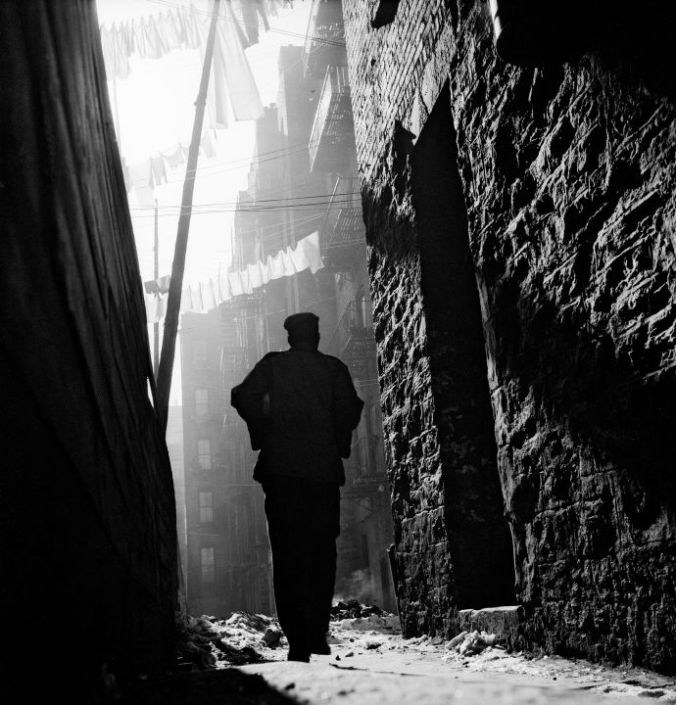
RALPH ELLISON AND GORDON PARKS’S JOINT HARLEM VISION

In the summer of 1947, editors from the short-lived magazine ’47, known since its shuttering in 1948 as The Magazine of the Year, contacted Ralph Ellison—then in the thick of his seven-year labor to complete “Invisible Man”—with an idea for a photo essay on the Lafargue Psychiatric Clinic in Harlem. Established a year earlier with help from Richard Wright, the clinic had become famous for its stance against segregation, not only in the clientele it served but also, perhaps more remarkably, in its all-volunteer staff. Ellison was excited by the prospect, and, after enlisting the photographer Gordon Parks—an acquaintance from Harlem artistic and intellectual circles—he accepted the assignment, though the magazine would go out of business before the photo essay could be published. Continue reading
Intangible Heritage Worthy Of Conservation

9-690

Who gets to decide what is worthy of conservation, and what is not? I am given reason to think about this on a regular basis, given the work that we have been doing for the last two decades. There is no one answer, of course, but I conclude regularly that it comes down to very deep personal experiences–those which lead individuals to alter the path of their lives and thereby have an impact on the conservation of something they have come to care deeply about. John Muir, Teddy Roosevelt and others come to mind on the larger scale of this line of thinking.

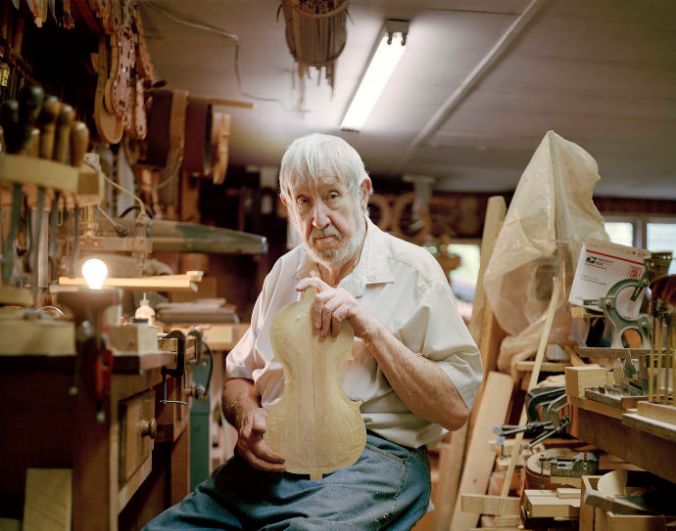
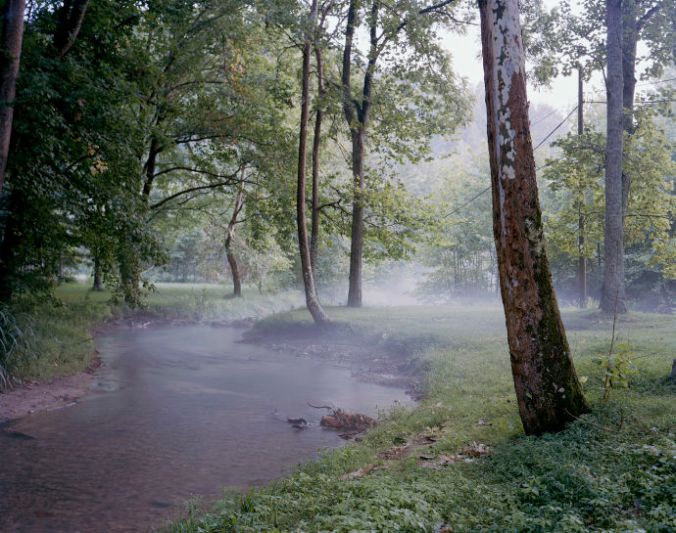
Reading one of our other blog posts today, I was taken back in time to pre-India workdays, 2008-2010. Milo, I had forgotten until just now, had a chance to wrestle firsthand with one of Patagonia’s most important conservation issues, and it is fair to say that what he is doing today is influenced by intense experiences he had in Patagonia, followed by a couple of years living with us in India. That would be an example of a smaller scale of this line of thinking. Same goes for the story I just read, and when I look at the photo above, and the one below, I am reminded that sometimes an image alone, or a series of images like these, can lead to this same path-changing epiphany.

4-690

I have family in the vicinity of this story’s subjects, and am thinking just now that I have not made a visit to that family in too long; time to plan a visit? The thought is now lodged deeply in my thinking.
Continue reading

3.5 Beautiful Minutes

Screen Shot 2016-05-09 at 8.54.30 AM

Image by Jonah M. Kessel/The New York Times.

Disillusioned with China’s urban dream, a young man set off on a 15-year walk and rediscovered his family’s ethnic Miao traditions.


Dirty Things Dominate

Holloway-Hannibals-Route-290x149-1462556756 (1)

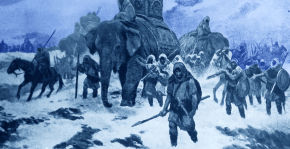
The Carthaginian general Hannibal is remembered for his march across the Alps with thirty-seven elephants, but scholars have long disputed exactly which route he took over the mountains. ILLUSTRATION COURTESY UNIVERSAL HISTORY ARCHIVE / UIG / GETTY

Nature appreciation in these pages frequently has to do with dirty things that are simply fascinating. Related topics we care about such as conservation, as often as not have to do with dirty things; as in, things that need to be cleaned up. Here is another slightly odd appreciation of dirty things that fits the dirty but fascinating and useful category:

Searching for Signs of Hannibal’s Route in DNA from Horse Manure

BY MARGUERITE HOLLOWAY

More than two thousand years ago, thirty-seven elephants from heat-shimmering latitudes ascended Europe’s highest mountain range, tramped though snow and across ice, and breathed the thin air of high altitudes. Those that survived the perilous journey met with a bitter winter and war, as the Carthaginian general Hannibal, who had urged them through the Alps, battled the emergent Roman Republic. Continue reading

Library Charisma

01COLORADO1-master768

An old sheep barn and loafing sheds will one day house books. Credit Allison Amend

It has not been long since our last linkage out to a “library love” story. But this one is combined with a travel/journey and a conservation ethos–themes we enjoy seeing addressed together. Worth a read, thanks to the Travel section of the New York Times:

I am perched on a slippery roof ridge at the Buffalo Peaks Ranch in the rain, feet sliding on ancient asphalt shingles atop rotting plywood decking, tethered only by a rope. For fun.

With me on the roof are five other volunteers who are donating their time and brawn to create a live-in rural library in Colorado, helping the booksellers Jeff Lee and Ann Martin realize their dream.

In the course of their 20 years at the independent Denver bookstore Tattered Cover, Mr. Lee and Ms. Martin have accumulated more than 32,000 volumes on the American West (my first novel, “Stations West,” is among them). Seeking to share the books, and their love of Colorado, the pair, who are married, have leased the Buffalo Peaks Ranch, about two hours from Denver, to house their collection. Continue reading

Journeys That Set Our Lives In Motion

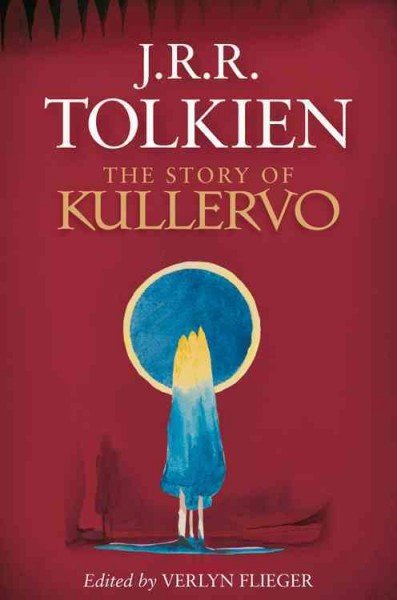
9780544706262_custom-197e5387589323c99cfd561caf58b83ba52e68bb-s500-c85

You do not need to be an admirer of the works of this author to appreciate the value of the story told in this book review (thanks to National Public Radio, USA):

In 1913, the 21-year-old Ronald Tolkien should have been studying for his exams. He was halfway through his Classics degree — the subject all the best students did at Oxford in those days. Getting admitted to Oxford on a scholarship was a great opportunity for young Ronald, an orphan who had always struggled to stay out of poverty. A Classics degree would have set him up for almost any career he chose. But he wasn’t studying. Instead, he was trying to teach himself Finnish.

Why would a brilliant student with so much at stake let himself go astray at such a crucial time? There were two reasons: love and the Kalevala.

Tolkien’s twin obsessions at the time were his future wife, Edith Bratt, and the Kalevala, the national epic of Finland. This collection of poems, myths, spells and hero-tales had been collected and published in the early 19th century, but the poems themselves are thought to be far older. Its unique voice, resembling no other European mythology, thoroughly captured the mind and heart of young Tolkien. “The almost indefinable sense of newness and strangeness … will either perturb you or delight you,” he wrote at the time. Continue reading

Medicine Crow, Last War Chief of his Tribe, Dies at 102

Barack Obama reaches around the headdress of chief Joseph Medicine Crow to place a 2009 presidential medal of freedom around his neck. Photograph: Alex Brandon/AP/The Guardian

The history and rights of Native Americans in the United States have held interest for us over the years, with our last story mentioning a tribe being early last month, in reference to buffalo hunting near Yosemite. Yesterday, the great Crow tribe historian, war chief, and historian Joseph Medicine Crow, who was also a second world war veteran, a holder of the presidential medal of freedom, and a nominee for the congressional gold medal, passed away at 102 years old. Aisha Gani reports for the Guardian:

Medicine Crow, who was raised by his grandparents in a log house in a rural area of the Crow Reservation near Lodge Grass, Montana, wore his war paint beneath his second world war uniform.

As a child, Medicine Crow listened to stories about the Battle of Little Bighorn – the conflict that pitted federal troops led by Lt Col George Armstrong Custer against native Lakota Sioux and Cheyenne warriors. He translated for his great uncle, White Man Runs Him, when white reporters came to interview him about the battle, and would go on to become a lifelong emissary between the Crow community and white Americans.

Continue reading

Architectural History, Revised

Screen Shot 2016-04-03 at 8.17.32 AM

Thanks to the Guardian for this unexpected revision to our architectural history–click above to go to a four and a half minute video explaining:

Fifty-seven years after Jørn Utzon commissioned the work, a 6.5-square-metre wool tapestry by the Swiss-French architect, designer and painter Le Corbusier has been finally unveiled in its intended home. Jan Utzon (the son of Sydney Opera House architect Jørn Utzon), Lasse Andersson (Head of Exhibitions, Utzon Center) and others reveal the untold story of a collaboration between two of the 20th century’s greatest architects, for one of the 20th century’s greatest buildings

The Earliest Artists

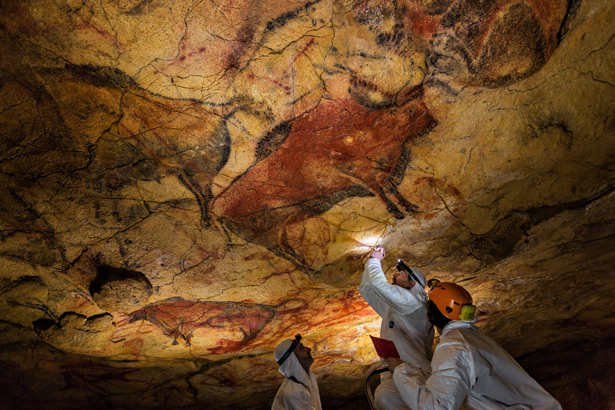
Located in southern France, the Cave of Pont d’Arc holds the earliest-known and best-preserved figurative drawings, dating back to the Aurignacian period (30,000–32,000 BP). PHOTO: Nat Geo

Located in southern France, the Cave of Pont d’Arc holds the earliest-known and best-preserved figurative drawings, dating back to the Aurignacian period (30,000–32,000 BP). PHOTO: Nat Geo

The Cave of Chauvet-Pont-d’Arc has been ferociously protected by the French Ministry of Culture. An exceptional testimony of prehistoric art, the cave was closed off by a rock fall and remained sealed until its discovery in 1994. The images demonstrate techniques of shading, combinations of paint and engraving, three-dimensionality and movement.

Around 36,000 years ago, someone living in a time incomprehensibly different from ours began to draw on its bare walls: profiles of cave lions, herds of rhinos and mammoths, a magnificent bison off to the right, and a chimeric creature—part bison, part woman—conjured from an enormous cone of overhanging rock. Other chambers harbor horses, ibex, and aurochs; an owl shaped out of mud by a single finger on a rock wall; an immense bison formed from ocher-soaked handprints; and cave bears walking casually, as if in search of a spot for a long winter’s nap. The works are often drawn with nothing more than a single and perfect continuous line. In all, the artists depicted 442 animals over perhaps thousands of years, using nearly 400,000 square feet of cave surface as their canvas.

Continue reading

If You Happen To Be in Berlin…

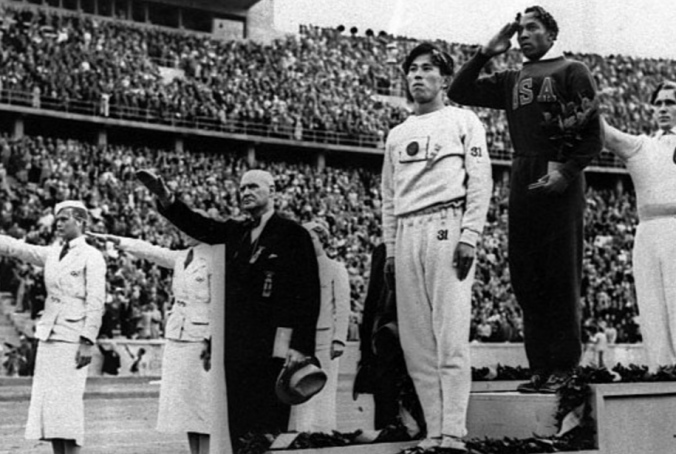
The Berlin International Film Festival 2016 is underway and the submission of the documentary film Olympic Pride, American Prejudice dovetails beautifully with the tradition of Black History Month in the United States.

Olympic Pride, American Prejudice is a feature length documentary exploring the trials and triumphs of 18 African American Olympians in 1936. Set against the strained and turbulent atmosphere of a racially divided America, which was torn between boycotting Hitler’s Olympics or participating in the Third Reich’s grandest affair, the film follows 16 men and two women before, during and after their heroic turn at the Summer Olympic Games in Berlin. Continue reading

Let Yourself In


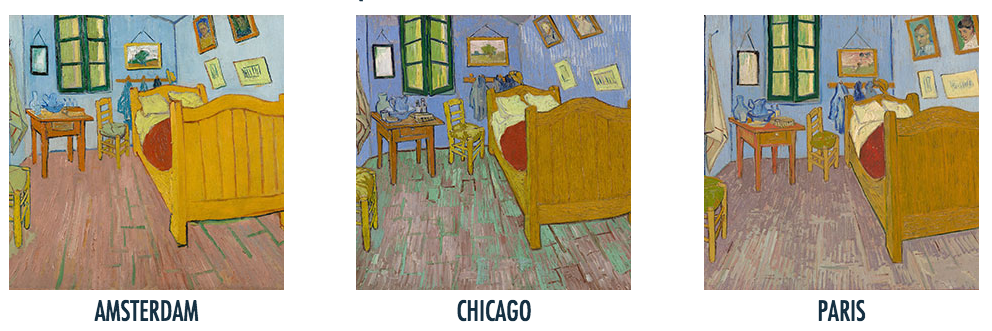
It’s been scientifically proven that people respond emotionally to color and light. The artist Vincent van Gogh was a master of both, and the vibrant, intimate paintings of his bedroom in Arles are evocative examples.

Not only have the curators at the Art Institute of Chicago brought together the artist’s three versions of the room, they’ve created an installation that invites the viewer into a 3-dimensional experience of the iconic painting.

This exhibition is the first to truly delve into the fascinating history of these three paintings and explore the motif of home and its significance to Van Gogh—as haven, creative chamber, and physical reality. The show features approximately 36 works by the artist, including paintings, drawings, and illustrated letters, as well as a selection of books and other ephemera known to have been in Van Gogh’s possession. Continue reading

For Whom the Bell Tolls

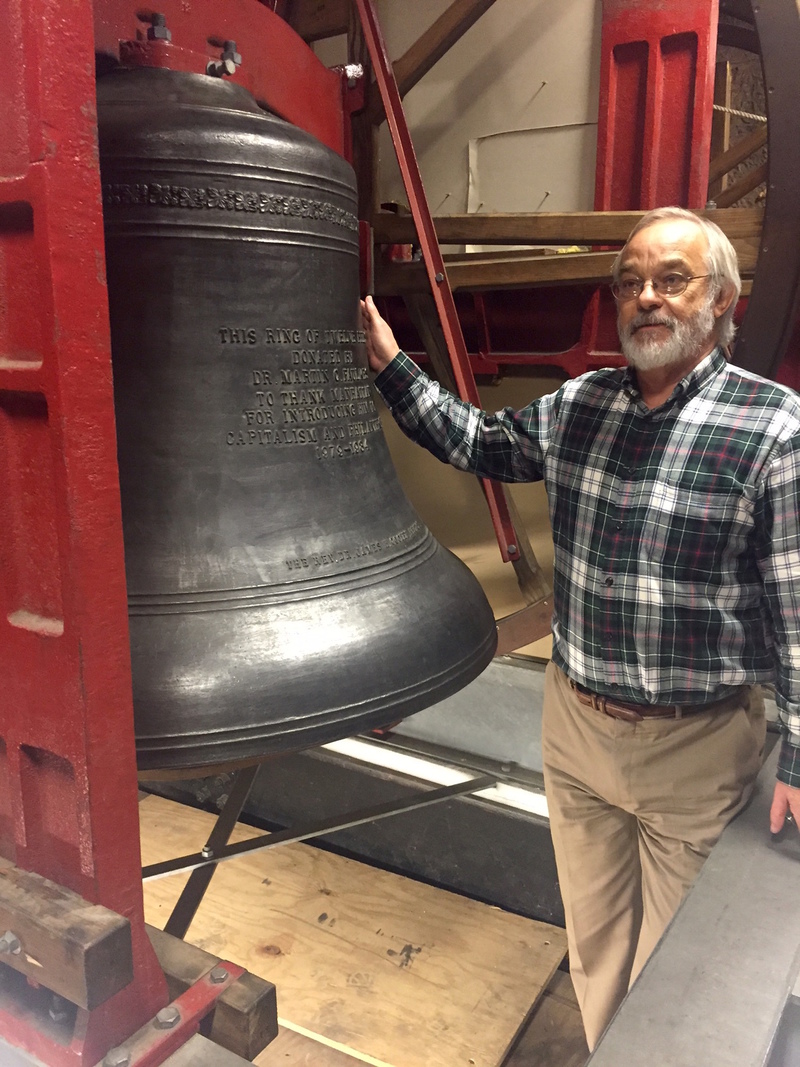
Tony Furnivall beside one of the dozen bells in Trinity Church's clocktower. (Photo: Ella Morton)

Tony Furnivall beside one of the dozen bells in Trinity Church’s clocktower. (Photo: Ella Morton)

If you’ve still not knocked off “do the new” on the year’s bucket-list, we have a suggestion. Join the Wednesday Night rites of New York’s church bell ringers.

Bell ringing, also known as change ringing, is what Furnivall calls “an ultra-niche interest.” Originating in medieval England, it is practiced by an estimated 40,000 people around the world today, mostly in the United Kingdom and among countries of the former British Empire. In the U.S., there is a small but enthusiastic bell-ringing scene, spread across 42 towers. The North American Guild of Change Ringers, established in the 1970s, calls ringing “a team sport, a highly coordinated musical performance, an antique art, and a demanding exercise.” “We ring bells to celebrate,” Furnivall says, and if you’re spry enough to clamber up a clock tower, you can grab a rope and join in the fun.

Continue reading

Where We Stand


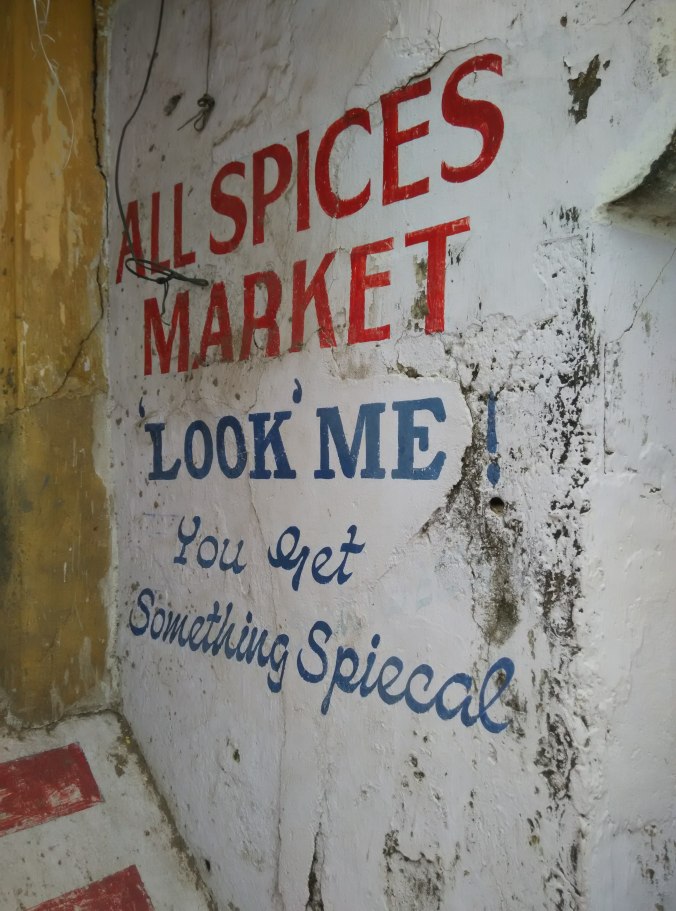
There’s something beautifully timeless about Bazar Road in Mattanchery. The classic counting methods and long-standing relationships between the stevadores and shop keepers. The ebb and flow of commerce as merchandise moves through the streets. The noble patterns of fishermen setting their nets or going out to sea.

Experience a portal into those journeys here…

The History of Organic Design

organic design

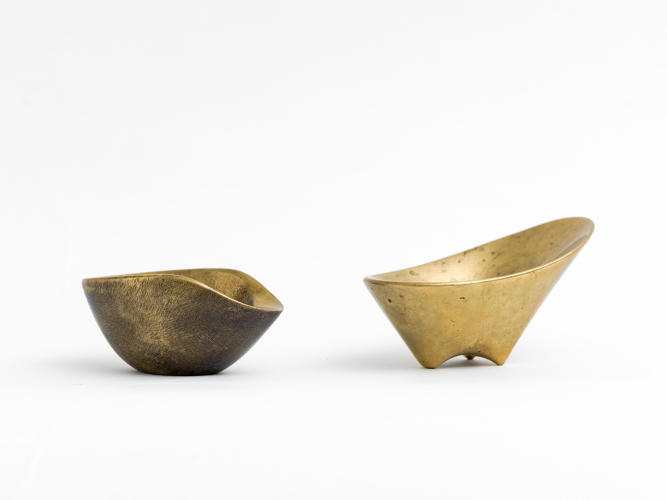
Carl Aubock II [Austrian, 1900-1957] Ashtray, Model No. 3597, 1948. Ashtray Model No. 4736, 1947. PHOTO: CoExist 

What about the world of design is organic? Literally, yes it involves environmental concerns, also the premise of using Nature as the basis for design. Design that grows – inside out – as the elements of Nature. CoExist delves into the history of organic design:

In the 1930s, the central belief of the organic movement was that furniture and architecture should reflect a harmony between people and nature. In furniture design, this meant natural materials like wood, and smooth, rounded forms. The bent plywood furniture of legendary French designer Jean Prouve came out of this period, as did Marcel Breuer and his laminated birch plywood armchair with a calfskin cushion. These designers prided themselves on being dedicated to their craft, and their pieces were painstakingly made and not easily reproduced. “They saw it as a unique work that refers to nature,” says Olshin. “These pieces tend to be unique one-of-a-kind studio work that’s not easily produced in mass quantities.”

Continue reading

Who Dreamed This City into Being?

paris

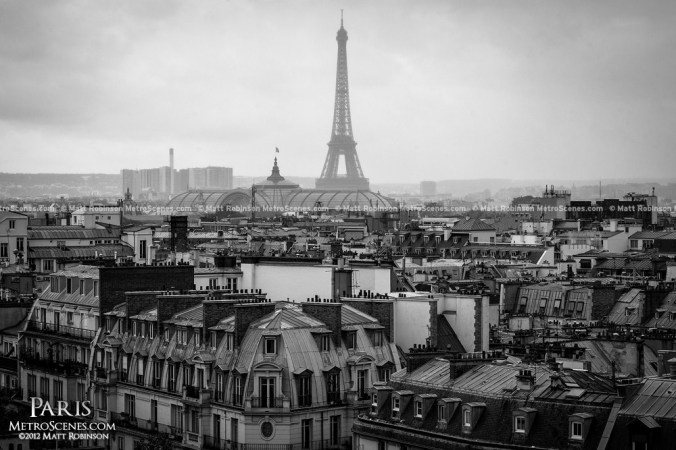
In the 19th century, George-Eugene Haussmann completely redesigned and rebuilt the French capital. PHOTO: Matt Robinson

“Paris was a universe whole and entire unto herself, hollowed and fashioned by history; so she seemed in this age of Napoleon III with her towering buildings, her massive cathedrals, her grand boulevards and ancient winding medieval streets–as vast and indestructible as nature itself. All was embraced by her, by her volatile and enchanted populace thronging the galleries, the theaters, the cafes, giving birth over and over to genius and sanctity, philosophy and war, frivolity and the finest art; so it seemed that if all the world outside her were to sink into darkness, what was fine, what was beautiful, what was essential might there still come to its finest flower. Even the majestic trees that graced and sheltered her streets were attuned to her–and the waters of the Seine, contained and beautiful as they wound through her heart; so that the earth on that spot, so shaped by blood and consciousness, had ceased to be the earth and had become Paris.”
Anne Rice, Interview with the Vampire

Literature, history, art, everyday news, talk at a neighborhood cafe – the exquisite and the commonplace are rife with paeans to this city. But how did she come into being?

Continue reading

An American Soldier, World War, and India

photo

28 years ago, a Chicago-based couple found a shoebox of photographs of the Indian countryside and they traveled halfway across the world to find their origin. PHOTO: Scroll

Here’s the plot: In 1988, a couple visited an estate sale of a deceased friend and stumbled upon a shoebox of old photographs tucked under a couch. It contained more than a hundred envelopes filled with negatives and contact sheets for photographs depicting India in 1945. The identity of the photographer: unknown.

But only until they set out to discover the man behind the lens. The answer (and the photographs) hang at Delhi’s Indira Gandhi National Centre for the Arts till January 31.

Continue reading

When A Legend Fades Away

Stories about the Yeti date back thousands of years, especially in the Himalayan nations. Legends say it can be seen only when it comes down from the high mountains to lower elevation and that it passes through the forests and into the villages where it surprises or scares people and sometimes kills a yak for food. Several climbers claim to have seen an unusual animal on their way up Mount Everest. A few have taken photographs of very large footprints in the snow, claiming they belong to the Yeti. It has another name that many people will recognize: Abominable Snowman. Think of a big human-like animal covered in white hair, with huge canine teeth and very big footprints.

But now, no one’s looking for the Yeti.

Continue reading

Still Standing – the Last Jews of Jew Town

The Paradesi synagogue in Jew Town, Fort Kochi, Kerala.  Credit: Alyssa Pinsker

The Paradesi synagogue in Jew Town, Fort Kochi, Kerala. Credit: Alyssa Pinsker

Xandari Harbour, going beyond a hotel, doubles as a gateway to history. Located between the tourist paradise of Fort Kochi and the heritage rich bylanes of the spice markets of Mattanchery, it sees people and time come and go. Among the tales we hold precious is the heartwarming lifestory of the Jews of Jew Town. A handful left, behind doors and windows they sit – reminders of a people who found warm refuge in an alien land. Reminders of a page of a history turning to close.

In a small neighbourhood in the South Indian city of Cochin, Kashmiri shopkeepers in Islamic dress stand in front of shops emblazoned with banners reading “Shalom!” Inside, Hindu statues and shawls vie for space with Jewish stars, menorahs and mezuzahs. Although this multiculturalism might seem strange, the majority-Hindu city is well known for its substantial Muslim and Christian populations. Less known is that there’s also a fast-dwindling native Jewish community, known as the Paradesi (Foreign) Jews, who once populated the neighbourhood of Jew Town.

Continue reading

Design Lessons from History

Masdar city in the United Arab Emirates has attempted to combine some of the lessons learned from the past with modern technologies by increasing shaded areas, creating narrow streets and constructing a wind tower.

Masdar city in the United Arab Emirates has attempted to combine some of the lessons learned from the past with modern technologies by increasing shaded areas, creating narrow streets and constructing a wind tower.

Oil heartlands of Abu Dhabi, Dubai, Doha and Iran’s coast will experience higher temperatures and humidity than ever before on Earth if the world fails to cut carbon emissions, according to a recent study. While air-conditioned homes and offices provide respite from the heat, architects are looking to history to find how civilizations battled the hostile conditions.

Historically, the inhabitants of the Gulf were either farmers living near oases in agricultural villages, Bedouins living in tents in the desert, or urban dwellers living in cities. Given the global trend toward urbanisation, it makes sense to take a closer look at how the latter group coped with the heat. Traditional buildings in the gulf’s cities and villages are designed to maximise shading, reduce thermal gain of the sun radiation, regulate building temperature and enhance air circulation. These effects are achieved through a clever combination of building materials, placement and design.

Continue reading